

Phosphatidylserine Supplements
(0 Results)
Phosphatidylserine supplements are a popular choice for those looking to support cognitive function and overall brain health. Known for their potential to enhance memory, focus, and mental clarity, these supplements contain a phospholipid that plays a crucial role in maintaining healthy cell membranes in our brains. Whether you're a student aiming to boost your studying performance, a professional seeking sharper mental acuity, or simply someone looking to support your brain's well-being as you age, incorporating phosphatidylserine supplements into your daily routine may offer a natural way to promote optimal brain function.

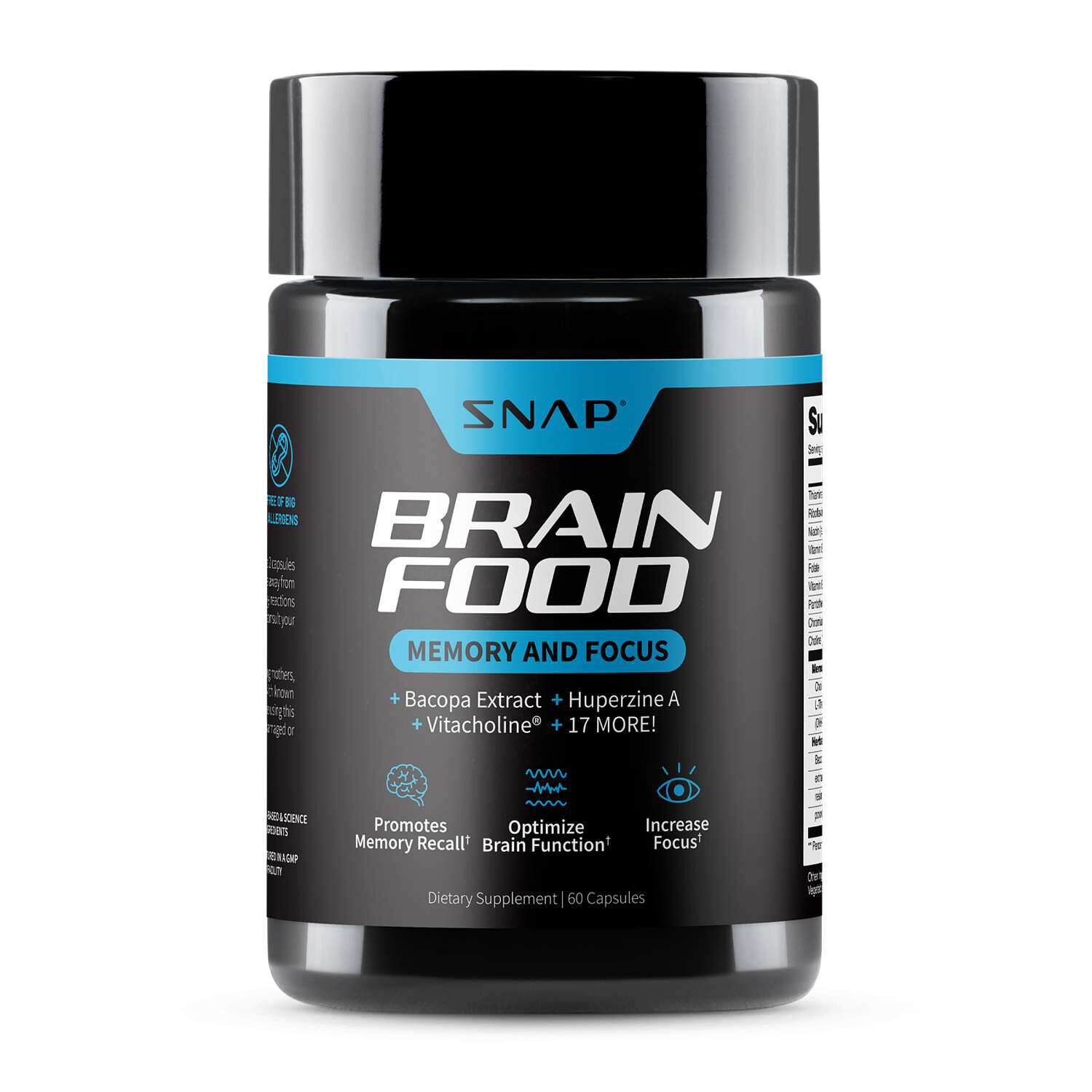
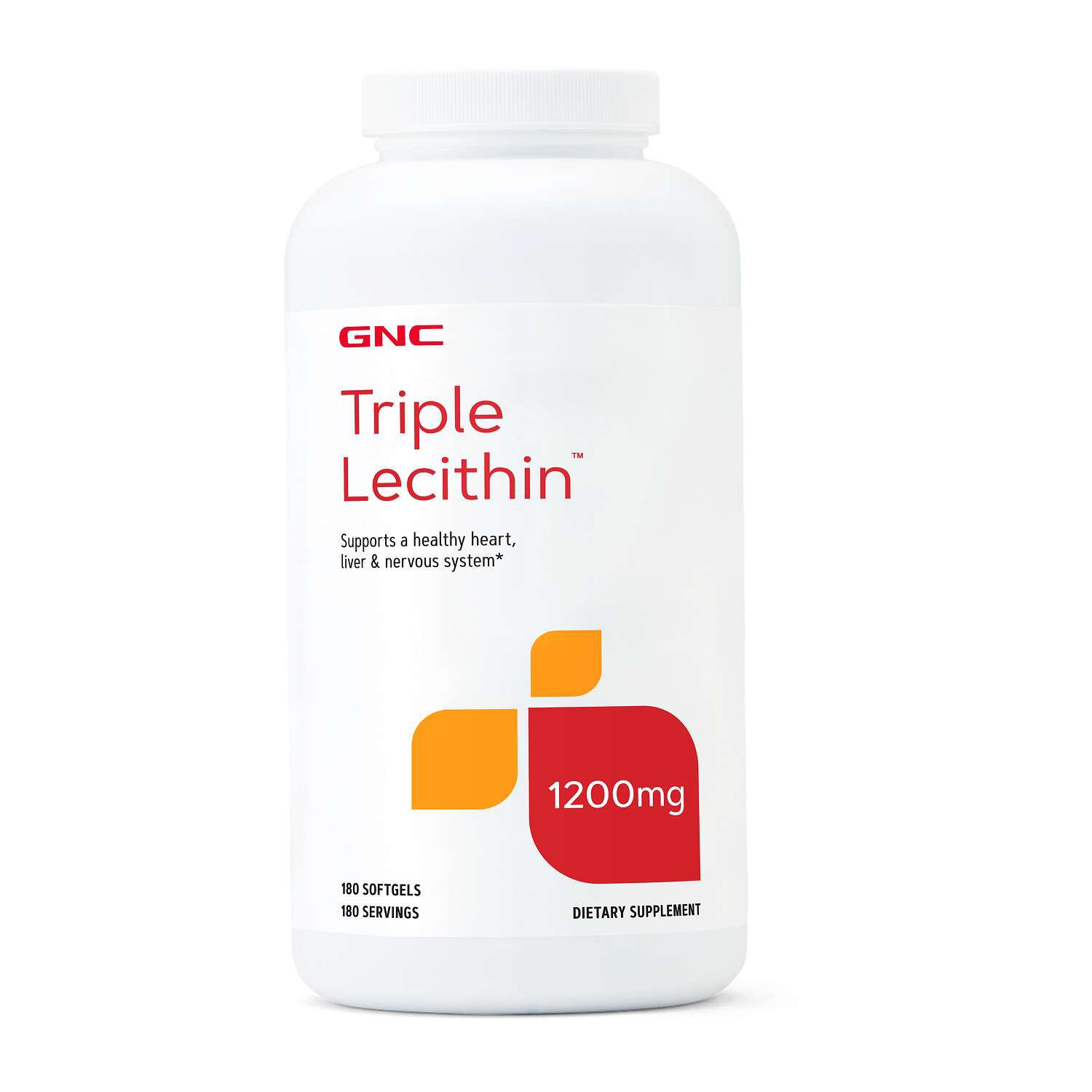

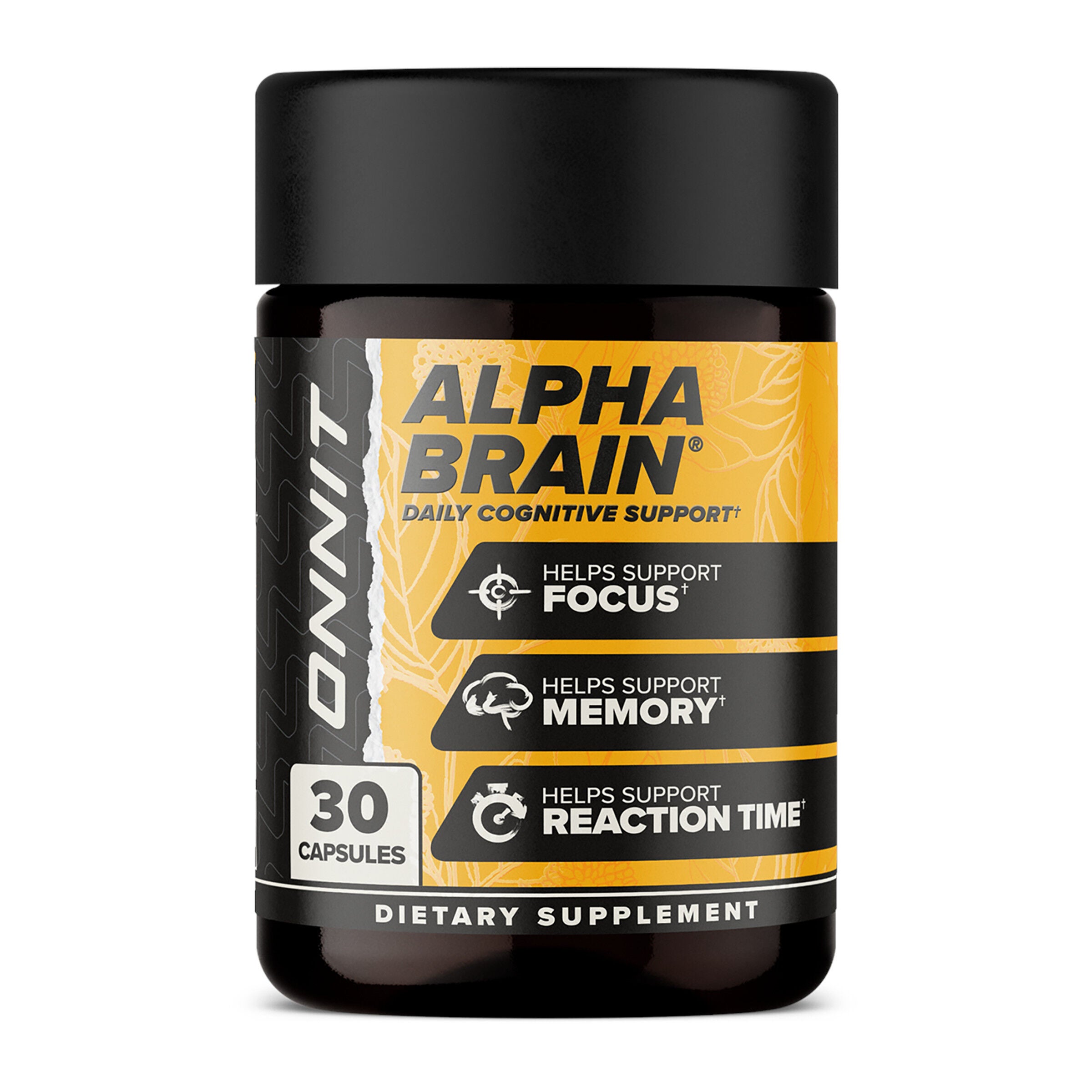
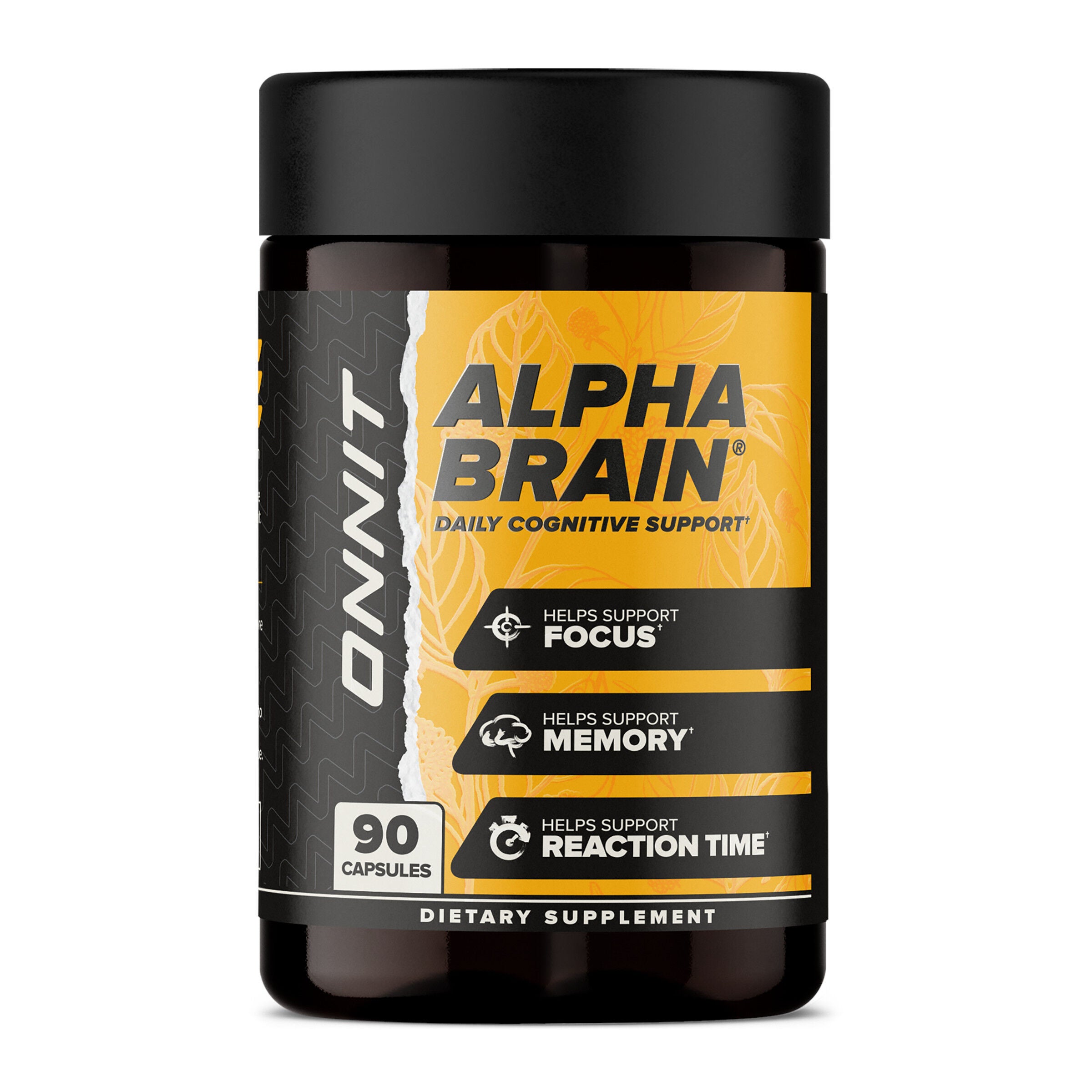
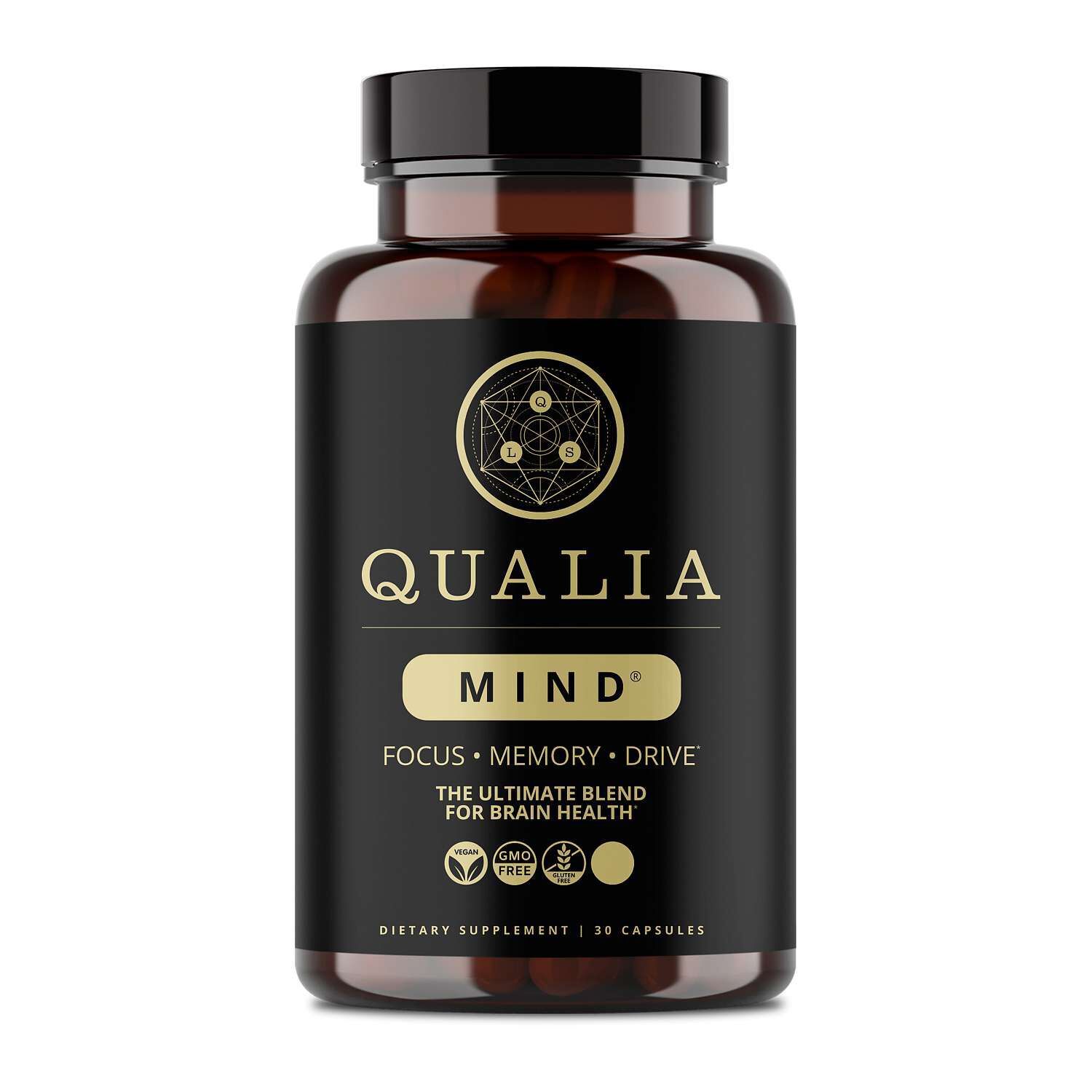
Phosphatidylserine supplements offer a way to add this naturally occurring phospholipid to an everyday nutrition routine. A phospholipid is a type of fat that forms part of cell membranes, and phosphatidylserine is found throughout the body, including in brain cells. In supplement form, it is often considered by adults interested in memory, focus, and everyday cognitive wellness. Phosphatidylserine may support these functions, although individual experiences can vary, and a product description cannot predict what someone will notice. Understanding the ingredient itself is a useful starting point when browsing this category: phosphatidylserine is not the same as a general protein supplement, a multivitamin, or a caffeinated drink. It has its own identity on the Supplement Facts panel, even when it appears alongside other ingredients. Many formulations use phosphatidylserine derived from soy or sunflower lecithin, making ingredient sourcing an important point of comparison. Lecithin is a mixture of fatty substances rather than another name for phosphatidylserine, so the amount of lecithin listed should not be assumed to equal the amount of phosphatidylserine provided. Look for a clearly stated phosphatidylserine amount per serving, together with information about its source. Capsules and softgels are formats shoppers may encounter, with differences in serving size, shell ingredients, and packaging. Some products center on phosphatidylserine alone, while others combine it with additional nutrients or botanical ingredients. Neither approach is automatically the better match for every shopper. A single-ingredient formula makes it easier to see exactly what the purchase adds to a routine; a combination formula brings several ingredients into one serving but calls for a closer reading of the label. For someone who enjoys knowing the details behind a daily habit, these distinctions are often more useful than an eye-catching phrase on the front of a bottle. The most informative comparisons begin with the ingredient panel, not the size of the package or the length of the product name.
When comparing phosphatidylserine supplements, separate the amount per capsule from the amount per serving. A label might list a serving as one capsule or several, and that distinction changes how long a bottle will last when used according to its directions. For example, a bottle containing 60 capsules with a two-capsule serving provides 30 servings, not 60. Comparing price per labeled serving gives a more meaningful view of value than comparing bottle prices alone. It is also worth checking whether the stated phosphatidylserine quantity appears on its own or within a blend. When a label lists only the combined weight of several ingredients, it may be harder to compare the phosphatidylserine amount with that in another formula. Ingredient sourcing deserves similar attention, particularly for shoppers with dietary preferences or ingredient sensitivities. Soy-derived and sunflower-derived options differ in source, but the source alone does not describe every ingredient in the finished product. Capsule shells, softgel materials, and other added ingredients can also matter to someone seeking a vegetarian or vegan option. Read the dietary statements and allergen information rather than making assumptions from the main ingredient. The “other ingredients” section may identify gelatin, cellulose, oils, or ingredients used during manufacturing, depending on the formulation. Clear labeling, accessible sourcing information, and details about independent testing can help distinguish otherwise similar choices. A testing statement is most useful when it explains what was assessed, such as ingredient identity or the amount present, rather than relying on a vague quality description. Practical details count, too: capsule dimensions, the number of servings, the printed date, and storage directions all contribute to whether a bottle suits your household. Think of the small details that matter when the package arrives—the label you can read easily, the serving count that matches your shopping rhythm, and a format you are comfortable using. Those considerations make the purchase more personal without turning it into a complicated project.
Adults may explore phosphatidylserine supplements for different reasons, from an interest in memory support to a preference for a more focused selection of nutrition products. A working adult moving between spreadsheets and afternoon meetings, a student organizing a demanding reading schedule, or an older adult interested in cognitive wellness may browse the same category with different priorities. These everyday situations explain the interest in the ingredient; they do not establish that a supplement will improve work, studying, or recall. Phosphatidylserine may support memory and attention, but it should not be treated as a shortcut to a particular outcome. For shopping purposes, the more useful question is whether the formula matches the ingredient preferences, format, and budget of the person who will use it. Someone who already purchases several supplements may prefer a straightforward formula with an individually listed amount, while another shopper may want to compare combinations carefully for overlapping ingredients. If you are exploring related categories, Memory Support Supplements With L Theanine offers another ingredient-focused selection to browse; the ingredients are distinct and should not be assumed to serve identical purposes. During the cooler months, when routines may shift toward indoor projects, evening reading, and fuller calendars, a manageable shopping routine can be more appealing than adding several unfamiliar products at once. Picture the ordinary setting rather than a dramatic transformation: a book beside a favorite chair, a notebook open on the kitchen table, or a carefully organized desk. A supplement is only one optional part of that broader routine. As a gift, phosphatidylserine is generally a more personal choice than a shaker bottle or gym bag, so it is better suited to someone who has specifically requested it and shared their preferences. For your own purchase or a requested gift, prioritize transparent ingredient amounts, suitable sourcing, clear directions, and a sensible serving count. A well-considered choice begins with knowing what is in the bottle and how that particular format fits the intended routine.