Memory Support Supplements With L Theanine
(0 Results)
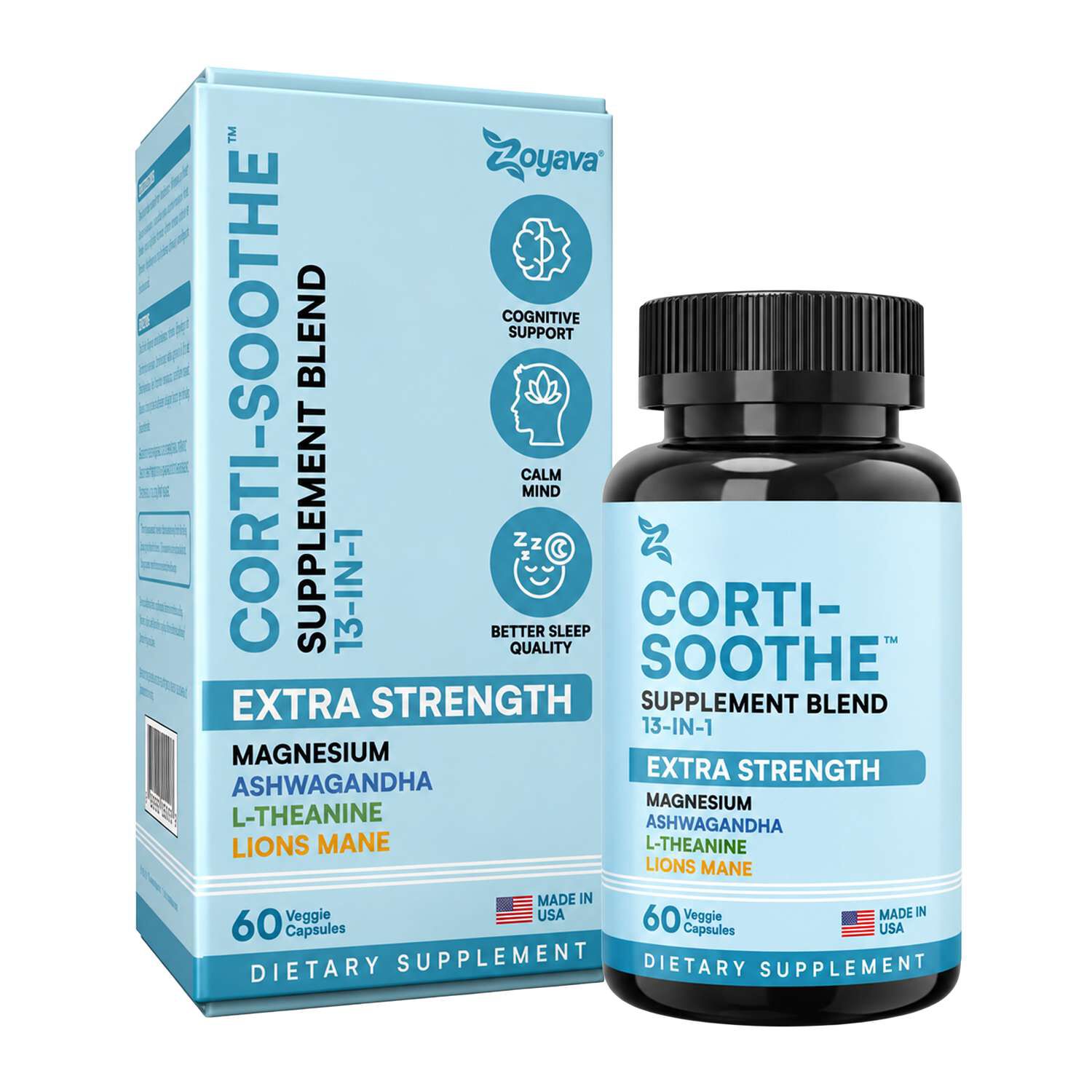
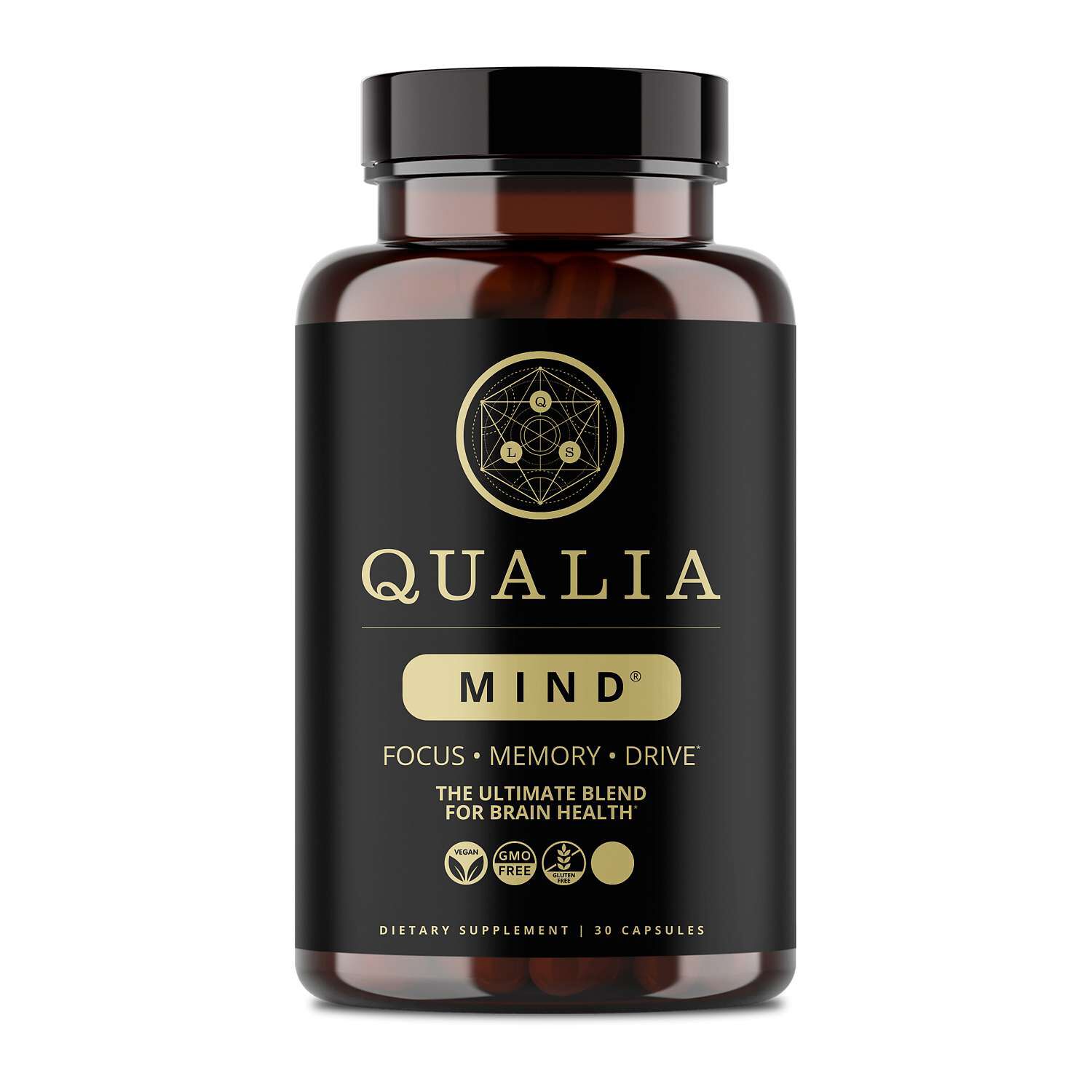
Memory support supplements with L-theanine offer a unique option for those seeking to support their cognitive wellness. Featuring a blend of ingredients that may complement your daily routine, these supplements could be an addition to a balanced lifestyle. Explore a variety of memory support supplements with L-theanine that are designed to fit seamlessly into your wellness journey.
-

-

-
 Goli Nutrition$18.99
-

-
 $24.99
-

-

-
-

-

-
-
 $59.99
-
-
-
-

-

-
-
-

-

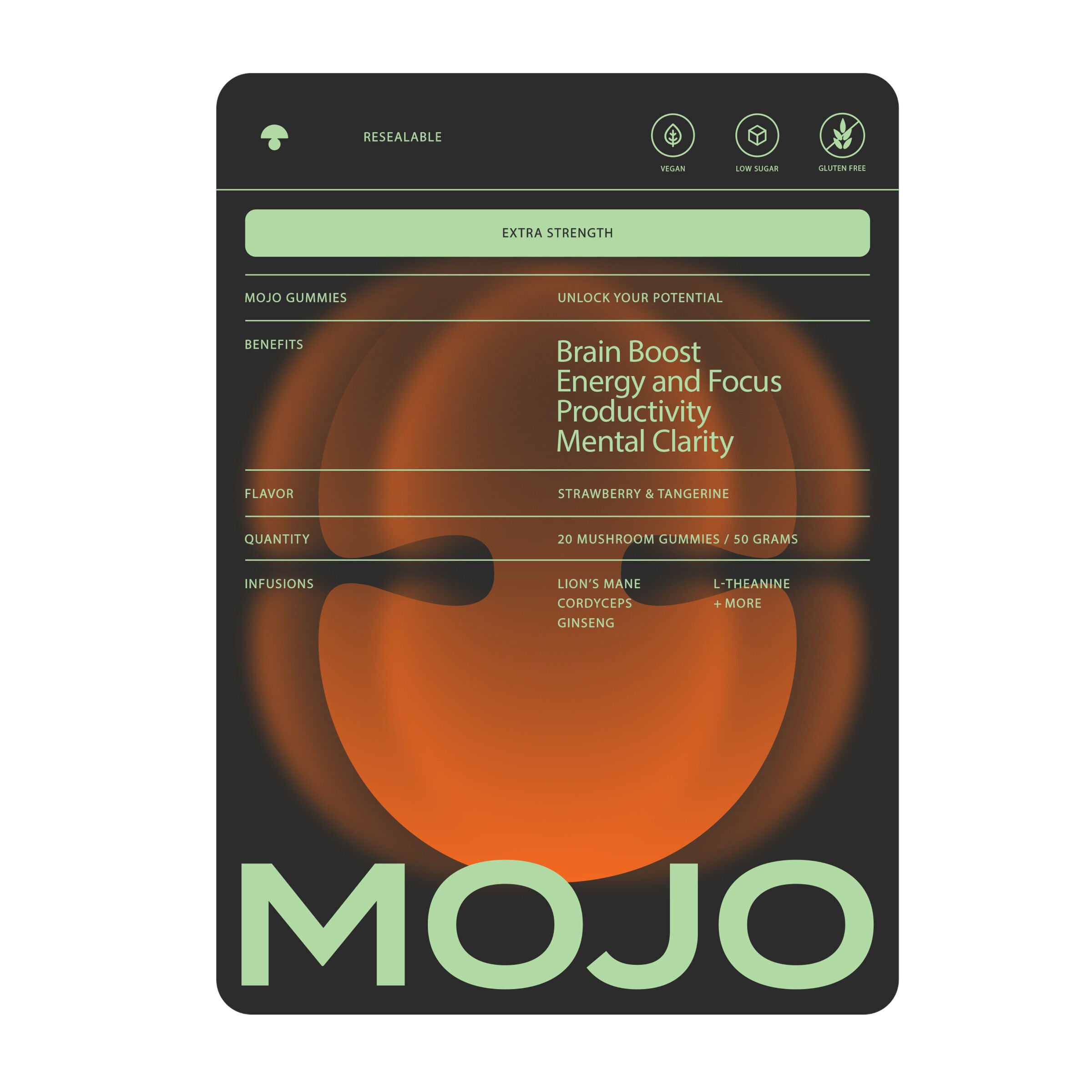
Memory support supplements with L-theanine bring together an ingredient familiar from tea and formulas intended for everyday cognitive wellness. L-theanine is an amino acid found naturally in tea leaves, though the source used in a supplement can vary. It is different from caffeine, and the presence of L-theanine does not, by itself, tell the whole story about a formula’s ingredients or intended use. Within this category, L-theanine may support a calm, attentive state that could complement activities such as reading, studying, or working through a detailed project. Memory, attention, and alertness are related but distinct, so a supplement’s positioning deserves a closer look than its front label alone. Some formulas center on L-theanine, while others combine it with vitamins, minerals, or additional ingredients selected for a broader cognitive wellness routine. Those differences matter for adults comparing a straightforward ingredient profile with a more layered blend. Someone who spends an afternoon reviewing documents may have different preferences from an adult student organizing notes or a creative professional settling into a writing session. The relevant details include the amount of L-theanine per serving, the other ingredients included alongside it, and the serving directions provided by the manufacturer. A larger number of ingredients is not automatically a better match, and a higher amount is not a substitute for understanding the formula. The most useful comparison is between clearly labeled options with intended uses that align with personal preferences. These supplements belong in the context of everyday habits rather than as a replacement for sleep, varied meals, or time away from demanding tasks. Their role is best viewed as a possible addition to an established routine, with expectations grounded in the individual formula rather than broad assumptions about the category. The familiar association with tea provides background, but a supplement has its own serving information and composition; it is not simply a cup of tea in another form.
Format is another meaningful distinction among memory support supplements with L-theanine. Capsules, tablets, powders, and chewable formats have different practical characteristics, and personal preference can matter as much as the ingredient list when considering everyday use. A capsule format may appeal to adults who prefer an option without a flavored drink or additional preparation. Tablets can differ in dimensions, coating, and texture, so the product description and label provide useful details beyond the amount listed on the front. Powders involve their own considerations, including the measured serving, mixing directions, flavor, and the beverage specified on the package. Chewable formats may appeal to adults who prefer them, although sweeteners, serving size, and texture remain part of the comparison. Capsule shells and other inactive ingredients also deserve attention when dietary preferences are part of the decision. A plant-derived capsule shell, for example, is a separate detail from the source of the L-theanine inside it. Likewise, a flavored format may contain ingredients that do not appear in an unflavored capsule. The Supplement Facts panel identifies serving information, while the other-ingredients list supplies additional context about the format itself. A serving may contain more than one capsule or chewable, making the distinction between an individual piece and a labeled serving particularly important. Package quantity can otherwise be easy to misread when comparing different formats. For daily logistics, the original container, a readable label, and clearly stated storage directions are useful considerations. A bottle that spends time in a desk drawer has a different practical setting from one kept in a kitchen cabinet, but the package’s storage instructions remain the reference point. Keeping the closure secure and retaining the original label may help preserve access to ingredient details, directions, and date information throughout use. Thoughtful format selection is less about novelty and more about how preparation, packaging, and personal preferences fit together.
The surrounding formula can be just as important as L-theanine itself when browsing this category. Some memory-focused supplements include caffeine, while others do not; tea-related wording alone does not establish whether caffeine is present. Labels may also list B vitamins, botanical ingredients, or other amino acids, each with its own stated amount or placement within a blend. For adults comparing different approaches to cognitive wellness, Memory Support Supplements With B Vitamins offers a related category to explore alongside L-theanine-focused options. The distinction is not that one ingredient family suits everyone, but that different formulas reflect different priorities and compositions. B vitamins have established nutritional roles, while L-theanine is an amino acid rather than a vitamin. When a formula combines several ingredient types, the label provides the clearest picture of what the serving contains. An individually listed amount makes a different kind of comparison possible than a blend that states only the combined weight of several ingredients. Quality-related details also deserve a precise reading: a statement about ingredient identity is different from a statement about manufacturing practices, and neither should be mistaken for a particular personal outcome. Clear sourcing information, accessible serving directions, and specific testing descriptions can make a formula easier to evaluate on its own terms. Adults who already keep a multivitamin or another supplement in their routine may find it useful to compare ingredient lists for overlap rather than judging each label in isolation. Personal preferences around flavor, capsule materials, caffeine content, and preparation can then narrow the category without relying on an ambitious product name. A clearly described formula with manageable serving directions may be a more practical fit than one chosen solely for a long list of ingredients. Whether the setting is a home office, a study space, or a desk covered with project notes, the focus remains on an informed match between the labeled product and the routine it is intended to accompany.