





Memory Support Supplements With Decaffeinated Formula
(0 Results)
Memory support supplements with decaffeinated formula are designed for those seeking options that fit seamlessly into their daily routines without added caffeine. These supplements may be a convenient choice for individuals looking to support their focus and cognitive wellness while avoiding stimulants. Explore a variety of memory support supplements with decaffeinated formula that could complement your wellness goals, whether you prefer capsules, gummies, or powders.
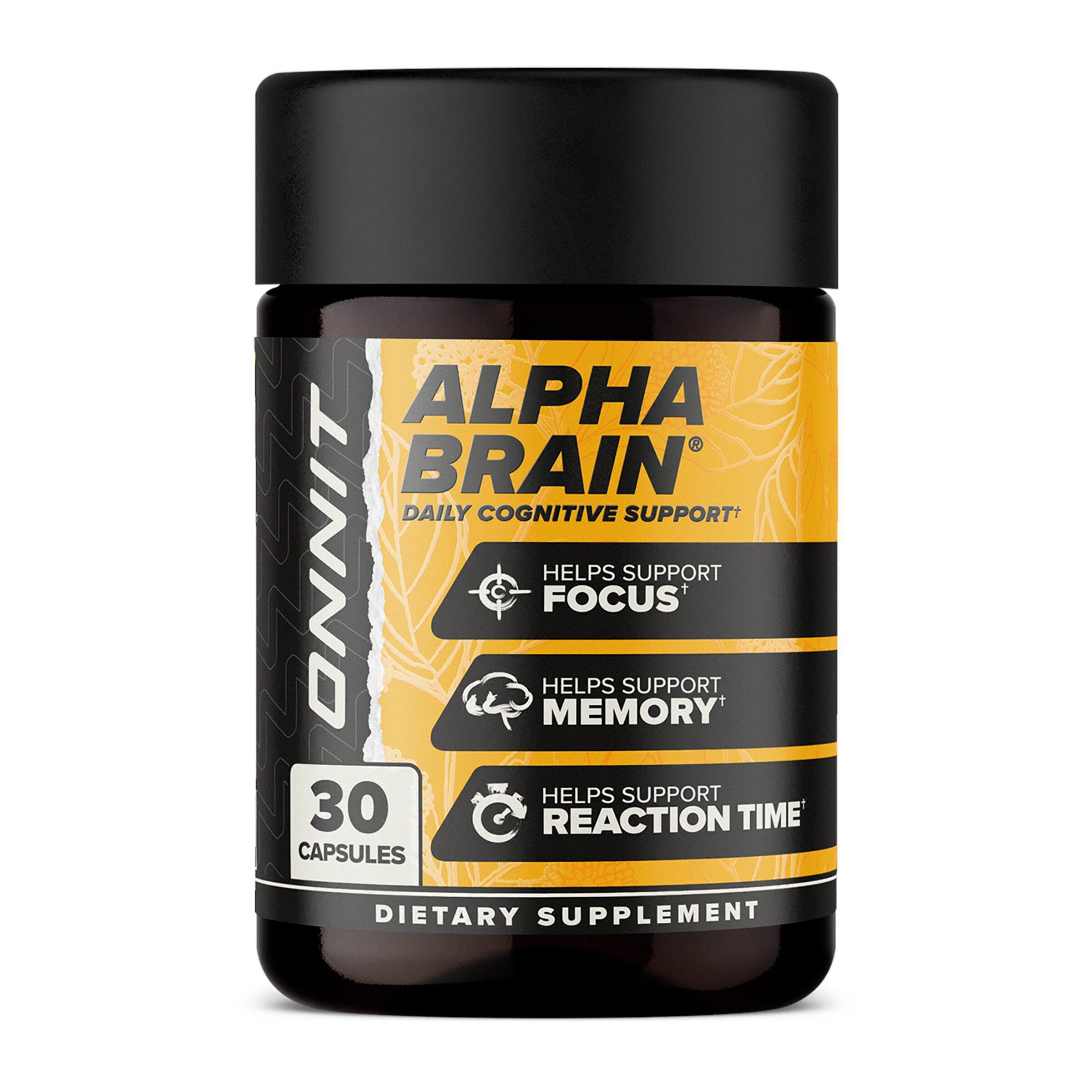
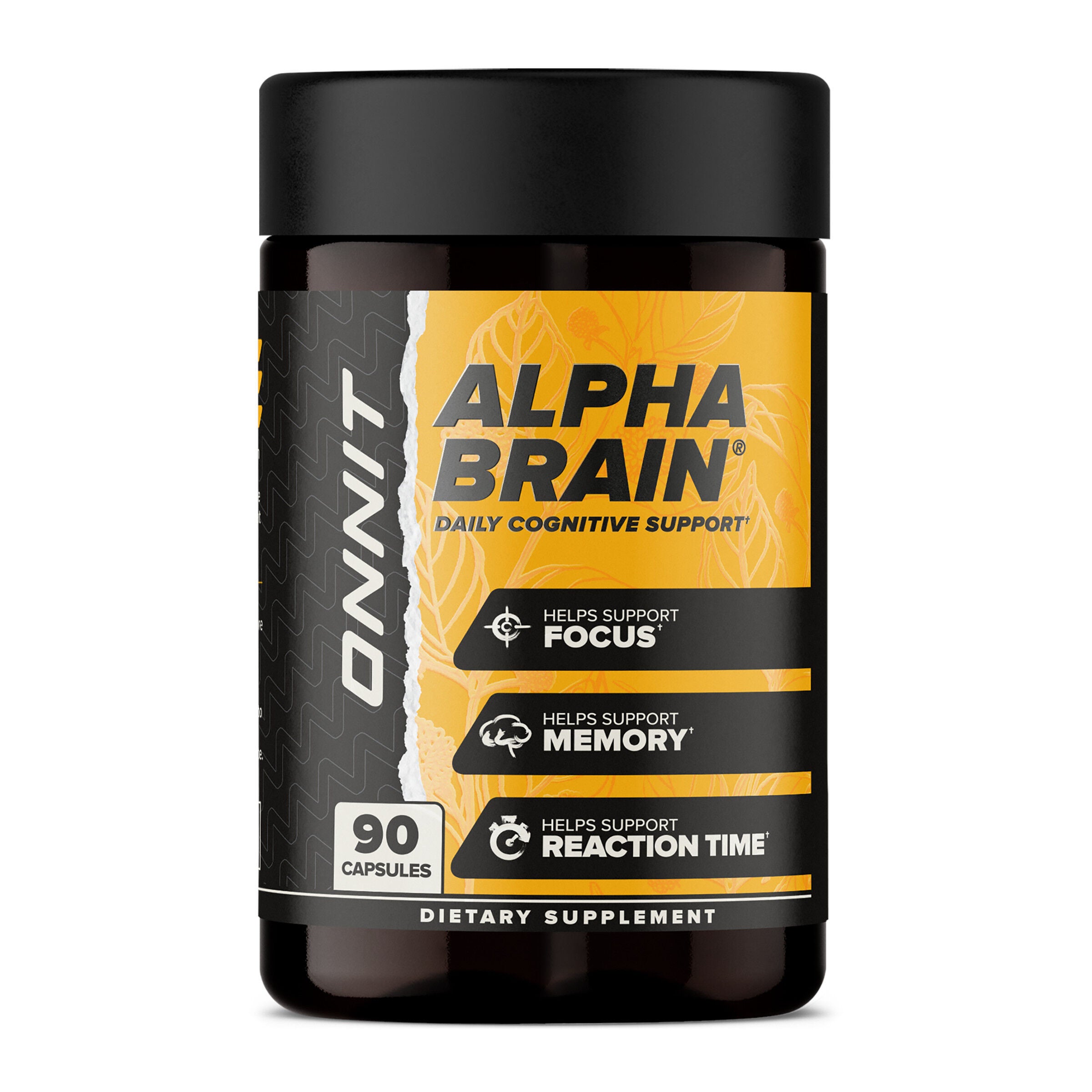

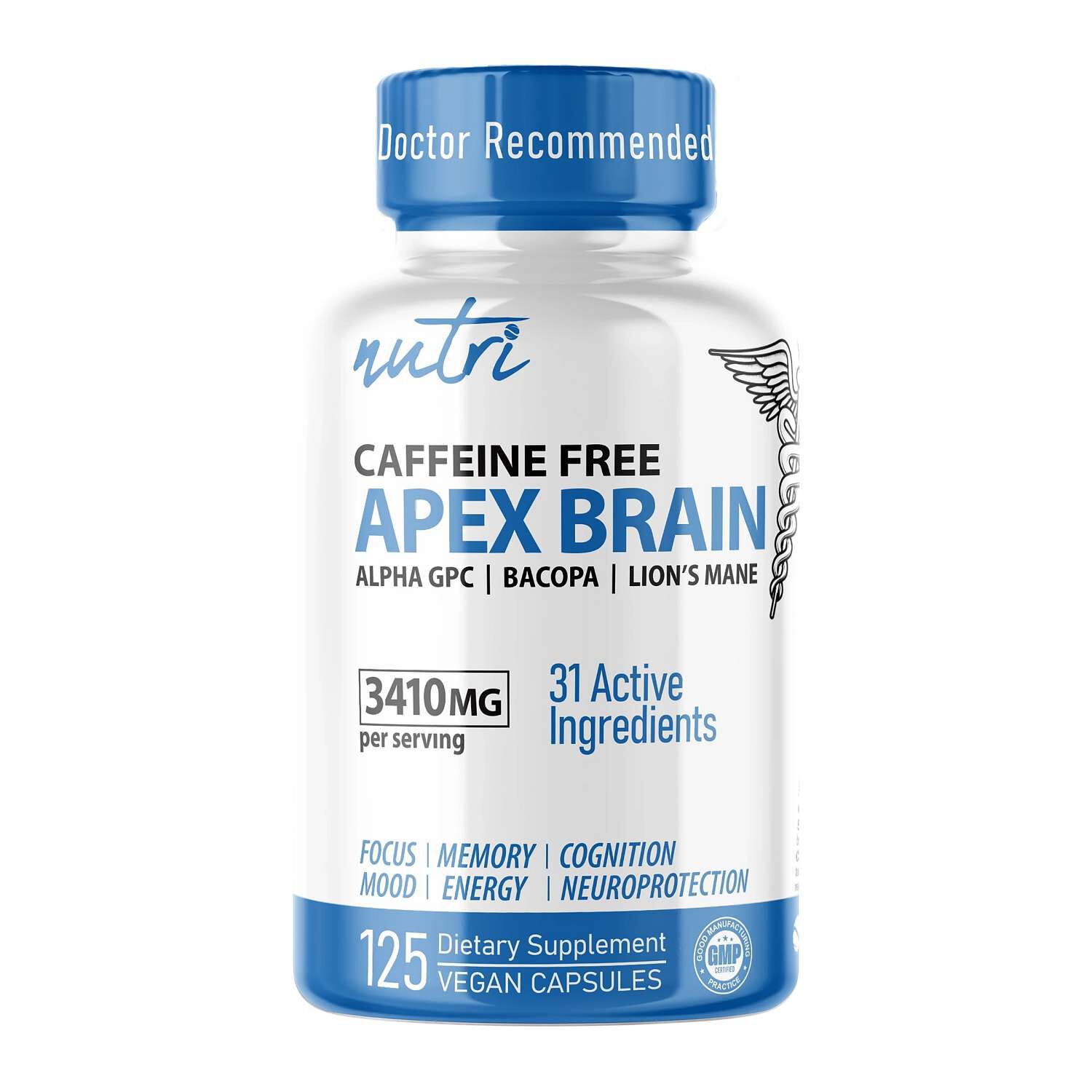
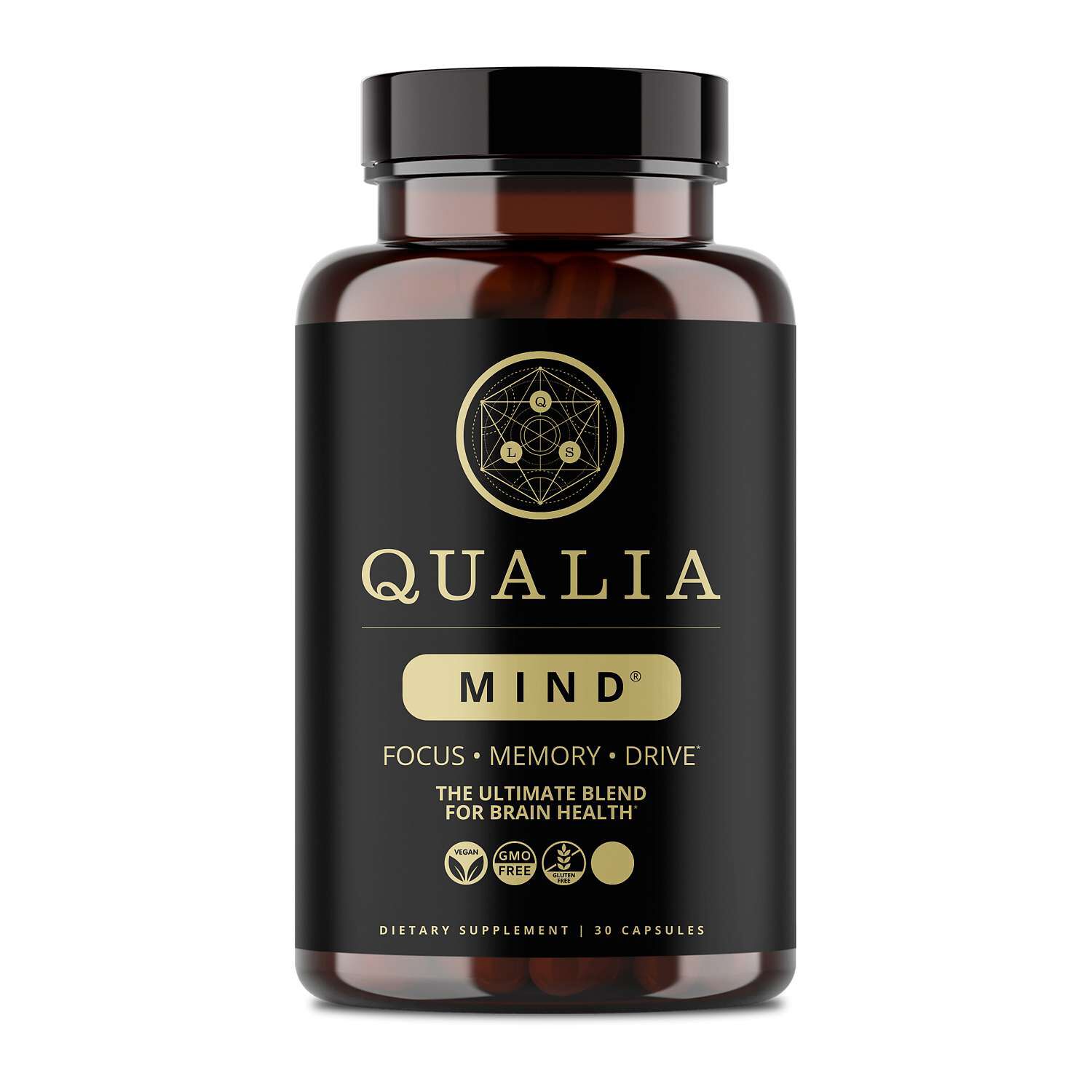

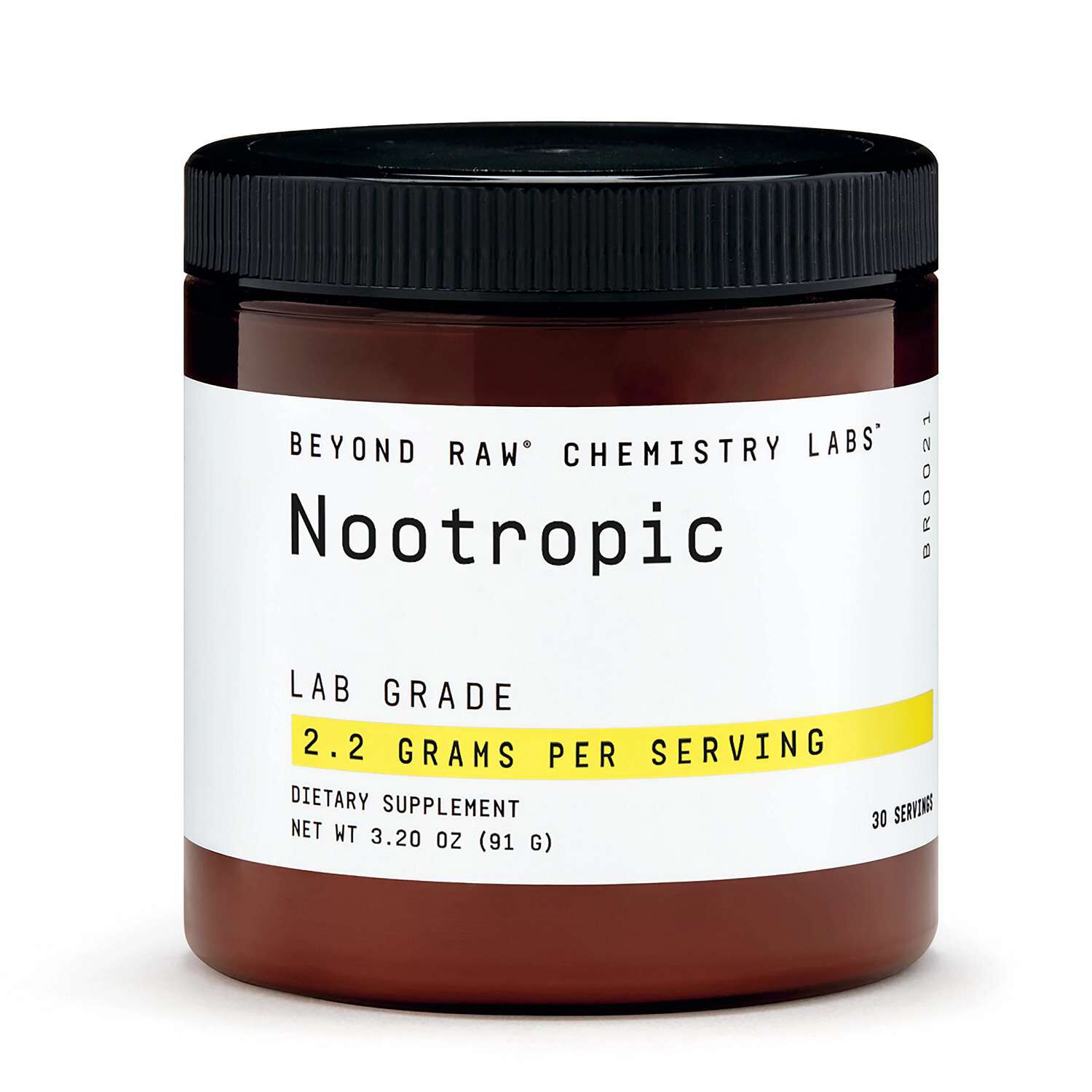
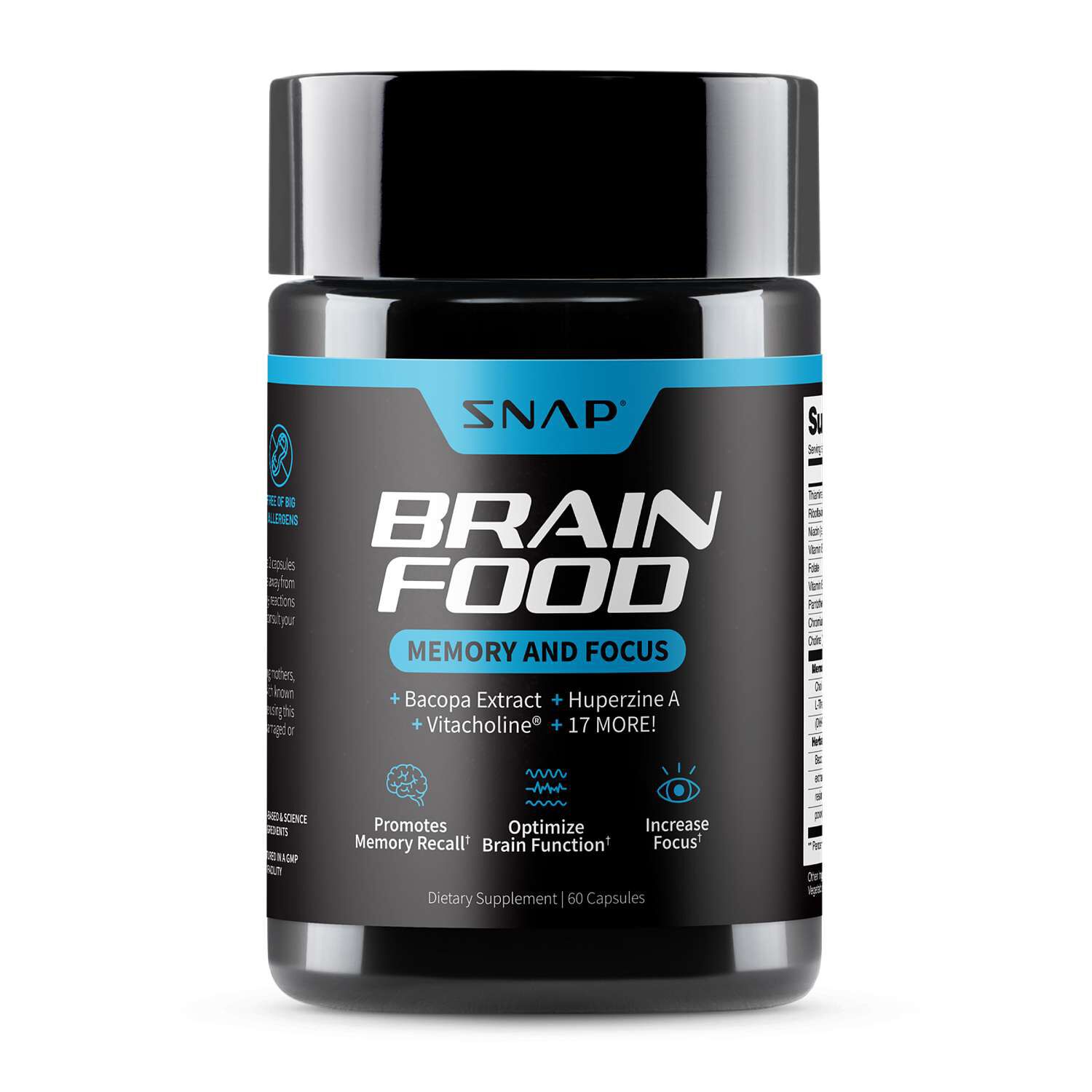
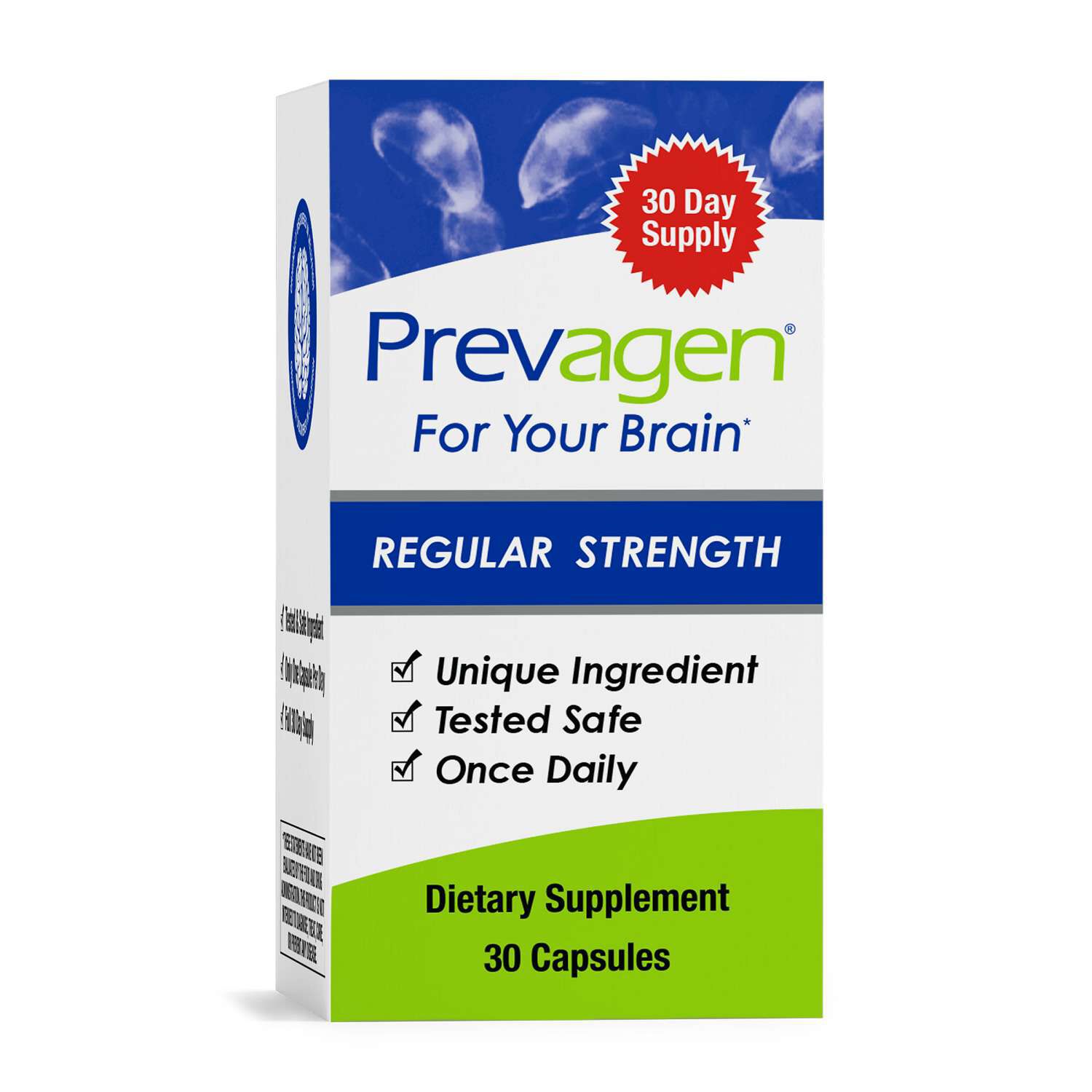

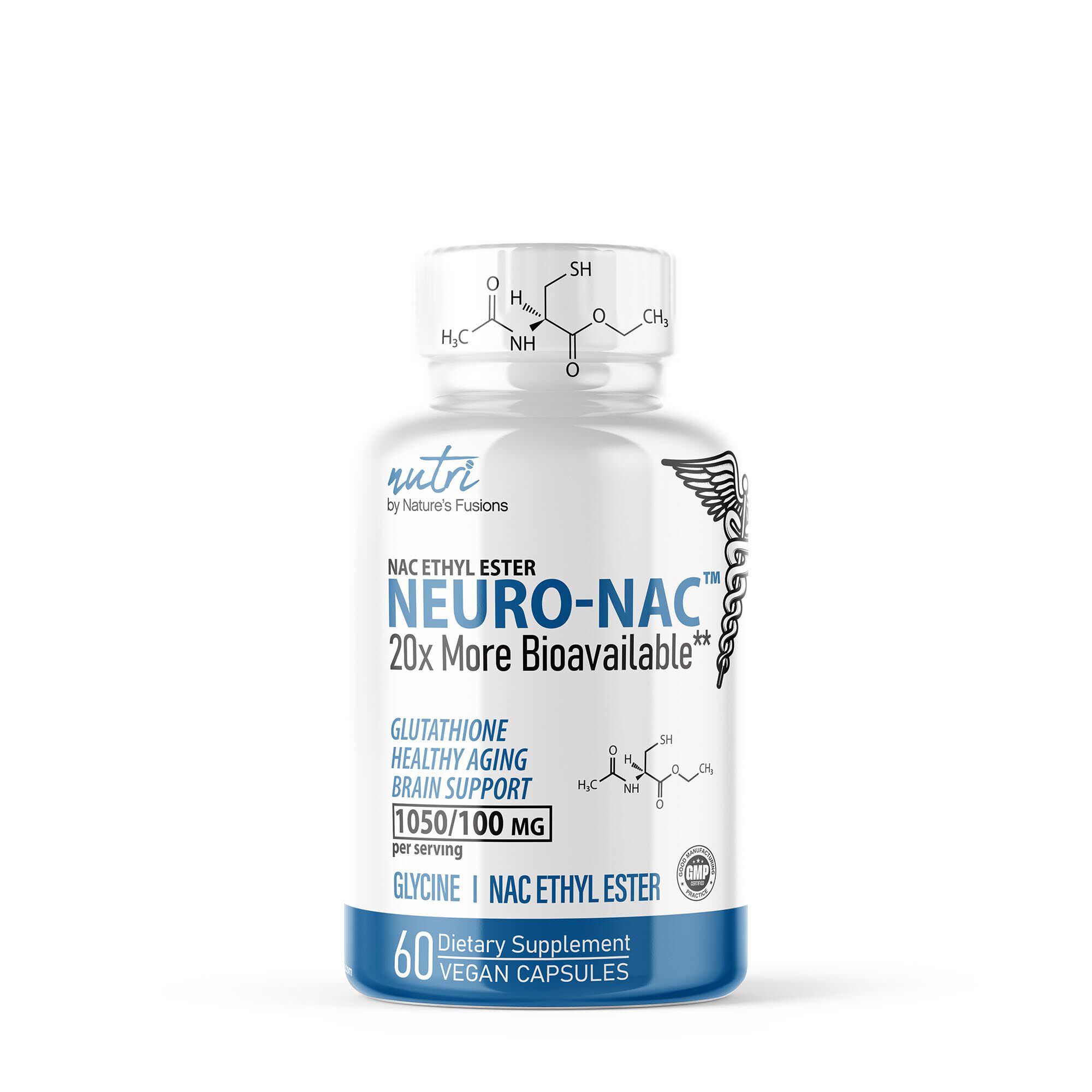
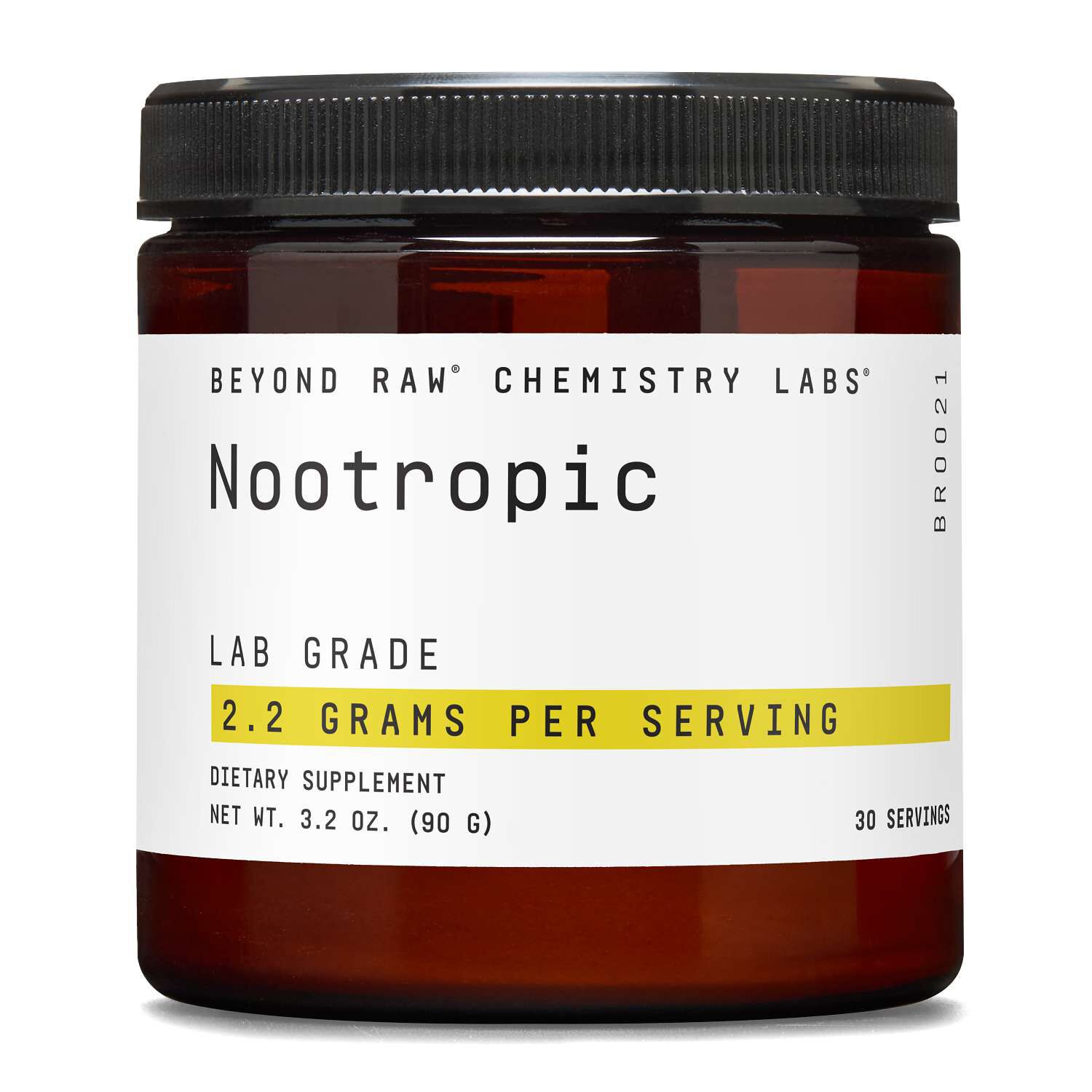
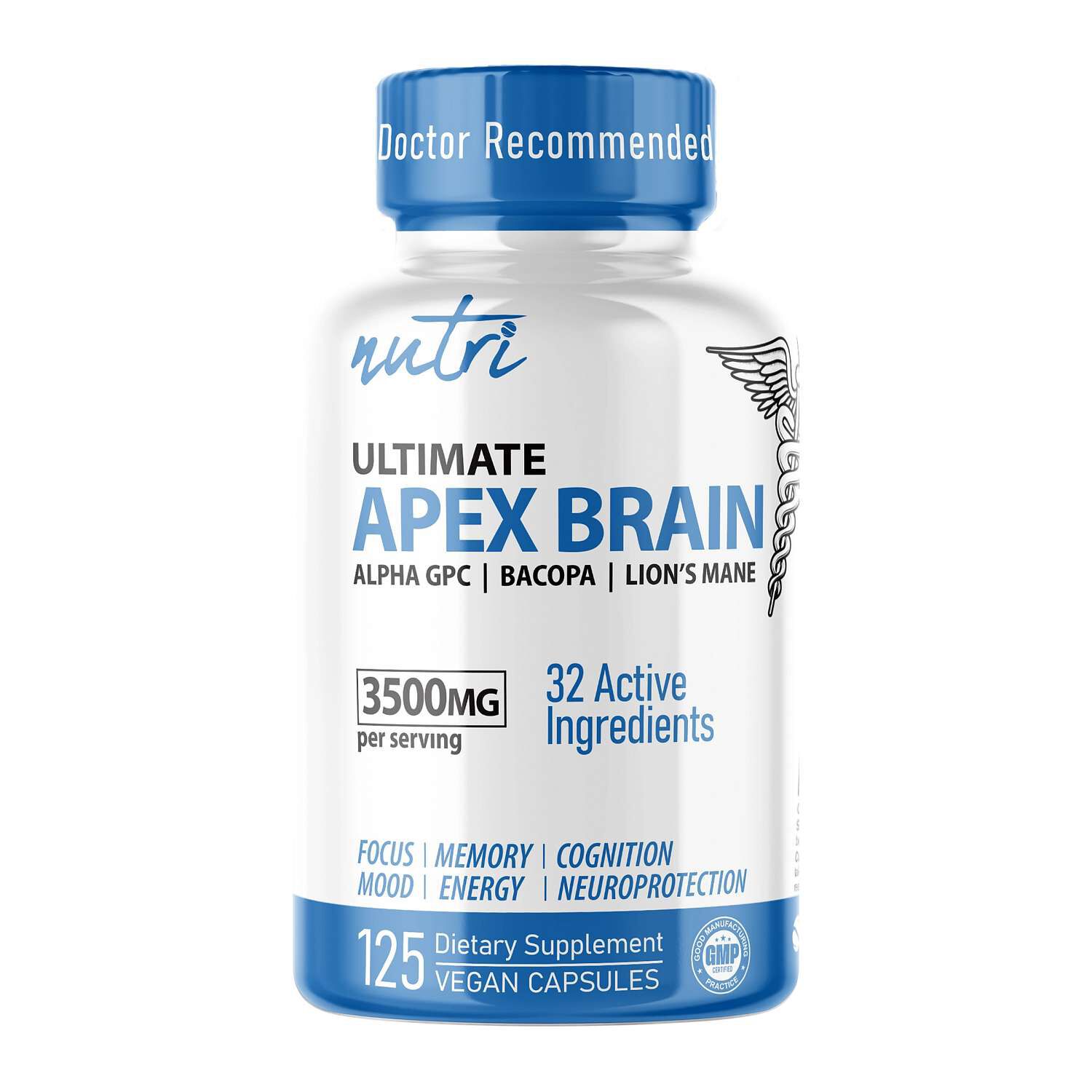
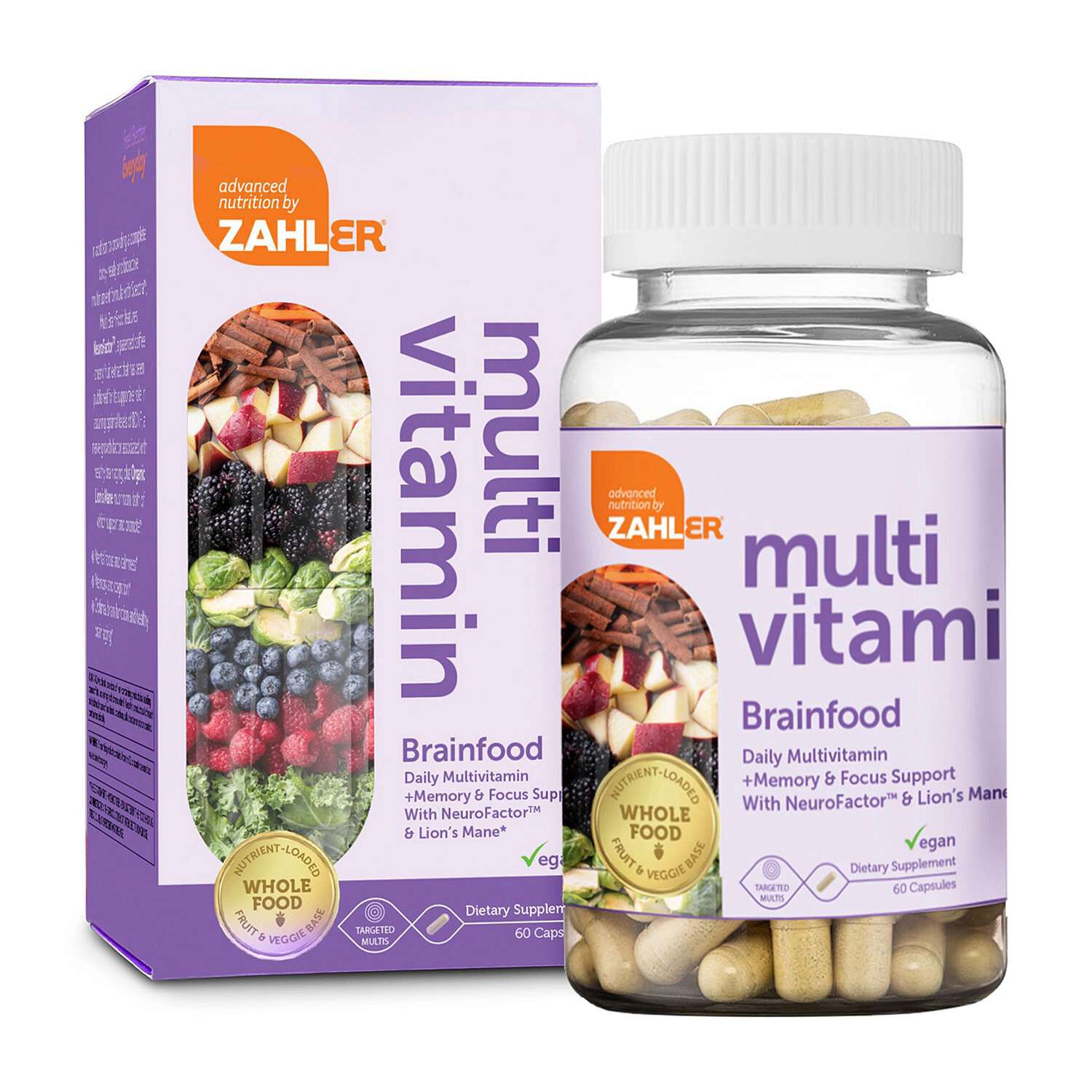


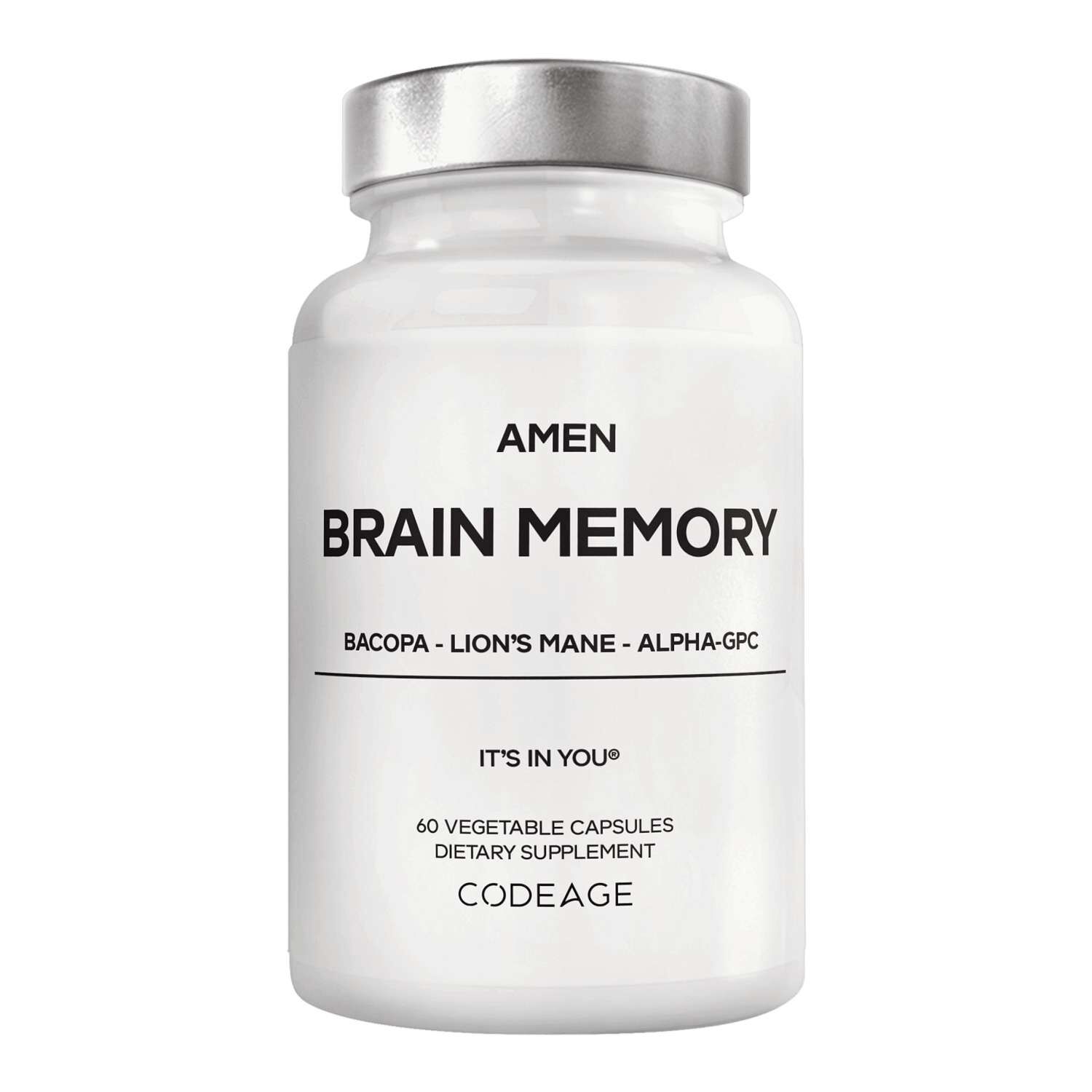

Memory support supplements with a decaffeinated formula are dietary supplements marketed for adults interested in everyday memory and focus while paying attention to caffeine intake. They may appeal to someone who already enjoys a morning coffee, prefers a supplement without added caffeine, or simply wants a closer look at the ingredients in a daily wellness routine. The distinction between decaffeinated and other caffeine-related descriptions matters: decaffeinated generally refers to an ingredient that has undergone processing to reduce its caffeine content, rather than establishing that every trace of caffeine is absent. A formula made without added caffeine is a different description, and neither phrase alone explains every ingredient in the bottle. The most useful details come from the full label, including the Supplement Facts panel, ingredient list, serving directions, and any stated caffeine amount. If a botanical ingredient comes from a naturally caffeinated plant, information about its processing can add helpful context. A decaffeinated ingredient also does not, by itself, describe the caffeine content of the finished formula. Across the broader memory support category, ingredient lists may include B vitamins, choline-containing compounds, amino acids, and botanical extracts in different combinations. Those ingredient types are not interchangeable, and a familiar name on the front of a package does not establish the amount, preparation, or composition inside. For example, a botanical powder and an extract from the same plant can have different label descriptions. An extract may also identify the plant part used or a standardized constituent, giving shoppers more detail than the plant name alone. These distinctions make decaffeinated memory support supplements a category worth comparing by formulation rather than by a single prominent phrase. The clearest comparison starts with what each serving contains, how the caffeine wording applies to the formula, and whether the format suits the intended adult user. Everyday memory support is the shopping focus; assumptions about immediate changes in concentration, recall, or productivity should not take the place of those concrete details.
Format is another practical consideration, especially for a supplement intended to become part of a regular routine. Capsules, tablets, softgels, chewables, and powders each bring different handling, texture, and preparation considerations. Capsule dimensions and tablet shape can matter as much as the number of servings printed on a package. Softgels have their own texture and ingredient composition, while chewables may include flavorings, sweeteners, and other ingredients that deserve the same attention as the featured nutrients. For powders, serving measurements, mixing directions, and flavor descriptions help explain what using the formula involves. A scoop is a measuring tool, but the labeled serving amount remains the relevant reference when comparing formulas. Preparation directions also matter: a powder intended for mixing and a capsule intended to be taken intact have different instructions, even when their featured ingredients appear similar. Serving size deserves particular attention because one serving may consist of more than one capsule, tablet, or chewable. Amounts shown on the Supplement Facts panel generally correspond to that listed serving, not necessarily to each individual piece. Comparing packages on the same basis makes ingredient differences easier to understand. A longer ingredient list is not automatically a more useful match, and a blend name does not always reveal the amount of every component. Where amounts are disclosed individually, the label offers a more detailed picture of the formulation. Other ingredients can help shoppers assess personal preferences, too. Capsule shells may contain gelatin or plant-derived materials, and formulas can differ in colors, coatings, flavors, and allergen statements. These details are relevant even when two packages use similar memory support language. Package design and storage directions round out the comparison. A securely closing container, readable serving instructions, and a clearly marked expiration date are practical features for everyday use. Keeping the supplement in its labeled container preserves access to those directions and ingredient details. Storage should follow the package instructions, rather than assumptions based on how a different supplement was handled.
The intended user and the rhythm of an ordinary day can help put these differences in perspective. An adult student comparing labels at a kitchen table may prioritize a straightforward serving format and clearly stated caffeine information. Someone balancing meetings, errands, and an evening hobby may be more interested in how a supplement fits an established routine than in a complicated preparation process. An older adult with particular preferences about tablet size may give format greater weight than front-label language. For shoppers whose schedules include exercise alongside work and other commitments, Memory Support Supplements For Active Adults offers a related category to consider. The connection is everyday use: an active schedule does not make one ingredient combination suitable for everyone, and a decaffeinated description does not determine the rest of a formula’s characteristics. Personal priorities might include fewer preparation steps, individually listed ingredient amounts, a preferred capsule material, or an unflavored format. Those are tangible points of comparison, not predictions about how a supplement will affect a particular person. A decaffeinated formula may fit a caffeine-conscious wellness routine, but the label should still be read alongside the labels of other supplements used in that routine. Repeated ingredients can appear under different blend names or in formulas marketed for different purposes, making the individual ingredient list more informative than the category name alone. Following the stated directions, rather than adjusting a serving around a busy afternoon or a demanding project, keeps intended use tied to the package information. Memory support supplements are not substitutes for meals, sleep, or the practical tools people use to stay organized. A calendar, a familiar place for keys, and time set aside for focused work remain separate parts of daily life. Within that broader context, the most useful shopping considerations are specific and observable: the meaning of the caffeine description, the ingredients and amounts per serving, the form and preparation requirements, and the storage instructions. Together, those details offer a grounded way to compare decaffeinated memory support formulas without relying on sweeping expectations.
Best Sellers
Related Pages
Top Collections
- Joint Mobility Supplement Packs
- Daily Collagen Supplements | Top Brands & Deals | GNC
- GLP 1 Support For Adults
- Zinc Supplements | Top Brands at Great Prices | GNC
- Supplements For Yoga Joint Flexibility
- Supplements For Balance
- Capsule Supplements For Energy And Stamina
- Adult Mobility Supplements
- Chronic Fatigue Supplements
- Vitamins For Hair Loss