Powder Mixes
(0 Results)
Explore a diverse range of powder mixes that could elevate your daily routine and support your wellness journey. From protein powders that might aid muscle recovery to greens blends that may provide essential nutrients, these versatile options can be a convenient addition to your lifestyle. Whether you're looking to potentially increase energy levels, support digestive health, or simply enjoy a delicious and nutritious beverage, there's a powder mix that could cater to your unique needs. Discover how these easy-to-use mixes might seamlessly fit into your day, offering flexibility and potential benefits for both active individuals and those seeking balanced nutrition.


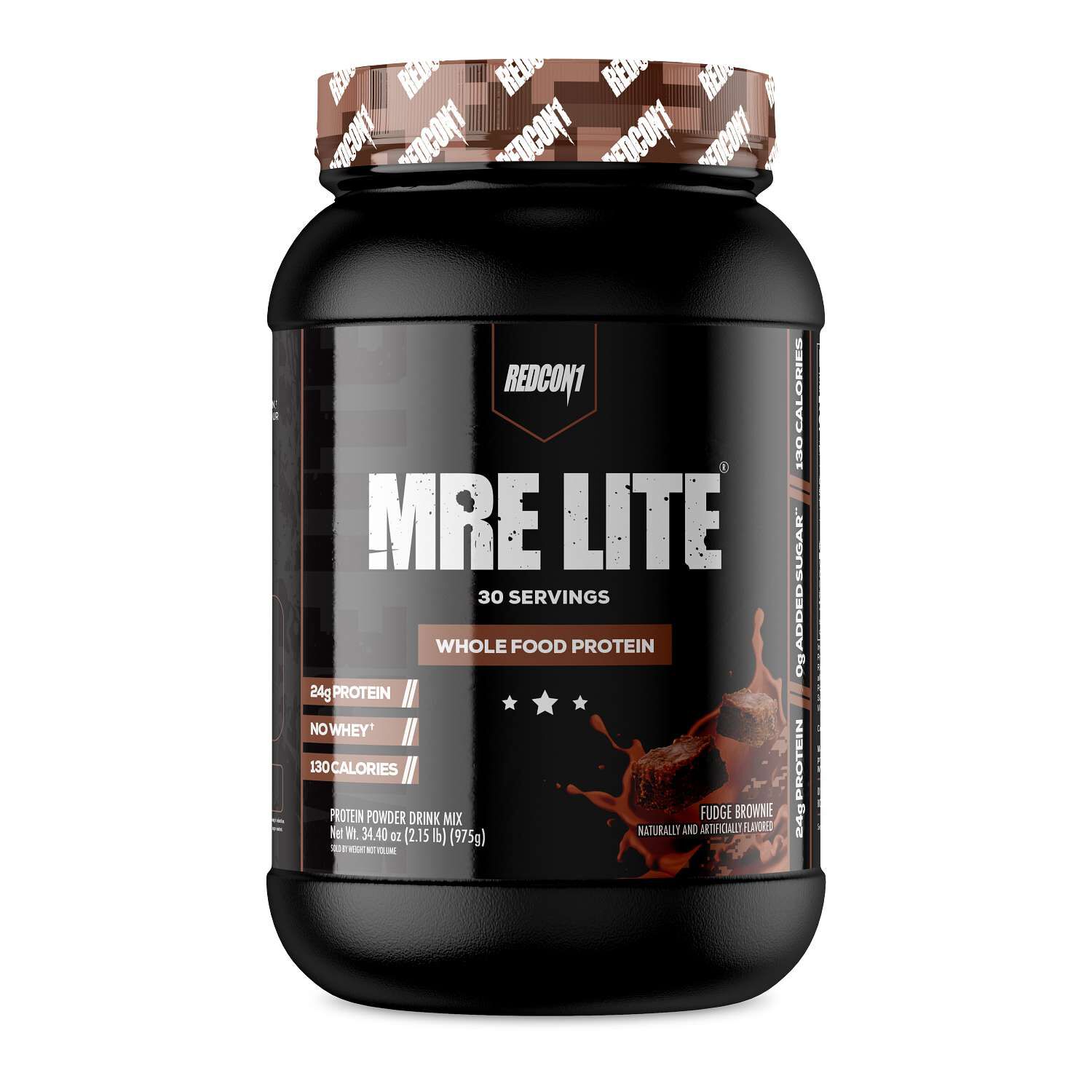
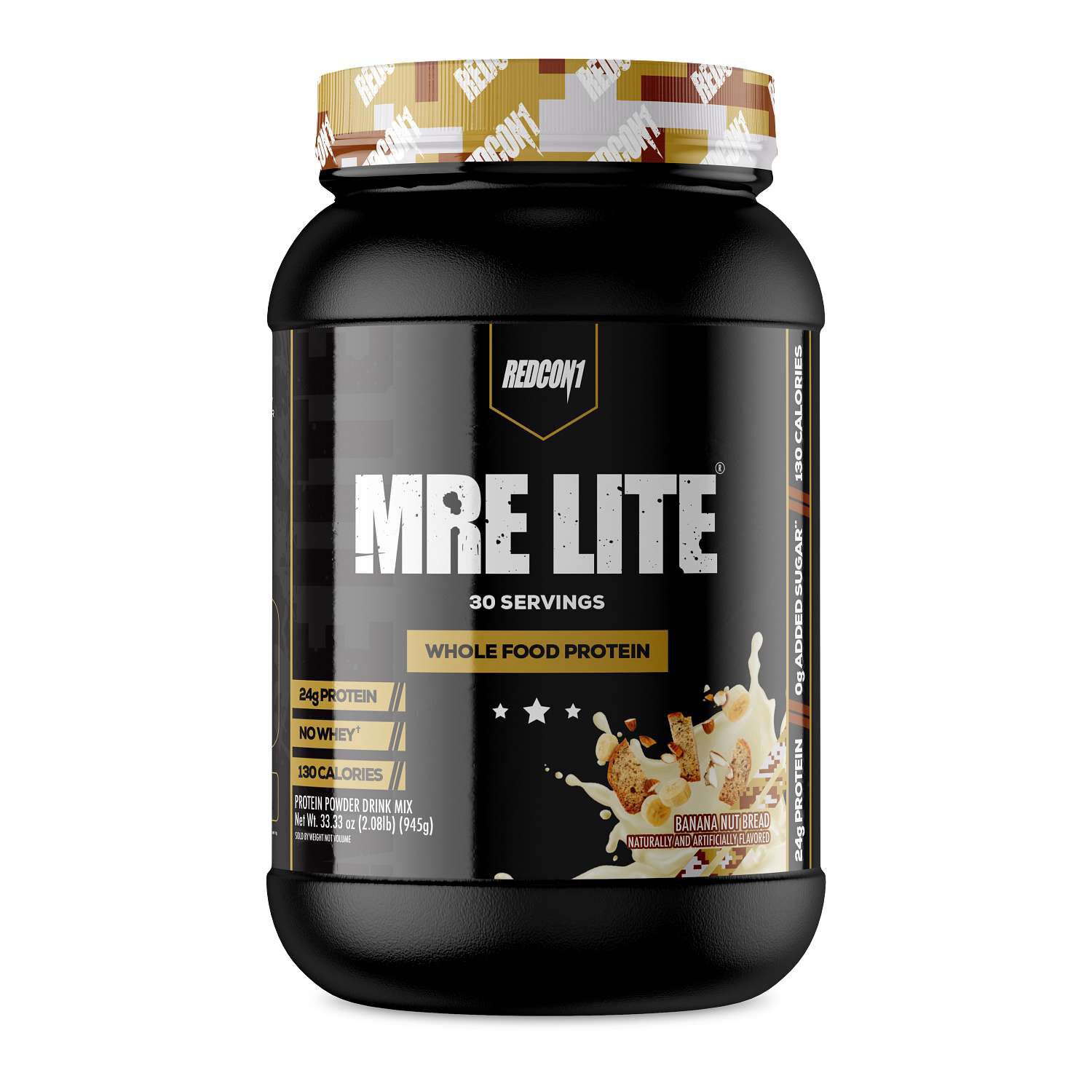
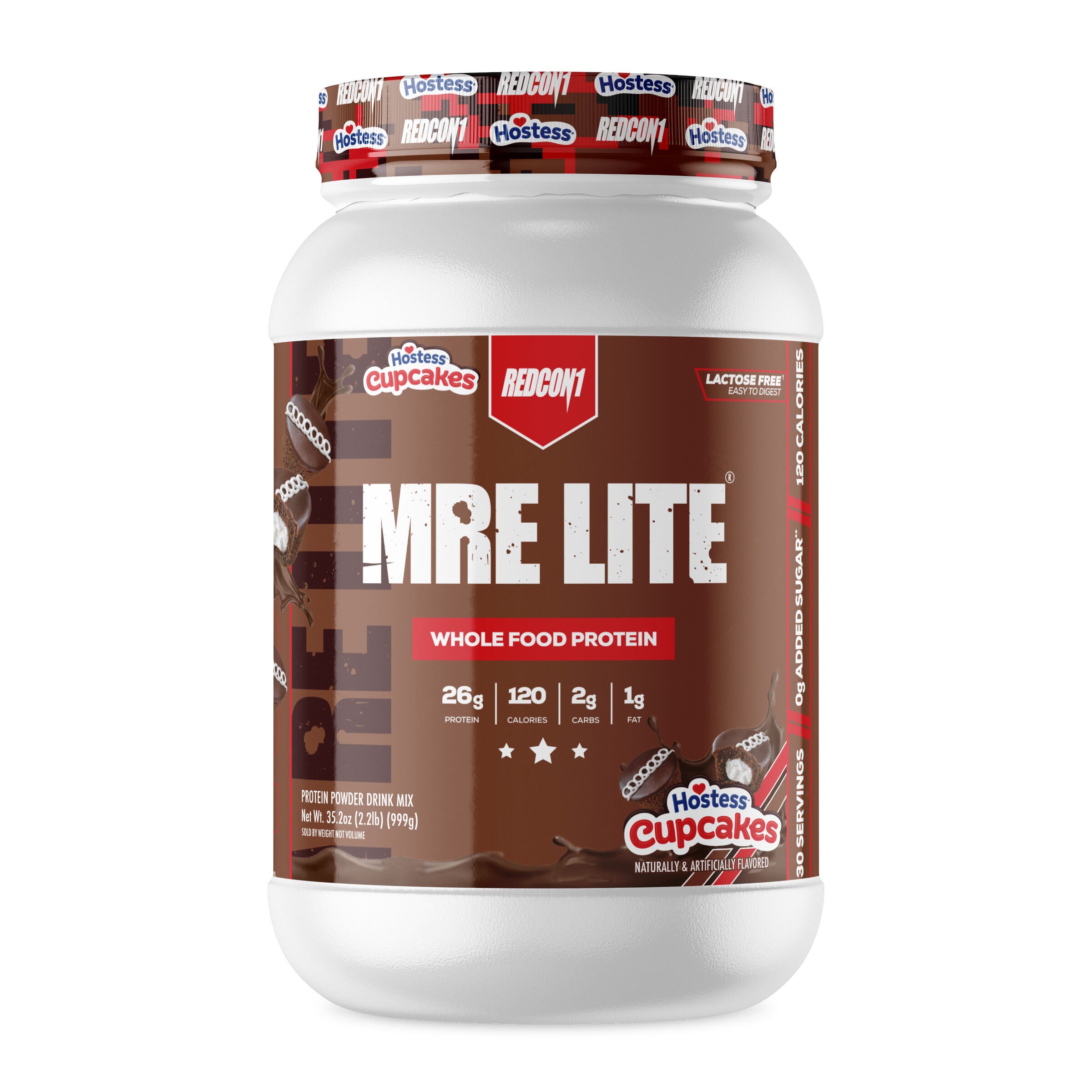
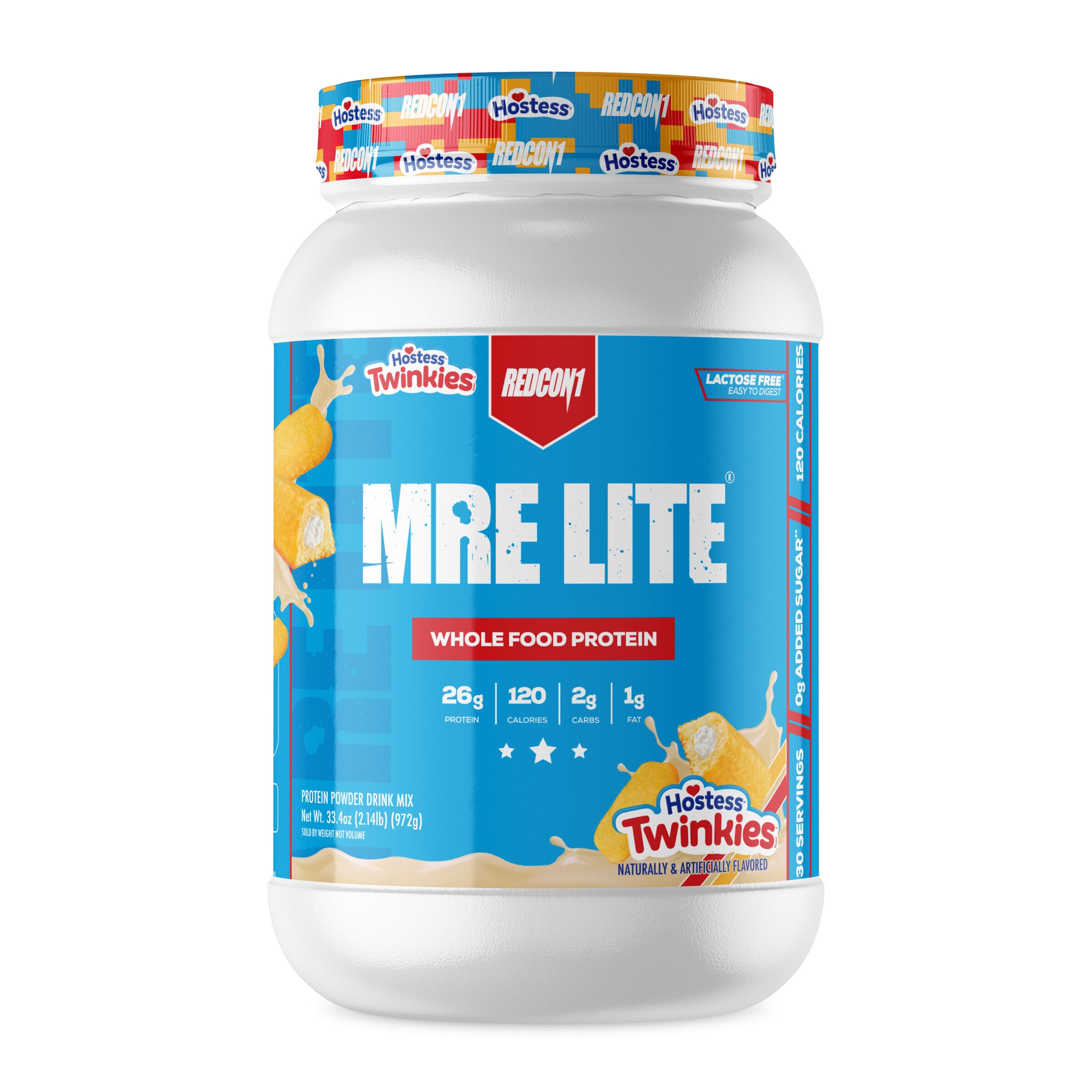
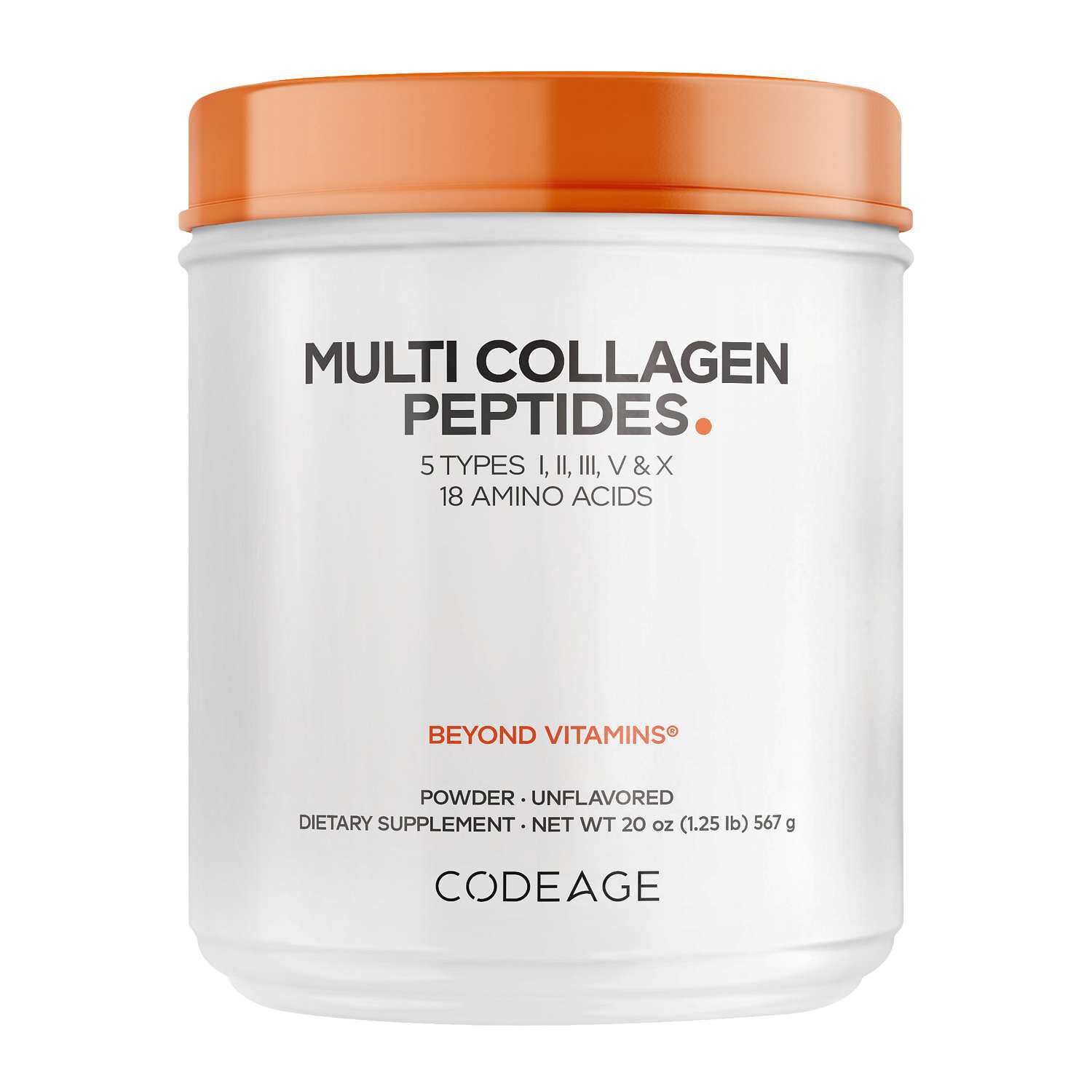

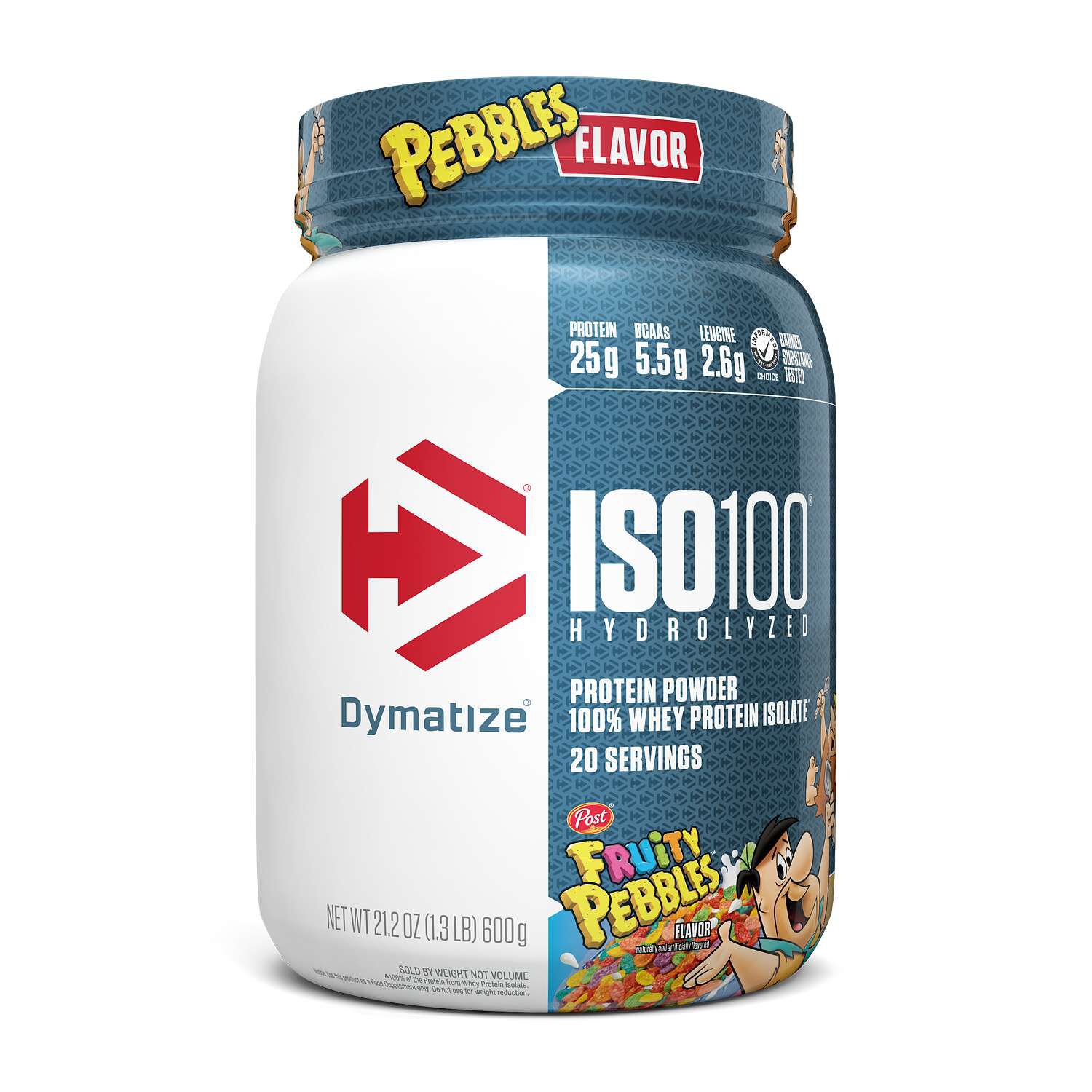


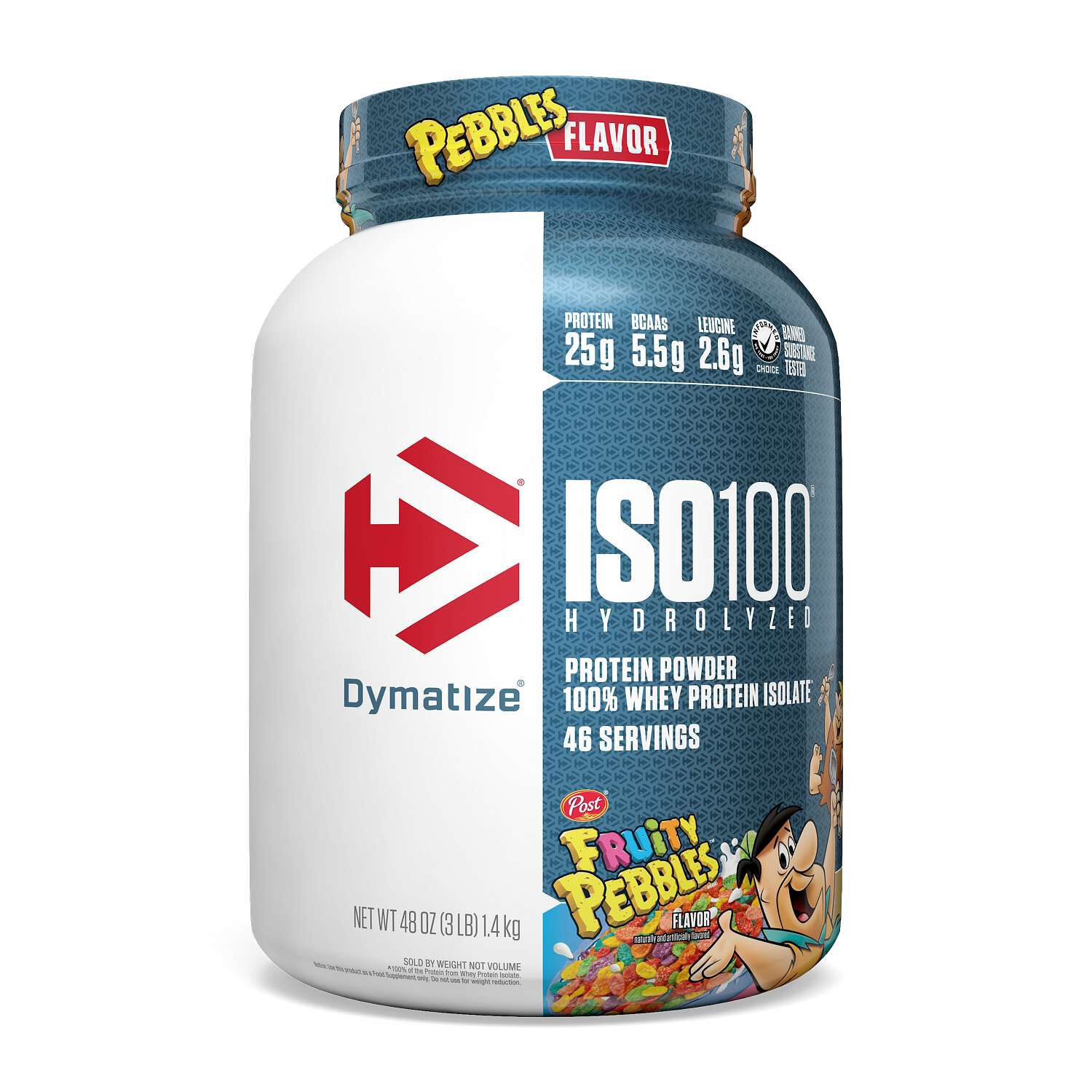
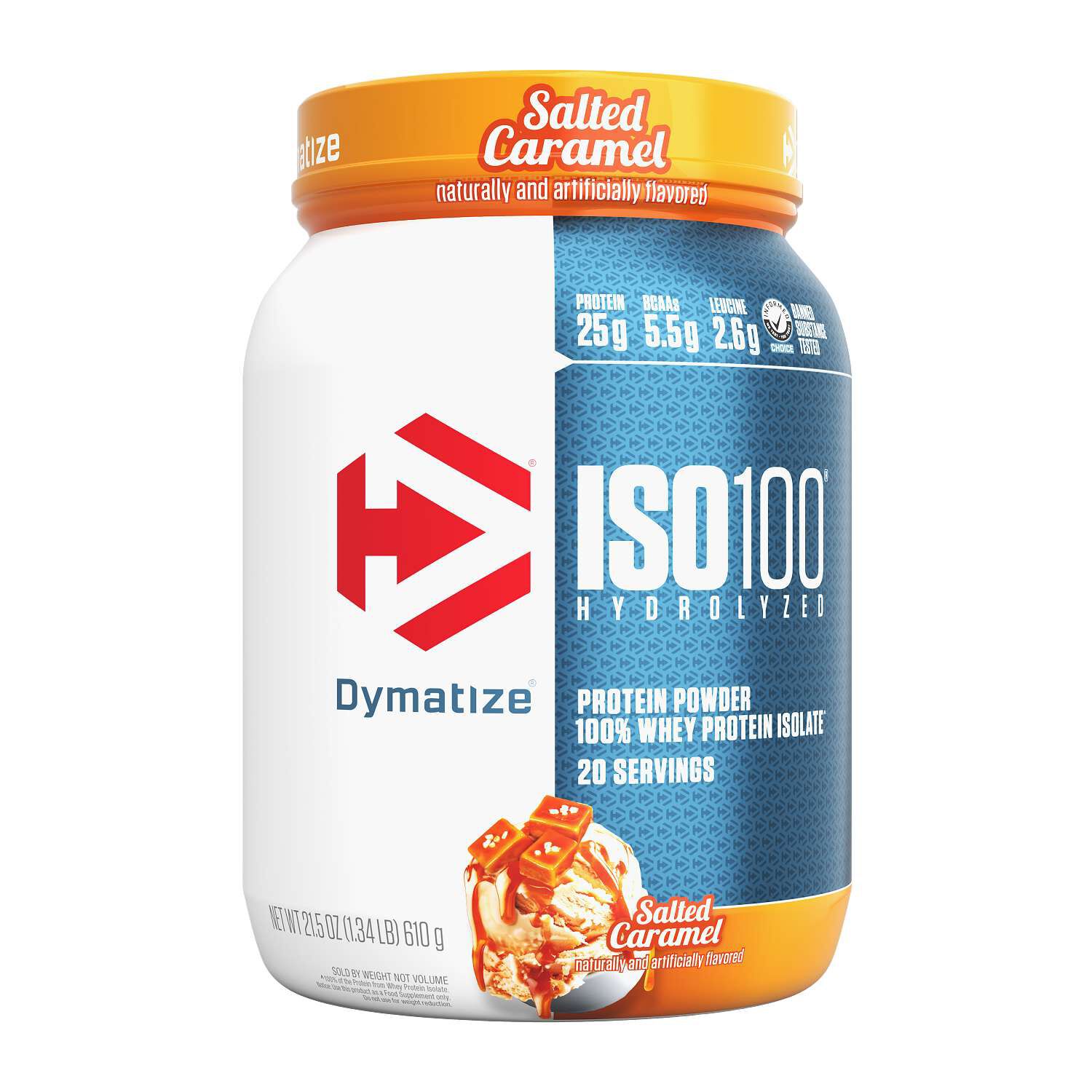
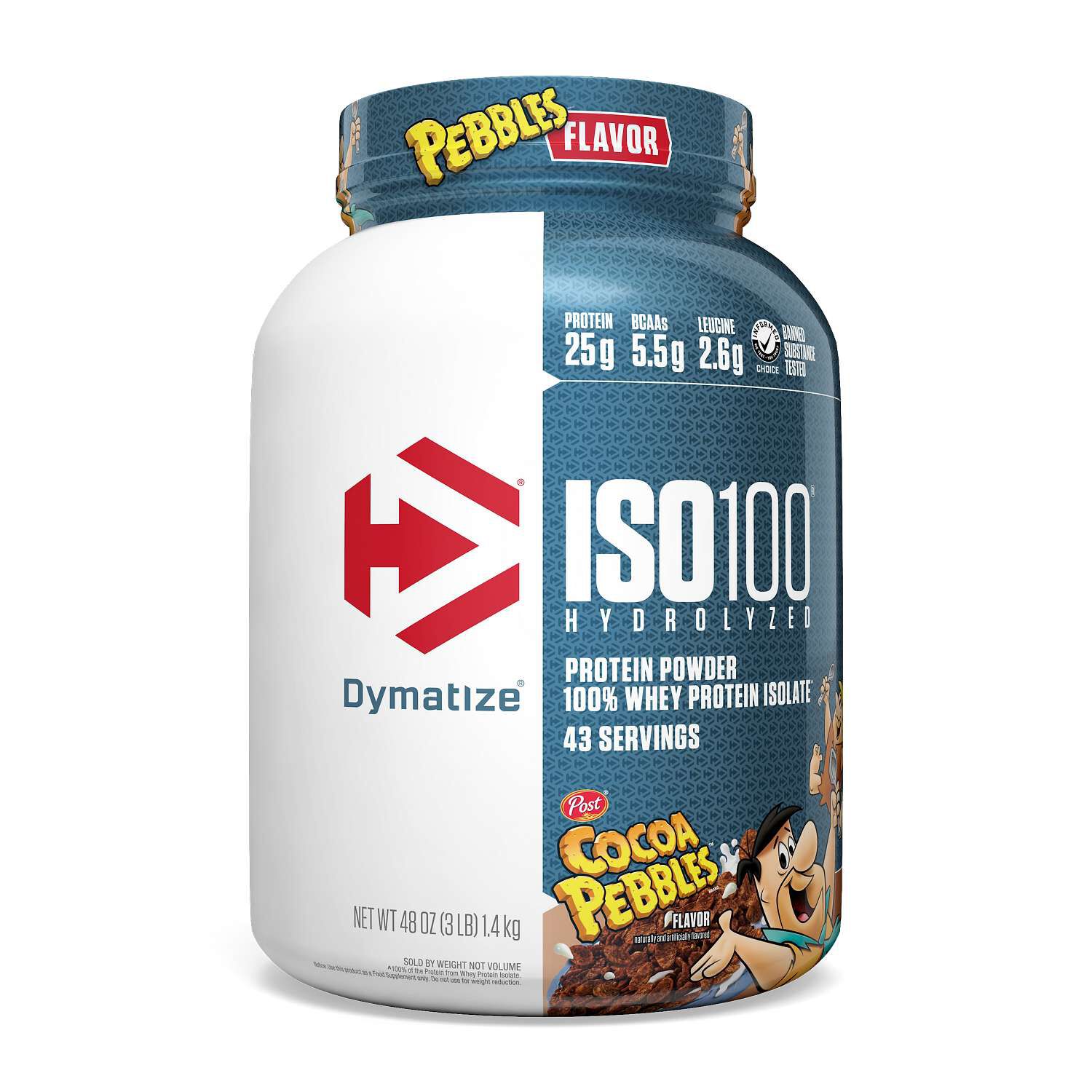


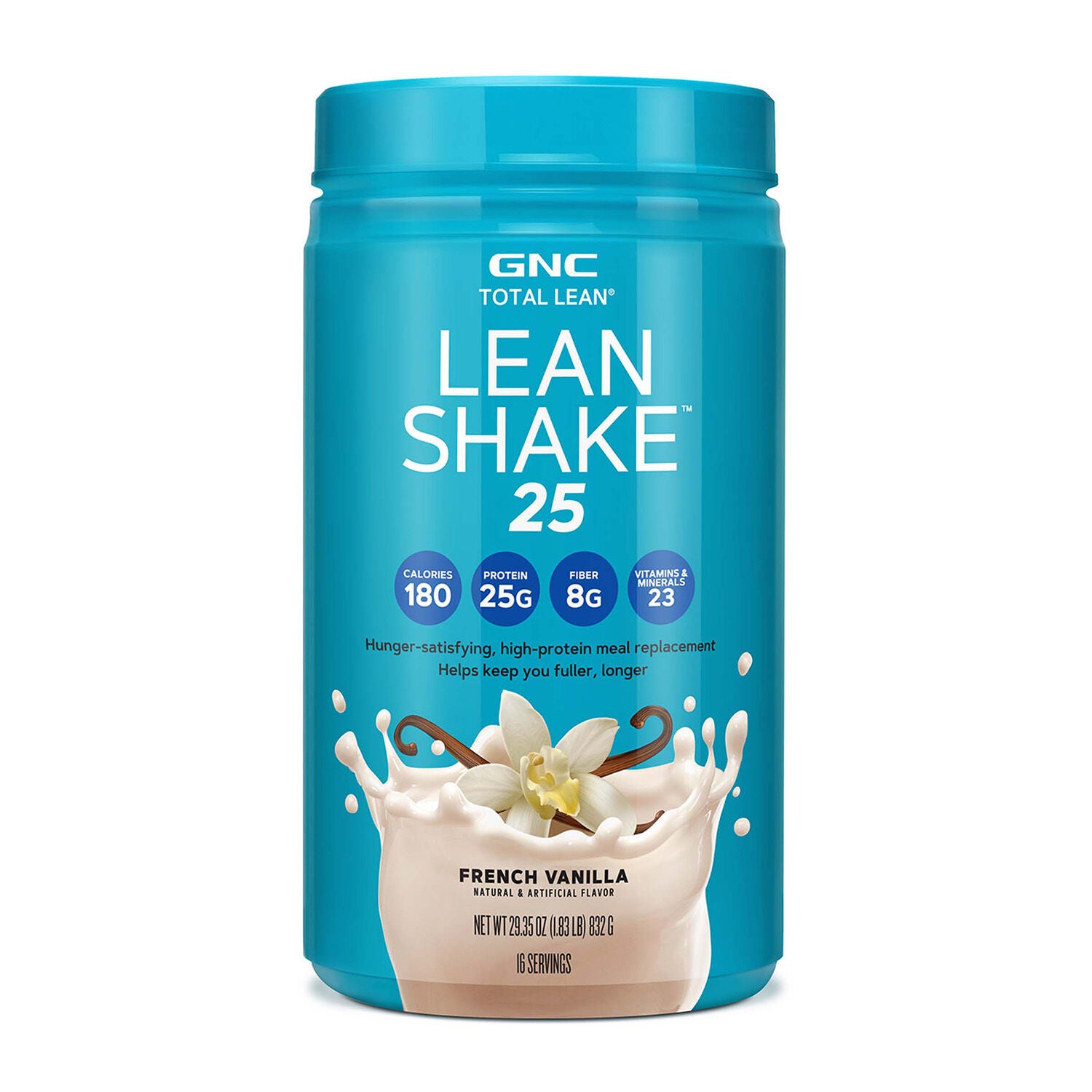
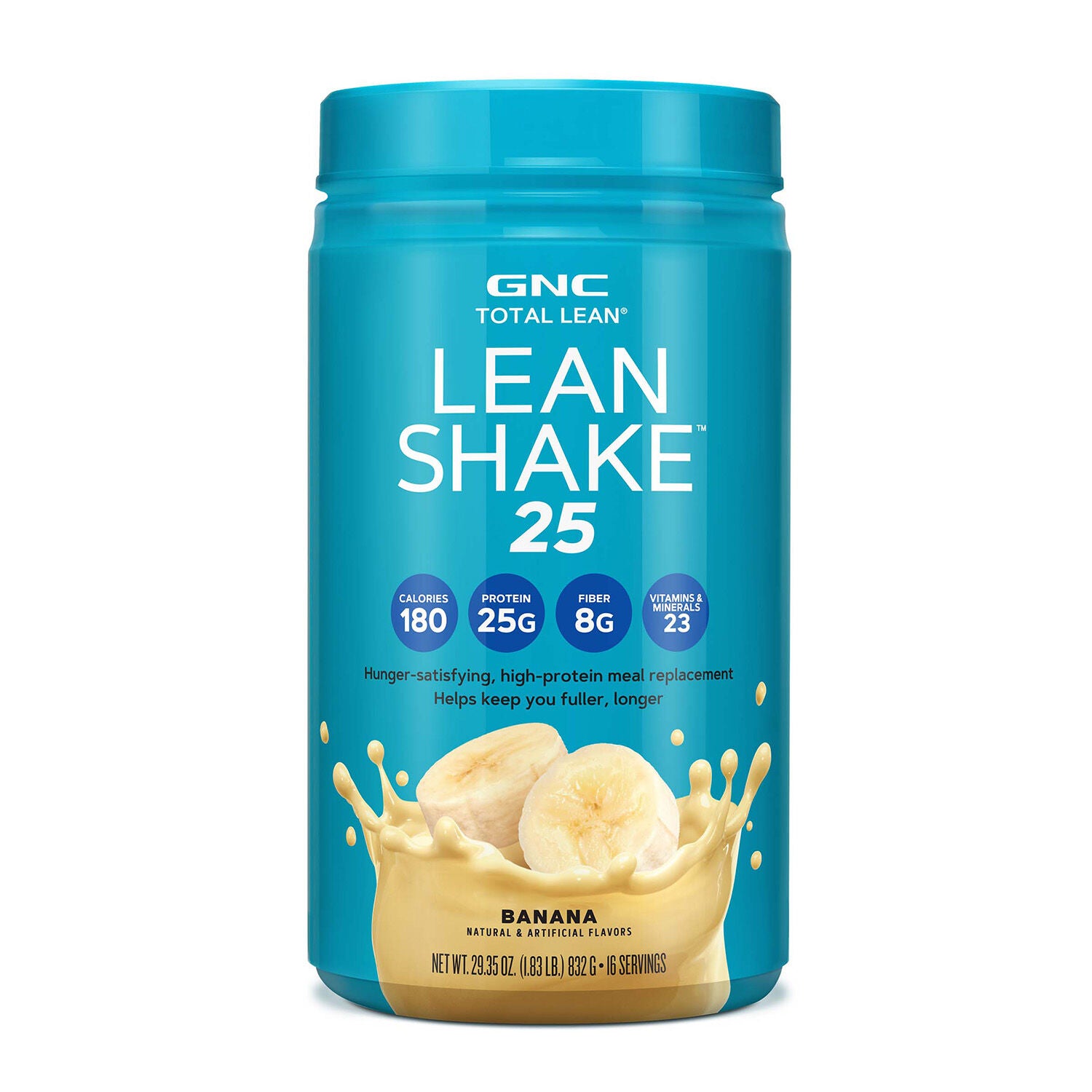
Powder mixes are dry blends made to be stirred, shaken, or blended with a liquid to create a drink or, for some formulas, a food preparation. The category includes flavored drink mixes, electrolyte powders, protein powders, and shake mixes, with different ingredients and serving directions for different uses. Some are designed for a glass of water, while others pair with milk or a plant-based beverage for a richer texture. That distinction matters: a light, citrus-flavored drink has a different place in the day than a thick chocolate shake blended with oats and a banana. Powdered drink mixes suit a range of routines, from a beverage mixed at a desk to a shake prepared after a workout or alongside breakfast. Their dry format also means the liquid can be added when it is time to prepare a serving, rather than carried as part of a ready-to-drink bottle. Larger containers make sense for a regular kitchen setup, while individual packets are convenient for a work bag or a weekend away. The most useful distinctions come from the label, not the appearance of the powder. A fruit-flavored blend might contain electrolytes, caffeine, carbohydrates, or simply flavoring and sweeteners, and those differences affect its intended use. Similarly, two creamy shake mixes can have very different amounts of protein, fiber, fat, and added sugar. Serving size, suggested liquid volume, and servings per container provide context for comparing formulas. The amount of powder in one scoop is not consistent across every blend, so the scoop and directions supplied with each container belong together. For shoppers choosing between a refreshing beverage and a more substantial shake, flavor is only part of the decision. Ingredient composition, preparation method, and the kind of drink desired help define the category more clearly than packaging alone. A mix that belongs beside a shaker bottle in a gym bag may be quite different from one kept near the blender for a leisurely breakfast.
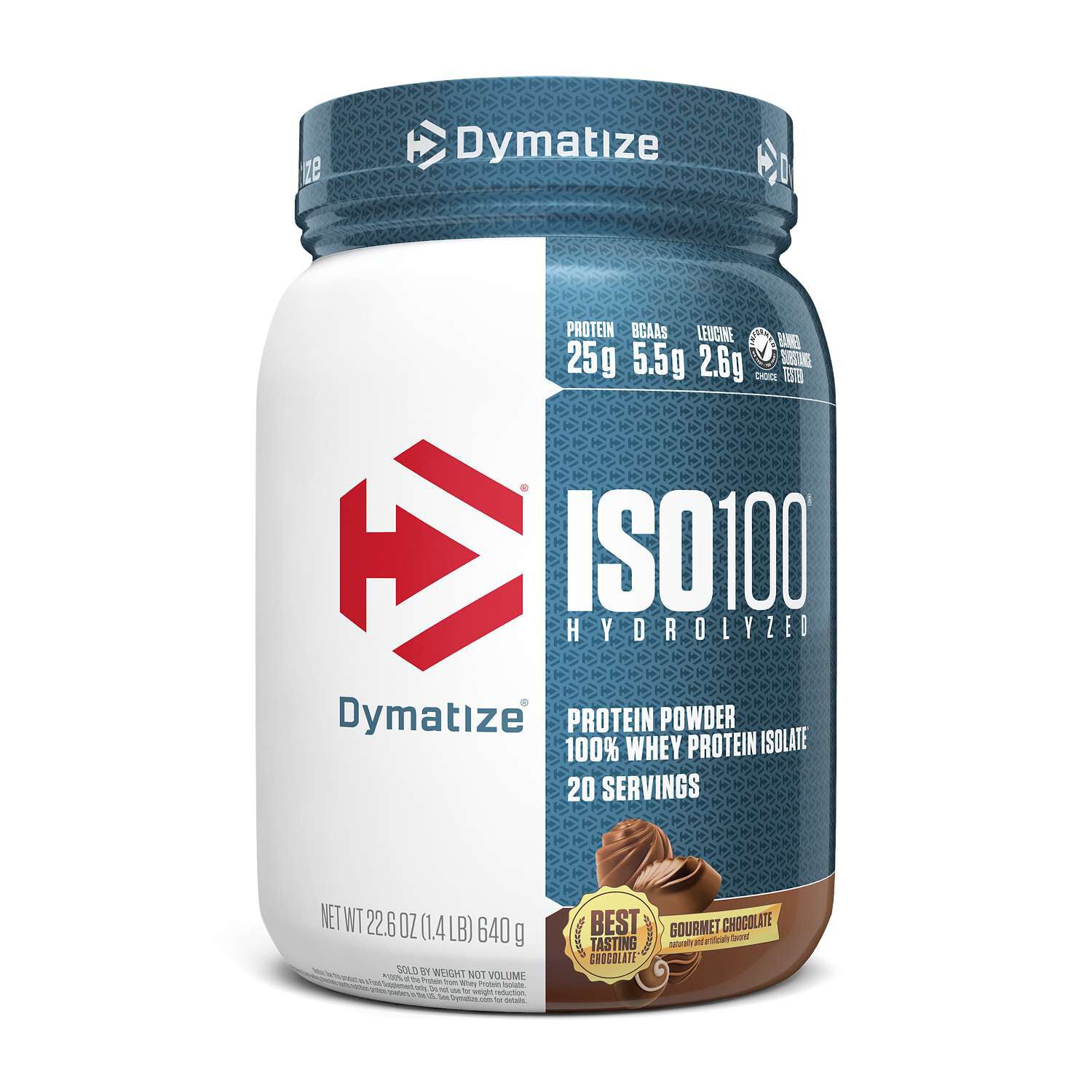
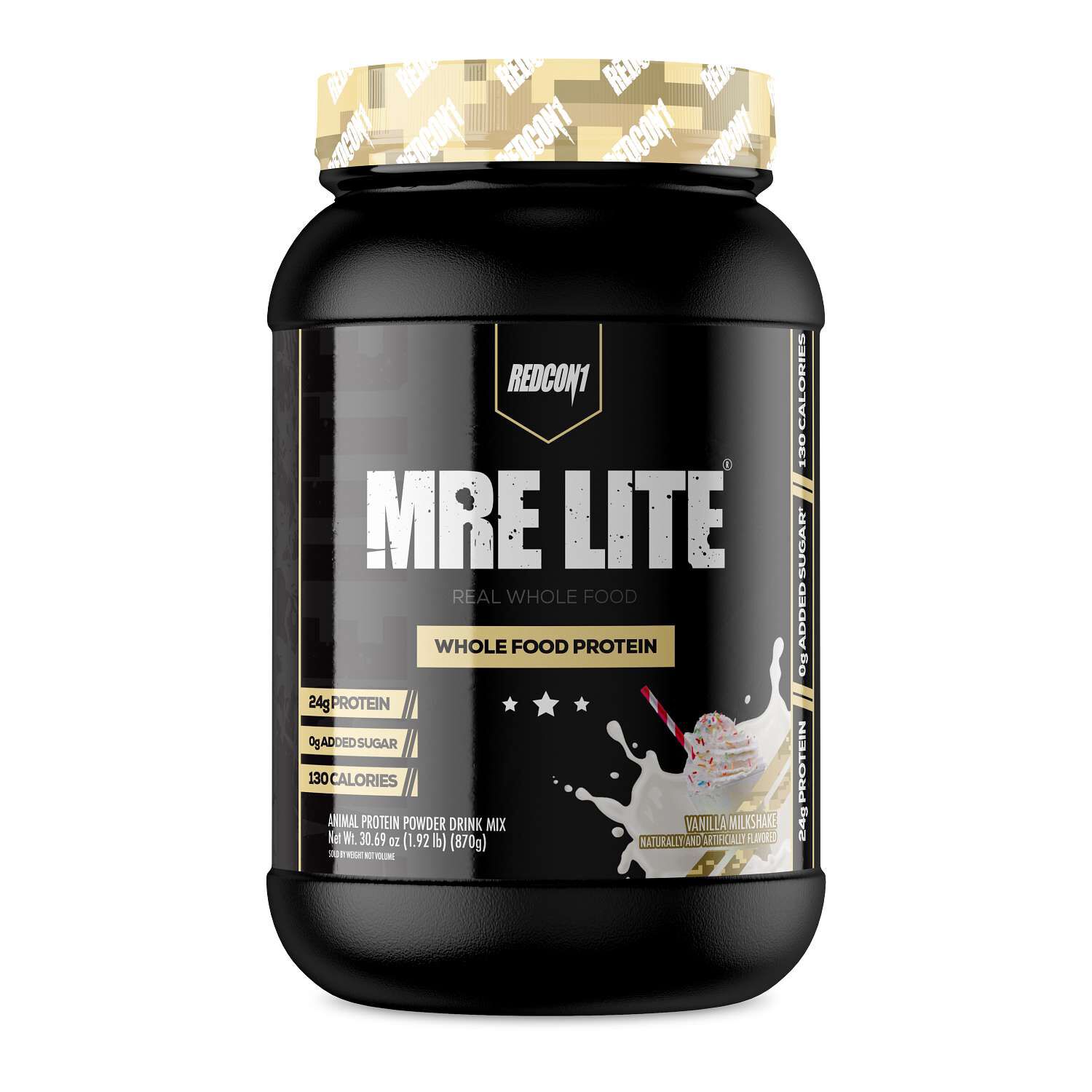
Protein powder mixes commonly use whey, casein, soy, pea, rice, or combinations of protein sources. Whey and casein come from milk, while plant-based formulas draw on ingredients such as legumes and grains. The source can influence taste, texture, and suitability for personal eating preferences, but the full ingredient list remains important. A plant-based description, for example, does not replace a review of allergen information. Milk, soy, egg, and other ingredients may appear in different formulas, and labels also provide information about shared manufacturing environments when applicable. Beyond the protein source, powdered mixes may include cocoa, fruit powders, flavorings, sweeteners, thickeners, vitamins, or minerals. Some use sugar, some use other sweetening ingredients, and some combine several types. The finished drink can range from lightly flavored and thin to creamy and dessert-like. Chocolate and vanilla offer familiar starting points for shakes, while berry, citrus, and tropical flavors often appear in water-based drink mixes. An unflavored powder has a different role, particularly when the surrounding ingredients are meant to provide most of the taste. For a closer look at mixes intended for shake-style preparation, Powdered Shakes centers on that part of the category. Protein content alone does not make every powder interchangeable with a meal-oriented formula. Products described for meal replacement can differ in their blend of carbohydrates, fats, protein, fiber, vitamins, and minerals, so their labeled purpose deserves attention. Electrolyte drink mixes are another distinct option, often listing minerals such as sodium and potassium. Their carbohydrate and sugar content varies, as does the presence of caffeine. A mix intended for a workout routine may therefore have a different ingredient profile from a simple flavored beverage served with lunch. Adults shopping for everyday beverages, recreational athletes comparing workout-related options, and busy commuters assembling breakfast all bring different priorities to these details. The right category fit starts with the intended occasion and the actual contents of a serving, rather than a flavor name or a familiar-looking container.
Preparation and storage have a practical role in the experience of using powder mixes. A formula designed to dissolve with a spoon may be convenient at an office desk, while a thicker blend may call for a shaker bottle or blender. Following the stated powder-to-liquid ratio gives a useful starting point for the texture the formula was designed to produce. Water generally keeps the preparation closer to the powder’s original flavor, while milk or a plant-based beverage adds its own taste and nutrients. Those additions also change the nutrition of the finished serving, as do ingredients such as nut butter, yogurt, fruit, or oats. A vanilla shake blended with banana has a different consistency from the same powder shaken with cold water; a handful of ice changes the drinking experience again. Directions matter when working with warm liquids or recipes, since not every powder is intended for heating or baking. For an early commute, a clean bottle with enough room for mixing is often more practical than a cup filled to the rim. At home, a blender offers room for thicker ingredients and a more substantial preparation. Keeping the powder dry between uses is equally important. A tightly closed container, a dry scoop, and storage away from heat and moisture help maintain the condition of the mix. Package dates and storage directions remain the reference for how long a container should be kept. Once liquid has been added, the prepared drink needs the handling described on the label and appropriate care for any milk, yogurt, or other perishable ingredients included. Bottles, lids, and blender parts also need thorough washing and drying between uses, particularly around seals and threads where residue can collect. During the cooler months, powder mixes can remain part of an indoor workout routine, a packed workday, or breakfast at the kitchen counter without requiring a seasonal flavor. The lasting appeal is the flexibility of the format: a dry blend, a measured serving, and a preparation method that fits the setting. Careful attention to ingredients, taste, texture, and storage makes comparisons more meaningful across this varied category.