Pre-Workout Hydration
(0 Results)
Pre workout hydration plays a key role in supporting your fitness routine, helping you prepare for every rep, set, and mile ahead. Whether you're hitting the gym or heading outdoors, staying hydrated before exercise may help you feel your best from start to finish. Explore a range of options designed to fit your lifestyle and hydration needs, so you can focus on reaching your goals with confidence.
-

-
-
-
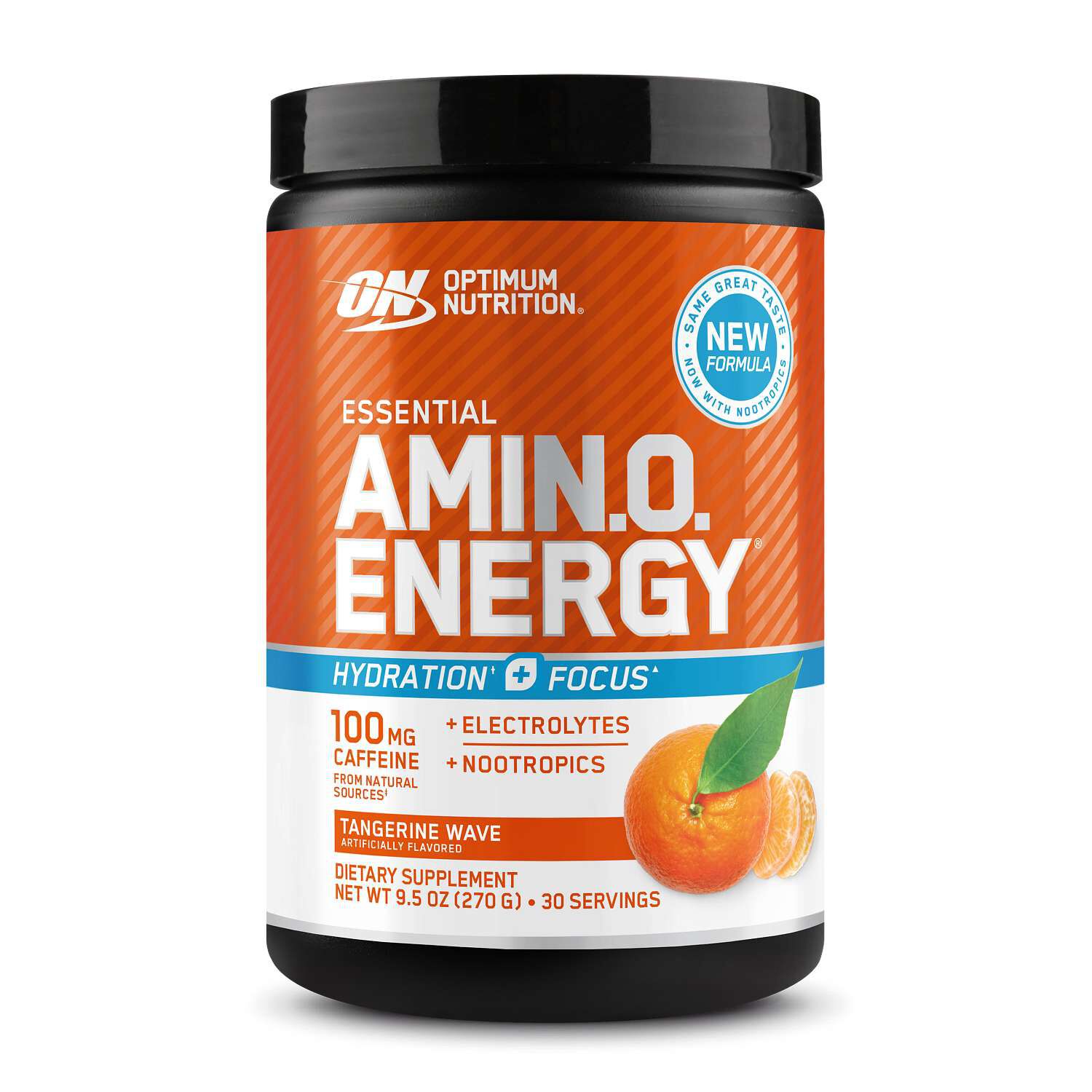
 Optimum Nutrition459$24.99
 -

-
-

-

-
-

-
-

-

-
-
-
-

-
-
-

-
-

-
-
Pre-workout hydration products include electrolyte drink mixes, powders, and ready-to-drink beverages intended for use before exercise. The category centers on fluids and ingredients such as sodium, potassium, and magnesium, with differences in carbohydrate content, caffeine, flavor, and serving size. An electrolyte formula may support hydration before a training session, while a carbohydrate-containing option could also contribute fuel for exercise. These products serve a different purpose from formulas focused primarily on caffeine or other pre-workout ingredients, although some blends combine both approaches. That distinction matters when comparing a drink for an early strength session with something intended for a longer run or an afternoon on the court. Plain water is also part of the picture, particularly for shorter, less demanding activity; an electrolyte beverage is not automatically necessary for every workout. Exercise duration, intensity, weather, and personal preferences all shape the choice. A runner preparing for a long route may prefer a different formula from someone heading into a brief indoor cycling class. During cooler months, the setting still varies considerably between a breezy outdoor track and a warm studio filled with moving bikes. Flavor and texture deserve attention alongside the ingredient panel. A light citrus drink, a sweeter fruit blend, and an unflavored powder offer noticeably different drinking experiences, especially when mixed into a large bottle. Some powders dissolve into a clear drink, while others may have a cloudier appearance or a more pronounced mineral taste. The amount of water specified on the label is an important comparison point because it determines how the serving is intended to be prepared. Pre-workout hydration is not defined by one universal drink or a fixed amount for every person. The most relevant product is one whose intended use, preparation requirements, and ingredients suit the activity and the routine surrounding it, whether that means a quiet morning at the gym or practice after a full workday.
The details on a hydration product’s label offer a more useful comparison than flavor names alone. Sodium, potassium, and magnesium are electrolytes, but formulas contain different amounts and combinations rather than a single standard recipe. Comparing amounts per prepared serving keeps the focus on what goes into the bottle, not simply the size of the container. Serving directions also distinguish a concentrated powder intended for a larger volume of water from a mix designed for a smaller drink. Carbohydrate content is another meaningful difference. Some pre-workout hydration mixes contain sugar or other carbohydrate sources, while others use alternative sweeteners and provide little carbohydrate. A carbohydrate-containing drink may suit someone looking for hydration and fuel in the same format; a different shopper may prefer to keep a beverage separate from a pre-exercise snack. Neither approach makes every formula interchangeable. Caffeine deserves its own check because an electrolyte mix and a caffeinated pre-workout are not the same category, even when their flavors or packaging look similar. Someone who already has coffee before training may prefer a hydration formula without added caffeine, while an evening exerciser may have the same preference for a different reason. Ingredient lists also identify sweeteners, colors, flavor sources, and ingredients that matter to individual dietary preferences. Label statements about allergens and manufacturing practices are worth reviewing rather than making assumptions from a product name. For a closer look at the broader training category, Preworkout For Athletes offers a related point of comparison, while hydration-focused shopping centers on the beverage’s fluid preparation and electrolyte composition. When comparing several supplement categories, checking their labels together could make ingredient overlap easier to recognize. Clear serving information, a flavor that sounds appealing, and a format that fits the day are practical selection criteria without relying on dramatic performance language. A thoughtfully chosen drink may complement a training routine, but its role remains specific rather than standing in for meals, water, or preparation for the activity itself.
Format often determines how naturally a pre-workout hydration product fits into everyday use. Powder containers suit a repeatable setup at home, where a scoop, a clean bottle, and water are close at hand. Individual packets offer measured portions that tuck into a gym bag or desk drawer, making them a practical format for someone who leaves directly from work for a training session. Ready-to-drink beverages require no mixing, although their bottle size and storage directions still matter for carrying and use. For powders, packaging that closes securely is useful in a kitchen cabinet or crowded gear shelf. Moisture exposure can affect powder texture, so a dry scoop and a firmly closed lid are sensible care considerations, along with the storage instructions printed on the package. Prepared drinks may have different storage requirements from unopened containers; those directions deserve attention when a bottle is mixed well before leaving home. The accompanying drinkware has its own practical details. A bottle’s stated capacity should accommodate the directed water amount, with room for shaking when needed. Clearly marked measurements may make preparation more convenient, while a wide opening provides access for adding powder and cleaning afterward. Glass, stainless steel, and reusable plastic each have different weight, handling, and care characteristics, so the choice depends on where the bottle will travel. Lid construction, a secure closure, and compatibility with a bag pocket or cup holder matter during the trip from kitchen counter to locker room. Cleaning instructions vary by material and design, particularly for lids with seals or drinking spouts. Those everyday details are relevant for recreational lifters, runners, team-sport participants, and people attending regular fitness classes alike. They also matter when choosing a hydration-related gift for an adult with an established training routine, although flavor, dietary preferences, and caffeine preferences are personal enough to confirm beforehand. Across formats, pre-workout hydration products are easiest to compare through their intended use, labeled ingredients, preparation needs, and portability. The right match may be as much about a manageable morning routine and an enjoyable drinking experience as the formula inside the package.