





Prebiotic Fiber Powders For Soups
(0 Results)
Prebiotic fiber powders for soups offer a convenient way to support your daily nutrition routine. These versatile powders are designed to blend smoothly into your favorite soups, making it easy to incorporate more fiber into your meals. Whether you're looking for a simple addition to homemade recipes or an easy option for busy days, prebiotic fiber powders for soups may fit seamlessly into your lifestyle. Explore the selection and discover how these powders might complement your wellness journey.
-

-
-
 209$34.99
 -
-
-

-
-

-

-

-
-
-

-

-
 Divine Health$44.99
 -
 $26.99
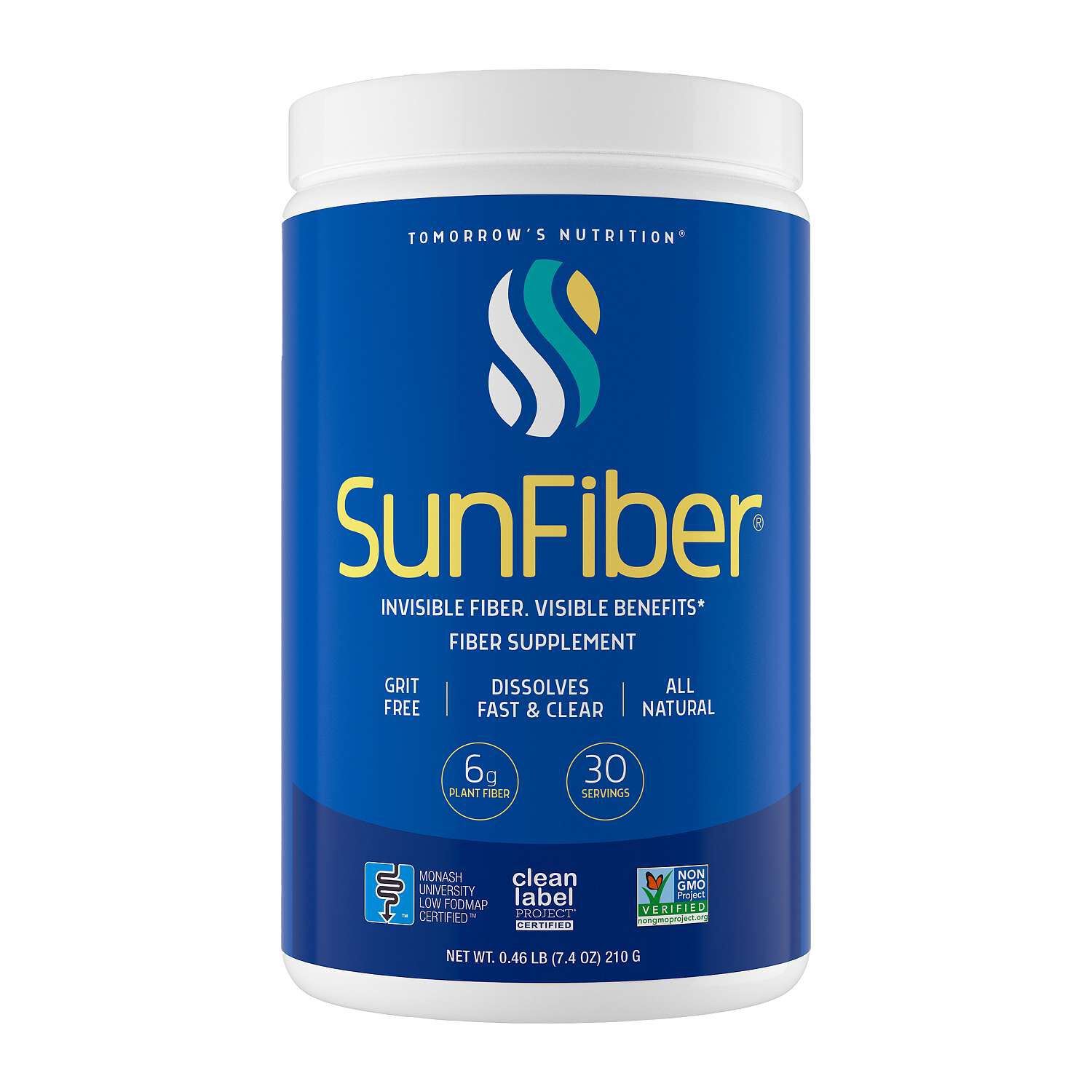
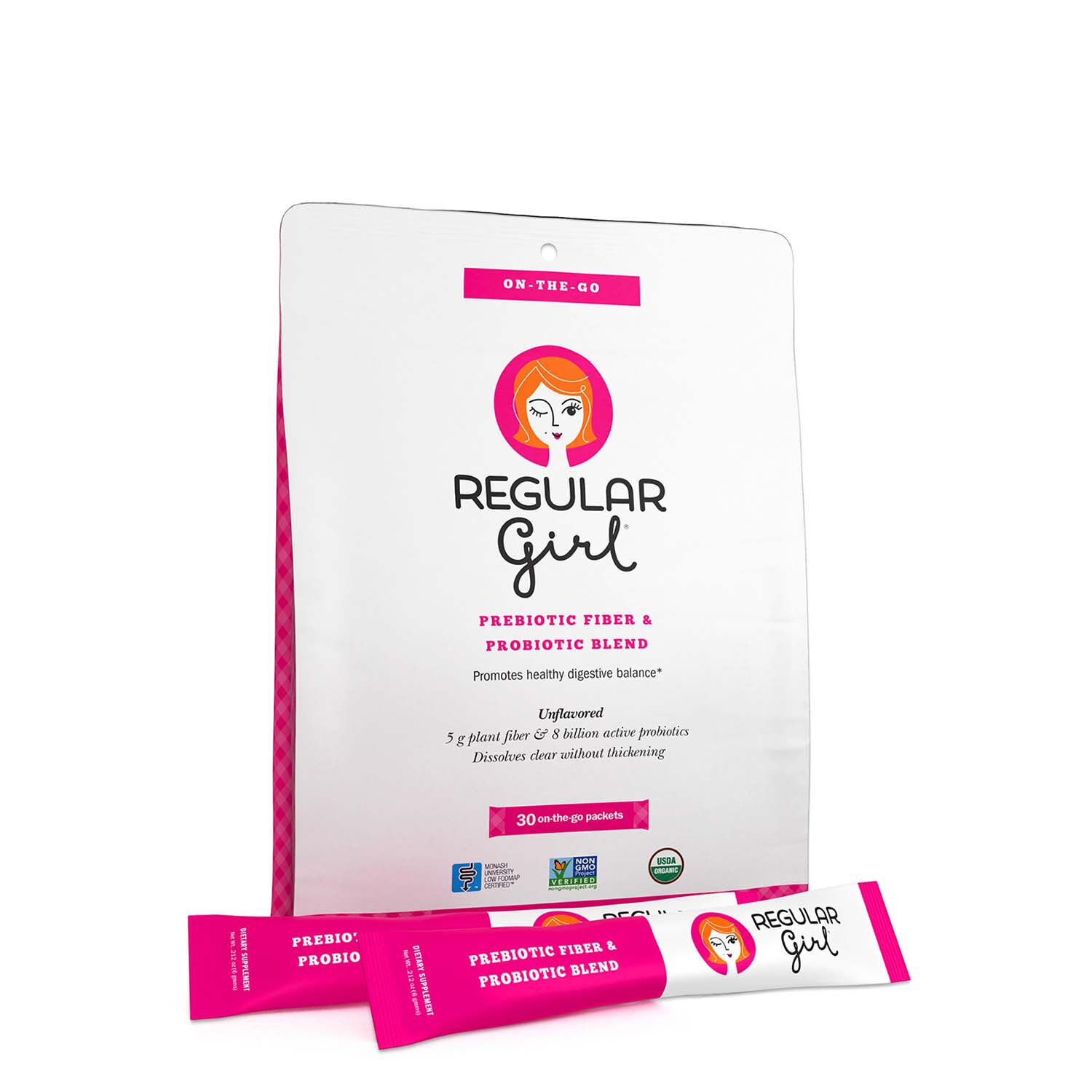
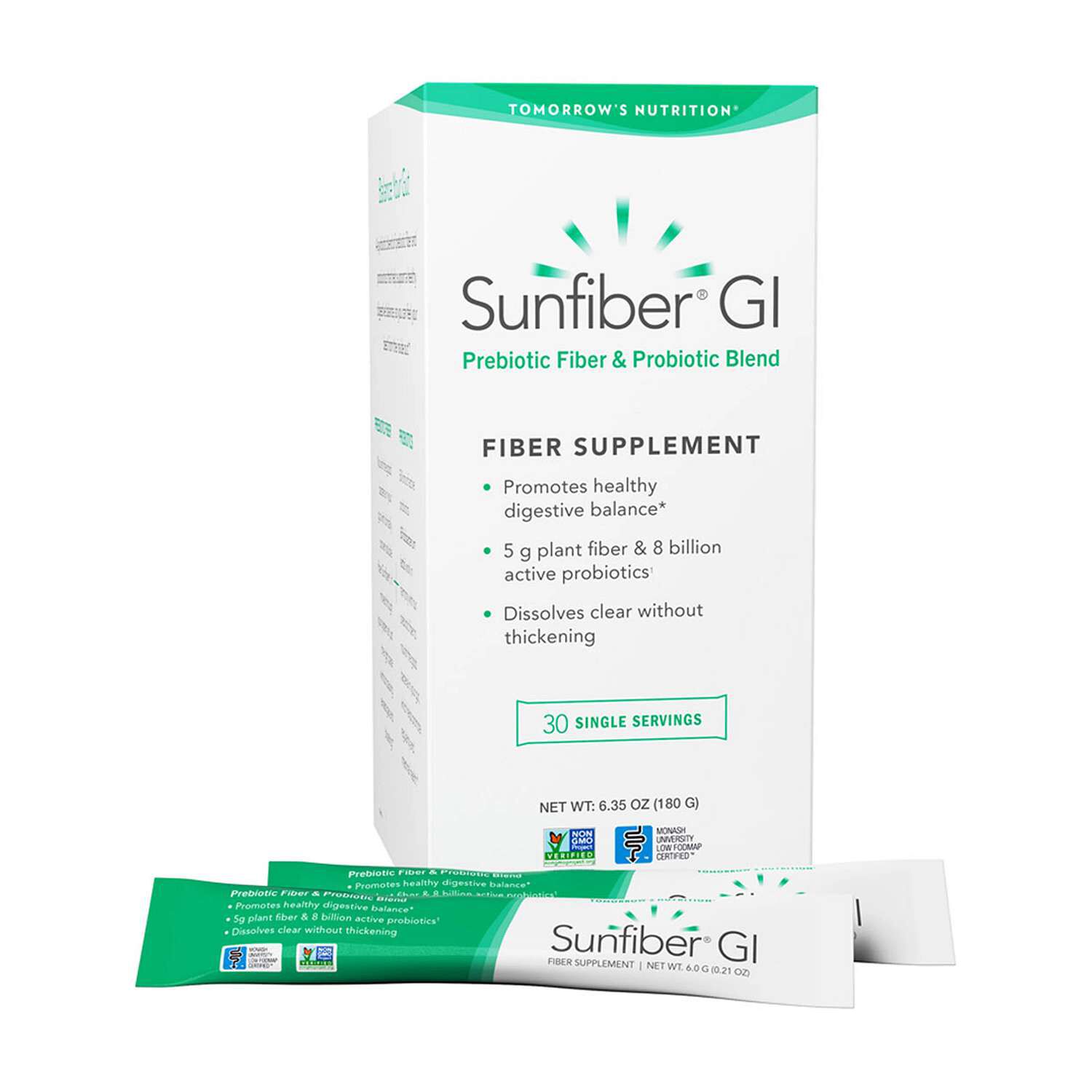
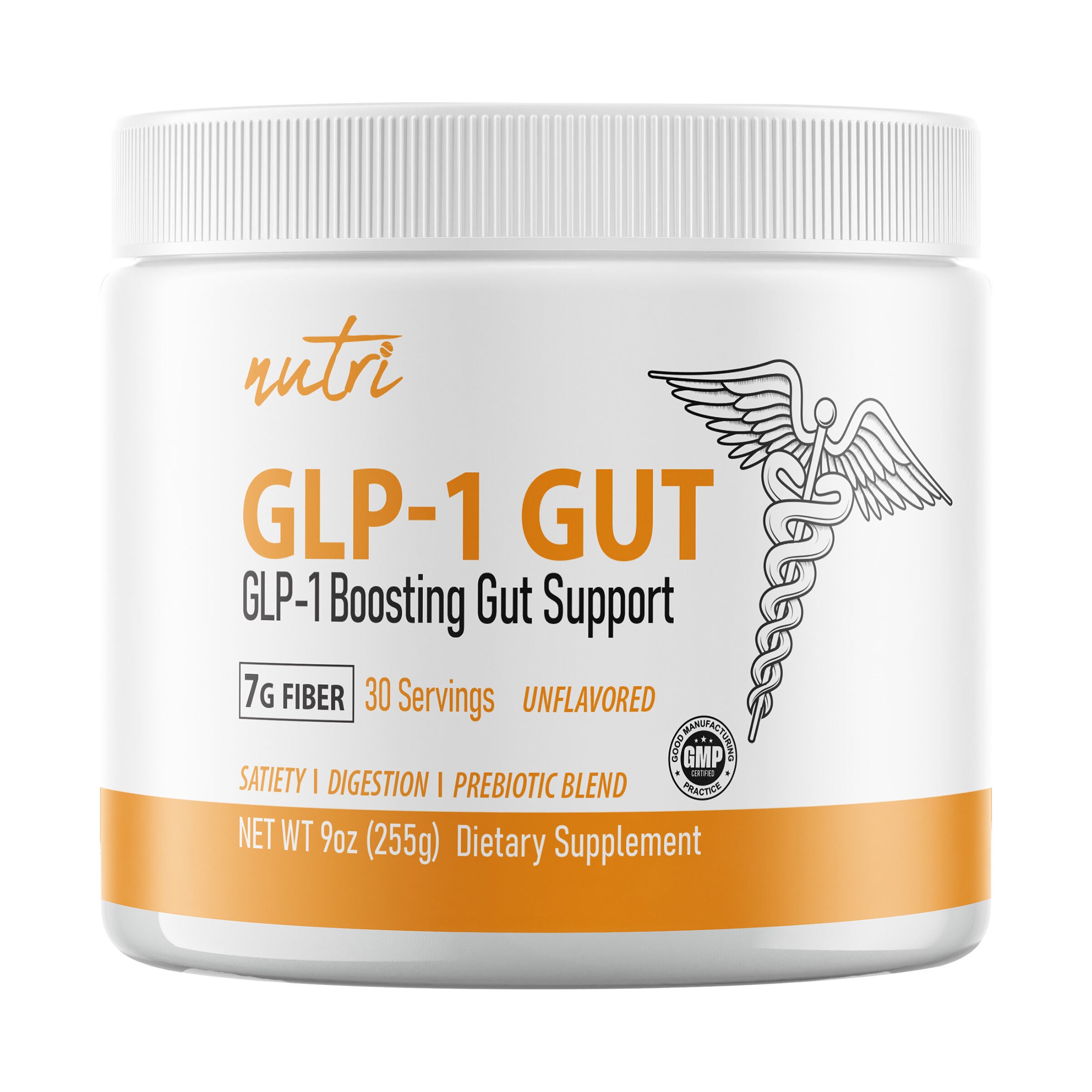
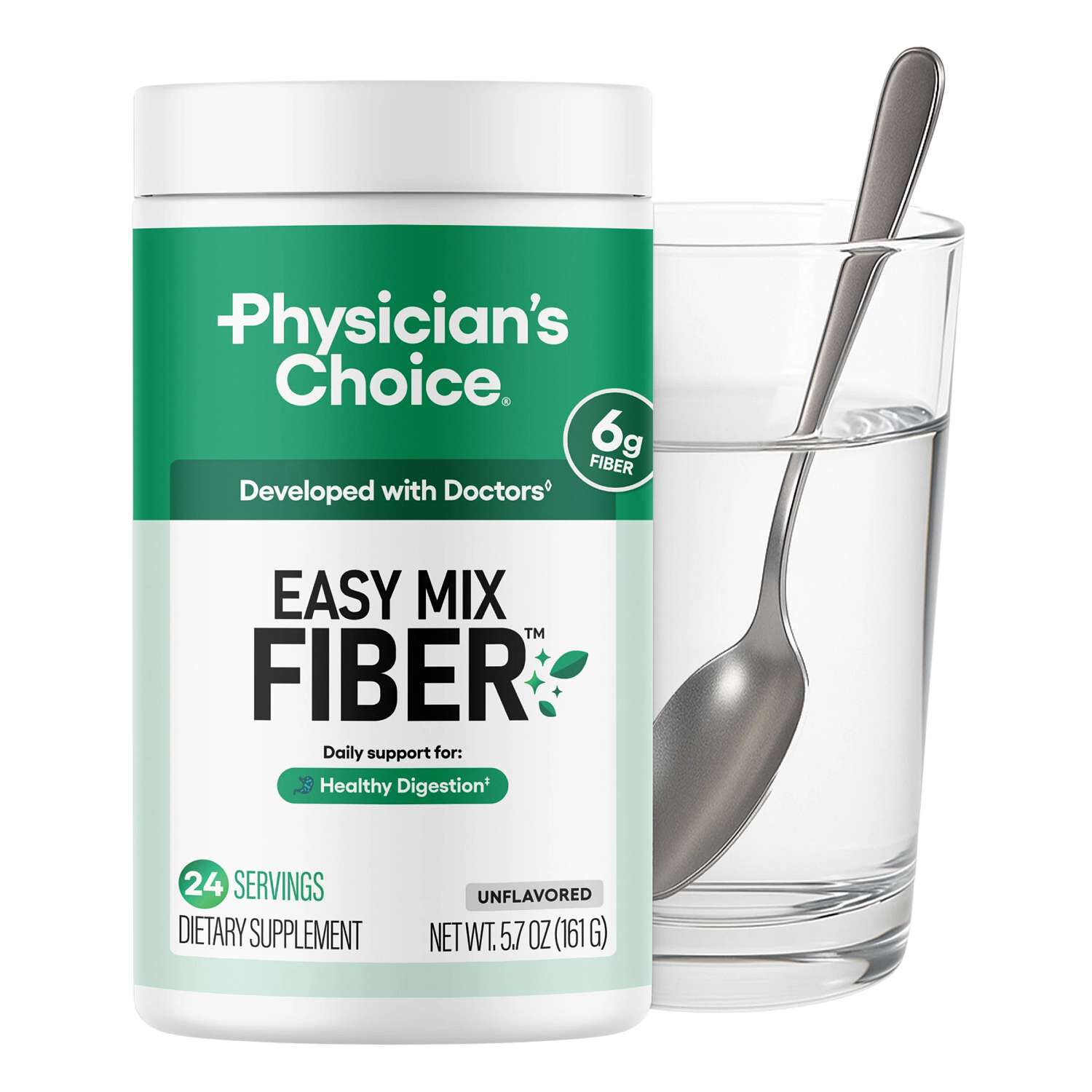
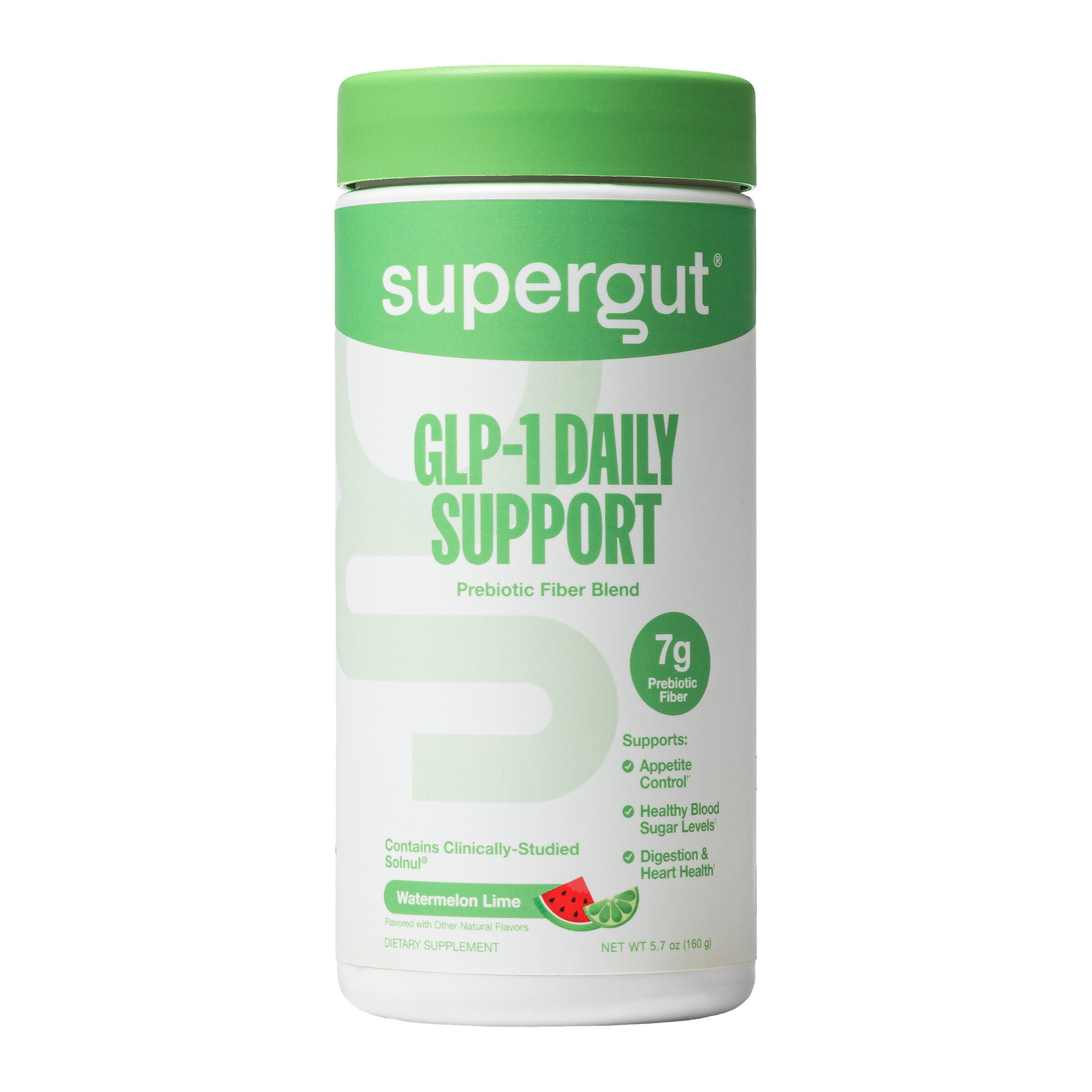
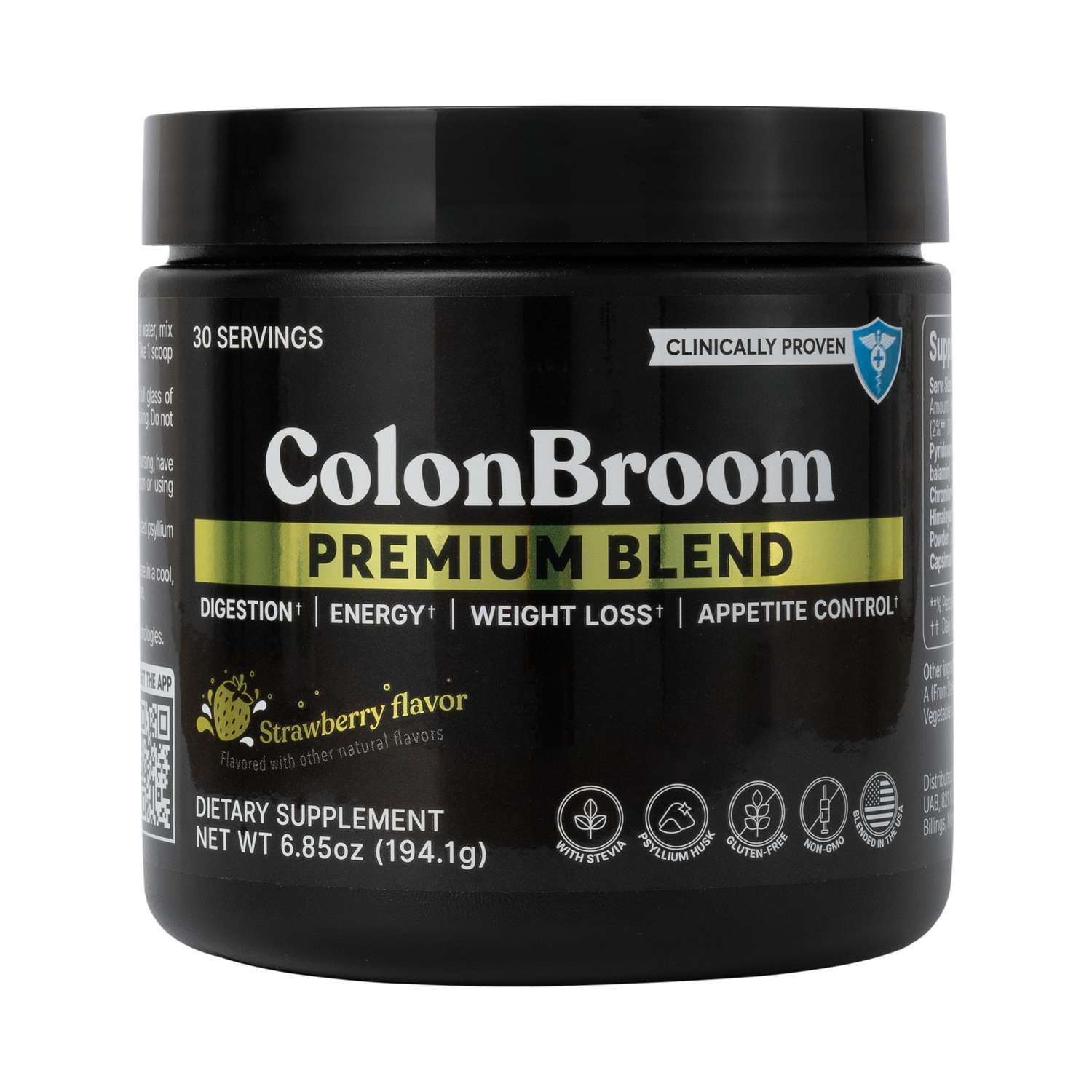
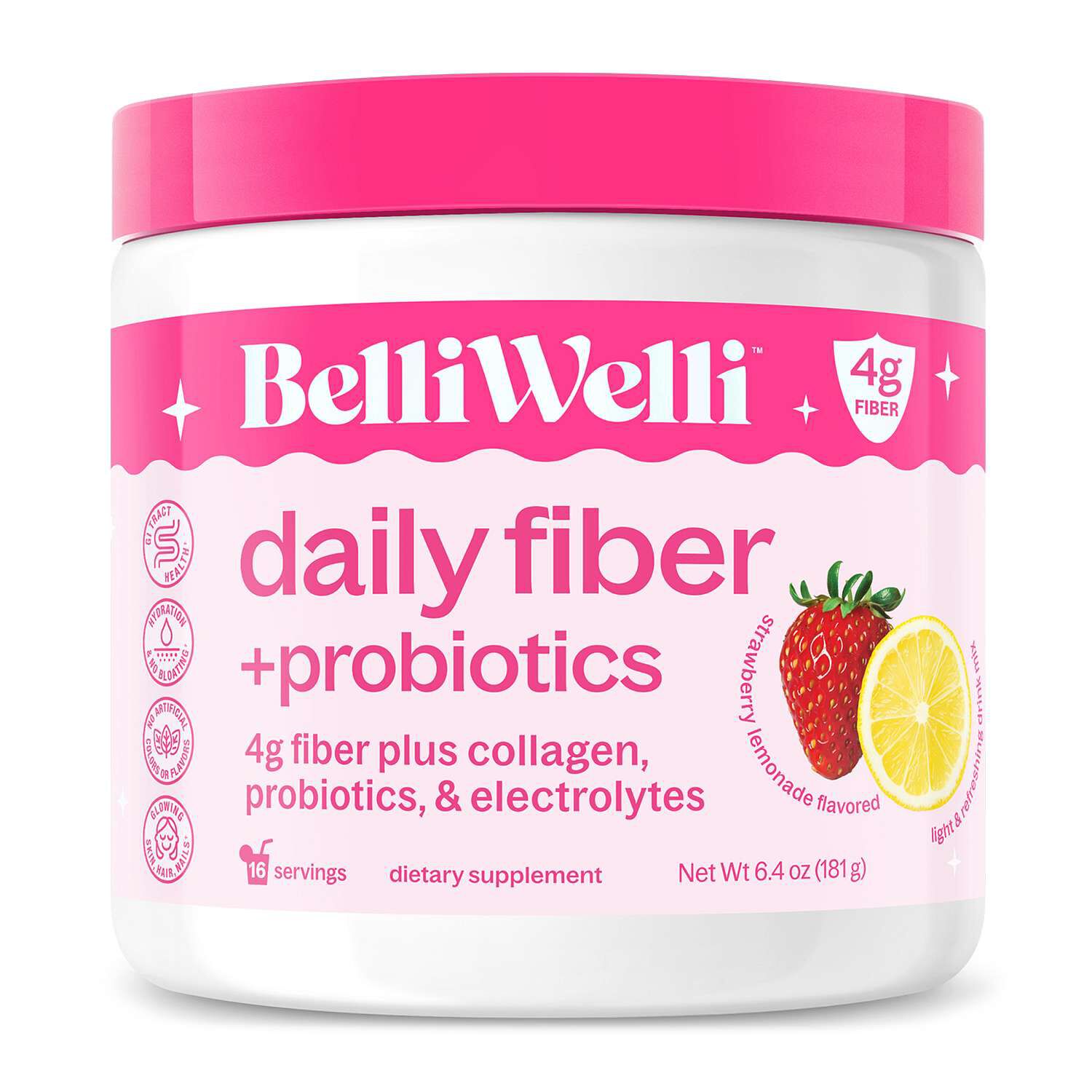
Prebiotic fiber powders made for mixing into soups offer a practical way to add soluble fiber to everyday meals without changing the character of the dish too much. These powders are commonly made with ingredients such as wheat dextrin, partially hydrolyzed guar gum, or acacia fiber, and many varieties are unflavored so they may work well with clear broth, vegetable soup, lentil soup, tomato bisque, or a smooth purée. Since prebiotic fibers are used by beneficial microorganisms in the digestive system, they may support digestive wellness as part of a varied eating pattern. The best choice for soup usually depends on how the powder behaves in warm liquid, how much texture it adds, and whether its flavor blends naturally with the recipe. A powder that mixes smoothly into a delicate broth may also disappear into a hearty bean soup, while a product that thickens more noticeably may be better suited to creamy recipes. When comparing options, look for clear serving directions, a short ingredient list, and a flavor profile that fits the way you cook. Unflavored varieties may be especially versatile for households that rotate between savory recipes, smoothies, oatmeal, and beverages. A resealable container can also be convenient for a kitchen pantry, particularly when the powder is used alongside regularly prepared meals rather than reserved for special recipes. For a wider selection of everyday options, browse Daily Prebiotic Fiber Powders.
Adding fiber powder to soup works best with a little patience. Prepare the soup as usual, then measure the powder according to the package directions and sprinkle it in gradually while stirring. Adding it near the end of cooking or immediately before serving may help preserve the texture of the soup and may reduce the chance of small clumps forming. Warm or hot liquid is generally a more suitable setting than a pot at a vigorous boil, and a whisk can be helpful for cream soups, purées, and broths with a thin consistency. Letting the soup stand briefly after mixing may give the powder time to distribute throughout the bowl. Wheat dextrin may dissolve with very little visible change, making it a useful match for clear broth or a light chicken-style soup. Partially hydrolyzed guar gum, often shortened to PHGG, may also blend smoothly and may be suitable for cooks who prefer a powder with minimal effect on thickness. Acacia fiber may offer another option for warm recipes and may lend itself to slow, thorough stirring. Psyllium-based powders can absorb a considerable amount of liquid and may create a much thicker texture, so they may not be the first choice when the goal is a spoonable broth or silky soup. Whatever the formula, begin with the labeled serving guidance rather than adding a large amount to the pot. People who are new to fiber powders may prefer starting with a smaller portion and gradually working toward the package serving, as individual tolerance can vary. Keep water and other beverages available throughout the day, and follow the directions on the container, especially when the powder is being added to several meals.
These products may appeal to anyone who enjoys simple ways to customize familiar foods, including home cooks, meal-prep fans, students with limited kitchen space, and family members who like to keep nourishing pantry staples close at hand. They can also make a thoughtful gift for a friend who enjoys making soup from scratch, assembling seasonal care packages, or experimenting with practical additions to weekday meals. A small basket with soup ingredients, a ladle, crackers, dried herbs, and an unflavored fiber powder could feel personal without requiring a highly specific taste preference. During warmer weather, a fiber powder may be stirred into a lighter vegetable broth or chilled savory preparation, while cooler months naturally invite richer soups, stews, and roasted vegetable purées. If the household shares one pot of soup, mix the powder into an individual bowl first so each person can choose an amount and assess how the texture suits them. This approach also keeps the main recipe unchanged, which can be useful when serving guests. Check the label for allergen information, dietary preferences, serving size, storage instructions, and any ingredients that may not fit your routine. Wheat dextrin may not suit people avoiding wheat, while those seeking a plant-based pantry option may want to review the source of each fiber. A smooth consistency, neutral taste, convenient scoop, and clear directions can make a noticeable difference in how naturally the product fits into soup night. As with any concentrated fiber product, the package directions provide the most reliable guidance for use, and a healthcare professional may help with individualized questions about dietary needs or supplement routines.
Best Sellers
-
Tomorrow's Nutrition
-
 Physician's Choice
 -
Tomorrow's Nutrition

