Daily Prebiotic Fiber Powders
(0 Results)
Daily prebiotic fiber powders offer a convenient way to support your daily wellness routine. Blending seamlessly into water, smoothies, or your favorite recipes, these powders fit easily into even the busiest lifestyles. With a variety of options to suit different preferences and dietary needs, daily prebiotic fiber powders could be an excellent addition to your nutrition plan. Explore the selection and discover how simple it might be to incorporate extra fiber into your day.
-

-

-
-
 209$34.99
-
-
-

-
-

-

-

-
-
-

-

-
 Divine Health$44.99
-
 $26.99
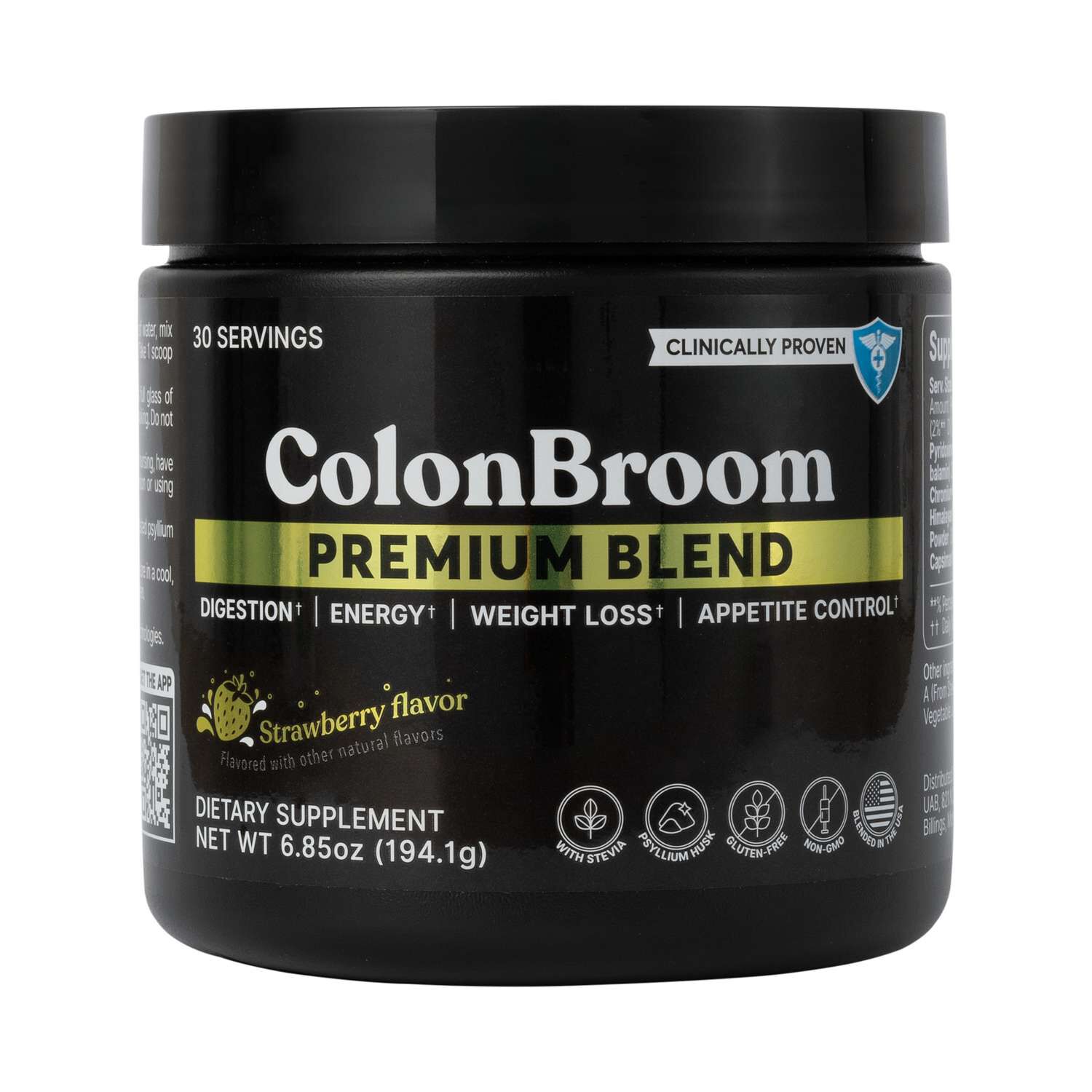
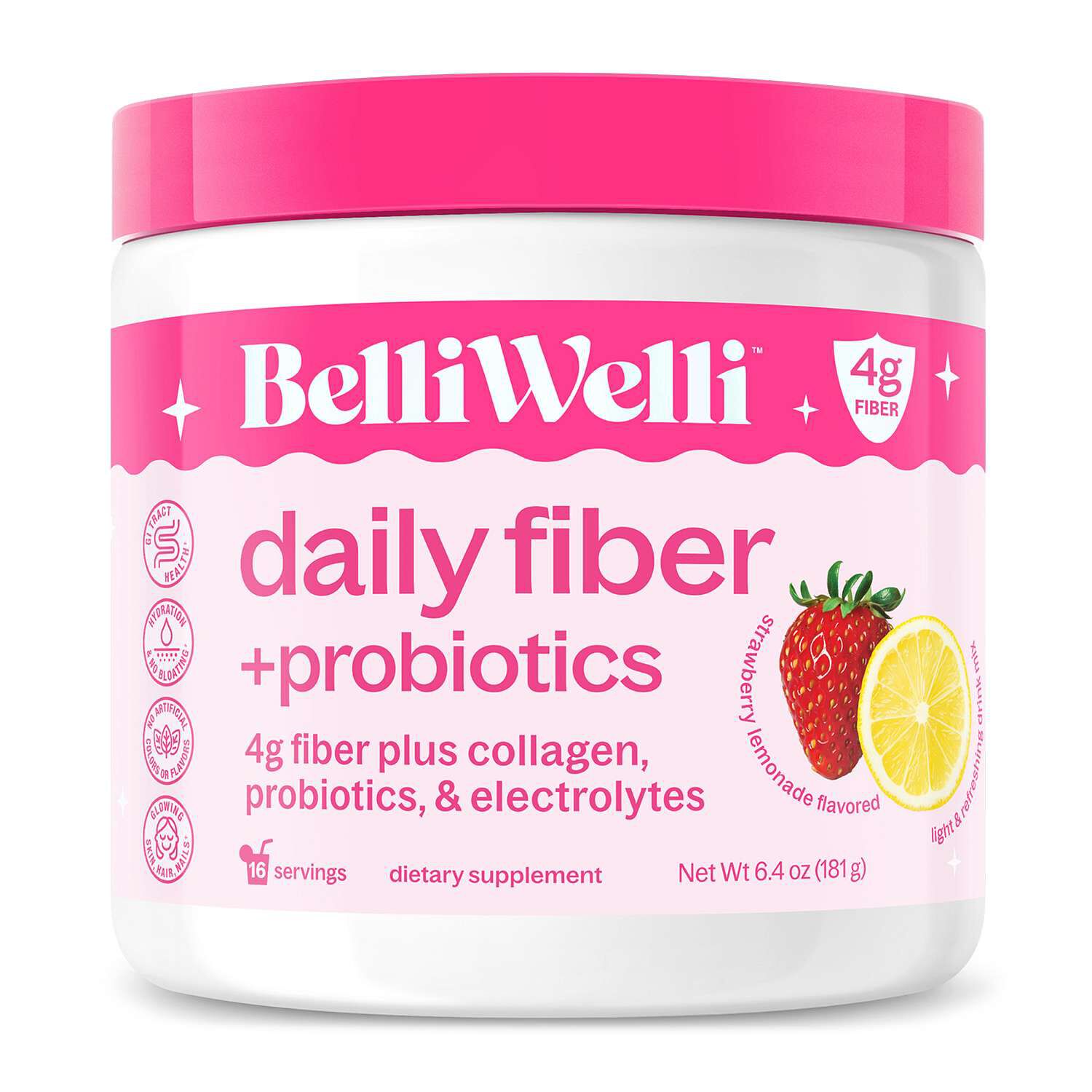
Daily prebiotic fiber powders are dietary supplements designed to be mixed into beverages or suitable foods, with ingredients that may provide nourishment for beneficial microorganisms in the digestive tract. Their appeal lies in the format: a measured portion of powder can become part of an existing breakfast, lunch, or afternoon routine without requiring a separate capsule. Prebiotic fiber is different from probiotics, which are live microorganisms; a prebiotic powder does not necessarily contain probiotic cultures. Fiber ingredients also differ from one another, so the word “prebiotic” alone does not explain a formula’s composition, taste, or preparation requirements. Common ingredient sources include chicory root inulin, wheat dextrin, partially hydrolyzed guar gum, and resistant starch, although the exact source and blend depend on the formula. Some powders feature a single fiber source, while others combine several ingredients. Not every type of dietary fiber has the same prebiotic characteristics, making the ingredient list more informative than a broad category name. The amount of dietary fiber per labeled serving is another useful point of comparison, particularly when serving sizes differ between containers. A scoop of one powder is not automatically equivalent to a scoop of another. For adults interested in adding supplemental fiber to everyday meals, these powders may fit alongside foods such as beans, oats, vegetables, fruit, nuts, and seeds rather than replace them. Someone who eats breakfast at home might prefer a powder suited to yogurt or oatmeal, while someone with a busy commute might value a format that fits into a beverage prepared before leaving. The best match often comes down to ordinary preferences: the drink already on the table, the texture that feels pleasant, and the number of preparation steps that fit the day. Plain and flavored formulas serve different purposes, too. An unflavored option may suit several recipes, while a flavored powder may be more appealing in water. Neither description tells the whole story, since sweetness, aroma, and mouthfeel can vary with the fiber source and other ingredients.
Mixing characteristics are an important part of choosing a daily prebiotic fiber powder because the same ingredient can feel different in water, a smoothie, or a spoonable food. Some formulas disperse readily in the liquids named on their labels, while others need more stirring or produce a thicker texture. A powder described as soluble should not automatically be assumed to become invisible, tasteless, or equally smooth in every recipe. Beverage volume, preparation method, and the formula itself all influence the finished result. In a fruit smoothie, a mild change in texture may be less noticeable than it would be in a glass of plain water. Yogurt and oatmeal offer another setting, where the powder can be incorporated into a food that already has body. Compatibility with those foods should still come from the product’s directions rather than an assumption about the category. For tea drinkers, Prebiotic Fiber Powders for Tea offers a more focused way to browse the theme around a familiar beverage. A delicate tea calls attention to flavor and clarity, whereas a richer preparation may make a powder’s taste or texture less prominent. Instructions about suitable beverages and mixing temperature matter here, especially when a formula includes ingredients beyond fiber. Sweetened or flavored powders can also change a drink’s character, so shoppers who enjoy the original taste of their tea may prefer a simpler flavor profile. Preparation details are worth considering before settling on a format: whether the label calls for stirring, shaking, or blending; how much liquid accompanies a serving; and whether the mixture is intended to be consumed soon after preparation. A powder that suits a blender-based breakfast may not be the most convenient choice for a desk-side cup mixed with a spoon. For shared kitchens, individual portions can make serving information easy to keep with the powder, while a larger container may fit a regular at-home routine. These practical differences help distinguish powders that look similar in a product listing but feel quite different in daily use.
Beyond flavor and mixing, the label and packaging provide details that help a daily prebiotic fiber powder fit its intended routine. Dietary fiber per serving, serving size, ingredient sources, and preparation directions deserve attention together rather than in isolation. A formula with more fiber in each serving may also use a different amount of powder, so comparing scoop size alone can be misleading. Added sugars, sweeteners, flavorings, and other supplemental ingredients can vary, and an unflavored description does not mean the ingredient list contains only fiber. Allergen information and dietary statements are useful for shoppers with particular food preferences or restrictions, especially when the source ingredient is associated with a food they avoid. Any suitability claim should come from the package rather than assumptions based on the front label. Measuring also belongs to the specific formula: the enclosed scoop, when provided, is intended for that product, and household spoons are not interchangeable with labeled measures. Packaging can shape convenience just as much as the powder itself. A resealable container works well on a kitchen shelf, while individually packaged servings may be easier to carry with their directions intact. For either format, storage instructions, closure condition, and the printed date help establish how the powder should be handled. Keeping the container closed between uses and using a clean, dry utensil can help prevent moisture from reaching the contents. The powder’s appearance alone is not a substitute for checking the package instructions and date. People who rotate between breakfasts may appreciate flexibility across several permitted foods, while those who repeat the same morning drink may place greater value on consistent flavor and simple preparation. Keeping the original packaging also makes ingredient and serving information available when routines change. Ultimately, choosing among daily prebiotic fiber powders is less about finding one universal format and more about matching clearly labeled ingredients, manageable preparation, and a preferred eating or drinking occasion. Those details may make a supplemental fiber routine easier to incorporate into everyday life.
Best Sellers
-
Tomorrow's Nutrition
-
 Physician's Choice
-
Tomorrow's Nutrition