





Prebiotic Powders For Fall Health Routines
(0 Results)
As the seasons change, many people look for ways to support their wellness routines, and prebiotic powders for fall health routines could be a simple addition to your daily regimen. These versatile powders might blend easily into smoothies, oatmeal, or warm beverages, making them a convenient option as you transition into cooler months. Explore options that fit your lifestyle and discover how adding prebiotic powders for fall health routines may help you feel your best all season long.
-
-

-

-
-
-
 209$34.99
-
-

-
-

-

-

-

-

-
-

-
 Divine Health$44.99
-
 $26.99
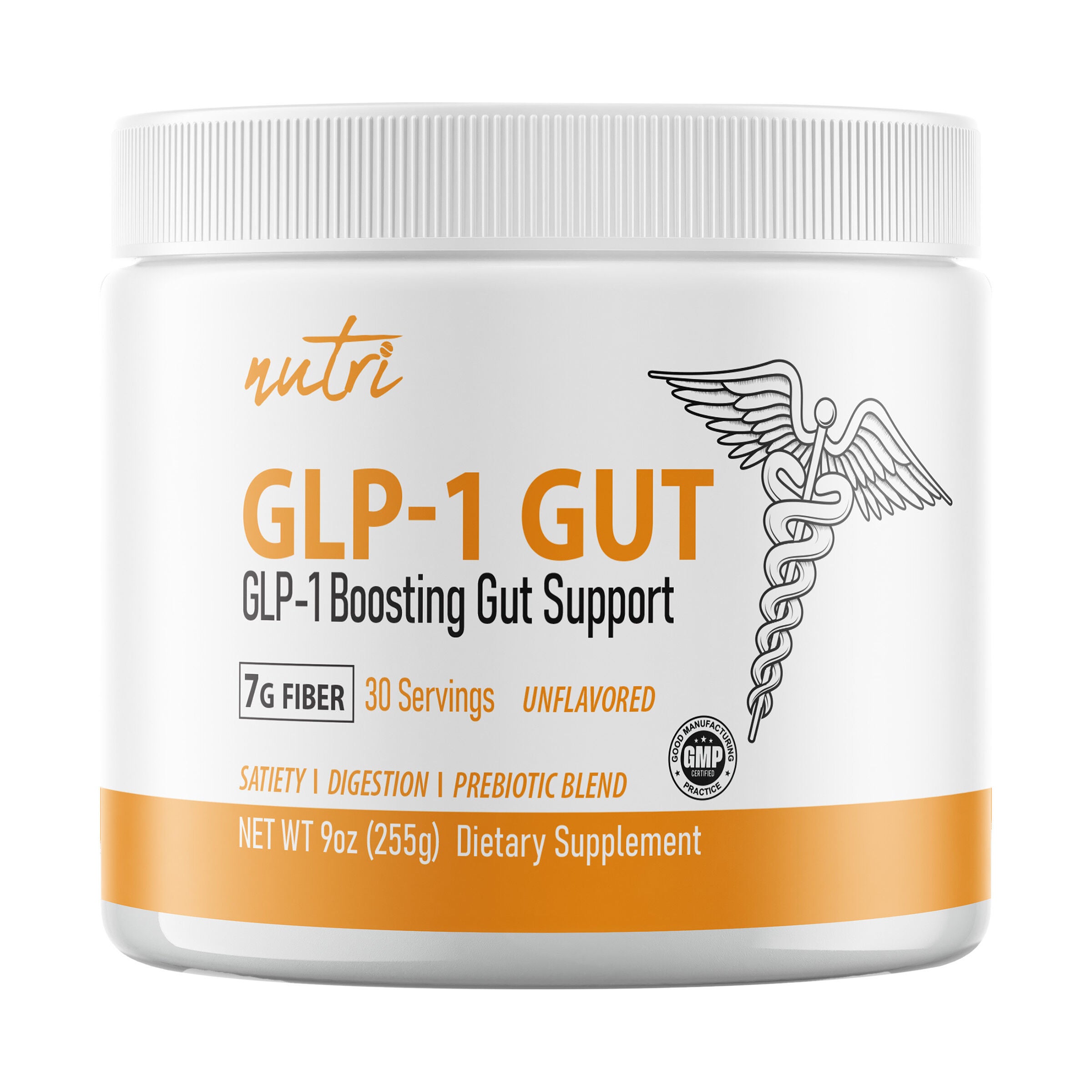
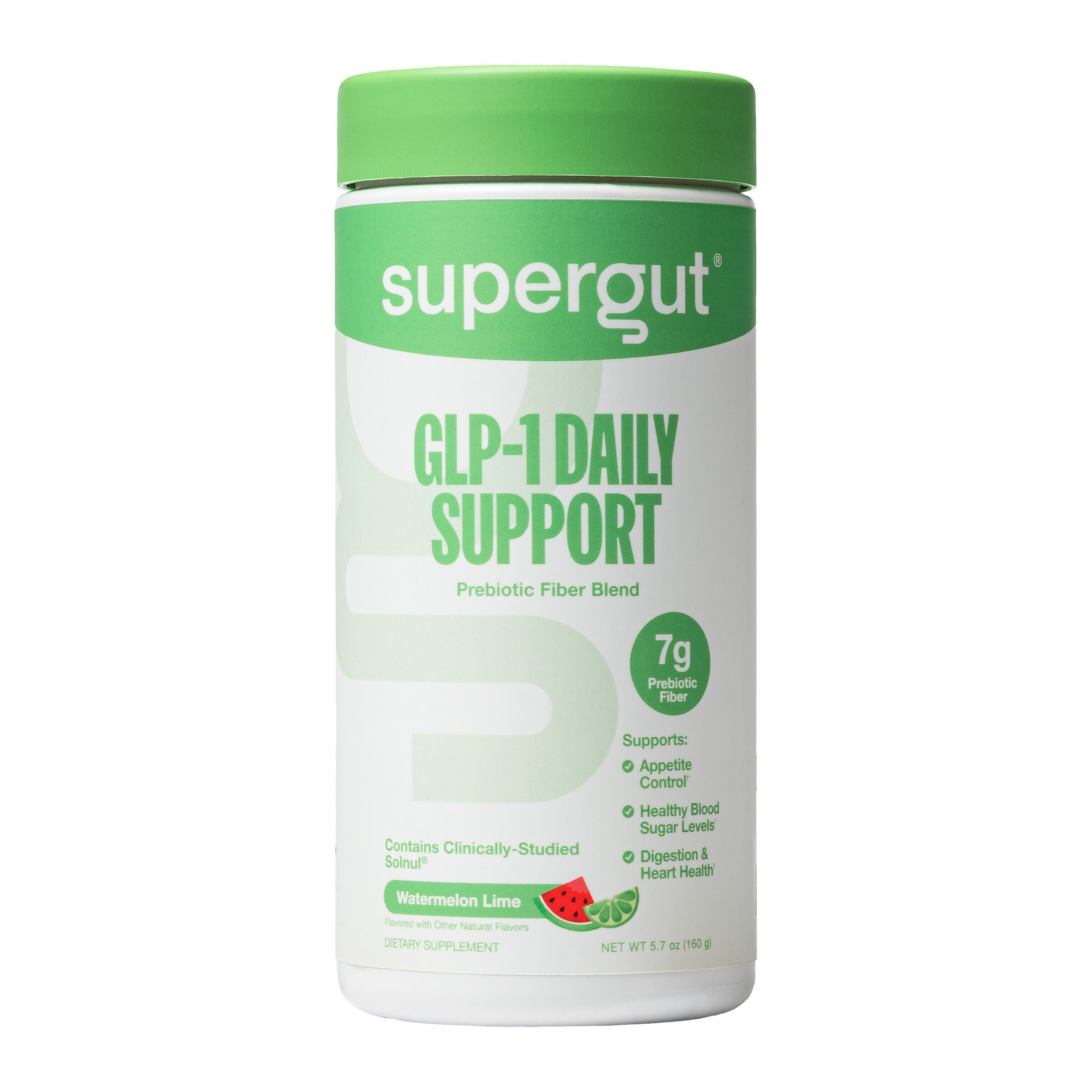
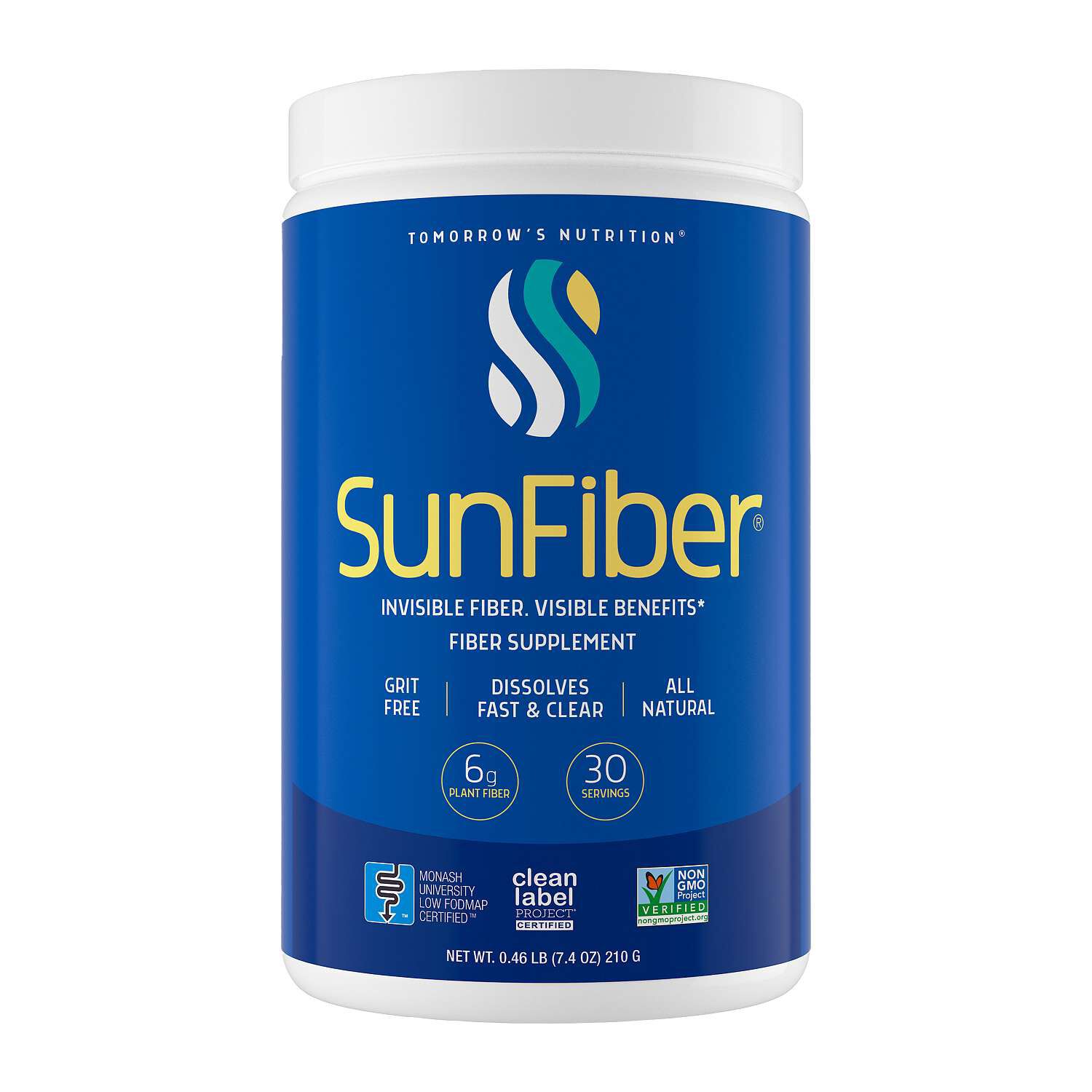
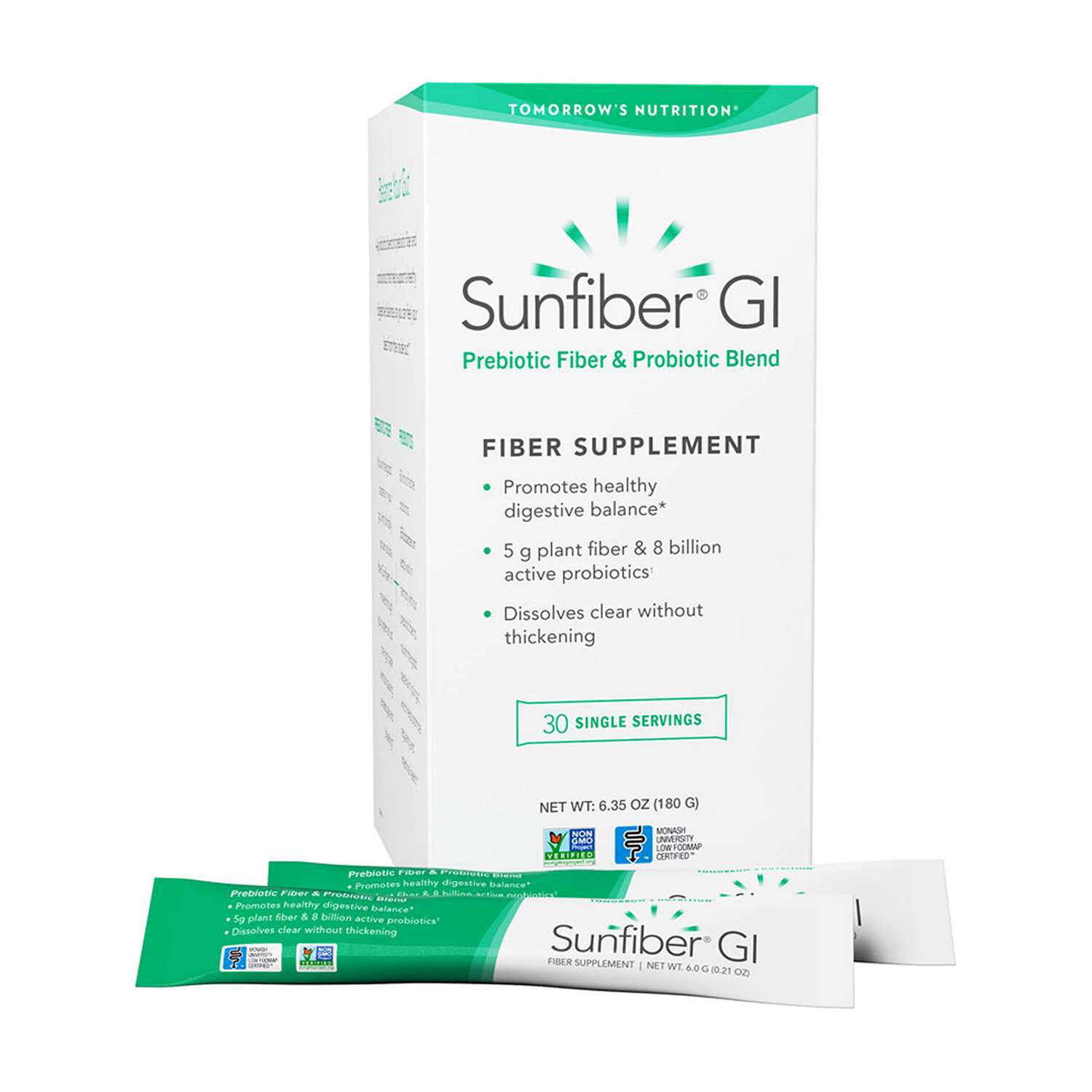
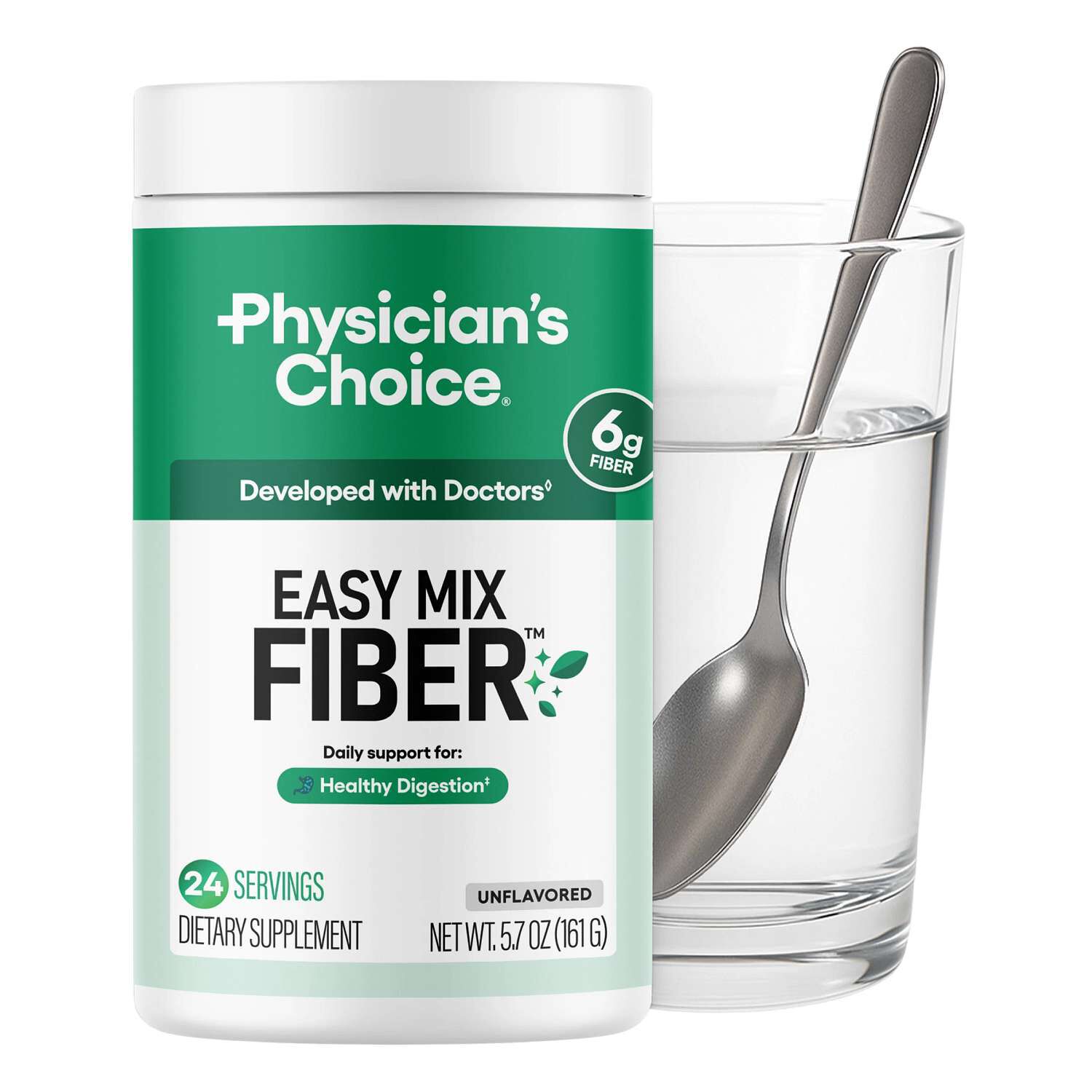
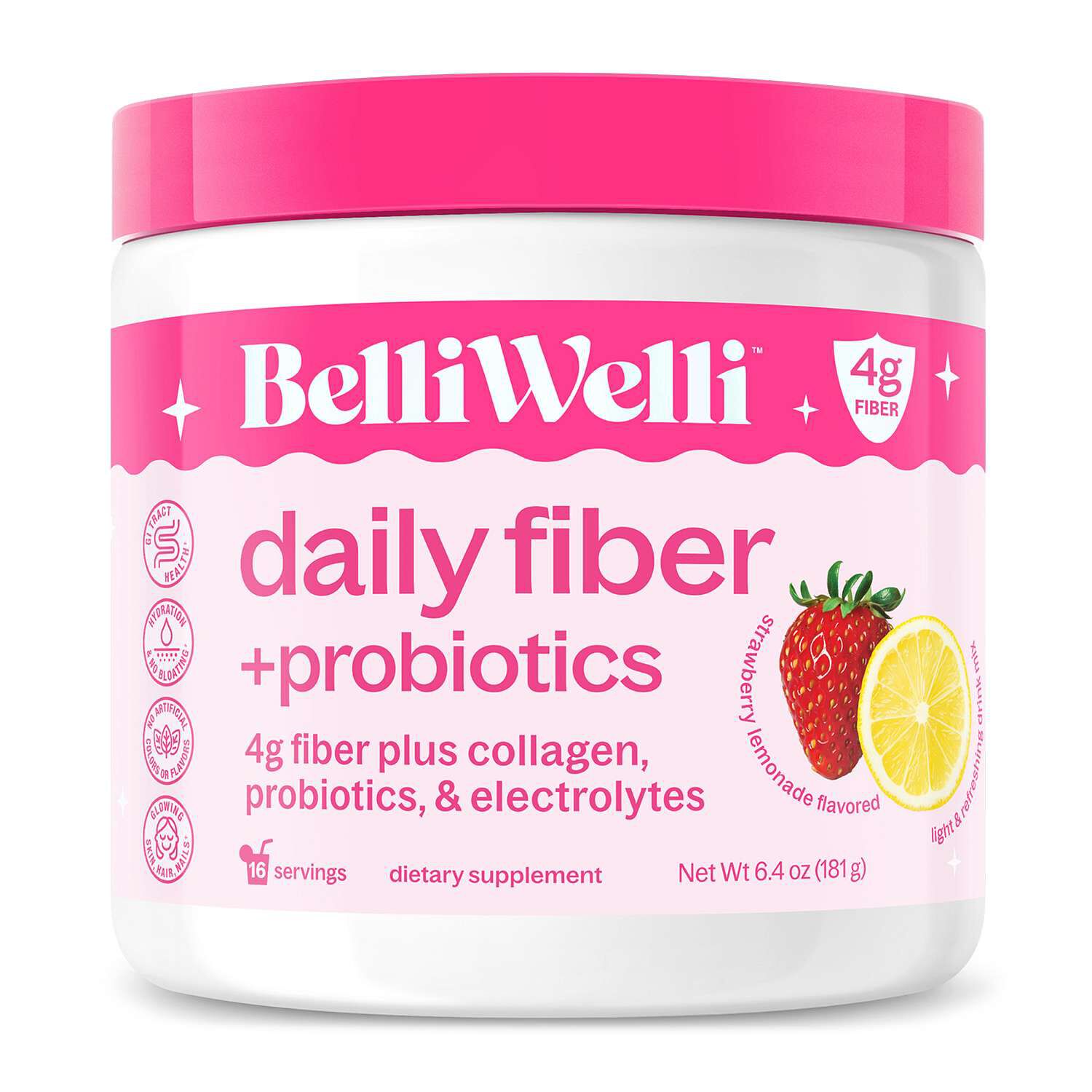
Prebiotic powders for fall health routines offer a flexible supplement format for days organized around early breakfasts, packed lunches, and evenings at home. Their place in a seasonal routine is practical: a measured serving may fit into a familiar drink or food without requiring another capsule. Prebiotic ingredients may provide nourishment for certain beneficial microorganisms in the gut, making these powders an option for adults interested in everyday gut wellness. Prebiotics and probiotics are different ingredient categories. Probiotic supplements contain live microorganisms, while prebiotic formulas feature ingredients those microorganisms may use. Some powders combine both, and others focus on a single fiber source. Ingredient lists may include chicory root inulin, acacia fiber, partially hydrolyzed guar gum, or certain resistant starches. These ingredients differ in their source, structure, and behavior when mixed, so the word “prebiotic” alone does not explain everything about a formula. Not every fiber ingredient has the same properties, and powders with similar descriptions can have different serving sizes and amounts of dietary fiber. The Supplement Facts panel provides a more useful comparison than the size of the scoop or container. A powder built around one fiber source offers a different ingredient profile from a blend that also contains fruit powders, greens, flavorings, or sweeteners. For a fall routine centered on oatmeal before the morning commute or a smoothie after an afternoon walk, the intended mixing method matters just as much as the ingredient list. The most relevant choice is one whose flavor, serving directions, and preparation requirements fit that setting. Seasonal use does not require pumpkin flavor or a complicated recipe; a plain formula alongside familiar breakfast ingredients may be a better match for someone who prefers the same preparation each day. That practical fit also matters when a fall schedule carries into winter, with workdays, travel, and family meals continuing to shape when supplements are used.
Flavor and texture deserve close attention when comparing prebiotic powders, particularly for foods with a mild taste. Unflavored does not necessarily mean undetectable: the underlying ingredients may contribute a faint sweetness, a different mouthfeel, or a thicker consistency. A powder that may suit a blended banana-and-oat drink could be less appealing in a small glass of plain water. Flavored options have a different role, especially for someone who prefers mixing a serving with water rather than adding it to a meal. Vanilla, fruit, and other flavor profiles can influence which foods or beverages make sense as a pairing, while sweeteners and other ingredients deserve their own label check. For an autumn breakfast, cinnamon oatmeal, yogurt with diced apples, or a pear smoothie provides a familiar setting for a powder when the package directions allow that use. Warm coffee and tea are also possible mixing choices for some formulas, but temperature instructions matter, particularly when a blend includes live cultures. A product labeled for cold liquids should not be assumed suitable for a steaming mug. Preparation details can also change the experience: some directions call for stirring, while others recommend shaking or blending with a specified amount of liquid. Following those directions is more useful than assuming every scoop behaves alike. The suggested serving is specific to the formula, and scoop sizes are not interchangeable between containers. Dietary fiber per serving, servings per container, and any additional ingredients offer concrete points of comparison. Allergen statements are relevant for anyone shopping around a food restriction, and the full ingredient list matters even when the front label highlights only one ingredient. For shared kitchens, keeping the original package nearby preserves access to those details. This makes it easier for each adult in the household to check the directions rather than relying on a scoop left beside the blender.
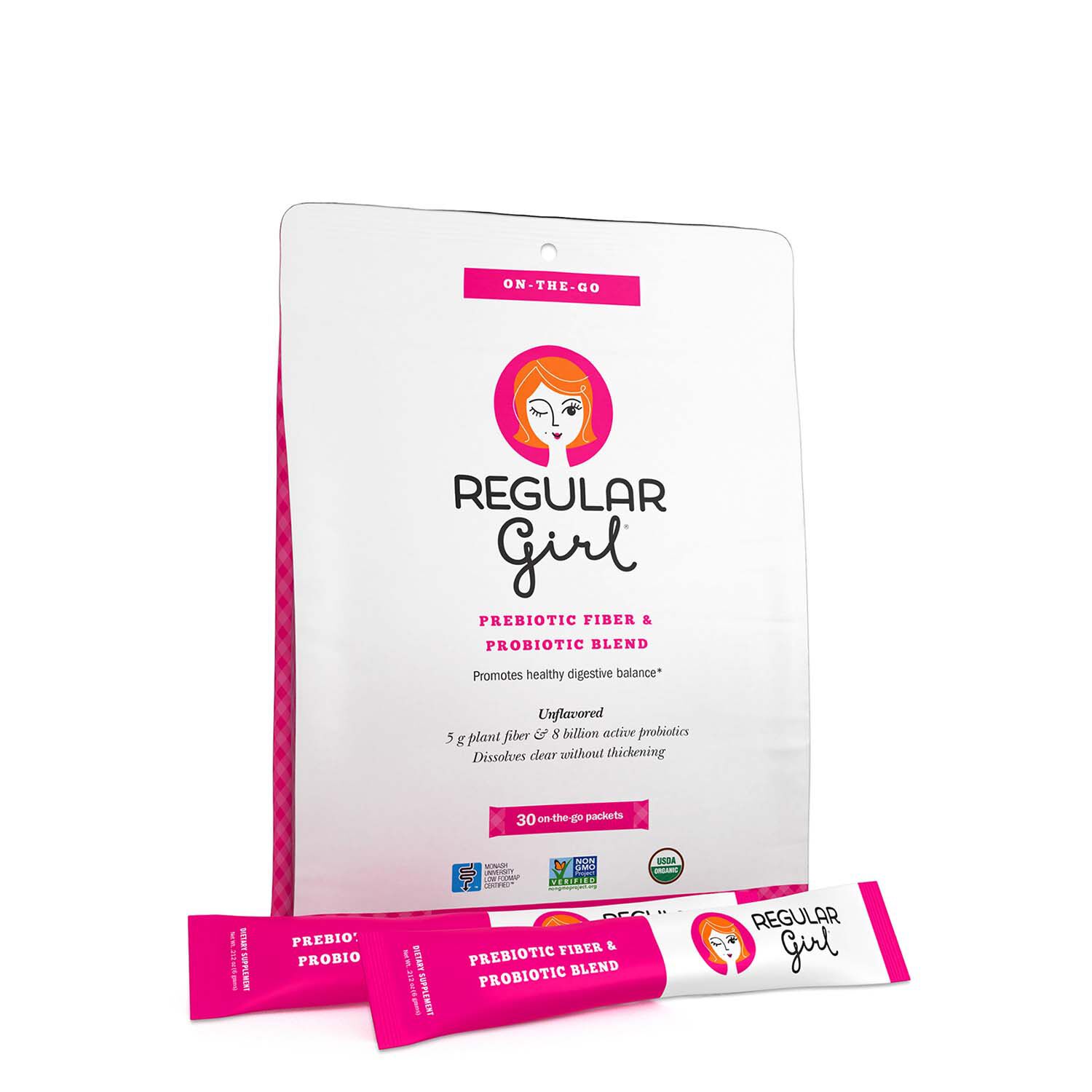
Packaging and storage are part of choosing prebiotic powders for fall health routines, especially when the same container moves between a kitchen counter, an office cabinet, and a travel bag. Tubs provide a place for a scoop, while resealable pouches have a different storage footprint; individual packets offer premeasured portions when that format is part of the selection. The package should suit the setting without making everyday preparation awkward. A wide opening matters when measuring from a tub, and a securely closed pouch matters when storing powder beside pantry staples. Follow the storage directions on the label, keep the measuring utensil dry, and close the package after each use. Powder left near steam from a kettle or dishwasher may be more likely to collect moisture and form clumps. The printed date and original label are also worth keeping visible, rather than transferring the contents into an unmarked jar. These small practical details matter during a season when breakfast preparation may share counter space with baking projects, lunch containers, and mugs waiting to be filled. Adults shopping for a personal routine may prioritize a familiar flavor and a short preparation process, while someone choosing a powder for a household may look more closely at serving flexibility and ingredient preferences. A supplement is a personal choice, so it is generally better suited to someone who has expressed interest than to a surprise seasonal gift. For another way to compare formulas that bring the two ingredient categories together, explore Natural Prebiotic Probiotic Powders. Whether the preference is a single-source fiber powder or a blend, the useful distinctions remain specific: what is in each serving, how it is prepared, where it will be stored, and how it fits alongside ordinary meals. Prebiotic powders may complement a varied eating routine that includes foods such as oats, beans, fruits, and vegetables, rather than taking their place. A straightforward preparation that fits an established breakfast or snack may be more practical than an elaborate addition reserved for unusually quiet mornings.
Best Sellers
-
Tomorrow's Nutrition
-
 Physician's Choice
-
Tomorrow's Nutrition

Related Pages
Top Collections
- Daily Collagen Supplements | Top Brands & Deals | GNC
- Cortisol Supplements
- Top Rated Collagen | Shop Customer Favorites | GNC
- Vitamins For Hair Loss
- NAD+ Supplement Tablets
- Peptide Supplements
- Best Brand of Magnesium Glycinate
- Protein Powders For Muscle Growth Support
- Vitamins That Help Support Weight Gain
- Peptide Supplements for Muscle Growth