Prenatal Brain Support
(0 Results)
Expecting mothers seeking to nurture their baby's development might explore prenatal brain support options. With a focus on providing key nutrients, these supplements may play a role in supporting the cognitive growth of your little one. Carefully formulated to complement a balanced diet, prenatal brain support products could offer peace of mind during this exciting journey. Embrace the potential benefits that these supplements might bring as you prioritize both your well-being and your baby's future.
-

-

-
-
 Nature's Fusions$14.99
-
-
-
-
-
 $18.99
-
-

-
-

-
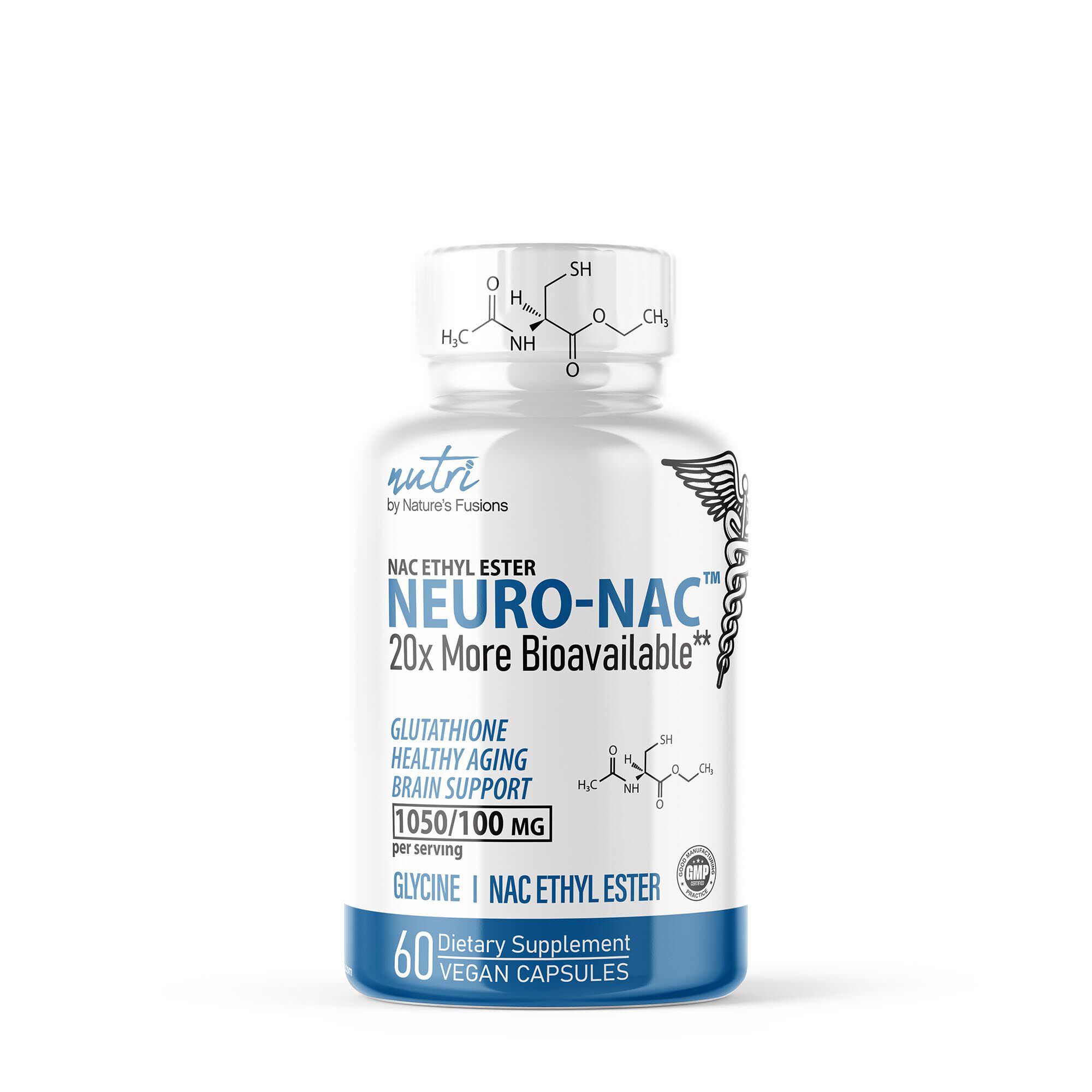

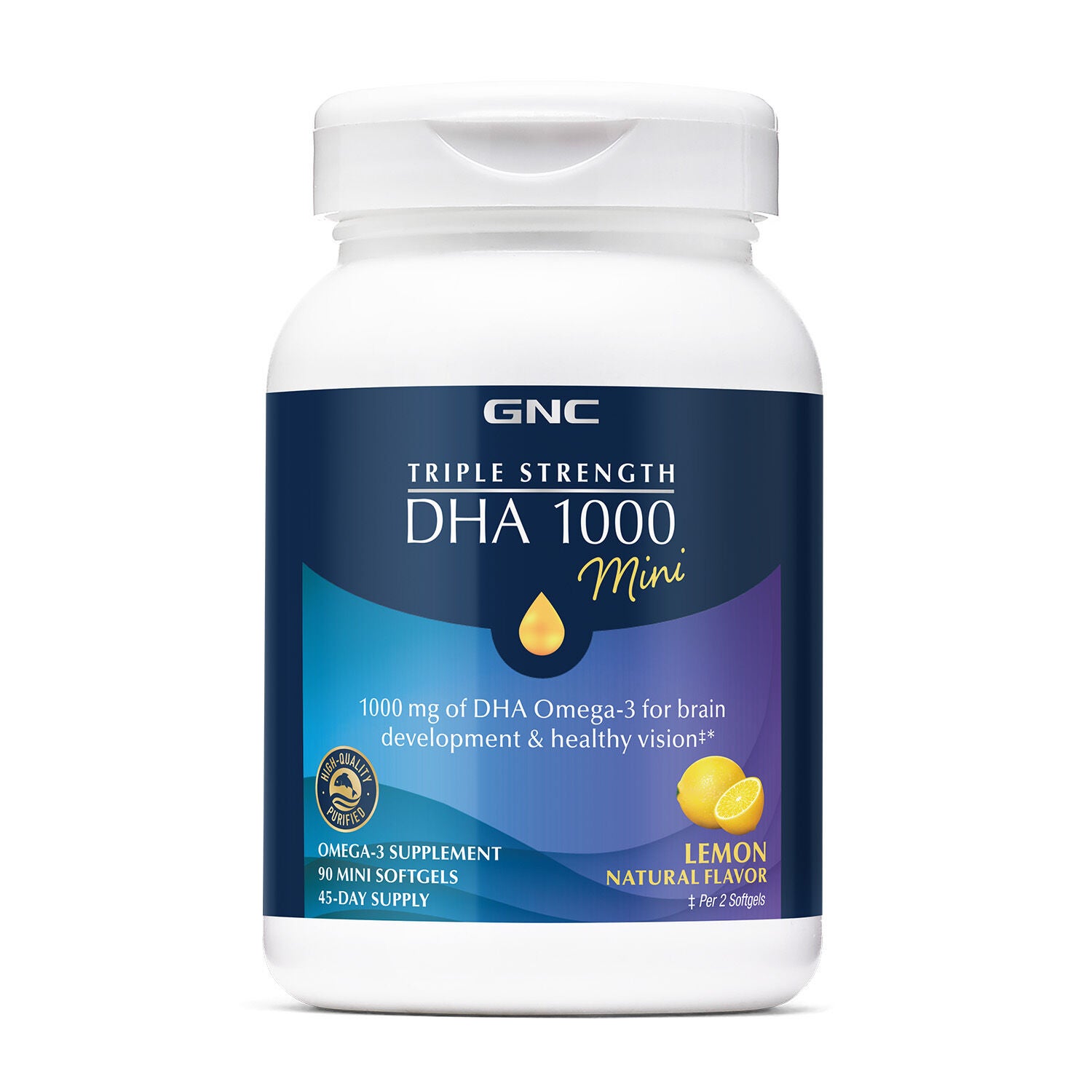
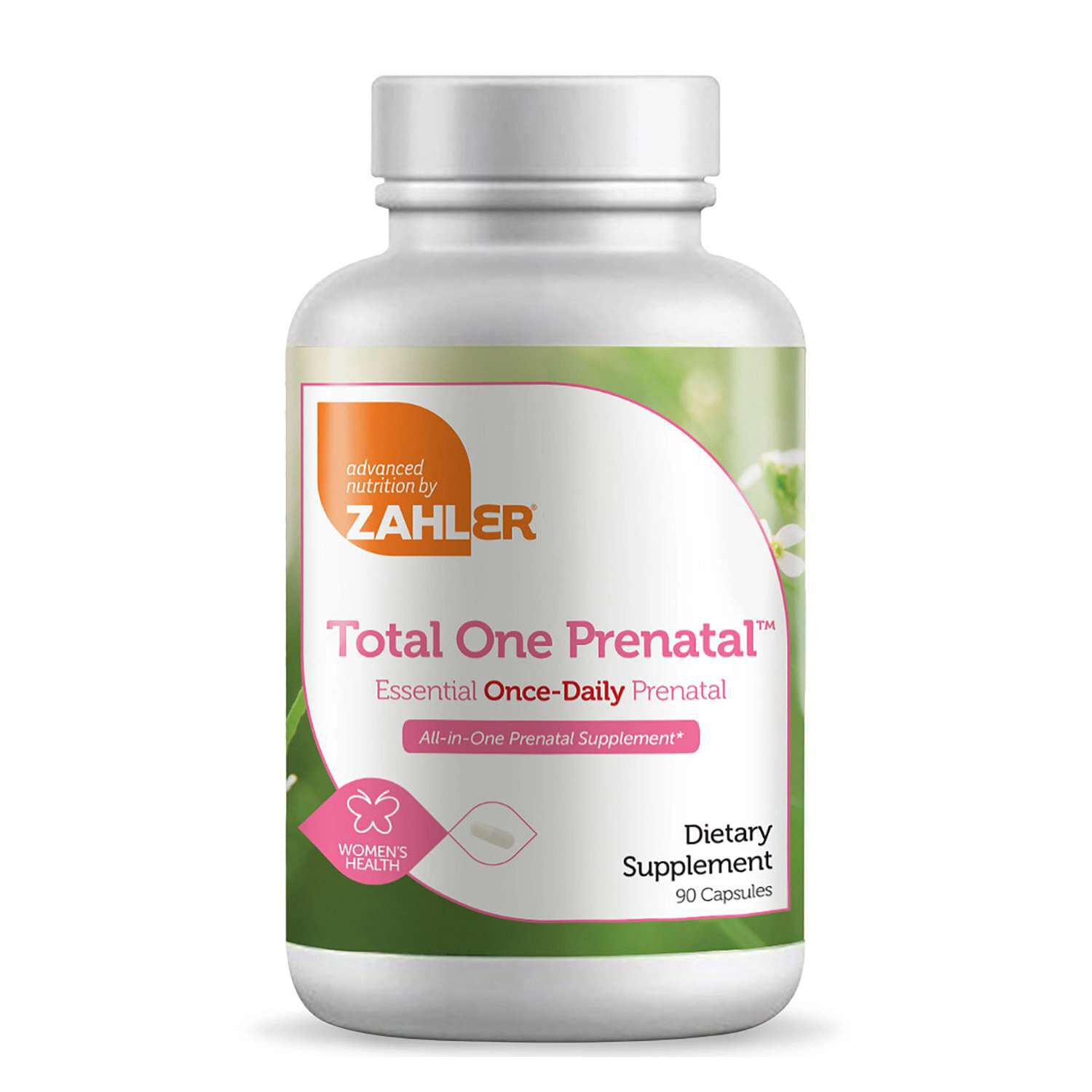
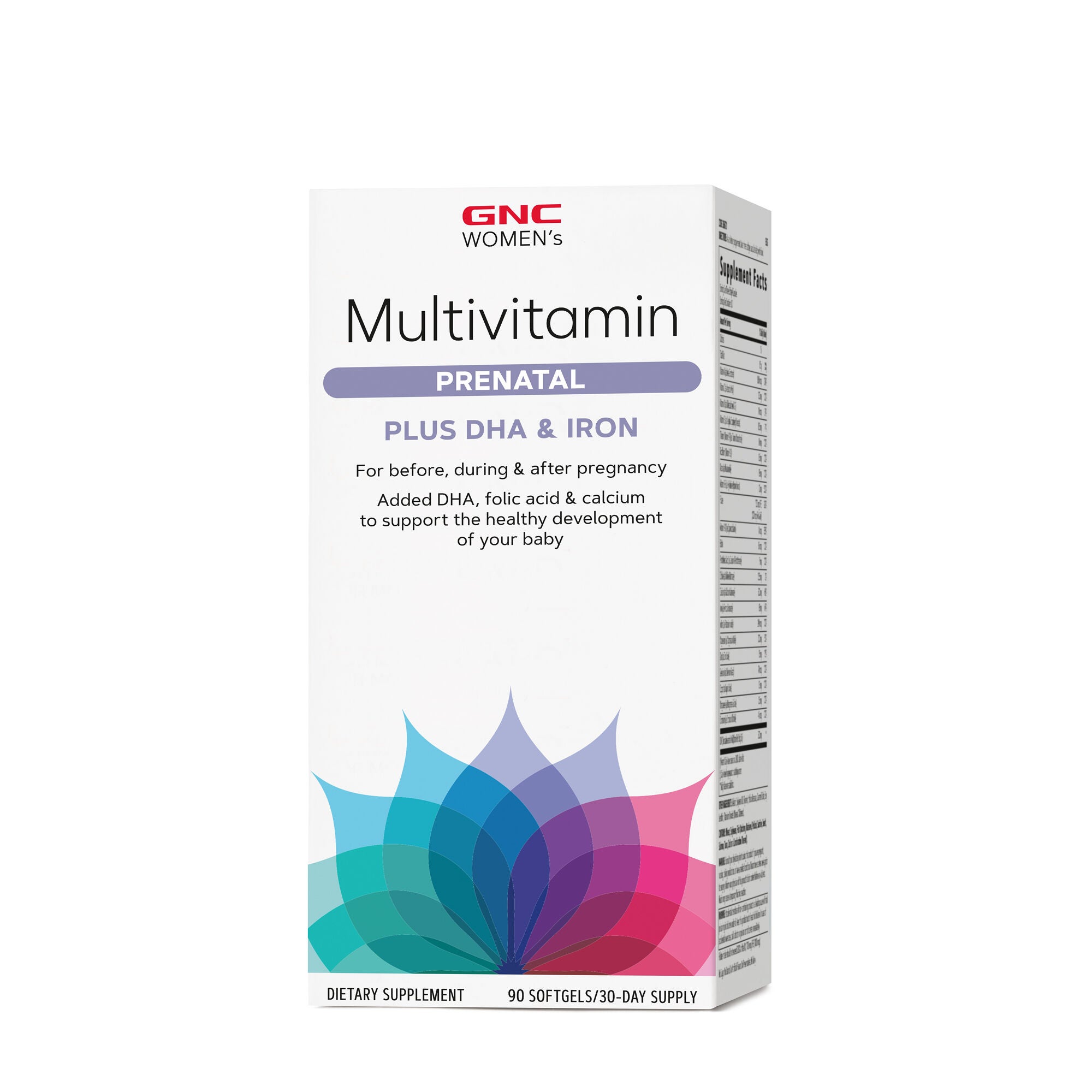
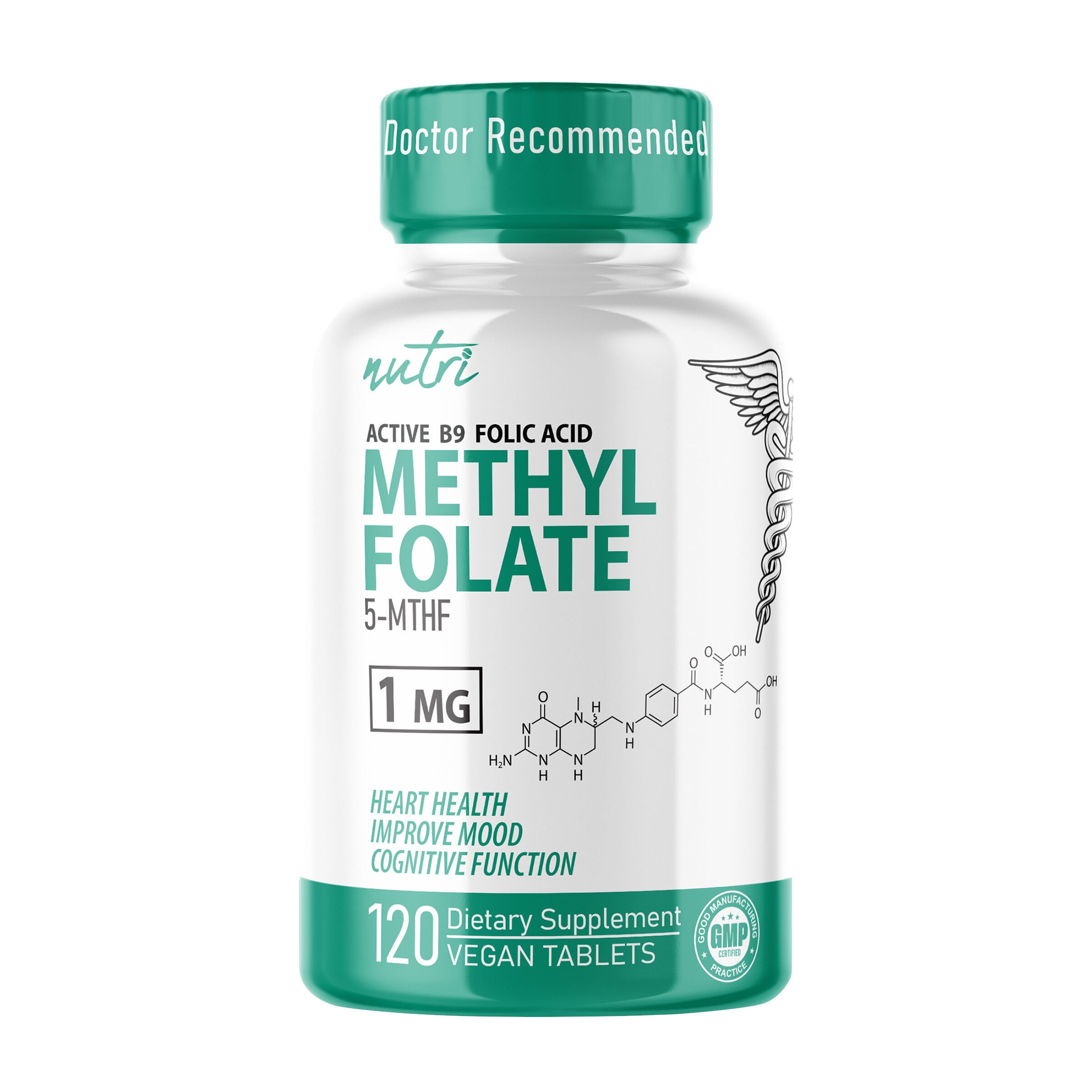
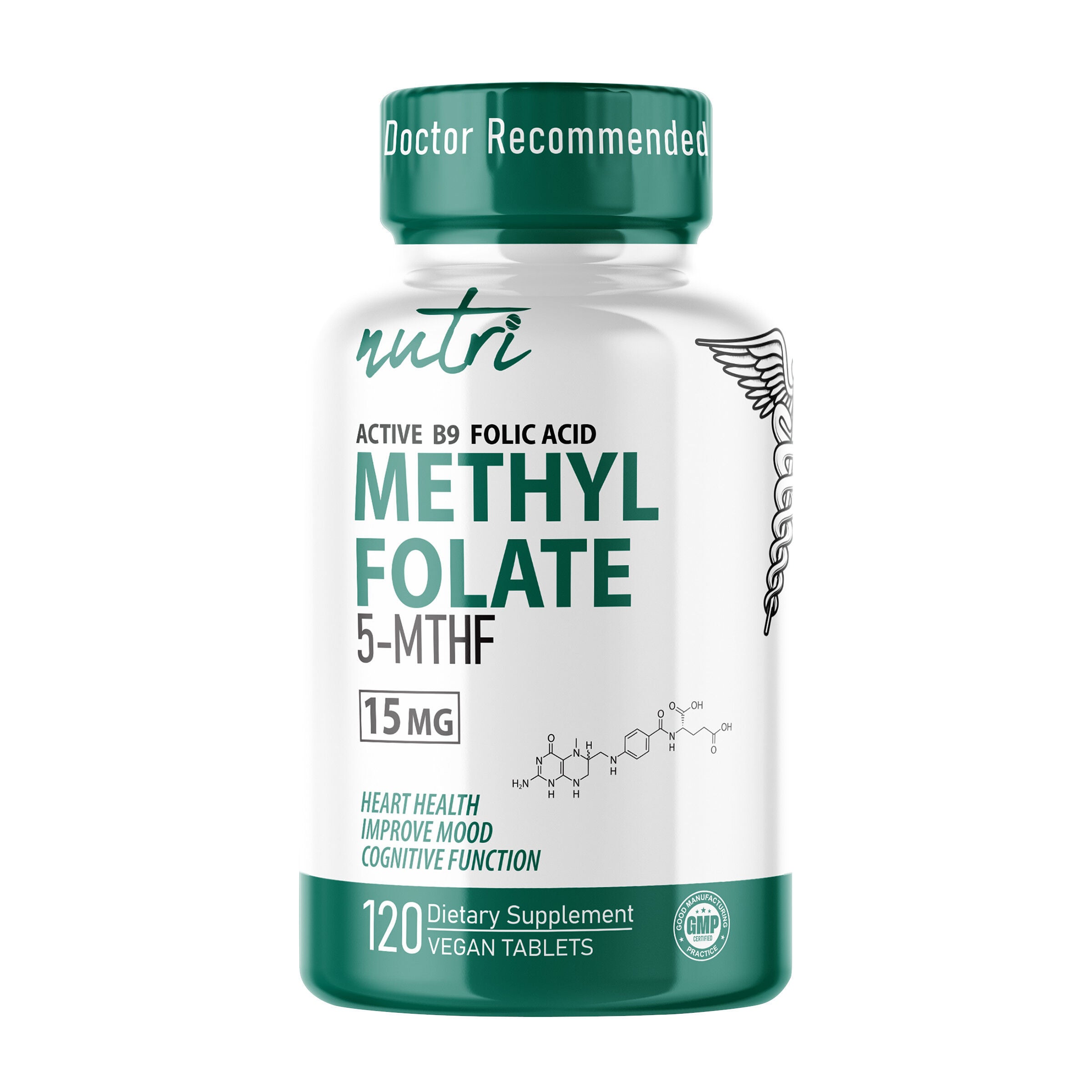
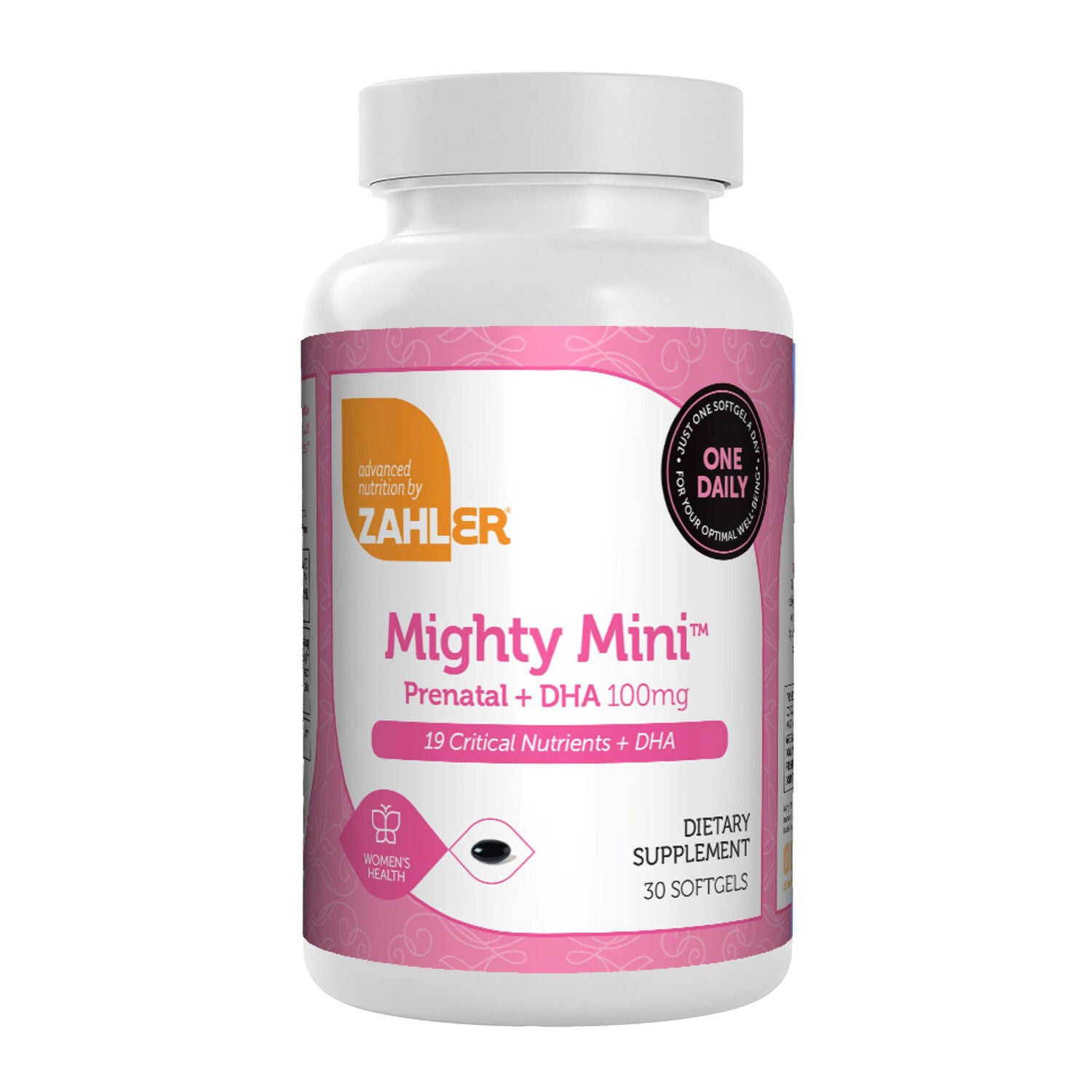
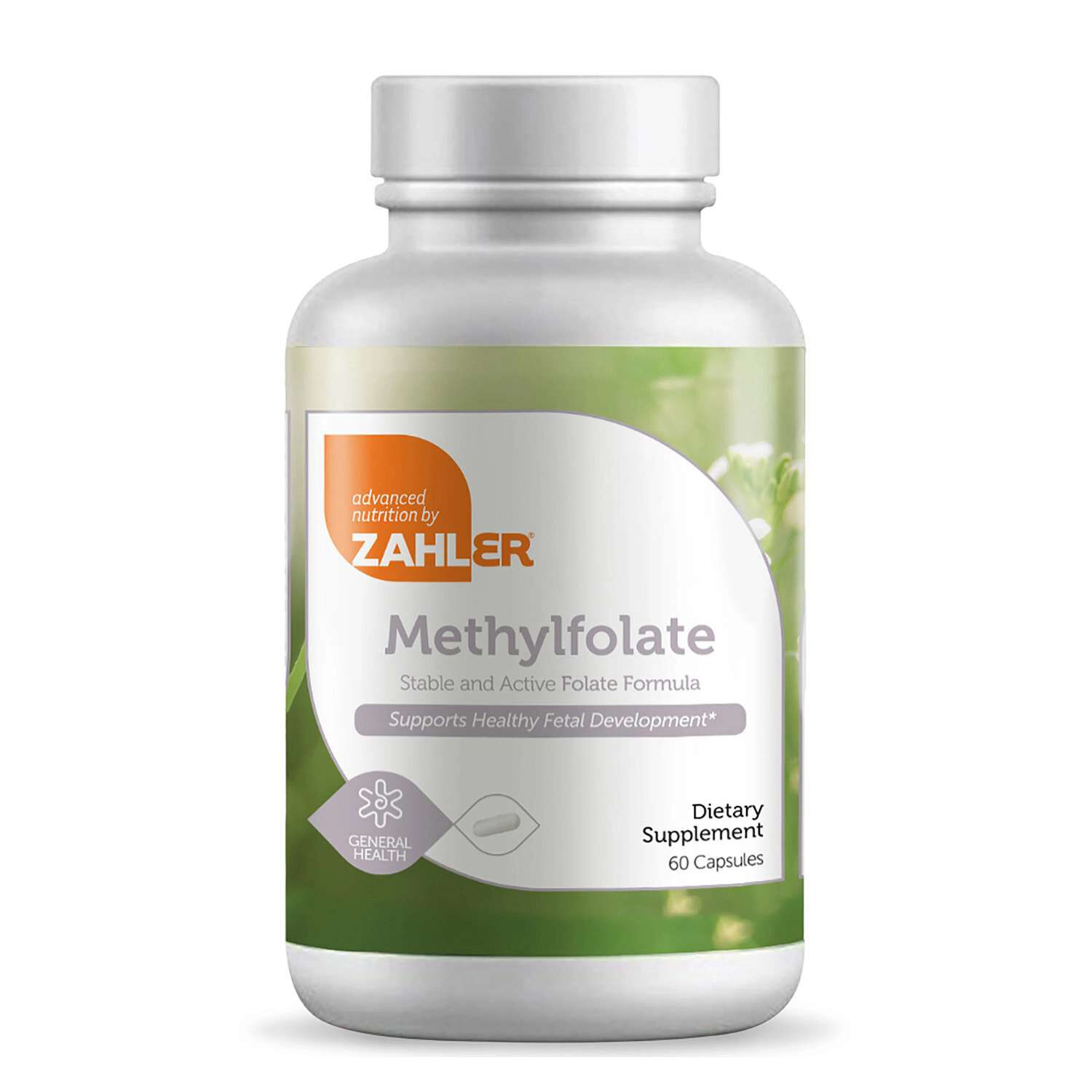
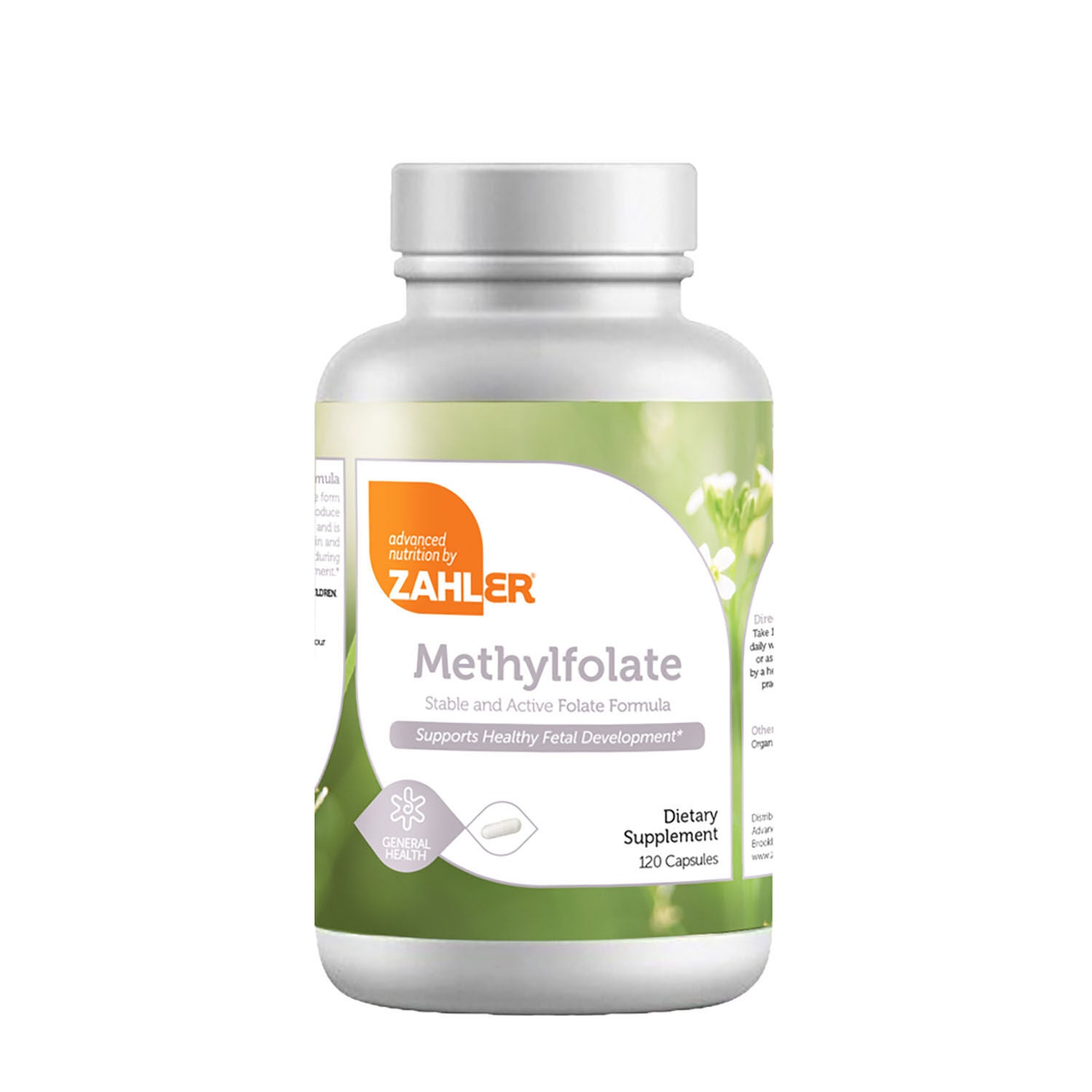
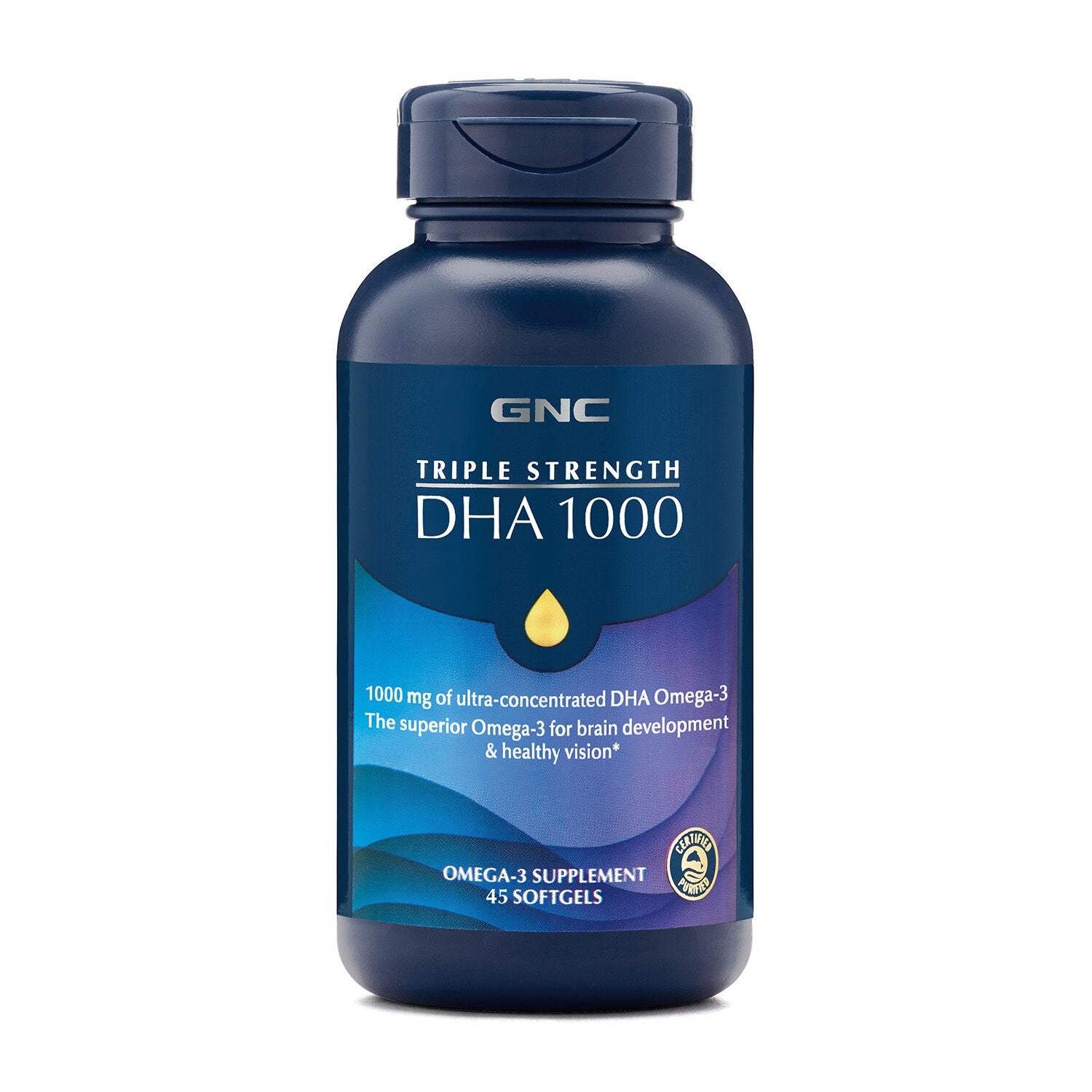
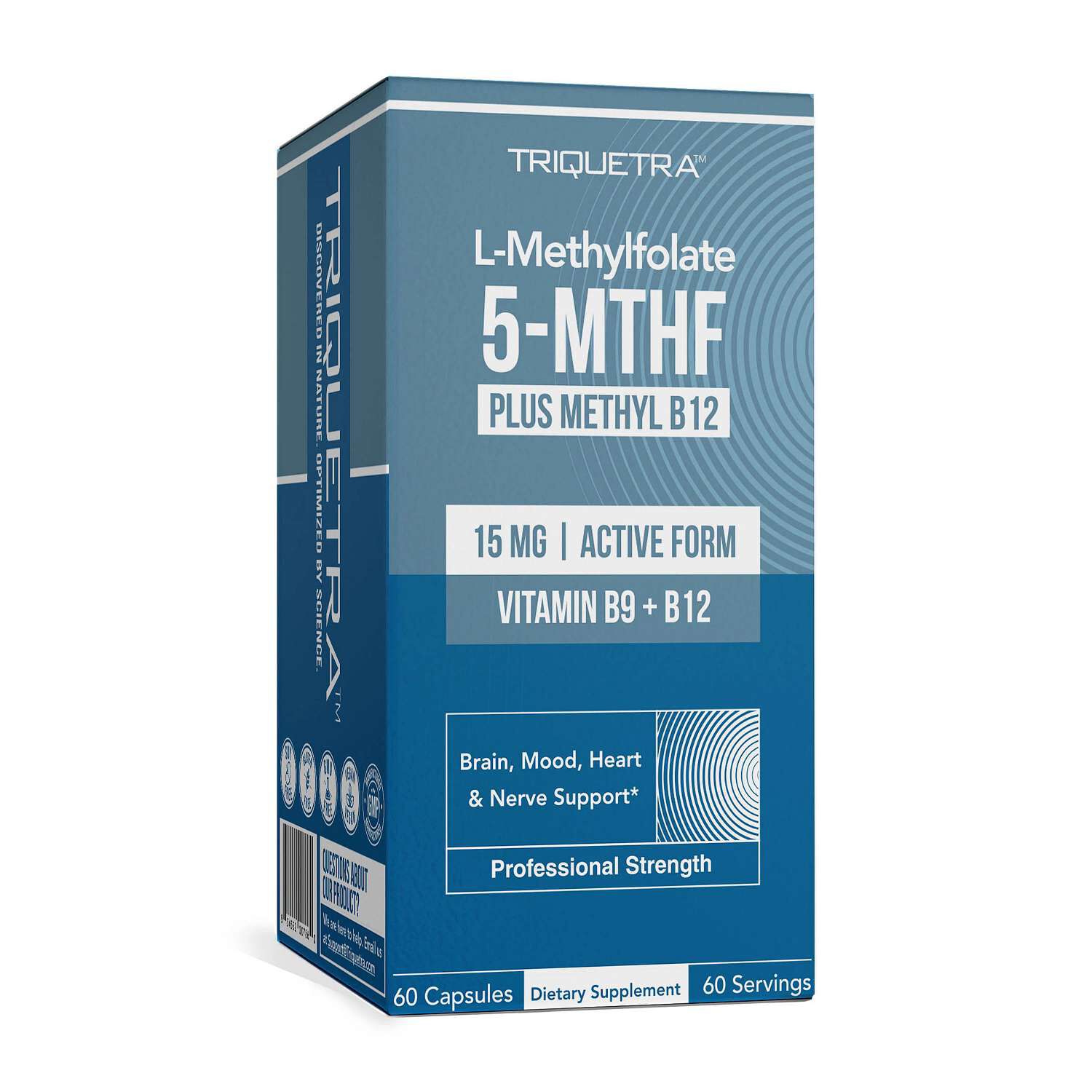
Prenatal brain support supplements bring a nutritional focus to the search for prenatal vitamins, with particular attention to choline, DHA, and folate. Their ingredients, serving sizes, and formats can differ considerably. Choline, DHA, and folate are distinct nutrients rather than interchangeable names for the same ingredient, so a formula featuring one does not necessarily contain the others. Choline occurs naturally in foods such as eggs, soybeans, and meat. DHA, short for docosahexaenoic acid, is an omega-3 fatty acid associated with fish and marine algae. Folate is a B vitamin found in foods including leafy greens, beans, and lentils; supplement labels may identify folic acid or a form of methylfolate as the source. These names provide a starting point for understanding the category without assuming that every prenatal formula has the same nutritional profile. Some formulas combine these ingredients with a broader selection of vitamins and minerals, while others focus on choline or DHA alone. A bottle labeled as a prenatal multivitamin may have a very different ingredient panel from a separate prenatal omega-3 supplement. DHA and EPA can also appear together, but they are different omega-3 fatty acids, and the amount of oil listed on a package is not necessarily the amount of DHA in a serving. Likewise, the weight of a choline-containing compound can differ from the amount of choline declared on the Supplement Facts panel. For shoppers comparing prenatal brain support products, those distinctions make the ingredient panel more informative than a prominent number on the front label. Folate labeling can include dietary folate equivalents, often abbreviated as DFE, alongside information about the ingredient source. Looking at the nutrient name, declared amount, and unit together gives that number context. The central comparison is between broad prenatal nutrition and a focused nutrient supplement, not simply between packages that use similar language.
Format is another meaningful part of shopping for prenatal brain support supplements. Capsules, softgels, gummies, chewables, and liquids offer different textures and serving experiences, and the format alone does not reveal which nutrients are included. An oil-based DHA softgel has different construction from a powdered capsule, while a gummy has its own ingredients for texture, flavor, and consistency. Someone who prefers a small capsule may evaluate a formula differently from someone who wants a chewable option. Serving size deserves attention: a listed serving might consist of one softgel, several capsules, or a measured portion of liquid. Comparing the same nutrient per labeled serving, rather than per individual piece, keeps those differences visible. A package containing many capsules may represent fewer servings than its front label initially suggests. Dietary preferences add another layer to the comparison. DHA can come from fish oil or algal oil, but an algal source does not, by itself, establish that every ingredient in the finished product is suitable for a plant-based diet. Capsule shells, coatings, and other ingredients have their own sources. Gelatin, pectin, cellulose, sweeteners, flavorings, and color ingredients may matter to shoppers with particular preferences. Allergen statements and ingredient disclosures provide additional context beyond the main nutrient list. Taste and aroma can also shape the experience: an unflavored capsule, a fruit-flavored chewable, and a liquid oil are different formats even when their labels feature a nutrient in common. Packaging photographs do not always communicate capsule dimensions, texture, or the number of pieces in a serving, making written product details especially useful. For a routine that includes breakfast at home, lunch at a desk, or occasional travel, serving format and packaging can be practical considerations alongside ingredient selection. These are questions of everyday fit rather than evidence that one format is inherently better than another. A clearly described serving, readable label, and transparent ingredient list make comparison more straightforward.
People exploring this category may be planning for pregnancy, already pregnant, or reviewing how prenatal nutrition fits into a later life stage. Those situations are not identical, and a product’s intended-use statement matters more than a broad assumption about who uses prenatal vitamins. Personal food choices, an existing supplement routine, and preferences about ingredient sources can all shape the questions a shopper brings to the page. Someone who regularly eats fish may approach a DHA-focused product with different questions from someone who avoids seafood, while a shopper who does not eat eggs may pay particular attention to choline. Those scenarios do not establish an individual requirement; they show why a familiar nutrient name is only the beginning of a comparison. Questions about personal suitability, ingredient amounts, or overlap between formulas are matters for a qualified prenatal care professional. For a broader look at combination formulas, Advanced Prenatal Vitamins offers a related category to explore alongside more focused options. Beyond the nutrient panel, practical product details include the container closure, expiration date, lot information, storage directions, and any stated testing or certification. A clearly identified testing organization is more informative than a general quality phrase, and different certifications address different characteristics. Care for these products is primarily about following the package’s storage instructions and preserving the condition of the contents. Instructions may differ for an unopened bottle and a liquid after opening, so a shared storage assumption does not suit every format. Keeping the original packaging also preserves access to the serving information, ingredient disclosures, and manufacturer contact details. For prenatal brain support shopping, the most useful product description connects the nutritional focus with these tangible details: which nutrients are present, where they come from, how a serving is measured, and what the format involves in daily life. That combination provides a grounded way to compare products without treating similar category language as proof of identical formulations.