

Prenatal Bone Support
(0 Results)
Prenatal bone support may play an important role in overall wellness during pregnancy. Choosing the right supplements could help provide key nutrients that support your body’s changing needs. Whether you are looking to maintain bone health or simply want to explore options for prenatal bone support, discover a range of products designed with expectant mothers in mind. Find solutions that fit your lifestyle and preferences as you navigate this important stage of life.
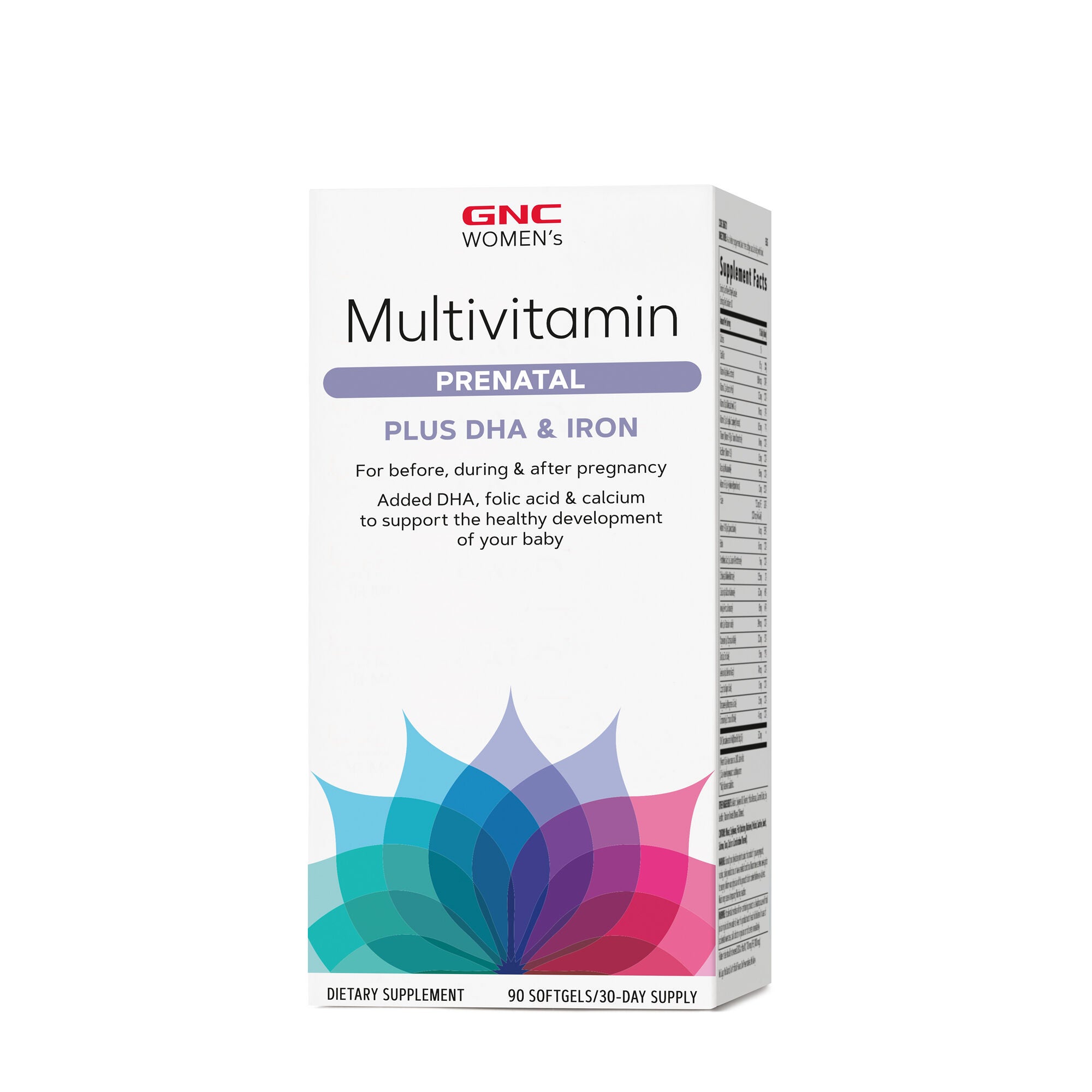

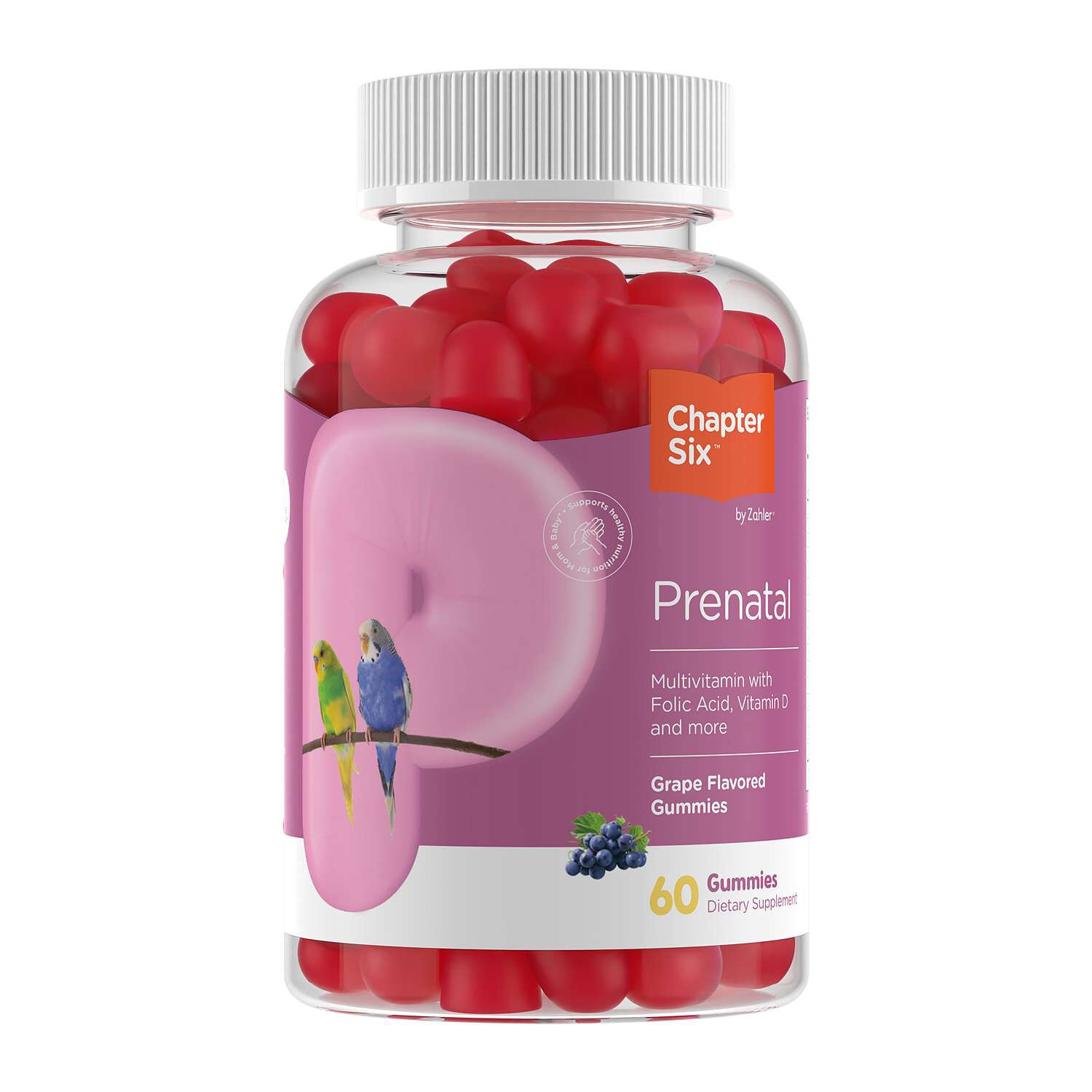
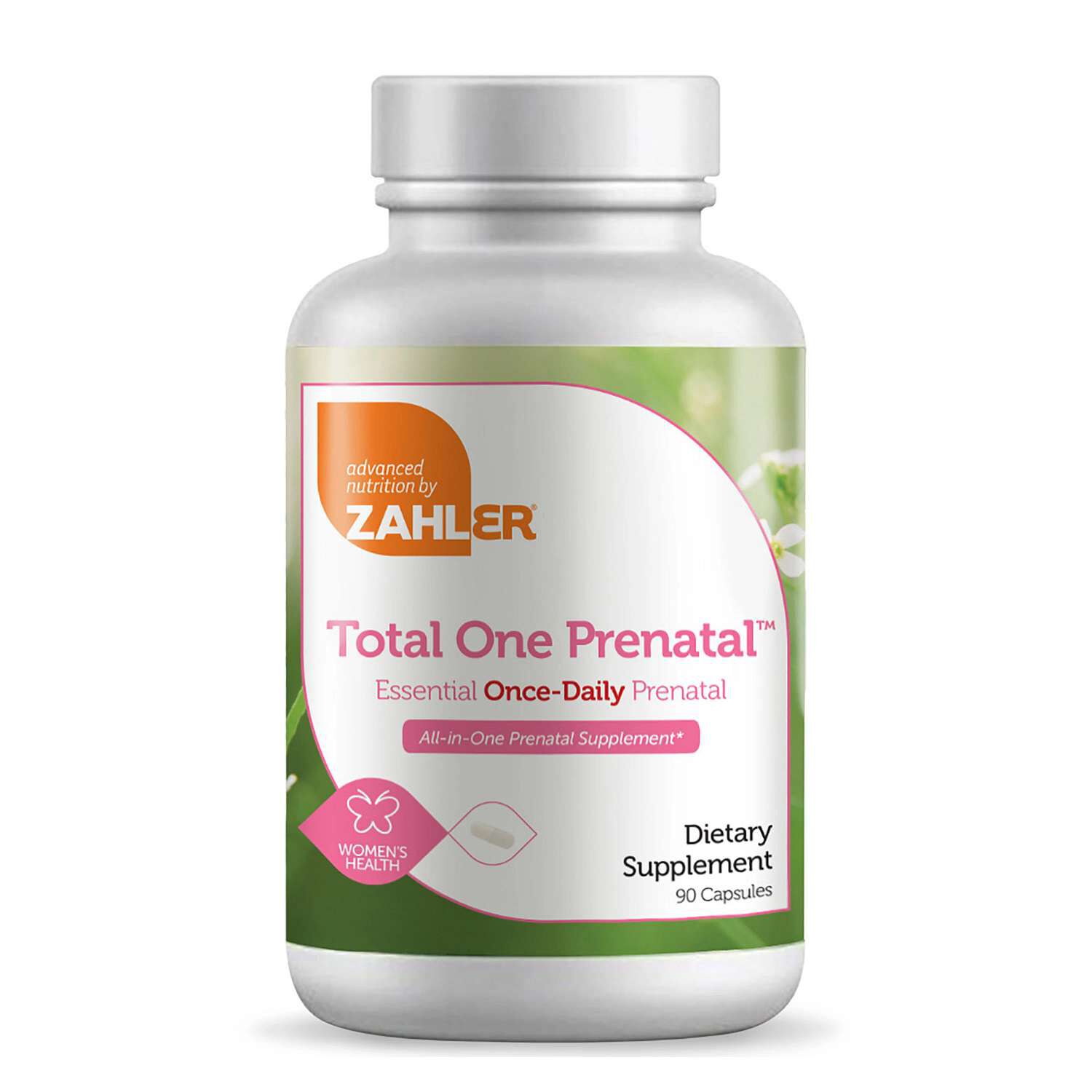
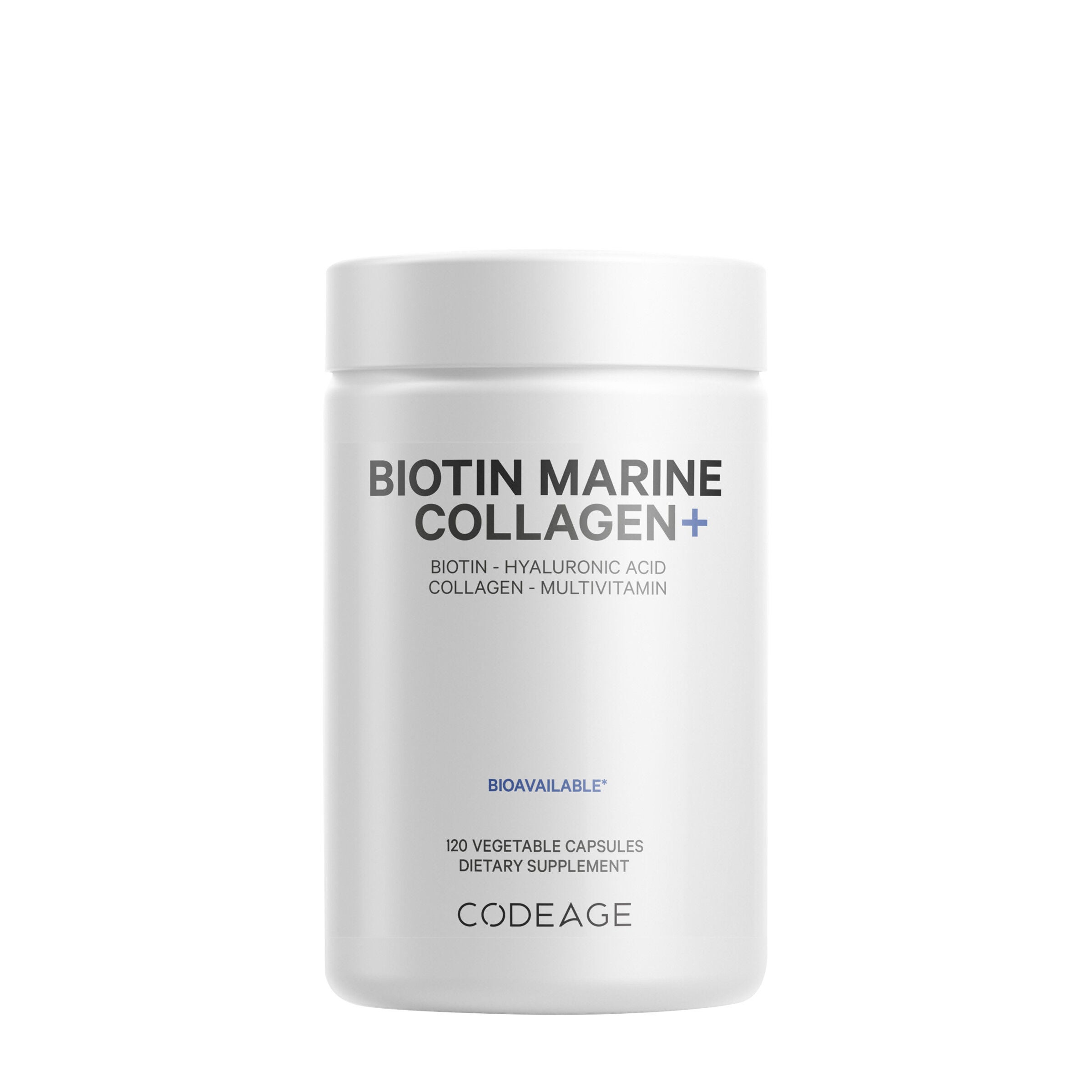
Prenatal bone support brings together a focused supplement category for shoppers considering calcium, vitamin D, and related nutrients in the context of pregnancy. The category can include prenatal multivitamins, calcium supplements, vitamin D formulas, and combinations containing minerals such as magnesium. These formats differ in their ingredients, amounts per serving, and intended use, so the phrase “bone support” alone does not explain what a formula contains or whom it is designed for. A prenatal multivitamin and a separate calcium supplement are not interchangeable simply because both contain nutrients associated with bone nutrition. Some formulas cover a broad range of nutrients, while others concentrate on one mineral or a small combination. That distinction matters when comparing a bottle with a lengthy Supplement Facts panel against one with just a few listed ingredients. Calcium may appear as calcium citrate or calcium carbonate, while vitamin D may be listed as D2 or D3. Those ingredient names describe different forms, not a universal ranking of which product belongs in every prenatal routine. Magnesium and vitamin K also appear in some bone-focused formulas, but their presence does not by itself establish suitability for pregnancy. Pregnancy-specific labeling, ingredient details, and serving information provide more useful context than a category name or a prominent number on the front of a package. Food preferences are part of that context as well: someone who regularly eats yogurt and cheese may approach a calcium-focused category with different questions from someone whose meals center on beans, greens, and plant-based beverages. Fortified foods also vary in their nutrient content, making their labels another source of information rather than a reason to assume every eating pattern is alike. Prenatal bone support is therefore best understood as a category with several distinct formulation approaches, rather than a single standard blend. Comparing those approaches means looking beyond familiar nutrient names to understand how each formula is presented, what its serving includes, and whether its stated purpose addresses prenatal use.
Everyday practicality is another meaningful part of comparing prenatal bone support supplements. Tablets, capsules, softgels, chewables, gummies, liquids, and powders offer different textures and preparation requirements, although not every formula comes in every format. A bottle that fits neatly beside a breakfast bowl presents a different experience from a powder that requires measuring and mixing. Someone who spends much of the day away from home may pay particular attention to packaging and portability, while someone who prefers a seated morning routine may care more about flavor, texture, or the number of pieces in a serving. These are usability considerations, not evidence that one format offers better results. Serving size deserves close attention because the nutrient amount shown on a label may refer to two or more tablets, capsules, or gummies rather than one. Likewise, a liquid serving may be expressed in milliliters, and a powder may use a scoop or another stated measure. The amount per serving and the number of servings per container describe different things; reading them together creates a clearer picture of the package. Ingredient lists add detail beyond the featured vitamins and minerals. Capsule shells can contain gelatin or plant-derived materials, and chewable formats may include sweeteners, colors, flavors, or texturizing ingredients. For shoppers with particular dietary preferences, clearly stated vegetarian or vegan labeling can be more informative than assumptions based on the format or flavor. Allergen statements also warrant attention, since a fruit-flavored supplement is not necessarily made without milk, soy, or other listed allergens. Sensory preferences can be quite specific: a chalky chewable, a sweet gummy, and an unflavored powder each feel different in an everyday routine. Product photographs may help illustrate shape and packaging, but the written label remains the more useful source for ingredient amounts, serving details, and directions. A thoughtful comparison gives these practical features room alongside the nutrient list, without treating convenience or taste as a measure of prenatal suitability.
Care and storage help distinguish how different supplement formats fit into daily life. The package directions specify storage conditions, and closure design, container size, and measuring accessories can affect how a formula is handled. A tightly closing bottle, a clearly marked measuring device, or individually wrapped portions each involve different handling details. Gummies and powders have different textures from tablets, so their storage instructions should not be assumed to be identical. Original packaging keeps the ingredient list, directions, lot information, and expiration date together, which is particularly useful when comparing labels or keeping a record of a routine. Long-lasting packaging is a practical feature, but a sturdy container does not indicate the quality or suitability of what is inside. The same distinction applies to phrases about testing and manufacturing: a clearly explained testing statement conveys more information than a broad impression created by package design, and it does not establish that a formula is appropriate during pregnancy. Prenatal bone support shoppers may be planning for pregnancy, already expecting, or comparing the contents of a prenatal multivitamin with a separate mineral formula. Those circumstances do not all call for the same product, and two bottles with overlapping ingredients should not be viewed as automatically complementary. A general adult bone formula is not necessarily designed for prenatal use, even when familiar nutrients appear on its label. Related categories can provide additional ingredient context without serving as substitutes; Collagen For Bone Support explores a different supplement category, and collagen is not the same ingredient as calcium or vitamin D. Across these categories, useful distinctions remain concrete: the intended audience, the named ingredients, the amount in a serving, the format, and the preparation or storage requirements. These details also explain why prenatal supplements are a personal selection rather than an automatic gift choice for someone who is expecting. A familiar flavor or attractive bottle cannot account for another person’s dietary preferences or existing routine. Clear labels and specific product information make the category easier to navigate while keeping the focus on what each formula actually contains.
- Q: What nutrients are commonly found in prenatal bone support supplements?
A: Prenatal bone support supplements typically contain key nutrients such as calcium, vitamin D, magnesium, and sometimes vitamin K. These nutrients work together to help support the development of strong bones for both the mother and the growing baby during pregnancy. - Q: Why is bone support important during pregnancy?
A: During pregnancy, a woman's body requires additional nutrients to support the developing baby's skeletal system. Ensuring adequate bone support helps maintain the mother's bone health while also contributing to the healthy formation of the baby's bones and teeth. - Q: Can prenatal bone support supplements be taken alongside regular prenatal vitamins?
A: Many prenatal bone support supplements are designed to complement standard prenatal vitamins. However, it's important to check the nutrient content of both products to avoid excessive intake of certain vitamins or minerals. - Q: Are there dietary sources that can help with prenatal bone support?
A: Yes, foods rich in calcium (like dairy products, leafy greens, and fortified foods), vitamin D (such as fatty fish and fortified milk), and magnesium (found in nuts, seeds, and whole grains) can all contribute to healthy bones during pregnancy. - Q: When should someone consider adding a prenatal bone support supplement to their routine?
A: Women who have dietary restrictions, limited sun exposure, or increased nutritional needs during pregnancy may consider adding a prenatal bone support supplement. Consulting with a healthcare provider can help determine individual needs.