





Prenatal DHA Supplements With Optimal Ratios
(0 Results)
Prenatal DHA supplements with optimal ratios could offer specialized support for those looking to nurture their wellness journey during pregnancy. These supplements may help provide important nutrients that support both parent and baby throughout this transformative time. Explore a range of options to find prenatal DHA supplements with optimal ratios that may align with your unique nutritional preferences and lifestyle needs.
-

-

-
-
-

-

-
-
 Portions Master$24.99
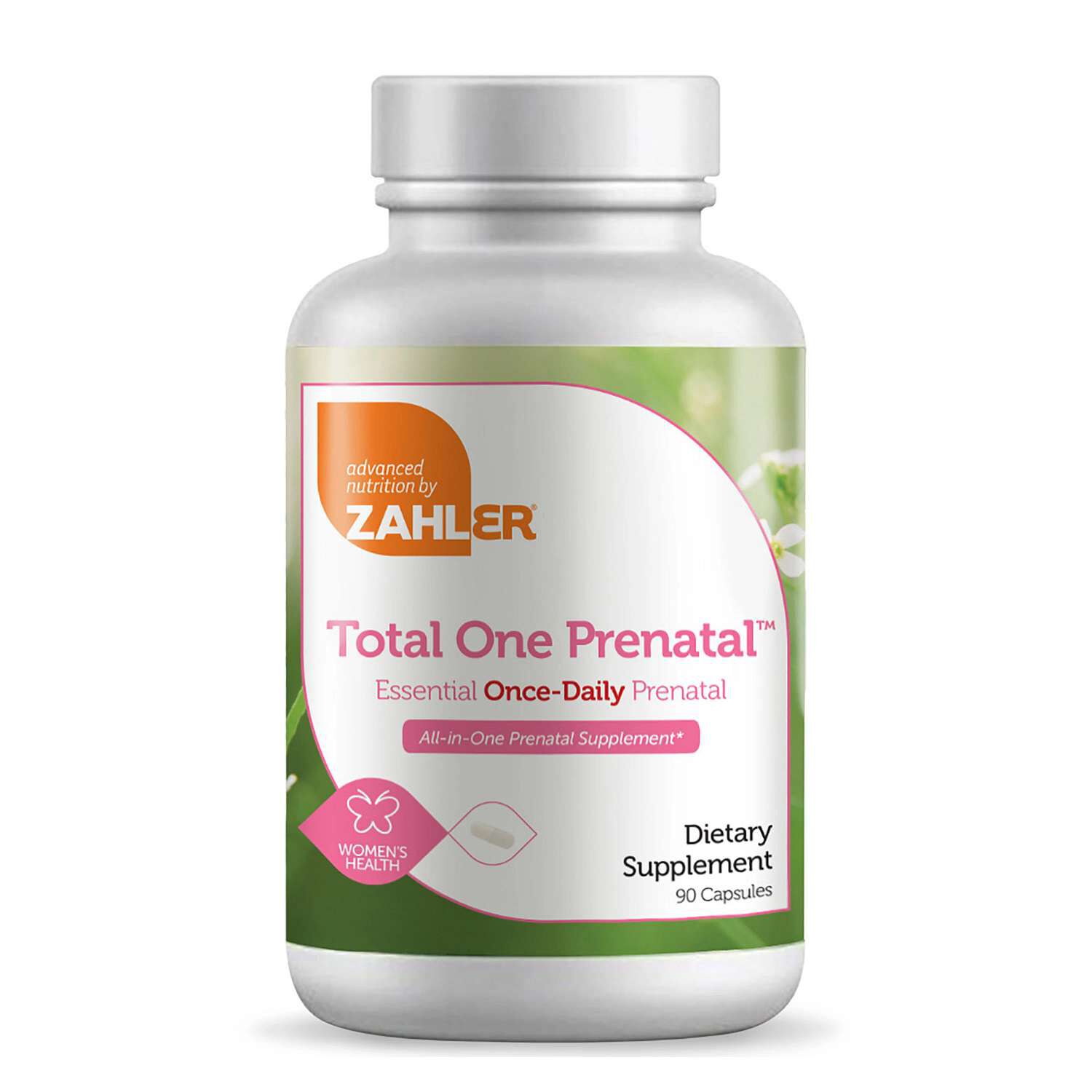
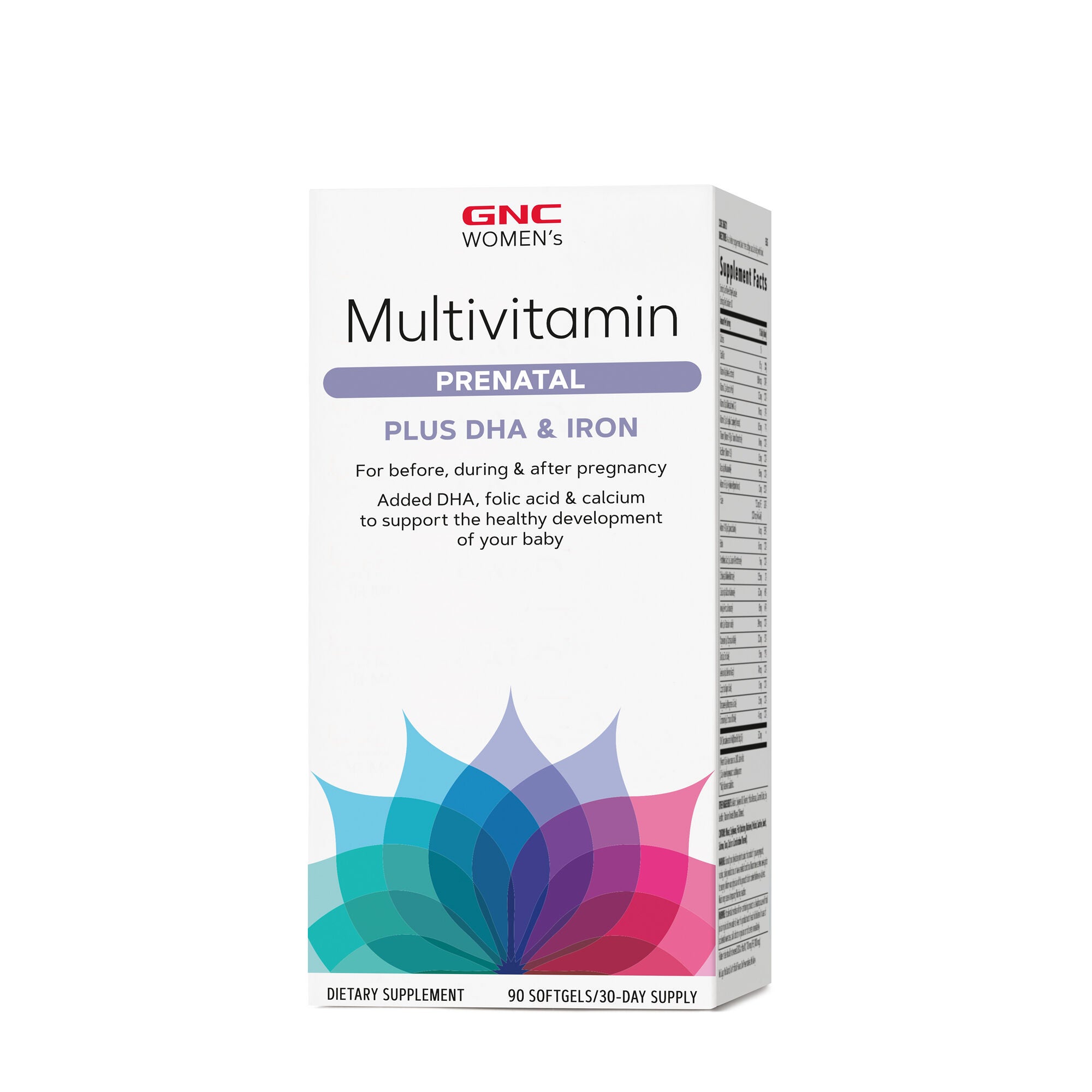
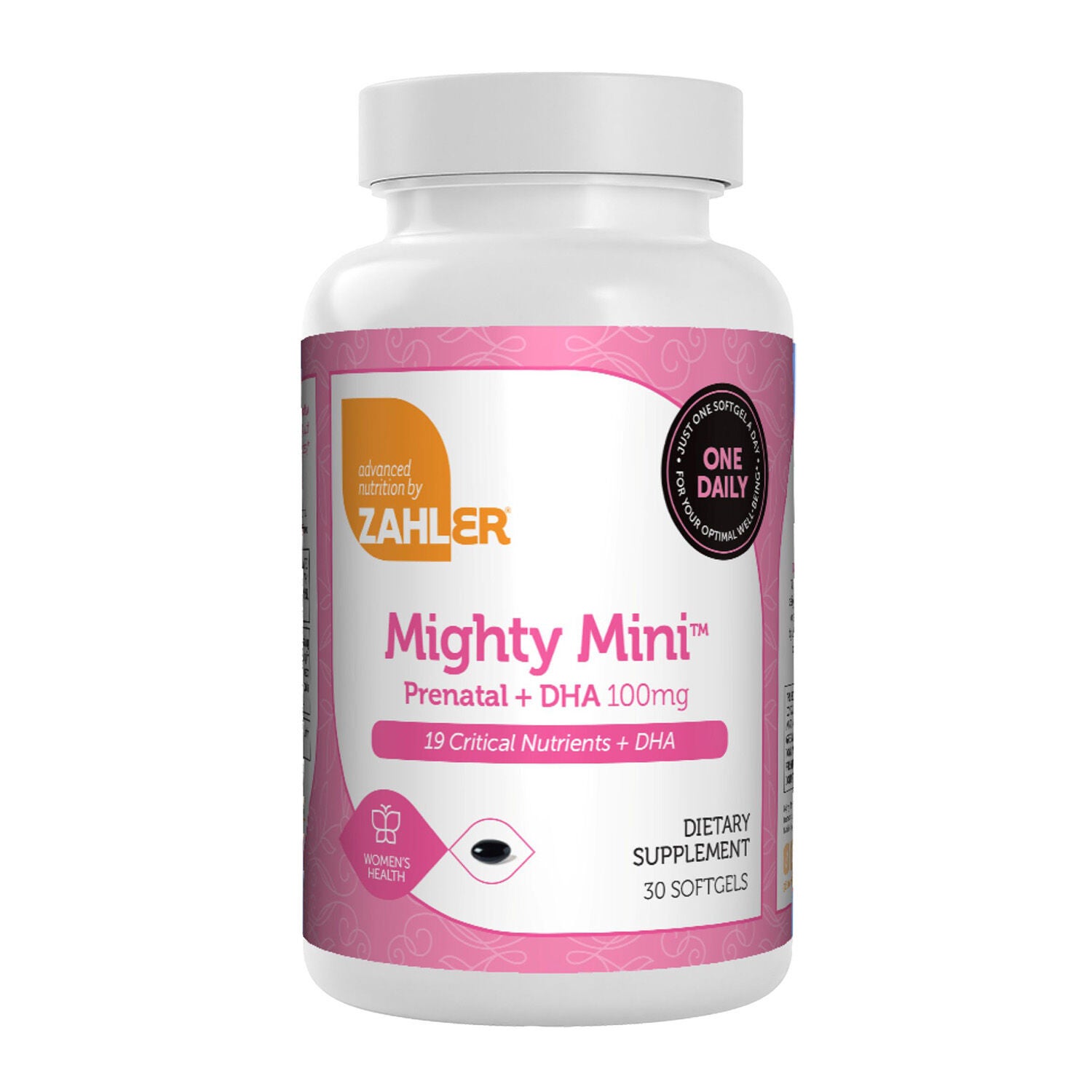
Prenatal DHA supplements are designed for shoppers who want to add a focused source of docosahexaenoic acid to a prenatal nutrition routine. DHA is an omega-3 fatty acid naturally found in seafood and is also present in algae-based formulas. It is often highlighted in prenatal products because it is associated with the brain, nervous system, and retinal tissues, making DHA content an important point of comparison when reviewing labels. Many prenatal nutrition references discuss a daily DHA intake in the range of 200 to 300 milligrams, particularly for people who eat little seafood, although individual needs can vary according to diet, health history, and guidance from a qualified healthcare professional. A prenatal formula may contain DHA alongside eicosapentaenoic acid, or EPA, another omega-3 commonly found in fish oil. Shoppers looking for Prenatal DHA Supplements With Optimal Ratios may prefer formulas in which DHA is present in a higher proportion than EPA, such as a 4:1 DHA-to-EPA ratio, while others may choose a DHA-focused or DHA-only algal formula. The right profile can depend on dietary preferences, seafood habits, the rest of a prenatal regimen, and advice from a physician, midwife, or registered dietitian. Someone who enjoys salmon, sardines, trout, or other low-mercury seafood several times during the week may approach supplementation differently from someone who rarely eats fish. Reading the Supplement Facts panel can make those differences easier to understand: look for the amount of DHA per serving, the amount of EPA, the total omega-3 content, the number of softgels or capsules required, and whether the serving size matches the way the product is intended to be used. A product with a larger capsule count may suit a shopper who prefers smaller servings spread throughout the day, while a concentrated formula may be more convenient for someone who values a simpler routine. Many people take prenatal supplements alongside a meal, both to fit them into an established habit and because a meal may make an oil-based capsule easier to incorporate into the day; always follow the product label and personal healthcare guidance. Those planning ahead for pregnancy may also browse Prenatal DHA Supplements for Family Planning as they compare DHA-focused options with broader prenatal nutrition products.
A thoughtful purchase also involves checking the source, testing standards, format, and practical details that can shape everyday use. Fish-based DHA supplements may appeal to shoppers who already use marine omega-3 products, while algae-based DHA can fit vegetarian or vegan preferences and offers a non-fish source of this fatty acid. Labels may identify the oil source, whether the product includes EPA, and whether the formula uses additional ingredients such as flavoring, gelatin, or other capsule materials. People who avoid certain ingredients can review the allergen statement and capsule composition before placing an order. Third-party testing is another useful consideration; independent testing may provide additional information about identity, freshness, and screening for heavy metals or other unwanted compounds. Storage instructions matter as well, especially during warmer weather or in homes where supplements may sit near a sunny kitchen window. Keeping the container in the location recommended on the label may help preserve product quality and makes the routine easier to remember when days become busier during the cooler months. DHA supplements may be used by people preparing for pregnancy, those already following a prenatal wellness plan, or family members searching for a considerate gift for a new parent-to-be. A gift basket with prenatal nutrition items, a water bottle, a notebook for appointments, and other practical comforts can feel personal without requiring a guess about someone’s healthcare choices; supplements should be selected with the recipient’s own clinician-approved routine in mind. For shoppers comparing ratios, a higher-DHA formula may be appealing when the goal is to emphasize DHA rather than select a general omega-3 blend in which EPA and DHA appear in similar amounts. Some labels show 200 to 300 milligrams of DHA per serving, while concentrated products may list a greater combined amount of DHA and EPA. Research discussions sometimes reference combined daily omega-3 amounts from roughly 350 to 1,000 milligrams in specific circumstances, but those figures are not a universal instruction, and a healthcare professional can help interpret them alongside seafood intake and the rest of a prenatal plan. Before adding a new supplement, review the full ingredient panel, serving directions, dietary restrictions, and any advice provided by a qualified healthcare professional. A clear label, a DHA-forward ratio, a source that suits personal preferences, and testing information that inspires confidence can help shoppers select an option that fits naturally into the steady, detail-oriented rhythm of prenatal preparation.


