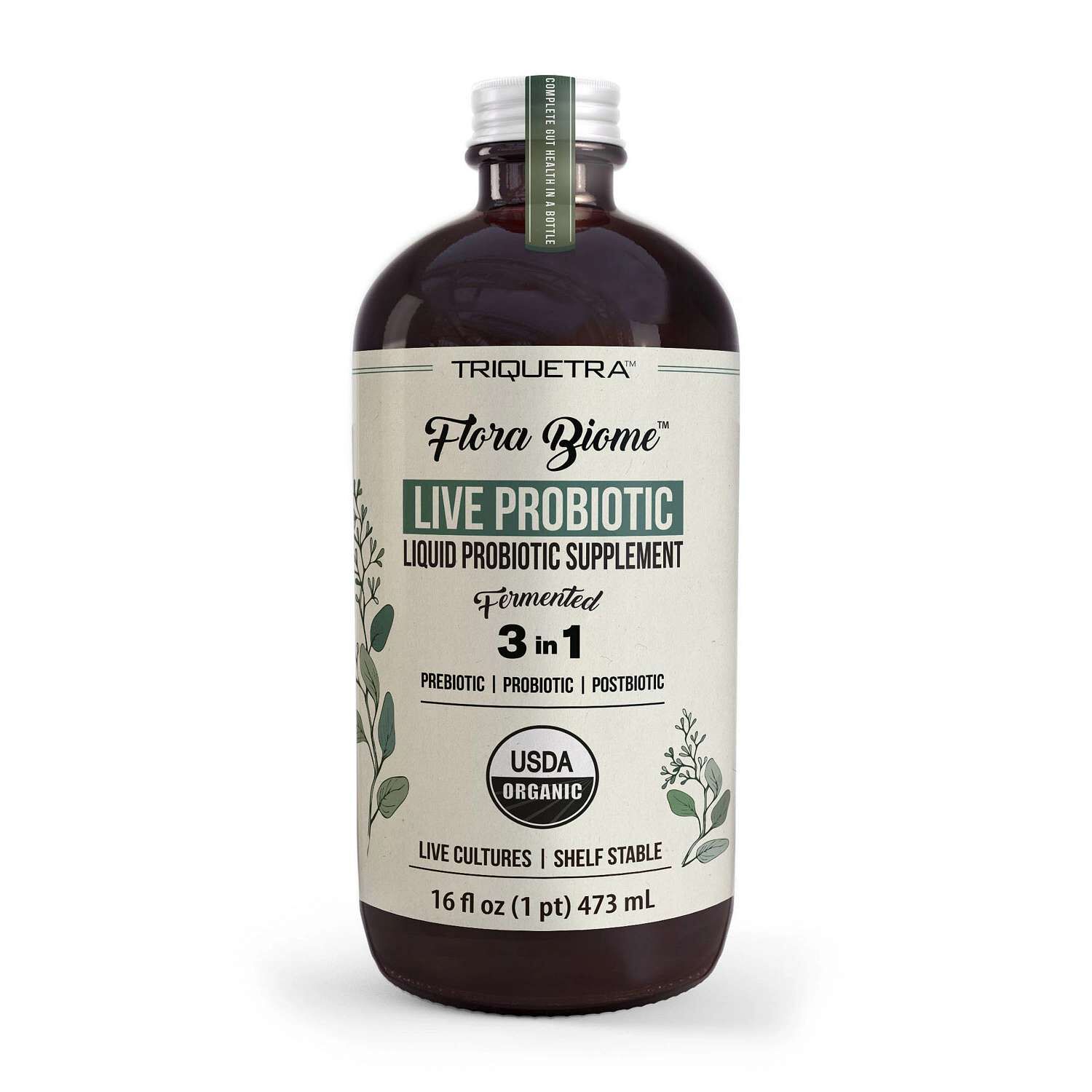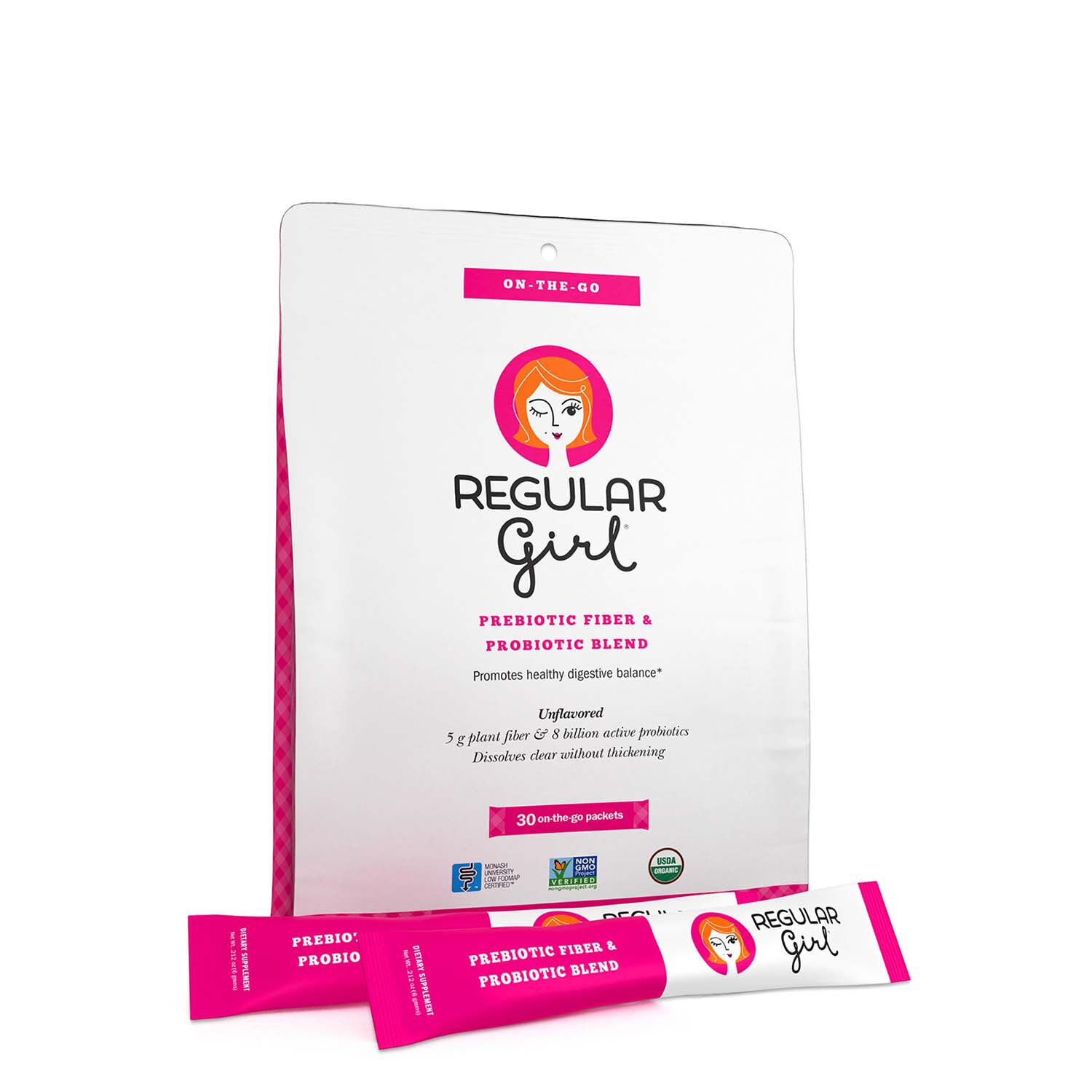


Probiotic And Prebiotic Capsules
(0 Results)
Unlock the potential of your digestive health with probiotic and prebiotic capsules. These innovative supplements may support a balanced gut flora, which could contribute to overall well-being. Whether you're looking to complement your diet or seeking additional support for your digestive system, probiotic and prebiotic capsules might be an excellent addition to your wellness routine. Explore a variety of options that cater to diverse needs and preferences, all designed to help you maintain a healthy lifestyle.





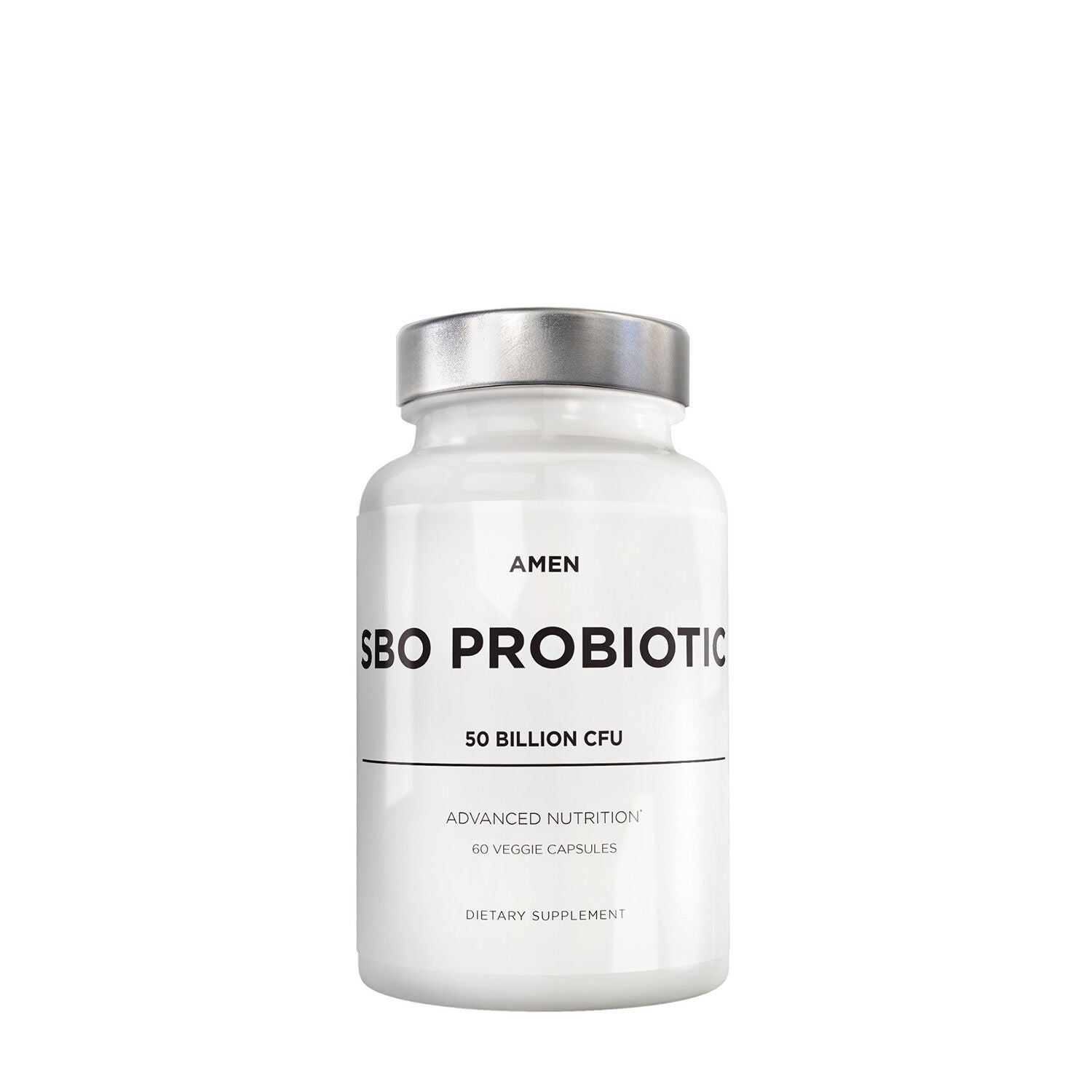




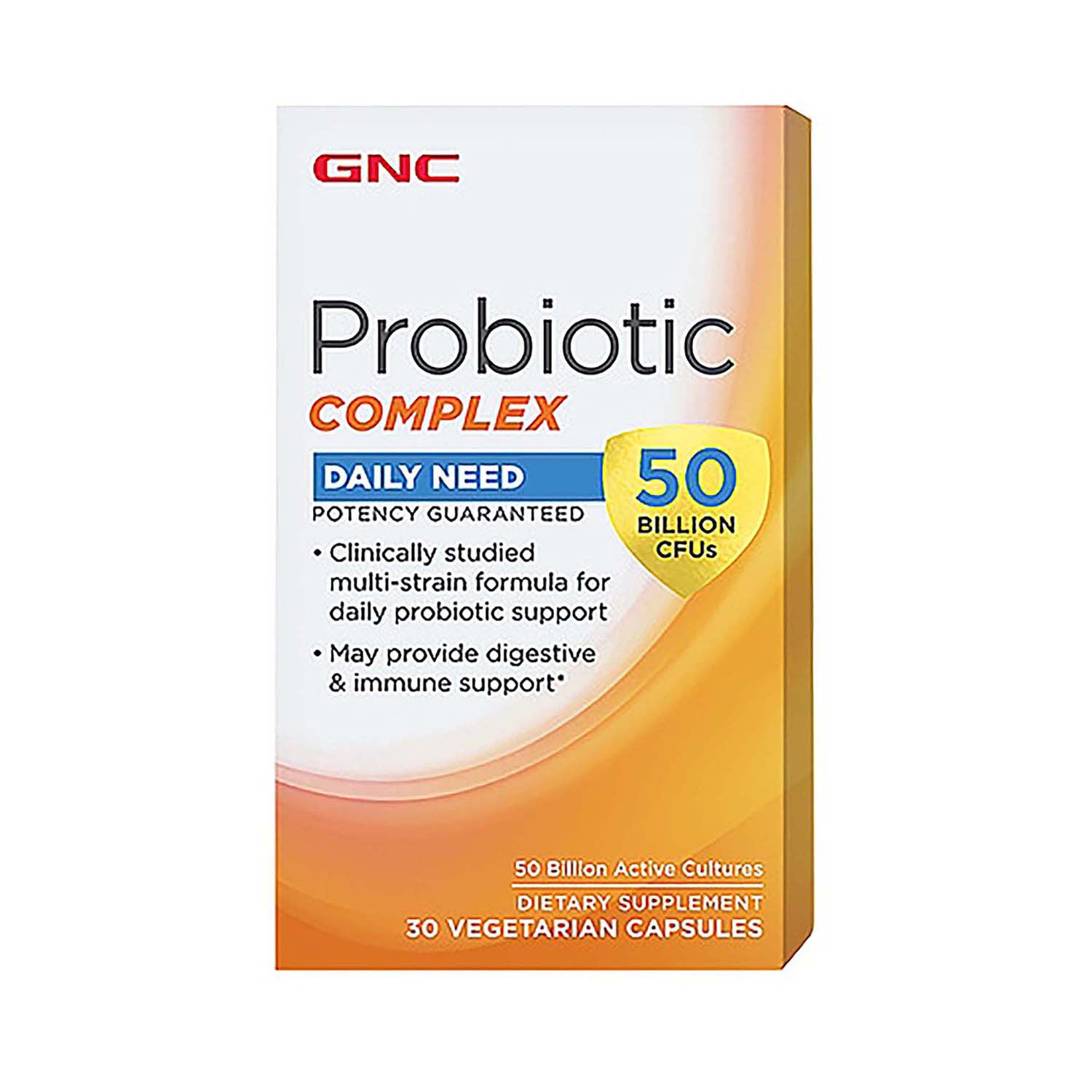
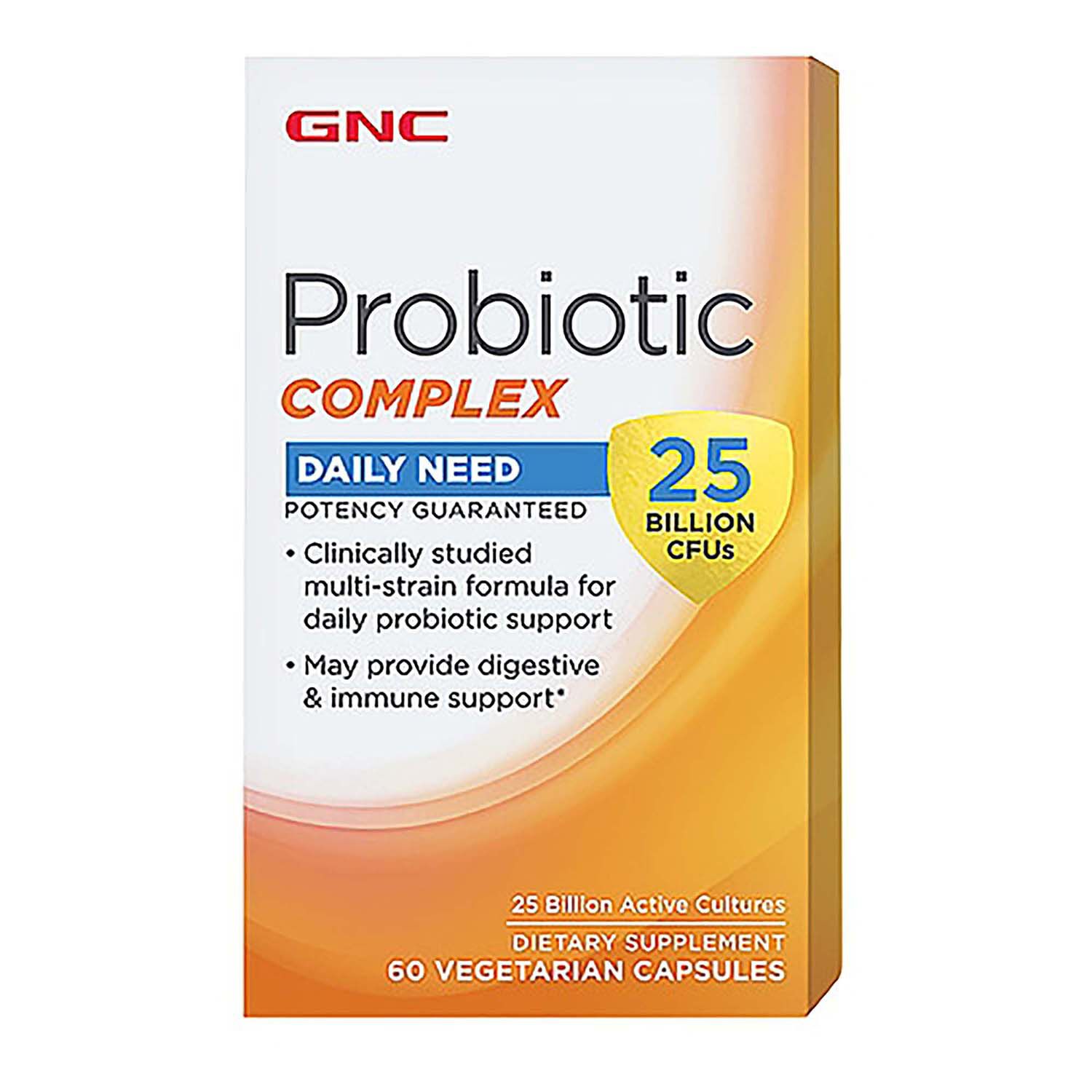


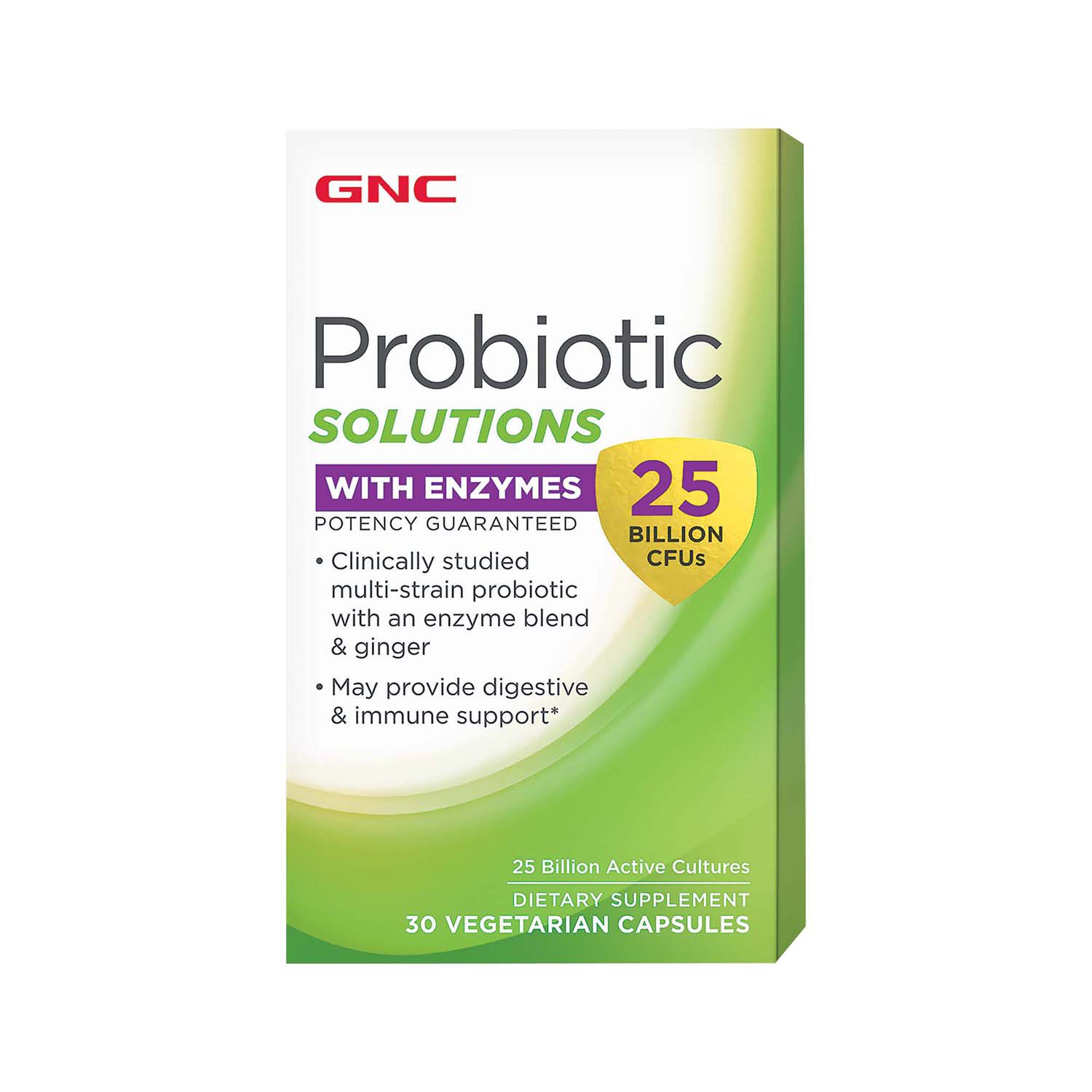


_Front.jpg?sw=305&sh=305&sm=fit "BioDophilus60 - 60 Capsules (60 Servings) | GNC")


Probiotic and prebiotic capsules bring two complementary parts of digestive wellness together in one convenient format. Probiotics are live microorganisms, including selected strains of bacteria or yeast, while prebiotics are nondigestible fibers that may serve as nourishment for certain microorganisms in the digestive tract. Together, these ingredients are sometimes described as synbiotics. A formula may contain probiotic strains from groups such as Lactobacillus or Bifidobacterium, along with prebiotic ingredients such as inulin, chicory root fiber, or other plant-based fibers. Because each strain and fiber has its own characteristics, reading the Supplement Facts panel can help you compare options with greater confidence. Look for the specific strains included, the amount provided per serving, suggested storage, serving directions, and the expiration date. Some capsules are designed for room-temperature storage, while others may call for refrigeration, so following the package directions can help preserve product quality. Delayed-release or specially coated capsules may also be available for shoppers who prefer a format designed to move through the stomach before opening. These products may fit into a daily wellness routine for adults who are looking to add probiotic and prebiotic ingredients alongside a varied eating pattern. They could also appeal to someone who enjoys keeping travel routines organized, wants a compact alternative to refrigerated foods, or is building a simple supplement shelf at home. A bottle may make a thoughtful gift for a friend or family member who enjoys cooking with fermented foods, exploring fiber-rich recipes, or creating a consistent morning routine, although personal preferences, dietary needs, and storage requirements are worth considering before gifting.
Choosing a probiotic and prebiotic capsule often comes down to the details behind the front label. Strain names matter because different strains may be studied for different purposes, and a product listing may identify them in more detail than a broad phrase such as “probiotic blend.” The prebiotic portion deserves the same attention. Inulin and chicory root fiber are common examples, but formulas may use other plant fibers or blends, and people may have different preferences for texture, tolerance, and dietary source. Capsules can be a practical choice for shoppers who do not regularly eat yogurt, kefir, sauerkraut, kimchi, or other fermented foods, or for those who prefer a measured serving rather than adding ingredients to a meal. Food sources may provide probiotics or prebiotic fiber naturally, and many people enjoy combining both approaches: a breakfast with yogurt and fruit, a lunch with beans and vegetables, or a dinner featuring whole grains and fermented vegetables can add variety to the overall routine. A capsule may be taken with food or at another time depending on the label, so checking the serving directions is important. When starting a formula that contains added fiber, some people may notice temporary gas or changes in digestion as their routine adjusts. Beginning according to the package directions and paying attention to personal comfort may be helpful. Anyone with a health condition, special dietary requirement, pregnancy-related question, or a prescription routine may wish to speak with a qualified healthcare professional before adding a dietary supplement. People who are comparing options after a change in their usual routine may also want to bring the product label to that conversation rather than relying on a general description alone. For additional shopping context, browse Probiotic Capsules for Nutrient Uptake.
Daily consistency can make these capsules easier to remember, especially when they are connected to an established habit such as breakfast, filling a water bottle, or preparing a work bag. During warmer weather, a travel-friendly bottle may be useful for weekends away, outdoor plans, or visits with relatives; during the cooler months, it can sit neatly beside other pantry or countertop staples as routines shift indoors. Keep capsules in the location recommended on the label, away from conditions that may affect freshness, and use the original container when possible. Shoppers may also want to review the full ingredient list for milk, soy, gluten, gelatin, or other ingredients that may not suit their preferences. Vegetarian and vegan formats may be available, while capsule materials and prebiotic sources can vary from one formula to another. It is also worth checking whether a product contains a single strain or several, whether the prebiotic fiber is clearly identified, and whether the serving size fits comfortably into a daily schedule. Probiotic and prebiotic capsules are not intended to replace a varied diet, and they may work best as one part of a broader approach that includes fiber-rich plants, fermented foods, hydration, movement, and regular meals. With thoughtful label reading and storage, this product category may offer a straightforward way to explore the pairing of live cultures and plant fibers in a format suited to everyday life.