

Probiotics For Bone Health
(0 Results)
Supporting your bone health may be as simple as incorporating probiotics into your daily routine. These beneficial microorganisms could play a role in enhancing calcium absorption and promoting overall bone health. With a variety of probiotic options available, you might find a solution that aligns with your wellness goals. Explore how probiotics may contribute to maintaining strong bones and discover potential benefits for your active lifestyle.

_Front.jpg?sw=305&sh=305&sm=fit "BioDophilus25 -120 Capsules (120 Servings) | GNC")

Probiotics for bone health bring together two areas of everyday wellness that are closely connected: the digestive system and the body’s framework of bones. Researchers describe this relationship as the gut-bone axis, a term used for the ways gut microbes may interact with mineral use, immune activity, and the natural process of bone renewal. Certain probiotic strains may help the body make better use of minerals such as calcium and magnesium, while other strains are being studied for their possible role in maintaining a balanced gut environment. These effects remain an area of ongoing research, and probiotic supplements work best as one part of a well-rounded routine rather than as a replacement for guidance from a qualified healthcare professional. When browsing this collection, shoppers may want to look for supplements that clearly list the bacterial strains, the amount provided per serving, storage instructions, and suggested use. Lactobacillus strains such as L. reuteri, L. rhamnosus, and L. plantarum have appeared in research focused on bone-related wellness, while Bifidobacterium strains are often included in multi-strain formulas. A label that provides strain details can make it easier to compare products and choose an option that fits an established supplement routine. Some shoppers may also prefer capsules, while others may find a powder easier to mix into a cool drink or morning smoothie. Following the package directions may help make use simple and consistent, especially during busy stretches when breakfast is eaten beside a packed bag, a school run, or a commute.
People shopping for probiotics for bone health may include adults who are paying closer attention to mineral intake, mature adults building a steady wellness routine, or anyone interested in the connection between digestion and bone maintenance. Older family members may appreciate receiving a probiotic supplement as part of a thoughtful wellness gift, particularly when it is paired with a reusable water bottle, a favorite breakfast blend, or a handwritten note encouraging a regular daily routine. For those exploring options for seniors, the Probiotic Supplements For Seniors collection may offer another place to compare products selected with age-related shopping needs in mind. Postmenopausal women are also represented in some research examining probiotics and bone density changes, although individual needs can differ widely. Anyone who is pregnant, managing a health condition, taking prescription products, or considering a supplement for an older adult may wish to speak with a healthcare professional before adding it to a routine. A pharmacist or other qualified professional may also help shoppers review the ingredient panel, serving directions, storage needs, and compatibility with other supplements. For a more personal approach, it can help to choose one consistent time of day, such as alongside a morning meal or after brushing teeth at night, and to keep the container in a practical location that matches the package’s storage guidance. Small details, such as an easy-to-open container or a serving format that travels well, may matter just as much as the strain list when the goal is a routine that feels natural.
Food choices may complement a probiotic-focused routine. Yogurt with live cultures, kefir, and fermented vegetables such as sauerkraut may provide beneficial microbes, while foods including dairy products, fortified beverages, leafy greens, beans, nuts, seeds, and fish may contribute nutrients associated with bone wellness. Fermented foods can bring a tangy spoonful of brightness to a grain bowl or a cool glass of kefir to a late-summer breakfast, while during the cooler months a probiotic supplement may feel like a convenient addition to a warm, nourishing meal pattern. Heat can affect live cultures, so shoppers may want to follow package directions rather than stirring a supplement into a hot drink unless the label says that it is suitable for that use. Fiber-rich foods may also matter because gut bacteria can ferment certain fibers into short-chain fatty acids, compounds being studied for their possible connection to gut and bone processes. A varied eating pattern, regular movement suited to personal abilities, adequate rest, and attention to dietary calcium and vitamin D may round out the broader approach. When comparing products, consider the strain variety, serving format, storage instructions, allergen information, and whether the product fits the intended recipient’s preferences. Probiotics for bone health may be a practical choice for shoppers who want to explore gut-focused wellness while keeping bone-friendly nutrition and everyday habits in view.
Best Sellers
-
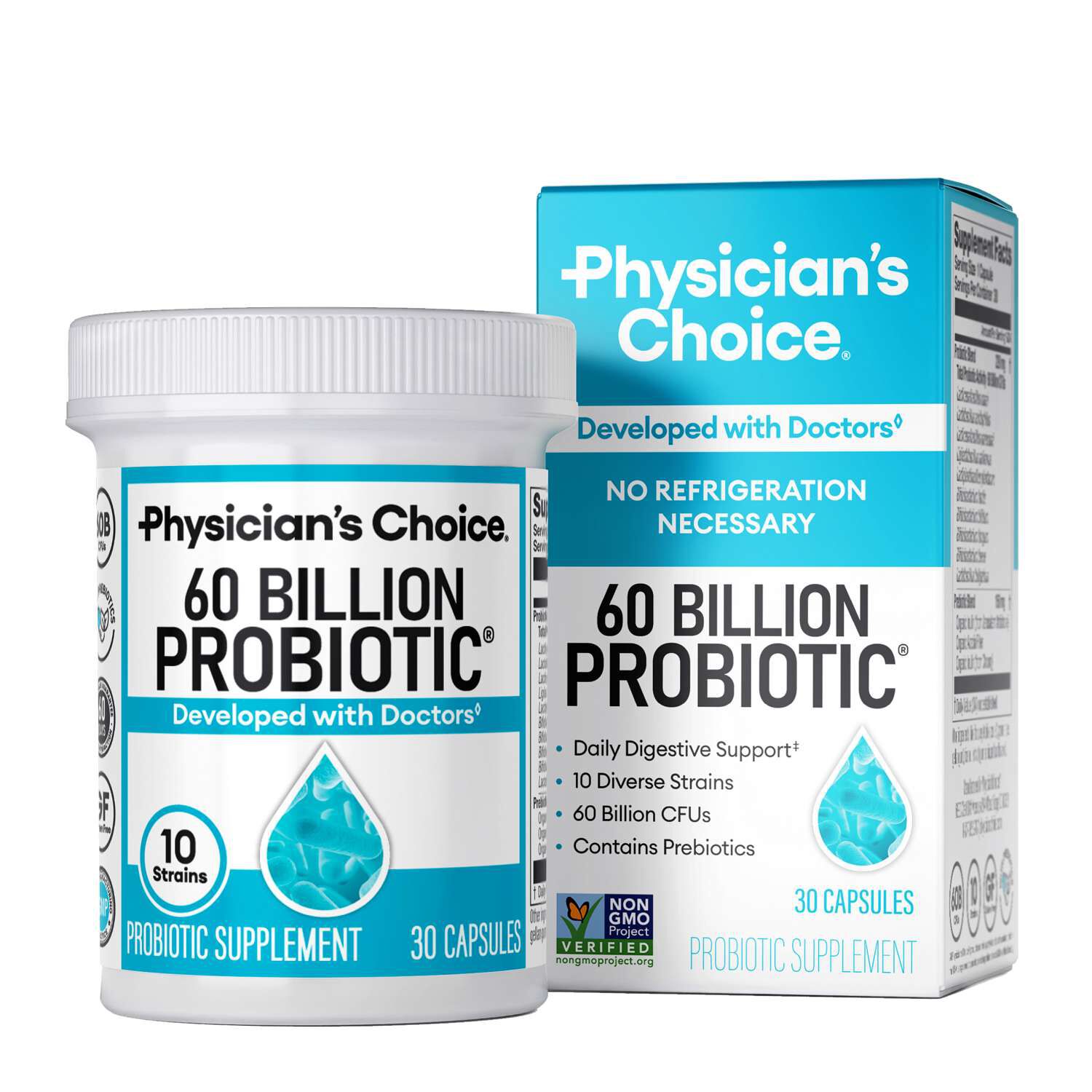 Physician's Choice