Probiotics For Colon Health
(0 Results)
Maintaining a healthy colon is essential for overall well-being, and probiotics play a crucial role in supporting digestive health. Probiotics are live bacteria and yeasts that are beneficial for our gut, aiding in digestion and promoting a balanced gut flora. By populating your colon with good bacteria, probiotics can help regulate bowel movements, support nutrient absorption, and boost immune function. Explore our selection of probiotics specifically formulated to promote colon health and enhance your digestive system today.
-
 205$34.99
 -

-

-
_Front.jpg?sw=305&sh=305&sm=fit "BioDophilus60 - 30 Capsules (30 Servings) | GNC")
-
_Front.jpg?sw=305&sh=305&sm=fit "BioDophilus60 - 60 Capsules (60 Servings) | GNC")
-
_Front.jpg?sw=305&sh=305&sm=fit "BioDophilus25 -120 Capsules (120 Servings) | GNC")
-
_Front.jpg?sw=305&sh=305&sm=fit "BioDophilus25 - 60 Capsules (60 Servings) | GNC")
-
 You Matter Wellness$49.99
 -
 $18.99
 -

-
 Portions Master$69.99
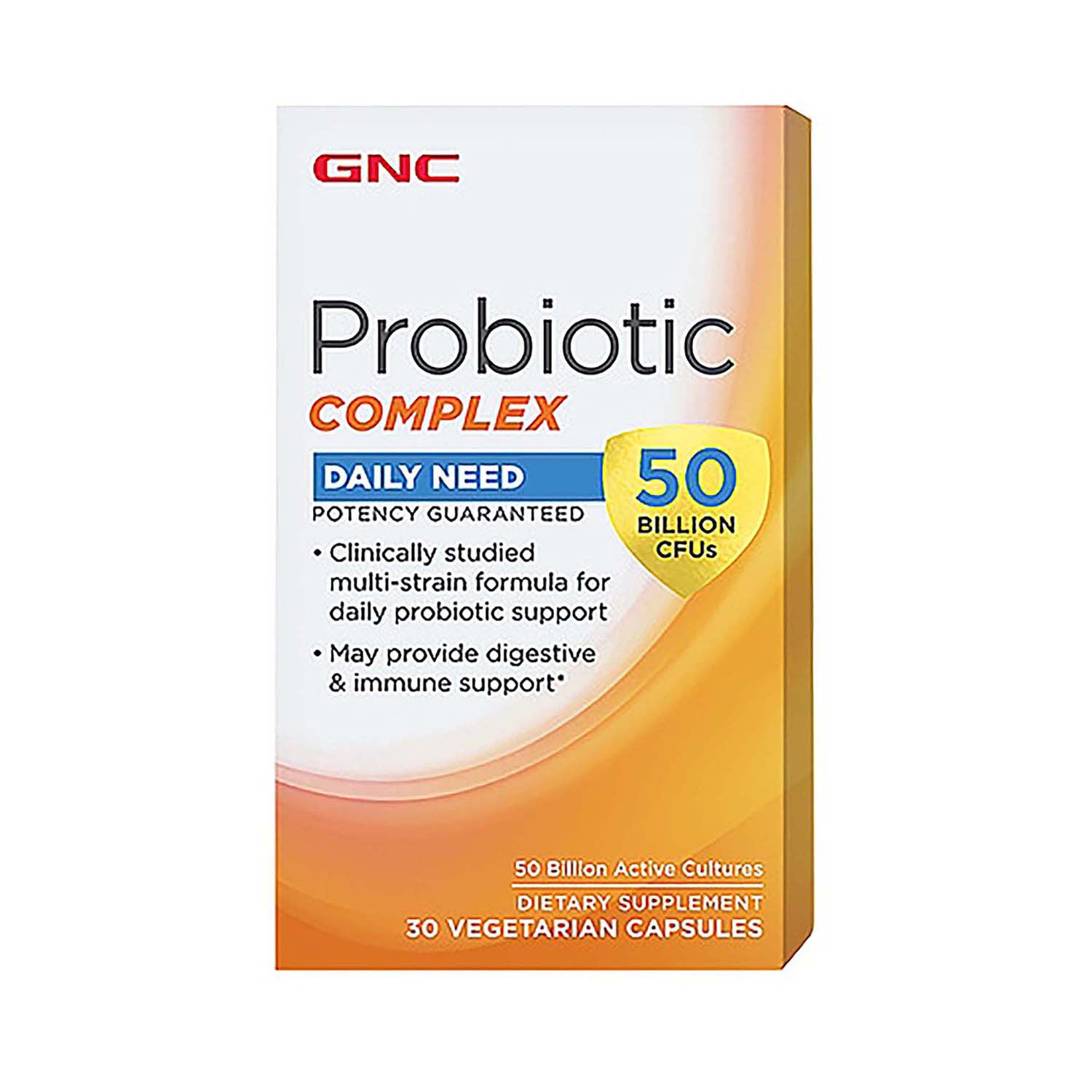
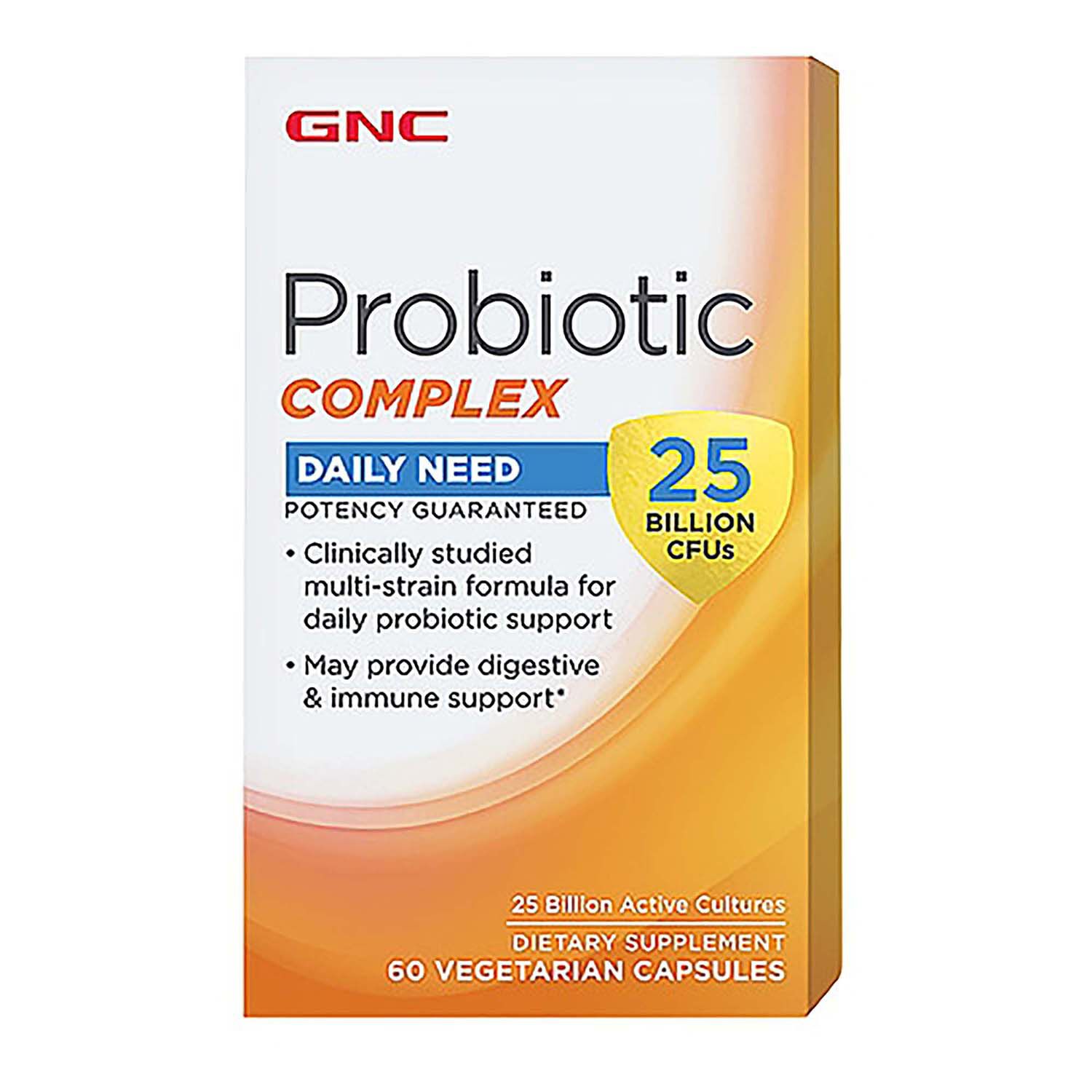


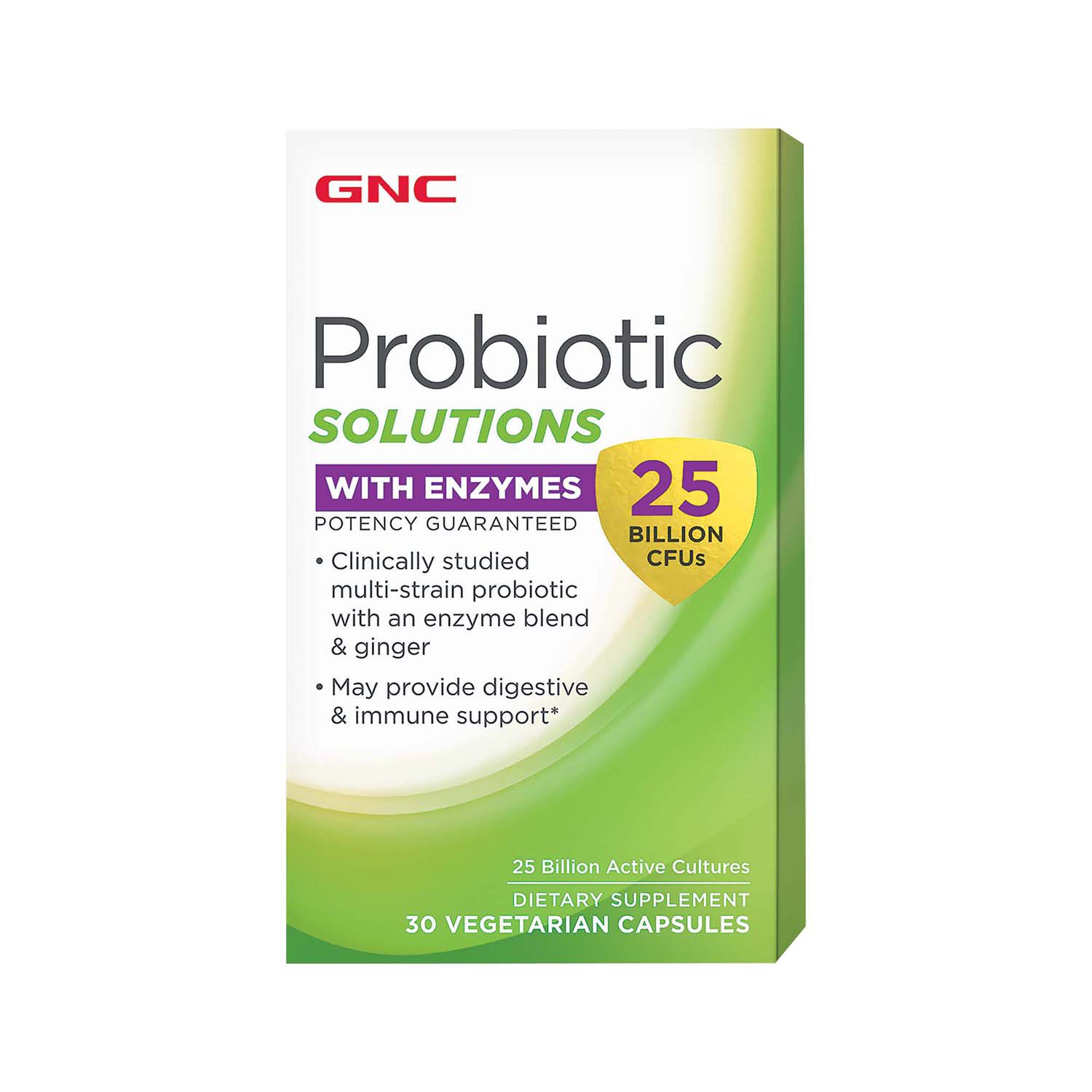
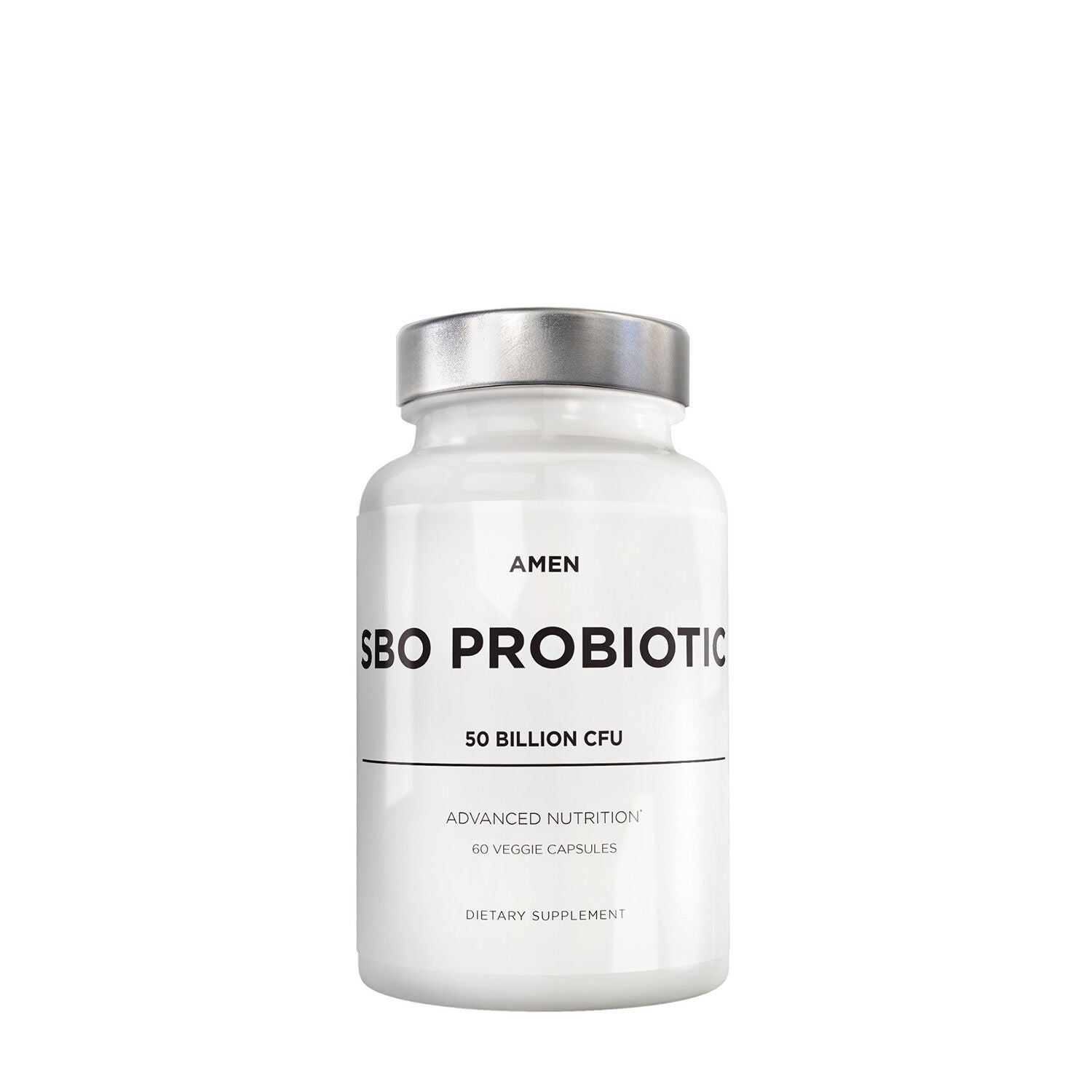

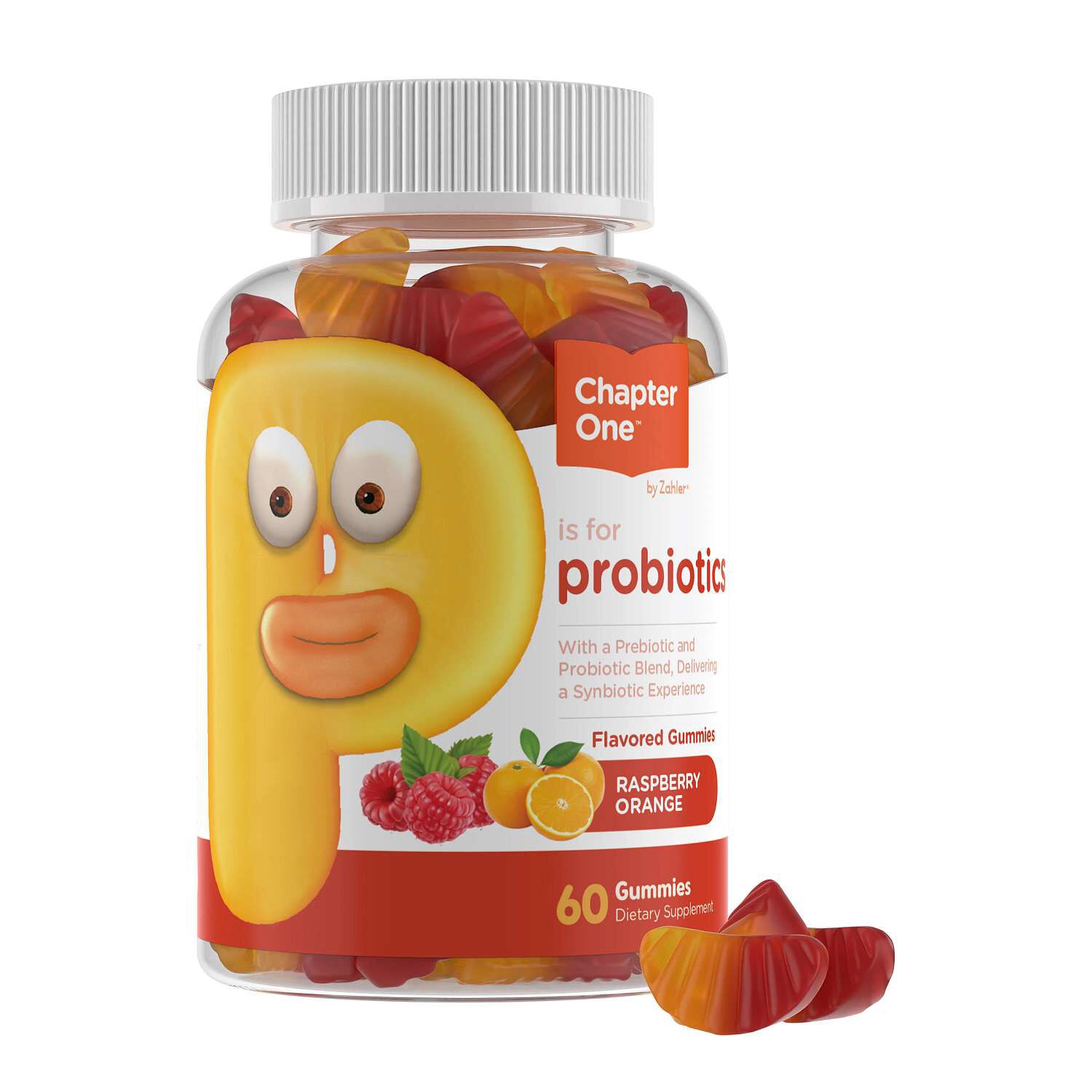
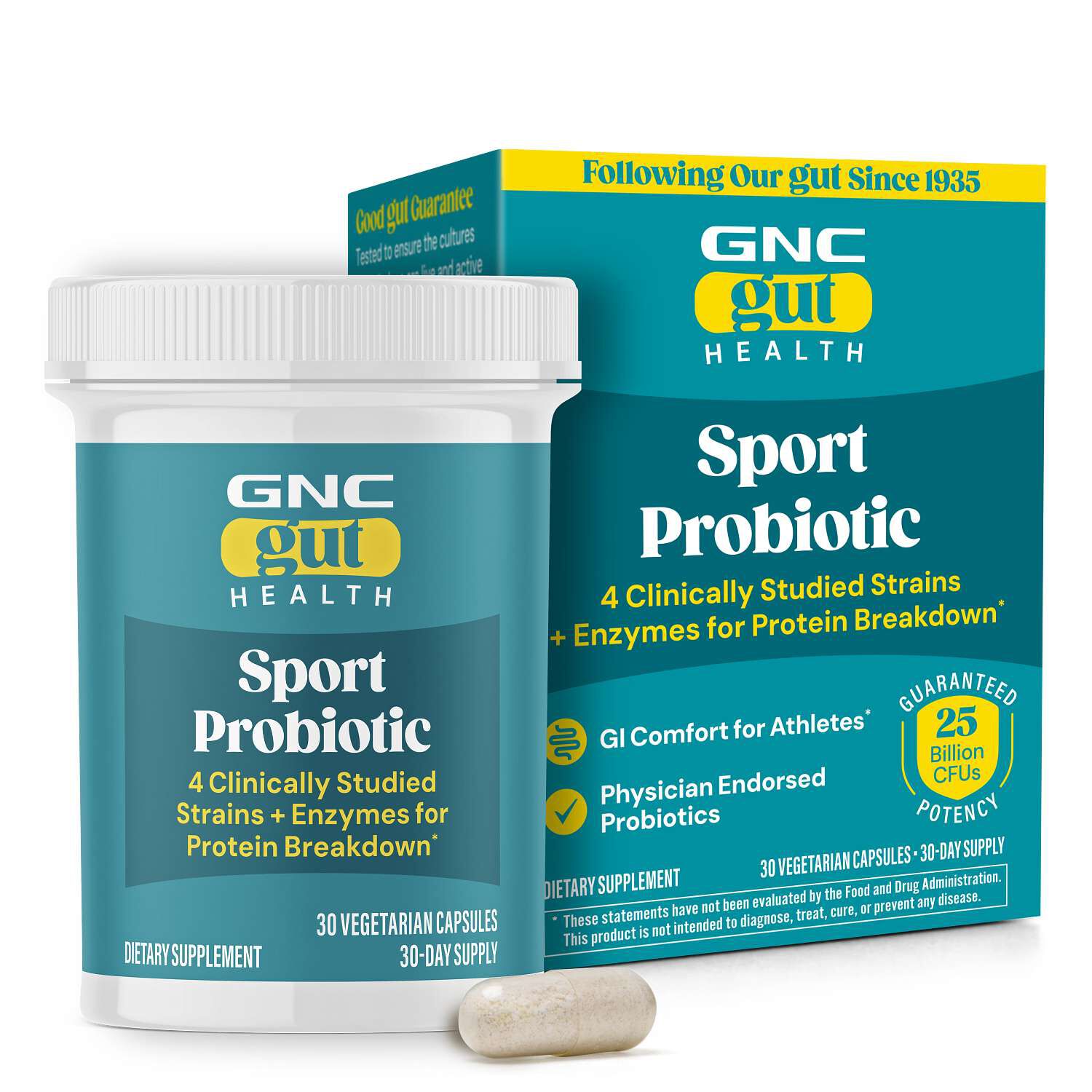




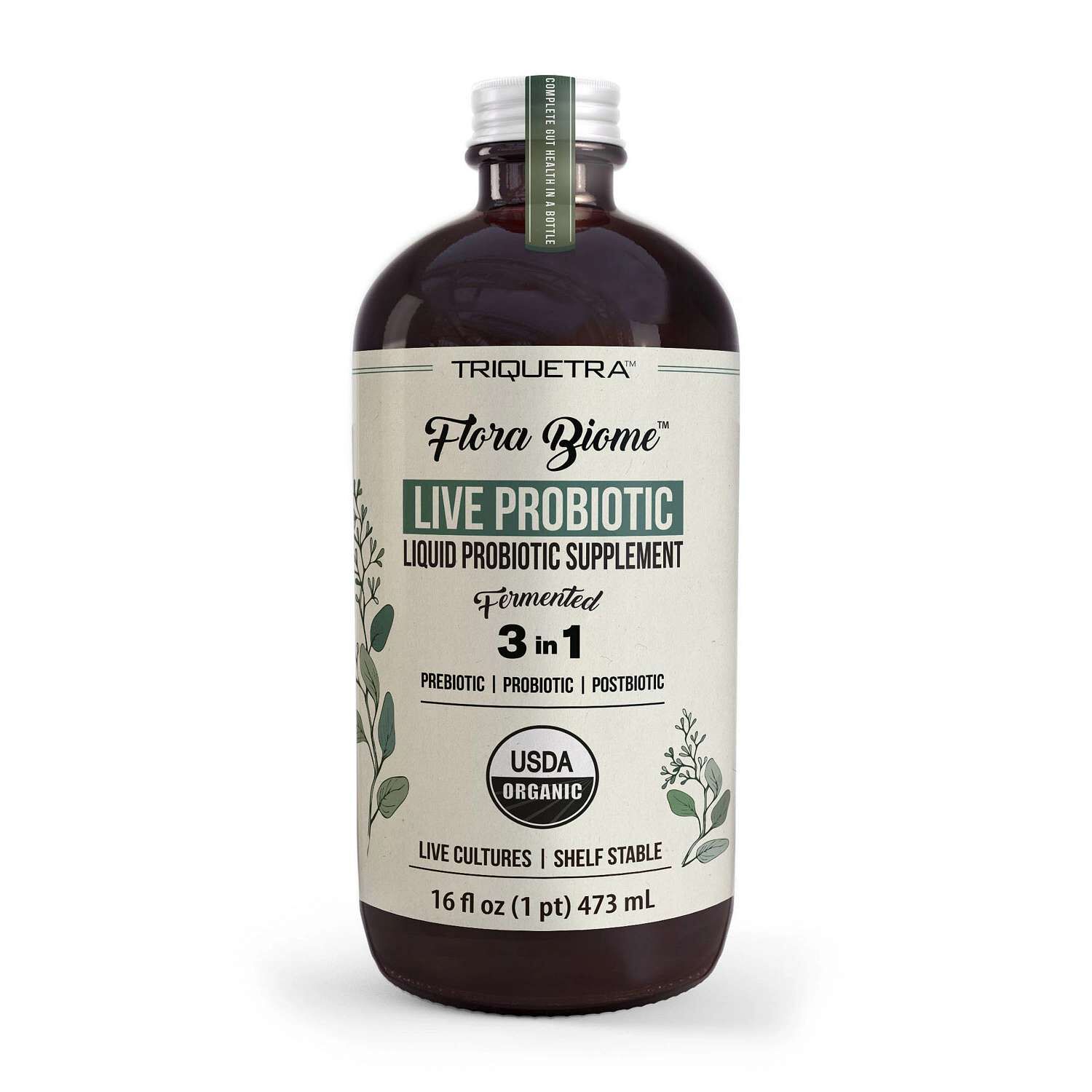
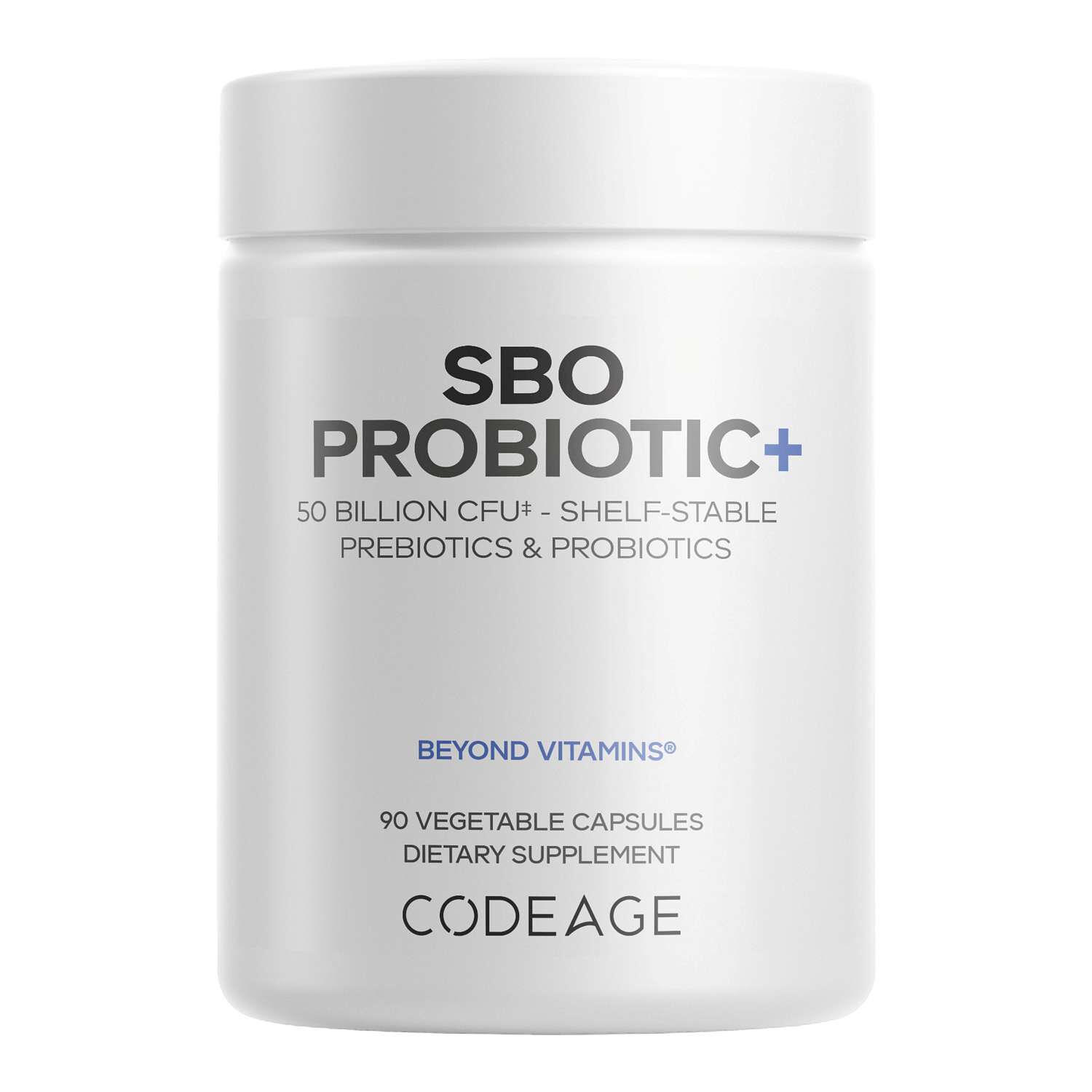
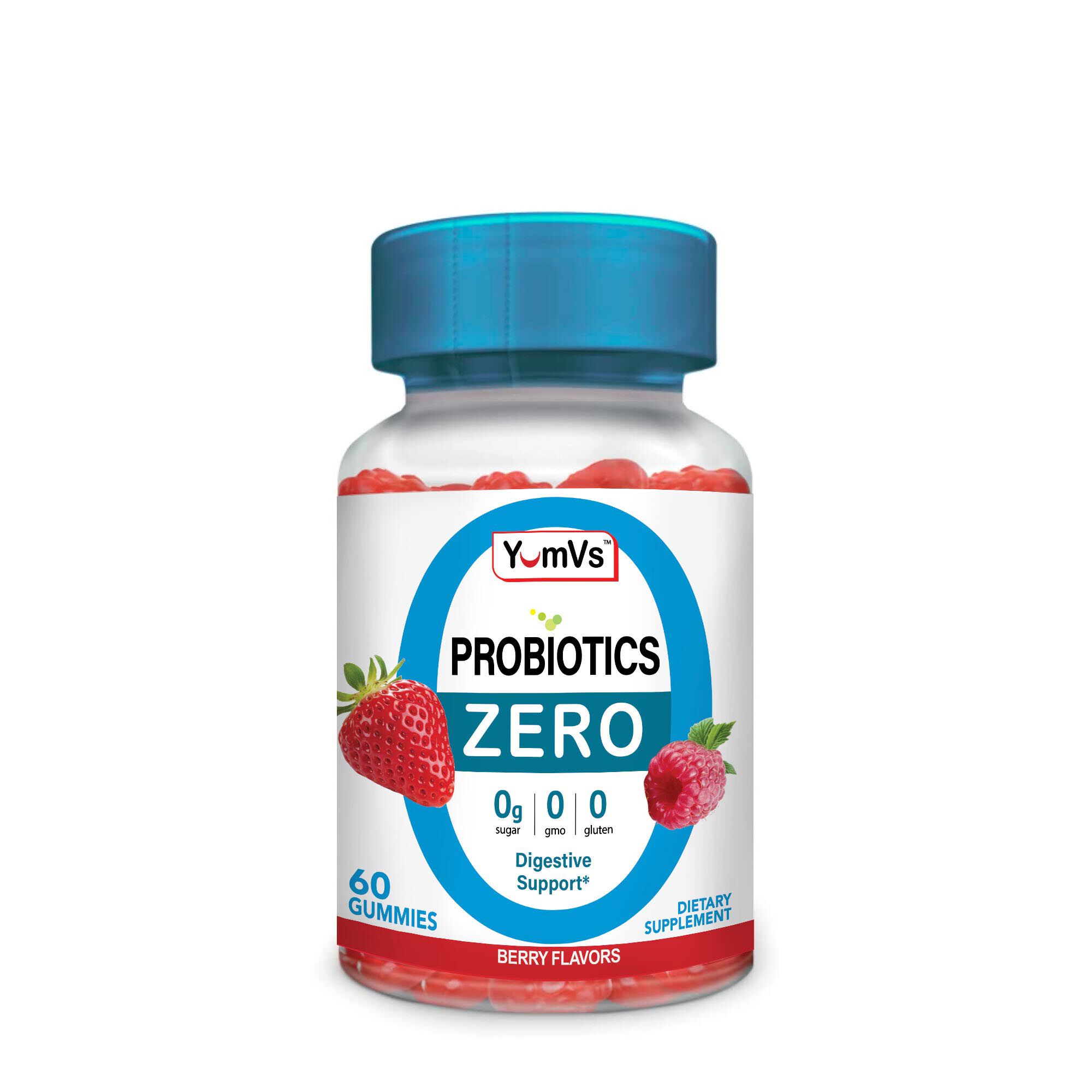
Probiotics for colon health are dietary supplements containing live microorganisms, with formulas that vary in their bacterial strains, serving sizes, and delivery formats. The colon is part of the large intestine and is home to a diverse community of microorganisms known as the gut microbiome. These organisms participate in the processing of dietary components that reach this part of the digestive tract, including certain fibers. For shoppers interested in everyday digestive wellness, probiotic supplements may complement a varied eating pattern and an established daily routine. The category includes capsules, tablets, chewables, gummies, and powders, so choosing a format involves more than comparing the numbers on the front of a bottle. The microorganisms inside deserve a closer look, too. Probiotic labels commonly feature names such as Lactobacillus acidophilus, Bifidobacterium bifidum, and Bifidobacterium longum. These names identify different bacterial species; an additional combination of letters or numbers may identify a particular strain. Species and strains are not interchangeable, and two formulas with similar packaging can have very different ingredient profiles. A blend containing several strains is not automatically a better match than a formula containing one. Likewise, a larger microorganism count does not, by itself, establish how well a supplement might fit someone’s preferences or intended use. Useful comparisons start with the named organisms, the amount per serving, the suggested serving schedule, and the information supplied about storage and shelf life. Someone who prefers a straightforward morning routine might gravitate toward a capsule, while someone who dislikes swallowing capsules might prefer a chewable format or a powder prepared according to its label. These are practical distinctions rather than signs that one format is universally superior. Within this category, the most meaningful differences are often found in the details: what the formula contains, how the serving is measured, and whether its everyday handling requirements suit the person using it.
One of the most recognizable terms on probiotic packaging is CFU, short for colony-forming units. This measurement expresses the number of viable microorganisms capable of forming colonies under specified testing conditions. Labels may present CFU amounts in millions or billions, but the number needs context. It is worth distinguishing between an amount stated at manufacture and an amount stated through the expiration date, since those descriptions refer to different points in a supplement’s shelf life. Serving size matters as well: a prominently displayed count might refer to two capsules rather than one, or to a measured portion of powder rather than an entire packet. The Supplement Facts panel provides the basis for those comparisons. Beyond the microorganisms, probiotics can contain capsule materials, flavorings, sweeteners, binders, and other ingredients associated with their format. Capsule shells may use gelatin or plant-derived materials, which can matter to someone following a vegetarian eating pattern. Chewables and gummies often involve additional flavor and texture ingredients, while powders differ in serving volume and preparation instructions. Allergen statements and ingredient lists are especially relevant for households with established dietary restrictions. Some formulas also include prebiotic ingredients, such as inulin or other fermentable fibers. Probiotics and prebiotics describe different things: probiotics are live microorganisms, while prebiotics are substrates used by certain microorganisms. A product that includes both combines distinct ingredient categories rather than simply adding more probiotic strains. For shoppers comparing those combinations, Prebiotic Probiotic Supplements For Gut Health offers a related category to explore. A combination formula may appeal to someone who prefers both ingredient types in one serving, while a probiotic-only format may appeal to someone seeking a shorter ingredient list. Neither description replaces a careful look at the actual amounts and directions. For example, a blend name on the front panel does not necessarily reveal the quantity of each component. Clear labeling makes it easier to understand what is included and to compare formulas on matching terms rather than on packaging language alone.
Daily fit also includes how a probiotic supplement is stored, carried, and used over the life of the package. Live microorganisms require the storage conditions specified by the manufacturer, so the distinction between a shelf-stable formula and one requiring refrigeration is meaningful. Shelf-stable does not mean suitable for every location; the original label remains the reference for handling and storage. A bottle left in a damp bathroom cabinet has a different storage environment from one kept in an appropriate, dry location. Packaging details such as individual packets, blister compartments, or a tightly closing bottle can affect convenience, especially for someone who takes supplements away from home. Retaining the original packaging also keeps the ingredient information, expiration date, and directions close at hand. For powders, a scoop and a single-serving packet create different preparation routines: one involves measuring, while the other contains a premeasured portion. Mixing instructions matter because not every powder is intended for the same foods or beverages. Capsules and tablets avoid that preparation step, whereas chewable formats have their own serving directions. Intended audience is another useful distinction. Formulas labeled for adults and those labeled for children may differ in serving size, ingredients, and format, so they should not be treated as interchangeable. Probiotic supplements are usually a personal purchase rather than an easy surprise gift, given the importance of dietary preferences and individual routines. Someone choosing a supplement for another adult would need to know those preferences rather than relying on a familiar-looking bottle. Fermented foods, including yogurt with live cultures and kefir, provide additional context for the category, but their microorganism content and serving characteristics differ from those of supplements. Not all fermented foods contain live microorganisms when consumed, and a food serving is not a direct substitute for a labeled supplement serving. For probiotics for colon health, a grounded shopping comparison brings the focus back to identifiable strains, understandable serving information, suitable ingredients, and manageable storage requirements. Those details offer a more useful basis for choosing among formats than a large count or an elaborate blend name alone.
Best Sellers
-
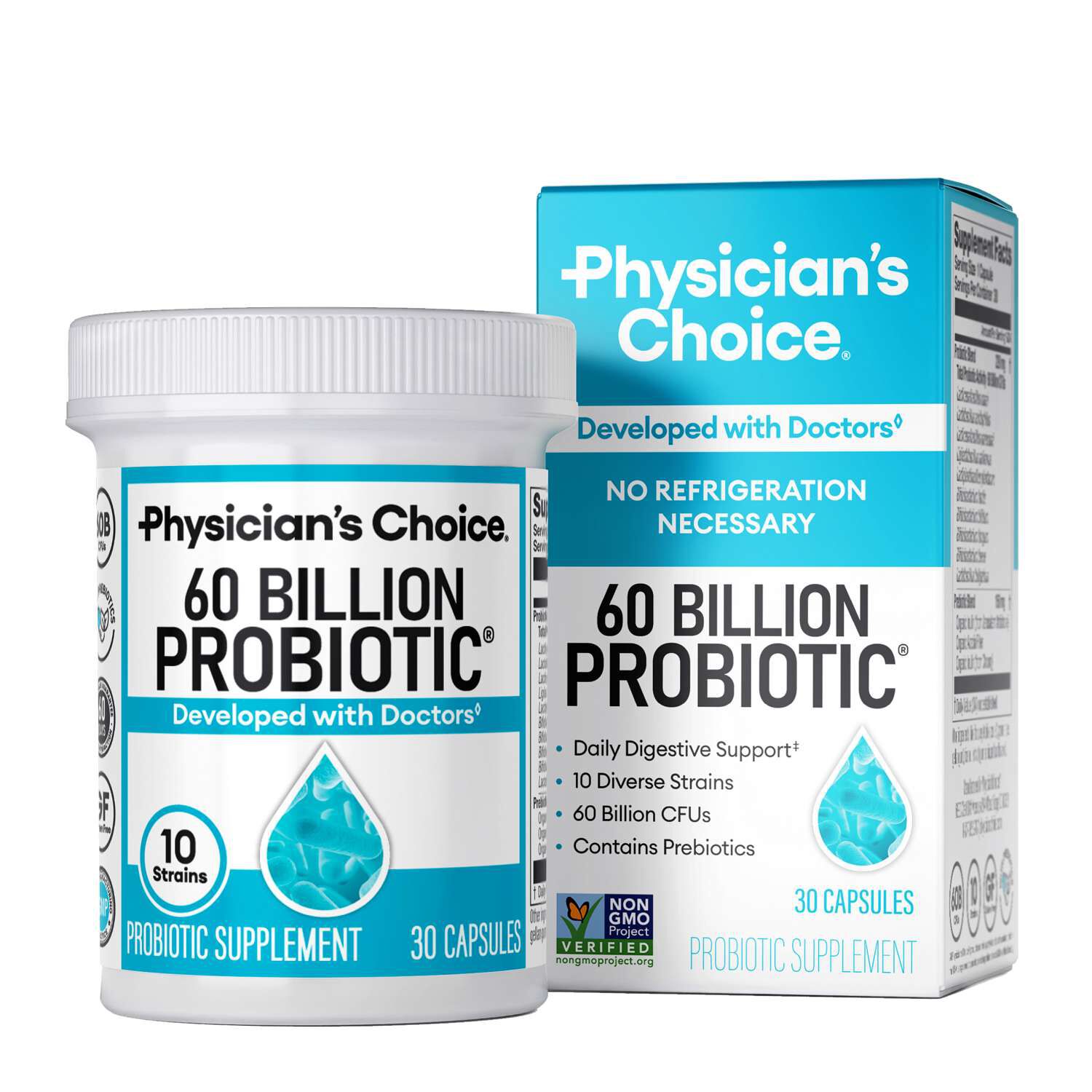 Physician's Choice