





Probiotics For Digestive And Immune Health
(0 Results)
Shop probiotics for digestive and immune health, and compare supplements by the strains, ingredients, and serving sizes listed on their labels. Review each product’s suggested use and storage directions to find an option that fits your daily routine.
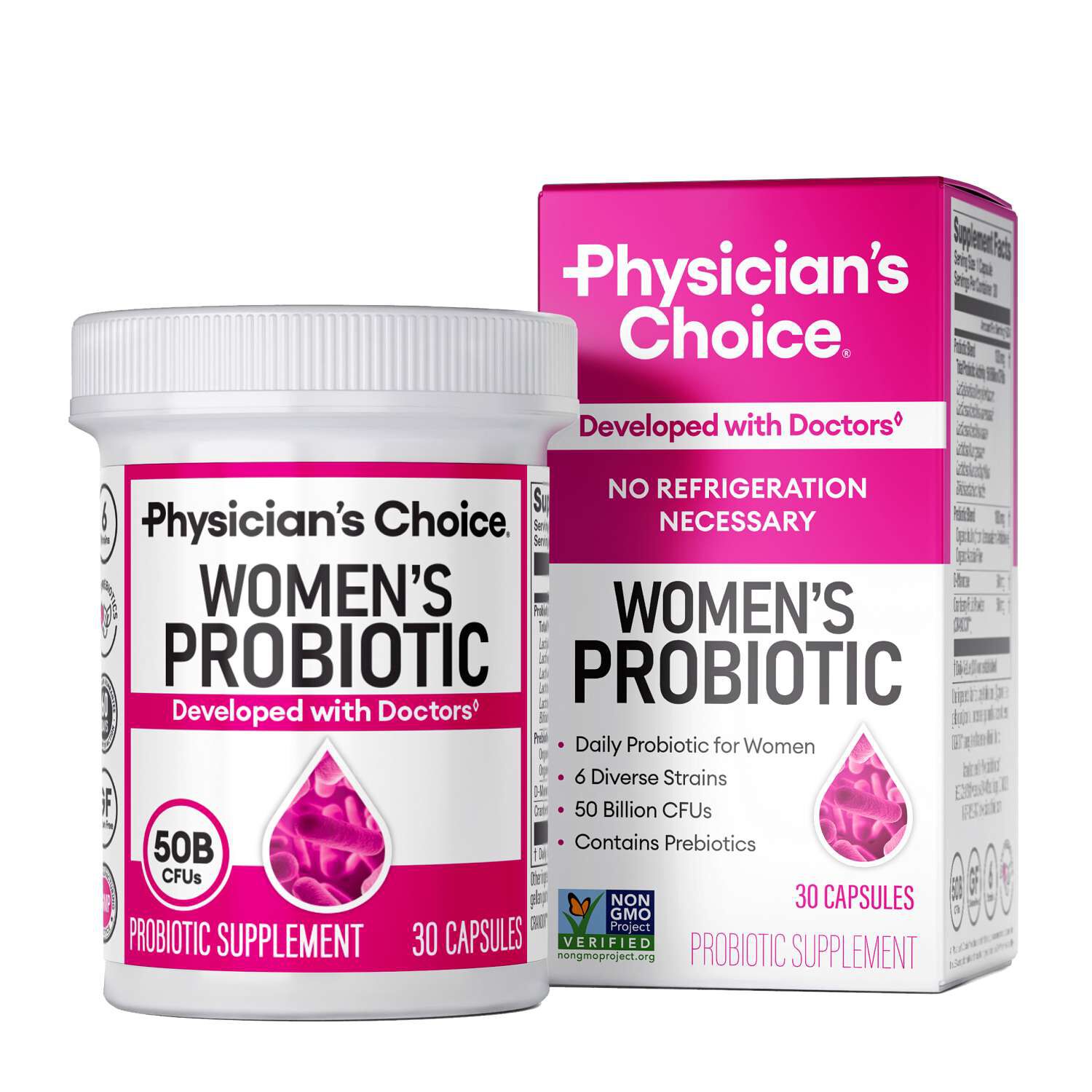
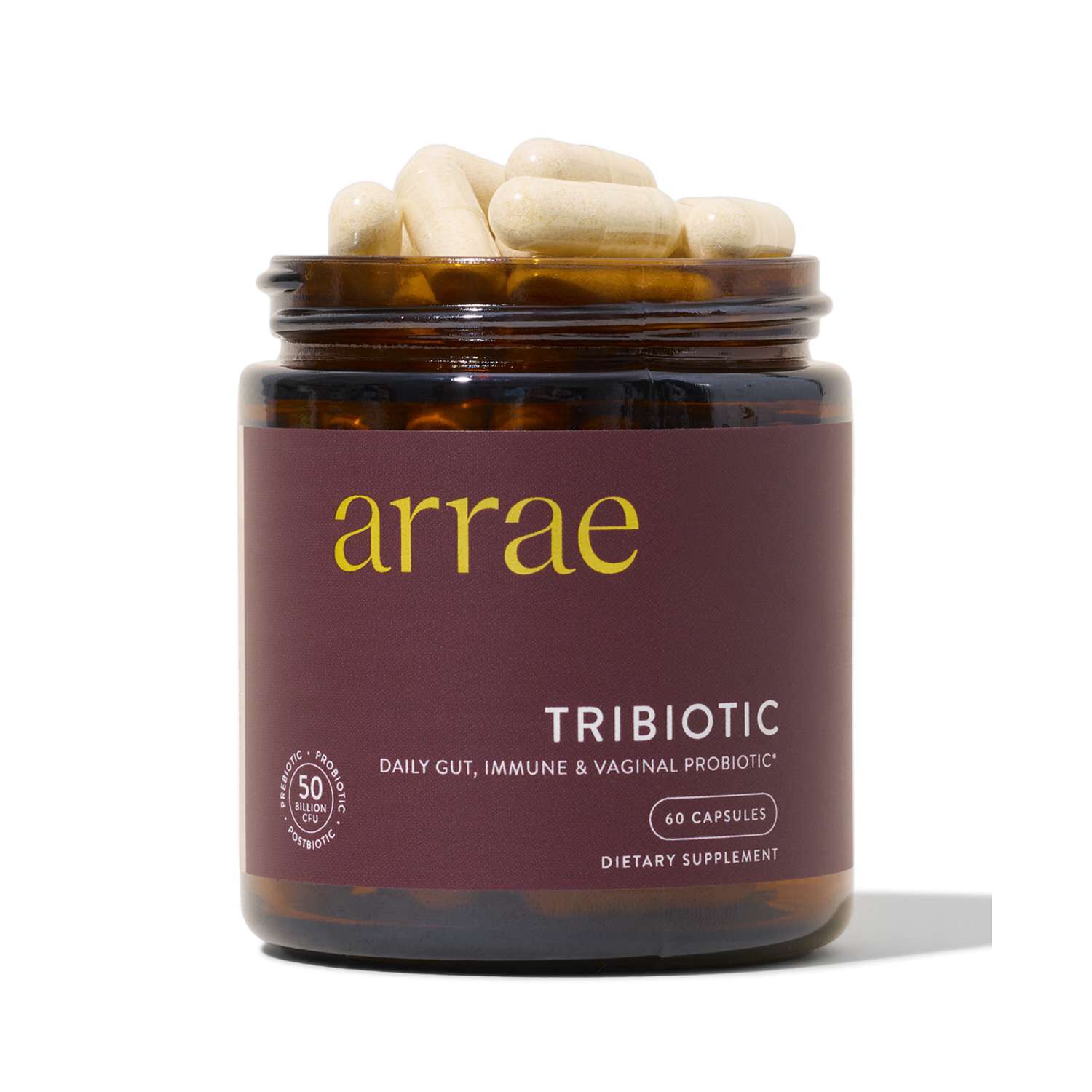

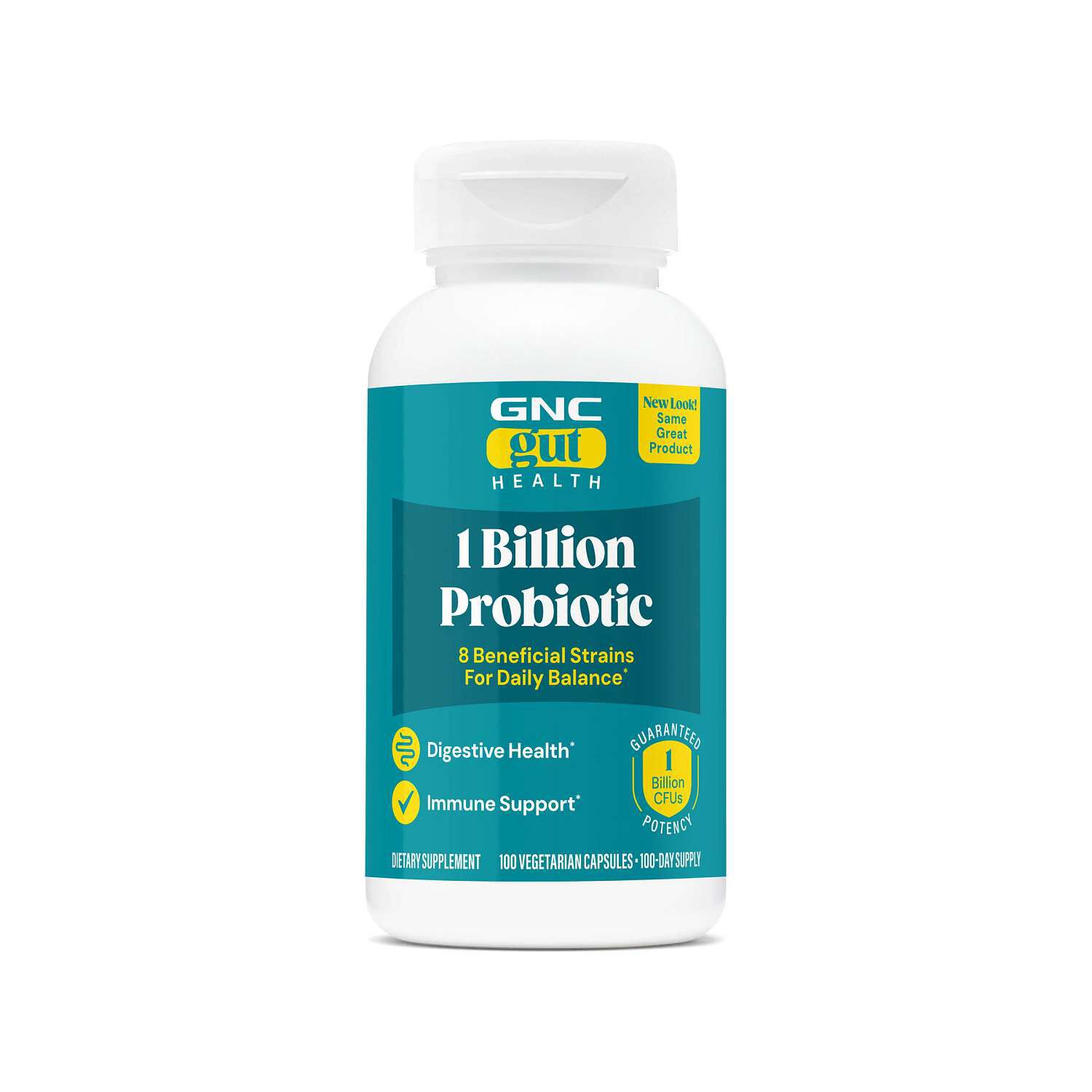
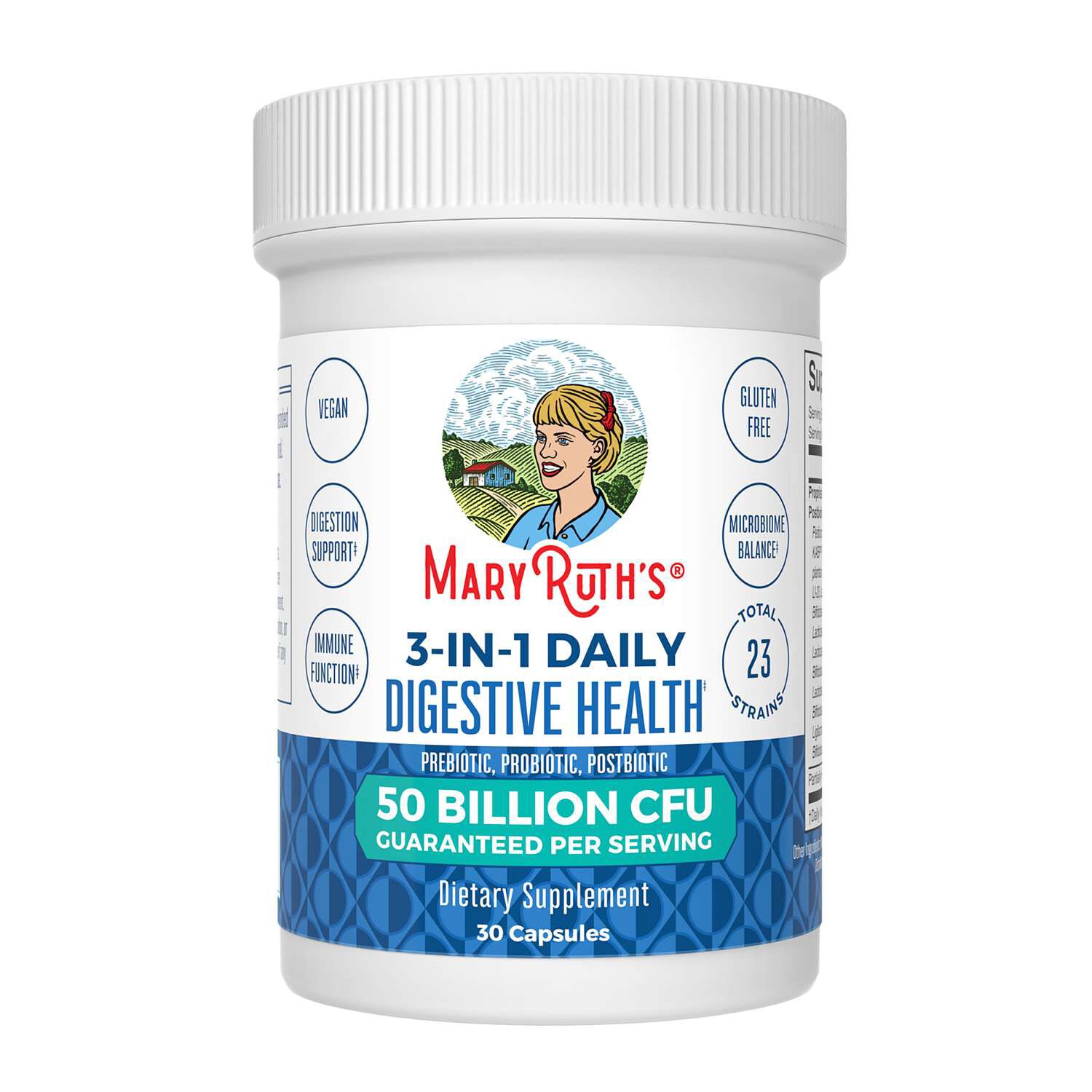
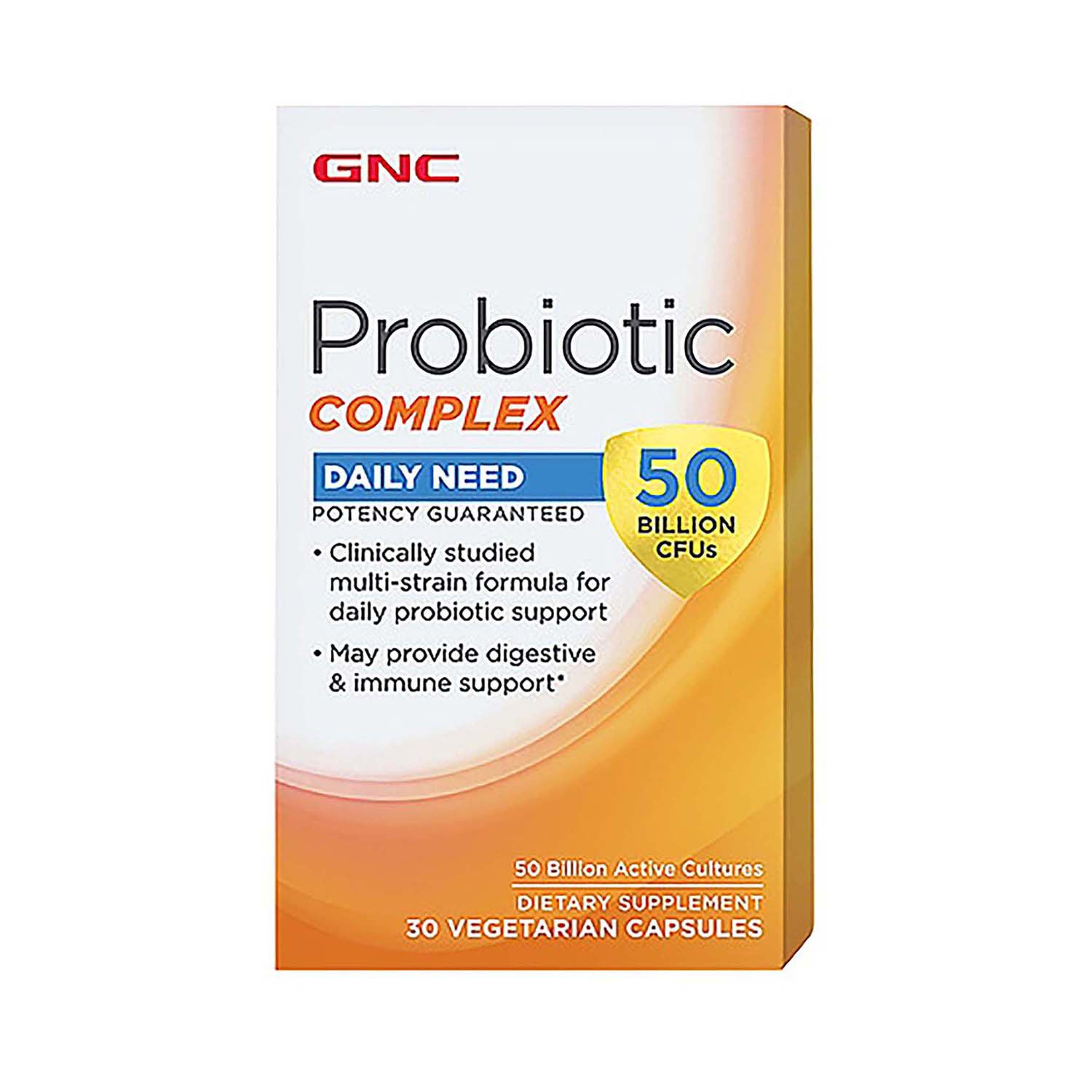
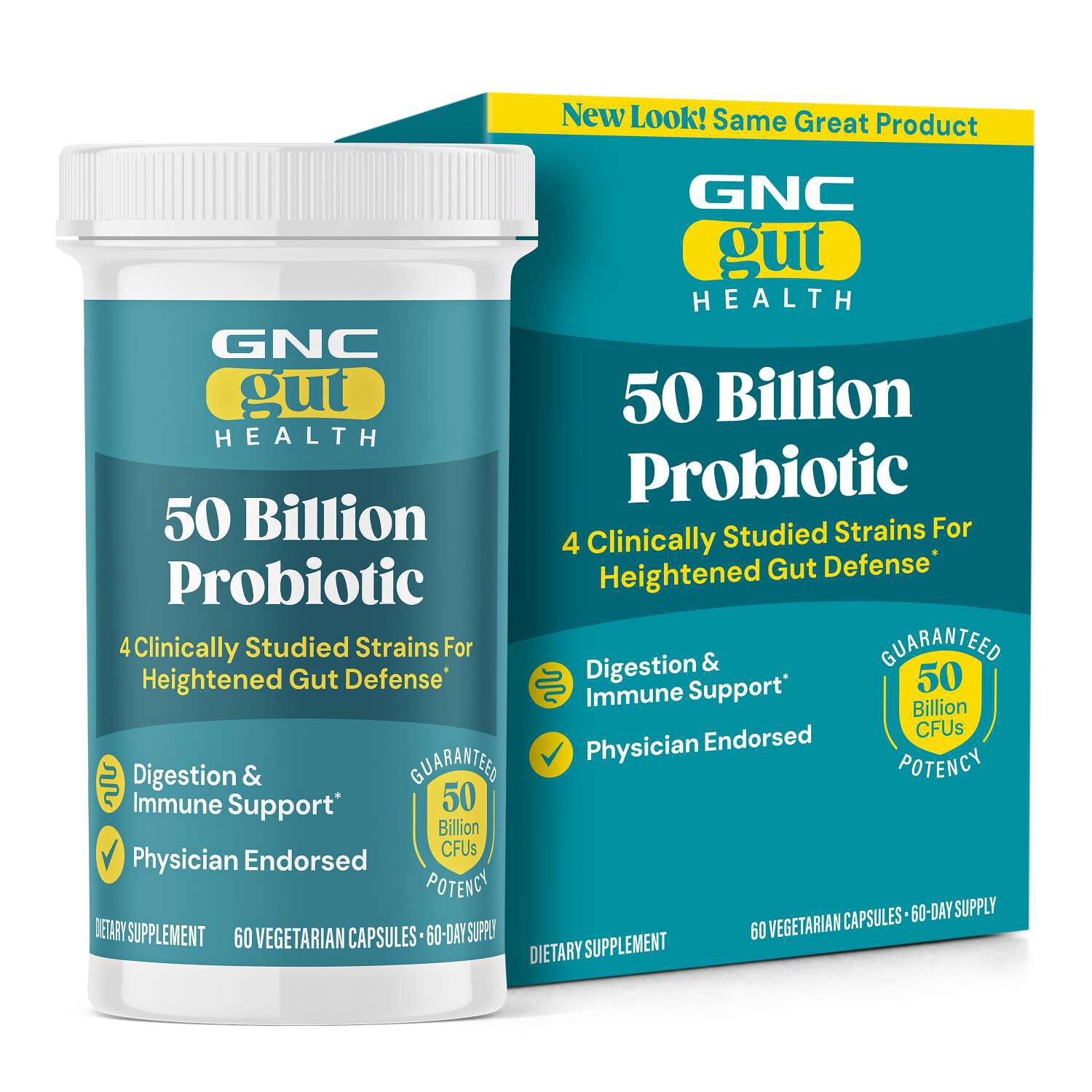

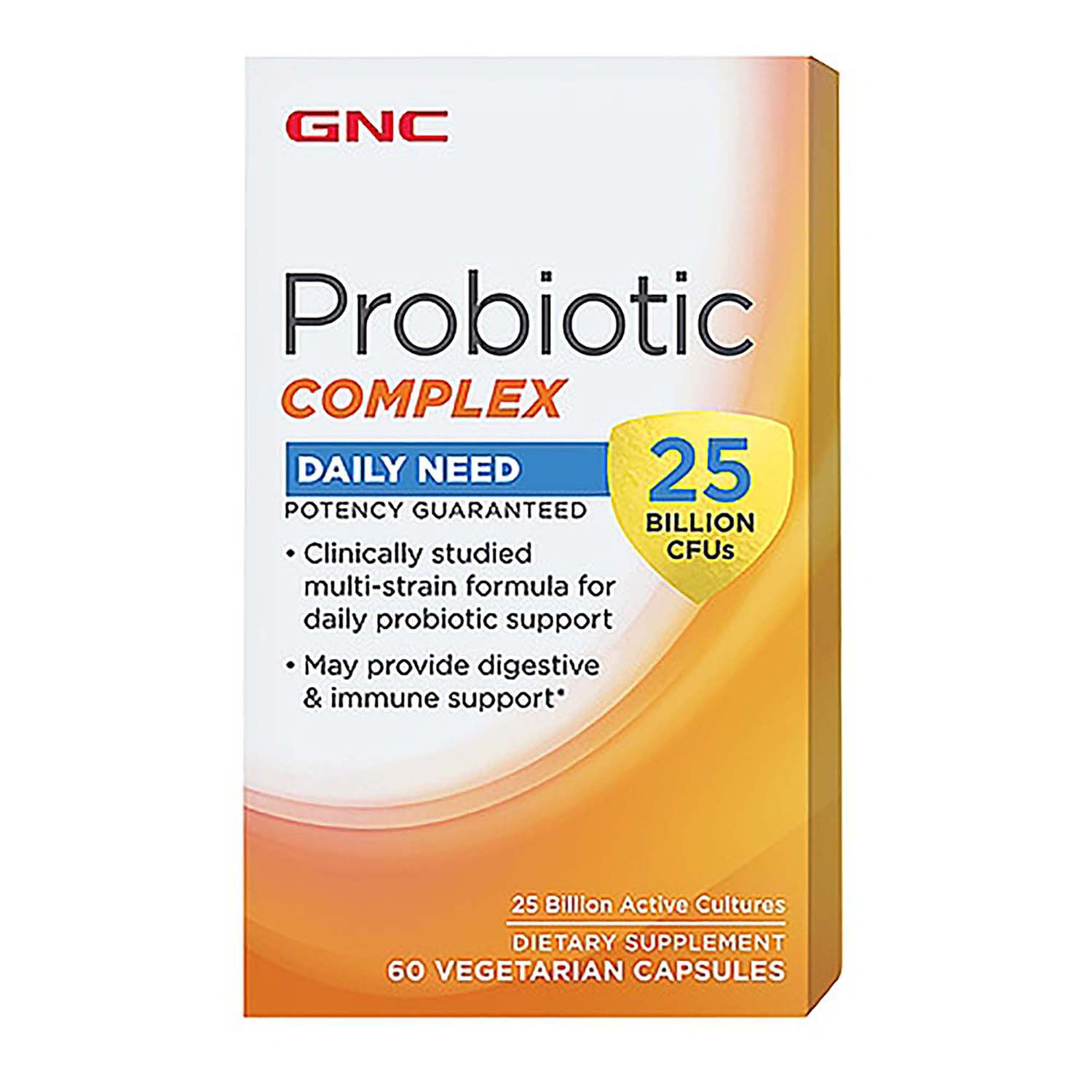
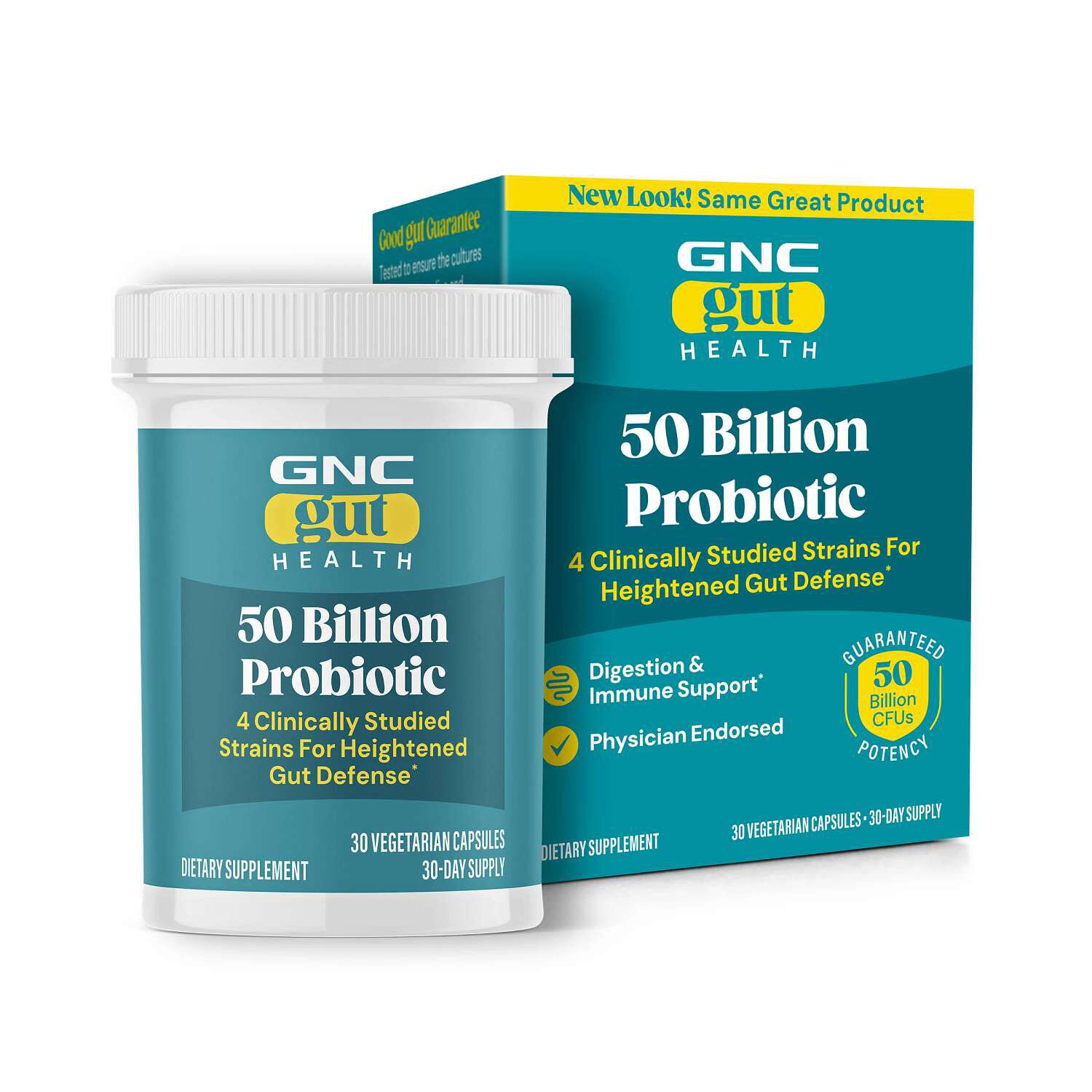
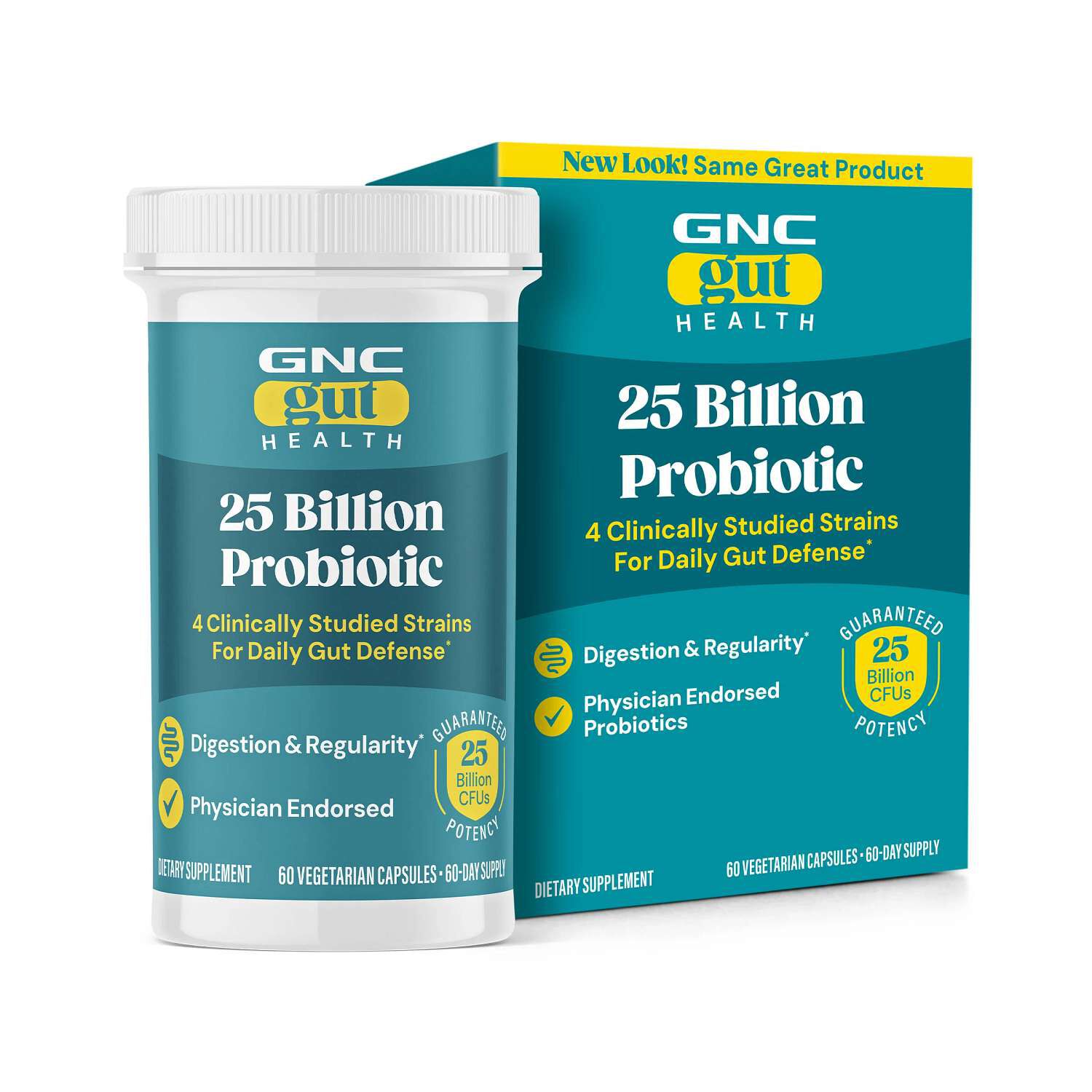


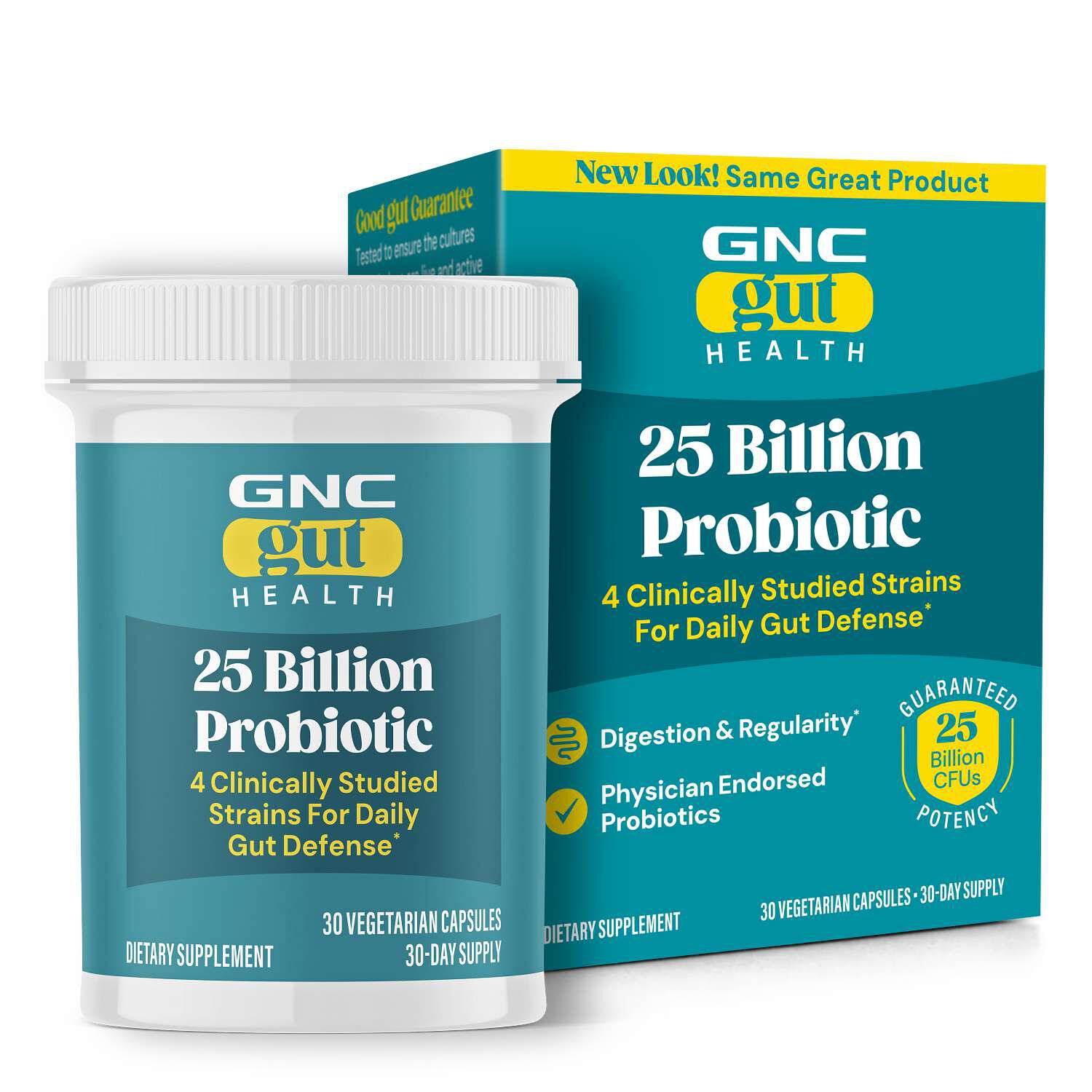
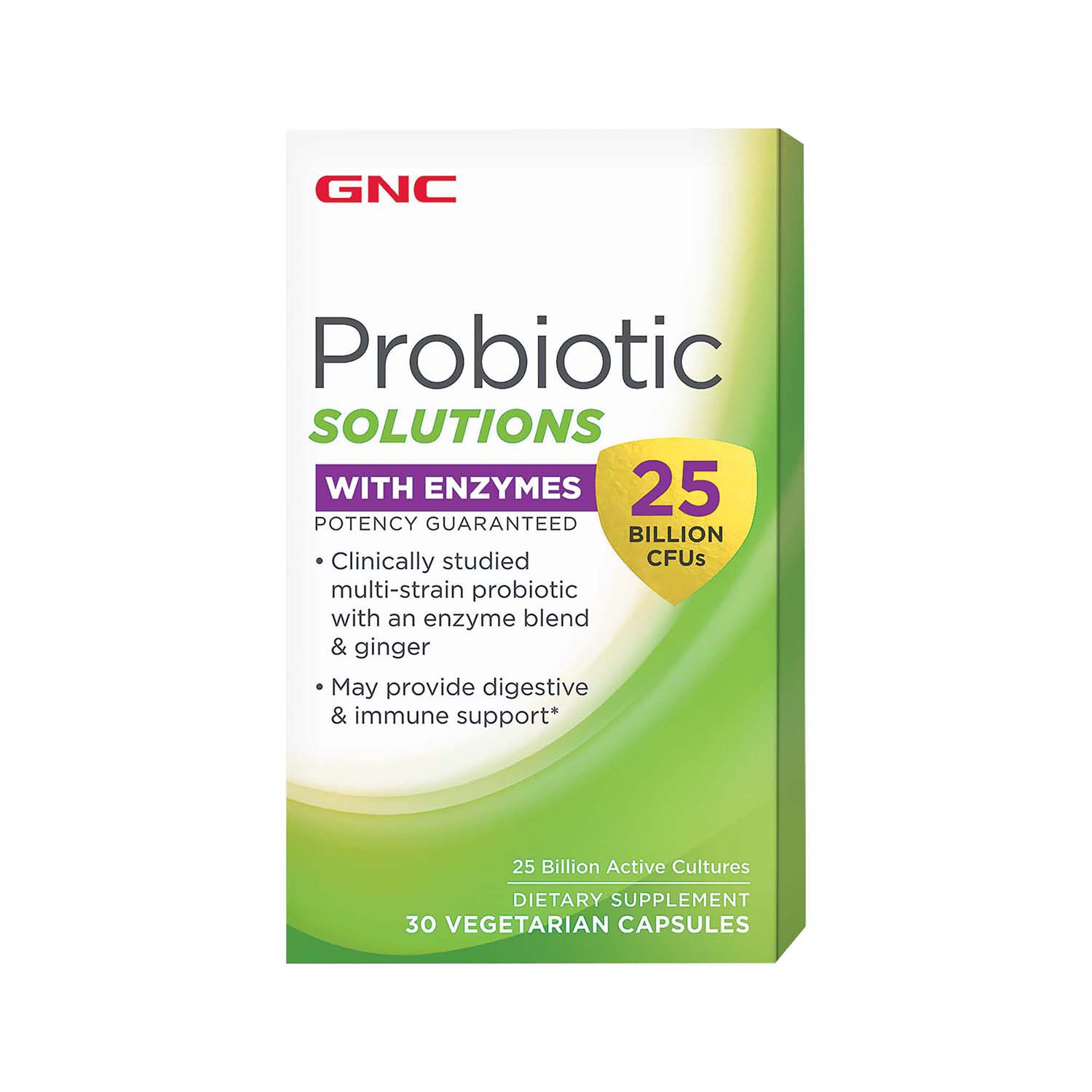

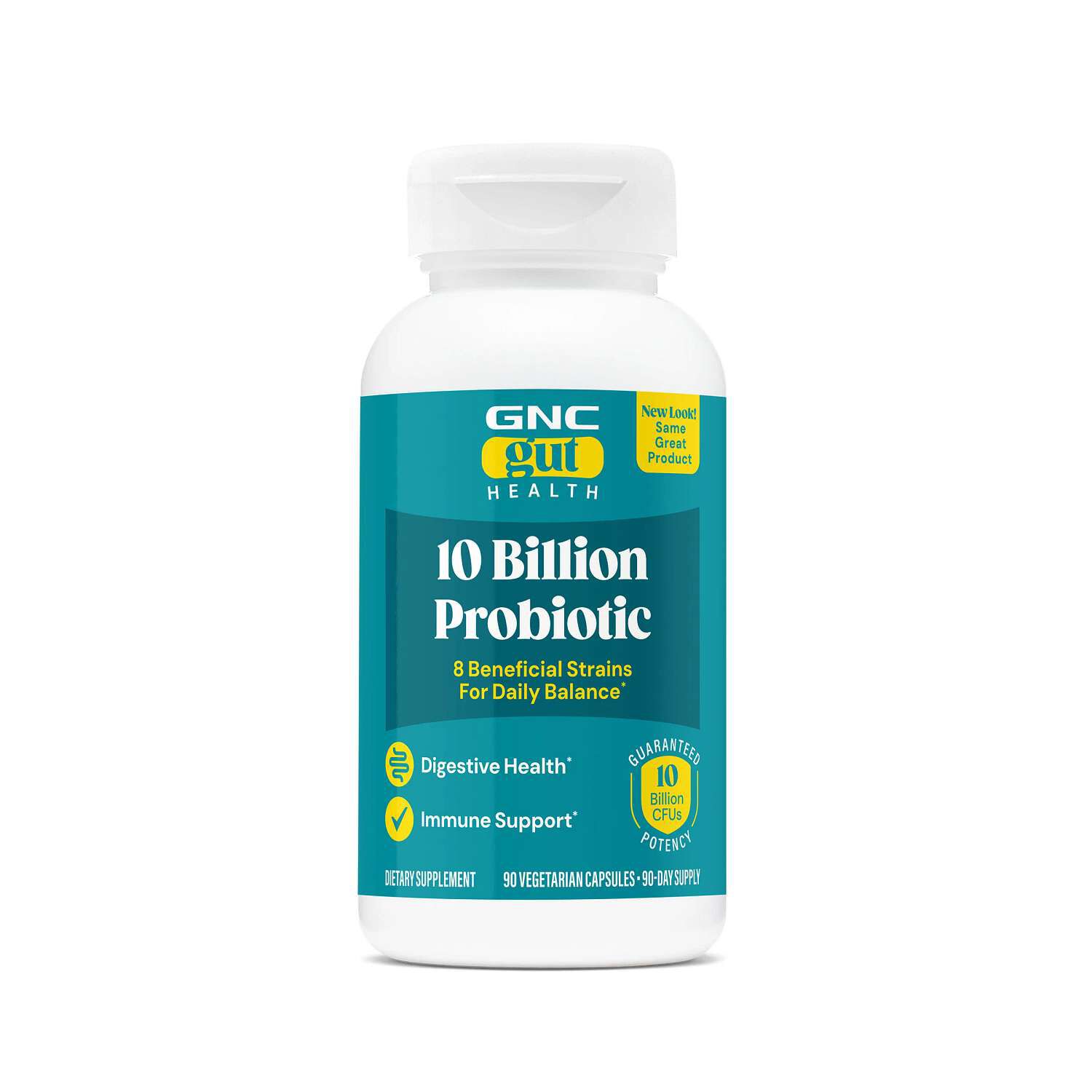
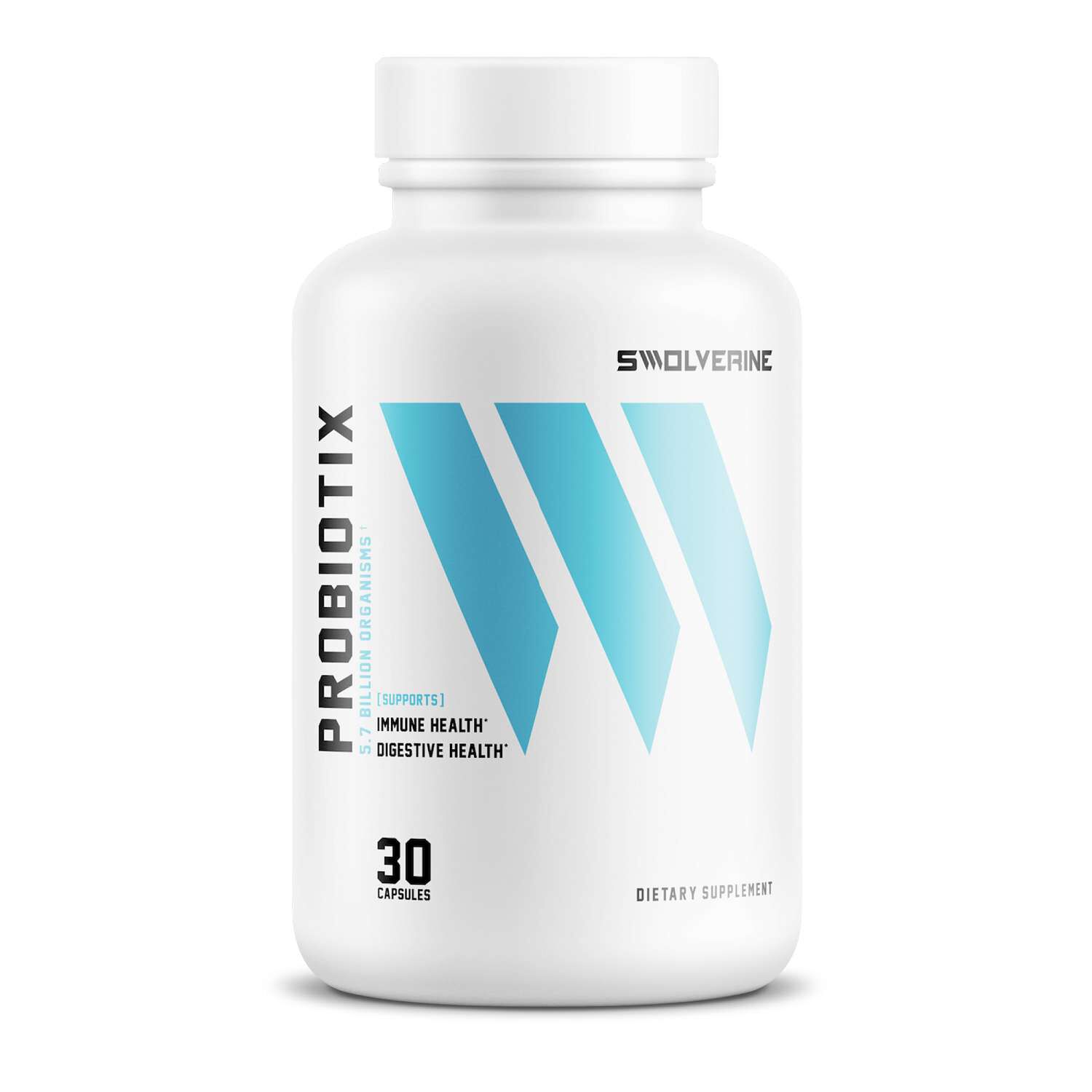

Probiotics are live microorganisms, commonly bacteria and certain yeasts, used in foods and dietary supplements. Probiotic supplements may support digestive balance and everyday immune wellness, although their suitability depends on the particular organisms, serving size, and person using them. The digestive tract is home to a diverse community of microorganisms known as the gut microbiome. That community provides context for products described as probiotics for digestive and immune health; the phrase refers to a broad supplement category rather than one uniform formula. Capsules, chewables, gummies, and powders offer different ways to include these microorganisms in an established routine. Some formulas contain one strain, while others combine several strains, and the full organism name matters more than a broad category name alone. A probiotic label may identify a genus, species, and strain designation, such as letters and numbers following the organism’s name. Those details help distinguish formulas that otherwise look similar on the front of the package. Lactobacillus and Bifidobacterium are examples of bacterial genera commonly listed on probiotic labels, while some supplements use yeast cultures. The amount of live organisms is often expressed as colony-forming units, or CFUs, a measure of viable microorganisms in a serving. A larger CFU number does not by itself establish that a formula is a better fit for a particular routine. The serving size belongs alongside that number, since a stated amount may refer to more than one capsule or chewable. Another distinction is whether the listed count applies at manufacture or through the expiration date under the stated storage conditions. Probiotic supplements also differ from fermented foods, even when both contain live cultures. Yogurt, kefir, and other fermented foods have their own ingredients and nutritional profiles, and fermentation alone does not establish the presence of a particular probiotic strain. Clearly identified cultures and readable label information make it easier to understand what a formula contains.
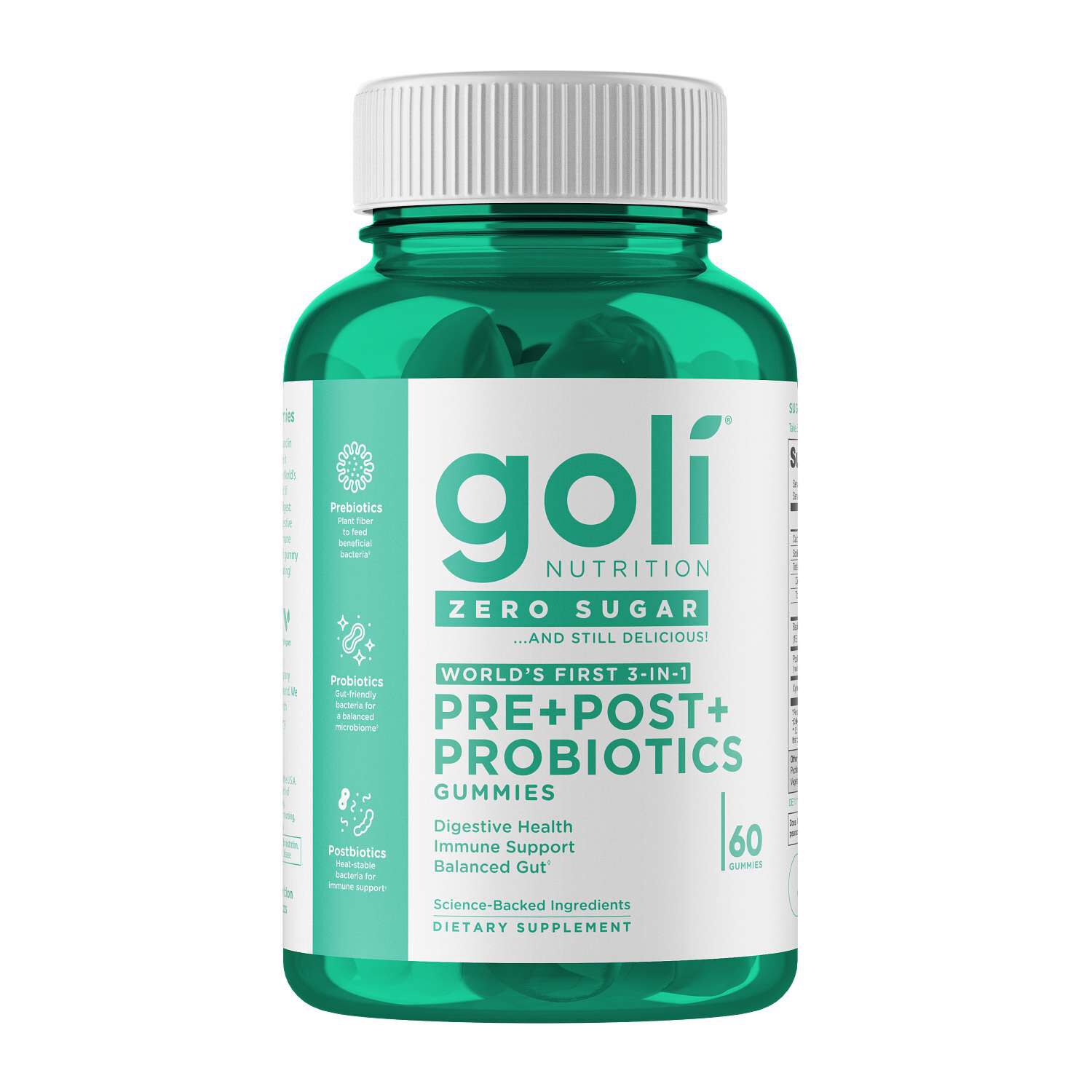
Format is a practical part of choosing probiotics for daily use. Capsules contain premeasured servings, while chewables and gummies introduce considerations such as flavor, texture, and added sugars. Powders may suit someone who prefers a mix-in rather than a capsule, but the mixing directions still matter, including the suggested food or beverage and any instructions about consuming a prepared serving promptly. A powder intended for a measured scoop is different from a single-serving packet, particularly when planning a routine away from home. Capsule shells may contain gelatin or plant-derived materials, so dietary preferences extend beyond the live cultures themselves. Other ingredients can include flavorings, sweeteners, binders, and materials used to protect the formula during storage. Ingredient lists and allergen statements are useful places to check for milk, soy, wheat, or other ingredients a shopper chooses to avoid. Terms such as probiotic, prebiotic, and synbiotic also describe different formulations. Probiotics contain live microorganisms; prebiotics are substances that certain microorganisms can use as nourishment. A synbiotic combines live microorganisms with a substrate intended for use by microorganisms in the body. Some formulas include added fiber, while others pair probiotic cultures with vitamins or minerals. Those combinations deserve a look at the entire Supplement Facts panel, not just the culture count on the front. Shoppers interested in combined formulas can explore Probiotic Multivitamins for Digestive Balance, while comparing each formula’s nutrient and culture information individually. When a routine already includes a multivitamin or another supplement, overlapping ingredients are another relevant consideration. A blend with more components is not automatically a more suitable choice than a simpler formula. Clear strain identification, a manageable serving size, compatible ingredients, and understandable directions provide more useful distinctions than a long ingredient list by itself. Taste and texture also deserve attention when choosing something intended for regular use, especially for shoppers who prefer an unflavored powder or a particular chewable consistency.
Everyday routines often shape which probiotic format feels practical. Someone who eats breakfast at home may prefer a bottle stored where the label directs, while someone who regularly packs meals may value individually packaged servings. A commuter carrying a prepared drink has different handling considerations from a person taking a capsule with a meal, and neither format should be assumed to share the same directions. Instructions about timing, food, mixing, and storage belong to the individual formula. Capsules should not be opened or crushed unless the label allows it, and a powder should not be measured with an ordinary kitchen spoon when a specific scoop or packet is required. Age guidance matters as well: an adult formula and a formula labeled for children are not interchangeable simply because both contain probiotics. Packaging can make these details easier to manage, whether through clearly printed directions, individually sealed portions, or a container designed for repeated opening. Because probiotic cultures are living microorganisms, storage is a meaningful part of product care. Some formulas require refrigeration, while others have different labeled storage requirements. The original container, a securely closed lid, and attention to moisture and light are practical considerations; a bathroom shelf beside a steamy shower may not match the package directions. An expiration date and storage statement are more informative than assuming every probiotic belongs in the refrigerator. For travel or a workday away from home, the package instructions should determine whether a particular format suits the planned setting. Package quantity also deserves a second look, since the number of capsules or gummies is not necessarily the number of servings. Probiotics may support a broader approach to digestive and immune wellness, but they are not substitutes for varied meals, hydration, movement, or sleep. A thoughtfully chosen formula is one whose ingredients, intended user, serving directions, and storage needs are clear enough to fit an ordinary day without unnecessary guesswork.
- Q: What are probiotic supplements?
A: Probiotic supplements contain live microorganisms, such as certain bacteria or yeasts. They are commonly found in digestive health and immune health supplement categories. - Q: What types of microorganisms are found in probiotics?
A: Common groups include Lactobacillus and Bifidobacterium bacteria, along with yeasts such as Saccharomyces boulardii. Probiotic labels typically identify the genus, species, and sometimes a specific strain designation. - Q: What does CFU mean on a probiotic label?
A: CFU stands for colony-forming units, a measurement used to estimate the number of viable microorganisms in a serving. Check the label to see whether the listed count applies at manufacture or through the expiration date. - Q: How are probiotics different from prebiotics?
A: Probiotics are live microorganisms, while prebiotics are substances, including certain fibers, that serve as food for microorganisms. Supplements that pair probiotics with prebiotics are often called synbiotics. - Q: What forms do probiotic supplements come in?
A: Probiotic supplements come in capsules, tablets, gummies, powders, and liquids. Some powders are packaged in individual packets, while other formats are designed to be swallowed or chewed.
Best Sellers
-
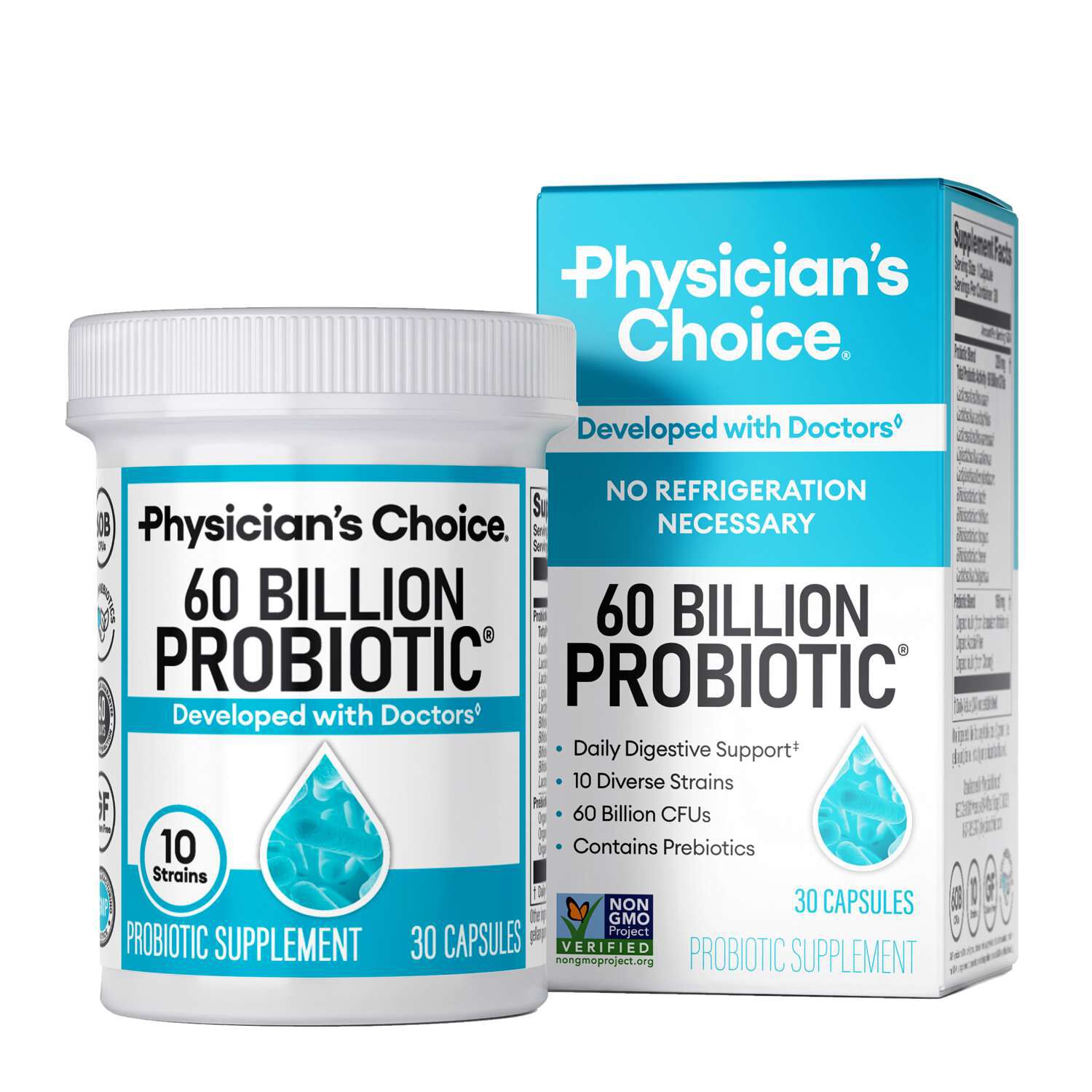 Physician's Choice
Related Pages
Top Collections
- Daily Collagen Supplements | Top Brands & Deals | GNC
- Cortisol Supplements
- Top Rated Collagen | Shop Customer Favorites | GNC
- Vitamins For Hair Loss
- NAD+ Supplement Tablets
- Peptide Supplements
- Best Brand of Magnesium Glycinate
- Protein Powders For Muscle Growth Support
- Vitamins That Help Support Weight Gain
- Peptide Supplements for Muscle Growth