Products For Digestive Health After Workouts
(0 Results)
Supporting your wellness goals after exercise may involve more than just muscle recovery—your digestive system could also benefit from targeted care. Products for digestive health after workouts are designed to complement your active lifestyle and may help you feel your best as you refuel and recharge. Whether you’re seeking options that may support nutrient absorption or promote overall digestive comfort, explore a range of choices that fit seamlessly into your post-workout routine.
-

-

-

-
-

-
-

-
-

-

-
-
-
-

-

-
-

-
 209$34.99
-

-
 208$12.99
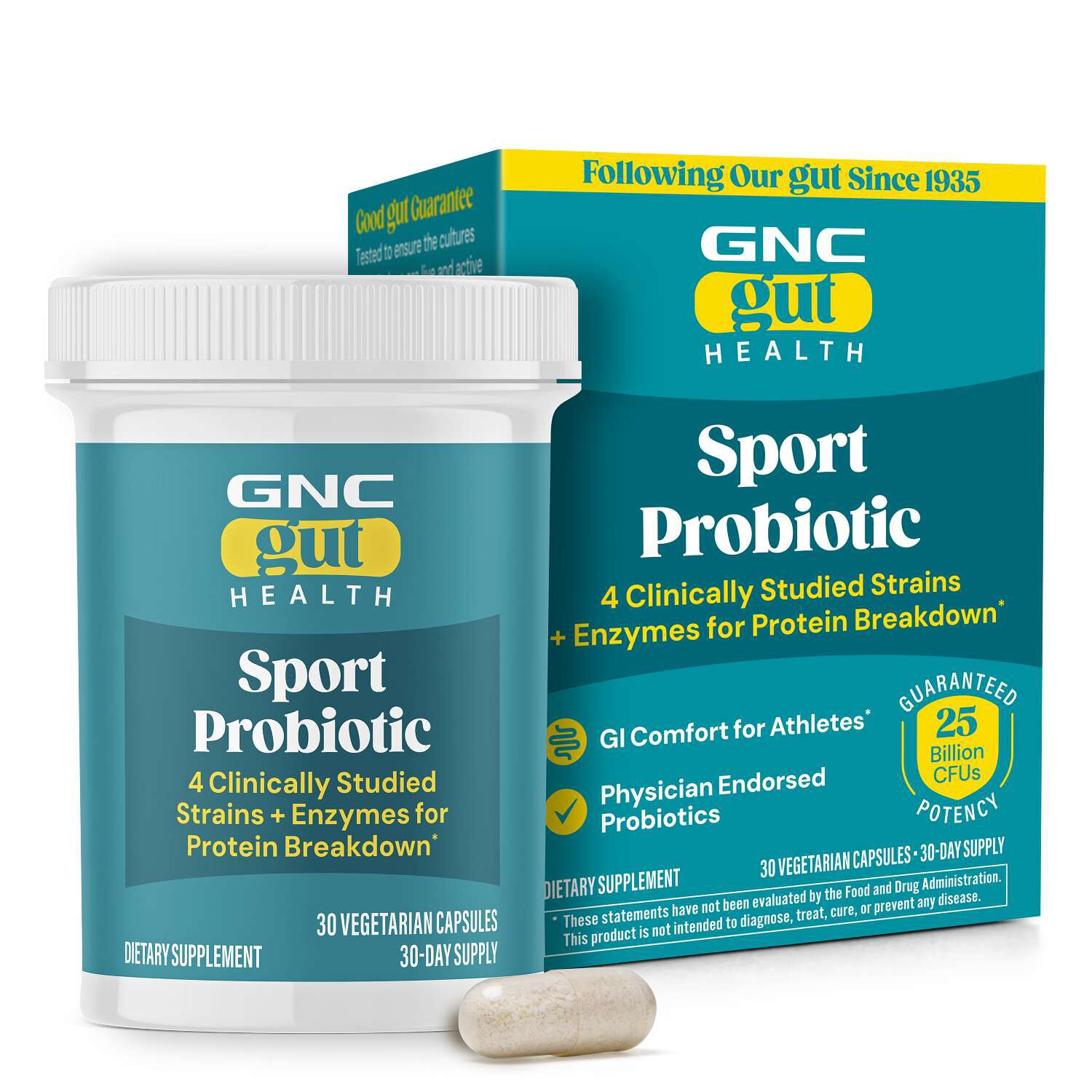
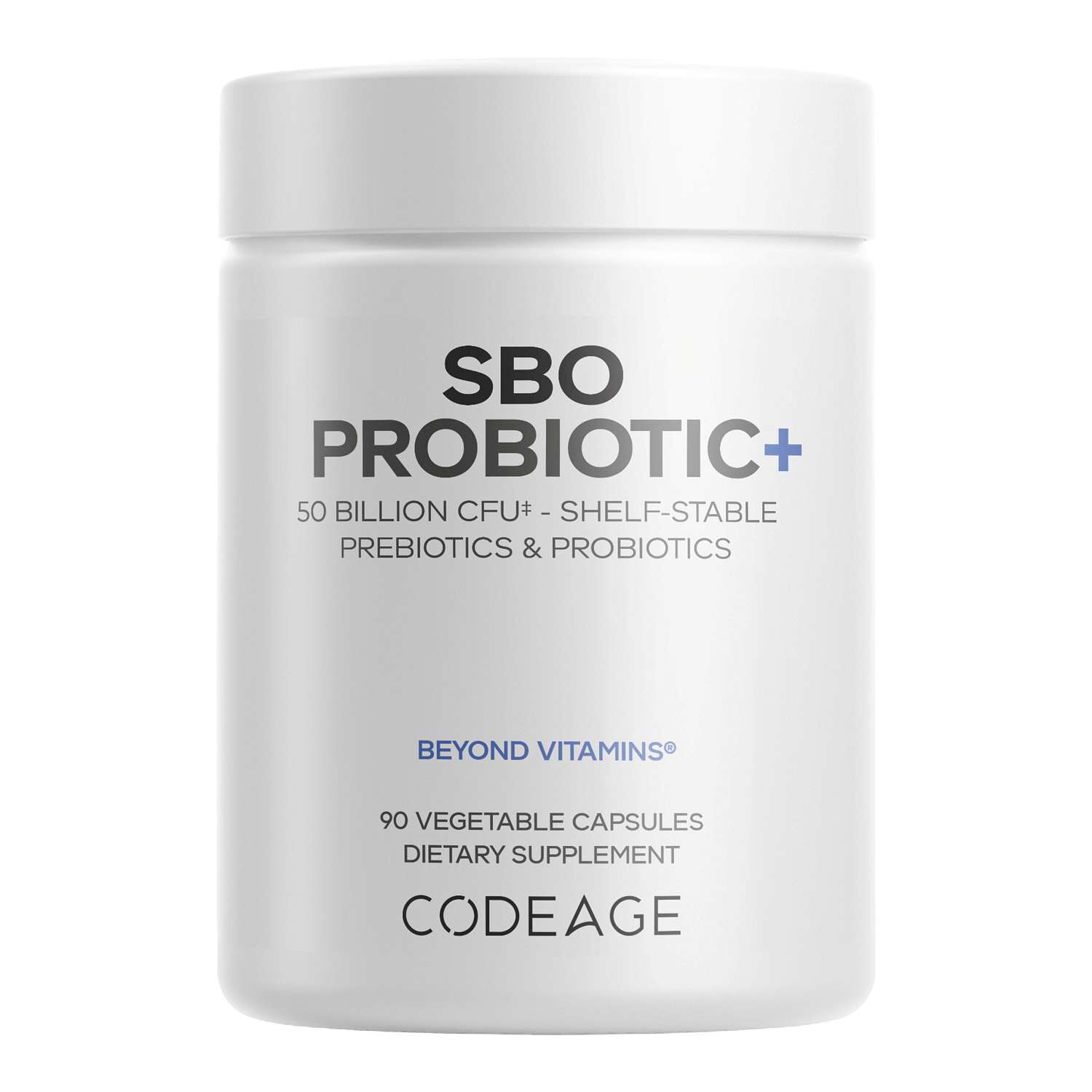
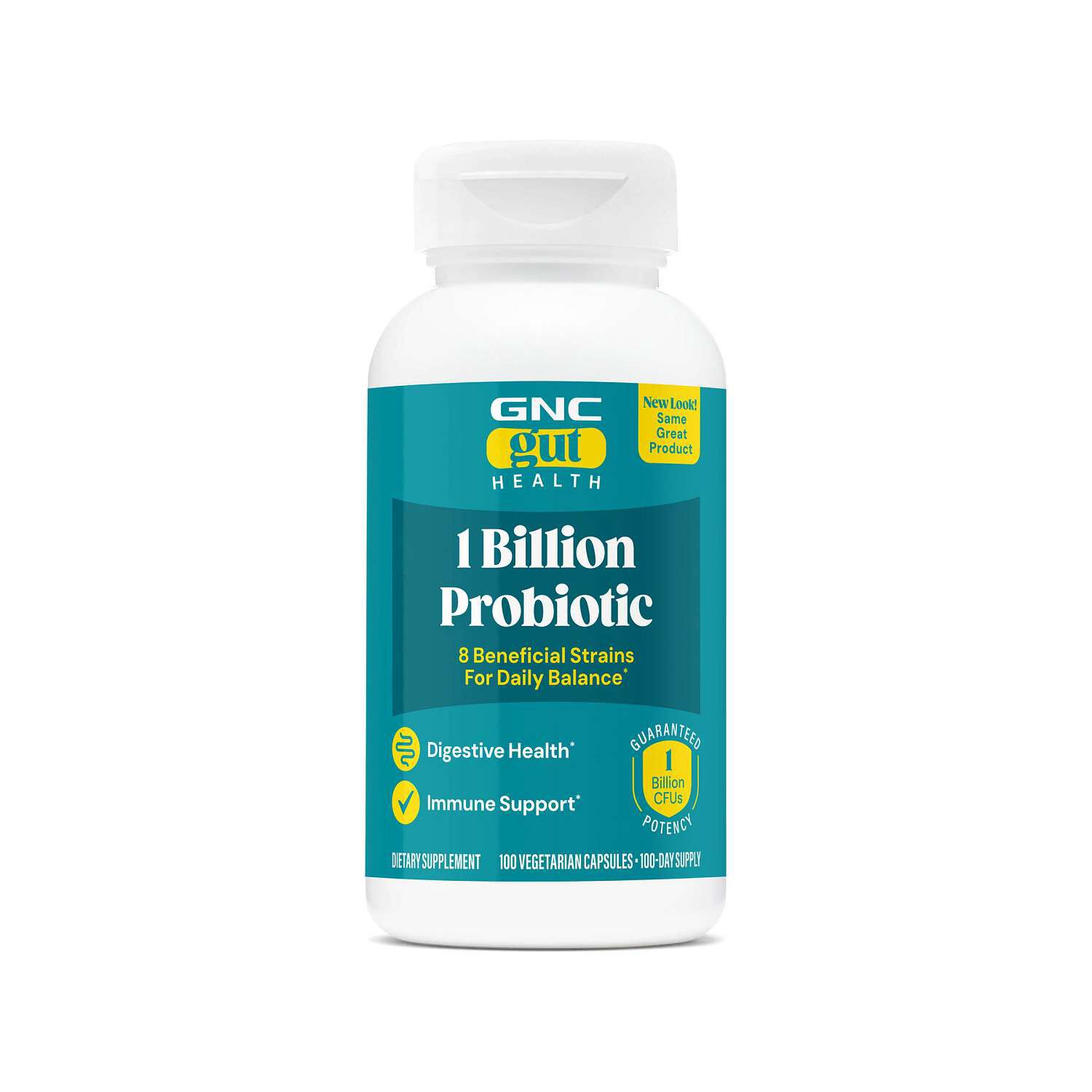

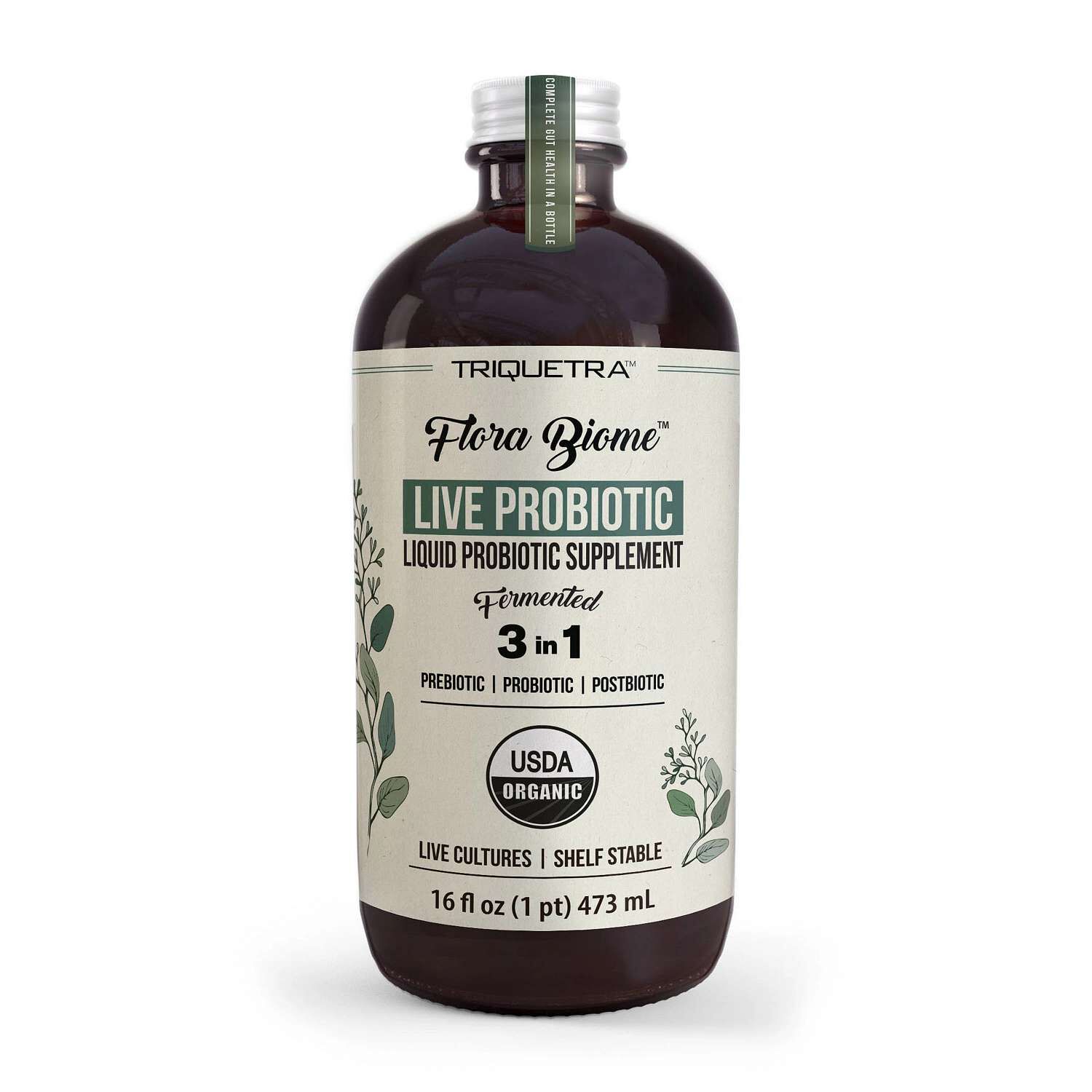
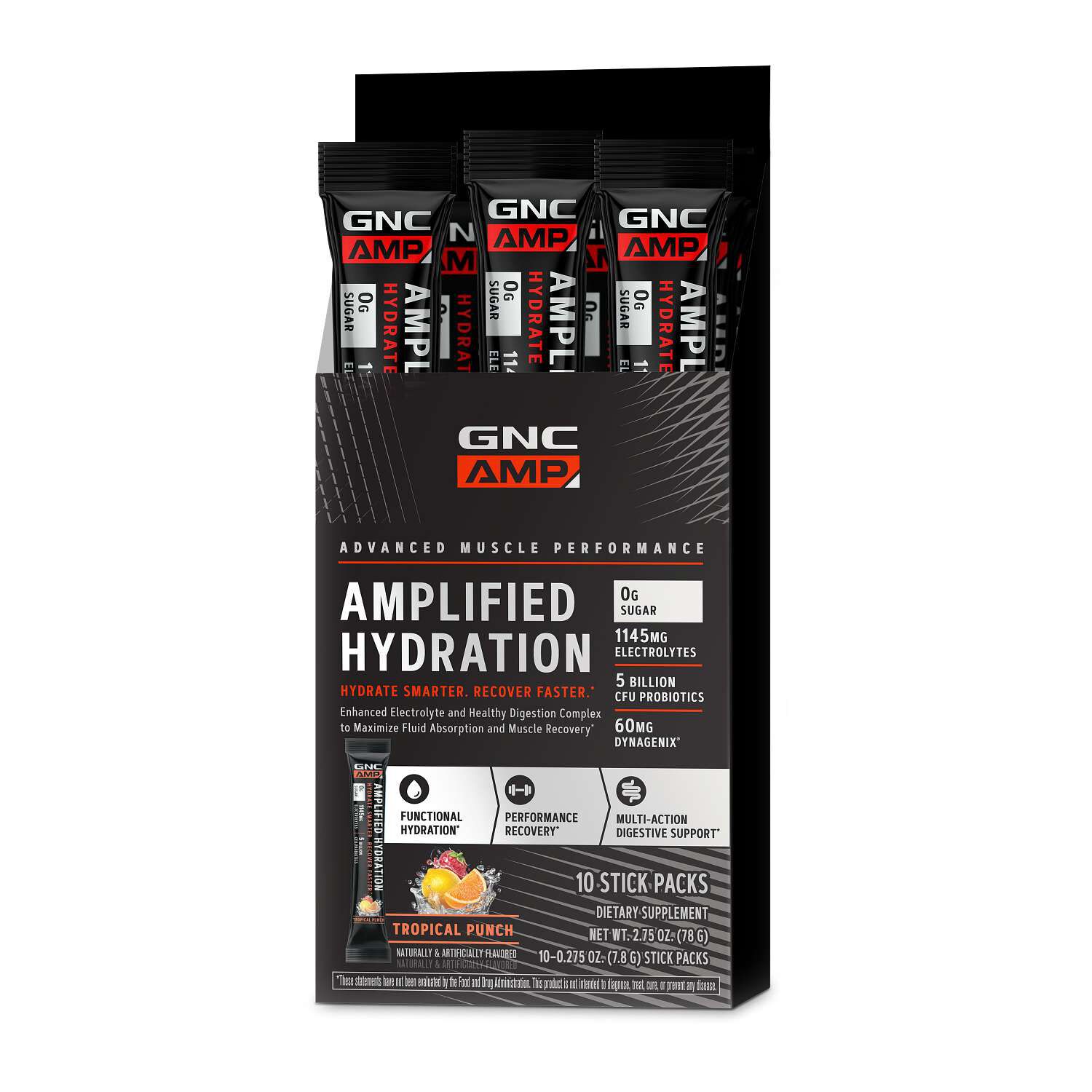
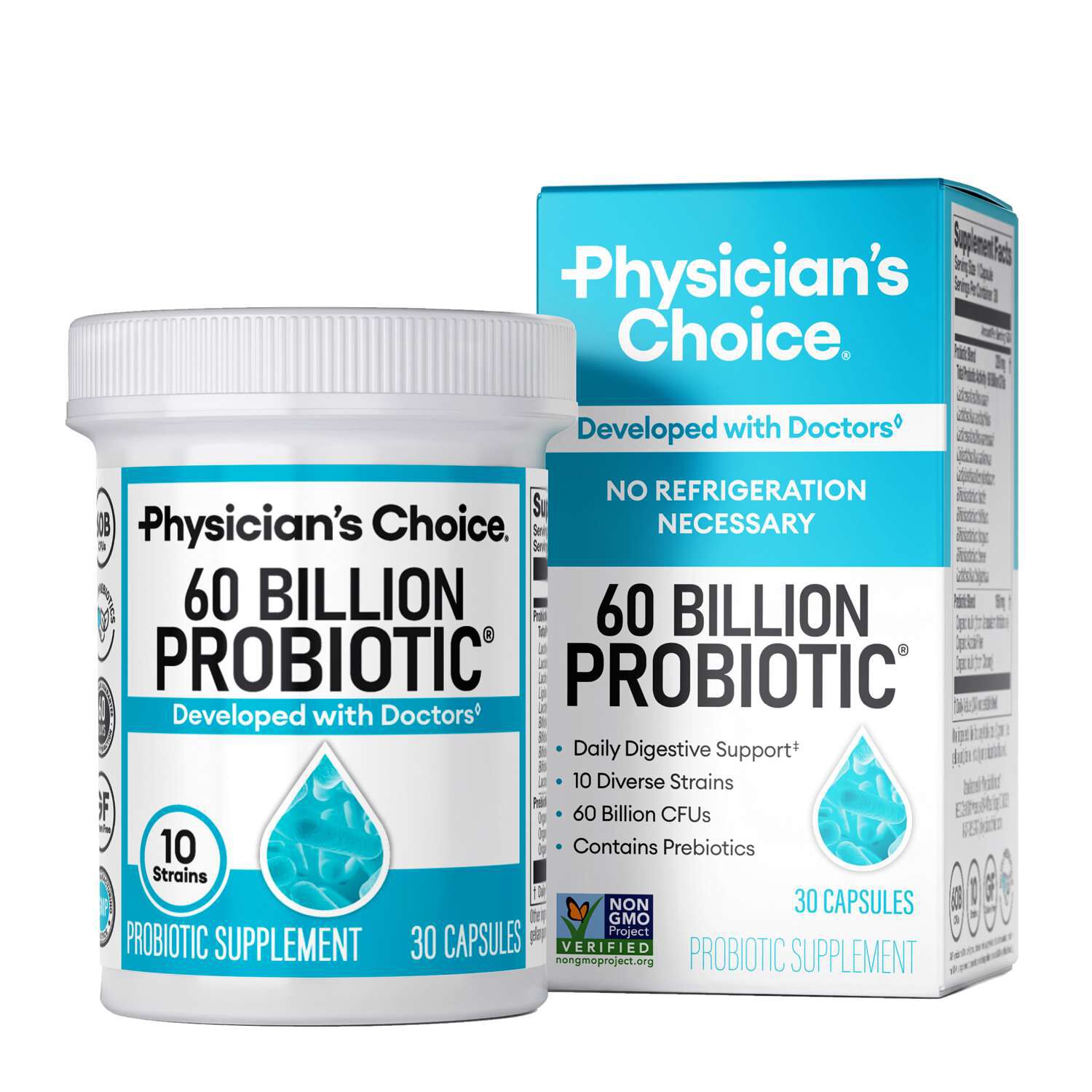
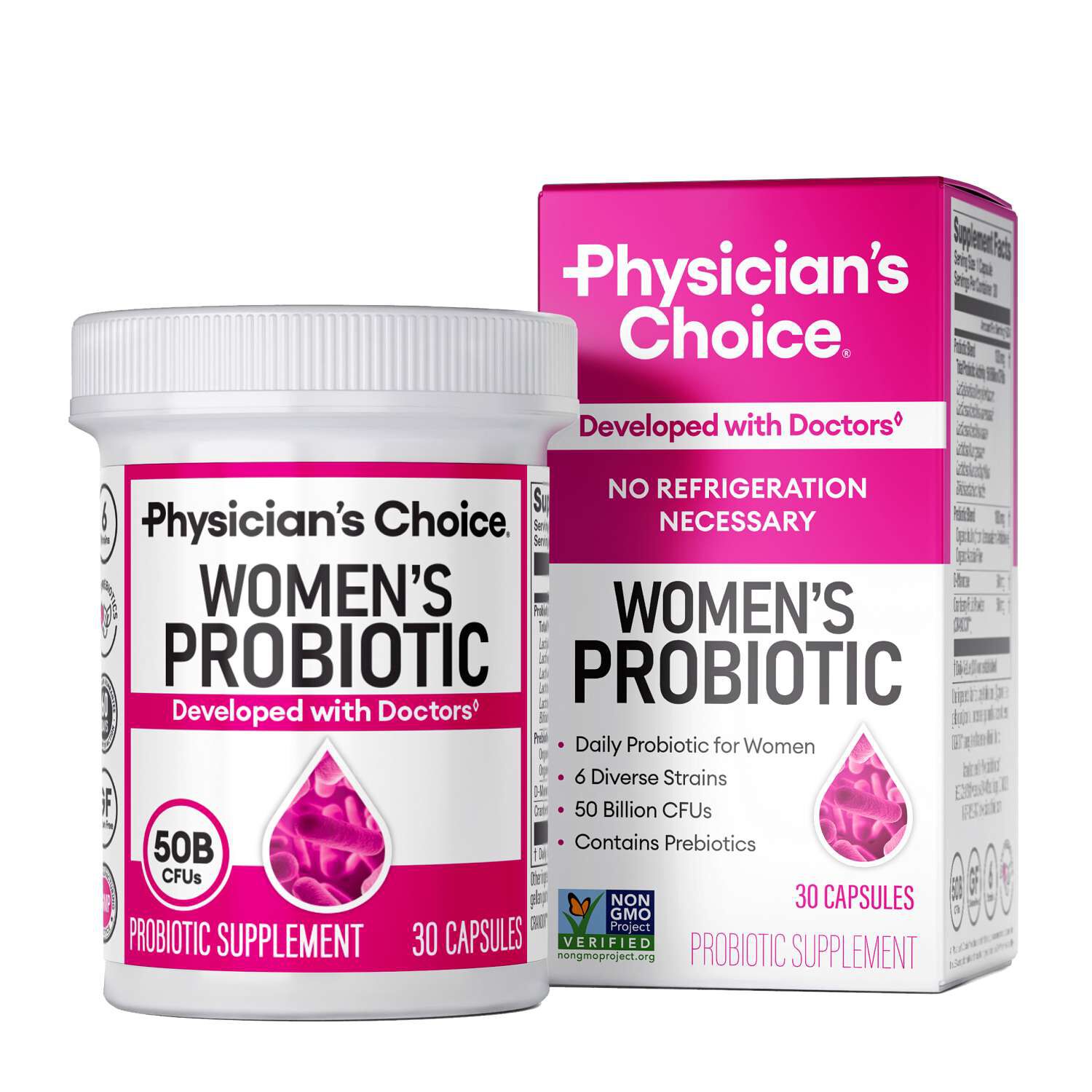
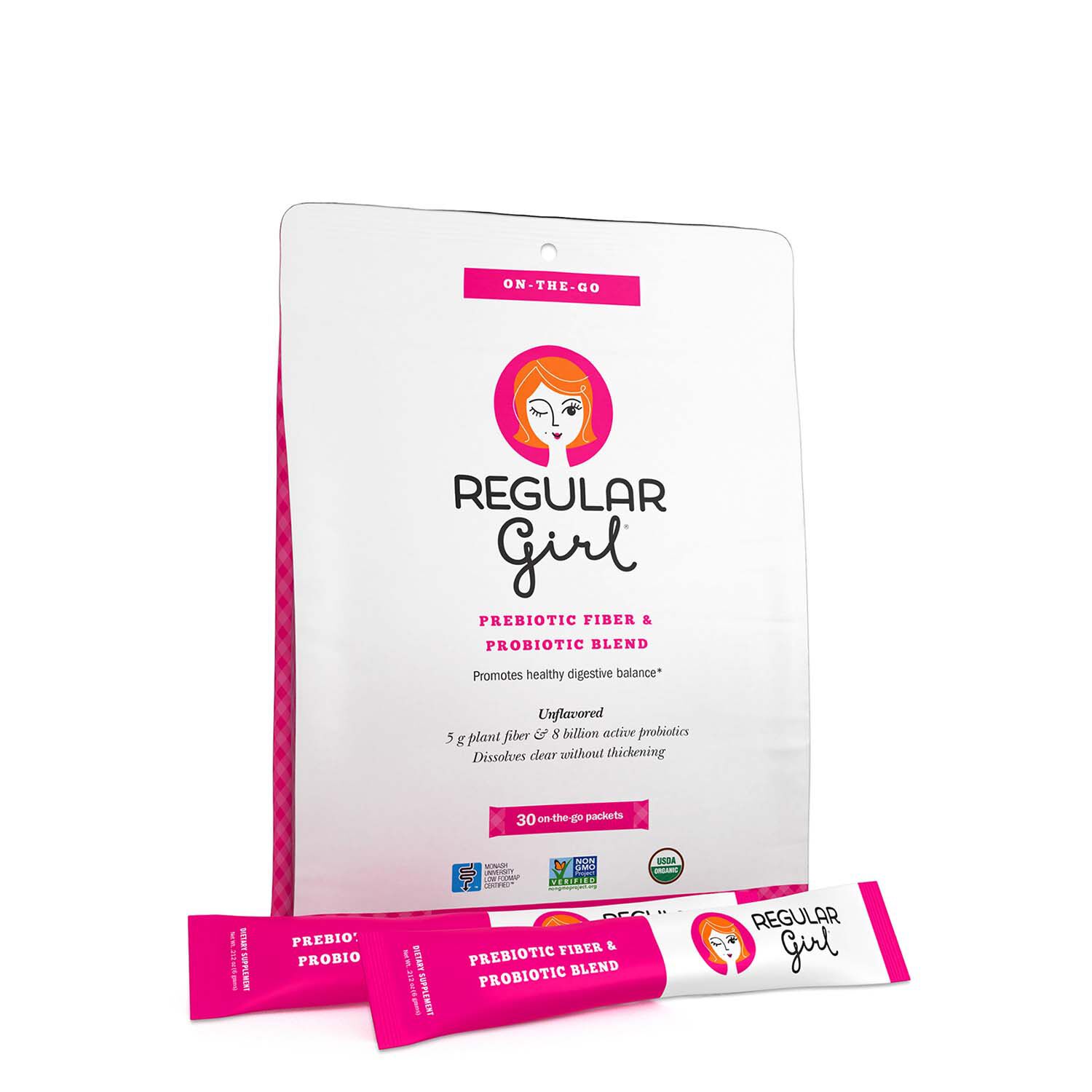
Products for digestive health after workouts can include probiotic supplements, powders made with prebiotic fiber, digestive enzyme formulas, and blends that combine these ingredients. They share a place in the digestive health aisle, but the terms on their labels describe different things. The gut microbiome is the community of microorganisms in the digestive tract. Probiotic formulas contain live microorganisms and may identify them by genus, species, and strain. Prebiotic fibers are ingredients that certain gut microbes can use as a food source. Digestive enzymes are proteins involved in breaking down components of food, and enzyme formulas may list different ingredients depending on whether the focus is on carbohydrates, protein, or fat. That distinction matters when two packages use similar language on the front but contain very different formulas. A fiber powder may list grams of dietary fiber per serving, while a probiotic label may use colony-forming units to indicate a count of viable microorganisms. An enzyme label may use activity units, which describe something different from the weight of an ingredient. Those numbers describe what's in the serving; they aren't interchangeable ways to compare formulas. The directions also help explain where a product may fit. Some labels describe a serving with a meal, while others list a daily serving without referring to exercise. In this category, “after workouts” often describes the part of the day when a shopper is thinking about digestion, food, and fluids, rather than a timing rule that applies to every formula. For one person, that part of the day is breakfast after a run. For another, it's dinner after leaving the weight room. Both may be shopping the same category with different routines in mind.
The format can make as much difference to the shopping decision as the ingredient list. A powder may suit someone who comes home from a ride, sets a glass on the kitchen counter, and has time to measure and stir. A capsule or chewable may be a better fit for someone who showers at the gym and heads straight to work without a shaker in the bag. Powders can vary in serving size, flavor, and how much liquid the directions call for. An unflavored option may appeal to a shopper who already has a drink they like after training, while a flavored powder may appeal to someone who plans to mix it with water on its own. A plain capsule takes flavor out of the decision, but the capsule material still may matter: shells can be made with gelatin or plant-derived ingredients. Chewables have their own considerations, including texture, flavor, and the sweeteners listed on the package. Ingredient and allergen statements can help distinguish formats that otherwise look similar, especially for shoppers who already look for particular ingredients in their everyday foods. Serving size is another detail that isn't always obvious from the front of the container. A bottle's capsule count is not necessarily its serving count, and a single scoop is not the serving for every powder. Even a blend that looks convenient at first glance may be less suited to someone's routine than a formula with just one type of ingredient, particularly if that shopper already uses another powdered supplement in the same part of the day. A short ingredient list may make it easier to see how the two fit together without having to compare several overlapping blends.
Storage and packaging are part of the fit, too. A wide tub and scoop may work well next to the glasses at home, while individually portioned packets may take up less room in a bag that already has shoes, a change of clothes, and a water bottle. But a compact container isn't necessarily a better choice for carrying around if its label calls for refrigeration. Some formulas are labeled for pantry storage, while others have different directions before and after opening. A lid that closes securely can matter for a container that gets opened often, especially when the label calls for keeping a powder dry. The date on the package is another useful point of comparison for shoppers who expect to use something only on certain training days rather than as part of a daily routine. On some probiotic labels, the listed count refers to the time of manufacture; on others, it applies through the date printed on the package when the product is stored as directed. That detail may be more useful than a larger number on the front of the bottle. How a product fits into the rest of the day can also matter more than how close it sits to the end of a workout. Someone who lifts during a lunch break may look for a format that fits with lunch at a desk, while someone who plays in an evening league may be comparing options to keep at home near the dinner table. For a related selection, browse Gut Health Supplements For Active Lifestyles. Across both selections, the useful distinctions are often the everyday ones: what's in a serving, how it's prepared, where it's stored, and whether the format makes sense for the way a shopper actually eats and trains.
Best Sellers
-
Physician's Choice