Protein For Wellness Routines
(0 Results)
Protein for wellness routines could be an essential part of supporting an active lifestyle and overall well-being. Whether you’re looking to fuel your day, complement your fitness plan, or simply add more balanced nutrition to your meals, exploring different protein options may help you reach your wellness goals. Discover a variety of protein choices that might fit seamlessly into your daily routine and support your journey toward feeling your best.
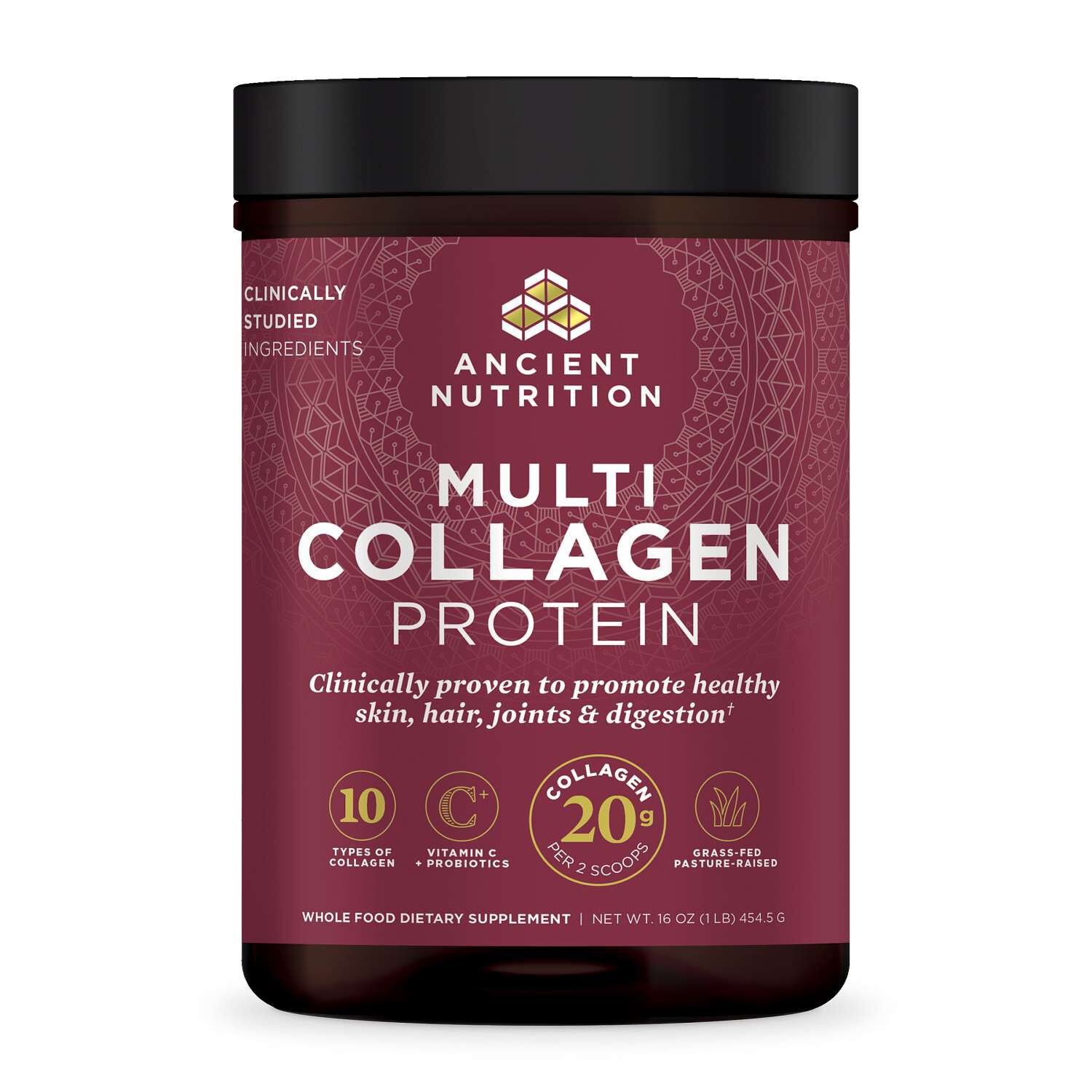


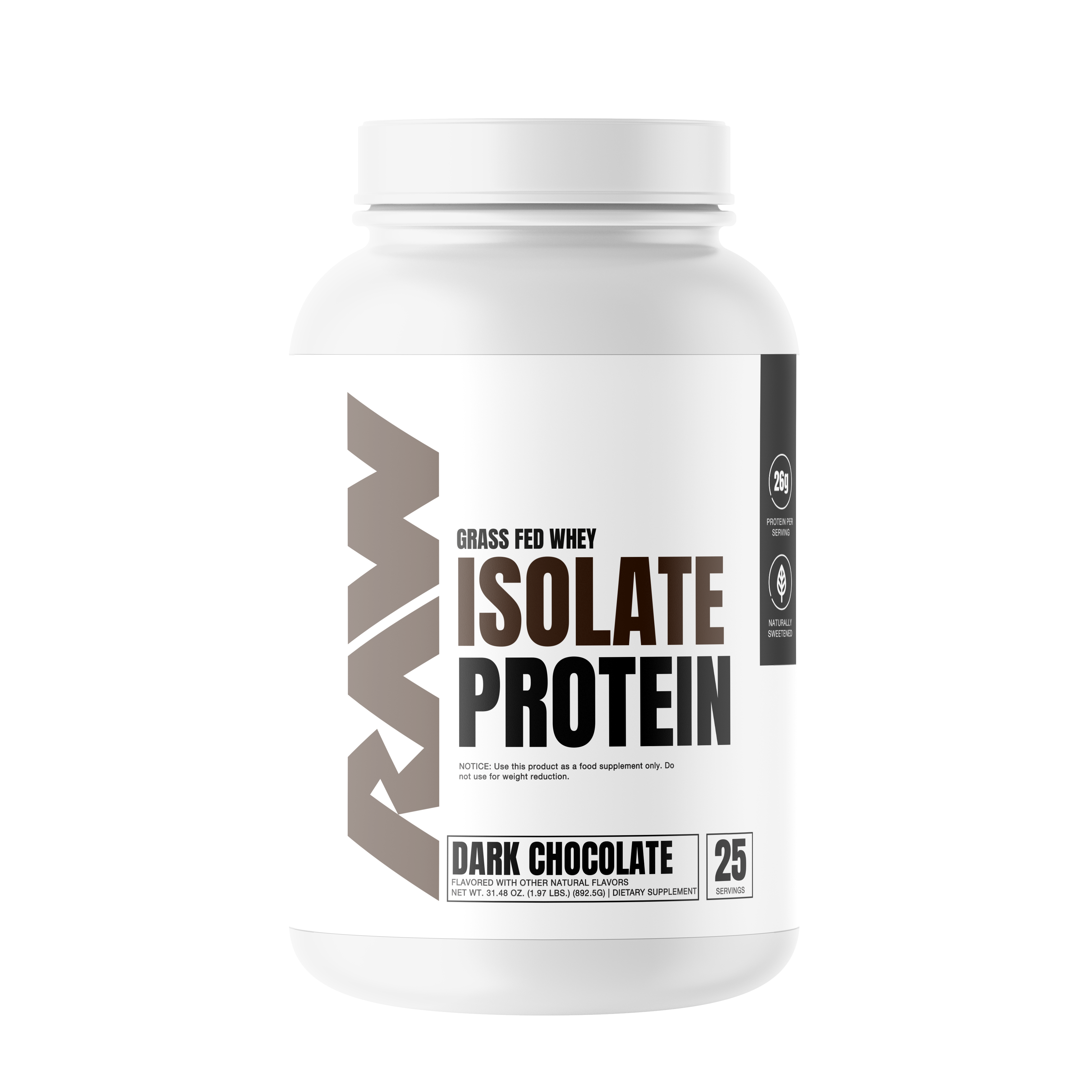


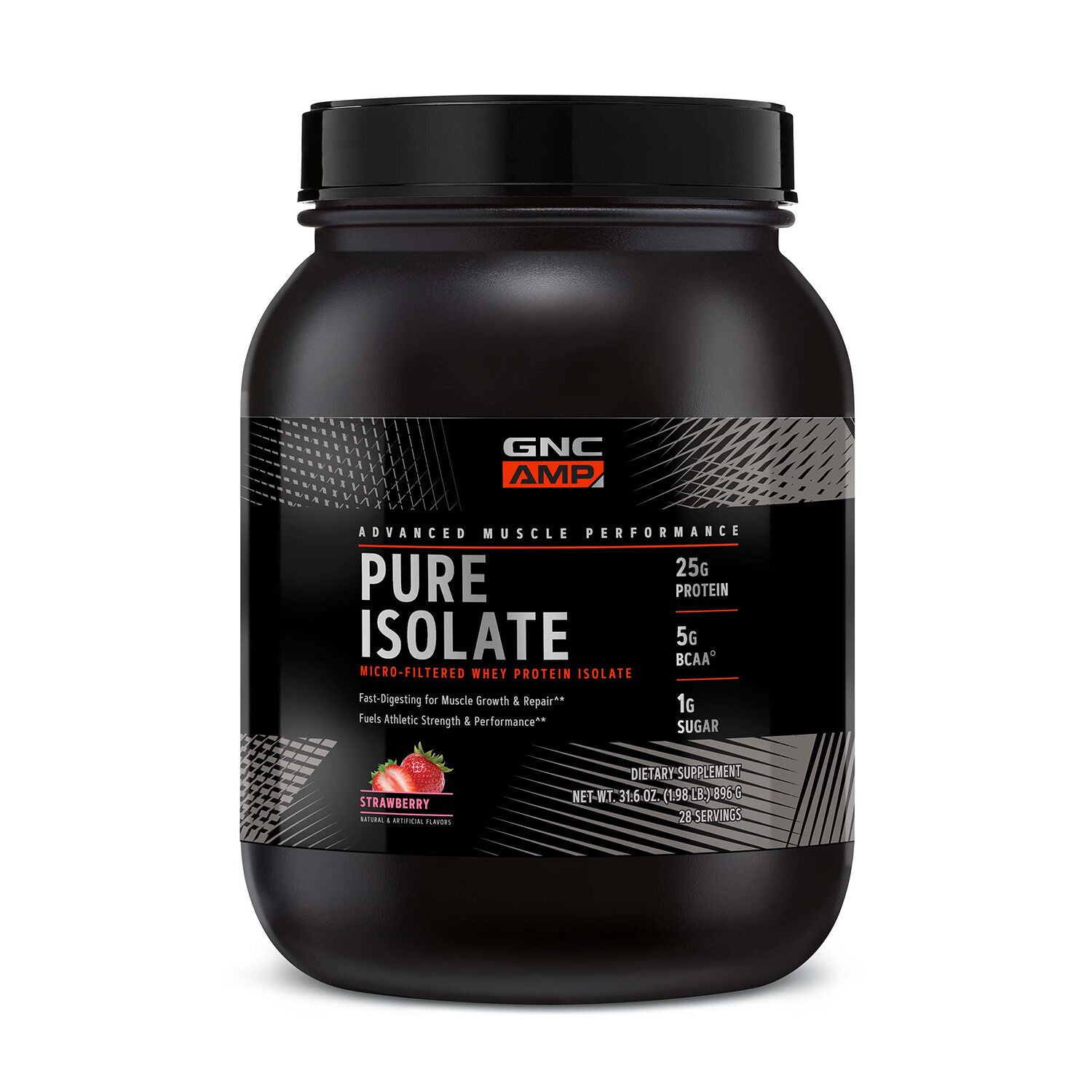


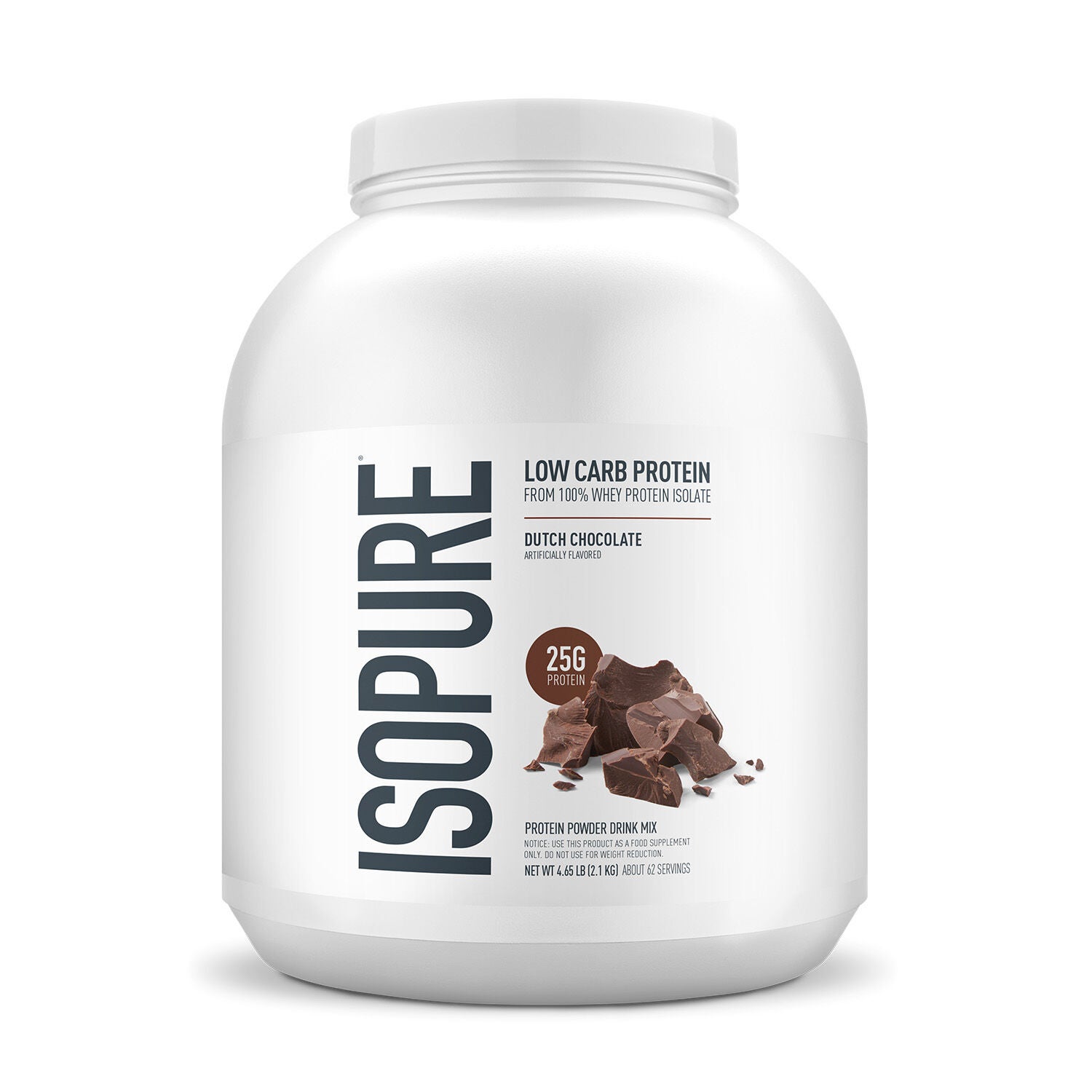

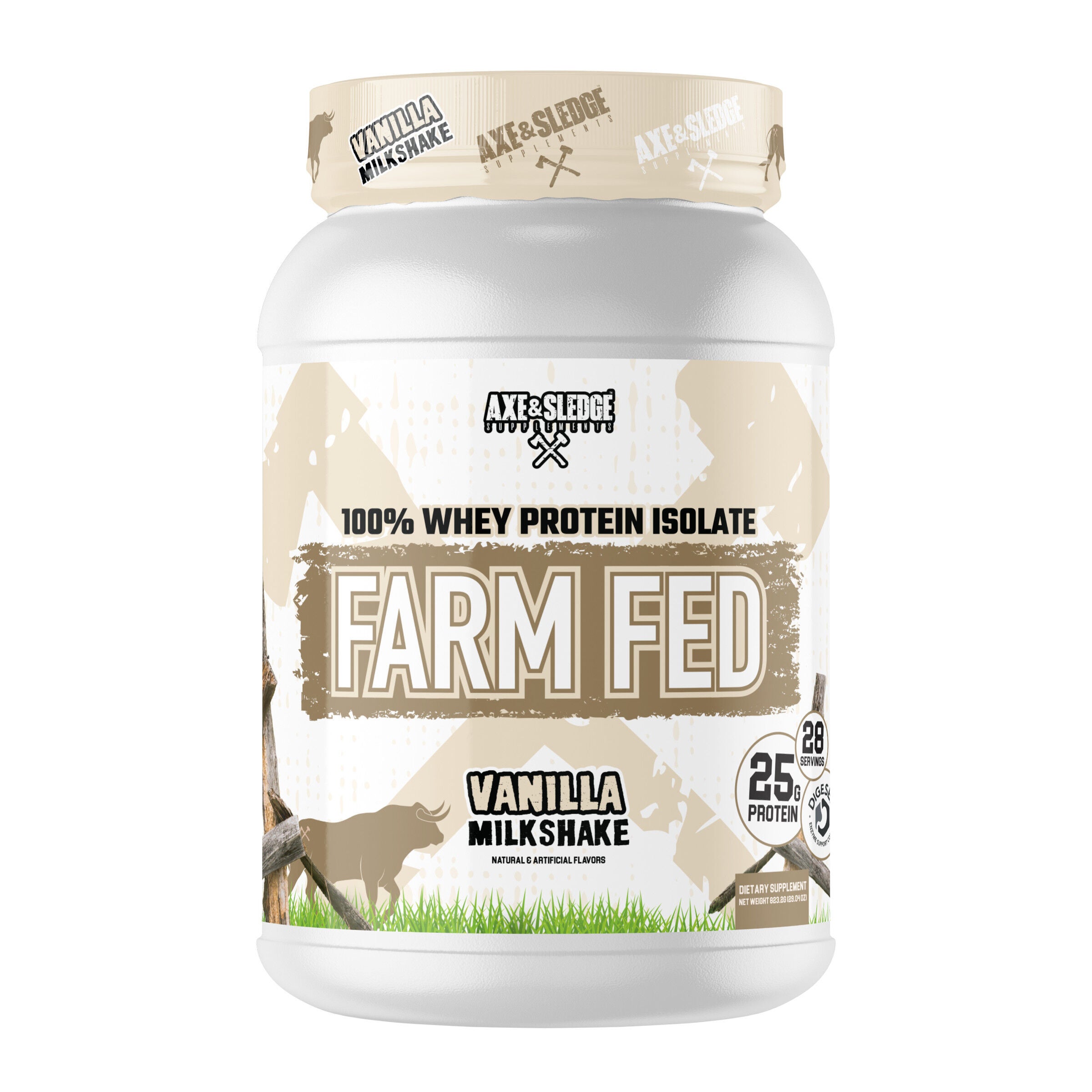

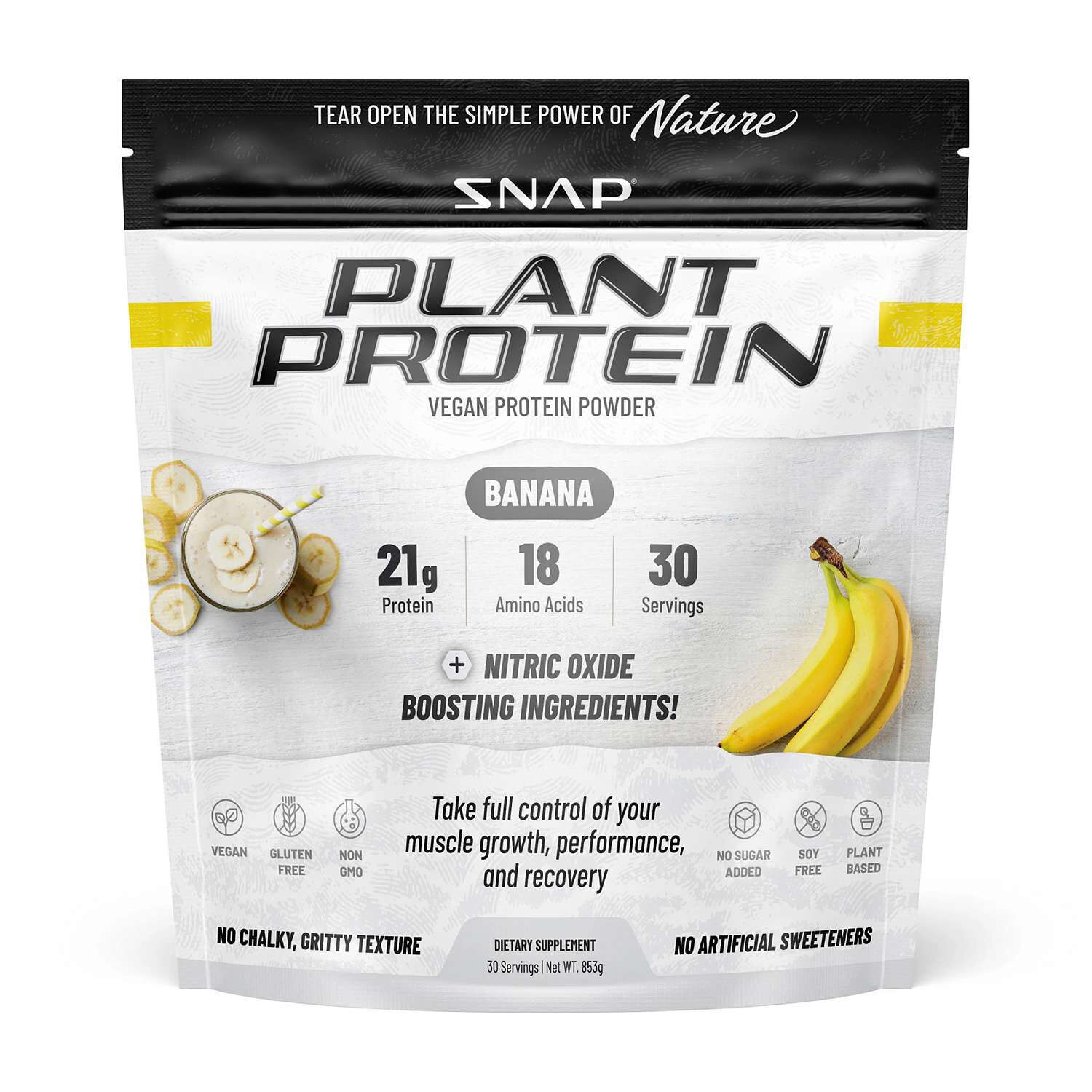
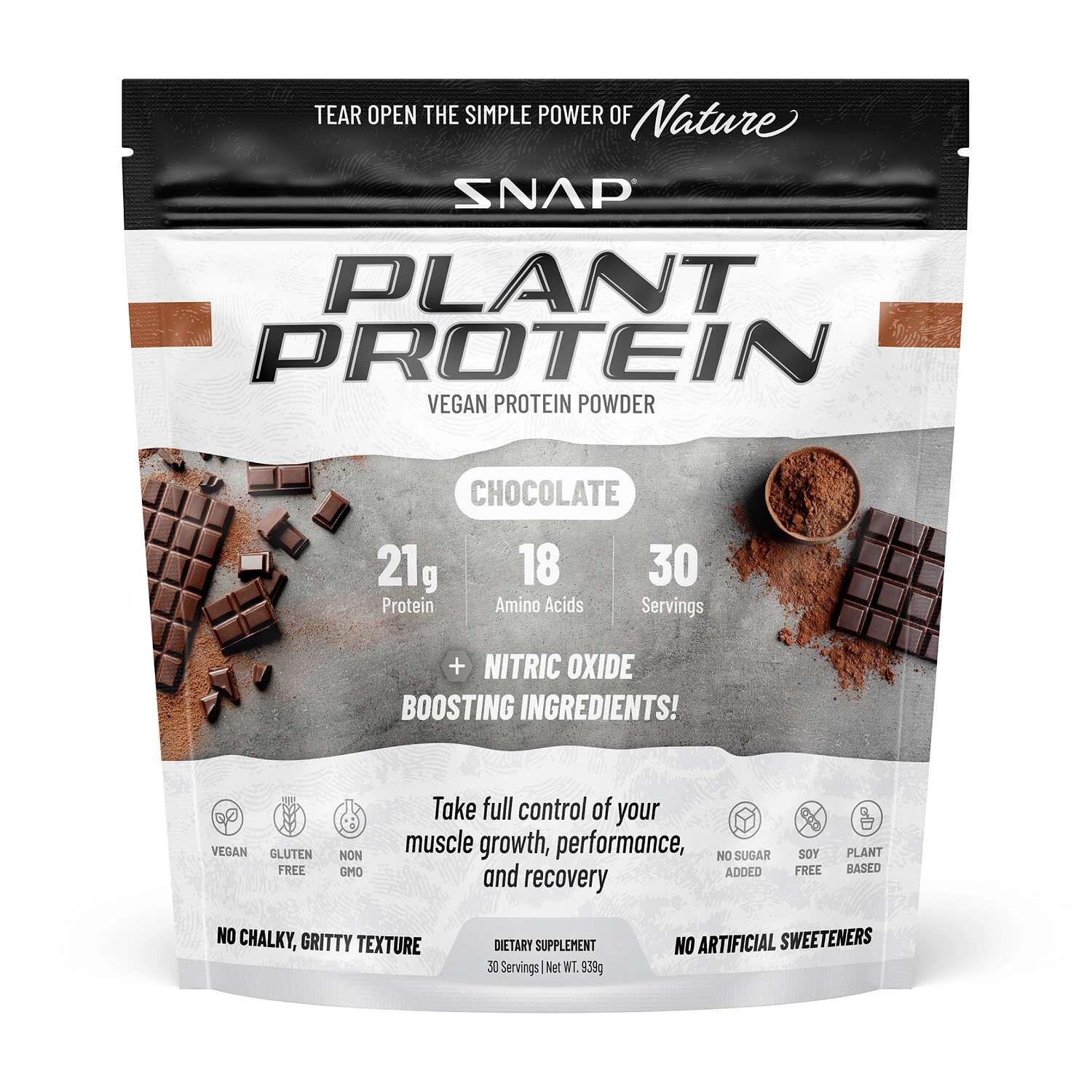
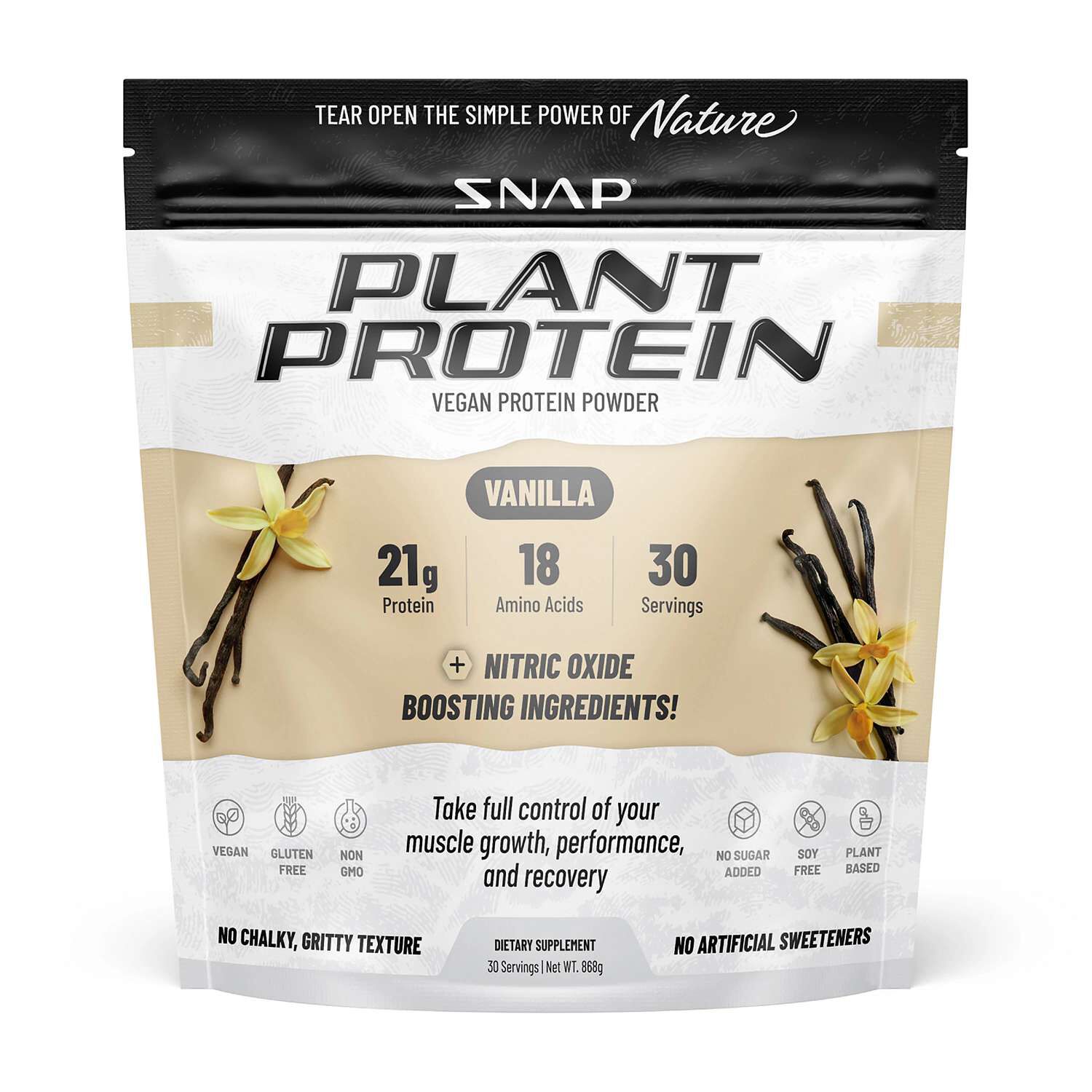


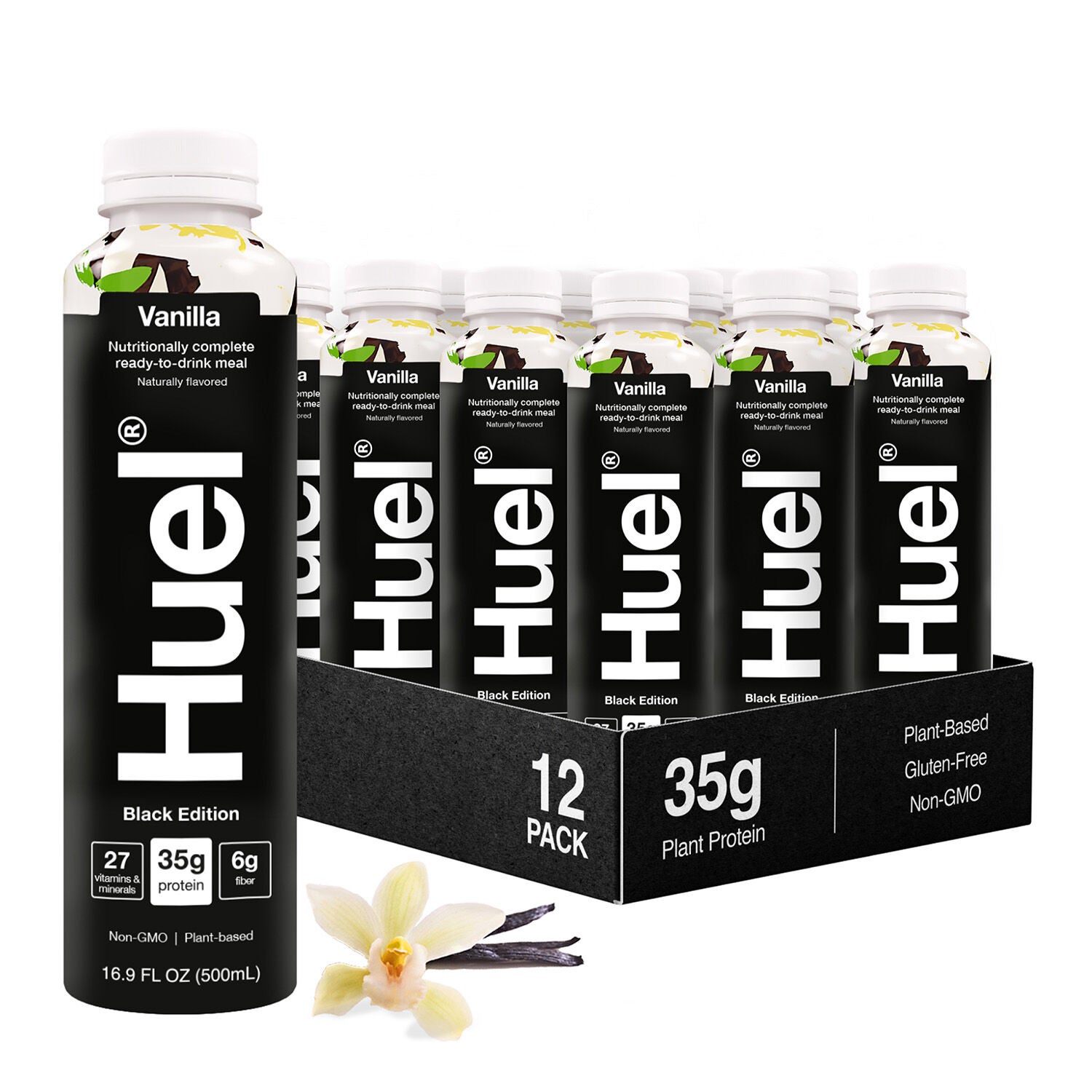

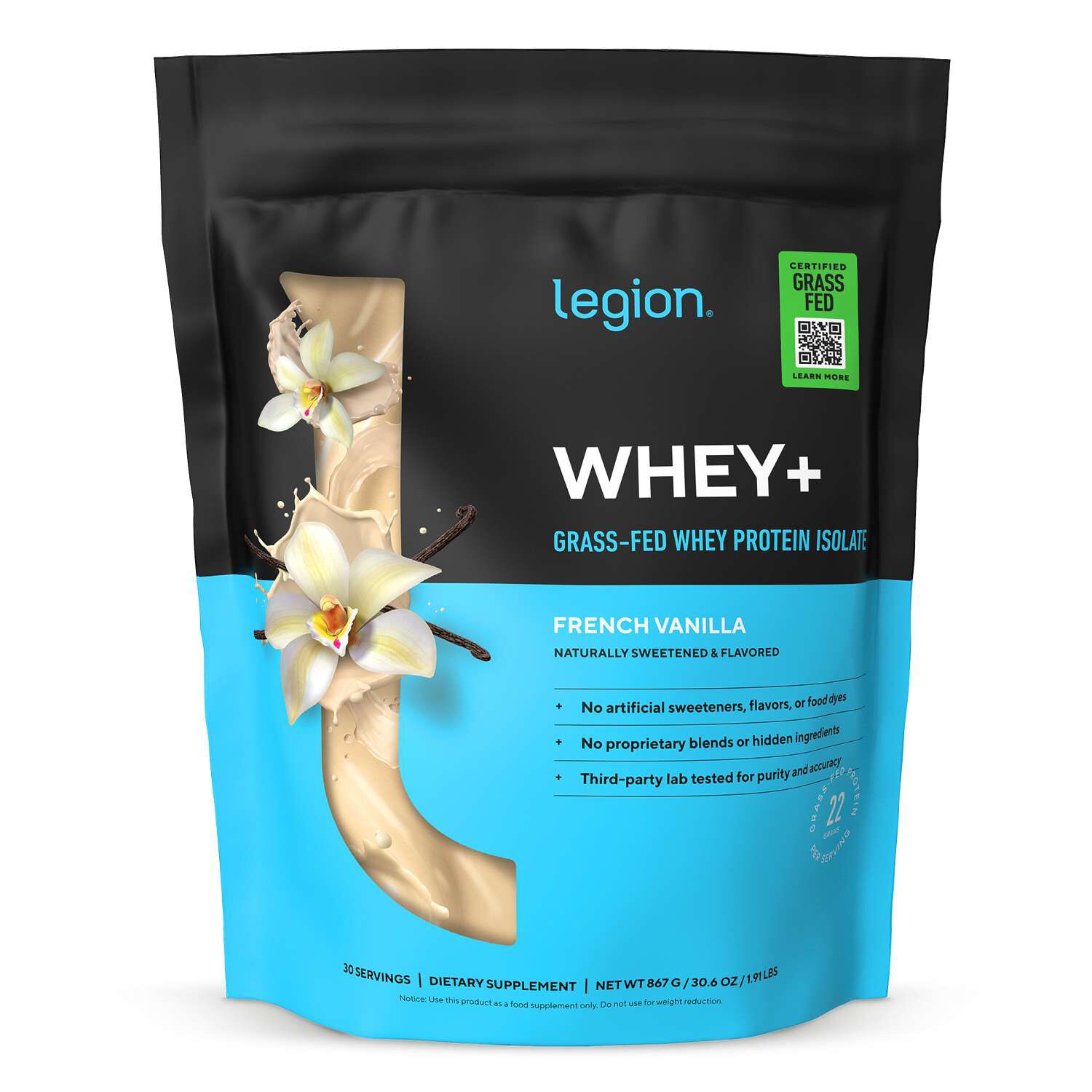
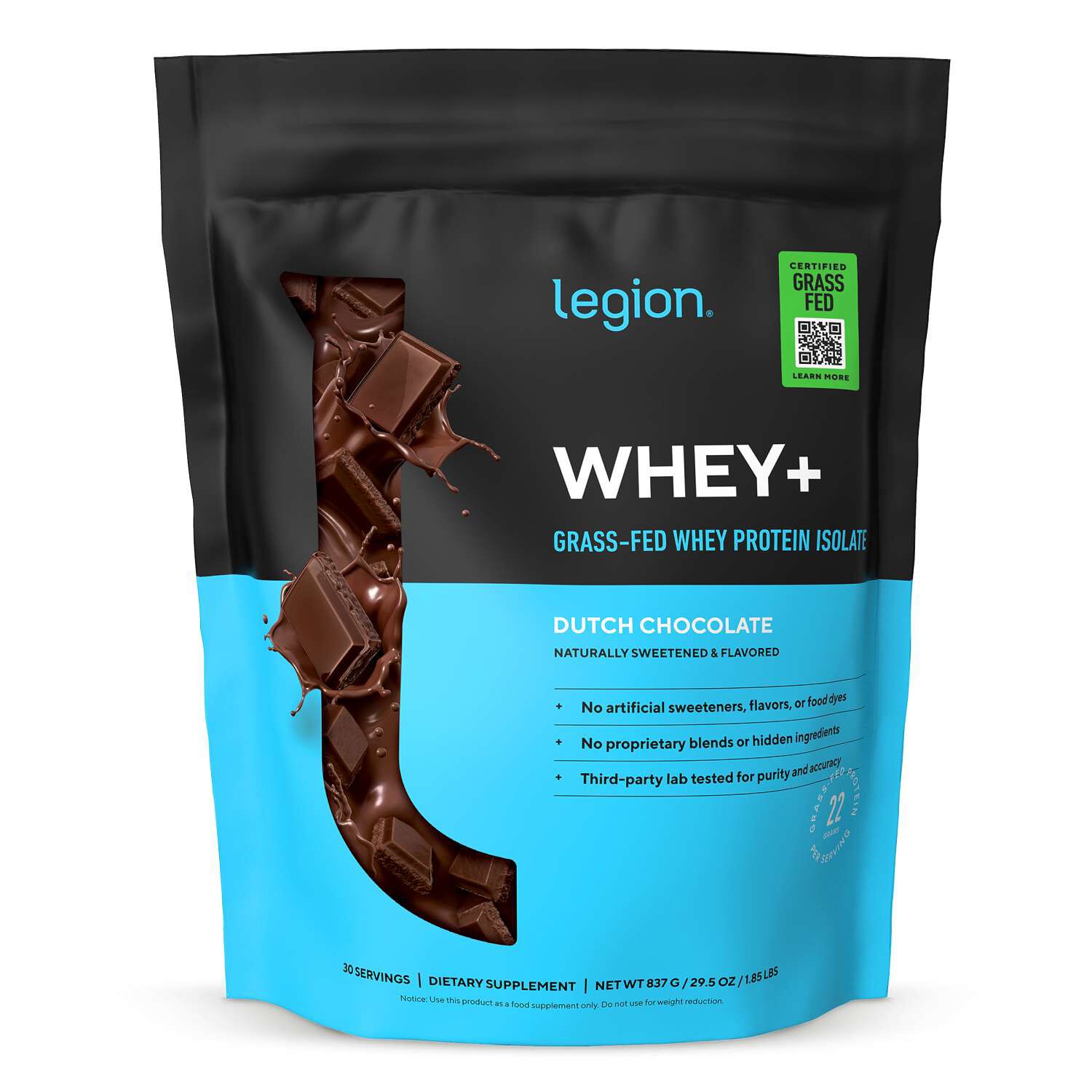
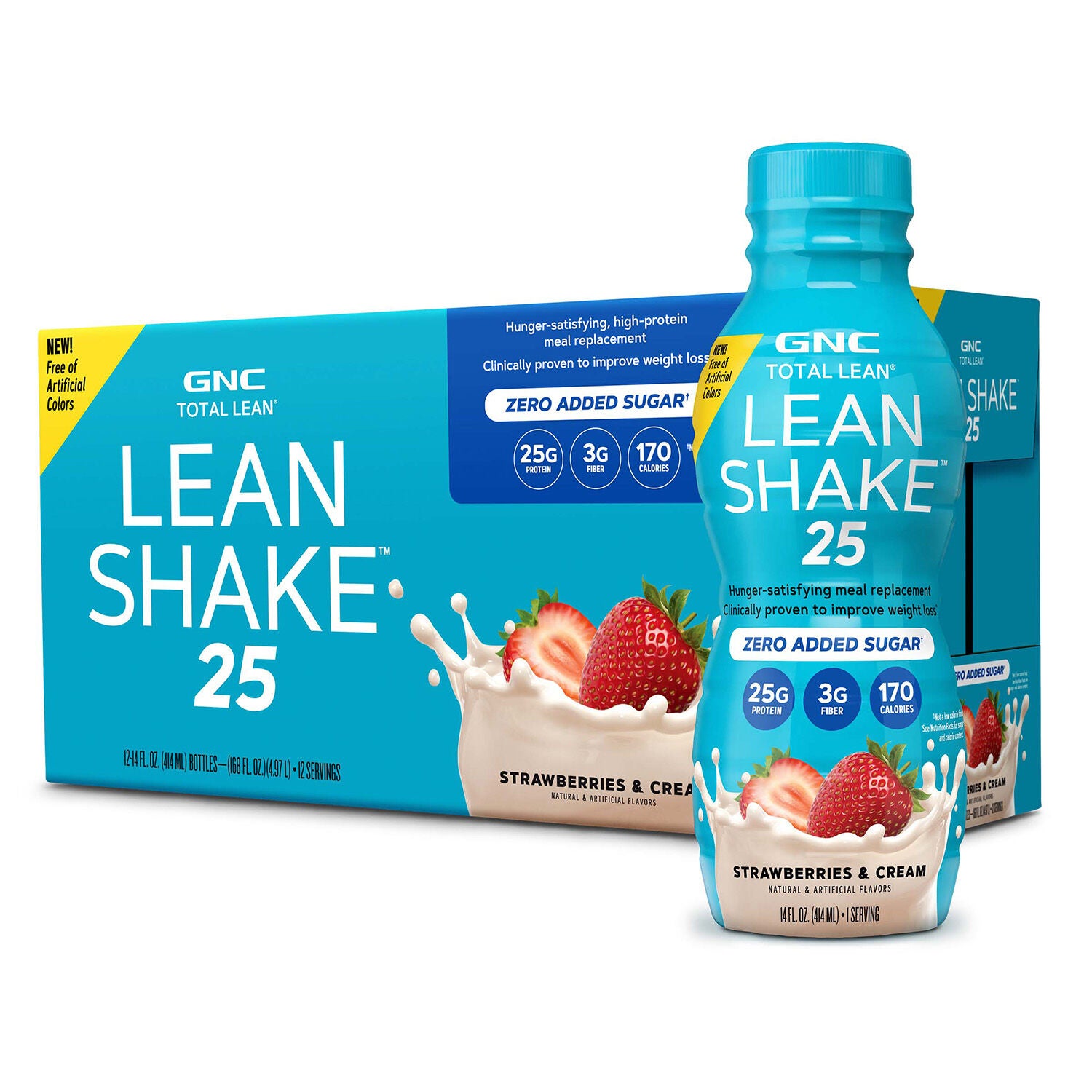
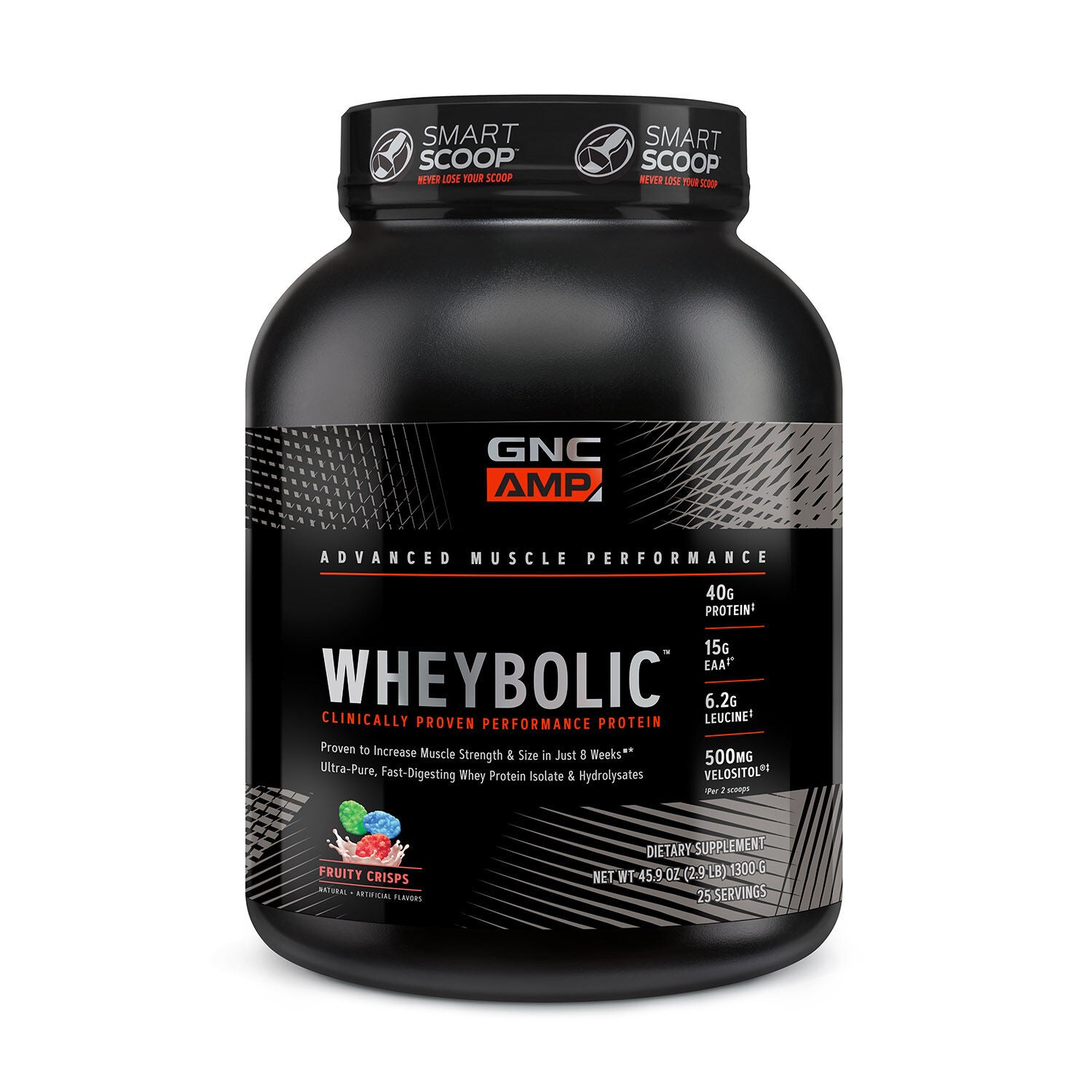
Protein for wellness routines includes powders, ready-to-drink shakes, and protein snacks intended for everyday use alongside a varied diet. These formats offer different ways to incorporate protein into familiar eating occasions, from breakfast at the kitchen counter to an afternoon snack packed for work. Protein is a nutrient made of amino acids and is found in foods such as eggs, dairy, fish, poultry, beans, lentils, and soy. Packaged protein products bring that nutrient into formats designed for mixing, sipping, or eating with little preparation. They may make a protein-containing option easier to fit into a busy schedule, but they do not need to define the entire routine. A powder stirred into oatmeal, a shake paired with fruit, or a bar tucked beside lunch each serves a different purpose. The most useful format depends on where it will be enjoyed, what other foods are part of the occasion, and how much preparation feels practical. Someone who makes breakfast at home may prefer a powder that works with a blender, while a commuter may favor a sealed beverage that requires no mixing. Adults who enjoy walking, recreational sports, or strength training may also consider protein products as part of their broader eating habits, without treating every snack as a workout accessory. Protein needs vary with age, body size, activity, and eating patterns, so a single serving amount is not a universal target. The grams listed on a package describe what that serving provides; they are one part of understanding how the product fits alongside meals and snacks. For everyday wellness, choosing among protein powders, shakes, and bars is often a matter of matching ingredients, taste, and preparation to an existing rhythm. That might mean a familiar vanilla flavor for breakfast, a cocoa-flavored snack for a desk drawer, or an unflavored powder for recipes where the other ingredients should remain the focus.
Protein sources are a useful starting point when comparing these categories. Whey and casein come from milk, while plant-based protein powders may use peas, soy, rice, pumpkin seeds, or combinations of plant ingredients. Egg-based powders are another category. Blends combine more than one source, and their composition varies by formula. The source alone does not describe the entire eating experience: added ingredients, serving size, and preparation also influence flavor and consistency. Whey powders are often used in shaker bottles or smoothies, while casein formulas commonly have a thicker texture when mixed. Plant-based powders can range from smooth and mild to more textured, with earthy or nutty notes depending on the ingredients. Those differences matter when a product becomes part of breakfast several days in a row. A powder blended with banana, oats, and milk has a different role than one shaken with water between errands. Chocolate flavors can complement coffee or nut butter, while vanilla often pairs with berries, cinnamon, or yogurt. Unflavored does not necessarily mean tasteless; the underlying protein source can still contribute its own character. Beyond flavor, the Nutrition Facts panel provides a consistent place to compare protein per serving, calories, carbohydrates, fat, sodium, and added sugars. Serving sizes can differ across powders, drinks, and bars, so comparing the stated portions gives those numbers context. Ingredient lists also identify sweeteners, thickeners, oils, and other components that influence the finished product. Milk, soy, egg, peanut, and tree nut declarations deserve attention when those ingredients are relevant to personal dietary requirements. Plant-based labeling does not by itself describe every ingredient or manufacturing detail. For shoppers with ingredient exclusions, the full package label is more informative than a flavor name or a short front-label description. The goal is a product whose composition and eating experience suit the intended occasion, whether that is a small addition to breakfast or a substantial snack alongside other foods.
Preparation, packaging, and storage can be just as important as the protein source when a purchase becomes part of a repeating routine. A large powder container makes sense for a kitchen where smoothies are a regular habit, while individually portioned packets may be more practical for a work bag or an overnight stay. Ready-to-drink protein shakes require no measuring, although refrigeration directions differ before and after opening. Bars and other packaged snacks provide a chewable option for people who prefer food to a beverage. Their textures vary, too: some are soft and dense, while others contain crisp pieces or layered fillings. For powders, the package mixing directions provide a starting point for the amount of liquid and the recommended method. A shaker bottle suits straightforward mixing, and a blender accommodates additions such as fruit, oats, or nut butter. The resulting drink will vary with those additions, so its nutrition is not necessarily the same as the powder serving listed on the label. Keeping the scoop dry, closing the container securely, and following storage directions are practical details that matter with repeated use. Prepared drinks and opened packages should be handled according to their labels, and bottles or blender parts should be washed after use. For a shared household, clearly labeled containers and separate storage for different dietary preferences may make the routine easier to organize. Protein products can also be a thoughtful addition to a practical gift for someone who already enjoys shakes or protein snacks, especially when their preferred ingredients and flavors are known. Shoppers exploring a related focus can browse Protein for Weight Management while considering the same questions about format, serving size, and intended use. Across everyday wellness routines, the details that often matter most are straightforward: a flavor worth returning to, ingredients that match personal preferences, preparation that suits the setting, and a format that sits comfortably alongside ordinary meals.