Protein For Muscle Maintenance
(0 Results)
Protein for muscle maintenance is a popular choice for those looking to support an active lifestyle and workout routine. Whether you’re focused on regular exercise, strength training, or daily wellness, a variety of protein options could fit your needs. Explore different forms and flavors that may help you stay on track with your fitness journey and overall wellness goals. Find the right protein for muscle maintenance that aligns with your preferences and nutritional habits.
-
-
-

-

-

-

-

-
-

-

-
-
-

-
-
-

-

-

-
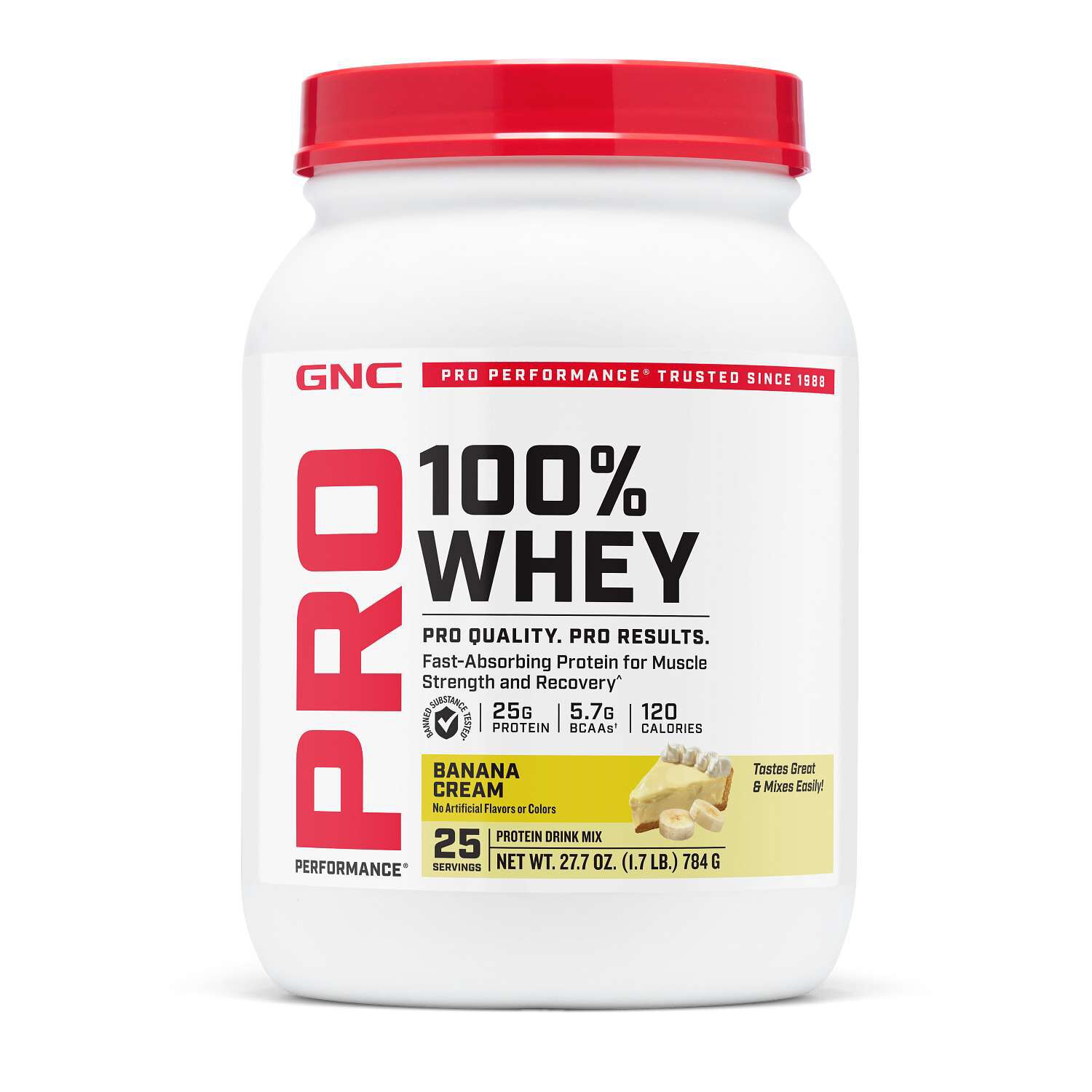
 GNC Pro Performance19$39.99
 -

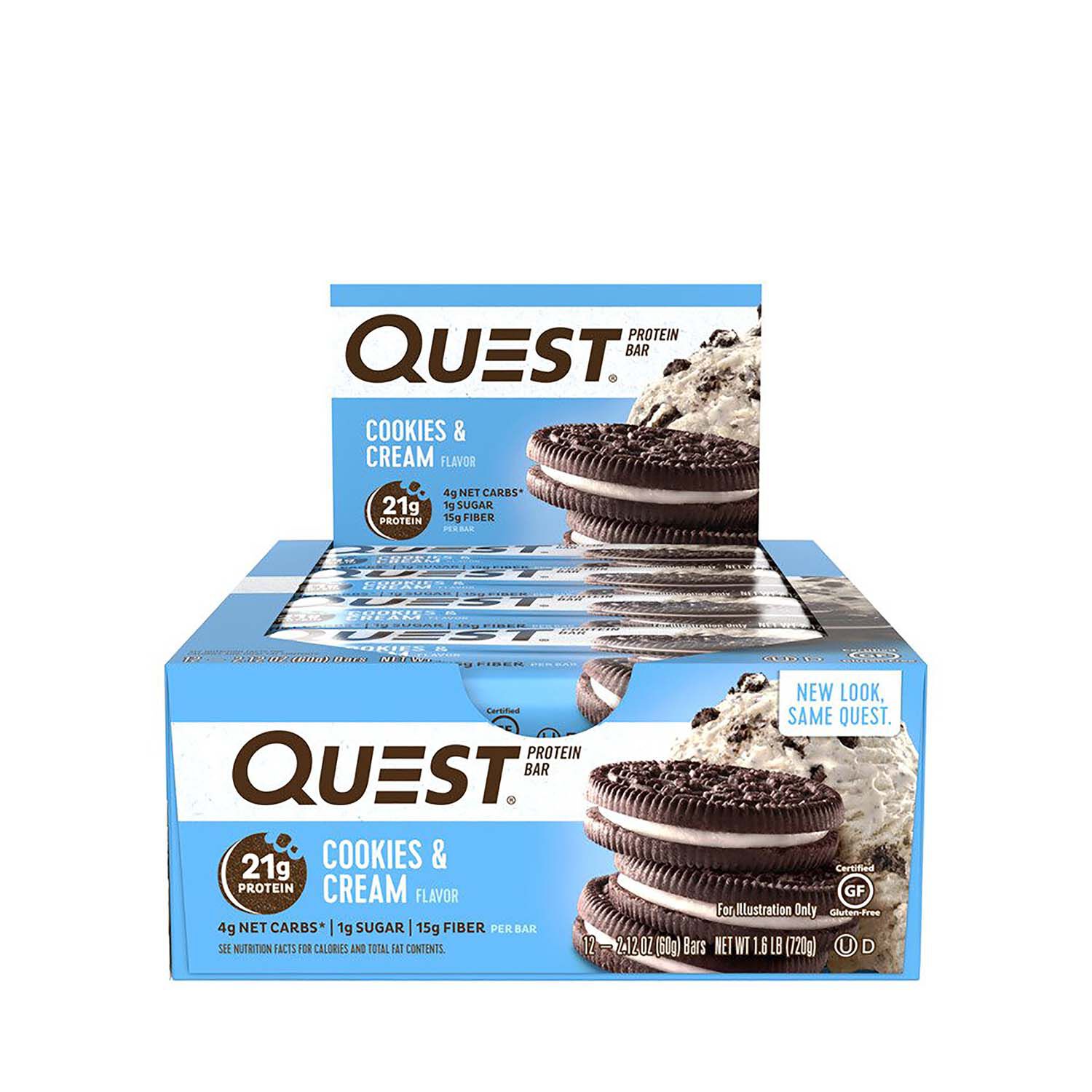
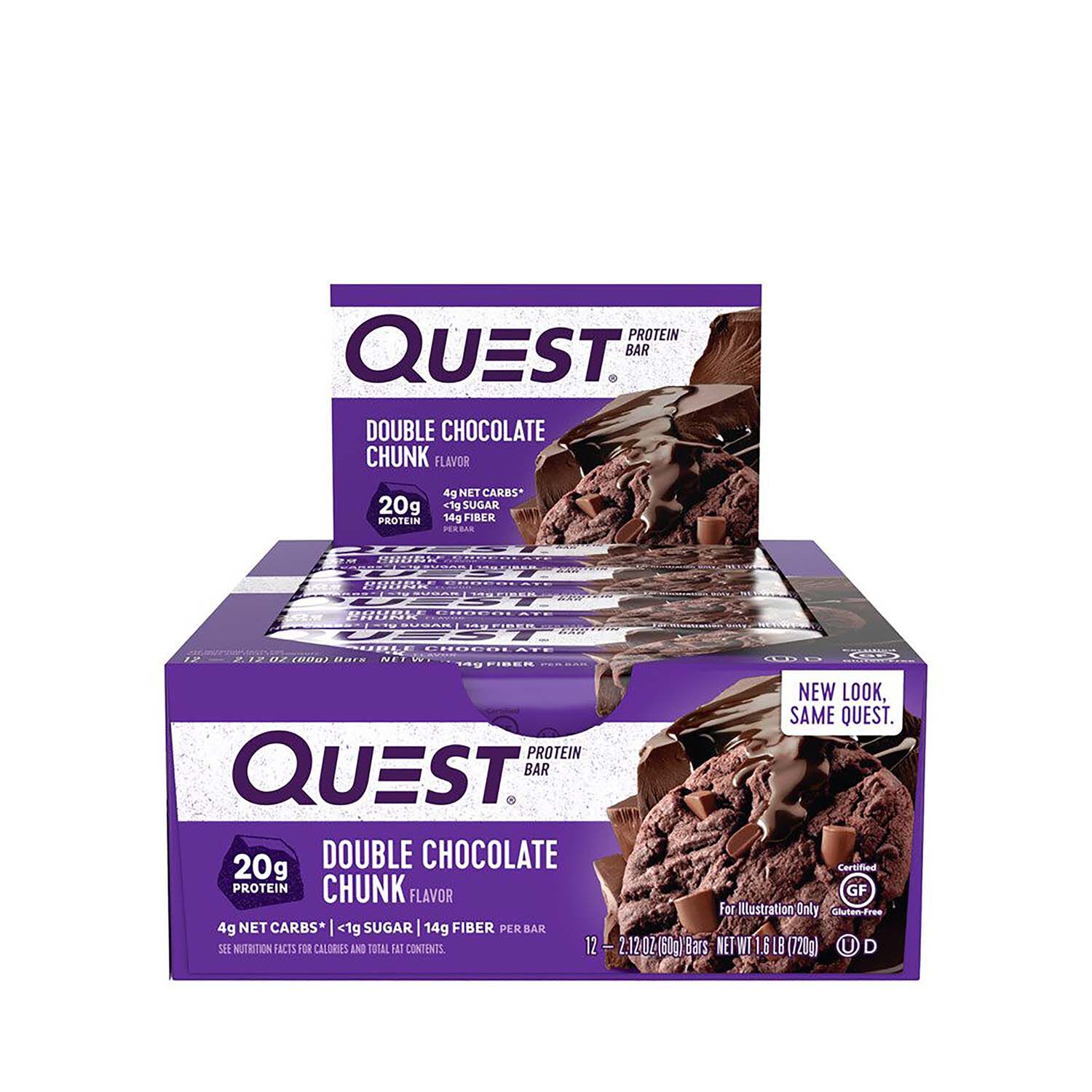
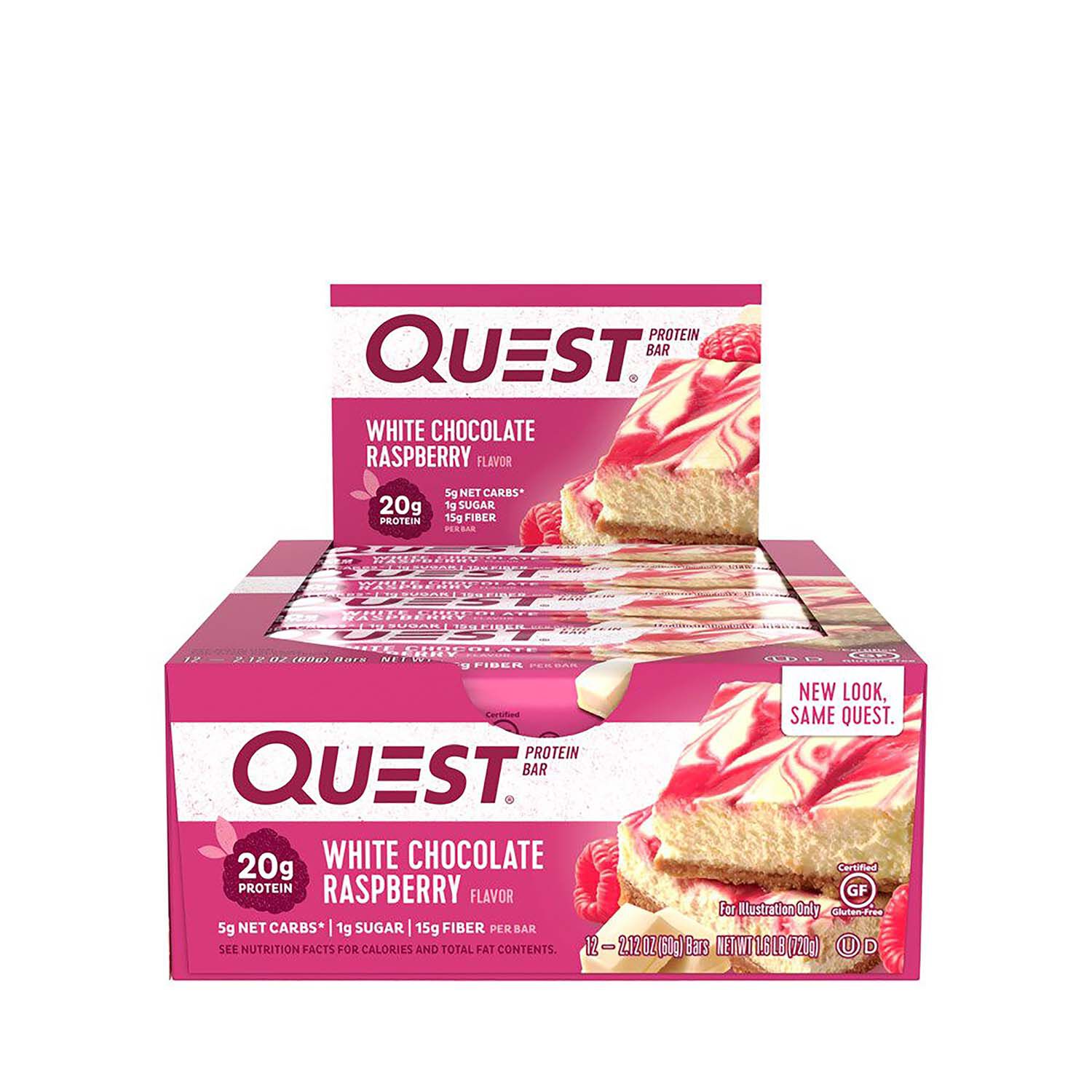
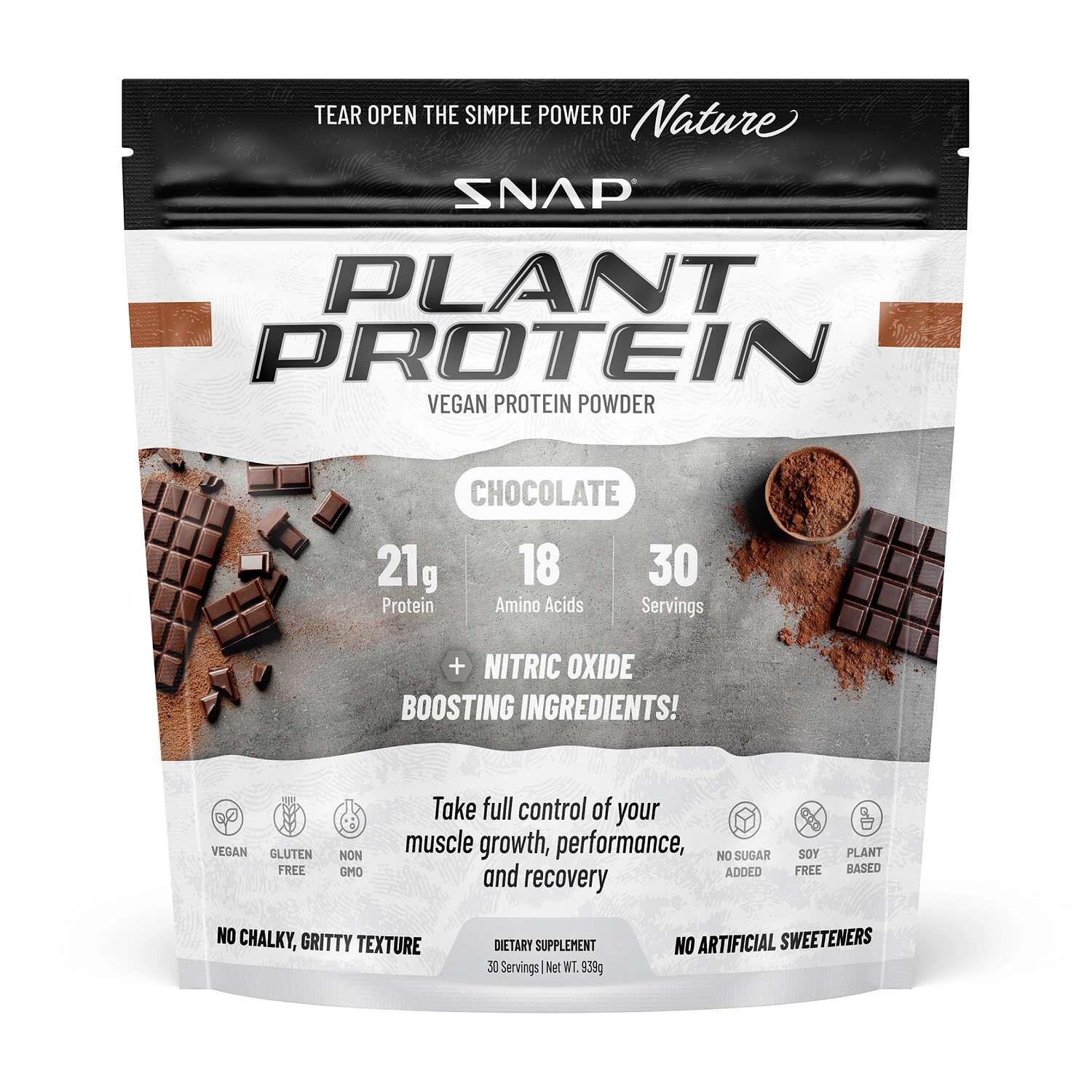
Protein for muscle maintenance includes powders, ready-to-drink shakes, and bars that may supplement dietary protein alongside everyday meals and regular physical activity. Dietary protein may support normal muscle upkeep by supplying amino acids, the building blocks of proteins. For shoppers comparing these options, the useful starting point is how a product fits into an ordinary day: breakfast before a commute, lunch between appointments, or a snack around a resistance-training session. Someone who regularly lifts weights may prefer a powder that mixes into a familiar smoothie, while someone with a busy schedule may value a shake that needs no preparation. These formats serve different routines, but their labels offer the same basic points of comparison: protein grams per serving, serving size, ingredients, calories, and preparation instructions. The amount of protein in one scoop or bottle is only one part of the broader food pattern. Meals containing eggs, yogurt, fish, poultry, tofu, beans, or lentils also contribute protein, so supplements are best understood in the context of what someone already eats. Protein needs vary with age, body size, activity, and other individual circumstances; a package’s serving size describes that product rather than establishing a personal daily requirement. When comparing protein for muscle maintenance, look beyond the largest number on the front label and consider the serving information that accompanies it. A powder measured by weight, a bottled shake, and a bar are not necessarily equivalent portions. Preparation matters, too: mixing powder with milk adds nutrients from the milk, while mixing it with water leaves the listed powder serving as the main nutritional reference. Products that fit comfortably into existing meals may be more practical than options that require an entirely different routine. A modest breakfast, a packed lunch, and an evening meal each create different opportunities for including protein, without making a single shake or a particular time of day the center of the whole eating pattern. This makes everyday convenience, ingredient preferences, and serving clarity meaningful parts of the comparison.
Protein sources give this category much of its variety. Whey and casein come from milk, egg protein comes from eggs, and plant-based options can use ingredients such as soy, peas, rice, or combinations of plant sources. These ingredients differ in amino acid composition, flavor, and texture. Protein quality is often discussed in terms of amino acid composition, including the nine amino acids that must come from the diet. Blends can bring together sources with different profiles, while single-source formulas make the primary protein ingredient easier to identify. Neither a short ingredient list nor a long one tells the whole story; the details matter more than the length. Some powders include cocoa, flavorings, sweeteners, emulsifiers, or thickeners, while others have a simpler formulation intended for mixing into foods and drinks. An unflavored option may suit oatmeal or a smoothie with fruit, whereas chocolate or vanilla may be more appealing when the powder is prepared on its own. Texture deserves attention because the same powder can behave differently in a shaker bottle, a blender, or a bowl of yogurt. More liquid generally creates a thinner drink, and preparation directions provide a useful reference for the intended consistency. Casein-based mixtures can have a thicker texture, while some plant-based powders have a more noticeable grain or earthy flavor. Those characteristics are worth considering alongside protein grams rather than treating every powder as interchangeable. Ingredient and allergen statements also matter for shoppers avoiding milk, soy, eggs, or other ingredients for personal reasons. A plant-based label does not describe every ingredient or every aspect of manufacturing, so the package remains the reference for those details. Sweetness, sodium, carbohydrate content, and serving size can also influence how a product fits a meal or snack. For someone adding powder to already-sweet fruit and yogurt, a less sweet formulation may be preferable; for someone mixing only with water, a flavored option may be more enjoyable. The right match is often the one whose taste and preparation suit the intended use.
Convenience extends beyond choosing between a powder and a shake. A large container may suit a kitchen routine with a measuring scoop and blender nearby, while individual packets can be easier to pack for a commute or an overnight trip. Ready-to-drink shakes reduce preparation steps, although storage requirements differ before and after opening. Bars offer another portable format, with textures ranging from chewy to crisp and ingredient profiles that vary considerably. Their protein content should be read alongside the rest of the nutrition information, especially when deciding whether the intended use is a small snack or part of a larger meal. For shoppers comparing overlapping nutrition priorities, Protein for Weight Management offers another relevant category to browse, with the same attention to serving size, ingredients, and everyday use. Care and storage are practical considerations for every format. Powder containers should be closed securely and stored according to the label, with a dry scoop used to keep moisture out of the contents. Prepared drinks and opened bottles should follow package directions for refrigeration and use. A reusable shaker with a snug lid can make carrying a mixed drink simpler; washing the lid, mixing insert, and container after use helps keep the equipment ready for the next serving. Package size also affects convenience. A container that fits neatly in a cupboard may be easier to use regularly than one that crowds the counter, and individually wrapped portions may suit a bag better than loose powder. Beyond packaging, intended use remains the clearest way to narrow the assortment. A home smoothie calls for different qualities than a desk snack or a drink packed beside gym clothes. Someone shopping for another adult may want to confirm preferred flavors, ingredient restrictions, and favored formats before choosing a nutrition gift. Across these situations, protein for muscle maintenance may complement a varied eating pattern without requiring complicated preparation. Clear labeling, an appealing texture, and a format suited to the day help distinguish options that look similar at first glance.
- Q: What types of protein supplements are commonly used for muscle maintenance?
A: Common types of protein supplements for muscle maintenance include whey protein, casein protein, plant-based proteins like pea or soy, and blended protein powders. Each type offers unique absorption rates and amino acid profiles to support muscle health. - Q: How does protein help with muscle maintenance?
A: Protein provides amino acids that are the building blocks for muscle tissue. Consuming enough protein helps repair and rebuild muscles after exercise, supporting overall muscle maintenance and preventing muscle breakdown. - Q: When is the best time to consume protein for maintaining muscle mass?
A: Many experts recommend consuming protein throughout the day, especially after workouts, to support muscle recovery and maintenance. Spreading your intake across meals can help ensure a steady supply of amino acids to your muscles. - Q: Can plant-based proteins be effective for muscle maintenance?
A: Yes, plant-based proteins such as pea, soy, and rice protein can be effective for muscle maintenance when consumed in adequate amounts. They provide amino acids needed for muscle repair and growth. - Q: How much protein should I consume daily to support muscle maintenance?
A: Protein needs vary based on factors like age, activity level, and body weight. Generally, active individuals aiming to maintain muscle mass may benefit from consuming around 0.6–0.8 grams of protein per pound of body weight per day.