





Indulge Guilt-Free: Tasty High Protein Pastries For Fitness Enthusiasts
(0 Results)
Indulge your taste buds while fueling your muscles with our delectable protein pastries. Packed with high-quality protein and delicious flavors, these pastries are a convenient way to satisfy your sweet cravings while supporting your fitness goals. Whether you're looking for a post-workout treat or a guilt-free snack on-the-go, our protein pastries are sure to become a staple in your daily routine. Discover a new way to enjoy your favorite baked goods without compromising on taste or nutrition.
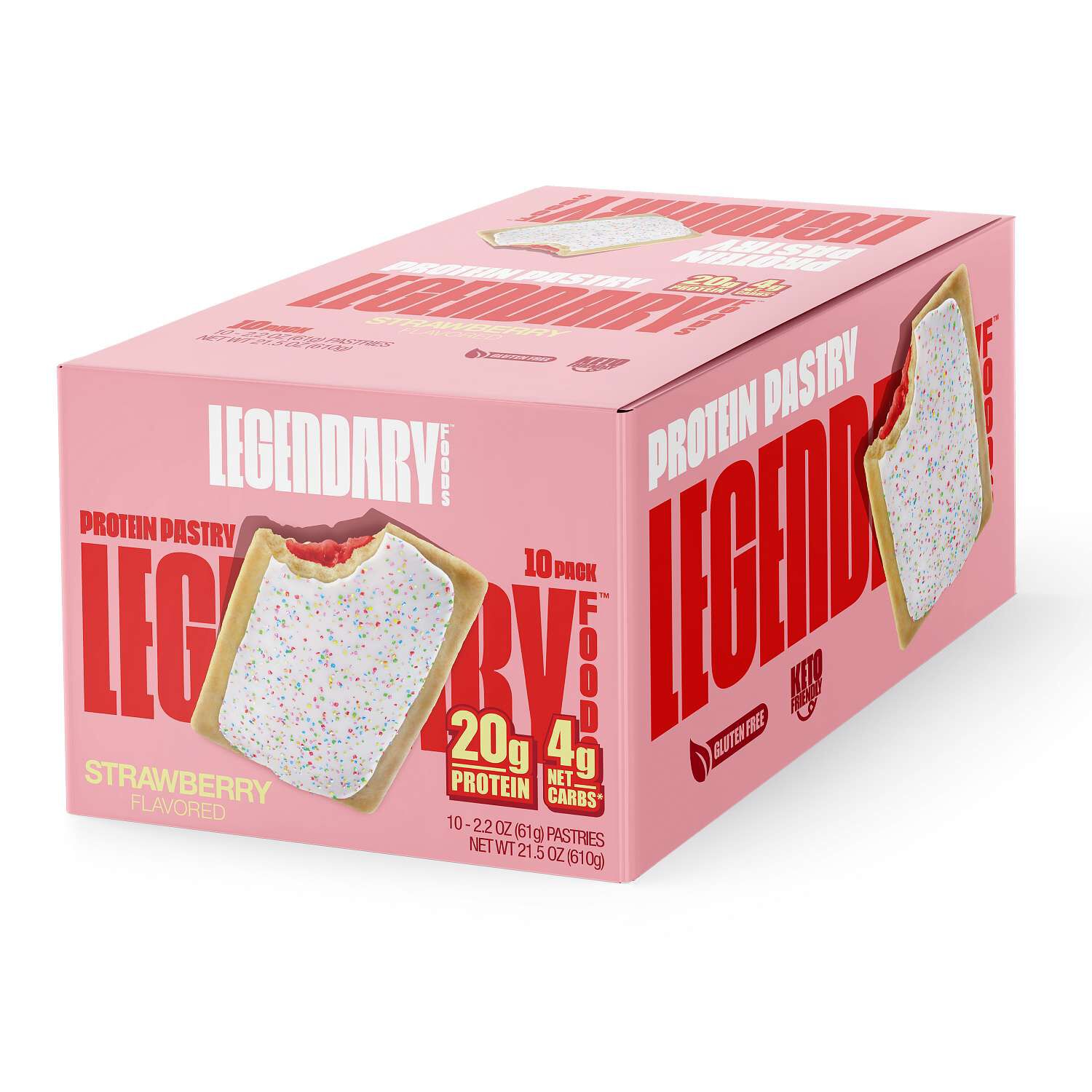

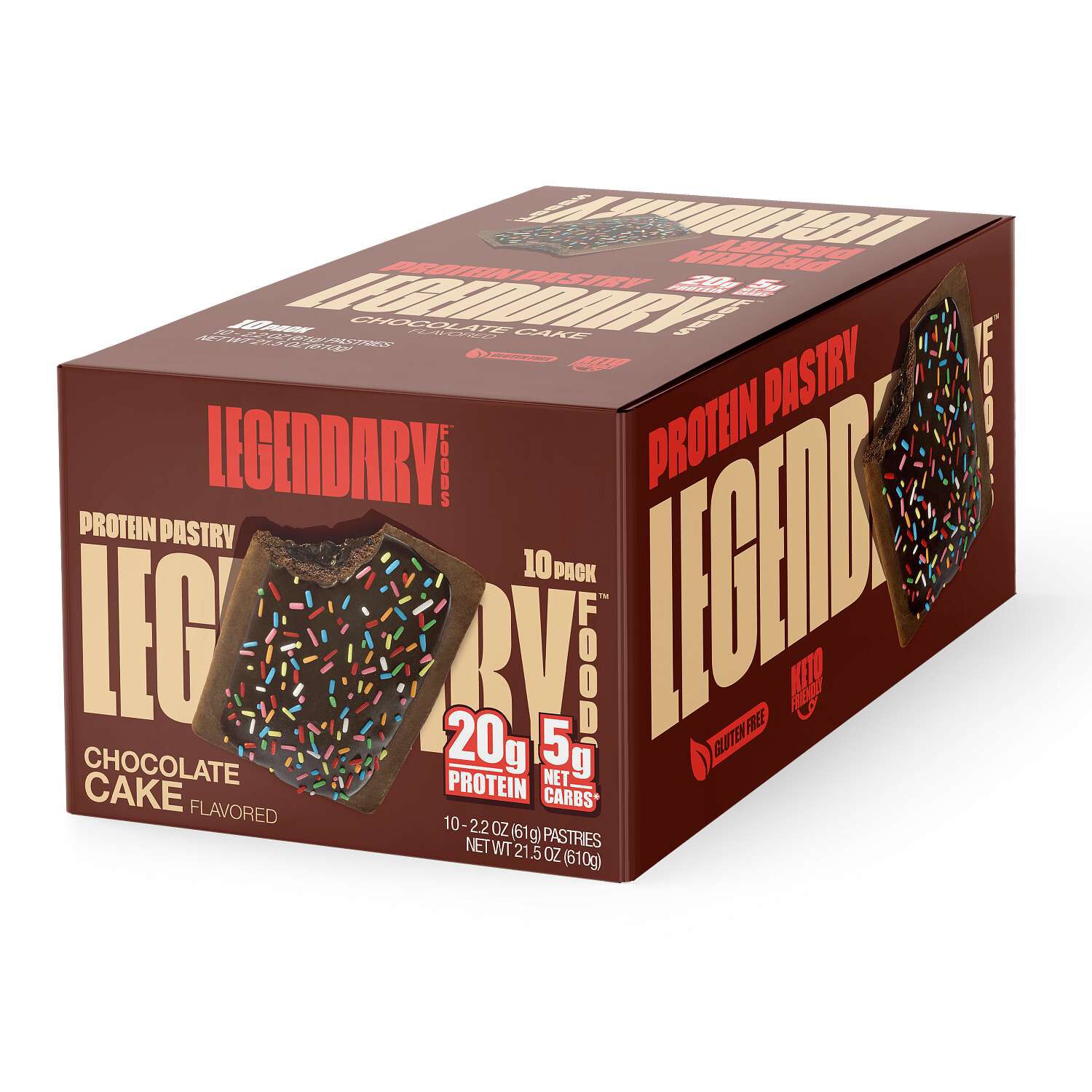


High protein pastries bring bakery-inspired flavors to the packaged snack aisle, combining a sweet, dessert-style experience with protein in a familiar format. The category includes soft baked textures, cake-like centers, fruit-inspired fillings, and smooth or crumbly toppings, with recipes that differ in sweetness, richness, and density. For fitness enthusiasts who enjoy something sweet alongside an active routine, protein pastries offer an alternative to shakes and savory snacks without making every eating occasion feel the same. A cinnamon-scented pastry with morning coffee has a different appeal from a chocolate-centered treat tucked into a lunch bag, even when both fit the same preference for protein-containing foods. Chocolate, vanilla, berry, and warm spice profiles span a broad range of tastes, from mellow and buttery to rich and cocoa-forward. Texture matters just as much as flavor: some pastries have a tender, muffin-like crumb, while others lean toward a chewy center, a firm outer layer, or a generous coating of icing. Protein ingredients can influence that texture, so a packaged protein pastry will not necessarily resemble a delicate bakery croissant or a freshly glazed doughnut. Its appeal is often the combination of familiar sweetness, a portioned format, and the convenience of something ready to eat according to its package directions. These treats suit a range of everyday settings, including a desk drawer, a morning commute, a weekend outing, or the stretch between work and an evening gym visit. They can also have a place at a leisurely breakfast, served on a plate rather than eaten on the move. Enjoyment belongs in that picture, too; choosing a pastry can be about flavor and occasion rather than assigning a moral value to a snack. During the cooler months, warm spice notes and chocolate flavors pair naturally with a hot beverage, while fruit-inspired varieties bring a brighter contrast. Across the category, the most meaningful distinctions are the actual serving size, protein amount, ingredients, preparation requirements, and eating experience—not simply the dessert pictured on the wrapper.
The ingredients behind high protein pastries help explain why two similarly sized portions can taste and feel quite different. Depending on the recipe, protein may come from milk-derived ingredients such as whey or casein, eggs, soy, peas, or a blend of sources. Flour choices, fats, cocoa, fruit ingredients, and sweeteners also shape the crumb, aroma, and finish. A recipe built around dairy protein can differ noticeably from one using plant-based protein, but neither description alone establishes the flavor, texture, or suitability for a particular eating preference. Likewise, a protein-focused label does not automatically mean a pastry contains less sugar, fewer carbohydrates, or fewer calories than another baked snack. The Nutrition Facts panel provides the useful comparison: grams of protein per serving, calories, carbohydrate content, fiber, sugars, and serving size. Package size and serving size are not always interchangeable, which matters when comparing a small pastry with a larger baked portion or a package containing more than one serving. Front-of-package carbohydrate descriptions may use a different calculation from the carbohydrate amount shown in Nutrition Facts, making the full label important context. Sweetness can come from sugar, other sweeteners, or a combination, and those choices can leave different textures and aftertastes. Some shoppers enjoy a pronounced frosting-like finish; others prefer a milder pastry that works with plain yogurt, milk, or coffee. Ingredient lists and allergen statements are especially relevant for anyone avoiding milk, eggs, wheat, soy, peanuts, or tree nuts. A plant-based protein ingredient by itself does not establish that the entire pastry is vegan, and bakery-style names do not tell the whole ingredient story. Clear labeling is more informative than assumptions based on flavor or appearance. For shoppers who enjoy dessert-inspired variety beyond pastries, High Protein Sweets brings that broader category into view. The common thread is a sweet format with protein, while individual recipes determine the details that matter to a particular routine and palate.
Practical details make a difference once protein pastries move from the pantry into everyday life. Individually wrapped portions can be convenient for carrying, though a soft pastry or iced surface still deserves a little protection from heavy gym equipment, books, or a crowded lunch bag. A small rigid container can keep a delicate topping from being flattened during a commute. Storage directions vary by recipe, so the package should determine whether a pastry belongs in a cupboard or needs refrigeration, as well as how it should be handled after opening. A shelf-stable format does not mean every storage condition is suitable: a parked car, direct sunlight, or a spot beside a warm appliance can affect coatings and texture. Date markings and an intact wrapper are useful details for snacks kept at work or packed ahead for a trip. Preparation also depends on the pastry. Some are intended to be eaten as packaged, while others include warming directions that may produce a softer center or a different icing texture. A toaster-pastry shape is not enough to establish that a product belongs in a toaster, and wrapping should only go into a heating appliance when the manufacturer explicitly permits it. Following the stated method and timing is more appropriate than applying one warming time across the category. Serving choices can stay simple: a cocoa-forward pastry beside black coffee, a berry-flavored portion with plain yogurt, or a cinnamon variety with a preferred milk beverage. For someone heading from an office to a workout, portability may be the main attraction; for a weekend breakfast, aroma and texture may matter more. A pastry can be one part of a meal or a snack on its own, depending on the portion and the occasion, rather than automatically standing in for a varied meal. A small assortment can also make a thoughtful addition to a snack gift for a fitness-minded friend, coworker, or family member when their ingredient preferences are known. Familiar flavors, readable labels, and packaging suited to the recipient’s routine give the gesture a personal touch. The lasting appeal of high protein pastries is that everyday flexibility: sweet bakery-inspired character in formats suited to both busy schedules and slower moments.
Best Sellers


Related Pages


Top Collections
- Daily Collagen Supplements | Top Brands & Deals | GNC
- Natural Collagen Supplements | Top Brands & Deals | GNC
- Top Rated Collagen | Shop Customer Favorites | GNC
- Cortisol Supplements
- Vitamins For Hair Loss
- Spirulina Tablets
- NAD+ Supplement Tablets
- Peptide Supplements
- Best Brand of Magnesium Glycinate
- Vitamins That Help Support Weight Gain