





High Protein Sweets
(0 Results)
High protein sweets offer a delicious way to enjoy your favorite treats while supporting your wellness goals. With a variety of flavors and textures, these snacks may satisfy your cravings without compromising on your routine. Whether you’re looking for a quick bite after a workout or a tasty option to share, high protein sweets could be the perfect choice for anyone seeking something both satisfying and convenient. Explore options that fit seamlessly into your day and discover how high protein sweets might add a little extra enjoyment to your snack time.


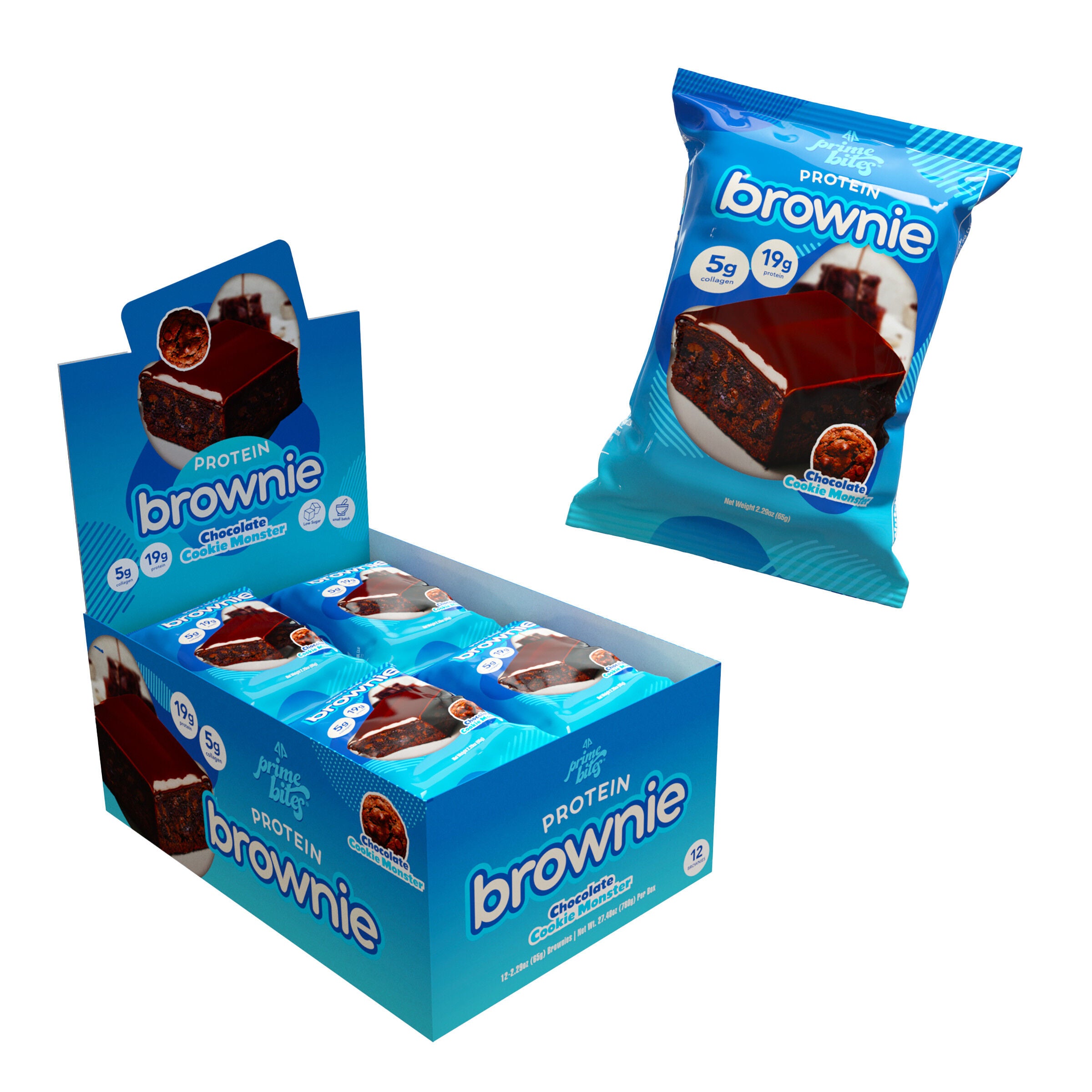
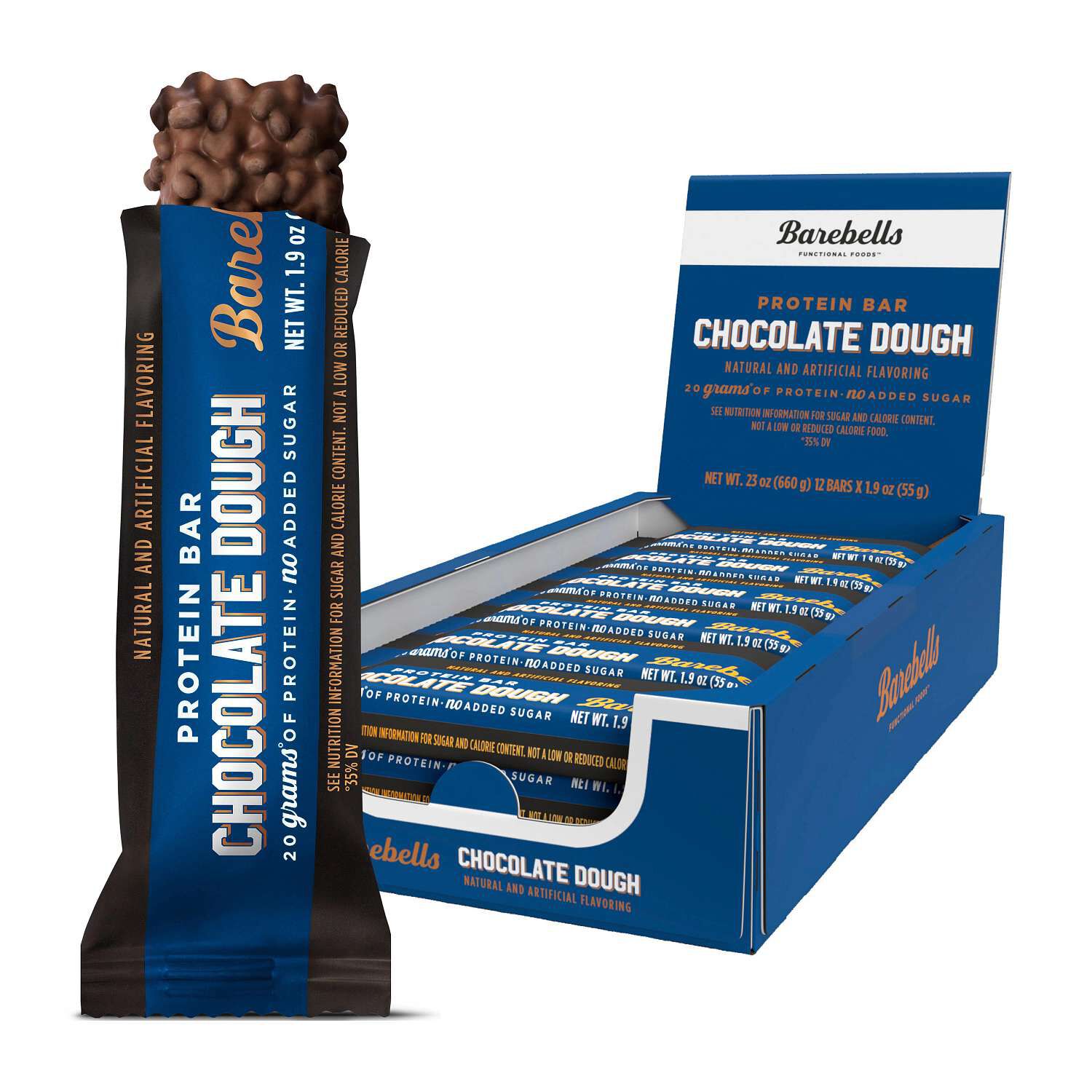
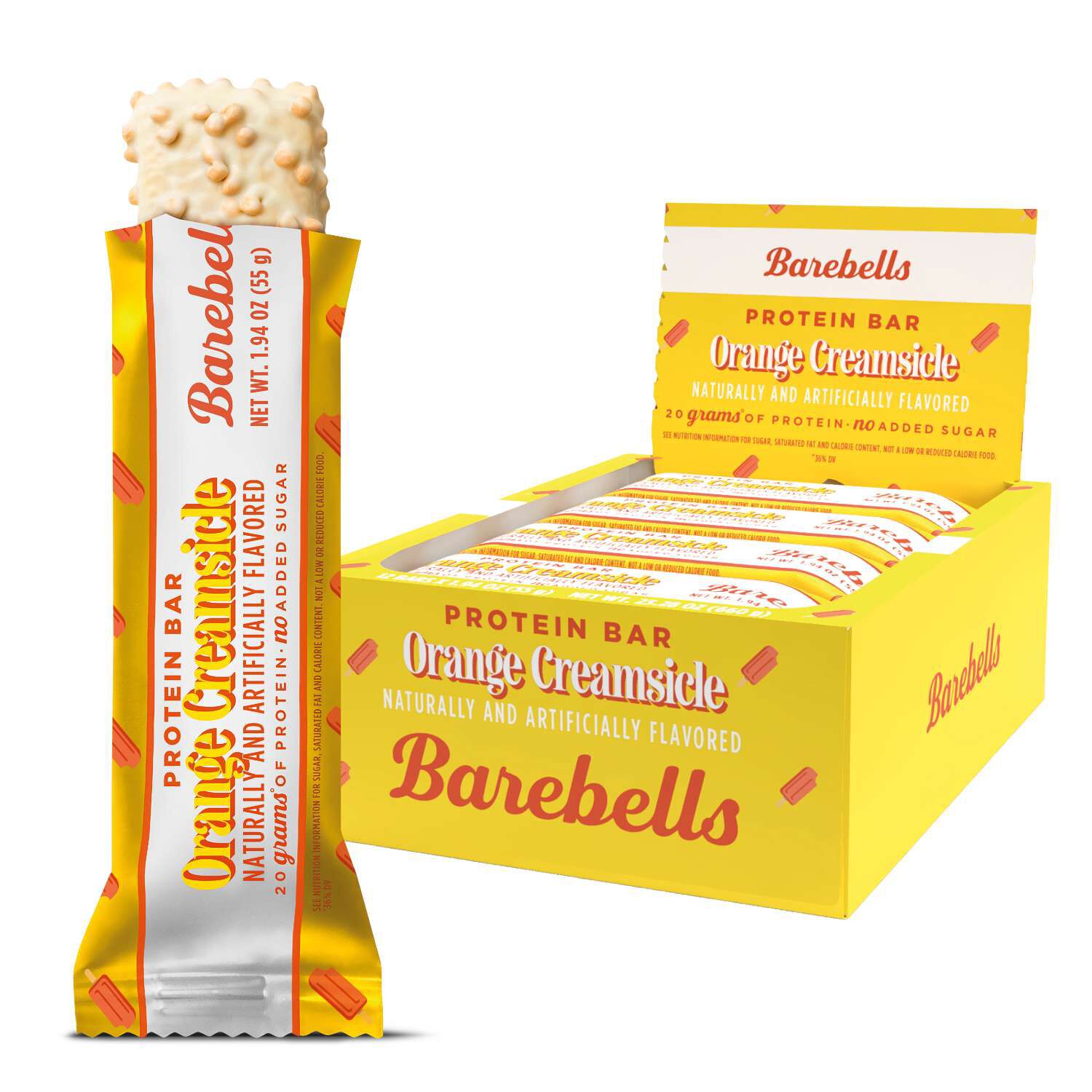
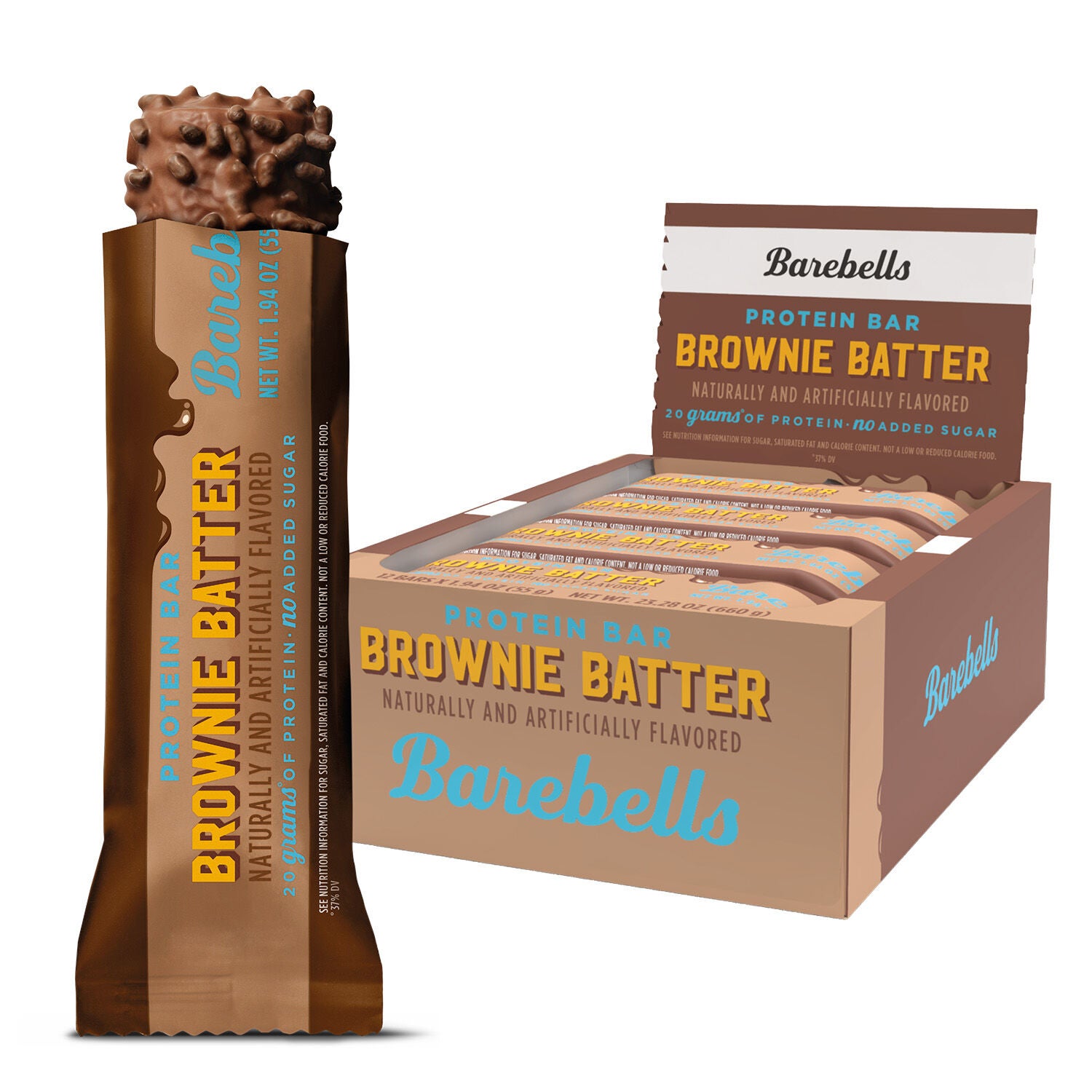
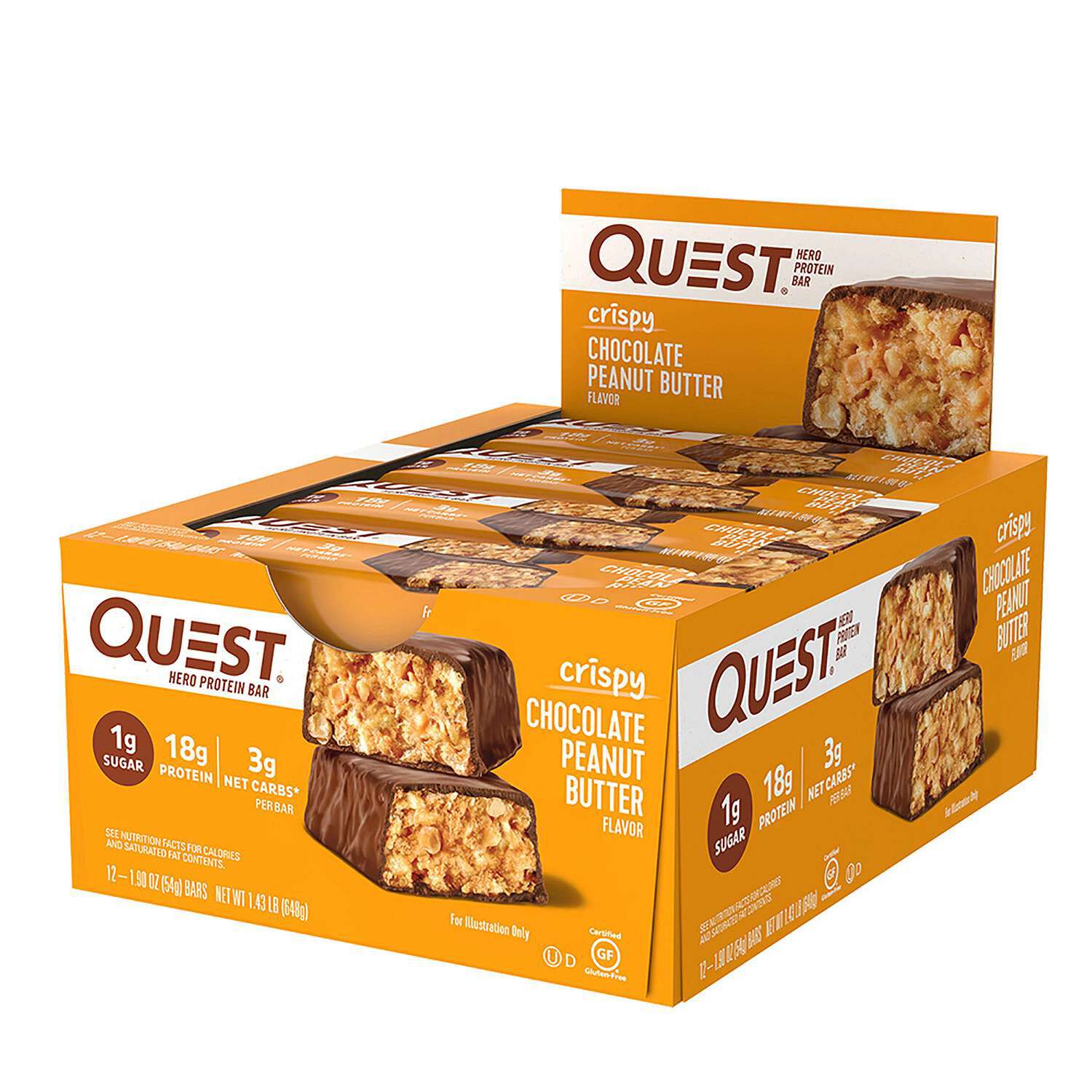
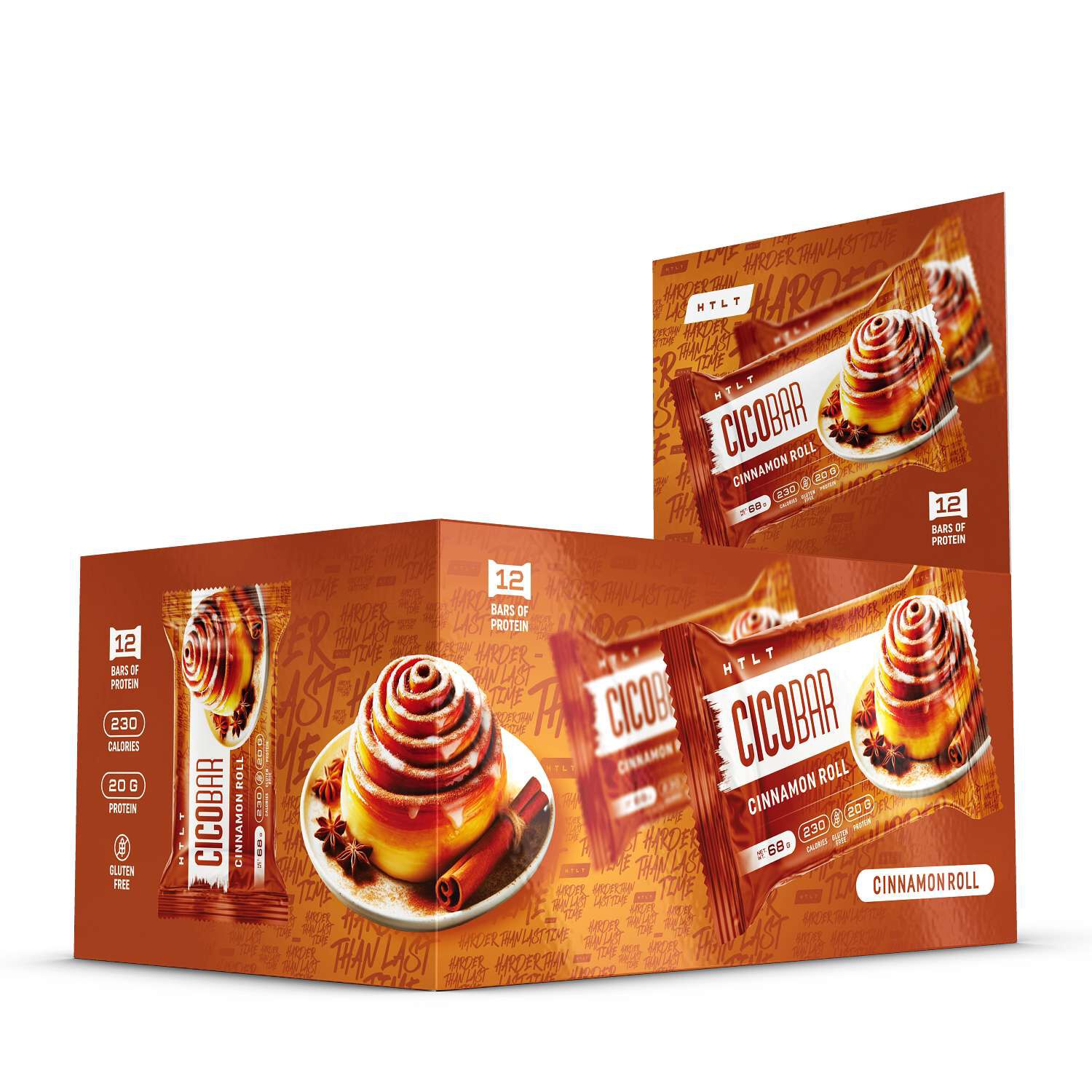

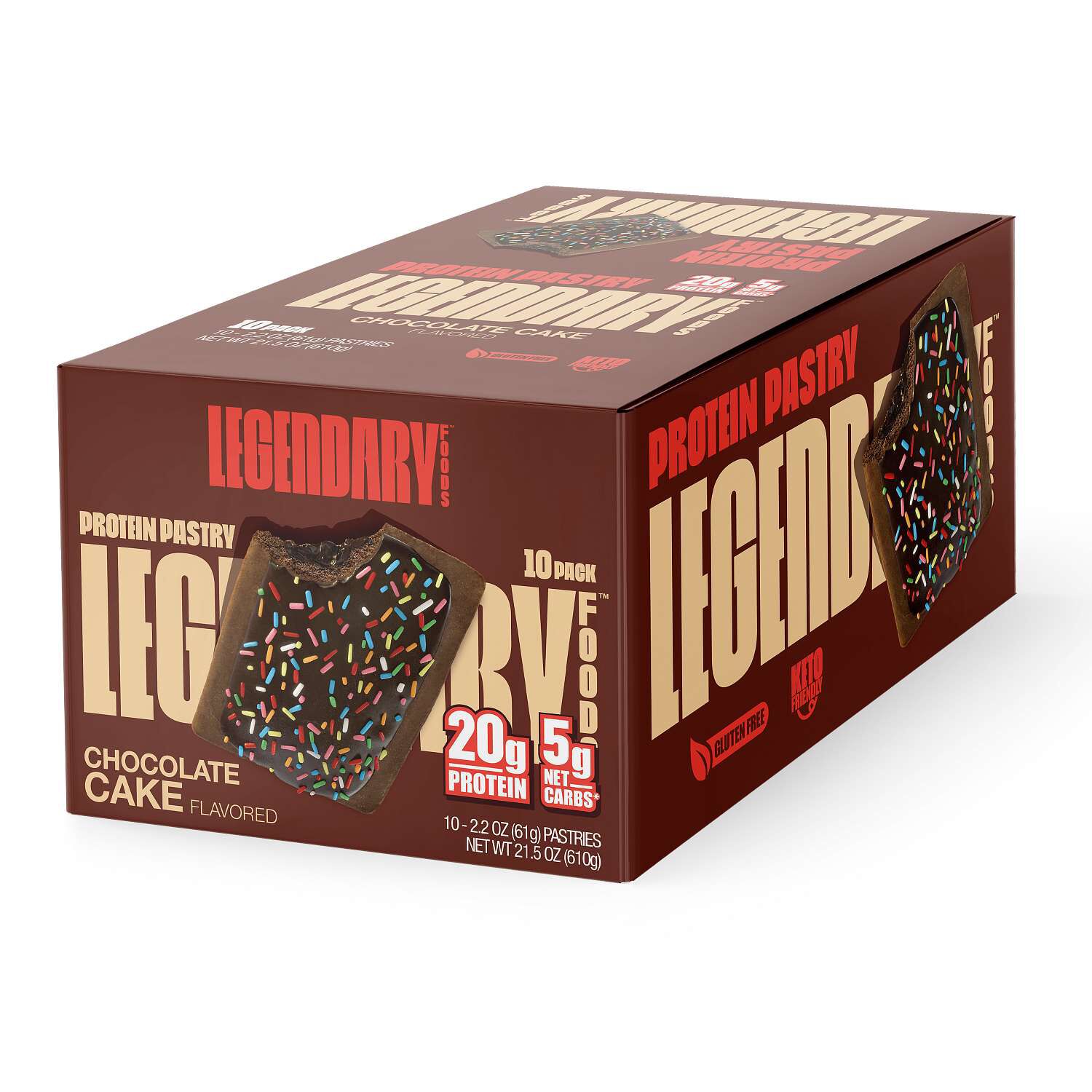
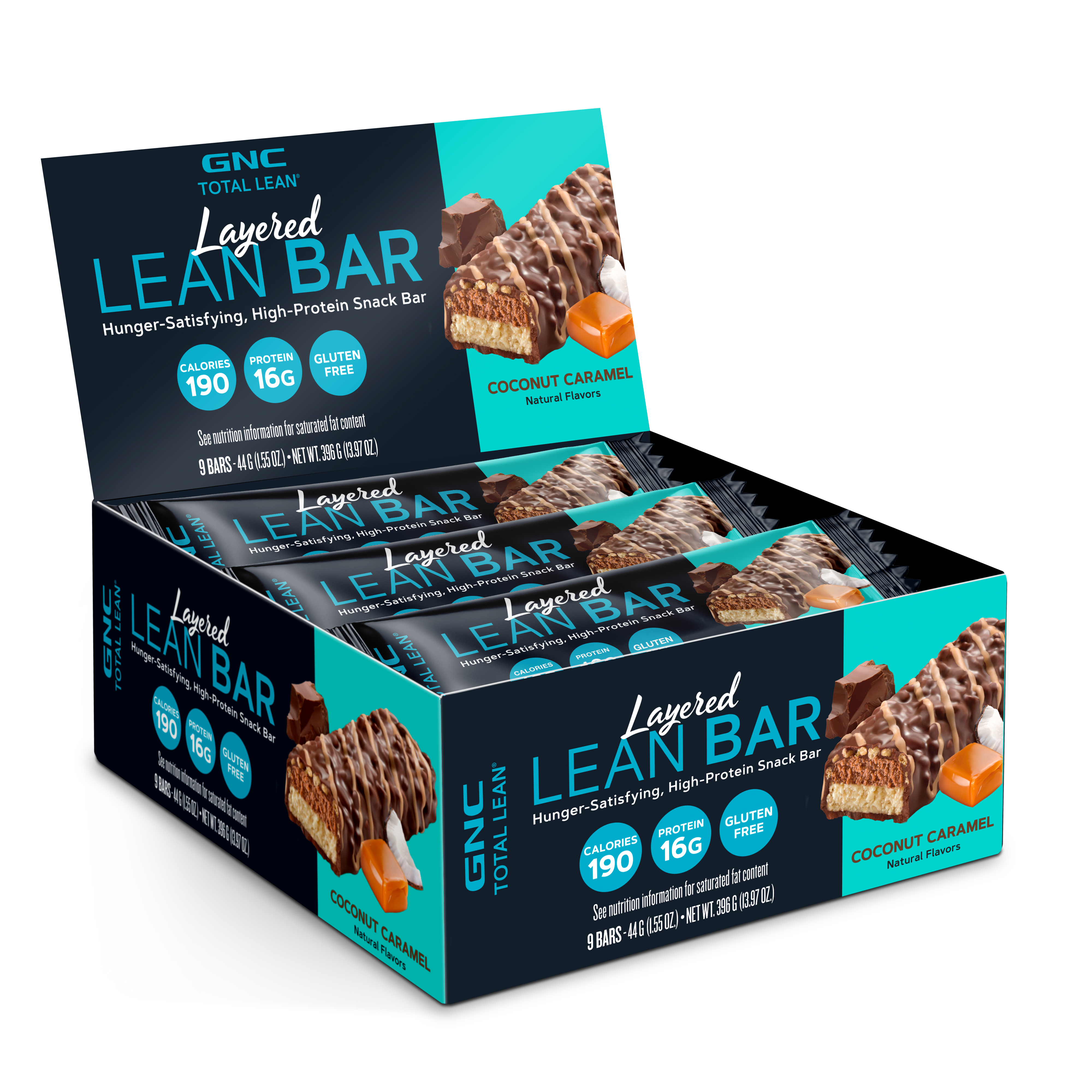
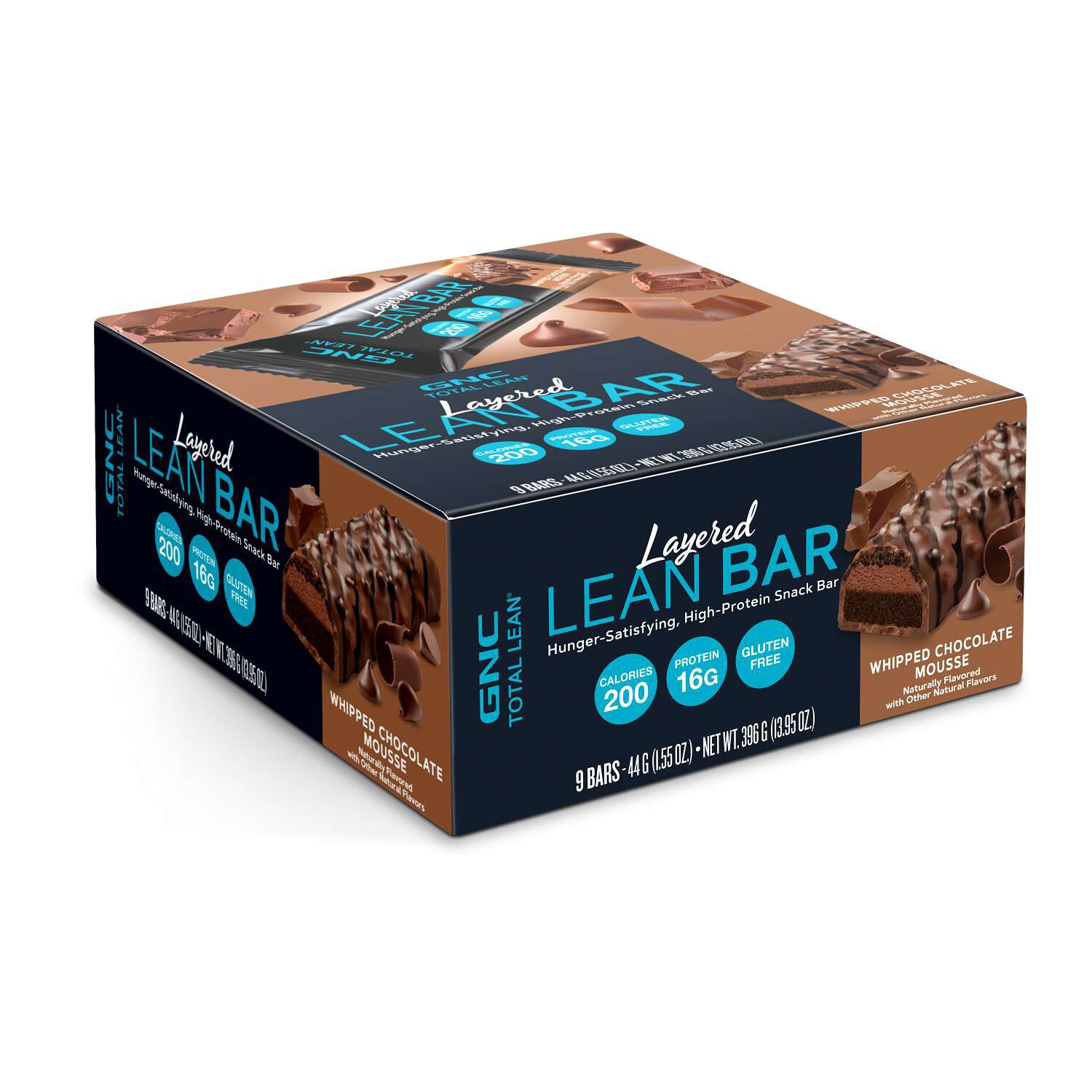

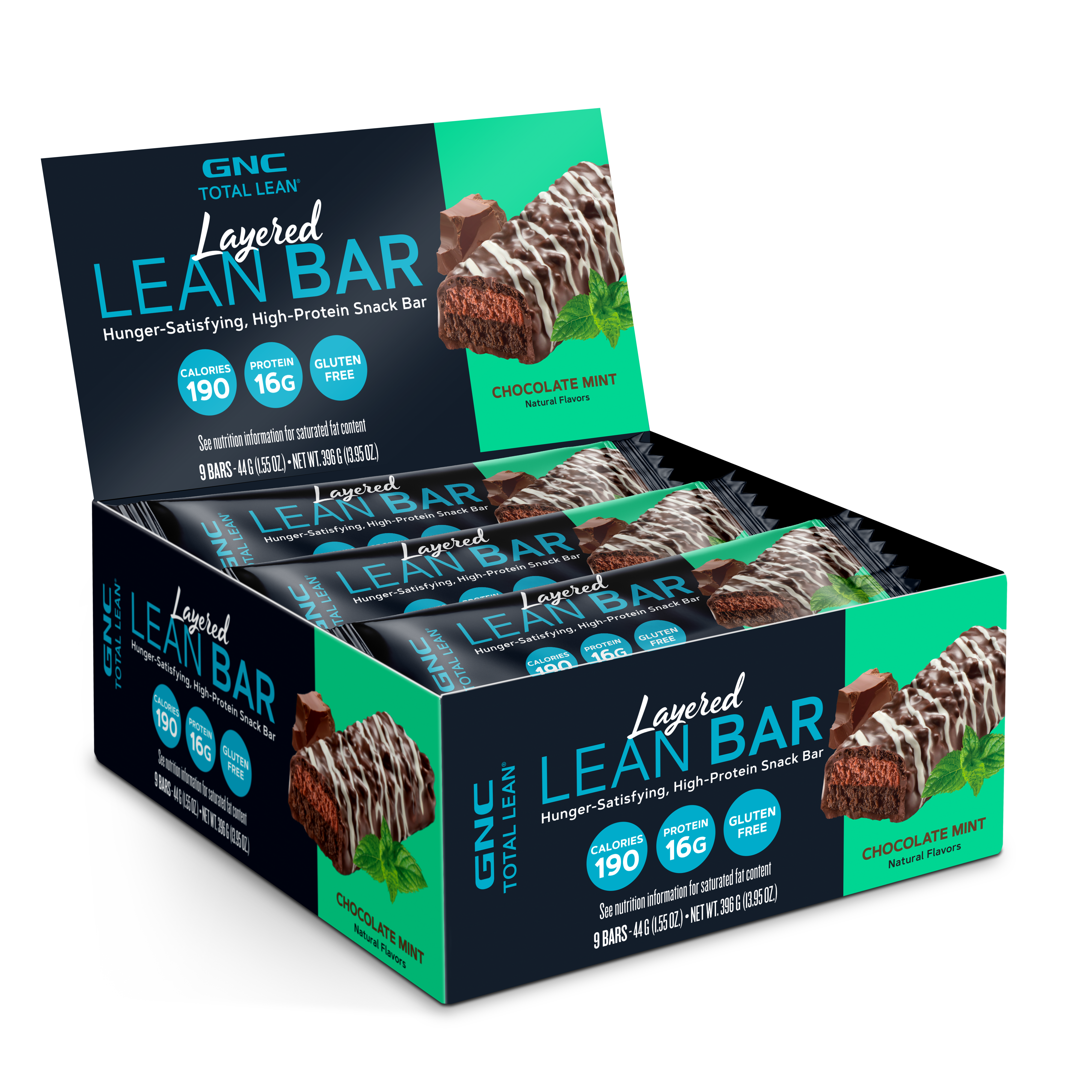
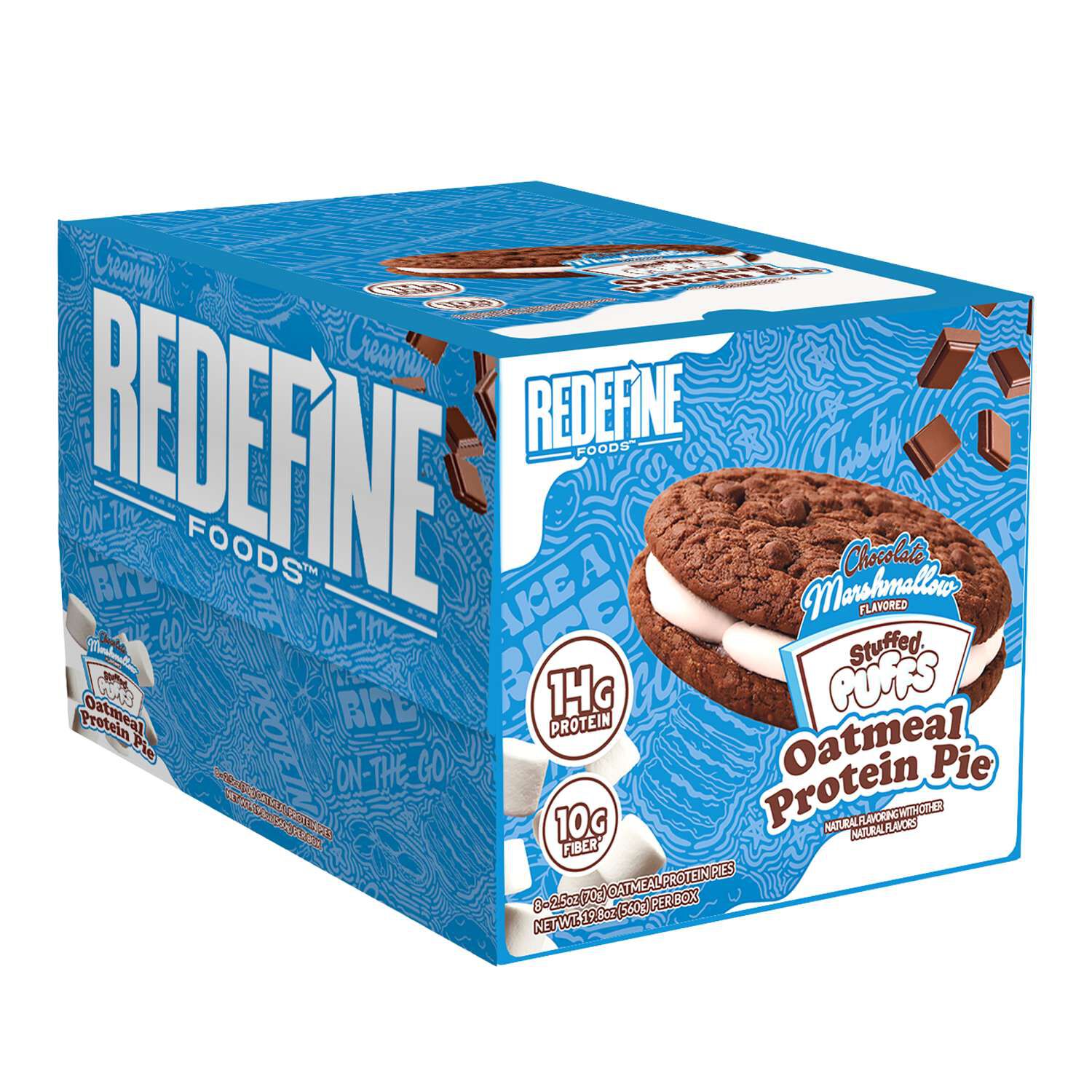

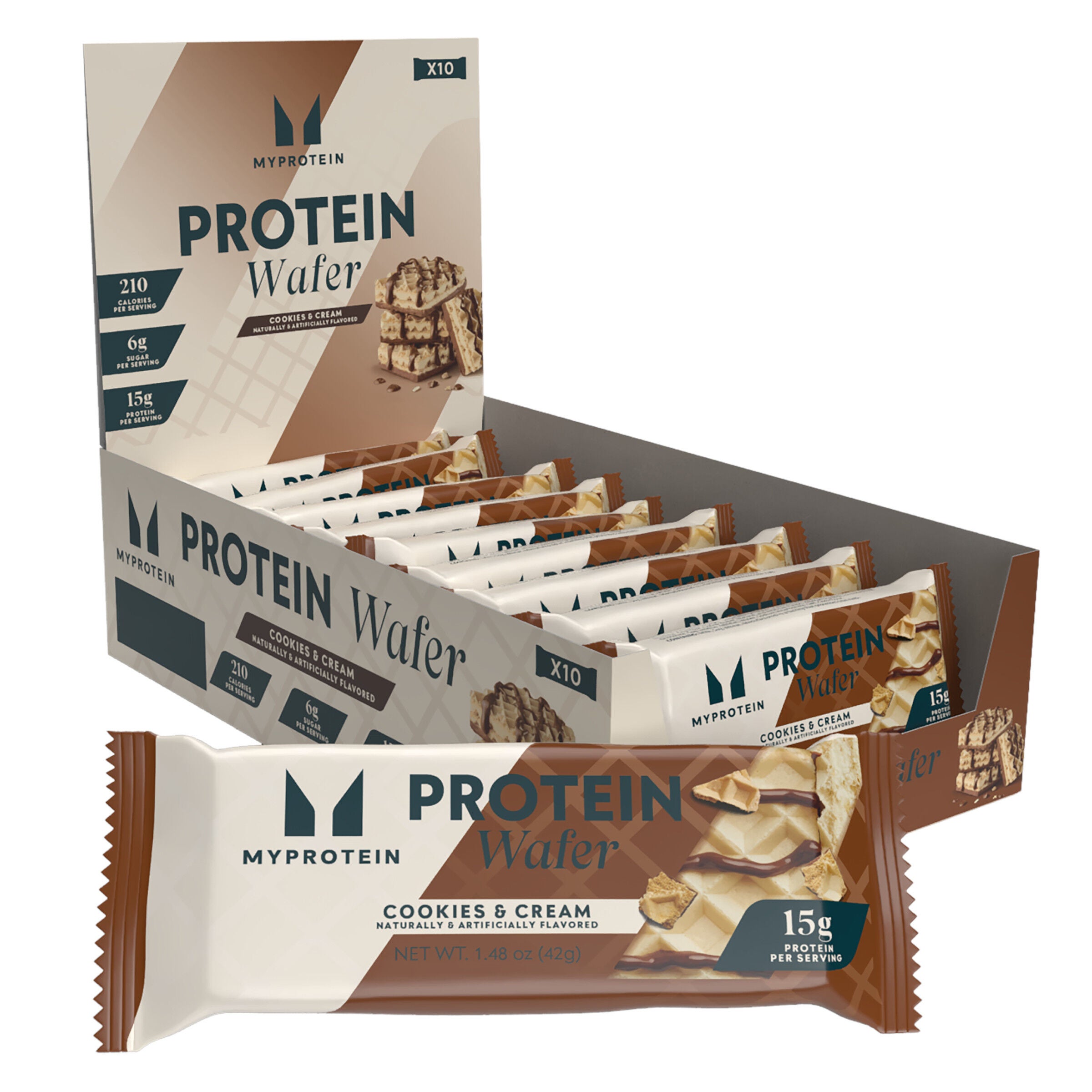
High protein sweets are dessert-inspired snacks that combine sweet flavors with protein-containing ingredients, often including whey, milk protein, soy, peas, nuts, or seeds. The category brings familiar dessert textures into snack formats, from chewy bars and soft cookies to crisp wafers, chocolate-coated bites, and creamy puddings. What distinguishes these sweets is their emphasis on protein alongside the flavors and textures associated with a treat. Chocolate, vanilla, peanut butter, caramel, and cookie dough are familiar flavor directions, while additions such as chopped nuts, cocoa nibs, or crisp pieces create contrast within a soft or smooth base. Flavor names tell only part of the story: a dark chocolate coating can bring a more pronounced cocoa taste, while a vanilla center can have a gentler, sweeter character. Texture is often just as important as flavor when choosing something enjoyable to eat regularly. A dense, chewy bar offers a different experience from an airy wafer, and a soft baked snack feels different from a crunchy cookie. Protein ingredients influence those differences, too. Milk-derived proteins, plant proteins, nut butters, and grain ingredients each contribute their own taste and structure, while syrups, oils, and other ingredients help determine moisture and chew. Some sweets emphasize a candy-bar-style combination of coating, filling, and crunch; others lean toward the familiar crumb of a baked dessert. Creamy formats offer another direction for shoppers who prefer a spoonable treat rather than a handheld snack. For someone who enjoys a small sweet finish after lunch, a bite-size format may be appealing, while a larger cookie or bar may suit a planned afternoon snack. The most useful comparisons consider the whole eating experience: the intensity of the sweetness, the richness of the coating, the texture of the center, and the portion size. A high protein sweet does not need to imitate every detail of a traditional dessert to have its own appeal.
The nutrition label gives more useful context than the dessert name alone. Protein content varies among high protein sweets, so the grams of protein per serving and the number of servings in each package matter when comparing similar formats. An individually wrapped package does not always represent one serving, and a larger-looking snack does not necessarily contain more protein than a smaller one. Calories, carbohydrates, added sugars, fat, and fiber provide additional context for how a sweet may fit personal food preferences and an established eating routine. Higher protein content does not automatically mean less sugar or fewer calories; the coating, filling, nuts, oils, and portion size all contribute to the nutritional profile. Ingredients also explain differences that may be noticeable from the first bite. Cocoa and nut butters bring recognizable flavors, while certain protein blends have a more distinct taste of their own. Sweeteners vary as well. Sugar, syrups, sugar alcohols, and other sweetening ingredients can produce different degrees of sweetness and different finishes, making the ingredient list useful for anyone with strong taste preferences. Dietary preferences deserve the same attention as flavor. Whey and casein come from milk, while plant-based protein sources can include pea, soy, or rice. A plant-based protein ingredient does not, by itself, describe every ingredient in the finished sweet. Chocolate coatings, fillings, and baked components may contain milk, eggs, wheat, soy, peanuts, tree nuts, or sesame, depending on the recipe. Package statements provide important details for shoppers avoiding particular ingredients, including information about shared equipment when supplied by the manufacturer. For a household with different preferences, individually wrapped portions may make it easier to keep ingredient information with each snack. These distinctions help separate sweets that simply share a flavor name from those that match the texture, ingredient preferences, and serving size a shopper actually wants.
High protein sweets may suit several everyday occasions without requiring preparation or a dessert recipe. A wrapped bar may fit into a work bag for an afternoon break, a cookie-style snack may accompany coffee, and a small chocolate-coated portion may offer a sweet finish to lunch. Someone heading from work to an evening activity might prefer a compact, sturdy format, while someone eating at home might choose a softer or spoonable option. For a broader mix of sweet and savory choices, High Protein Diet Snacks offers a related category to explore. Practical details can matter as much as flavor when a snack will spend several hours in a bag or desk drawer. Firm bars and tightly wrapped portions may travel more neatly than delicate wafers or heavily coated sweets, while crumbly cookies are often easier to enjoy with a plate or napkin nearby. Packaging should suit the intended use: individual wrappers keep portions separate, and resealable bags help contain smaller bites between servings. Storage directions remain important because different formats have different needs. Some sweets belong in a pantry, while others require refrigeration; the package provides the appropriate instructions. Direct sunlight and excess heat can soften chocolate coatings or change texture, and an opened package may need a securely closed container to help limit exposure to air and moisture. Date markings and storage information are also worth checking before setting snacks aside for later. When choosing sweets for a shared office basket, a care package, or a gift for someone who enjoys protein-focused snacks, familiar flavors and clearly labeled individual portions may be thoughtful choices. The recipient’s ingredient preferences matter more than an elaborate assortment. Whether the preference is a crisp chocolate wafer, a soft peanut butter cookie, or a chewy dessert-style bar, attention to flavor, texture, labeling, and everyday practicality helps make the category easier to navigate.
Best Sellers
-
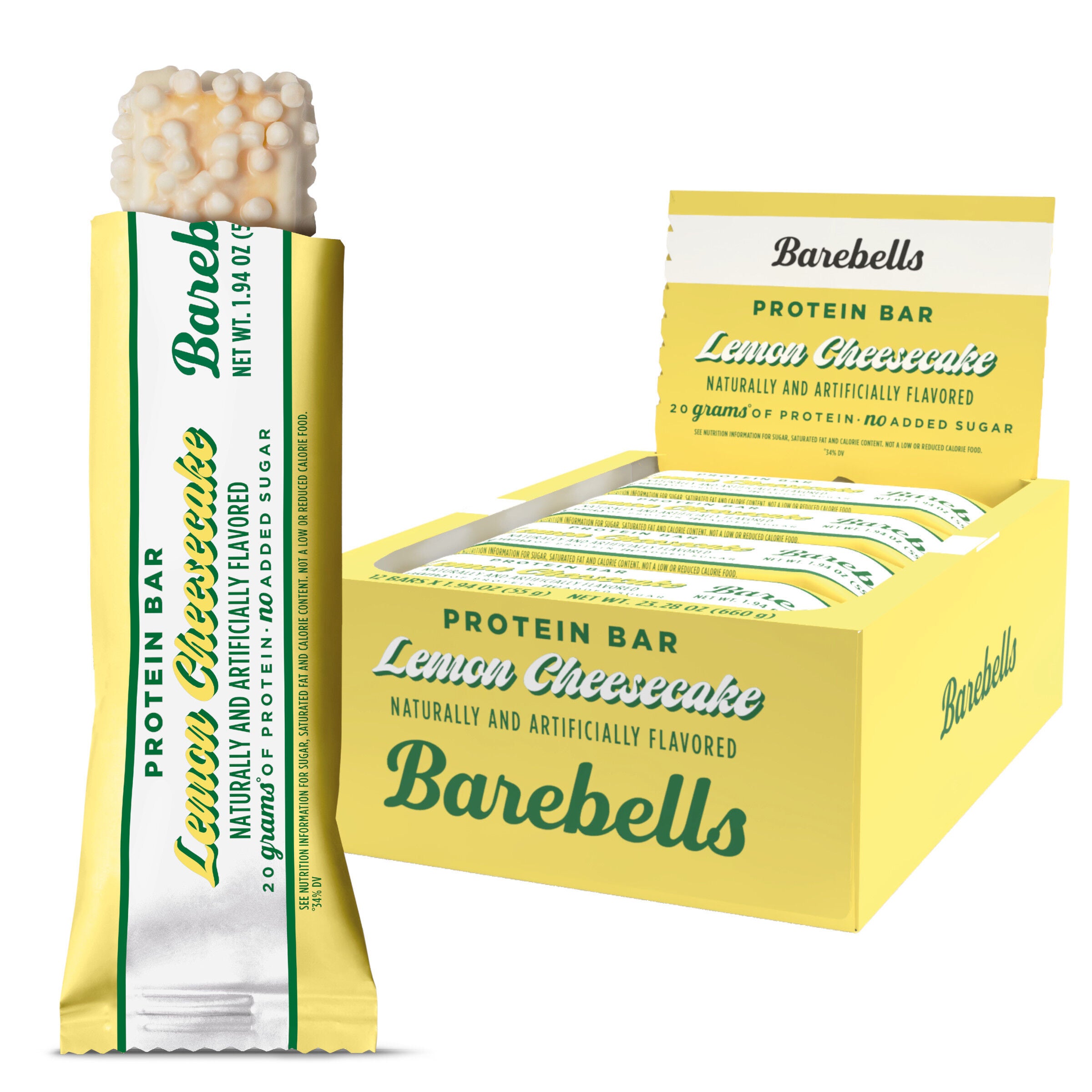 Barebells
-
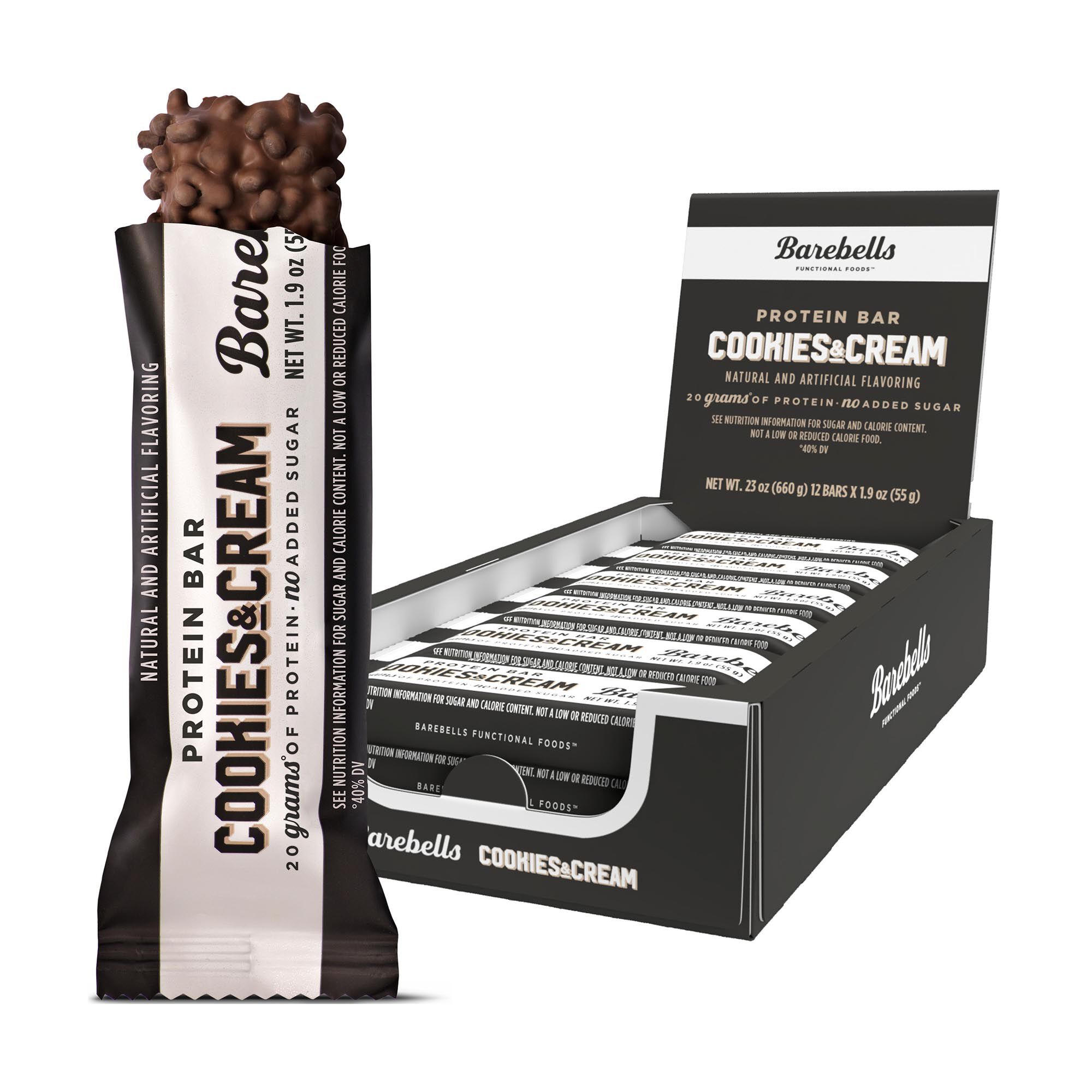 Barebells
-
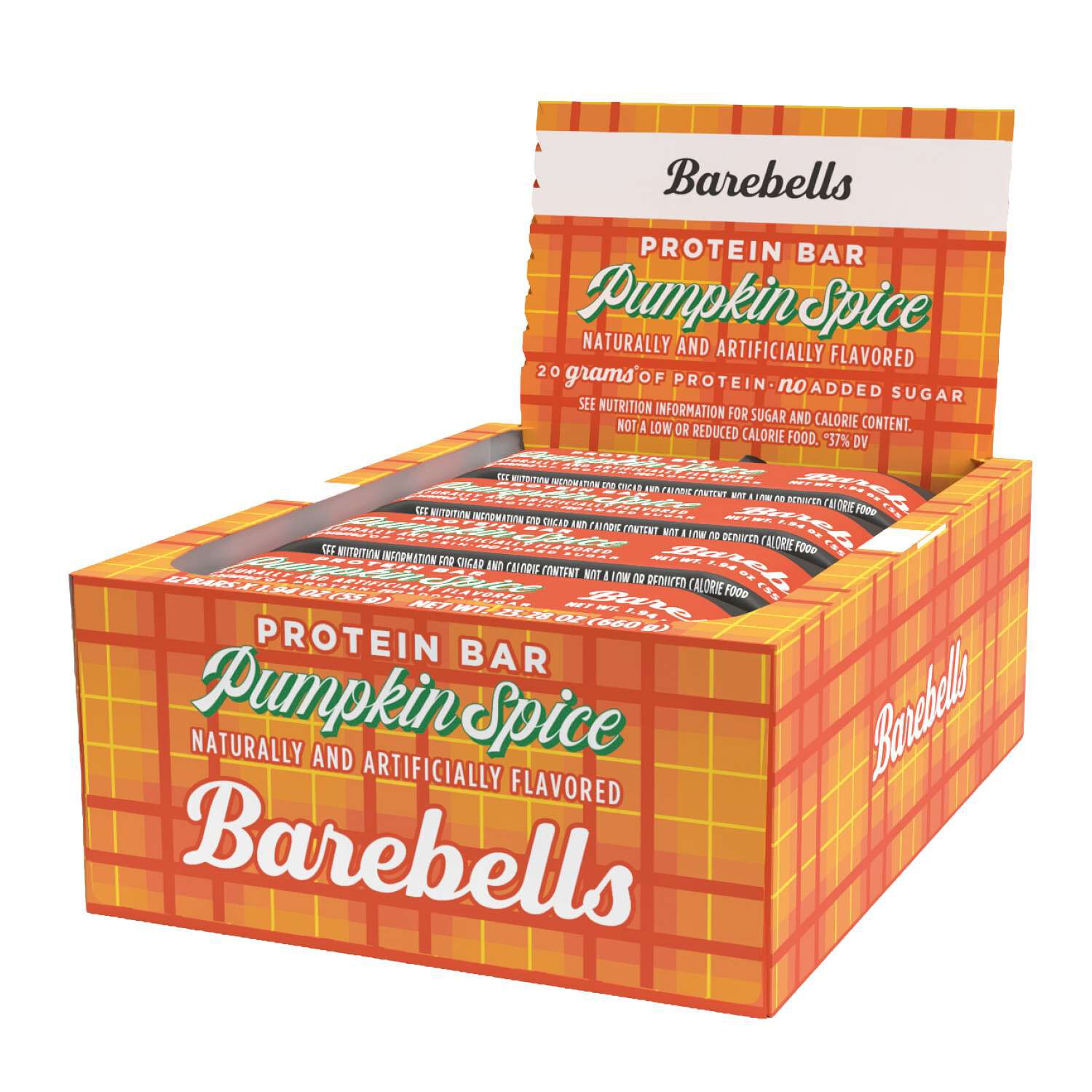 Barebells
-
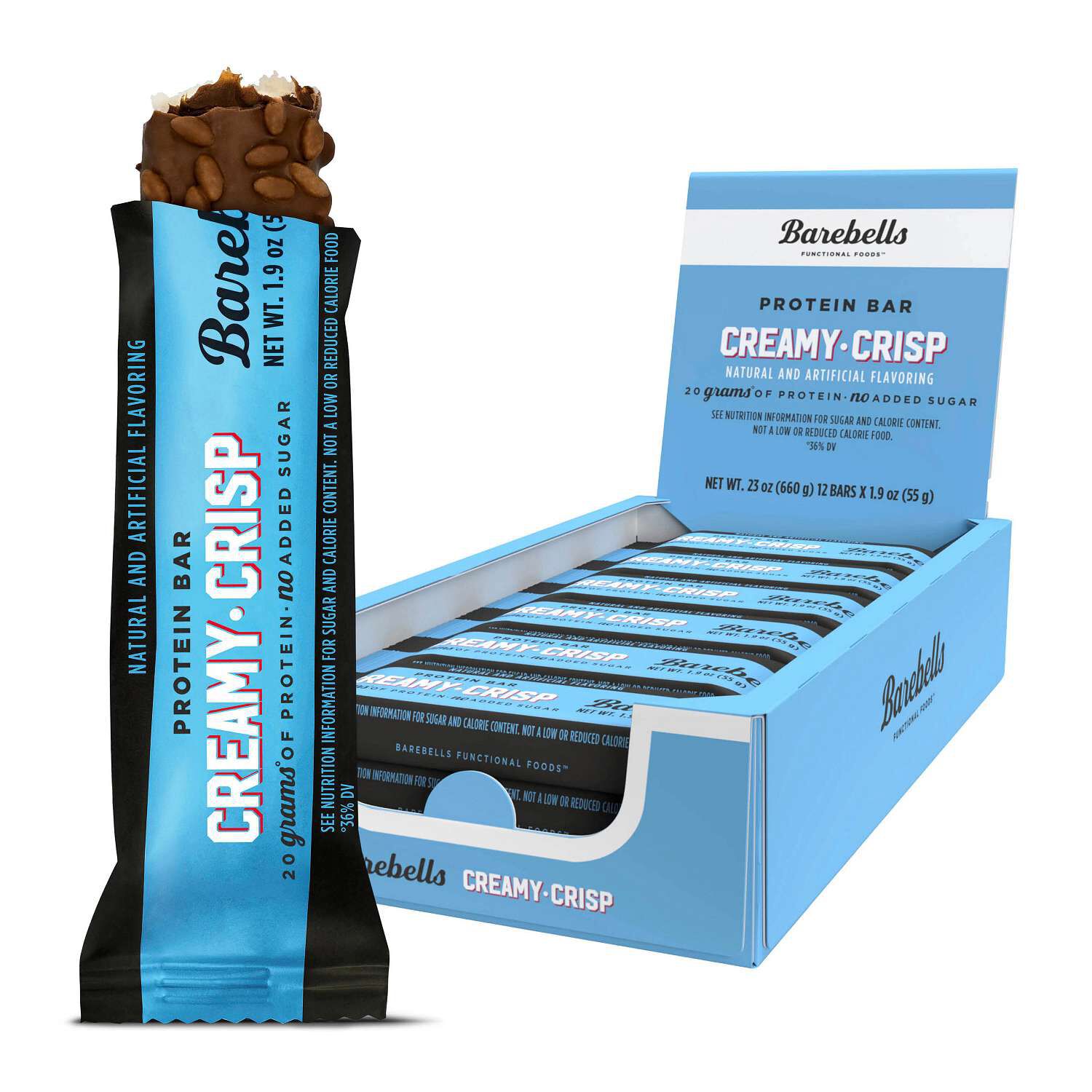 Barebells
Related Pages


Top Collections
- GLP 1 Support For Adults
- Supplements For Yoga Joint Flexibility
- Supplements For Balance
- Joint Mobility Supplement Packs
- Zinc Supplements | Top Brands at Great Prices | GNC
- Capsule Supplements For Energy And Stamina
- Supplements For Anxiety Relief Support
- Chronic Fatigue Supplements
- Zinc Supplements For Men
- Iron Supplements