Protein Pastries For On The Go
(0 Results)
Protein pastries for on the go offer a convenient way to enjoy a tasty snack while supporting your active lifestyle. Packed in portable portions, these treats fit easily into busy routines, whether you’re headed to the gym, the office, or out for an adventure. With a variety of flavors and textures to choose from, protein pastries for on the go could be a satisfying option whenever you need a quick pick-me-up. Explore options that may help you stay fueled wherever the day takes you.


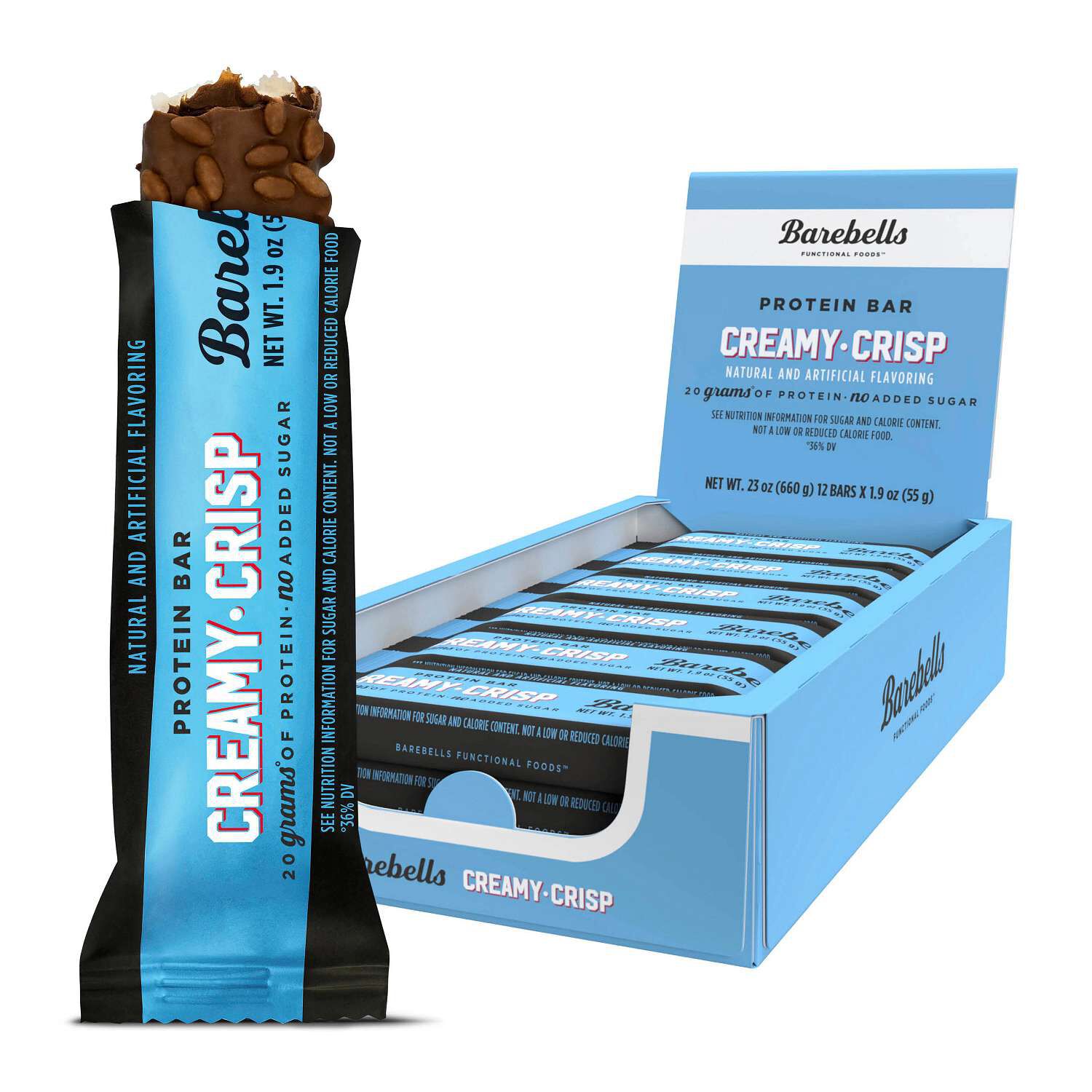
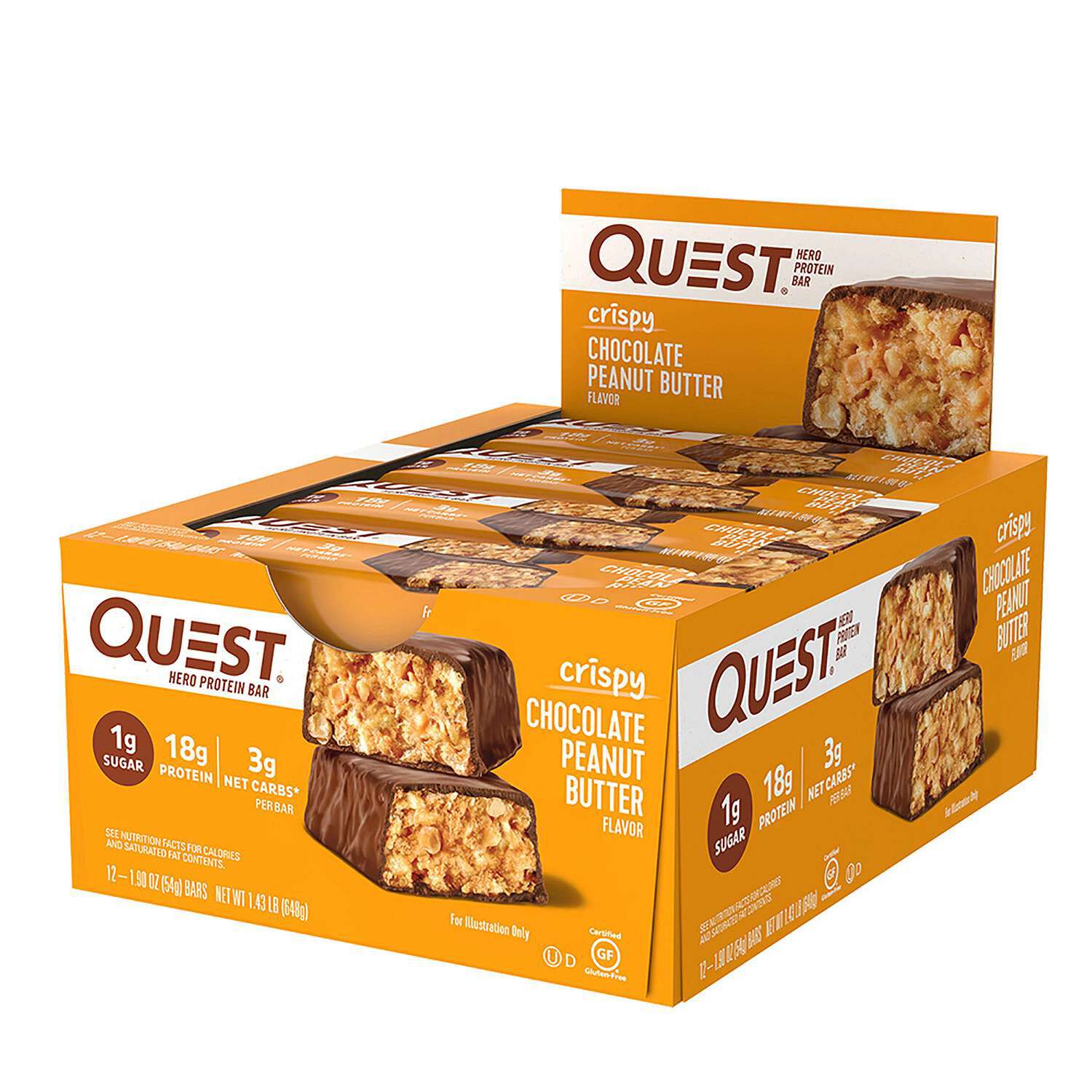


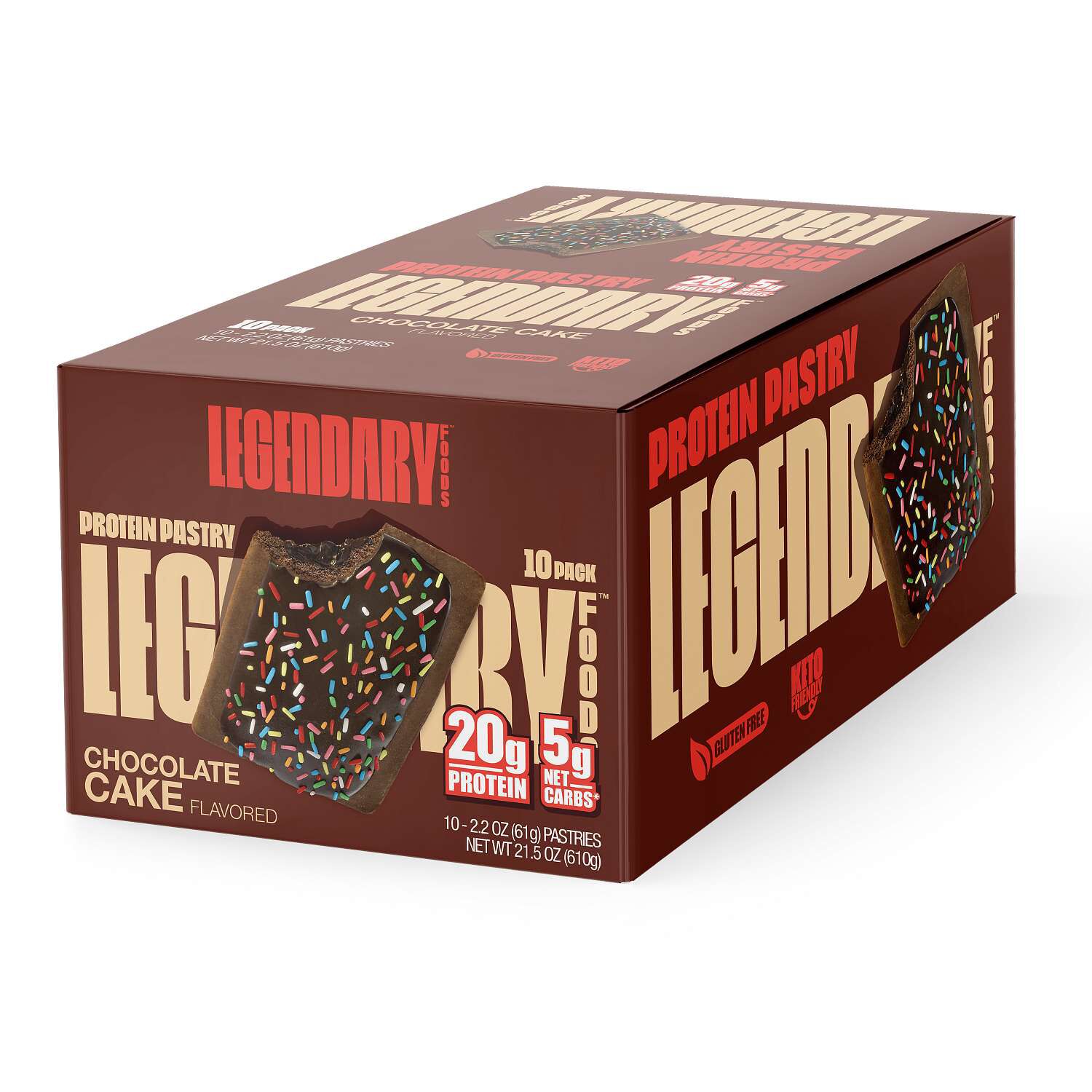
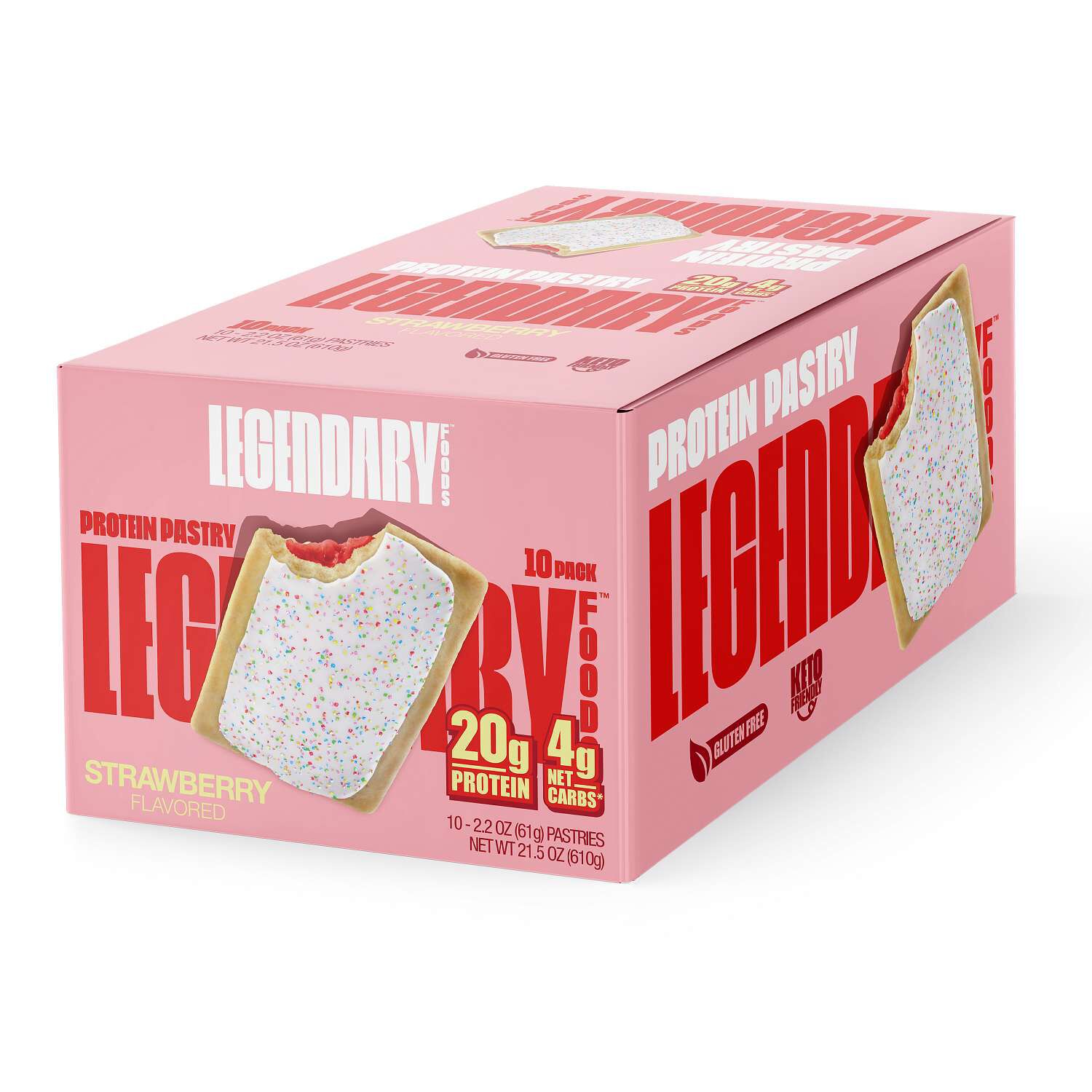
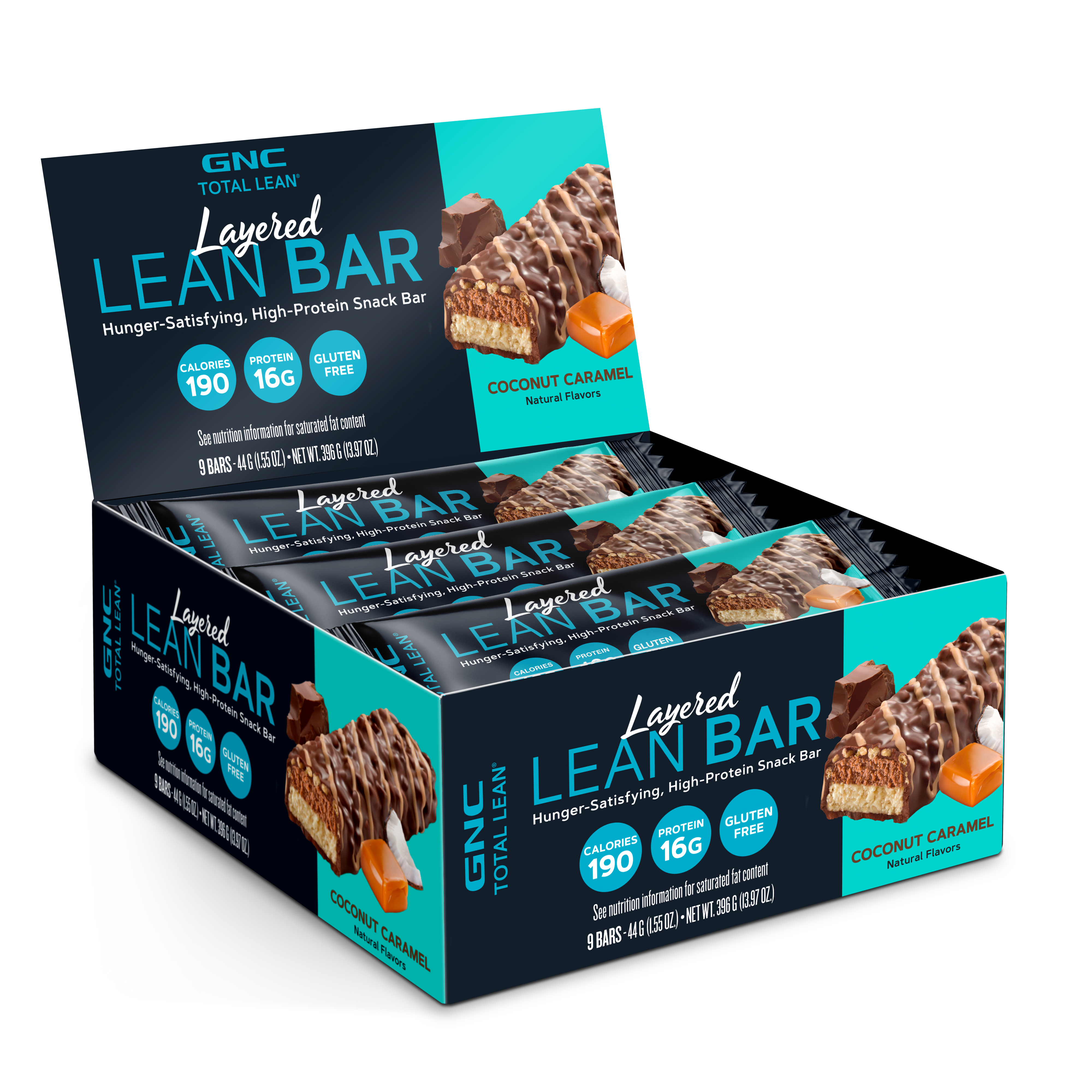
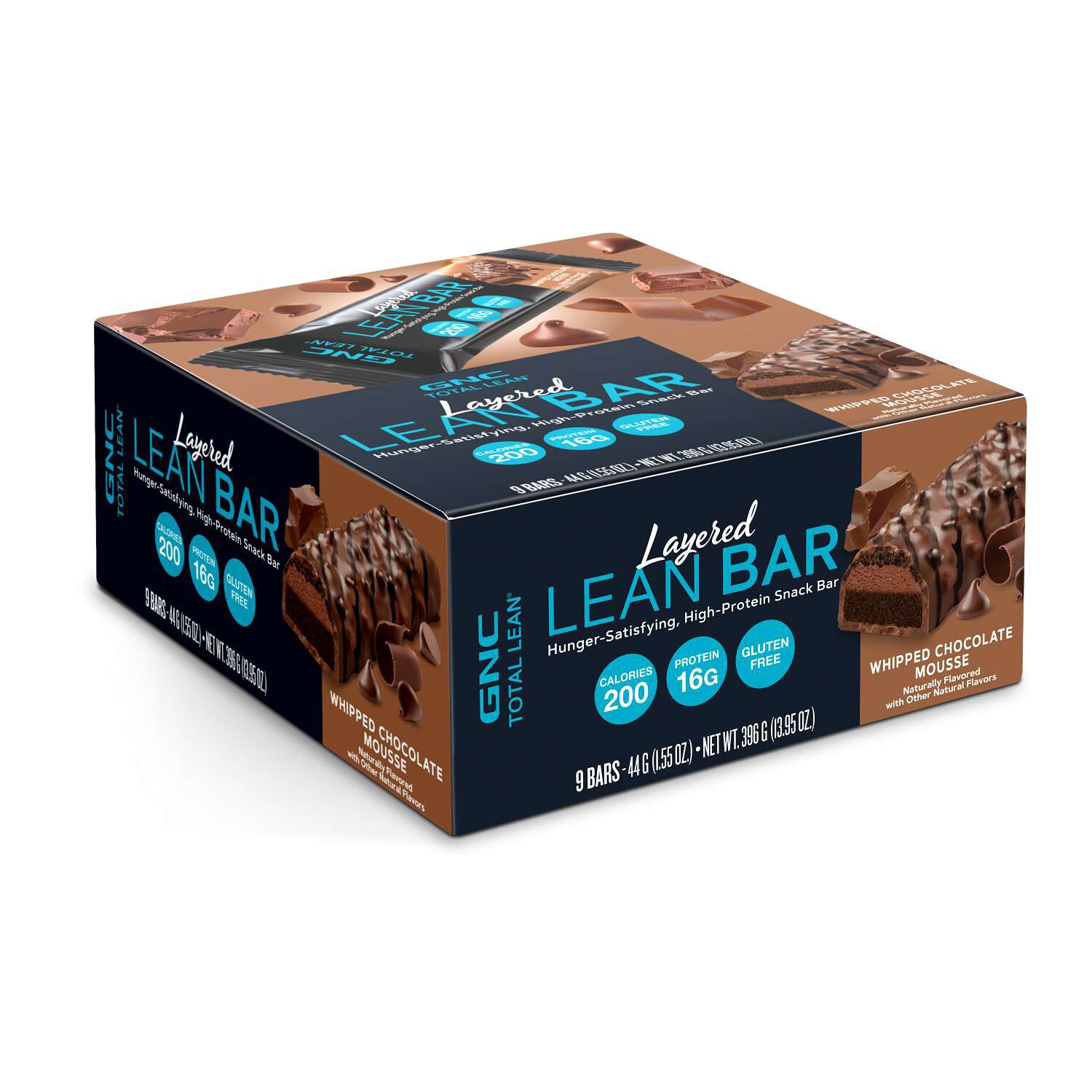


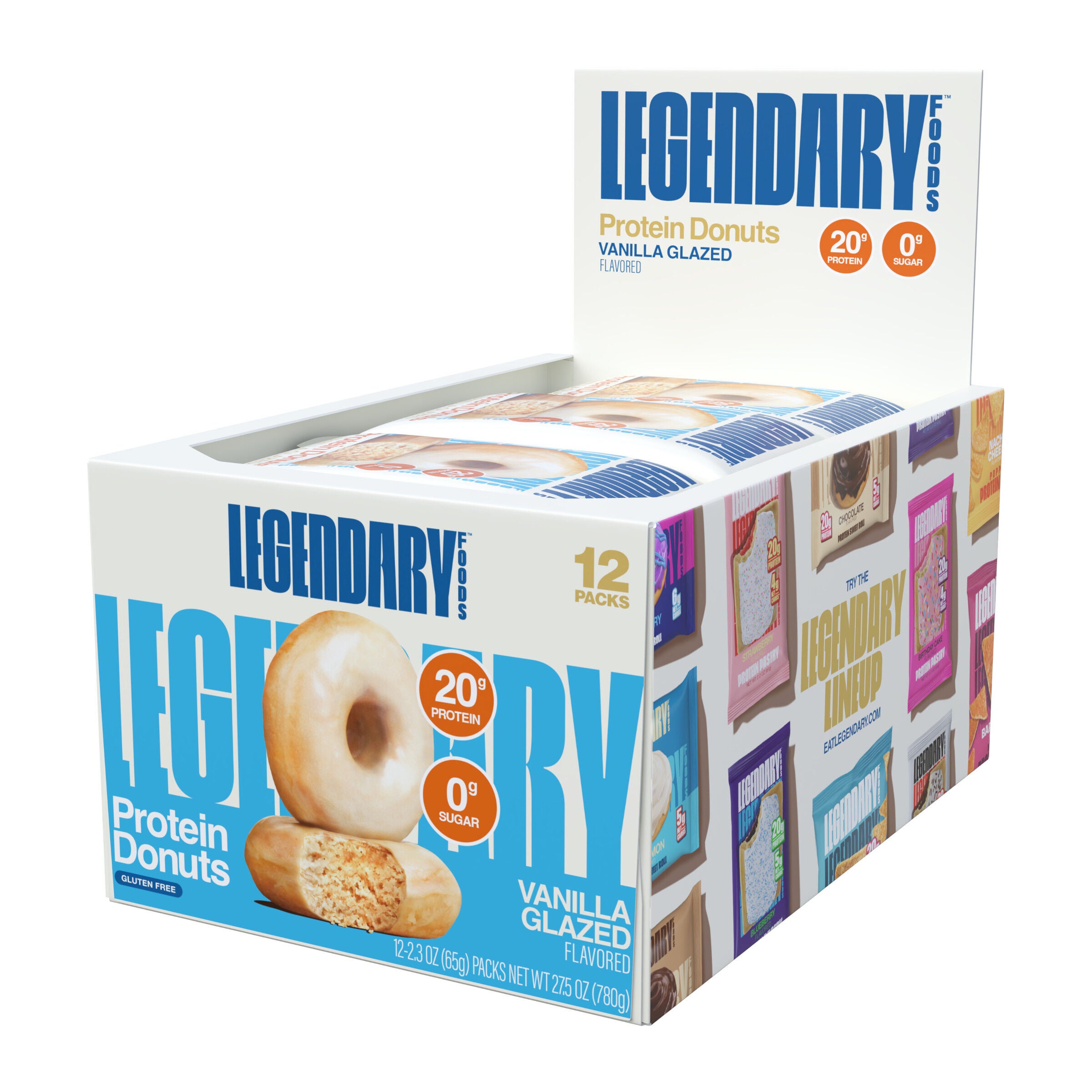
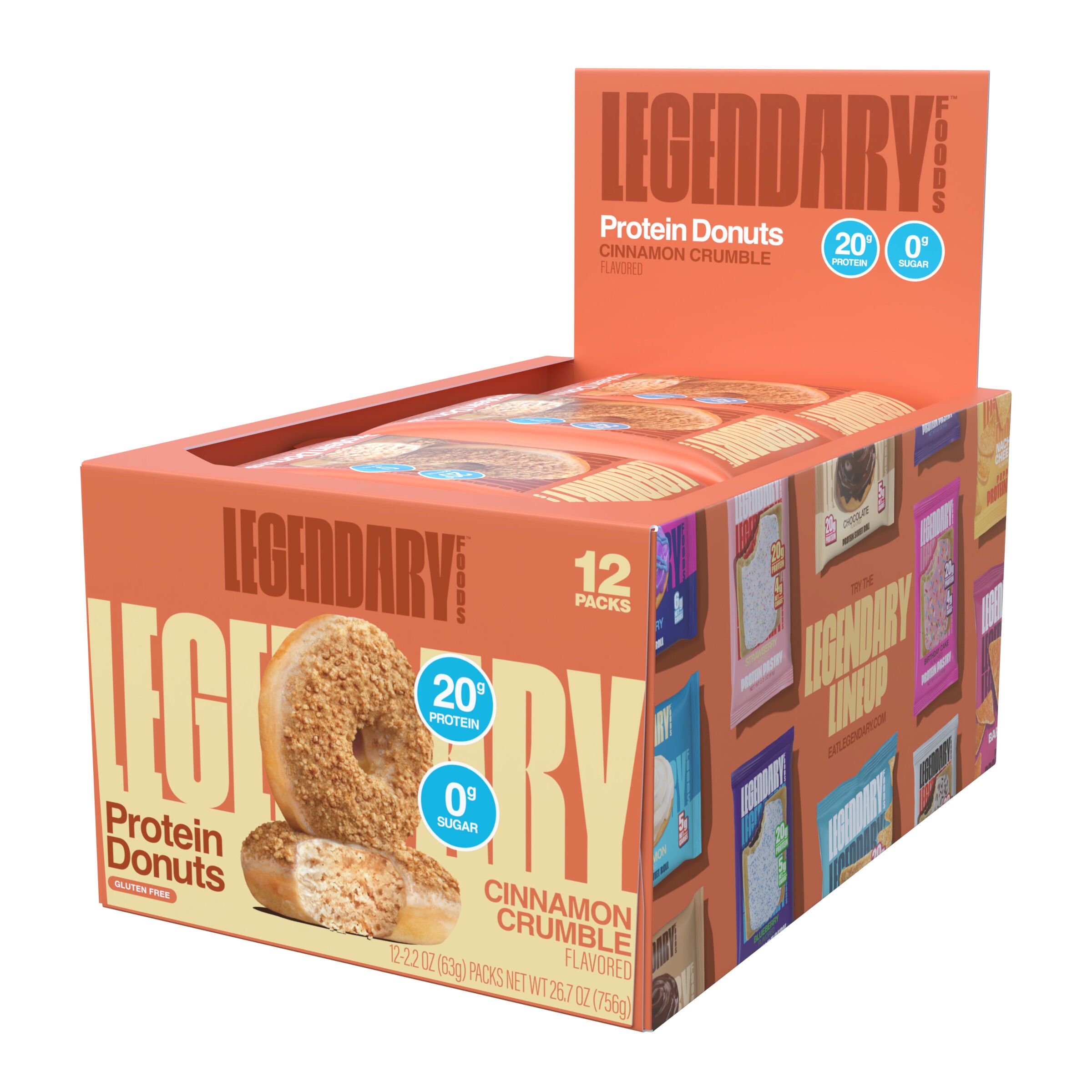
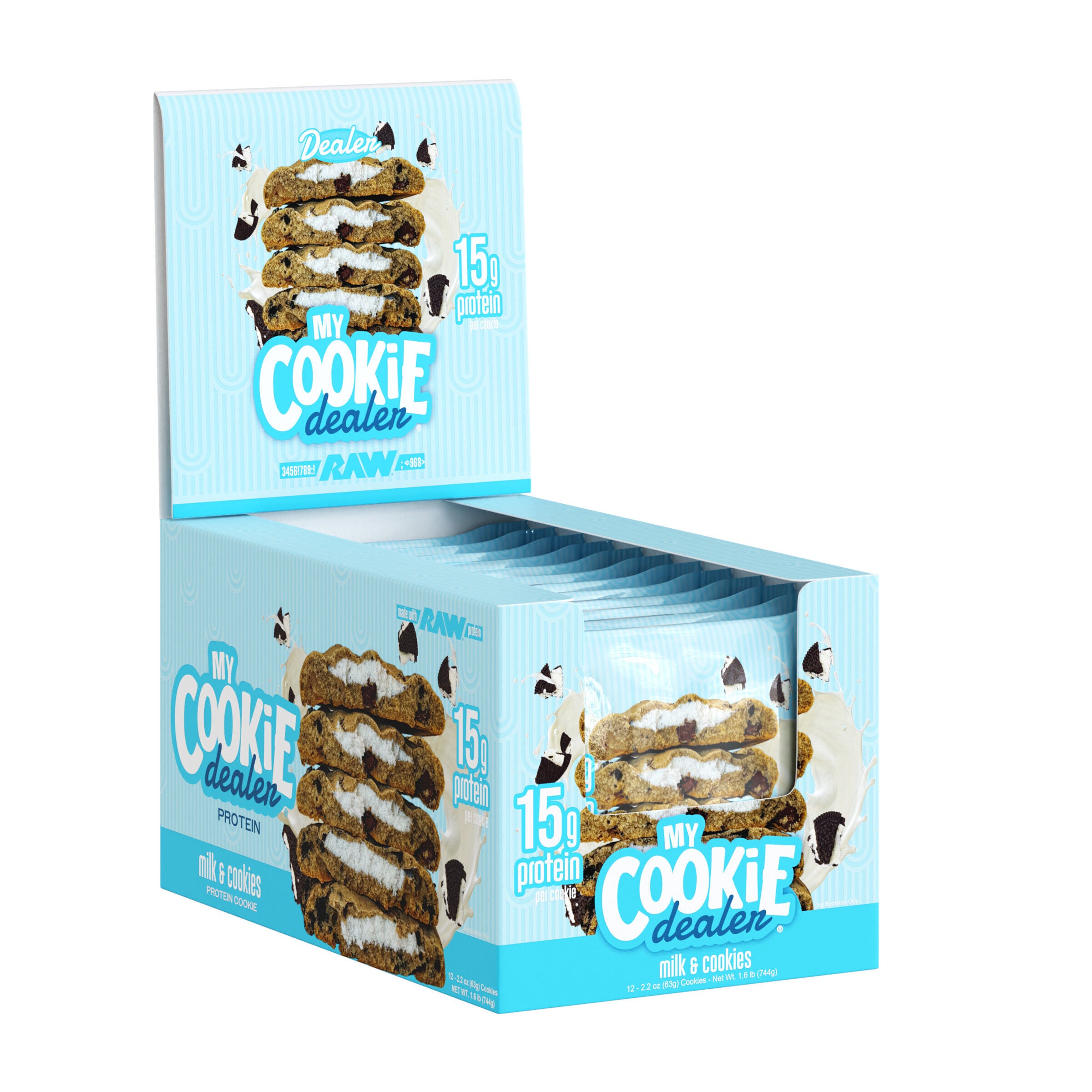

Protein pastries are pastry-style snacks made with added protein ingredients, often in a filled, frosted, or toaster-pastry-inspired format. They bring the familiar character of a sweet bakery treat to a packaged snack that can travel from the kitchen counter to a work bag. Many come individually wrapped, with no mixing or preparation required when the package identifies them as ready to eat. That format may suit a commute, a break between college classes, a road trip, or a few minutes between appointments. The appeal is as much about texture and flavor as it is about the protein content: a soft outer layer, a sweet center, and a coating or drizzle create a different eating experience from a chewy bar or a shake. Chocolate, cinnamon, vanilla, and fruit-inspired flavors represent familiar directions within the category, while the balance of filling, pastry, and frosting varies by recipe. Some textures are dense and cake-like; others have a firmer exterior or a more pronounced filled center. Protein ingredients can include milk-derived sources, such as whey or casein, as well as plant-derived sources, depending on the formulation. Flours, fats, fibers, and sweeteners also influence the finished texture, so pastries with similar flavor descriptions can feel quite different to eat. For someone who enjoys a bakery-style snack but prefers a packaged option with a stated amount of protein, these details are worth considering alongside the flavor name. Protein pastries for on-the-go use are not all interchangeable: the dimensions, wrapper style, portion size, and tendency to shed crumbs all matter when the eating space is a parked car, a shared break room, or a small desk. A firmer coating and a compact shape may be more practical for carrying, while a softer, generously filled pastry may be better suited to a seated break. The right match depends on both personal taste and where the snack will be opened.
The nutrition label provides the clearest distinction between protein pastries that otherwise look similar. Protein, calories, carbohydrate, sugars, fiber, and fat are listed by serving, and the serving size deserves attention before comparing packages. One wrapper does not always represent the same portion across different formats, and a multipack count describes the number of packages rather than the nutrition in each serving. The amount of protein varies by recipe, so a pastry-style appearance alone says little about its nutrition profile. Likewise, a sweet flavor does not establish how much sugar a pastry contains, and a lower sugar amount does not describe every other part of the formula. Some recipes use sugar alcohols or other sweeteners; others use combinations of sugar, fiber ingredients, and sweeteners to create the filling or coating. The ingredient list identifies those differences more clearly than a flavor description can. For shoppers with dietary preferences or ingredient restrictions, the package is also the place to confirm protein sources, grain ingredients, and any relevant certifications. Milk, eggs, wheat, soy, peanuts, tree nuts, and sesame are among the ingredients or allergen statements that may warrant a closer look, depending on the individual. Recipes and manufacturing information can differ even between similar flavors, making the label on the selected package more useful than assumptions about the category. Intended use matters, too. A protein pastry may fit a short snack break, but its wrapper and bakery-inspired appearance do not establish whether it suits someone’s breakfast preferences or appetite. A pastry alongside fruit or yogurt creates a different eating occasion from a pastry tucked into a bag for later. There is room for either approach without treating every snack as a meal. For a shopper comparing pastry-style options with other portable formats, On The Go Protein Snacks offers a broader category to consider alongside preferences for texture, preparation, and portion size.
Everyday portability comes down to what happens between packing a pastry and opening it. Individual wrapping keeps the portion contained, but a thin wrapper is not a rigid container. A pastry carried beneath a laptop, a full water bottle, or a stack of textbooks may arrive flattened, with frosting pressed against the packaging or filling pushed toward one edge. A separate bag pocket or a small reusable food container may be more suitable when presentation and texture matter. The original wrapper should remain intact until the pastry is ready to eat, and storage should follow the directions on the package. Date markings and instructions for handling an opened portion are more useful than assuming that every packaged pastry keeps the same way. Once opened, a pastry with a soft center or coating is often easier to manage on a napkin or plate than directly over a keyboard. Some recipes are intended to be eaten straight from the wrapper, while others include an optional warming method. Any warming should follow the manufacturer’s directions, including the appropriate appliance and which packaging must be removed; a toaster-pastry shape alone does not establish that a conventional toaster is suitable. Warming may soften a filling or change the texture of a coating, but the result depends on the recipe. For a commute or a break without kitchen access, suitability for eating as packaged is a more relevant detail than a warmed serving suggestion. College students, office workers, travelers, and people heading to a recreational activity may all find the format useful for different reasons, from a compact portion to a familiar sweet flavor. The most practical choice is the one whose packaging, ingredients, serving size, and eating texture match that setting. Whether packed beside lunch, kept with other labeled pantry snacks, or set aside for an afternoon break, a protein pastry offers a distinct format to consider: bakery-inspired flavor, a defined serving, and preparation requirements that are easy to check before leaving home.