Protein Powder Tubs
(0 Results)
Protein powder tubs offer a convenient way to support your active lifestyle and nutrition goals. With a variety of options available, finding the right protein powder tubs for your needs could make it easier to incorporate more protein into your daily routine. Whether you’re looking for something to mix into smoothies, shakes, or recipes, these versatile tubs may fit seamlessly into your wellness journey. Explore different flavors, formulations, and sizes to discover what works best for you.
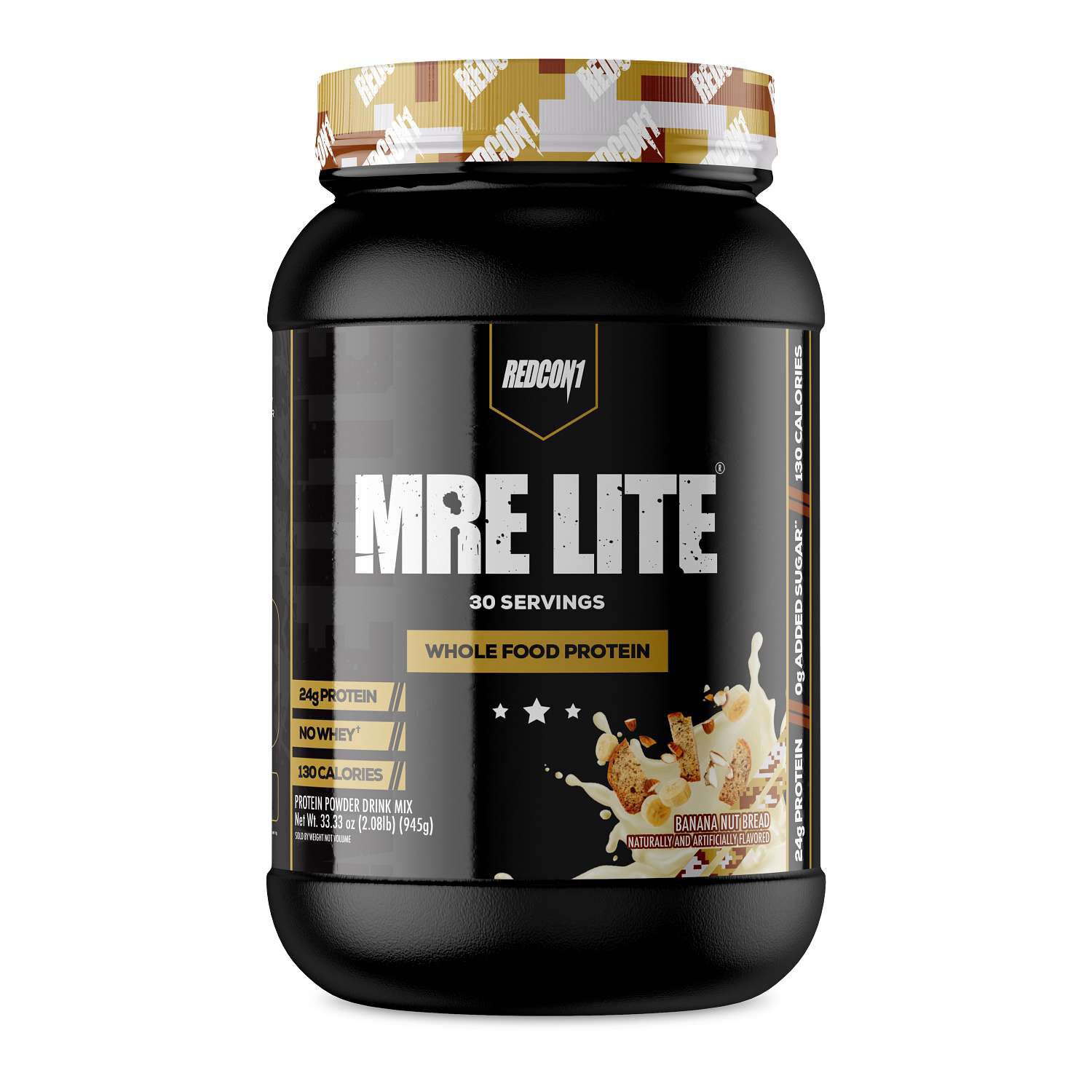
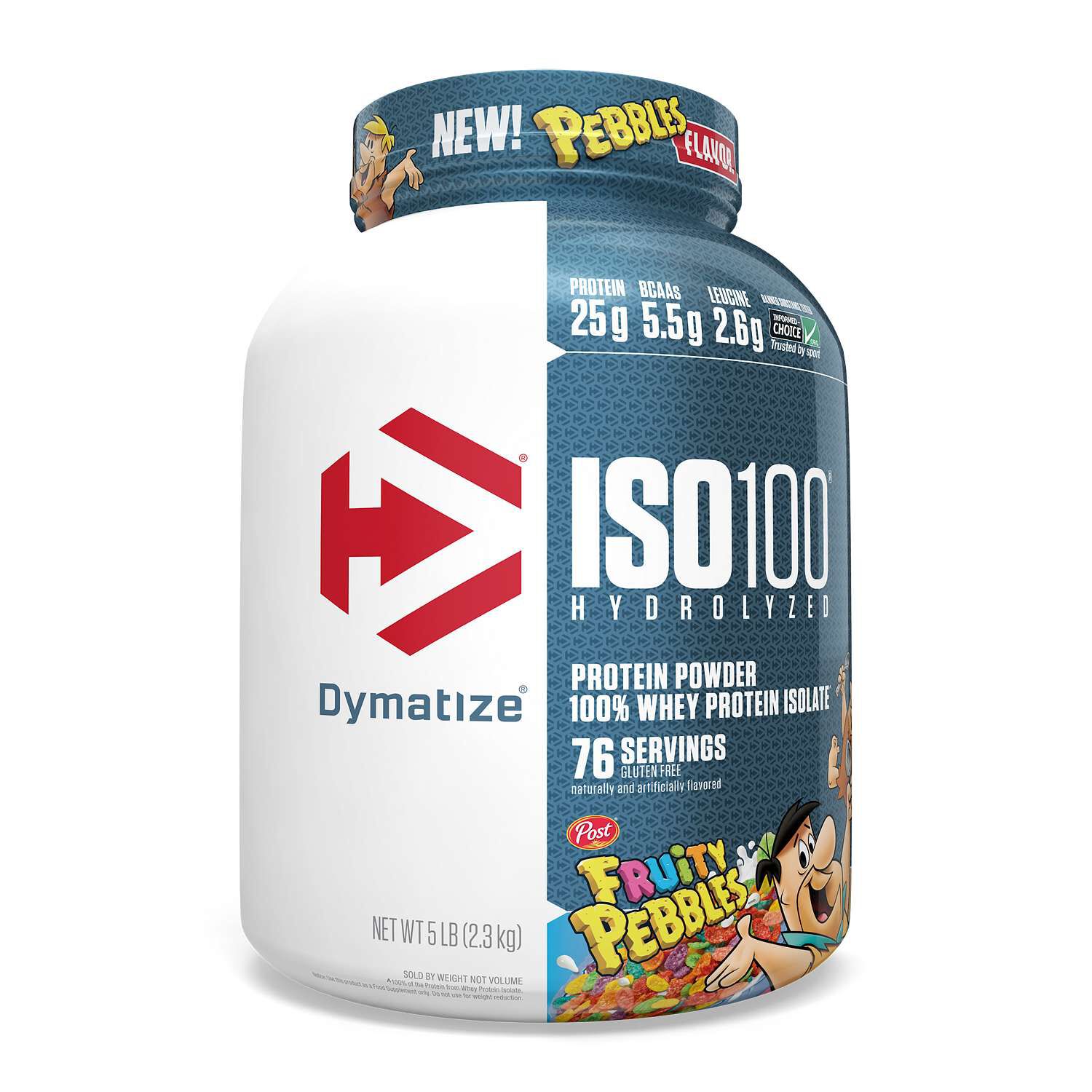


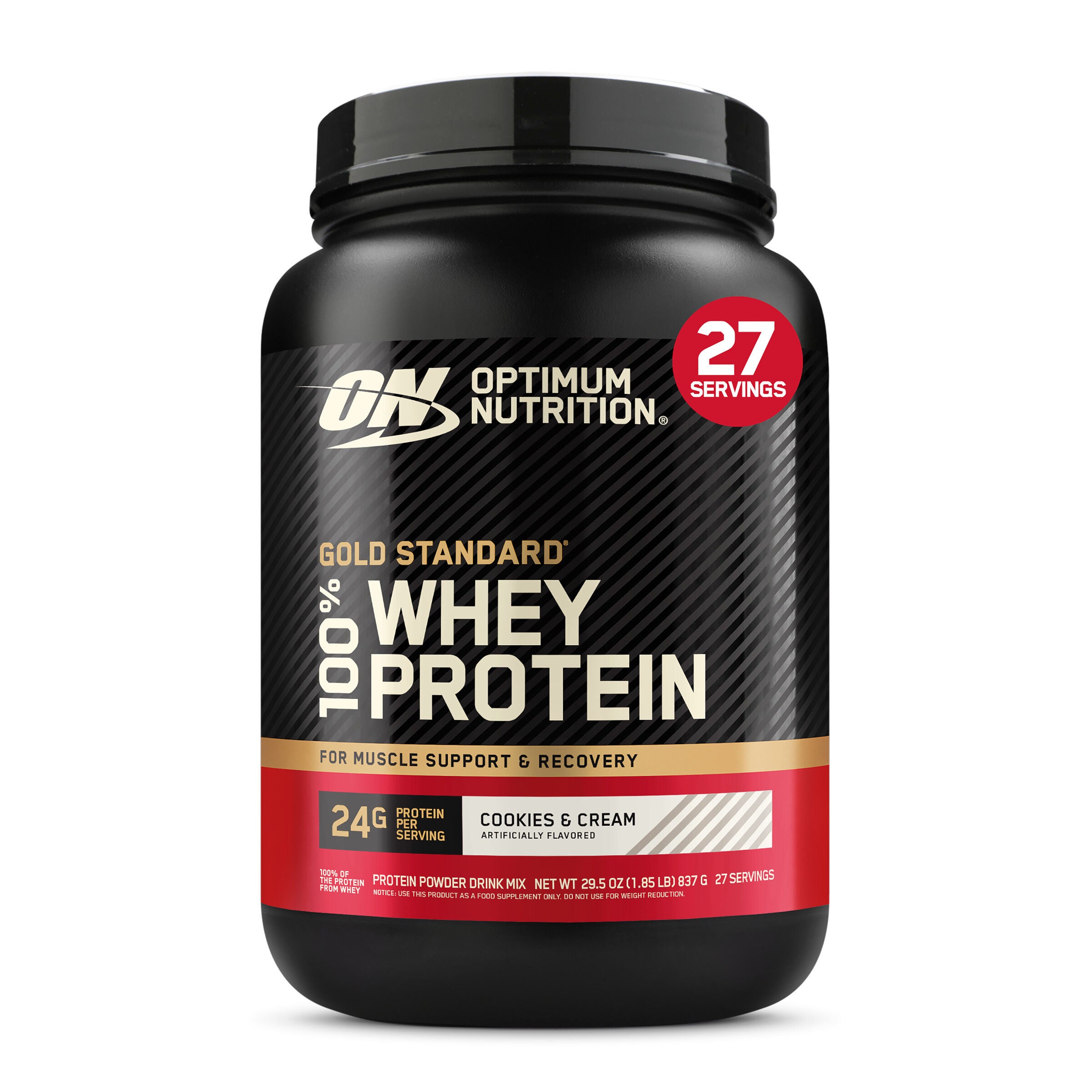


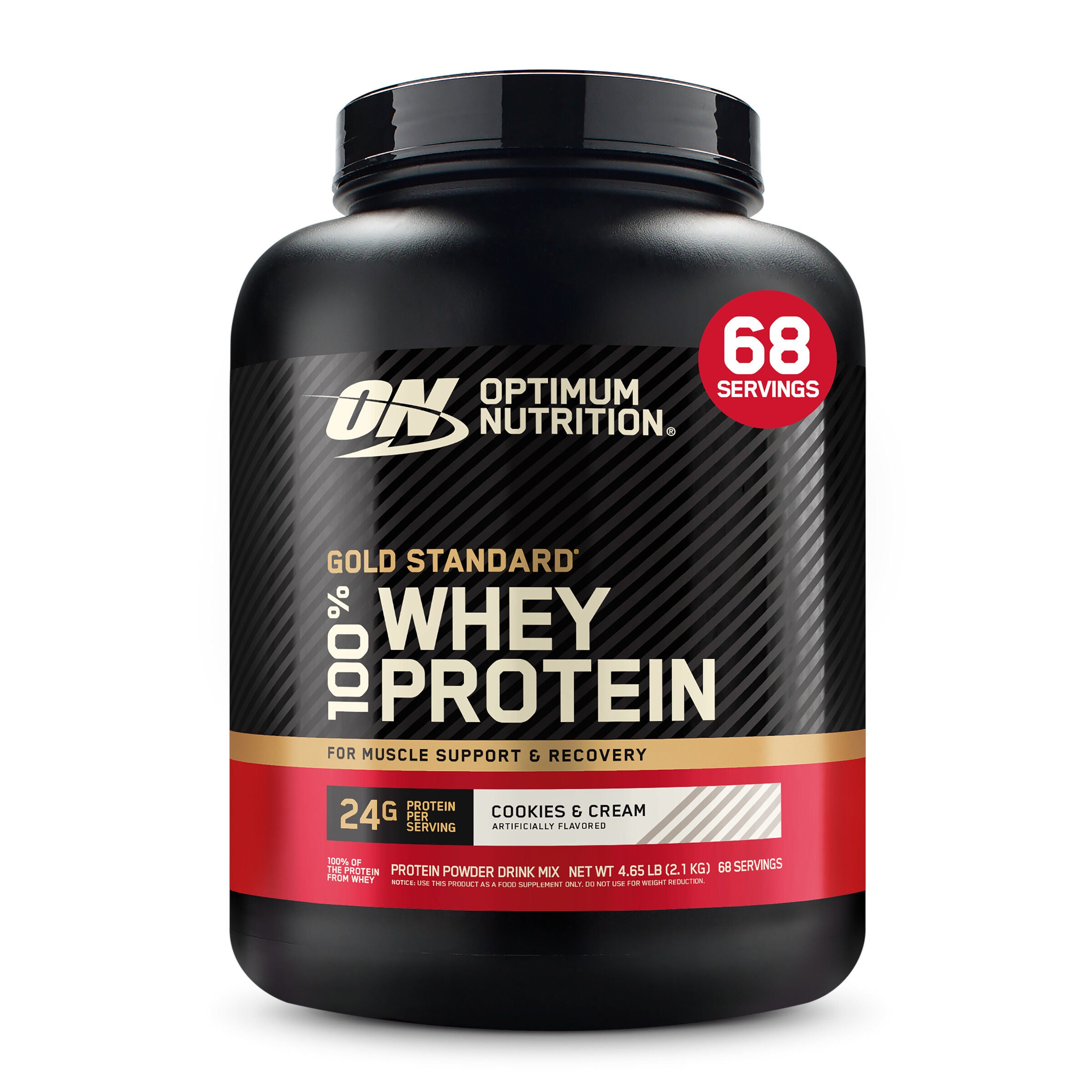


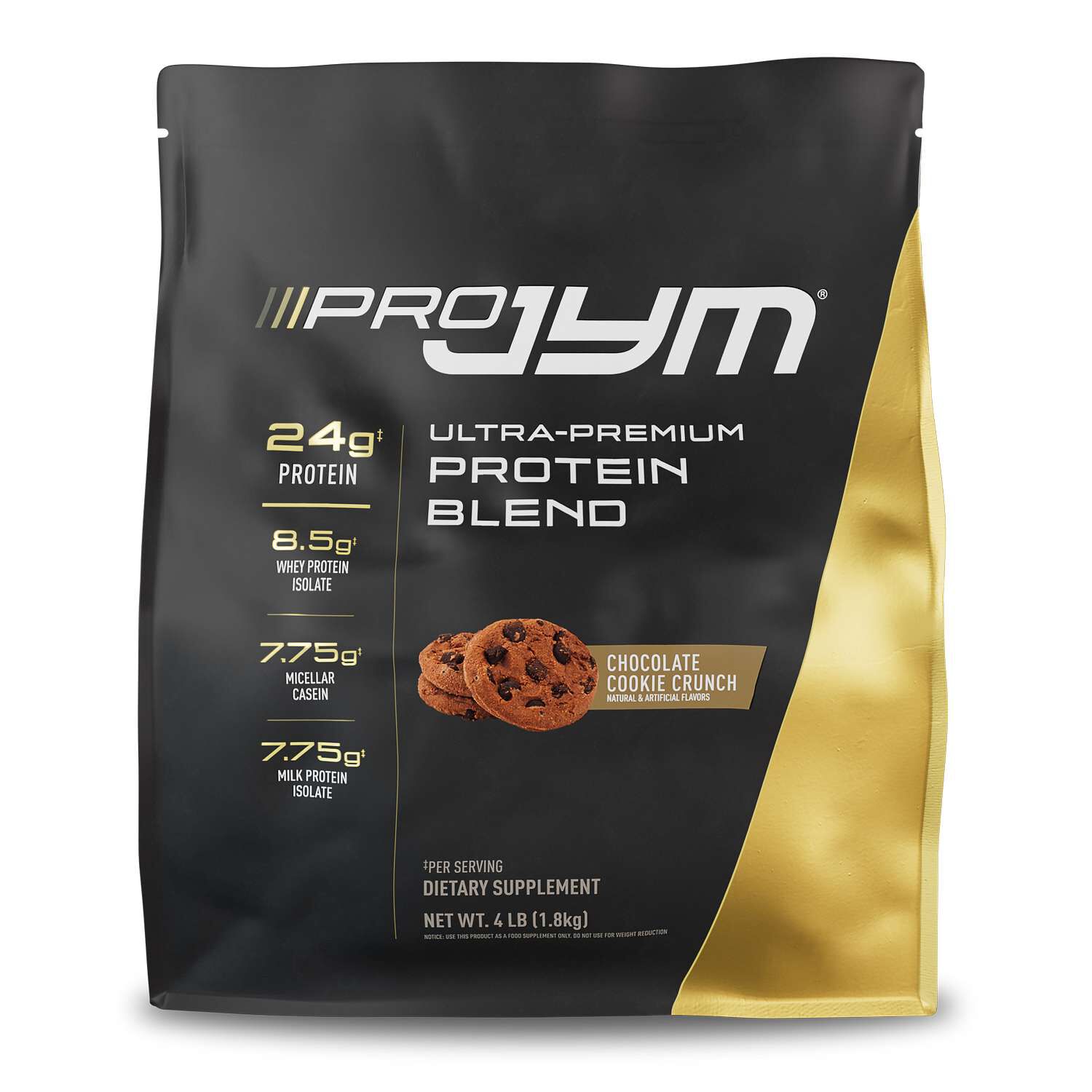

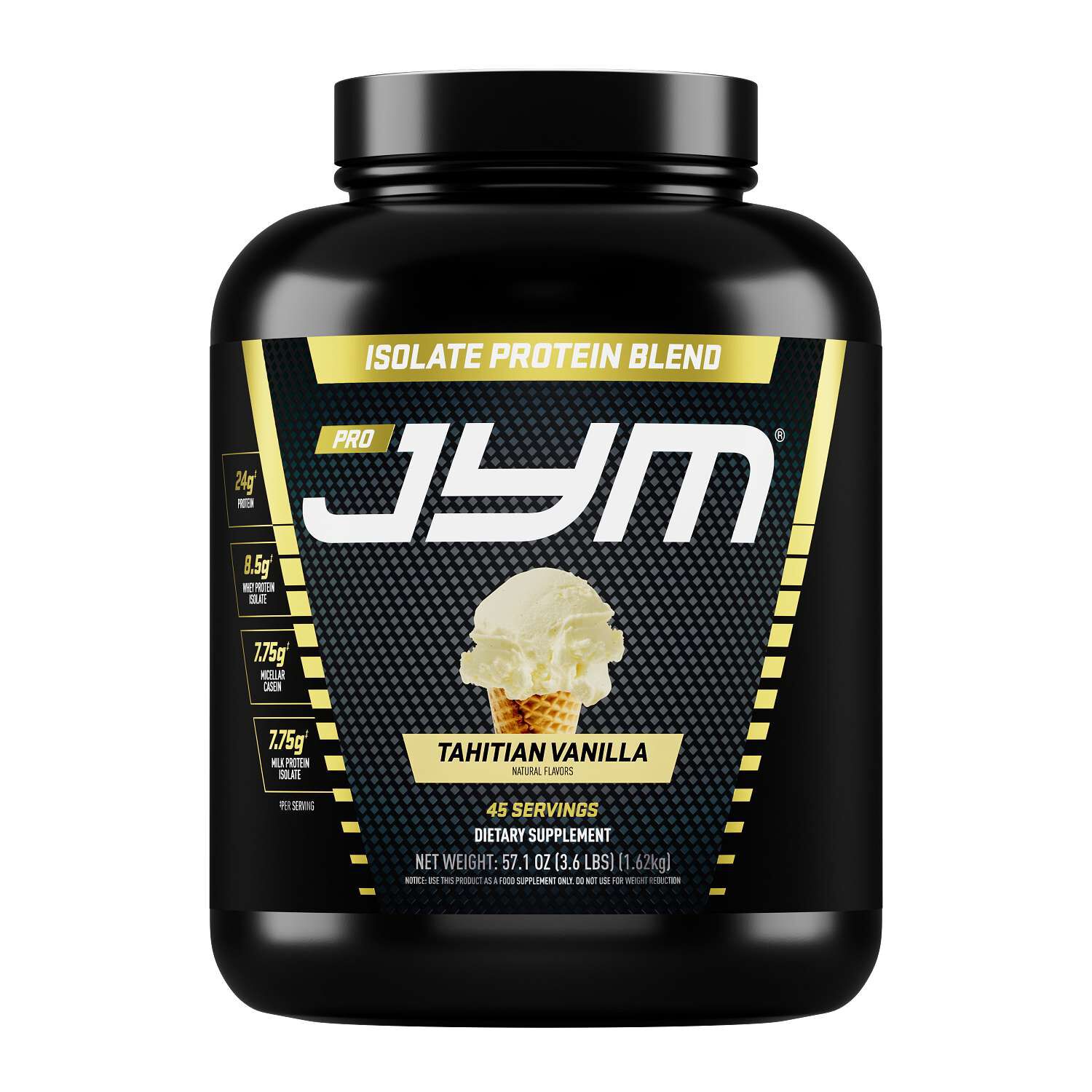
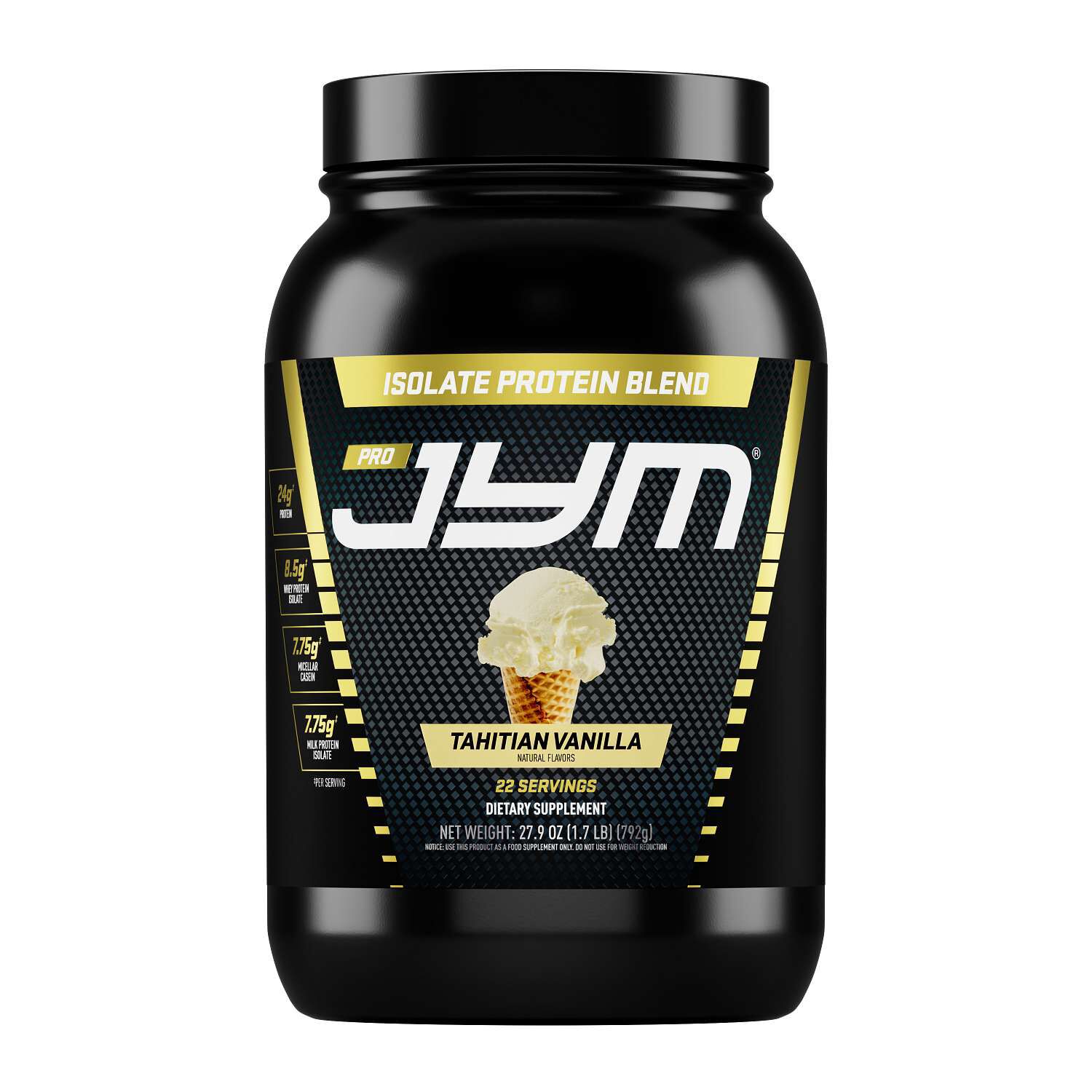

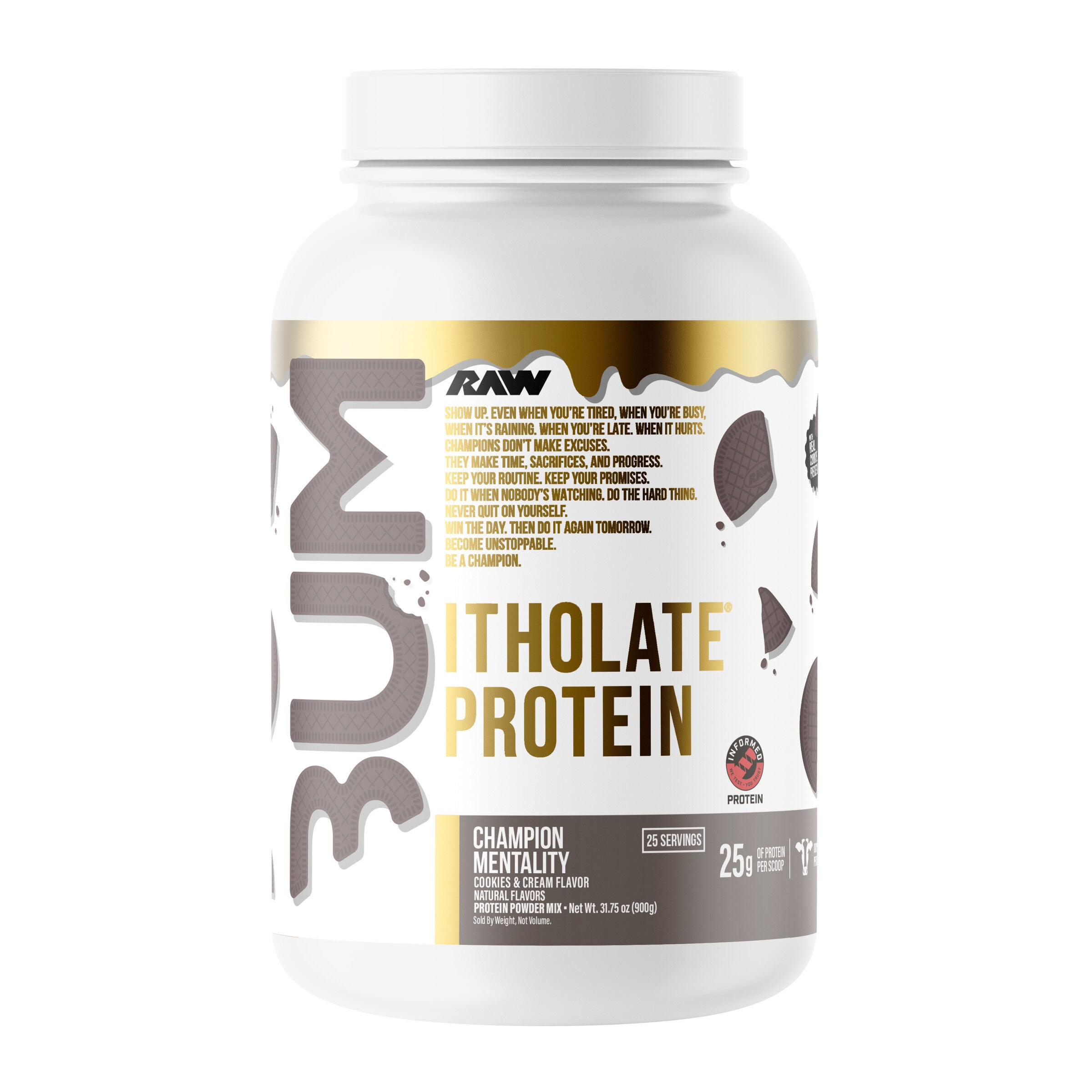
Protein powder tubs hold a concentrated source of dietary protein in a resealable container designed for repeated use. They suit routines built around mixing shakes, adding protein powder to familiar foods, or keeping several servings together in one place. The main differences are the protein source, serving size, ingredient list, flavor, and texture—not simply the size of the container. Whey protein comes from milk, with concentrate and isolate representing different forms of that ingredient. Milk protein blends and casein are other dairy-based choices, while plant-based powders commonly feature pea, rice, soy, or combinations of several sources. Egg white protein provides another category to consider. For someone choosing between these options, dietary preferences and the foods already in their routine offer useful context. A person who enjoys dairy shakes may approach the selection differently from someone looking for a vegan formula or a powder made without milk ingredients. The ingredient list, allergen information, and any relevant dietary labeling deserve attention rather than relying on the flavor name alone. Vanilla, for example, describes a flavor, not the underlying protein source. Nutrition Facts or Supplement Facts panels provide the serving weight and grams of protein per serving, along with other details that vary by formula. One scoop does not necessarily represent the same amount across different tubs, and some labeled servings call for more than one scoop. Container dimensions can also be misleading: a larger-looking tub does not automatically contain more servings. Net weight and the stated serving count offer a clearer comparison. Beyond these basics, sweetness, aroma, and mouthfeel shape the everyday experience. Chocolate can fit a cocoa-forward shake, vanilla offers a familiar base for fruit combinations, and unflavored powder leaves more room for other ingredients to lead. Unflavored does not necessarily mean tasteless, though; the underlying protein source can still have a noticeable character. These distinctions matter when a tub will become part of a regular kitchen routine rather than an occasional drink.
The intended preparation is another useful way to distinguish protein powder tubs. A straightforward shake made with water calls for a different taste preference than a blender drink with milk, banana, oats, and nut butter. Water may leave the powder’s flavor more pronounced, while milk or a plant-based beverage may create a richer texture and change the drink’s nutritional profile. A shaker bottle is a practical companion for simple liquid-and-powder combinations; a blender suits recipes with fruit, ice, or thicker ingredients. Preparation directions on the container provide the starting point for liquid amounts and mixing methods. More powder in less liquid may produce a thicker drink, but that texture is not necessarily what every person wants after a workout or alongside breakfast. Someone who prefers a lighter shake may favor a different consistency from someone blending a spoonable smoothie. Flavor pairings also influence how versatile a tub feels over repeated servings. A cocoa-flavored powder may work with banana or peanut butter, while vanilla may suit berries, cinnamon, or a coffee-inspired blend. Sweetened formulas can bring their own distinct finish, so the sweetener ingredients are worth reviewing when taste preferences are specific. Powders intended for shakes are not automatically interchangeable with flour or other baking ingredients. In recipes, protein sources and added ingredients may affect moisture, texture, and how the mixture behaves during cooking. Recipes developed for protein powder offer a more relevant starting point than replacing ingredients at random. For oatmeal, yogurt, or similar foods, the desired consistency and the product’s preparation directions help determine whether that use fits. The appeal of a tub is the ability to return to a familiar powder for different preparations without opening a separate package each time. That format may suit someone who repeats the same shake most mornings, a household with several different smoothie preferences, or an active person who wants a consistent place for measuring servings before heading out.
The container itself deserves consideration because protein powder tubs are handled repeatedly. Many use rigid packaging, a wide opening, and a reclosable lid, with a scoop included inside. A wide opening offers room for measuring, while the tub’s height and footprint determine how comfortably it fits on a pantry shelf or in a kitchen cabinet. A very large container can be awkward in a narrow storage space even when its serving count suits the routine. Packaging material and closure design vary, so the container’s own storage directions remain the reference for care. Dry utensils, a securely closed lid, and storage away from moisture help keep everyday handling tidy. Powder caught around the rim can make closing the lid messy, and a damp scoop does not belong back inside the tub. The included scoop is intended for portioning that particular powder; its shape should not be treated as a universal serving measure for another formula. Keeping the original container also keeps preparation directions, ingredient information, and the best-by date together. For people who prepare shakes at home, a designated shelf beside a clean shaker can make the setup feel organized without taking over the counter. For someone who packs a serving before leaving for a workout, a separate food-storage container designed for powders may be more practical than carrying a large tub. Those building that kind of packing routine can also explore Protein Powders For Gym Bags. A tub can be a thoughtful gift for a regular gym-goer or smoothie enthusiast when the recipient’s preferred protein source, flavors, and dietary requirements are already known. Guessing at those details is less useful than choosing around an established routine. Whether the intended setting is a kitchen counter, a shared pantry, or a meal-preparation area, the most relevant considerations remain straightforward: a suitable formula, an enjoyable flavor, a manageable container, and preparation options that fit everyday habits.
- Q: What are the main types of protein found in protein powder tubs?
A: Protein powder tubs commonly contain whey, casein, soy, pea, or plant-based protein blends. Each type offers unique benefits and absorption rates to support different dietary preferences and fitness goals. - Q: How should I store my protein powder tub to maintain freshness?
A: Store your protein powder tub in a cool, dry place with the lid tightly closed. Avoid exposing it to moisture or direct sunlight to help preserve its quality and prevent clumping. - Q: Can I use protein powder tubs for baking or cooking?
A: Yes, many people add protein powder from tubs to recipes like smoothies, pancakes, oatmeal, and baked goods. This is a convenient way to increase your daily protein intake. - Q: Are there flavored and unflavored options available for protein powder tubs?
A: Protein powder tubs are available in a variety of flavors such as chocolate, vanilla, strawberry, and also in unflavored versions for those who prefer versatility in recipes. - Q: Do protein powders in tubs contain additional nutrients besides protein?
A: Many protein powders in tubs include added vitamins, minerals, amino acids, or digestive enzymes to support overall nutrition and aid absorption.