Protein Powder Types
(0 Results)
Protein powder types offer a variety of options to help support your nutrition and fitness goals. Whether you’re looking for plant-based blends, classic whey options, or innovative alternatives, exploring different protein powder types could help you find the right fit for your lifestyle. From shakes to smoothies and beyond, there are plenty of ways to incorporate these powders into your daily routine. Discover how protein powder types may complement your wellness journey and provide versatile choices for every preference.


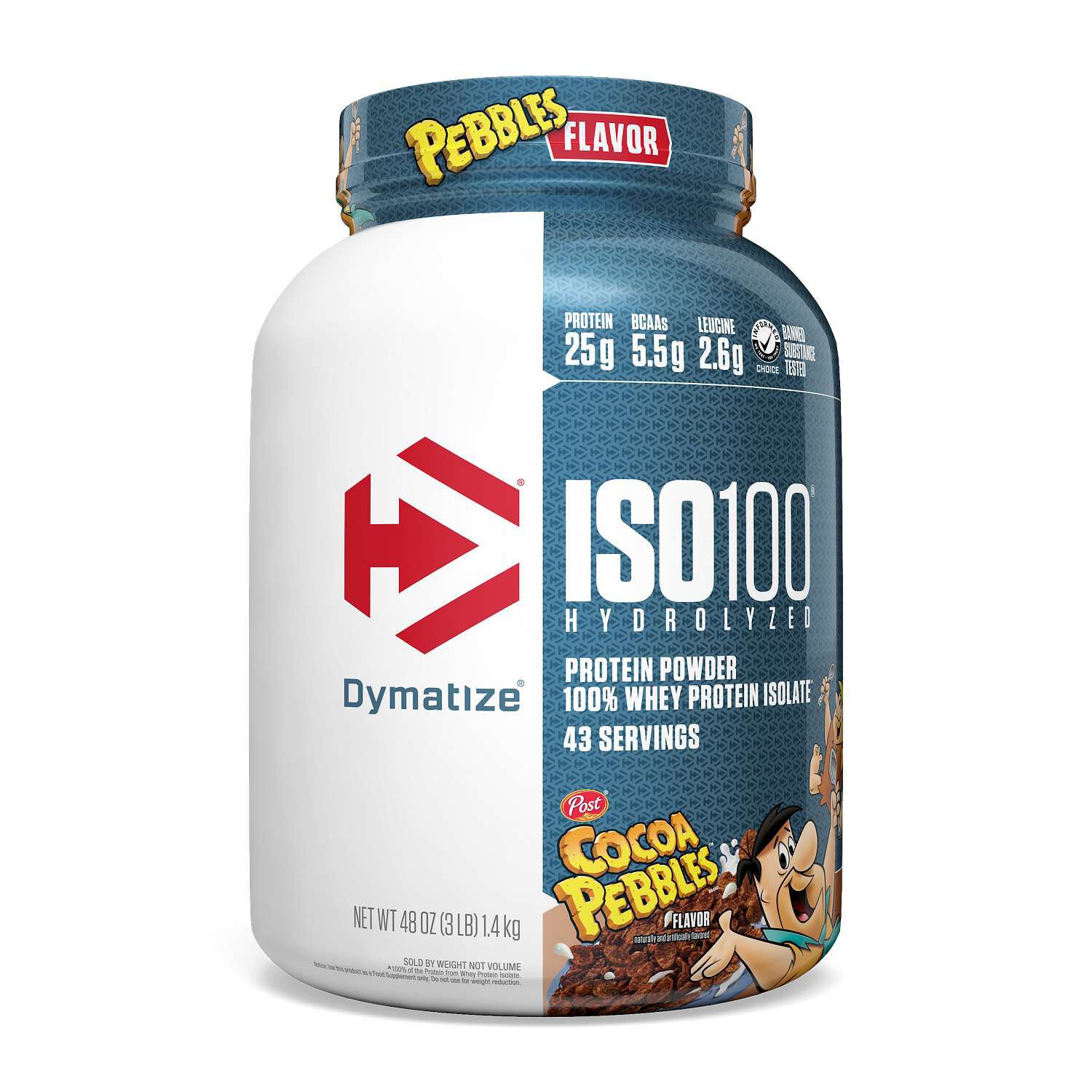


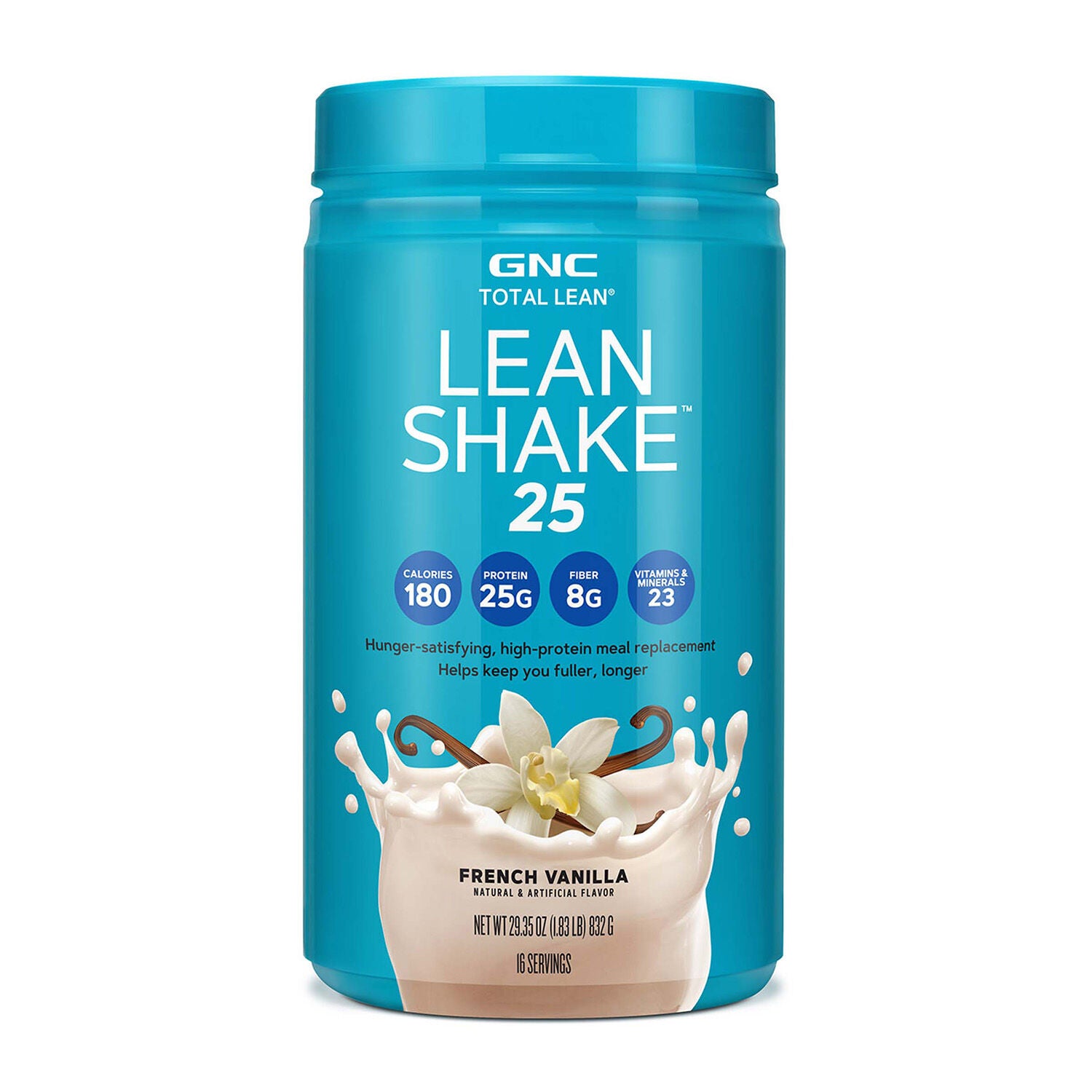
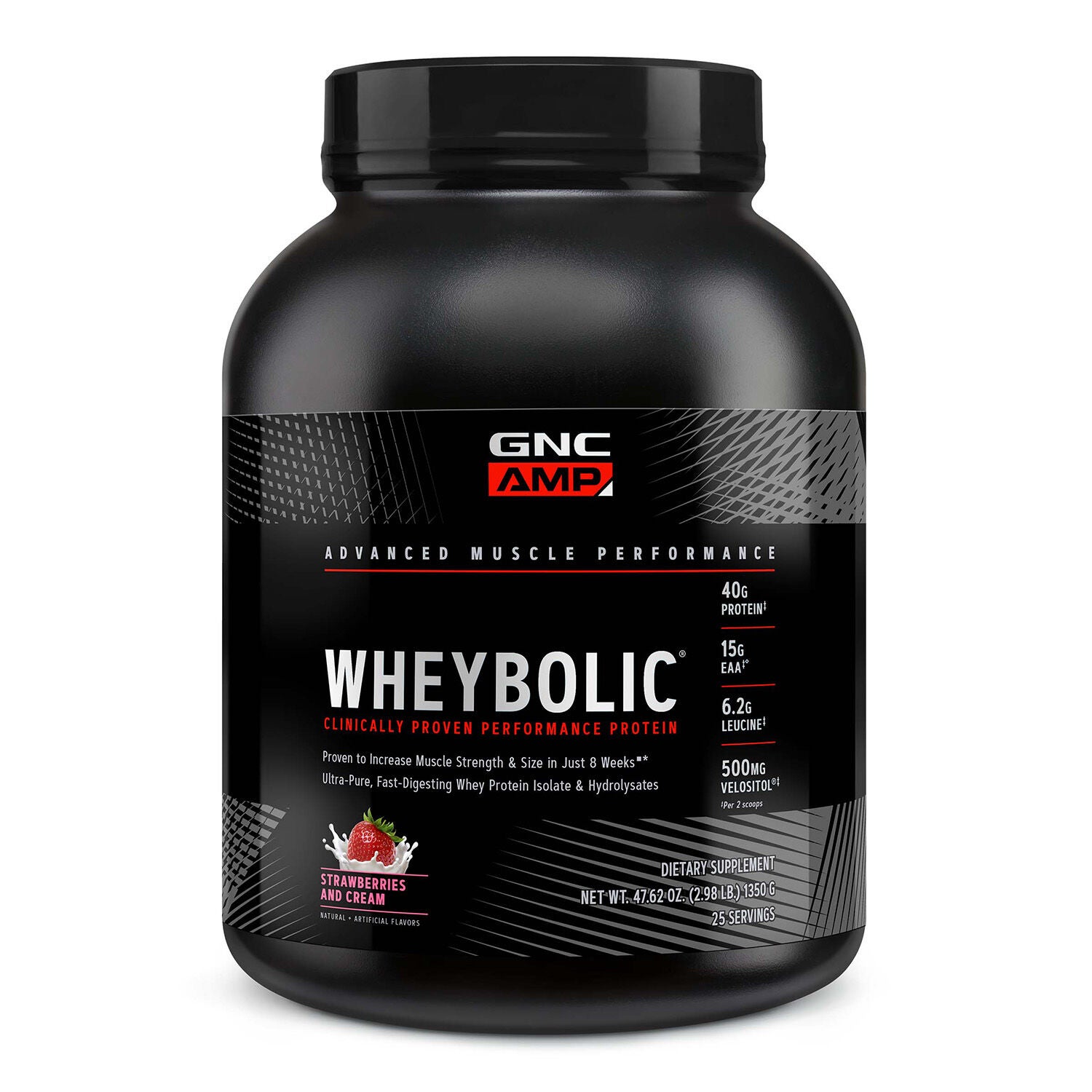


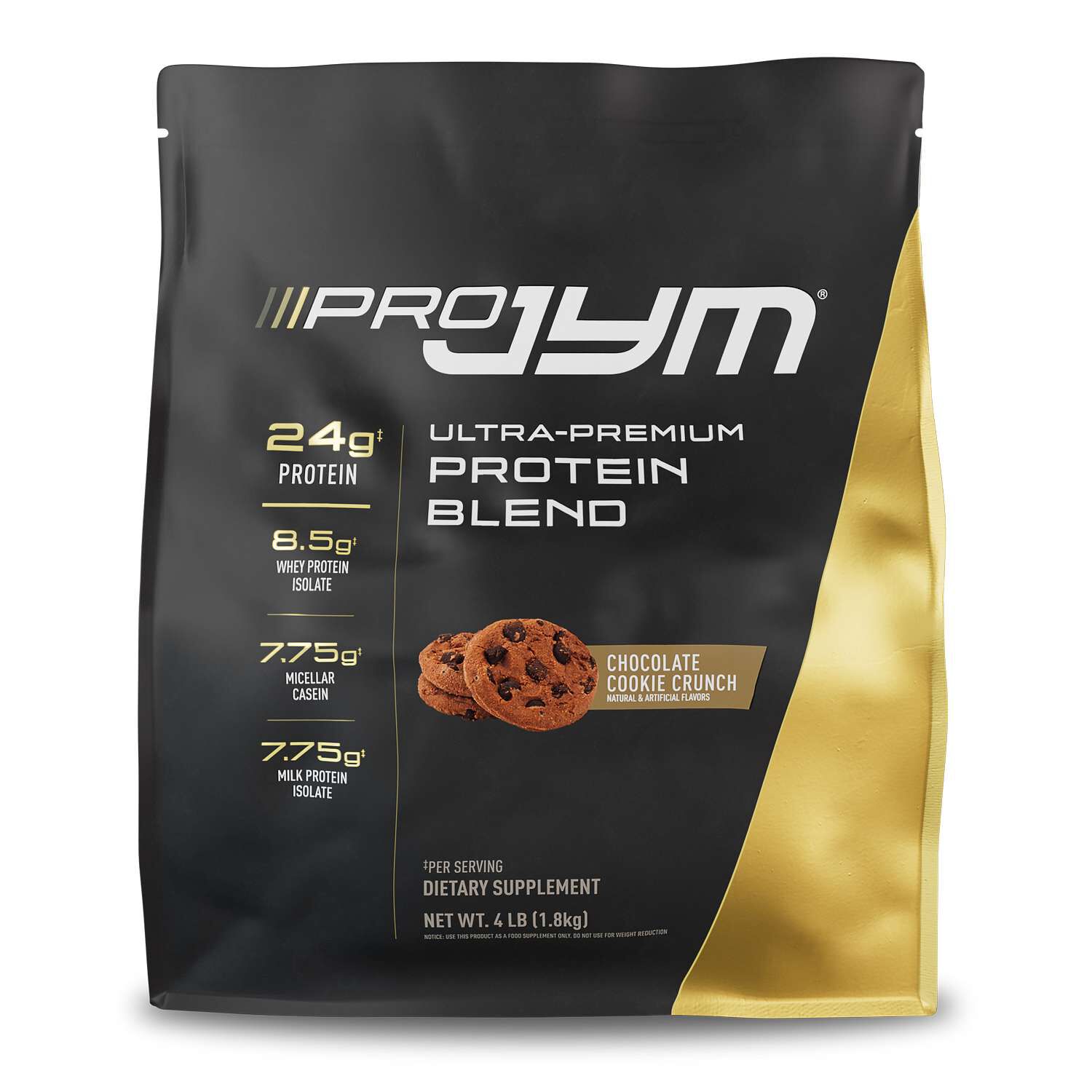


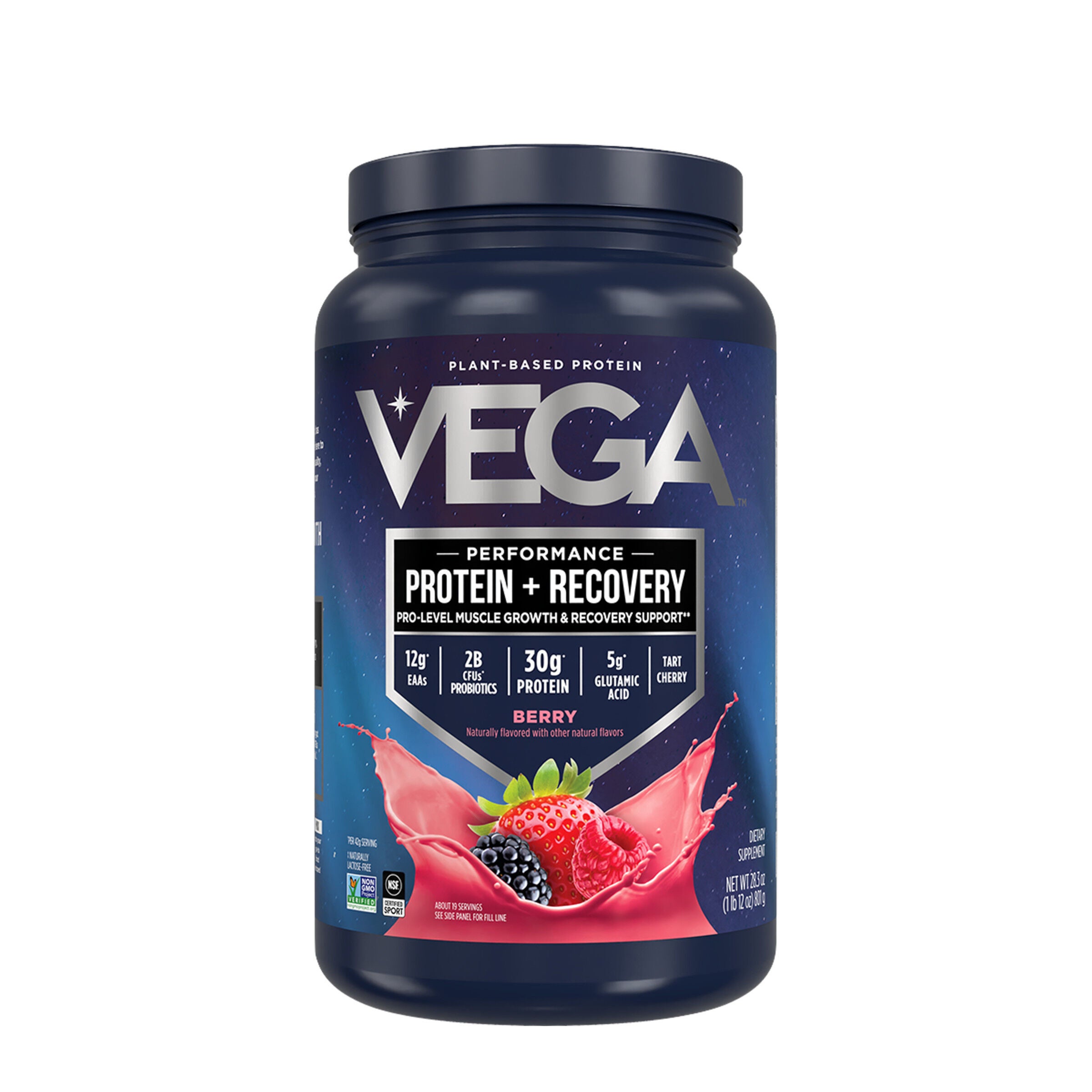
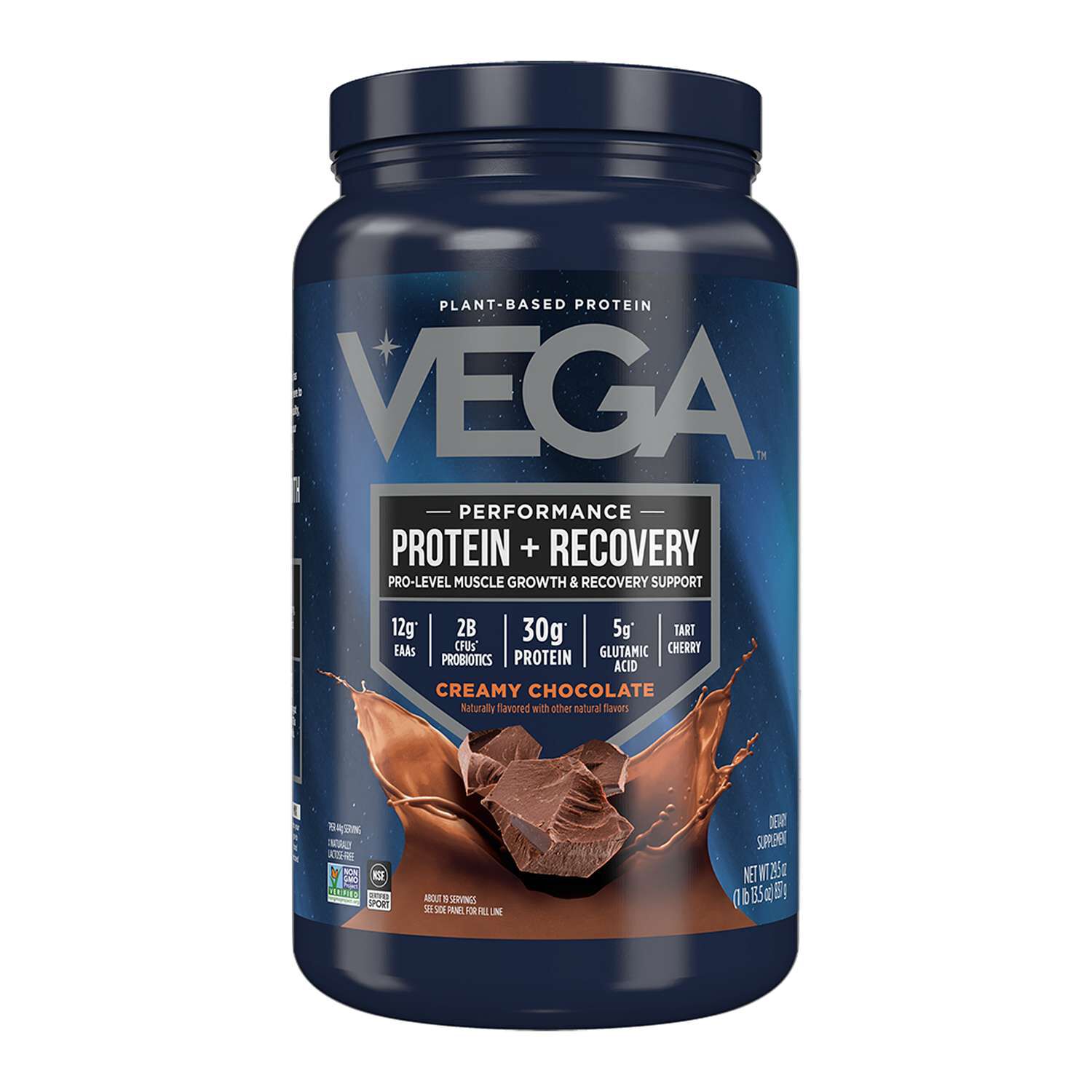


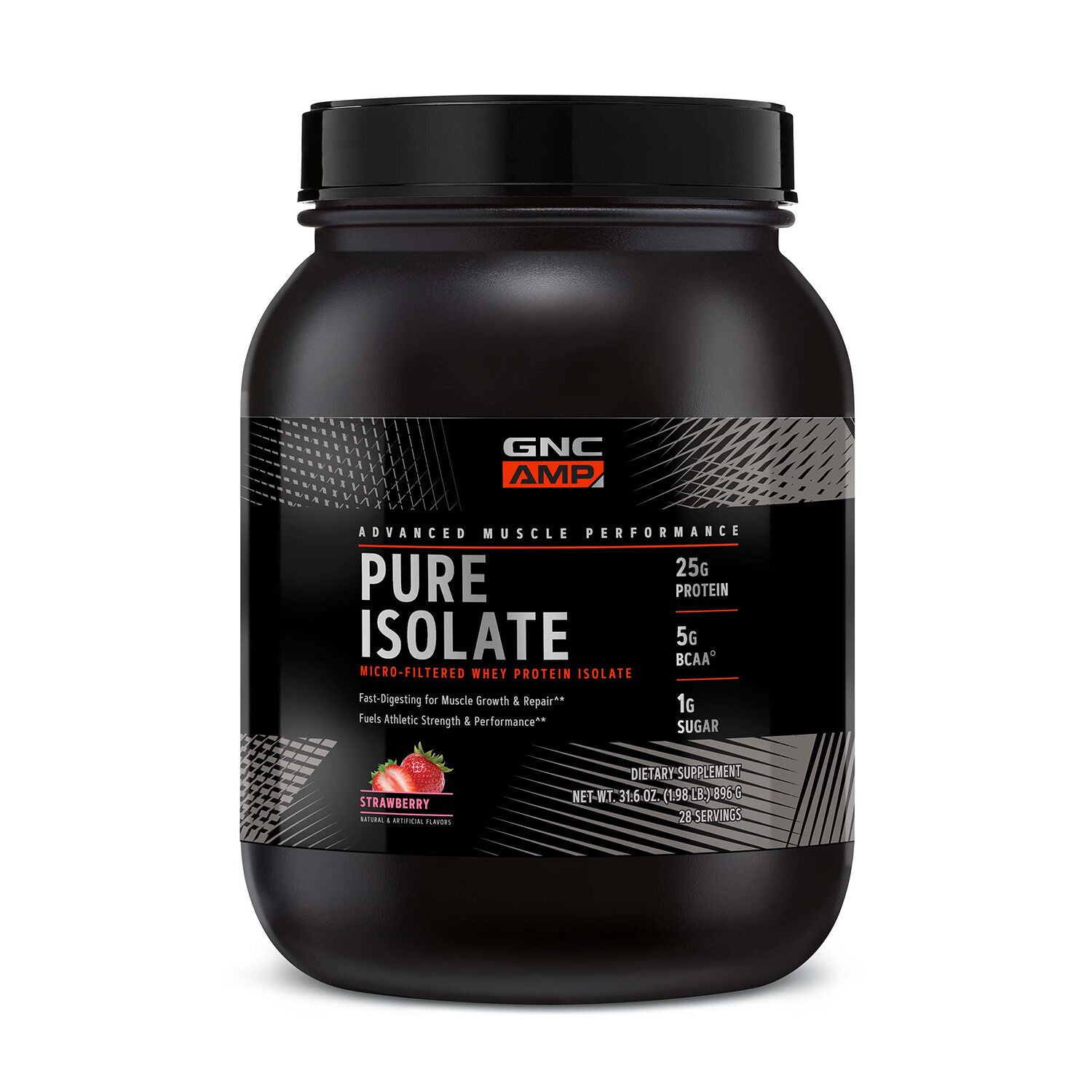


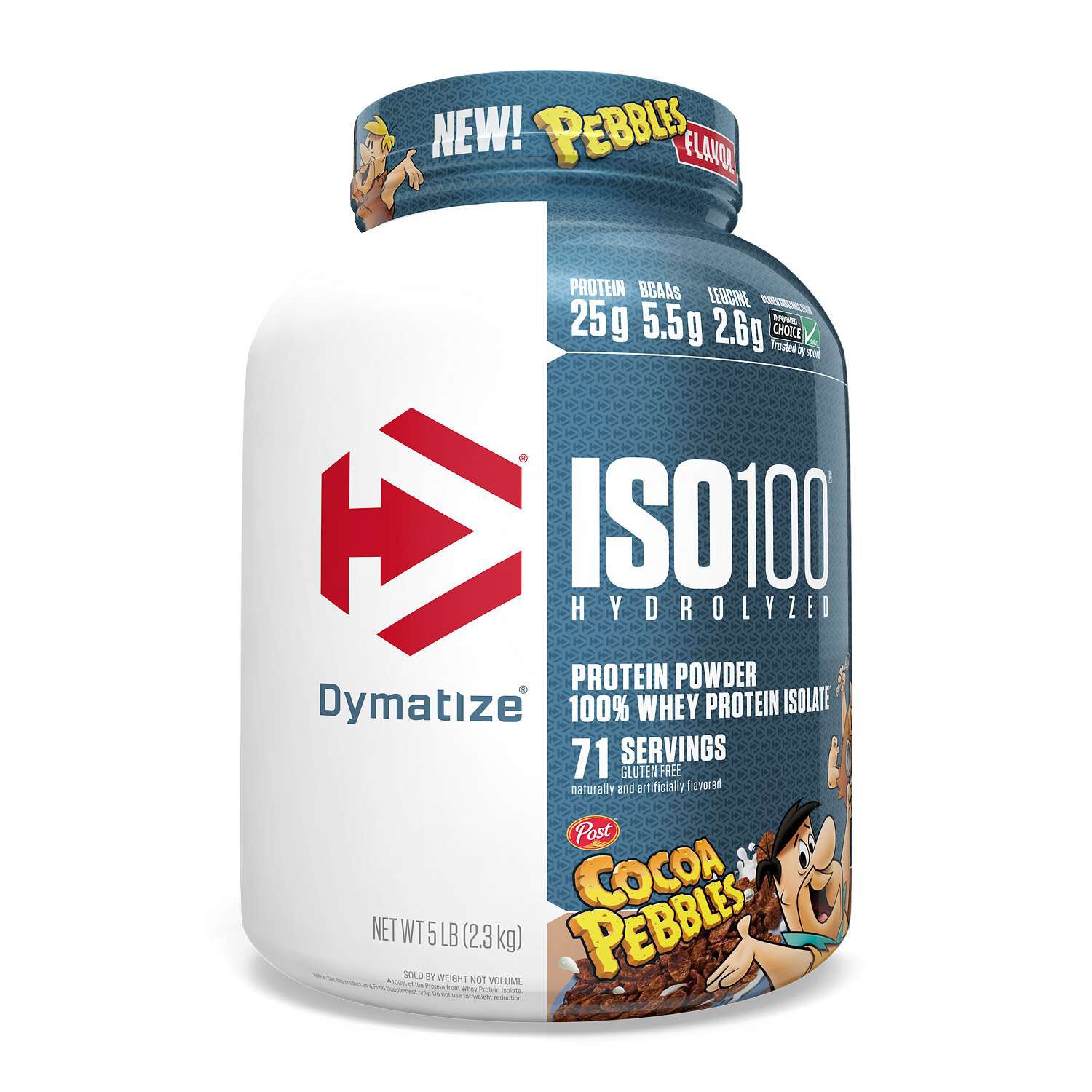
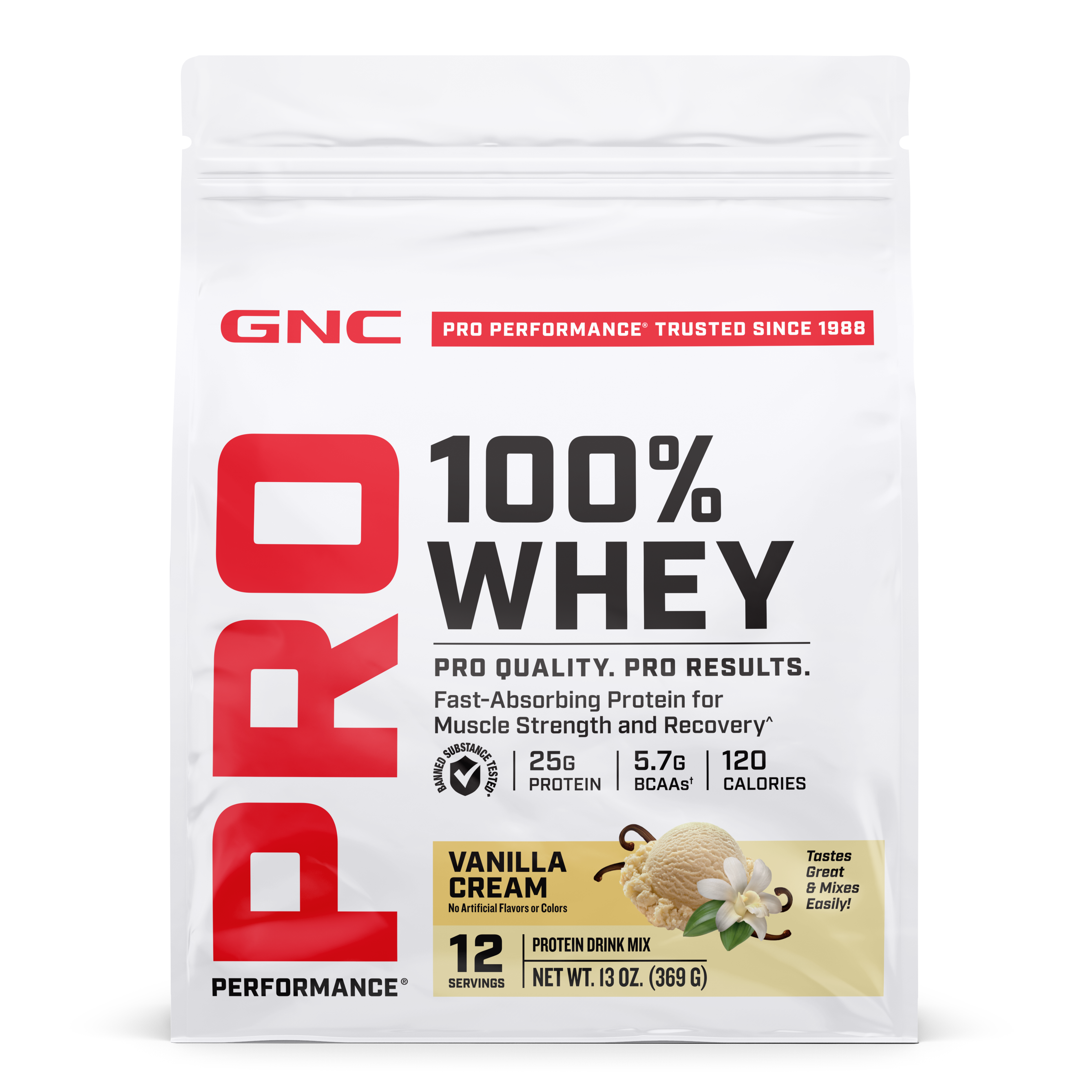
Protein powders offer a convenient way to add protein to a familiar routine, whether that means blending a shake before a morning commute, stirring a scoop into oatmeal, or keeping a single-serve pouch in a gym bag for cooler months when schedules often feel especially full. The main types generally fall into two groups: animal-based proteins, such as whey, casein, and egg white, and plant-based options, such as pea and soy. Each type has its own texture, flavor, ingredient profile, and preparation style, so choosing among them often comes down to dietary preferences, taste, timing, and how the powder fits into everyday meals. Whey protein comes from milk and is commonly available as concentrate or isolate. Whey concentrate may have a creamier flavor and a little more lactose, while whey isolate typically undergoes additional filtering and may suit shoppers looking for a lower-lactose option. Whey mixes smoothly into milk, water, coffee, or fruit blends, and its familiar flavor makes it a popular starting point for anyone exploring protein powder. Casein also comes from milk, but it tends to mix into a thicker, pudding-like texture. Because it may digest more gradually than whey, some people choose casein for an evening shake or a snack with a rich, dessert-inspired consistency. Egg white protein provides a dairy-free animal-based choice and may appeal to shoppers who enjoy a lighter, less creamy profile. Its flavor can pair well with cocoa, cinnamon, berries, or vanilla, although some formulas may have a more distinct egg-like note than dairy-based powders.
Plant-based protein powders can suit vegan routines, dairy-free preferences, or anyone who enjoys rotating ingredients throughout the week. Pea protein often has a soft, earthy flavor and may blend well with bananas, nut or seed butters, oats, and warming spices. Soy protein offers a well-rounded amino acid profile and can work nicely in smoothies, shakes, and baked recipes. Some plant formulas combine several sources, such as pea and rice, to create a broader amino acid profile and a smoother balance of flavor and texture. When comparing labels, look at the protein amount per serving, the serving size, added sugars, sweeteners, flavorings, and the number of ingredients you recognize. A powder with a short ingredient list may appeal to shoppers who prefer a simple pantry, while a formula with cocoa, coffee, cinnamon, or fruit notes may make a shake feel more like a small daily ritual. Texture matters just as much as flavor: whey isolate may produce a lighter drink, casein may create a thicker blend, and many plant-based powders may benefit from an extra splash of liquid or a high-speed blender. Shoppers with dietary restrictions may want to check statements about milk, egg, soy, or other ingredients, along with preparation instructions and storage guidance. People who are sensitive to certain ingredients may wish to review the label carefully and consult a qualified professional for personalized guidance. For more inspiration on flavor combinations, consistency, and preparation styles, browse Types of Protein Shakes.
The best protein powder type is often the one that fits naturally into the way someone already eats. A busy professional might blend whey with cold coffee and a banana before heading out the door; a plant-based shopper might combine pea or soy powder with oat beverage, frozen berries, and a spoonful of nut butter; someone who enjoys evening meal prep might choose casein for a thick shake made with milk, cinnamon, and oats. These powders may also work in pancake batter, yogurt bowls, overnight oats, muffins, and homemade snack bars, giving the same container several uses beyond a traditional shaker cup. They can make thoughtful gifts for runners, recreational lifters, hikers, students, new gym members, or anyone building a more organized kitchen routine, particularly when paired with a shaker bottle, measuring scoop, or recipe-friendly ingredients. During the cooler months, flavors such as chocolate, vanilla, coffee, cinnamon, and salted caramel can blend naturally into warm breakfasts and cozy afternoon drinks, while fruit-forward options may keep smoothies bright and refreshing. When selecting a gift, consider whether the recipient prefers dairy-based or plant-based products, sweet or neutral flavors, a smooth or thick texture, and single-serve convenience or a larger container for regular use. It may help to choose a versatile flavor that can move between shakes and recipes rather than a highly specific combination. Protein powder is not a substitute for varied meals, and individual nutrition needs differ, so shoppers may want to consider their broader eating pattern, activity routine, and ingredient preferences before making a purchase. With a range of animal-based and plant-based choices, different textures, and plenty of ways to mix and cook with them, protein powders may offer a practical addition to routines that value convenience, variety, and satisfying flavor.