





Types Of Protein Shakes
(0 Results)
Exploring the world of protein shakes opens up a variety of options to suit different wellness goals and lifestyles. From whey and plant-based blends to casein and egg white formulas, the types of protein shakes available may offer something for everyone. Whether you're looking to support your daily nutrition or find a convenient post-workout option, discovering the different types of protein shakes could help you make an informed choice that fits your routine.

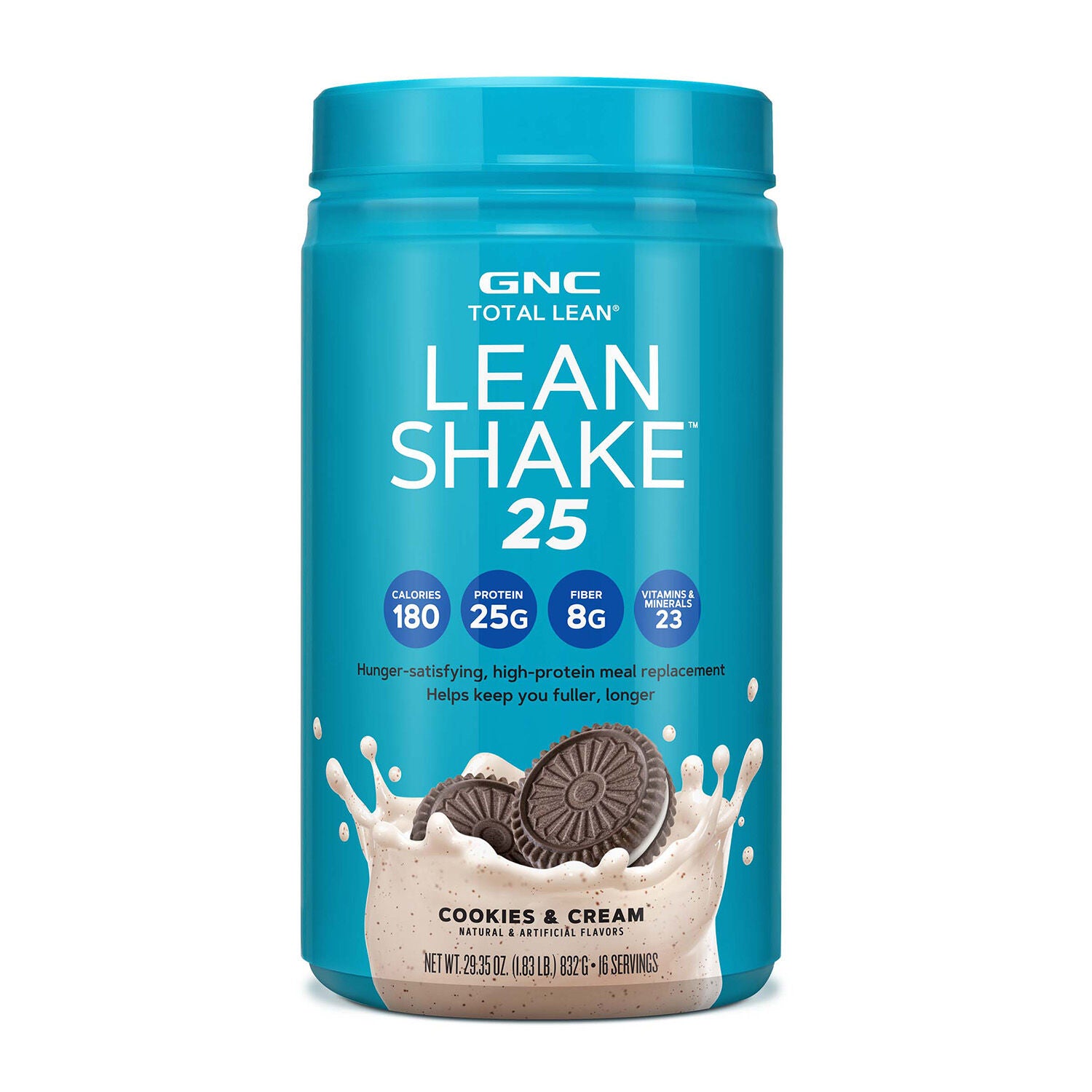
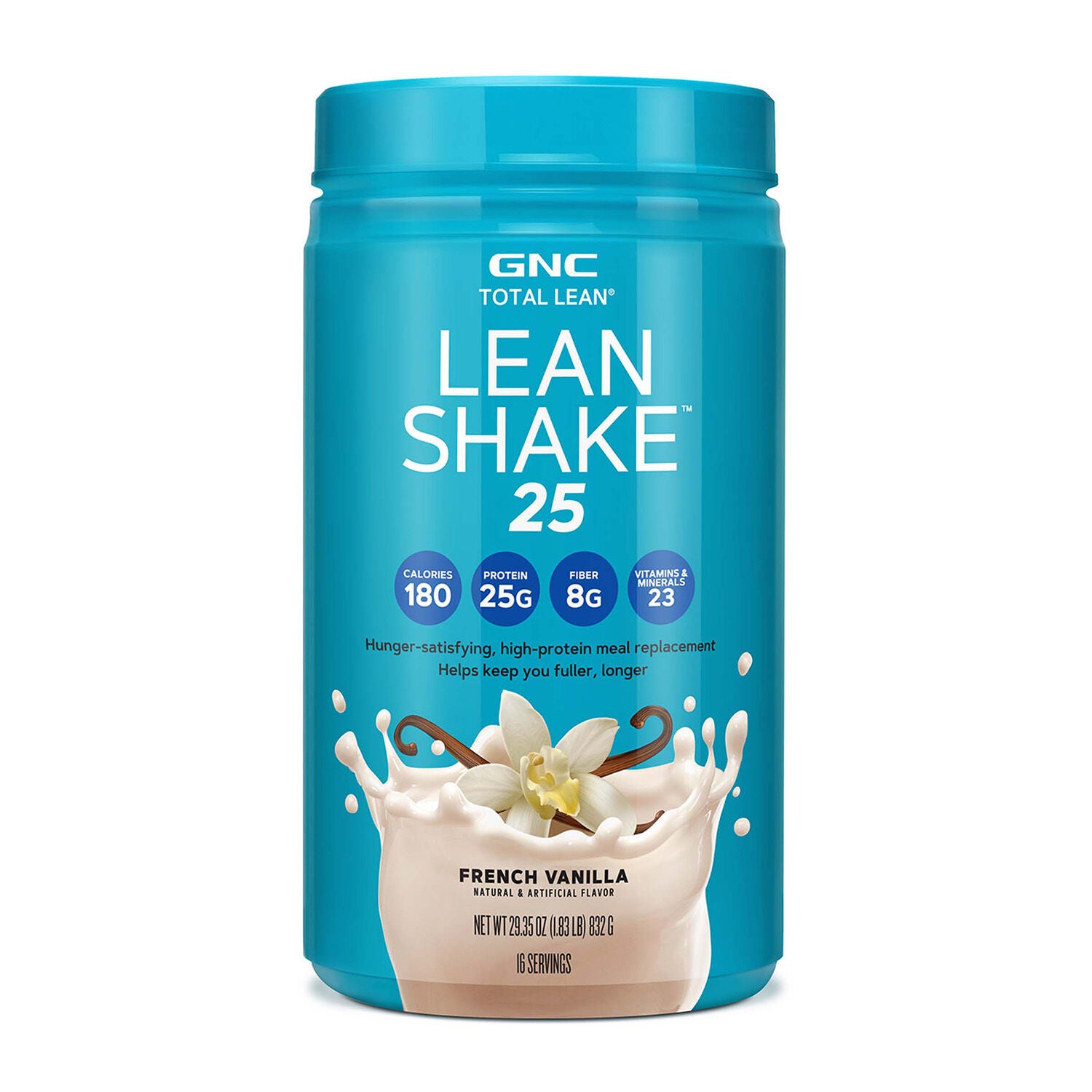
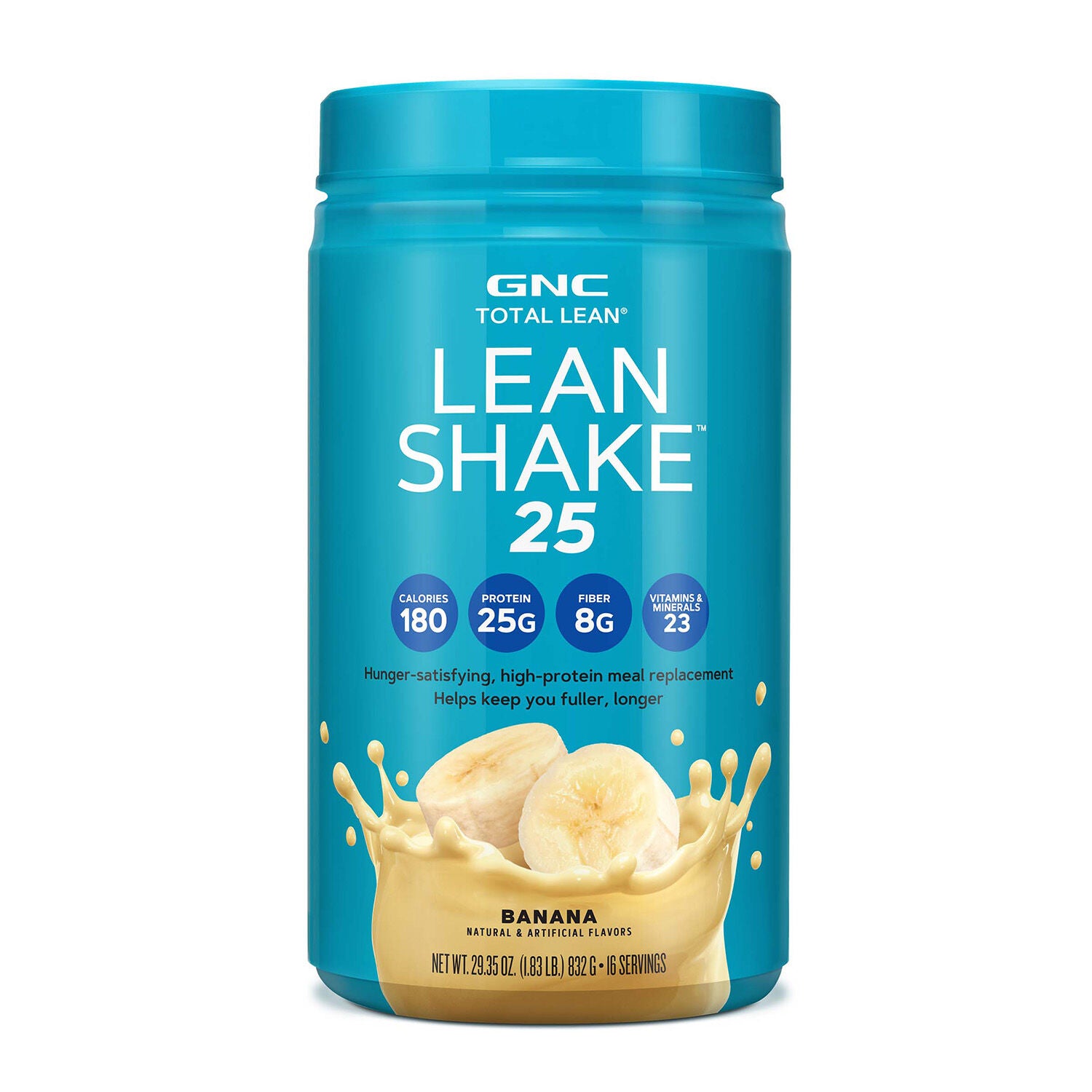
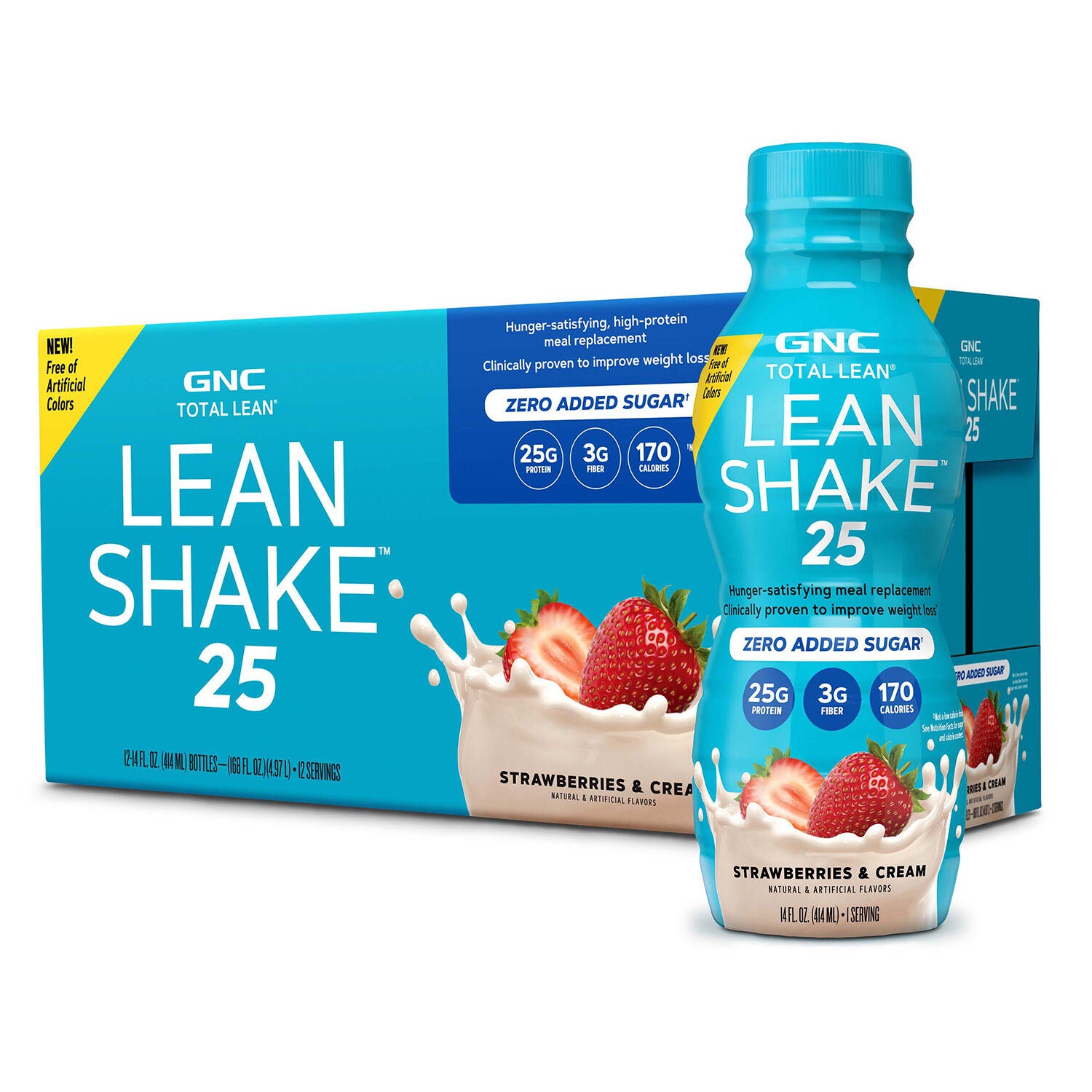
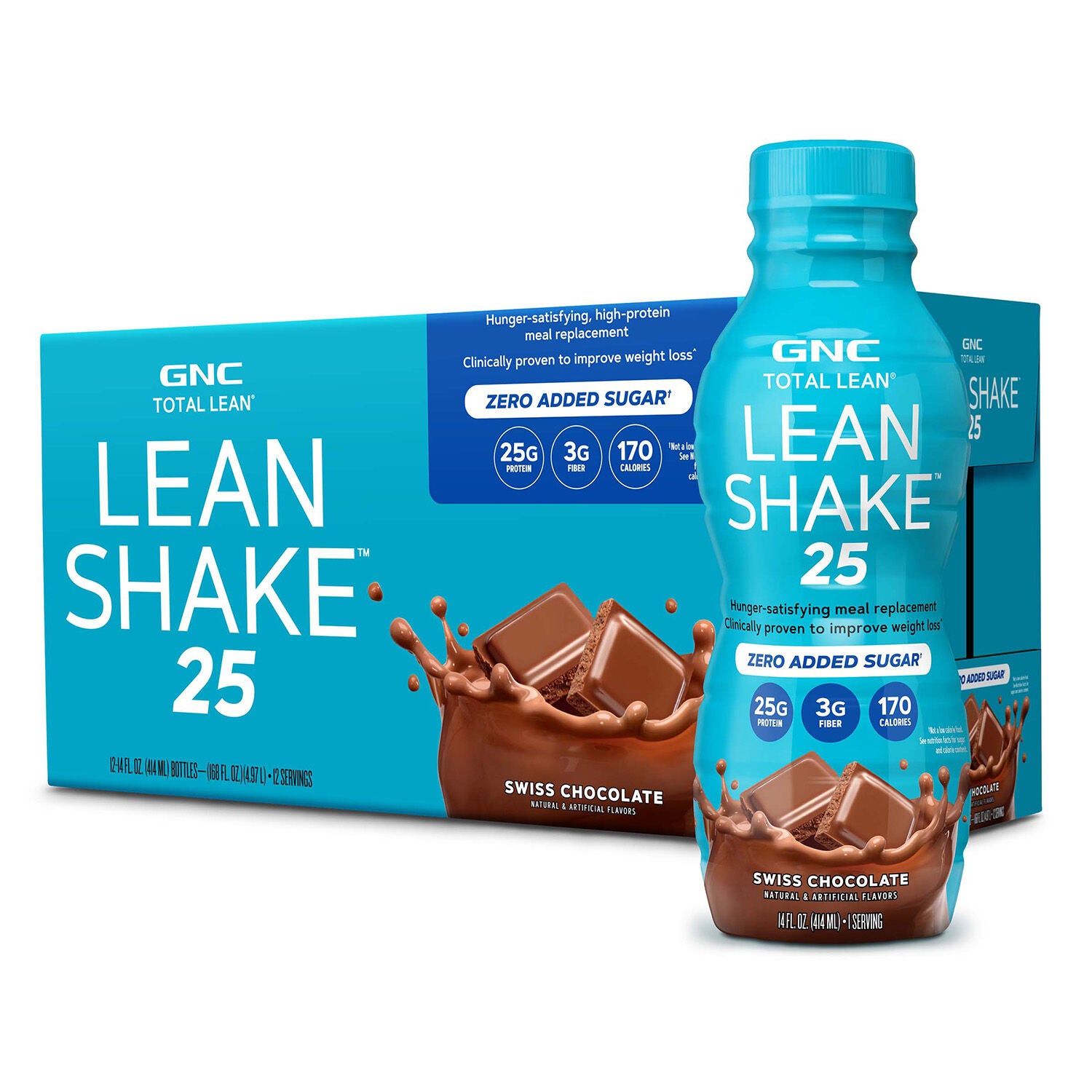
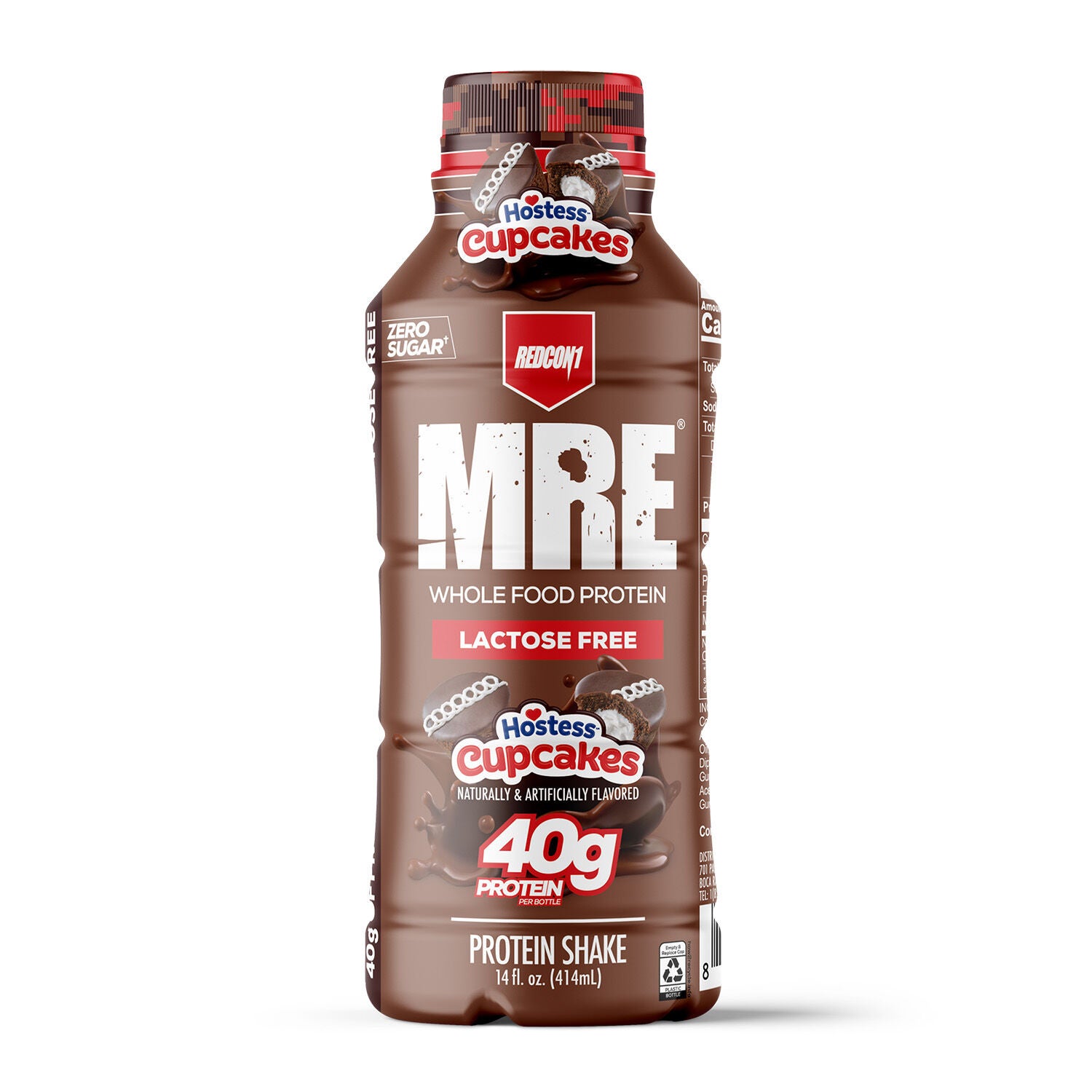


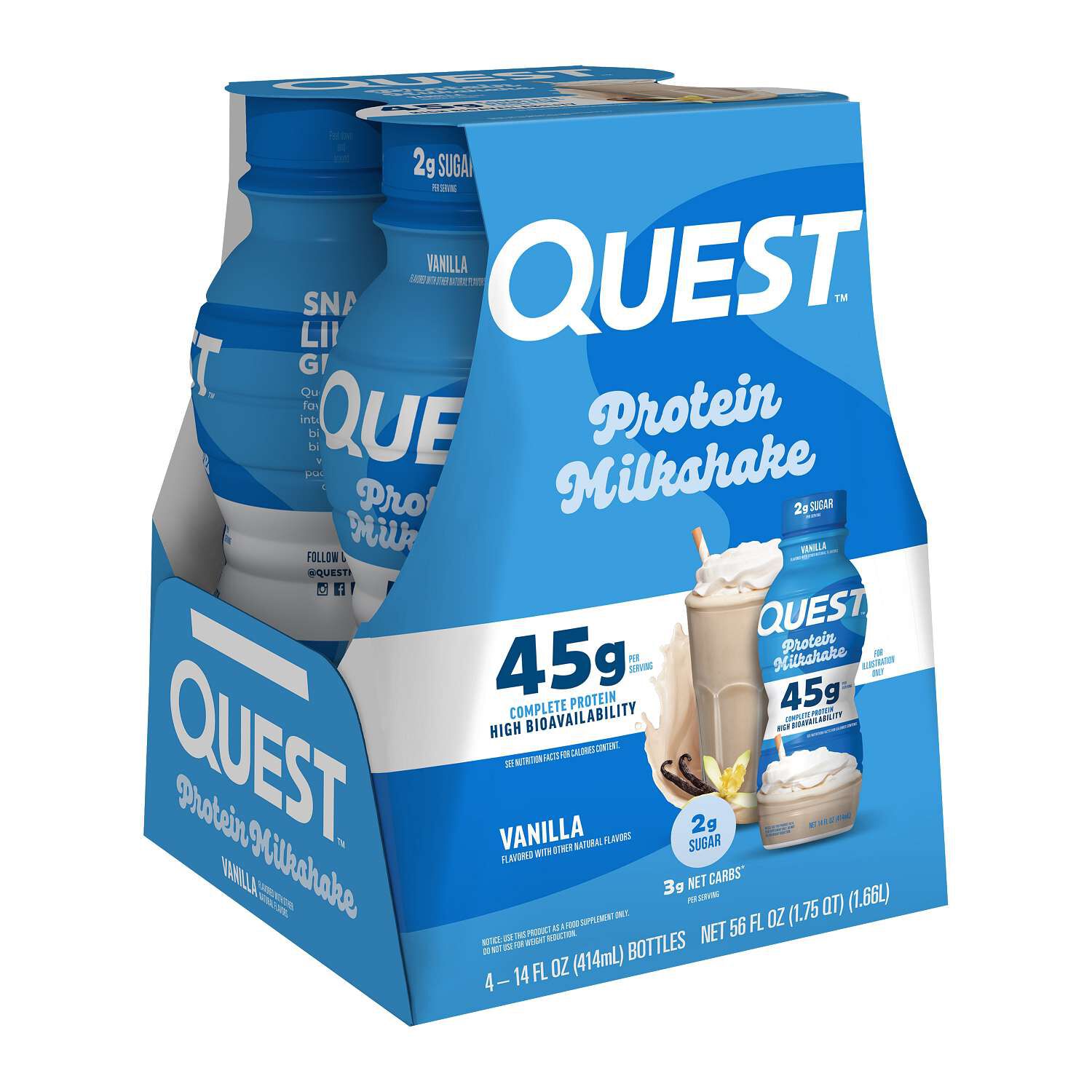


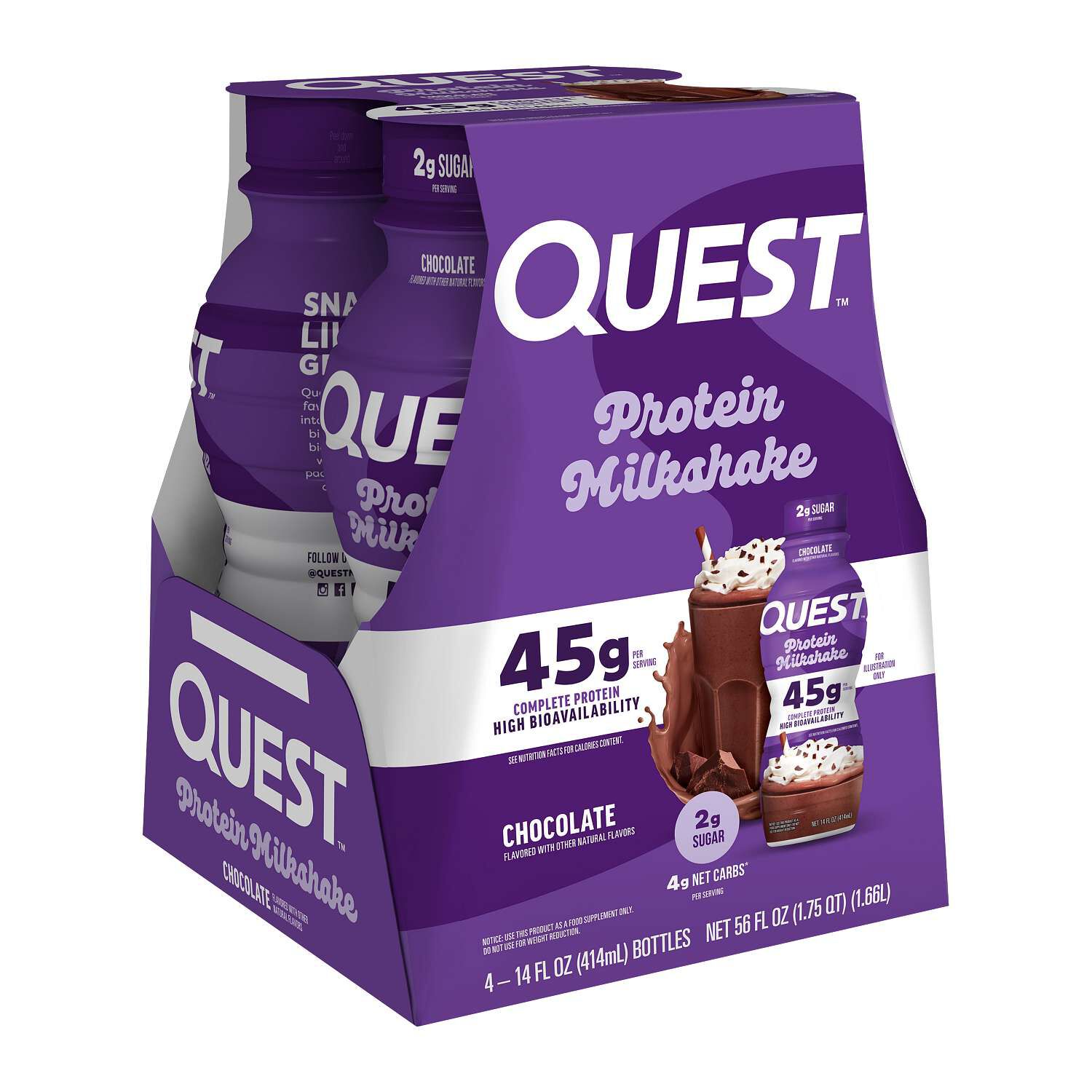

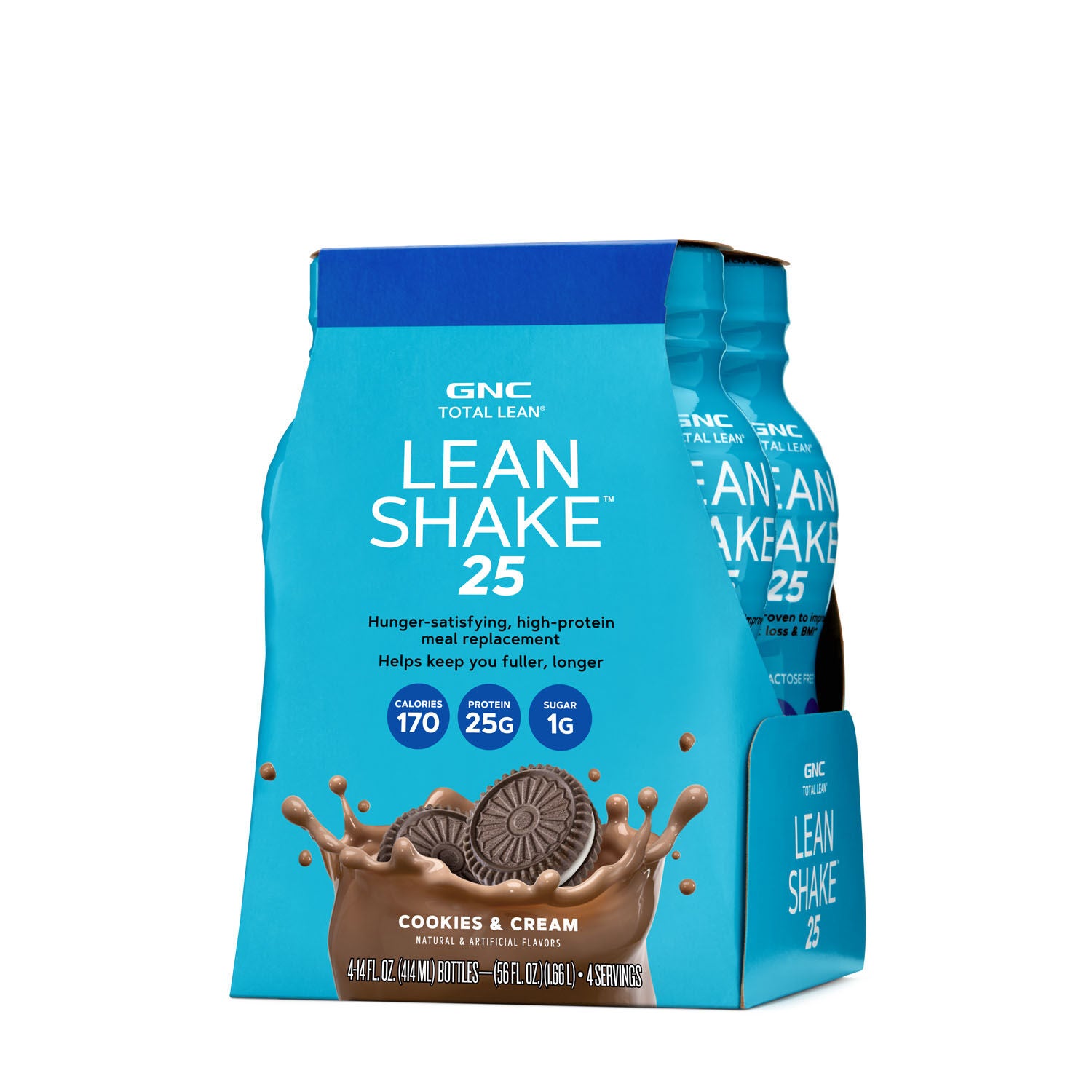
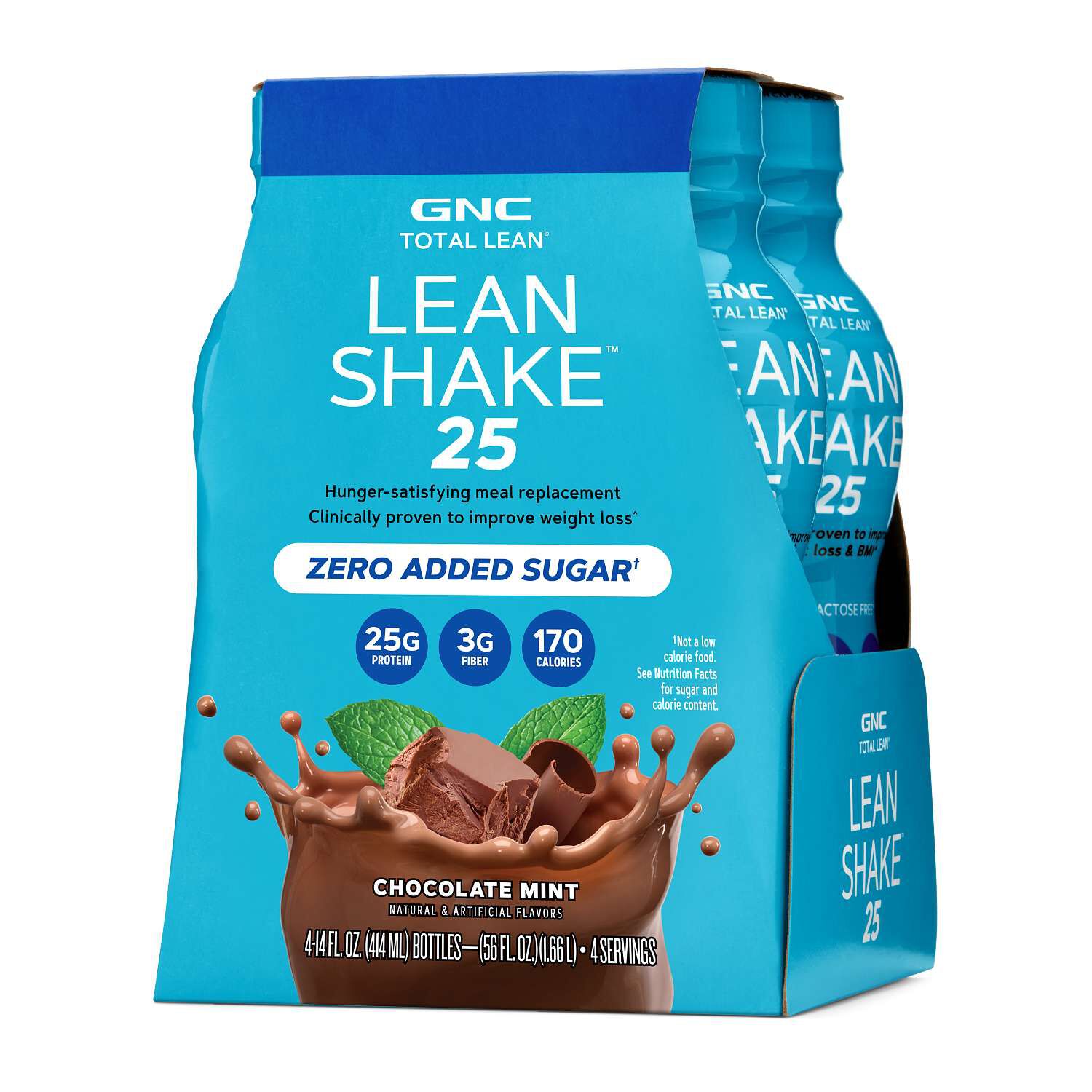
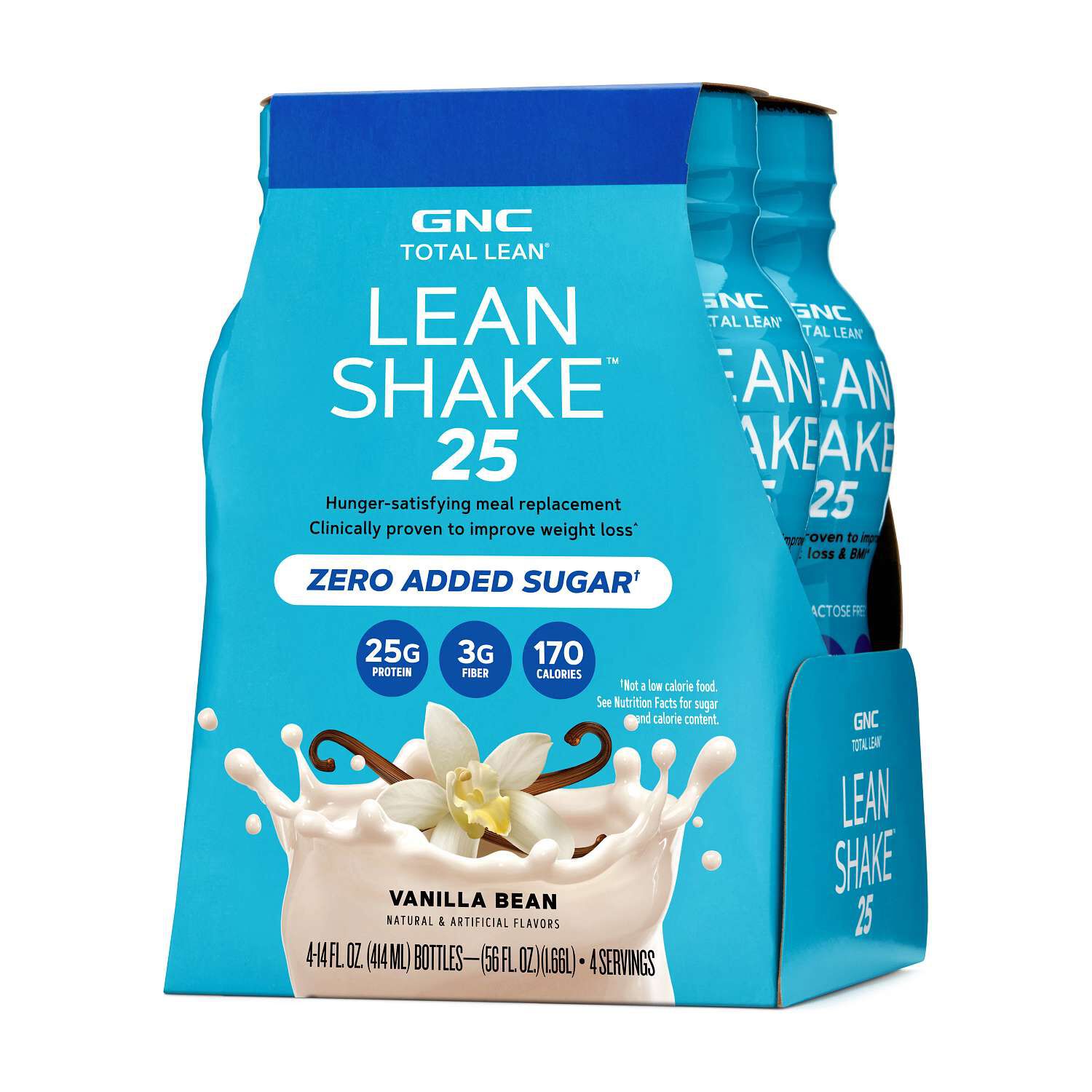


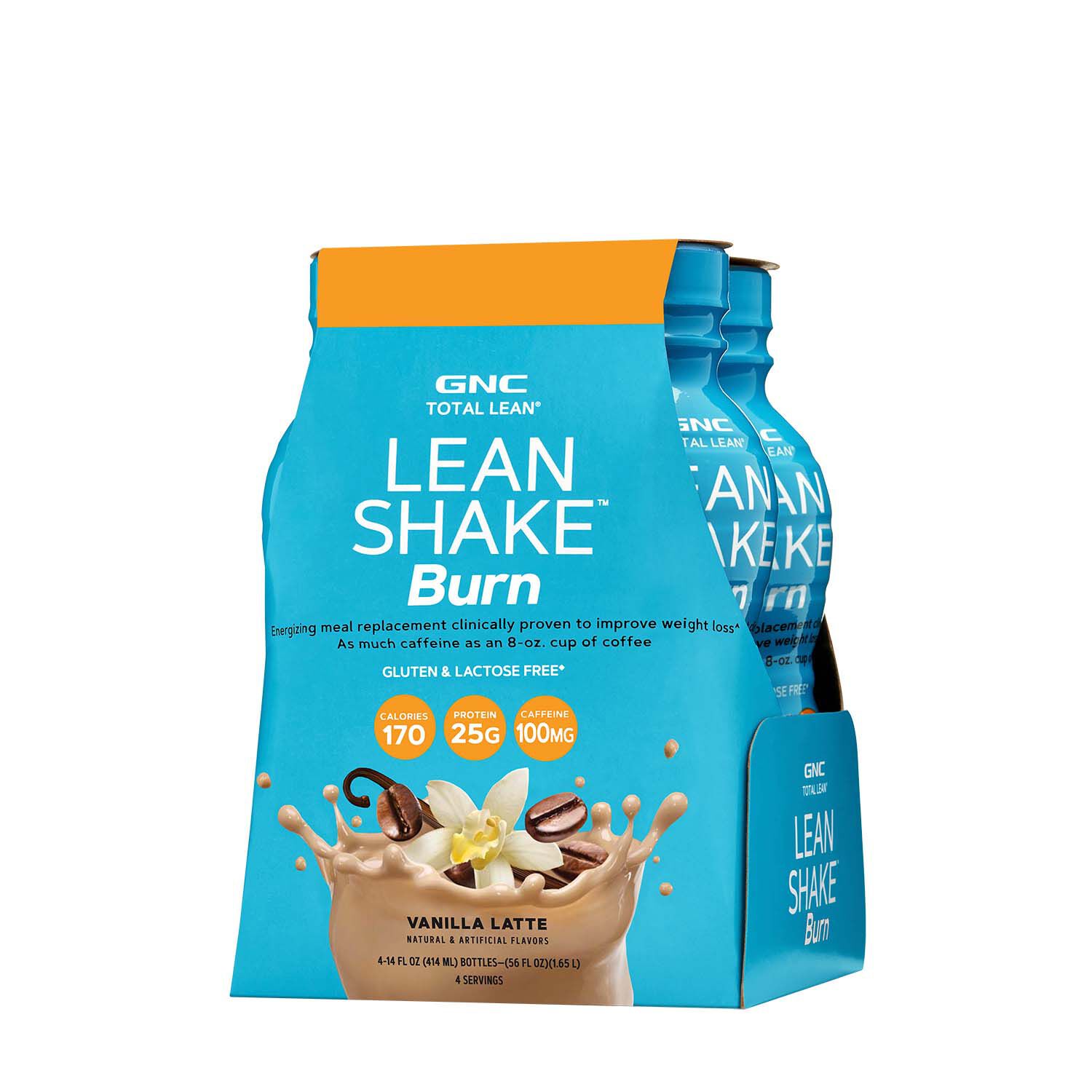


Protein shakes are generally categorized by their main protein source and formulation, with dairy-based, plant-based, egg-based, and collagen-based options in powder and ready-to-drink formats. Within those groups, differences in ingredients, texture, flavor, and serving size give each type a distinct place in an everyday routine. Dairy-based shakes include whey, casein, and blends of milk proteins. Whey concentrate retains varying amounts of lactose and fat, while whey isolate undergoes additional processing that generally leaves less of both in the protein ingredient. The finished shake’s composition still depends on the rest of its formula. Hydrolyzed whey is another variation, made with protein that has been processed into smaller peptides. Casein is also derived from milk and may produce a thicker consistency when mixed. Milk Protein Shakes belong to this dairy-based category, with formulas that may feature different proportions of whey and casein. Plant-based shakes use sources such as pea, soy, rice, or pumpkin seed protein, either individually or in blends. A blend pairs sources with different amino acid profiles, so the ingredient list tells more of the story than the word “plant” alone. Plant-based does not necessarily mean vegan; other ingredients also matter. Egg-based shakes commonly use egg white protein, offering another source separate from dairy and plants. Collagen-based shakes contain a protein with a different amino acid composition from milk, egg, and soy, making the named source an important distinction when comparing formulas. Some shakes combine collagen with other proteins rather than using it alone. These categories describe what supplies the protein, not necessarily the flavor or texture of the finished drink. A chocolate shake could contain whey, pea protein, or a blend, while a vanilla formula could belong to almost any source category. The protein source, ingredient list, and Nutrition Facts panel together provide a clearer picture than the flavor name or front label by itself.
Format is the next major distinction among types of protein shakes. Ready-to-drink shakes come premixed in bottles or cartons, making them a practical option for a commute, a desk drawer, or a gym bag when mixing equipment is inconvenient. Powdered shakes require a measured serving and liquid, with tubs and individual packets offering different storage and preparation formats. A powder leaves more room to adjust the liquid amount, although the package directions remain the reference for serving size. Formulas also differ in protein grams, carbohydrates, sugars, fat, fiber, and added vitamins or minerals. A protein-focused shake is not automatically a meal replacement; products intended for that use have their own labeling and nutrient composition. Likewise, a shake with added carbohydrates and fats is different from one formulated around protein with fewer additional ingredients. For someone pairing a shake with oatmeal at breakfast, the rest of the meal is part of the context. For someone packing a drink alongside a sandwich, portability and flavor may matter more than a long ingredient list. Serving comparisons are most useful when the portions match: one bottle, one scoop, and one prepared serving are not interchangeable measurements. Some containers hold more than one labeled serving, and powders differ in scoop size. The liquid used with a powder also changes the prepared drink’s nutrient amounts. Water adds no protein, while dairy milk and plant-based beverages have their own nutrient profiles. Sweeteners, cocoa, oils, gums, and added fiber distinguish formulas further. Some provide sweetness or flavor; others contribute to consistency. A short ingredient list describes one style of shake, while a more involved formula describes another, rather than establishing a universal ranking. The relevant comparison is between the labeled serving, its ingredients, and the way the shake will be used.
Taste, preparation, and storage round out the differences between protein shake types. Chocolate, vanilla, strawberry, and coffee-inspired flavors offer familiar starting points, while unflavored powders leave more flexibility for recipes. The finished taste depends on both the powder and the mixing liquid: vanilla powder with water is a different preparation from the same serving blended with milk, banana, and oats. Those additions also change the nutrient amounts, portion size, and consistency. A blender may create a smoother mixture when fruit or nut butter is included, while a shaker bottle is a simpler format for powder and liquid alone. Texture preferences are personal. Someone who likes a thinner drink may prefer more liquid within the preparation directions, while someone seeking a spoonable smoothie may use a different recipe. Plant ingredients may contribute earthy or grain-like notes, and dairy proteins may lend a creamier character, though flavorings and the overall formula matter as much as the source. Milk, egg, soy, wheat, sesame, and nut ingredients deserve attention when they are among the ingredients a shopper needs to avoid; the label, including any allergen statement, remains the reference. Storage instructions matter just as much as preparation. Some sealed ready-to-drink shakes are shelf-stable, while others require refrigeration before opening. Instructions for an opened container may differ from those for a sealed one. Powder belongs in its original, securely closed packaging, stored according to the label and measured with a clean, dry scoop. Reusable mixing containers need thorough washing and drying between uses, with care instructions checked before dishwasher cleaning. For an office routine, a resealable tub and a dedicated mixing bottle may be convenient; for travel, individual packets or sealed drinks may suit the packing space better. Across these everyday situations, protein source, serving composition, flavor, preparation, and storage are the practical differences that distinguish one type of protein shake from another.
Best Sellers

.jpg?sw=305&sh=305&sm=fit "Protein Powder Types | GNC")

Top Collections
- Joint Mobility Supplement Packs
- Daily Collagen Supplements | Top Brands & Deals | GNC
- GLP 1 Support For Adults
- Zinc Supplements | Top Brands at Great Prices | GNC
- Supplements For Yoga Joint Flexibility
- Supplements For Balance
- Capsule Supplements For Energy And Stamina
- Adult Mobility Supplements
- Chronic Fatigue Supplements
- Vitamins For Hair Loss