





Protein Powders For Busy Schedules
(0 Results)
Protein powders for busy schedules could be a convenient way to support your nutrition goals when you’re on the go. Whether you’re heading to work, hitting the gym, or balancing a packed calendar, these options may fit seamlessly into your routine. Discover how protein powders for busy schedules might help you stay fueled and ready for whatever the day brings.
-
-

-

-

-

-
-
-
-
-
-

-
-

-
-

-

-
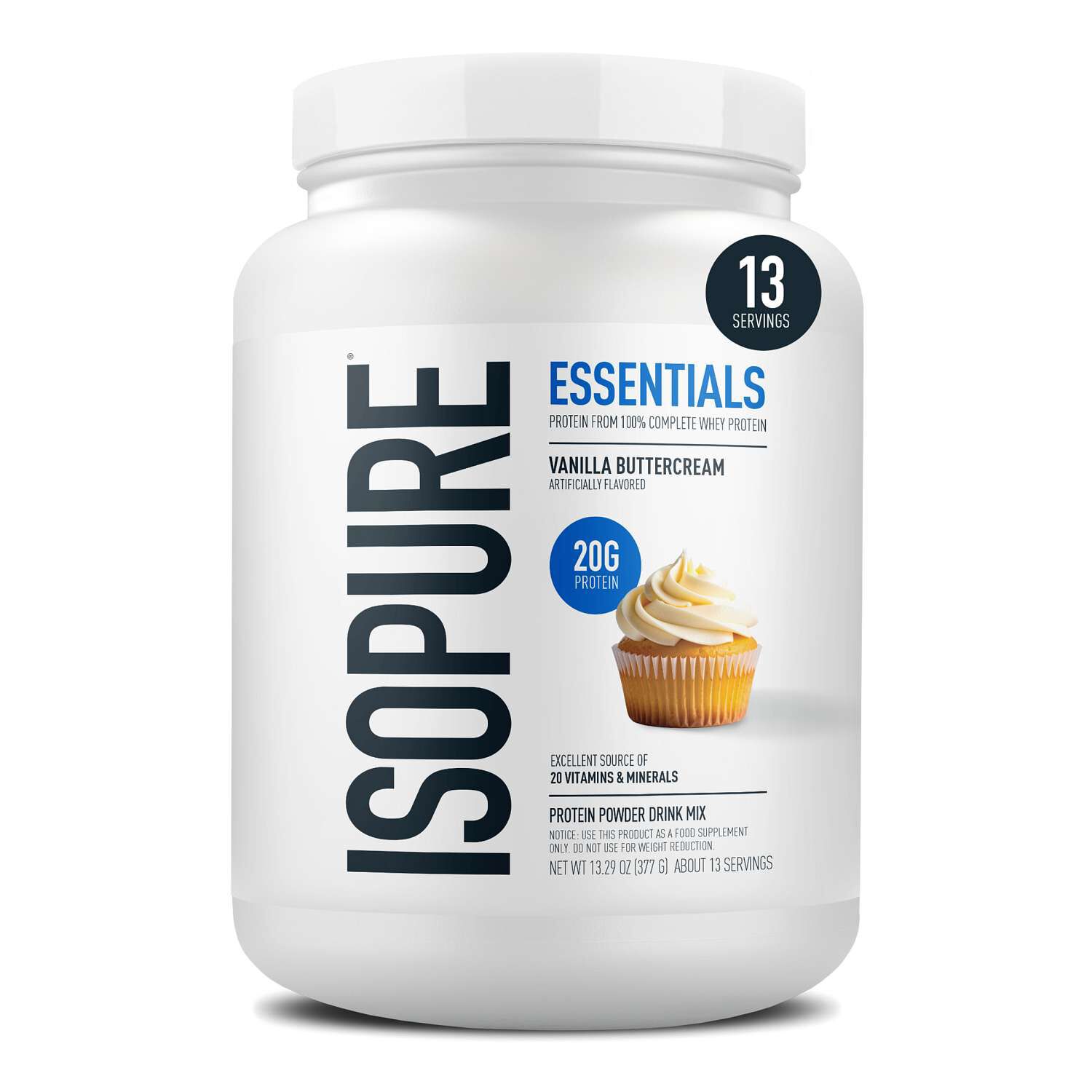 $29.99
-
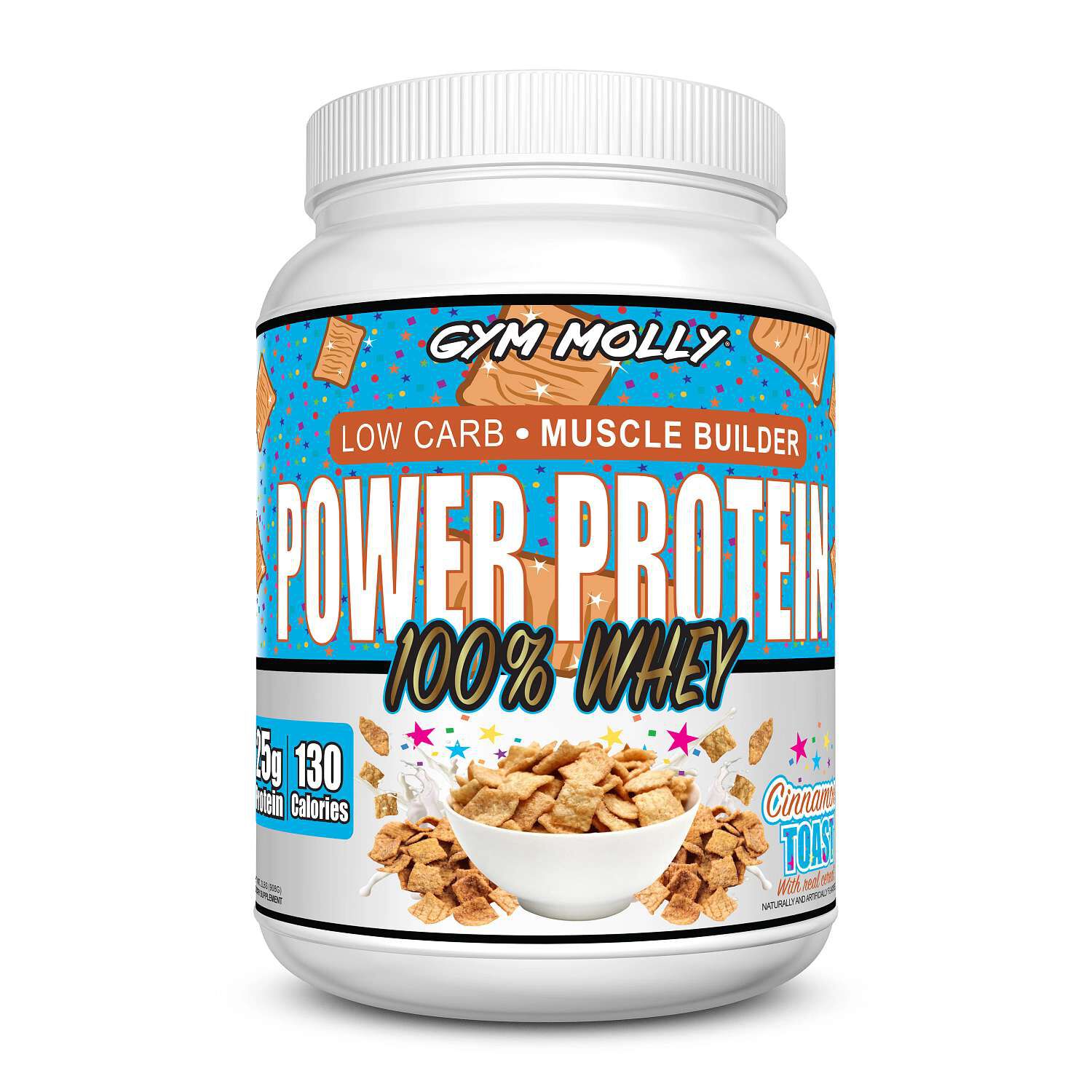 $54.99
-
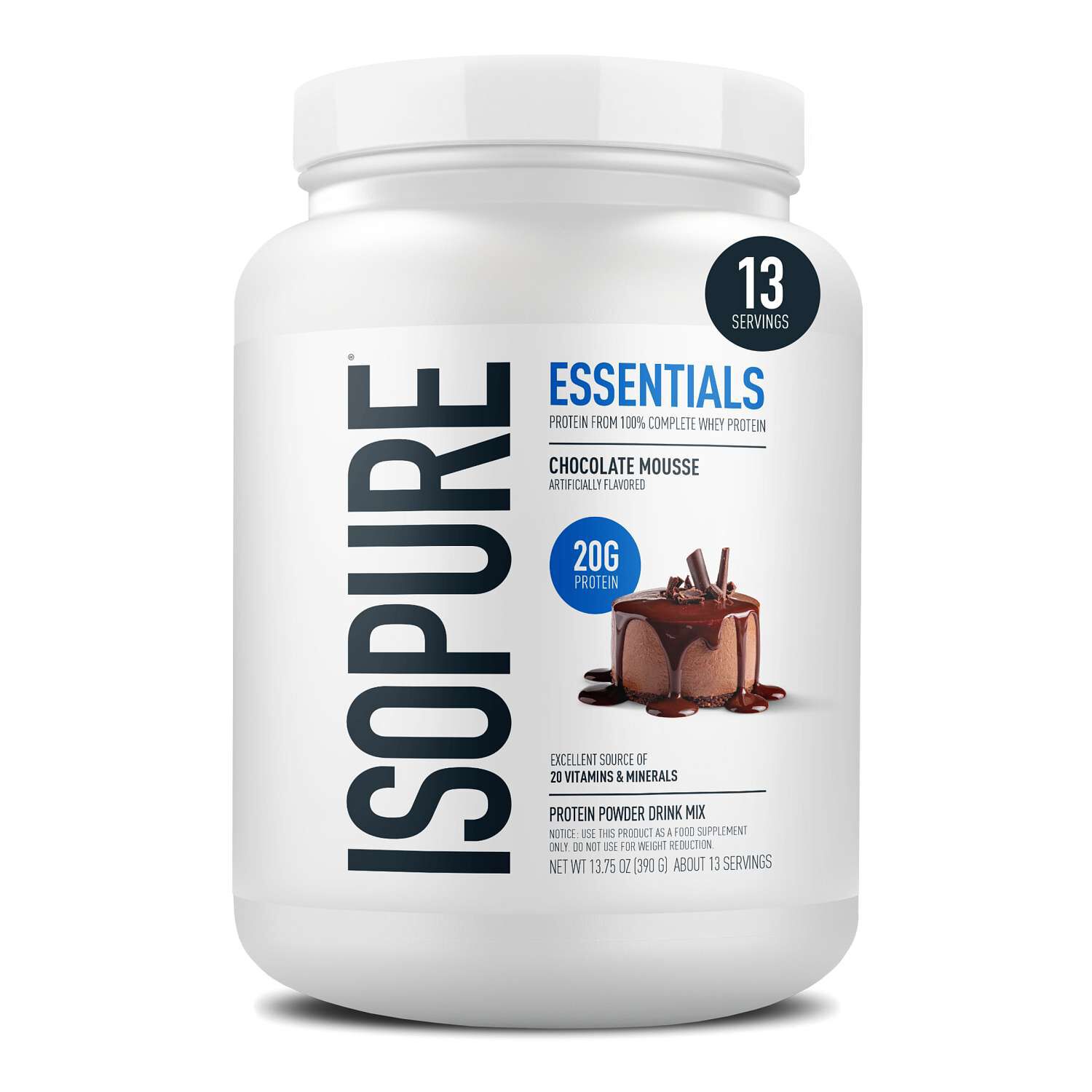 $29.99
-
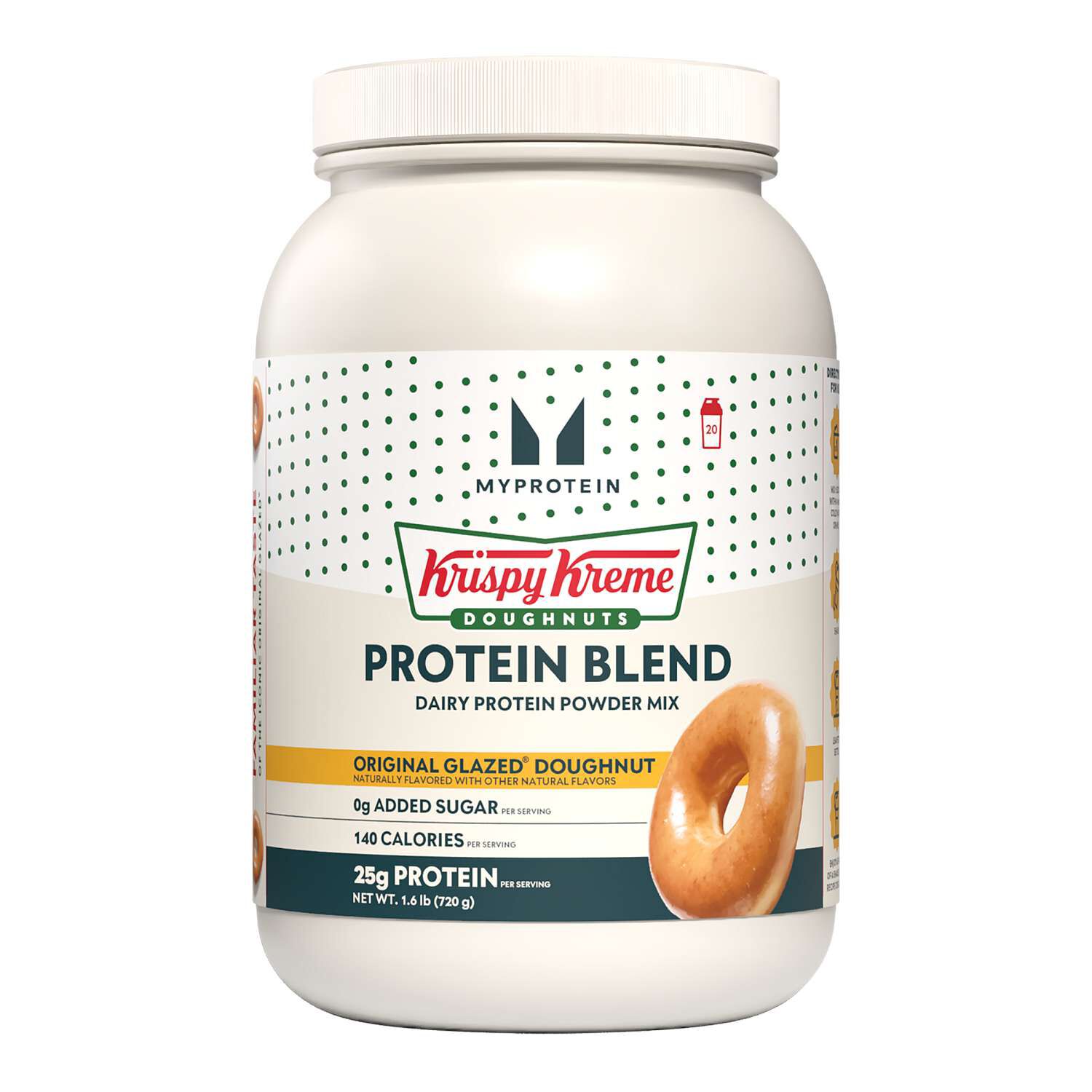 $44.99
-

-

-
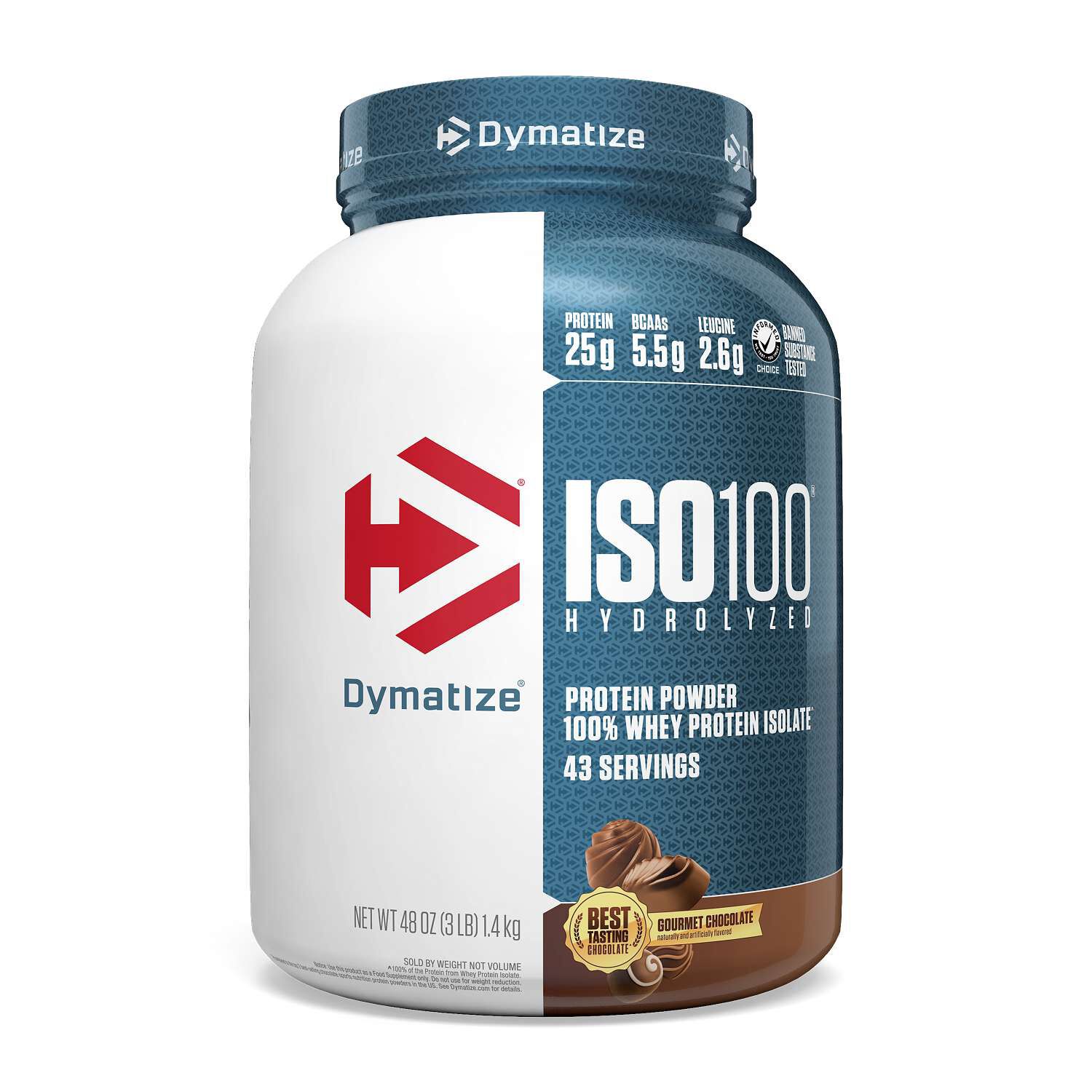
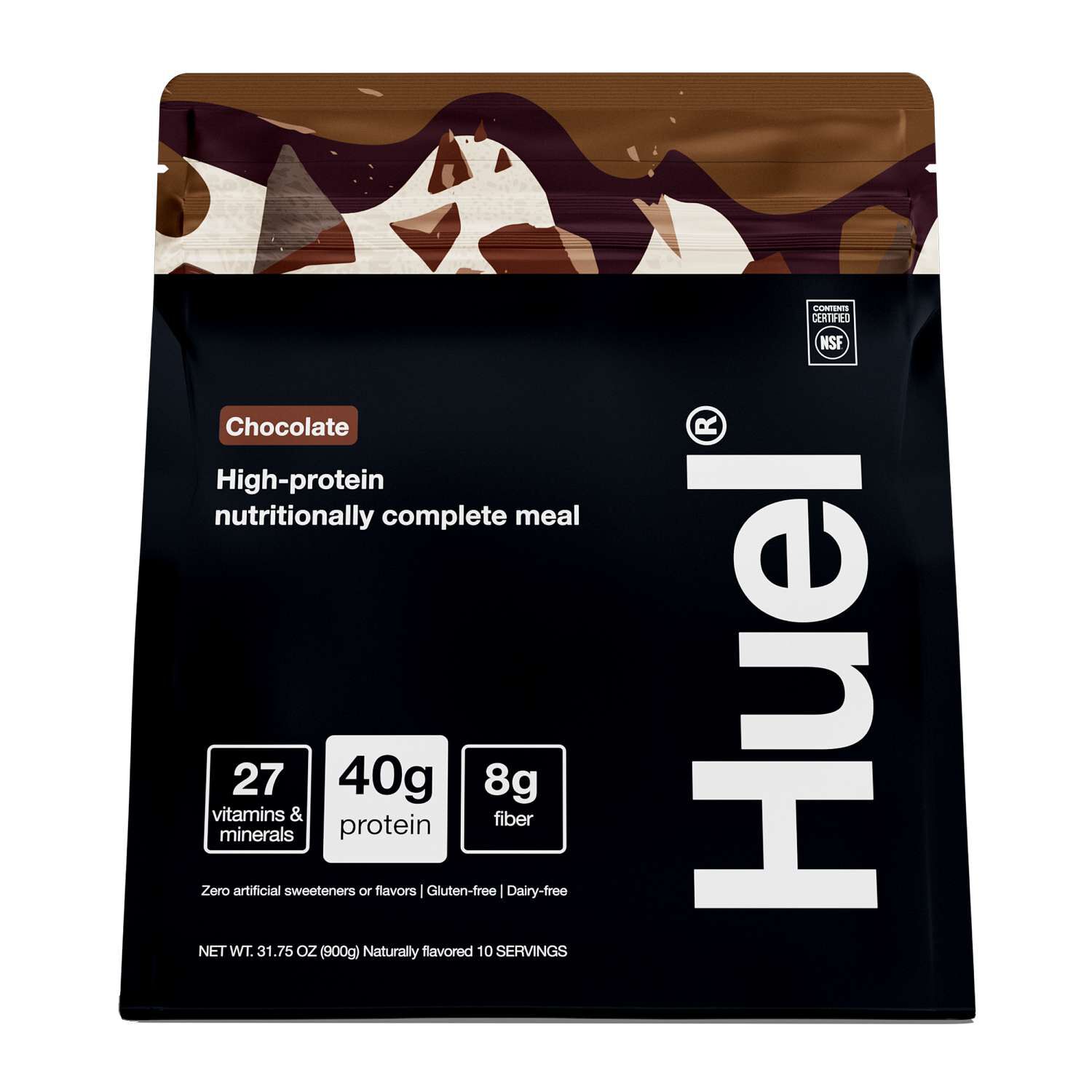
Protein powders for busy schedules may offer a convenient way to add protein to meals and snacks when the day moves from an early commute to back-to-back meetings, errands, or an evening workout. For working adults, students, caregivers, and people balancing exercise with other commitments, the appeal is often straightforward: a measured serving, a familiar drink, and little preparation. These powders are intended to supplement a varied eating routine rather than automatically stand in for a balanced meal. A shake alongside breakfast, powder stirred into yogurt, or a smoothie paired with a sandwich may suit different moments in the same day. The main categories include whey, casein, and plant-based protein powders, with differences in ingredients, texture, and preparation requirements. Whey comes from milk, and whey concentrate and whey isolate differ in how they are processed and in their protein, carbohydrate, and fat content. Whey isolate generally contains less lactose than whey concentrate, although the category name alone does not establish suitability for a particular dietary restriction. Casein is also milk-derived and may produce a thicker consistency, depending on the formula and how it is prepared. Plant-based protein powders can contain pea, rice, soy, or combinations of plant sources. Blends bring together different protein ingredients, while single-source formulas have one primary protein source. Vegan labeling, milk and soy allergen statements, and the full ingredient list offer more specific information than front-label descriptions alone. For someone who packs lunch before sunrise or heads directly from work to the gym, the practical distinction may be whether a powder suits a simple shaker bottle or a blender-based snack. Texture preferences matter, too: a thin shake, a creamy smoothie, and a spoonable bowl of oats are different eating experiences. Protein source is one part of the selection; flavor, serving size, and the preparation someone will realistically repeat deserve equal attention. A powder chosen around an existing habit, such as packing breakfast or making an afternoon snack, may feel more manageable than one that requires building an entirely new routine.
Preparation style often determines how naturally protein powder fits into a crowded day. A powder intended to mix with water may suit an office drawer or a gym bag, while one prepared with milk or a plant-based beverage may offer a different texture and flavor. The liquid also contributes its own nutrients, so the nutrition information for the powder does not necessarily describe the finished drink. Many labels show protein amounts around 20 to 25 grams per serving, but formulas and serving sizes vary; the stated serving matters more than the appearance of a full scoop. For a breakfast eaten at a desk, vanilla or unflavored powder may pair with overnight oats, yogurt, or a fruit smoothie. Chocolate flavors may suit a shake served alongside a banana or stirred into a yogurt bowl. Unflavored does not always mean undetectable: the underlying protein source may still contribute taste, aroma, or thickness. Sweeteners and flavorings also shape the experience, especially for someone who prefers a less sweet drink or plans to combine the powder with fruit. Mixability is another practical consideration. Some formulas may blend smoothly with a shaker bottle, while others may suit a blender or a thicker food preparation. Package directions identify the intended liquid amount and mixing method, which can differ between formulas. A narrow bottle opening, an oversized scoop, or a thick mixture may turn a quick snack into a mess on a crowded counter, making container design relevant to everyday use. For households sharing a kitchen, a mild flavor may work across several preparations without requiring a separate powder for every person. Someone who usually leaves home with only a water bottle may prefer a simpler preparation than someone who already makes smoothies. These details may matter more to everyday enjoyment than a long list of possible recipes. Familiar flavors and manageable portions may make a protein powder a practical companion to ordinary foods, rather than another complicated project competing for attention.
Packaging, storage, and cleanup also shape whether protein powder suits a busy routine. Resealable pouches, tubs, and individually packaged servings represent different approaches to storage and transport. A tub may suit a regular place on a kitchen shelf, while a single-serving packet may be easier to tuck beside a shaker bottle for a day away from home. Package dimensions and closure style matter when the storage space is a small cabinet, a shared pantry, or a crowded work bag. The product label provides storage directions and a date to check, and keeping the closure secure helps limit exposure to moisture. A clean, dry scoop and container are sensible considerations when portioning powder; finished shakes require different handling from dry powder, particularly when milk, yogurt, or other perishable ingredients are added. Preparation and storage directions on the relevant packages remain important for drinks made ahead. Bottle care deserves attention as well, since lids, seals, and mixing inserts can have separate cleaning instructions. Beyond convenience, the nutrition panel gives context for the serving: protein grams, calories, added sugars, carbohydrates, and fat all describe the formula, while the ingredient list identifies its protein sources, sweeteners, and other additions. A short ingredient list is not automatically the right choice for everyone, just as a longer one does not explain how a powder will taste or mix. Clear labeling and compatibility with preferred foods provide a more grounded basis for comparison. For people browsing other additions to an exercise routine, Creatine Monohydrate Powders For Busy Schedules is a related category; creatine and protein are different ingredients, not interchangeable names for the same supplement. With protein powder, the useful match is often a familiar flavor, an appropriate serving format, and a preparation that fits the available time. A shake beside a packed lunch or powder mixed into breakfast may have a place in an eating routine without becoming its centerpiece.
Best Sellers


Related Pages


Top Collections
- GLP 1 Support For Adults
- Supplements For Yoga Joint Flexibility
- Supplements For Balance
- Joint Mobility Supplement Packs
- Zinc Supplements | Top Brands at Great Prices | GNC
- Capsule Supplements For Energy And Stamina
- Supplements For Anxiety Relief Support
- Chronic Fatigue Supplements
- Zinc Supplements For Men
- Iron Supplements