





Protein Powders For Leg Extension Strength
(0 Results)
Protein powders for leg extension strength could be a valuable addition to your fitness routine, supporting your efforts in the gym and beyond. Whether you’re aiming to enhance muscle recovery or fuel your workouts, these protein options may help you work toward your performance goals. Explore a variety of protein powders for leg extension strength that might fit seamlessly into your nutrition plan as you strive for greater lower body power.
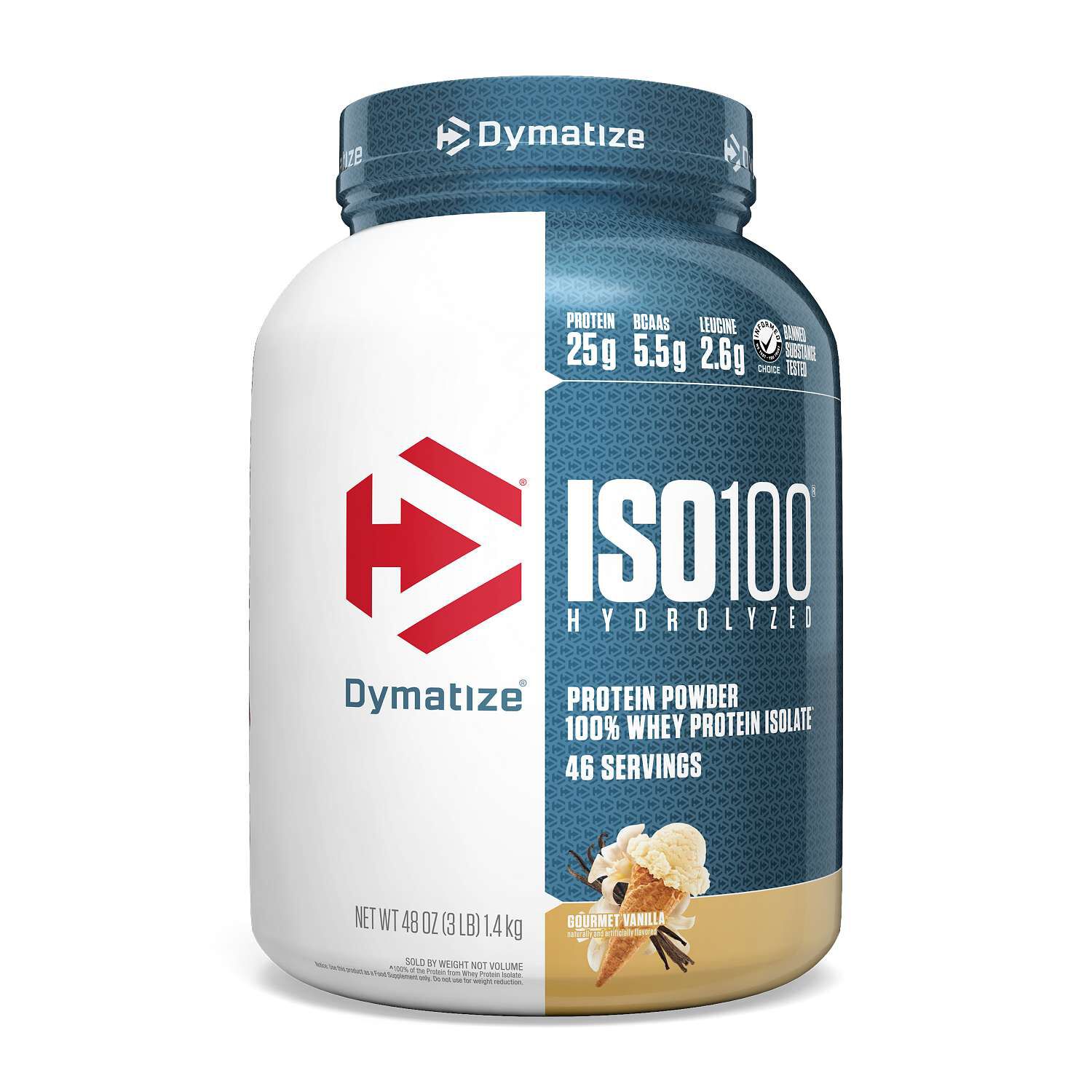

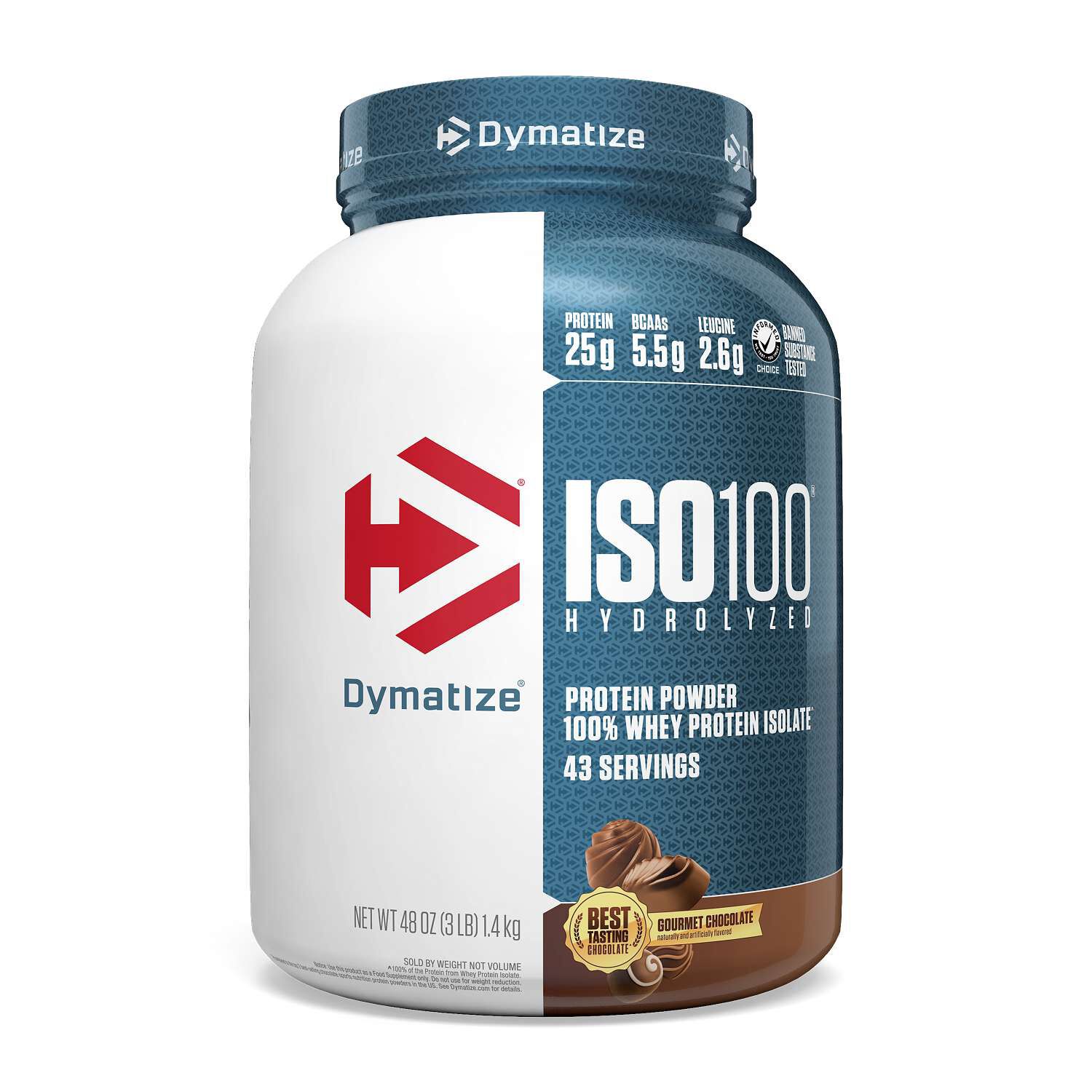

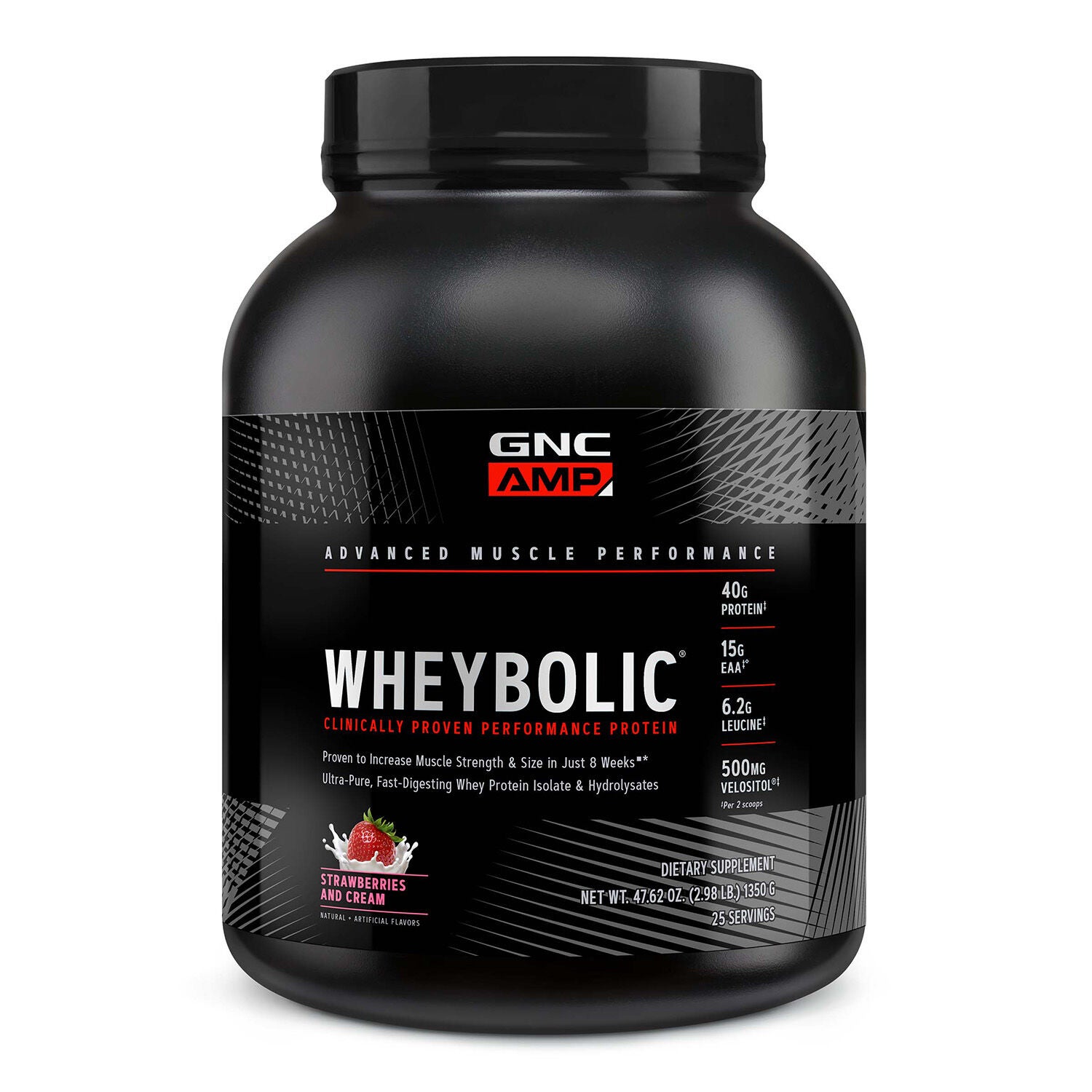
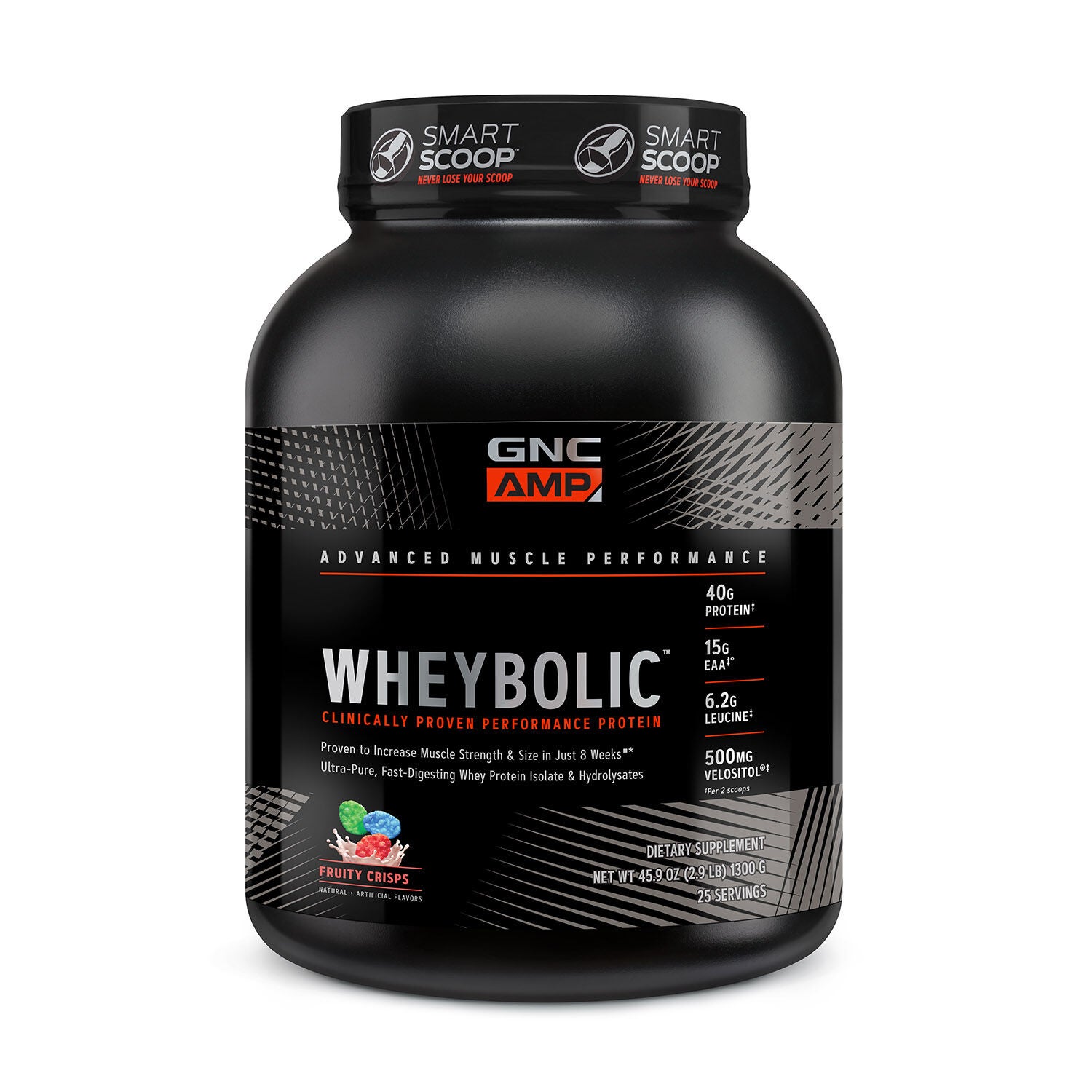
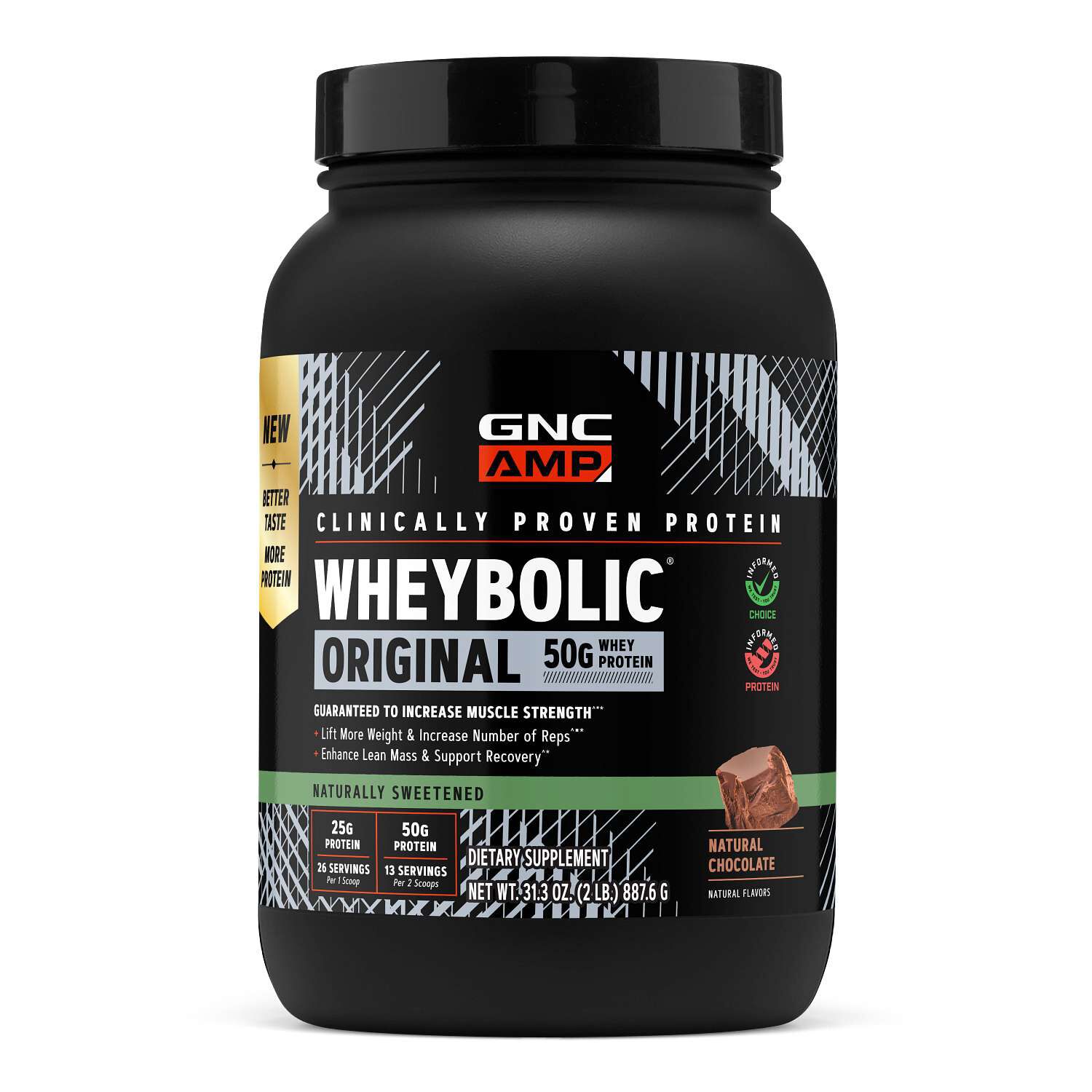


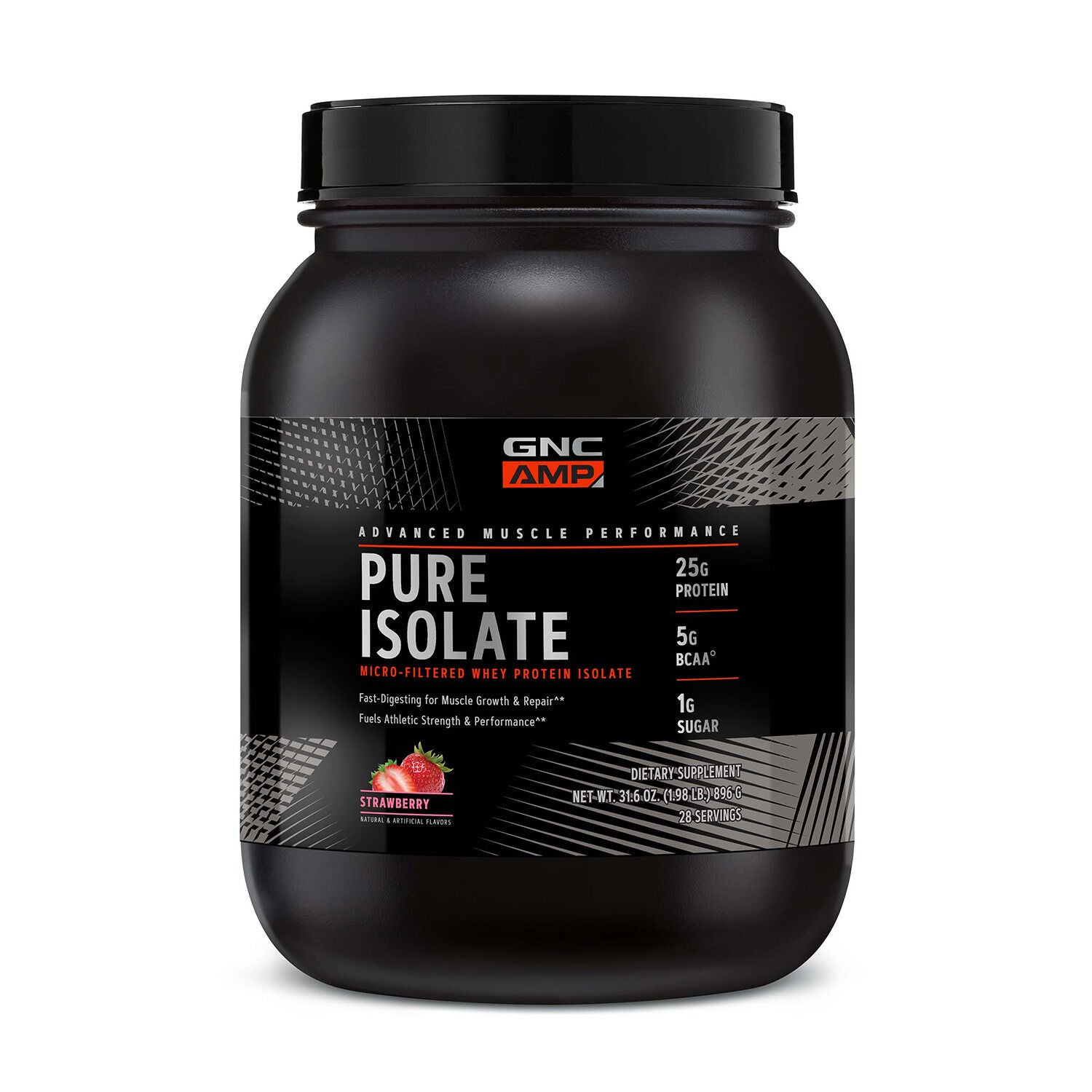


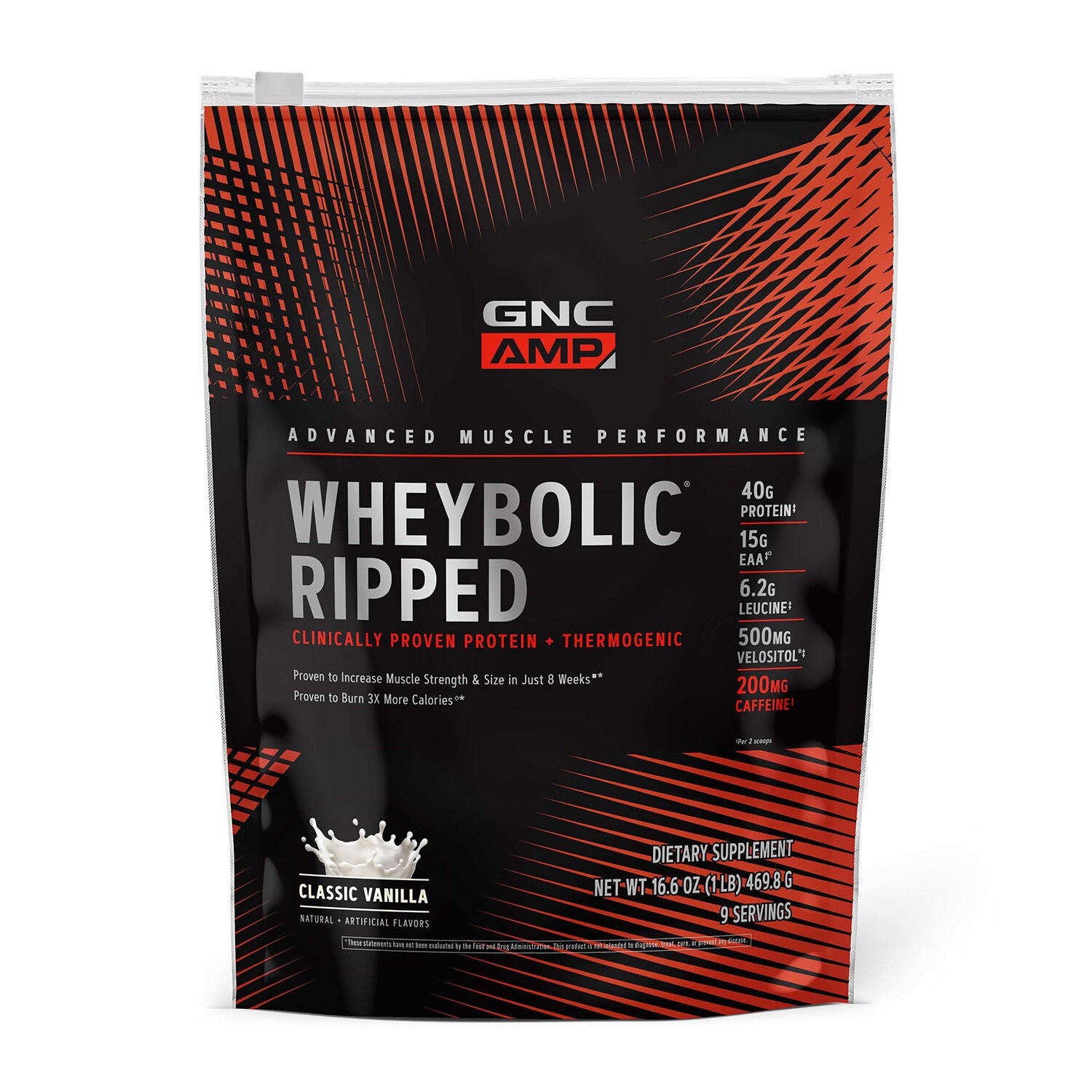
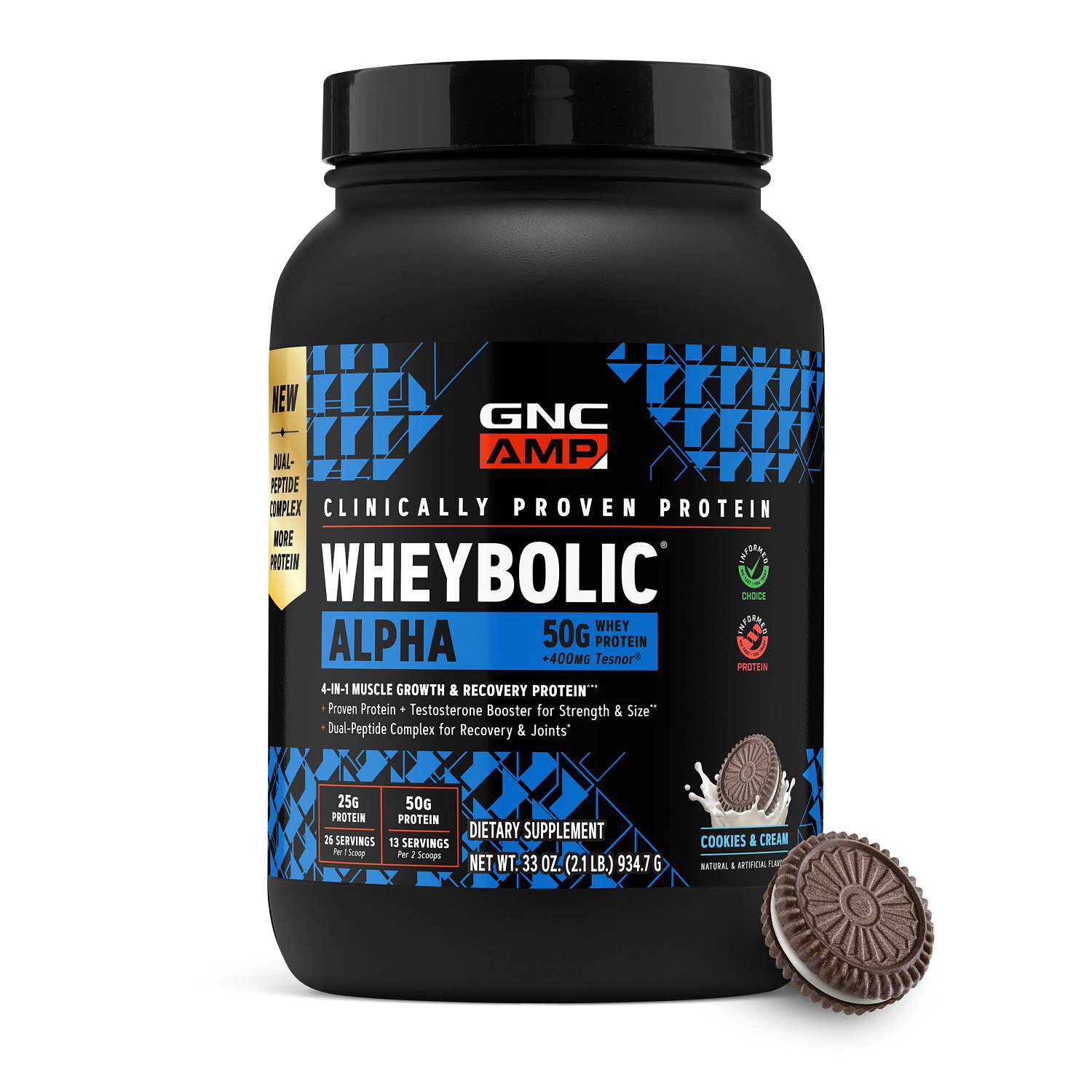
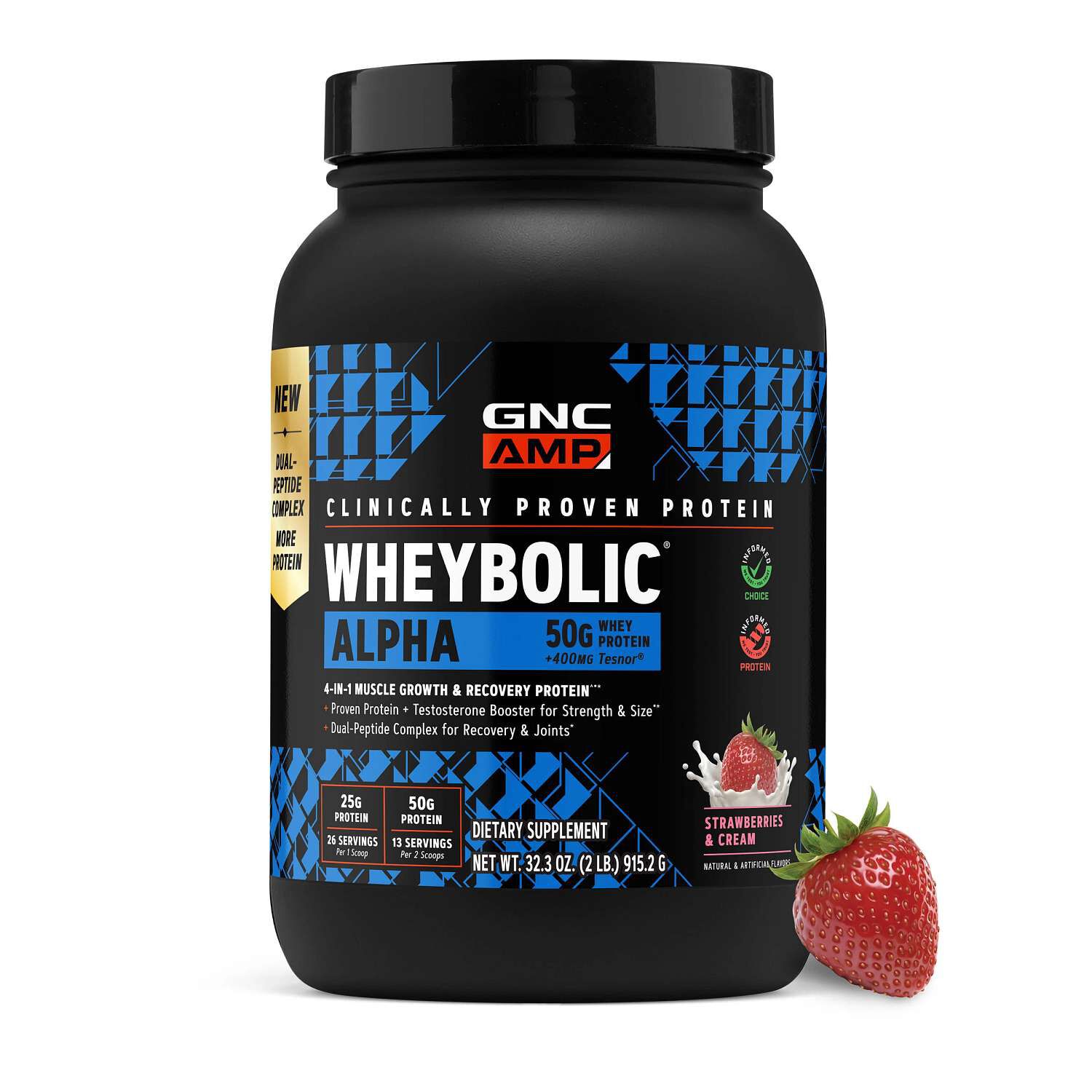
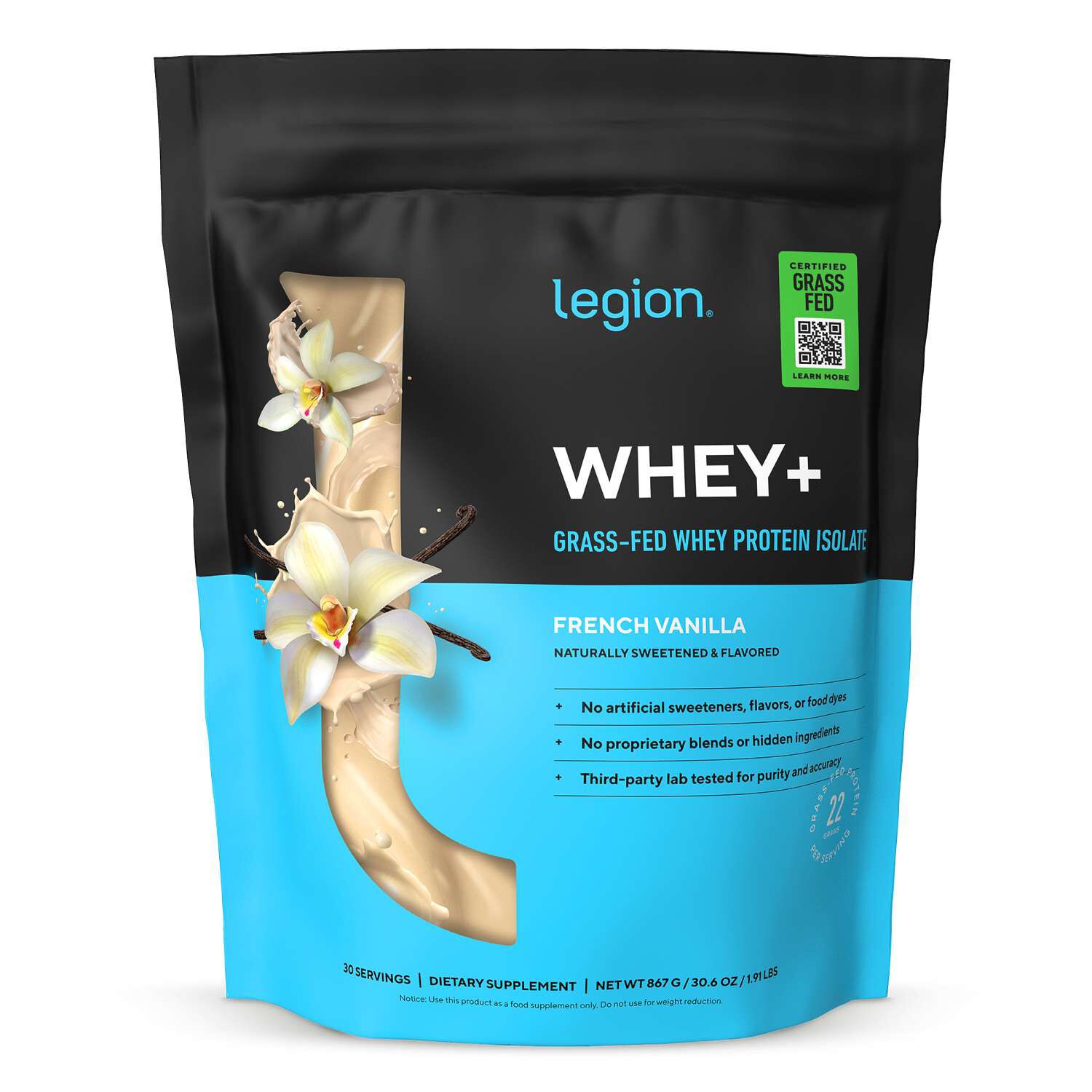
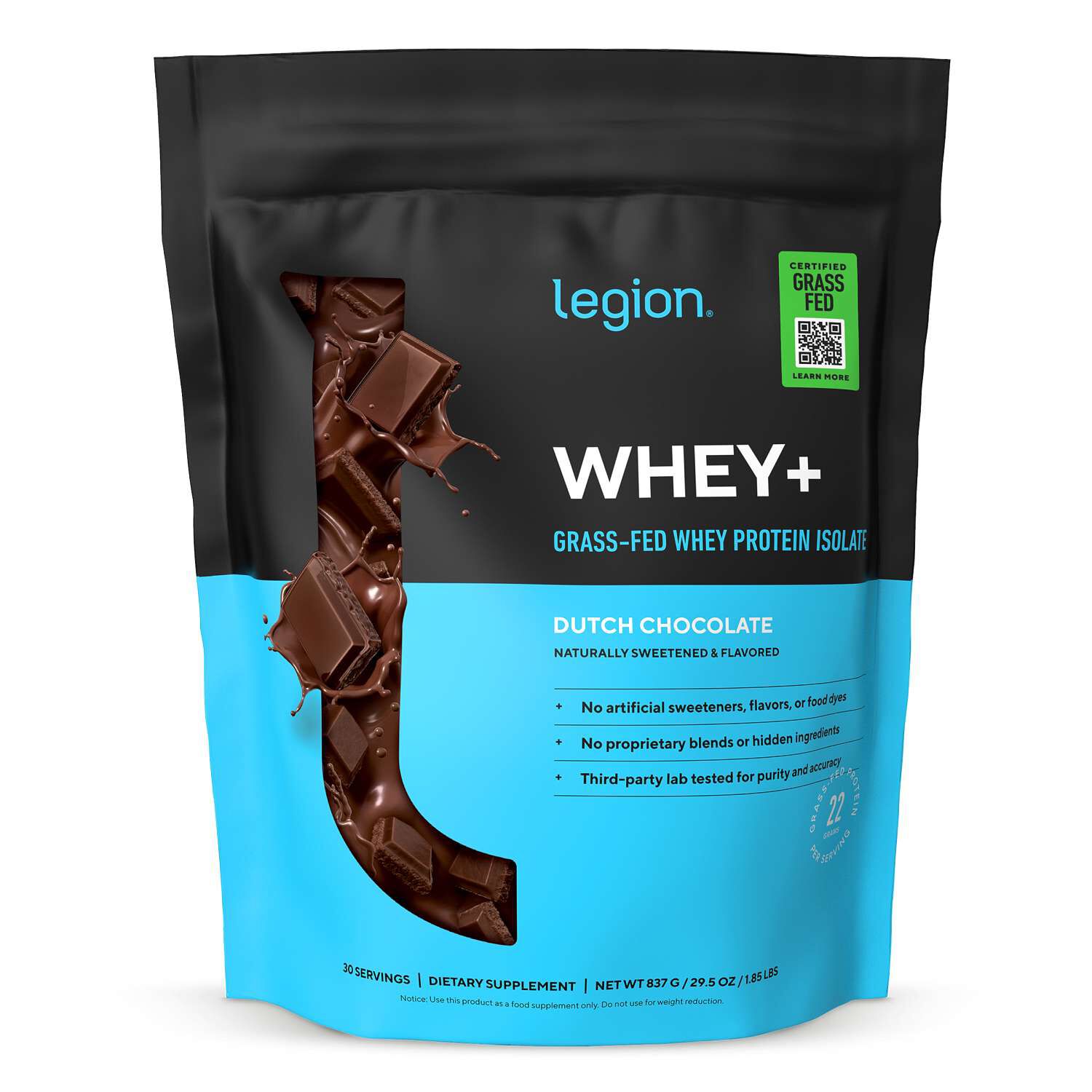
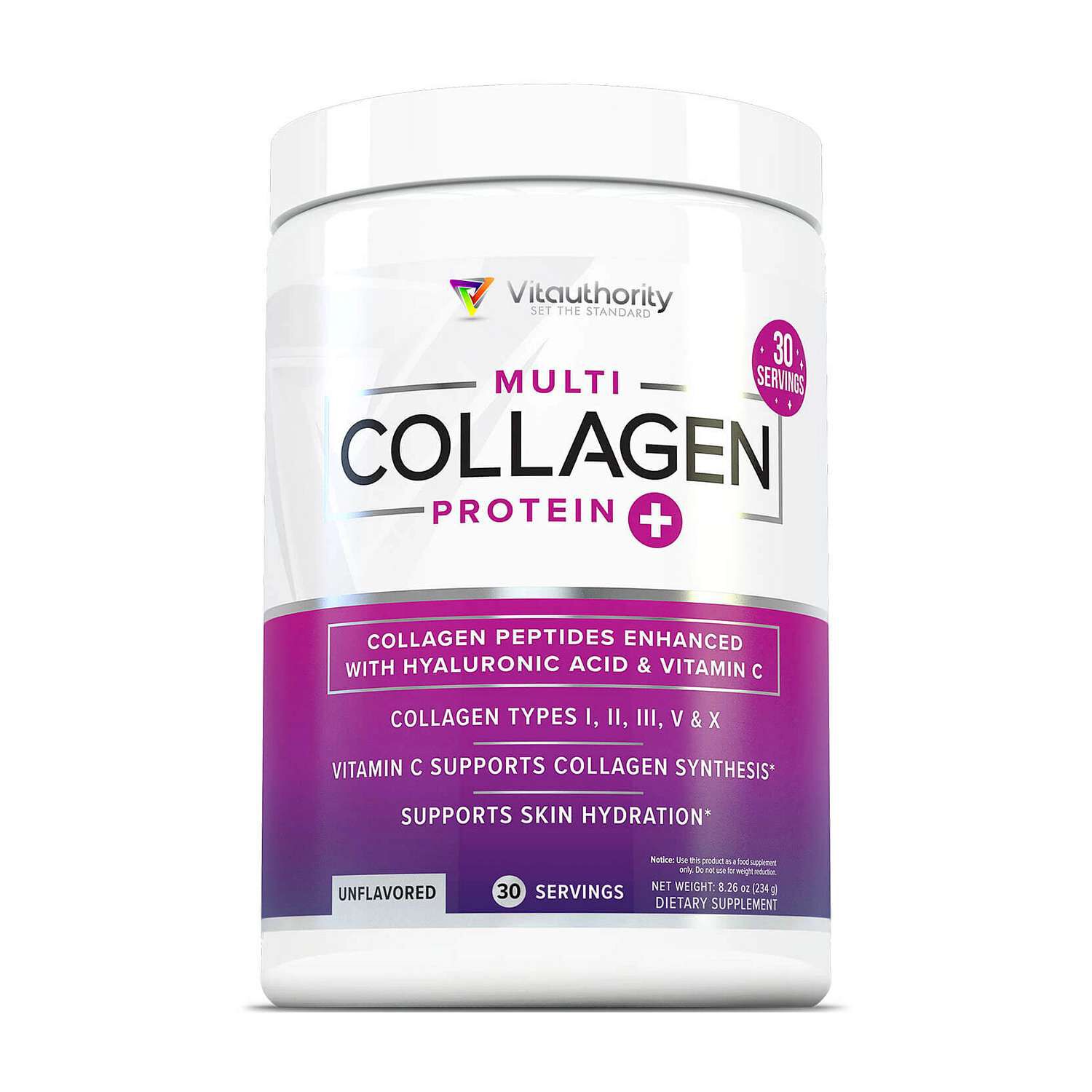
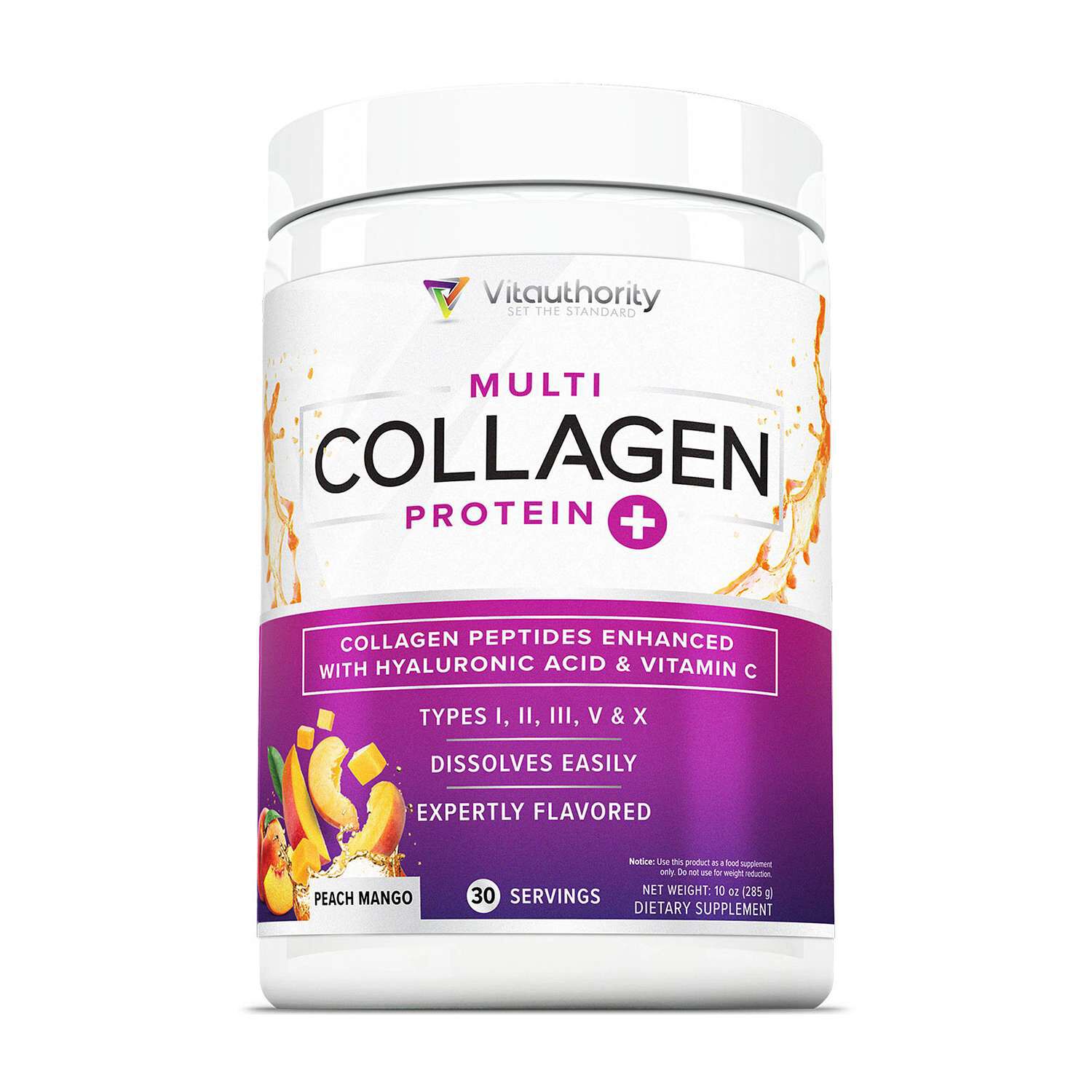
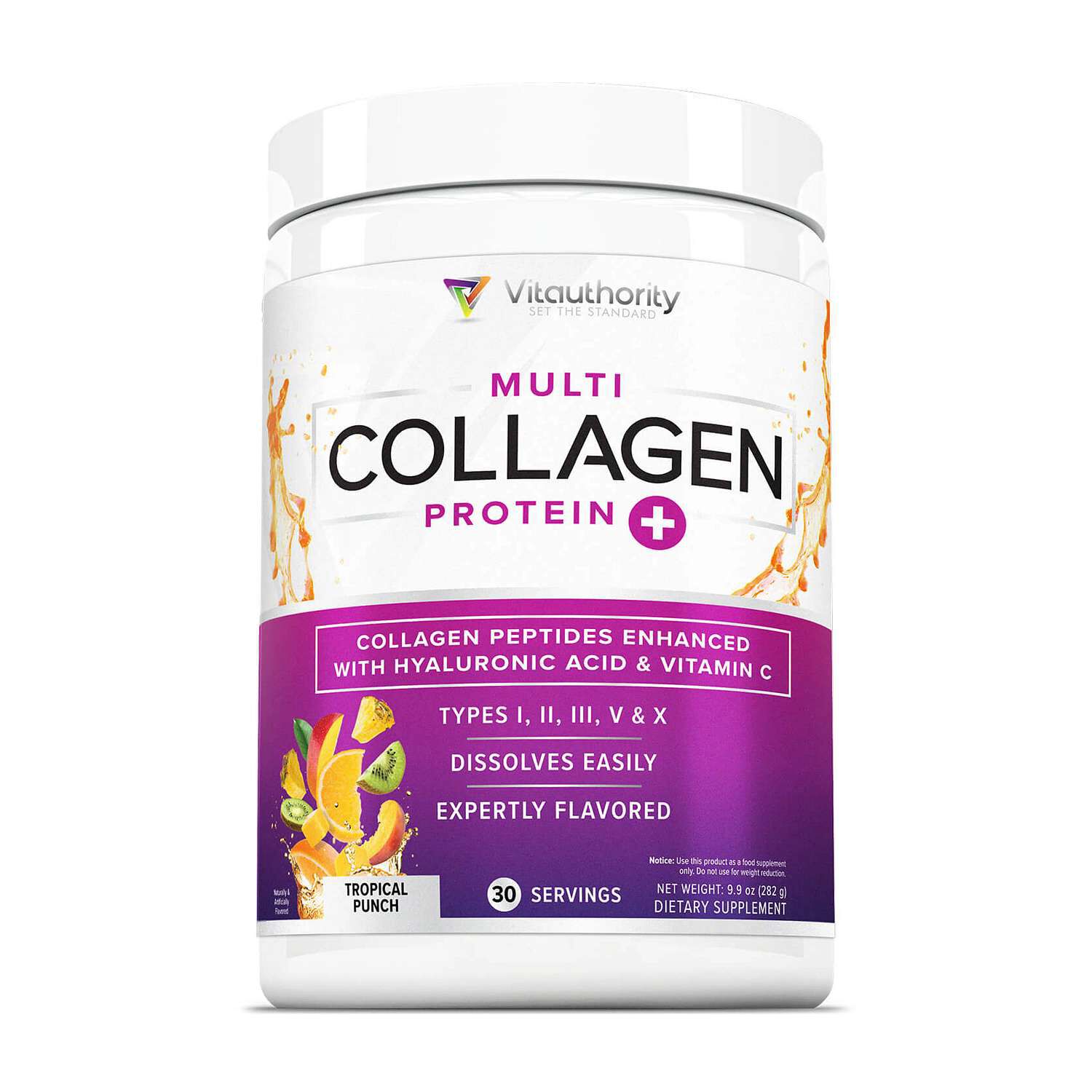

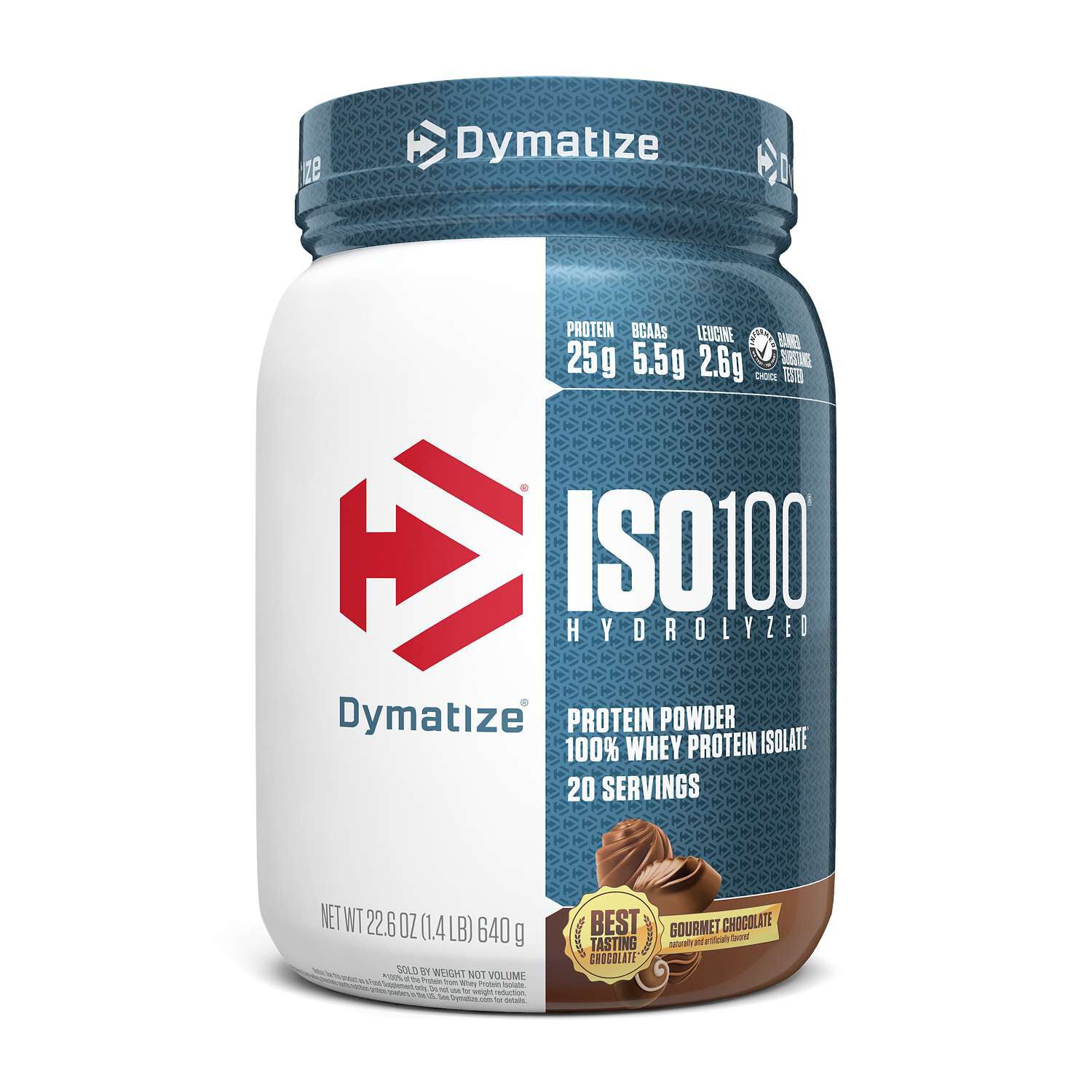
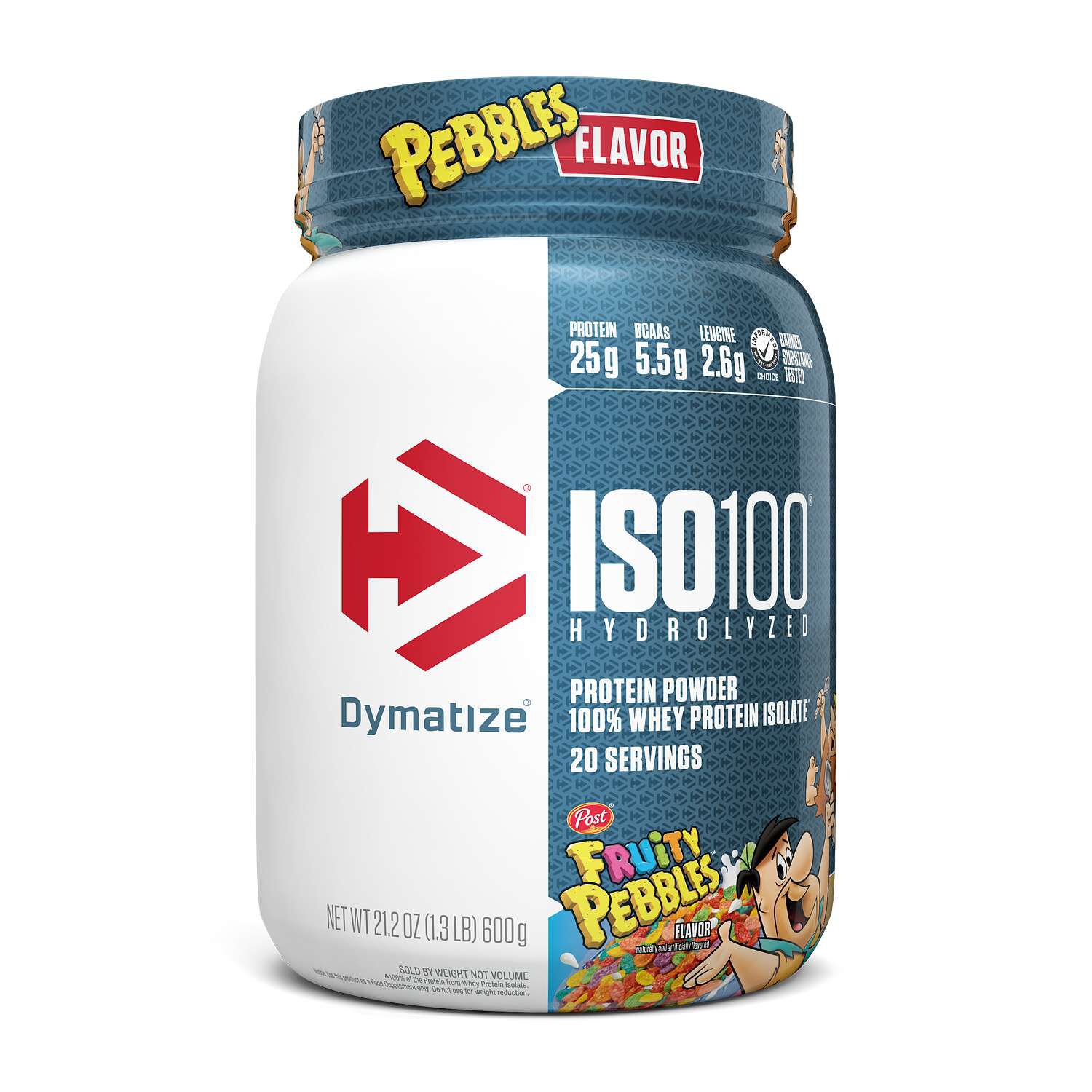

Protein powders for leg extension strength may support muscle growth and post-workout recovery when paired with consistent resistance training and balanced meals. The connection is not about a powder acting on one exercise or one muscle in isolation. Leg extensions focus on the quadriceps, the muscles along the front of the thighs, while protein powders provide a convenient way to add dietary protein to an eating routine. For someone whose lower-body workouts include seated leg extensions, squats, or other resistance exercises, that convenience may make everyday nutrition easier to manage. A shake can fit into the space between leaving the gym and sitting down to dinner, or a powder can become part of breakfast before a busy day. Strength progress involves training habits, rest, and overall nutrition rather than a supplement alone, so the most relevant powders are those that fit comfortably into an established routine. Protein source, serving size, flavor, and preparation requirements all matter when comparing options. The grams of protein listed on the Nutrition Facts panel provide a clearer comparison than the size of the scoop, since scoop dimensions and powder density vary. Calories, carbohydrates, and fats also differ across formulas, making the full label more useful than a single number on the front of a container. Someone who already enjoys protein-rich meals may want a powder for occasional convenience, while someone with a tightly scheduled workday may value an option that is easy to prepare away from home. Both situations call for attention to the product’s intended use and labeled serving information. For this collection, the relevant distinction is how a protein powder fits into lower-body training nutrition, not whether its packaging features a particular exercise. A familiar flavor and manageable serving format may be more useful in an everyday routine than a formula chosen solely for ambitious front-label language.
Protein source is one of the clearest differences among powders associated with resistance-training nutrition. Whey and casein come from milk, while plant-based formulas may use ingredients such as pea, rice, or soy protein. Egg-based powders offer another source. These categories differ in ingredient composition, amino acid profiles, texture, and preparation characteristics, so they are not interchangeable in every shopper’s routine. Whey concentrate and whey isolate can differ in their proportions of protein, carbohydrates, and fats; the nutrition panel and ingredient list establish what a particular formula contains. Dairy-derived powders can also vary in lactose content, and an isolate designation does not replace a review of the label. For shoppers who prefer plant-based eating, the distinction between a single-source powder and a blend is worth noting. A blend combines protein ingredients, while a single-source formula centers on one type. Neither description, by itself, establishes how well a powder will fit an individual’s preferences. Milk, soy, and other allergen declarations remain relevant regardless of flavor or package design. Taste and mouthfeel deserve attention, too, because a powder used regularly needs to work in the foods and drinks someone actually enjoys. Chocolate may suit a shake blended with banana, vanilla may fit oatmeal or yogurt, and an unflavored option may suit recipes where a strong added flavor would be unwelcome. Sweeteners, cocoa, gums, and other ingredients can influence the finished shake’s character. Preparation matters just as much: a serving mixed with water will have a different nutritional profile from the same serving blended with milk and additional ingredients. The liquid quantity shown in the preparation directions also provides context for the intended consistency. A shaker bottle at the gym and a countertop blender at home create different preparation settings, making mixing directions a practical part of product comparison. For a broader view of powders associated with resistance-training goals, Protein Powders For Muscle Growth Support offers a related collection to explore alongside options for leg extension strength.
The best everyday fit also depends on where a protein powder will be stored, how often it will be used, and what preparation looks like between workouts and meals. A resealable pouch takes up space differently from a rigid tub, and the closure should be practical for the setting where the powder is kept. Container dimensions may matter on a narrow kitchen shelf, while the labeled serving count provides context for how a package fits a regular routine. Powder care is straightforward but important: follow the storage directions, close the container securely after use, and keep the scoop clean and dry. Moisture introduced through a damp scoop or an unsecured lid may affect the powder’s texture. The printed date and any instructions for use after opening are more reliable references than assumptions based on appearance alone. These details are especially relevant when a container moves between a kitchen, a desk drawer, and a gym bag. The format can also influence convenience. Individually portioned packets involve less measuring away from home, whereas a larger container may suit someone who prepares shakes in the same kitchen each day. For a morning gym visit, a measured serving and a shaker bottle may fit a quick transition to work; for an evening session, a blender recipe may fit more naturally into the meal routine. Neither setting requires treating a shake as the centerpiece of training. Protein powders may contribute to muscle recovery and growth, but they remain one part of a broader pattern that includes food, exercise, and rest. They may appeal to adults who enjoy structured gym sessions, recreational lifting, or lower-body training and want another way to include protein in their day. As a gift for a fitness-minded adult, a powder is a more personal choice than a shaker bottle because flavor preferences, ingredient requirements, and eating habits vary. Familiarity with those preferences matters. Across this collection, practical comparisons come back to protein source, labeled nutrition, preparation, taste, and storage: the details that help a powder fit the routine surrounding leg extension training.
Best Sellers


Related Pages

Top Collections
- Daily Collagen Supplements | Top Brands & Deals | GNC
- Cortisol Supplements
- Top Rated Collagen | Shop Customer Favorites | GNC
- Vitamins For Hair Loss
- NAD+ Supplement Tablets
- Peptide Supplements
- Best Brand of Magnesium Glycinate
- Protein Powders For Muscle Growth Support
- Vitamins That Help Support Weight Gain
- Peptide Supplements for Muscle Growth