Protein Powders For Those Avoiding Nuts
(0 Results)
Protein powders for those avoiding nuts offer a convenient way to support your wellness routine while catering to specific dietary needs. Whether you’re looking to supplement your daily nutrition or find options that fit your lifestyle, there are a variety of protein powders for those avoiding nuts that may align with your preferences. Explore different flavors and formulas designed with your goals in mind, so you can discover a protein solution that fits your unique journey.
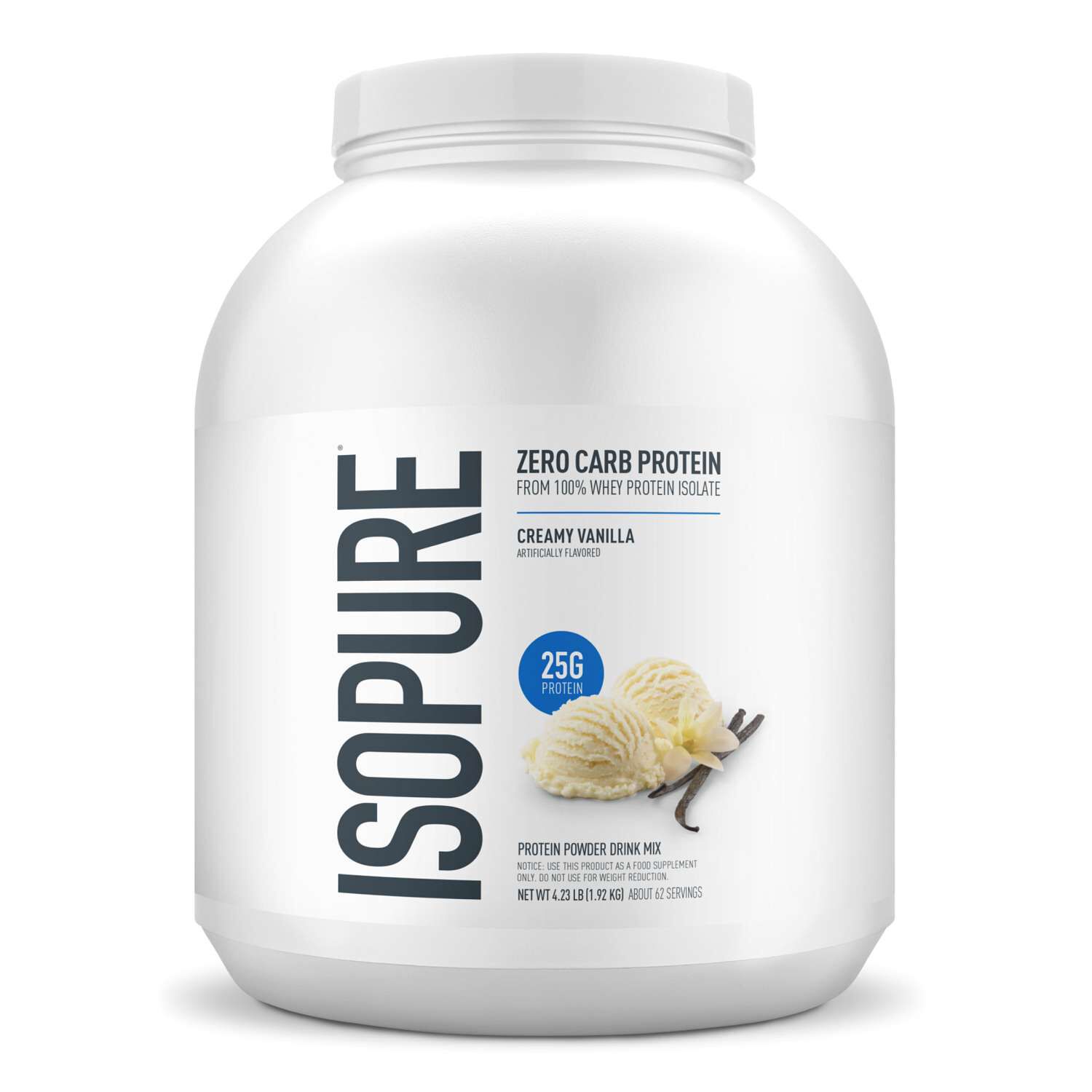


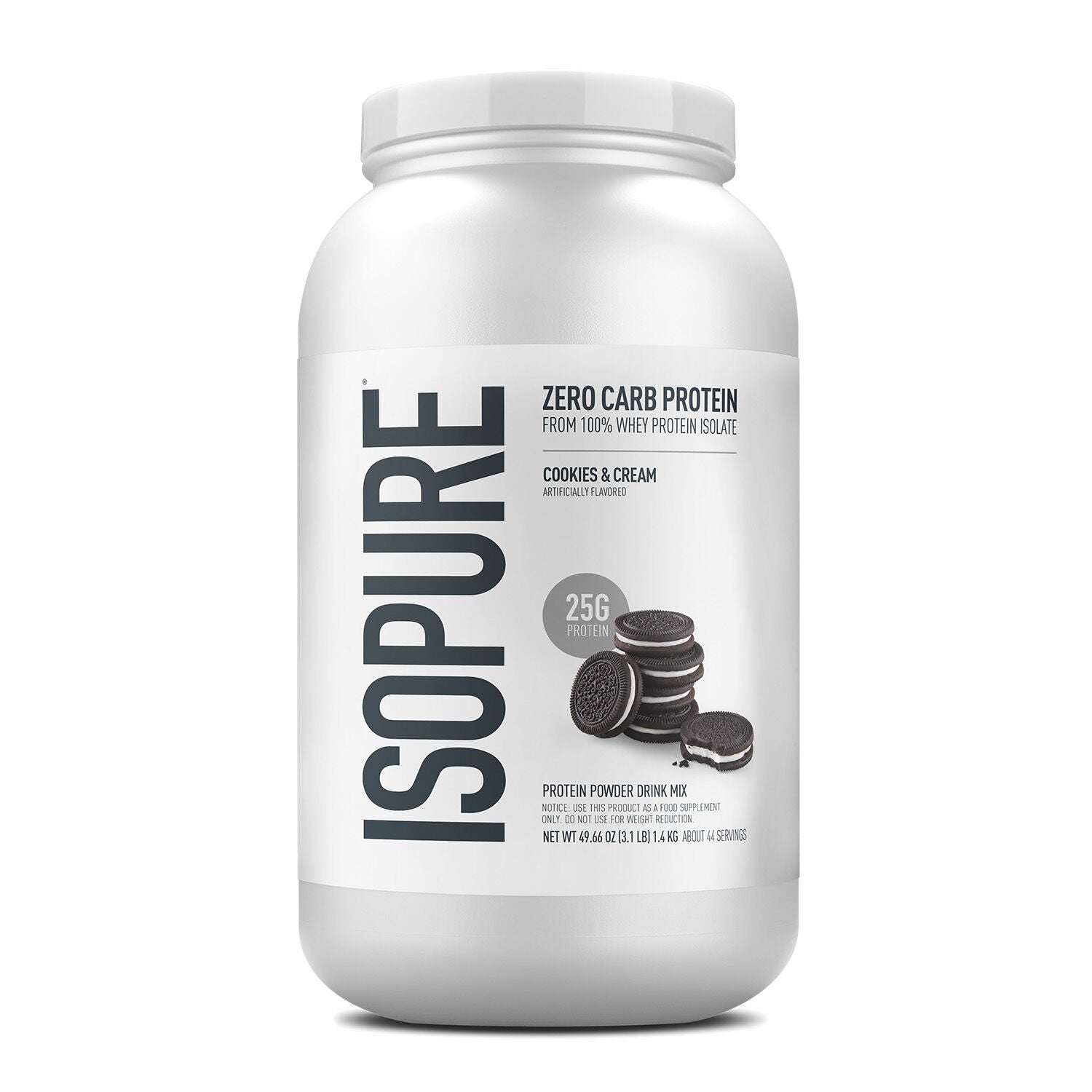
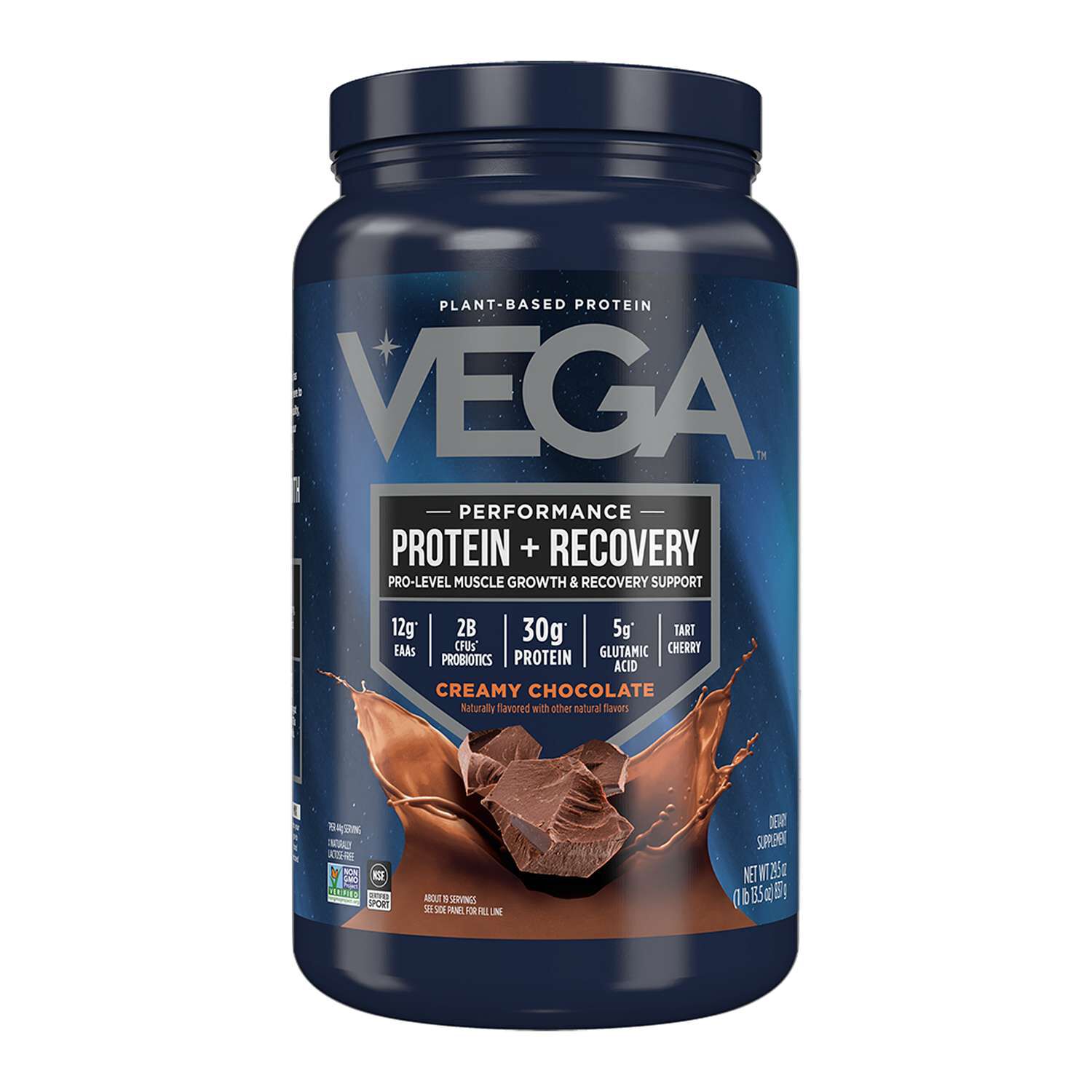

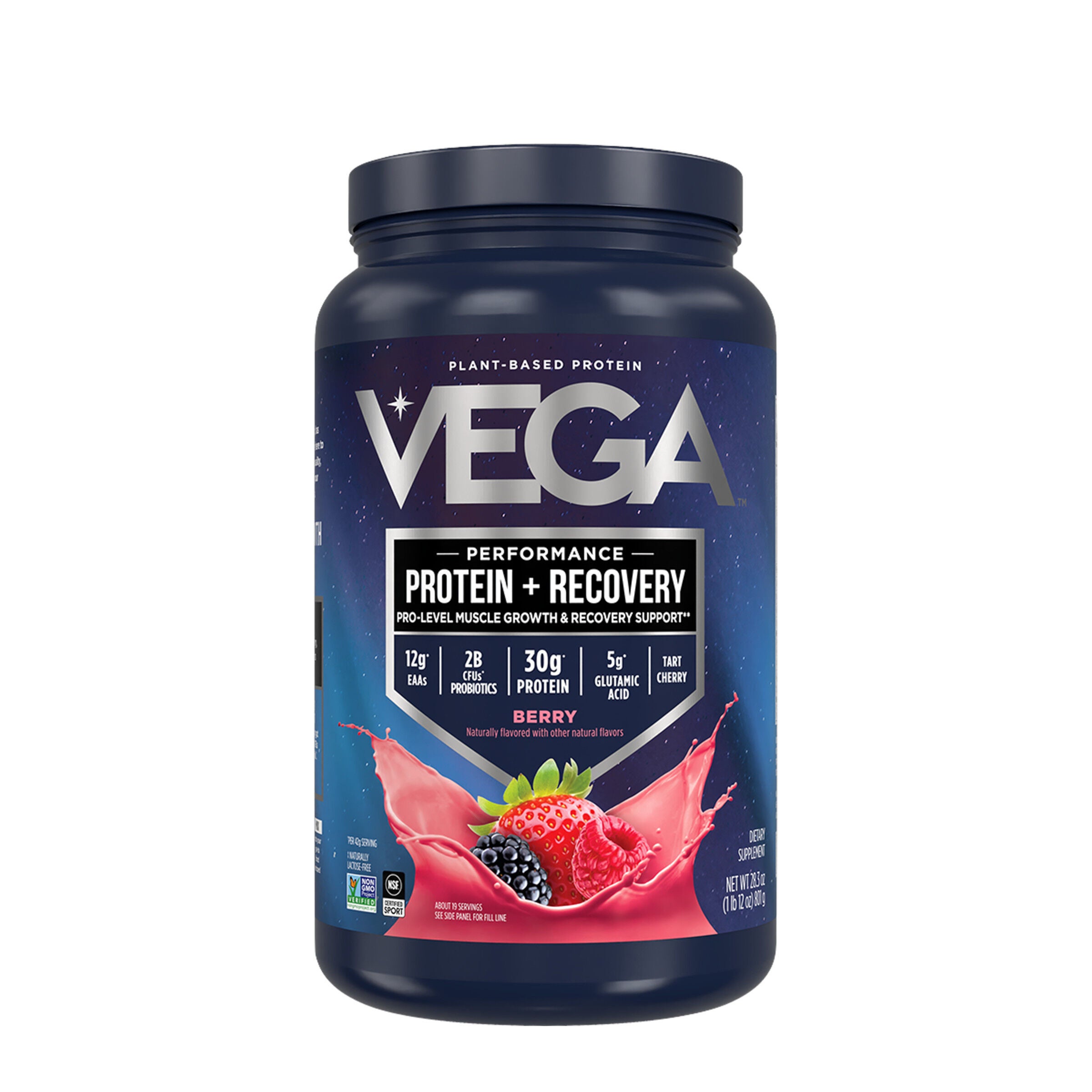
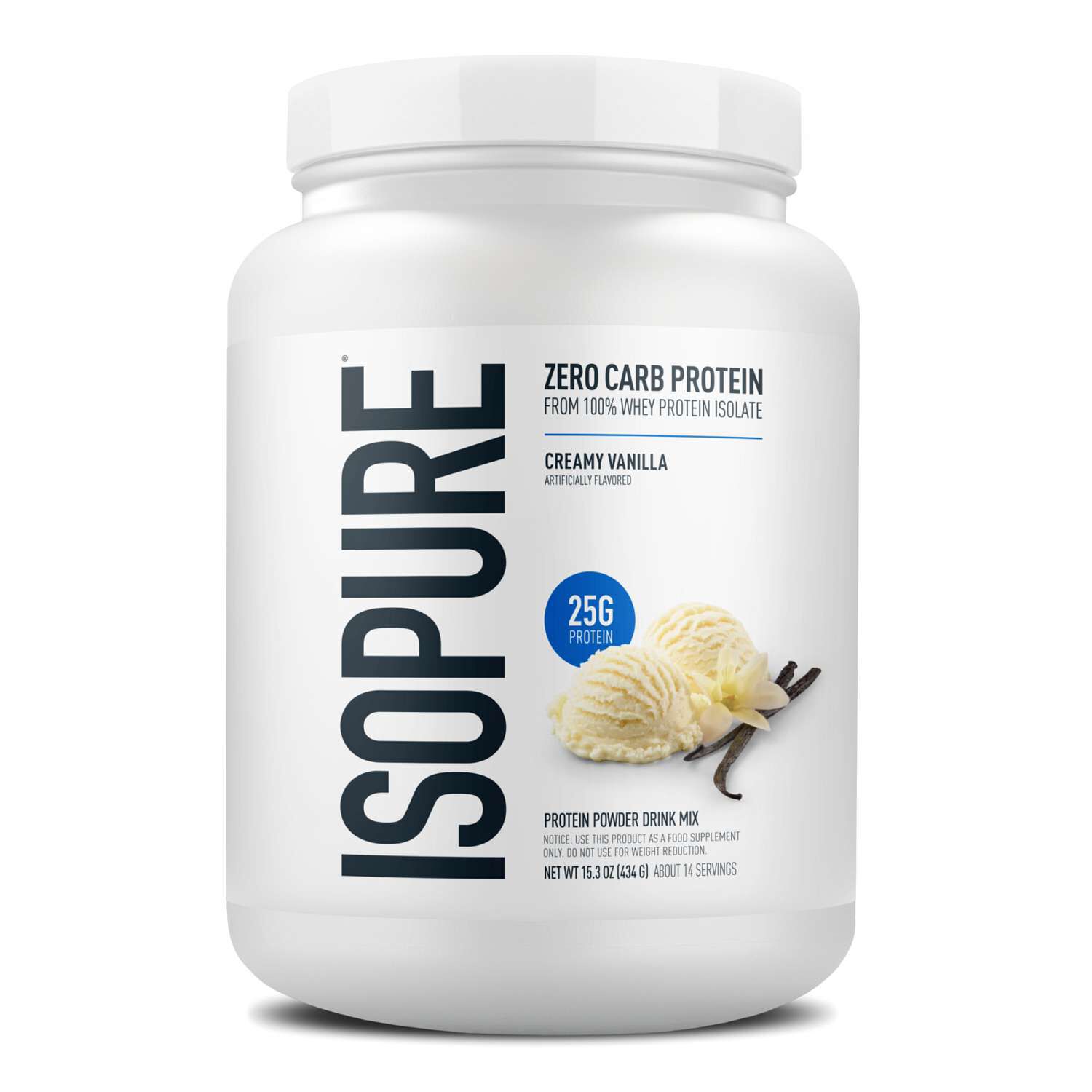


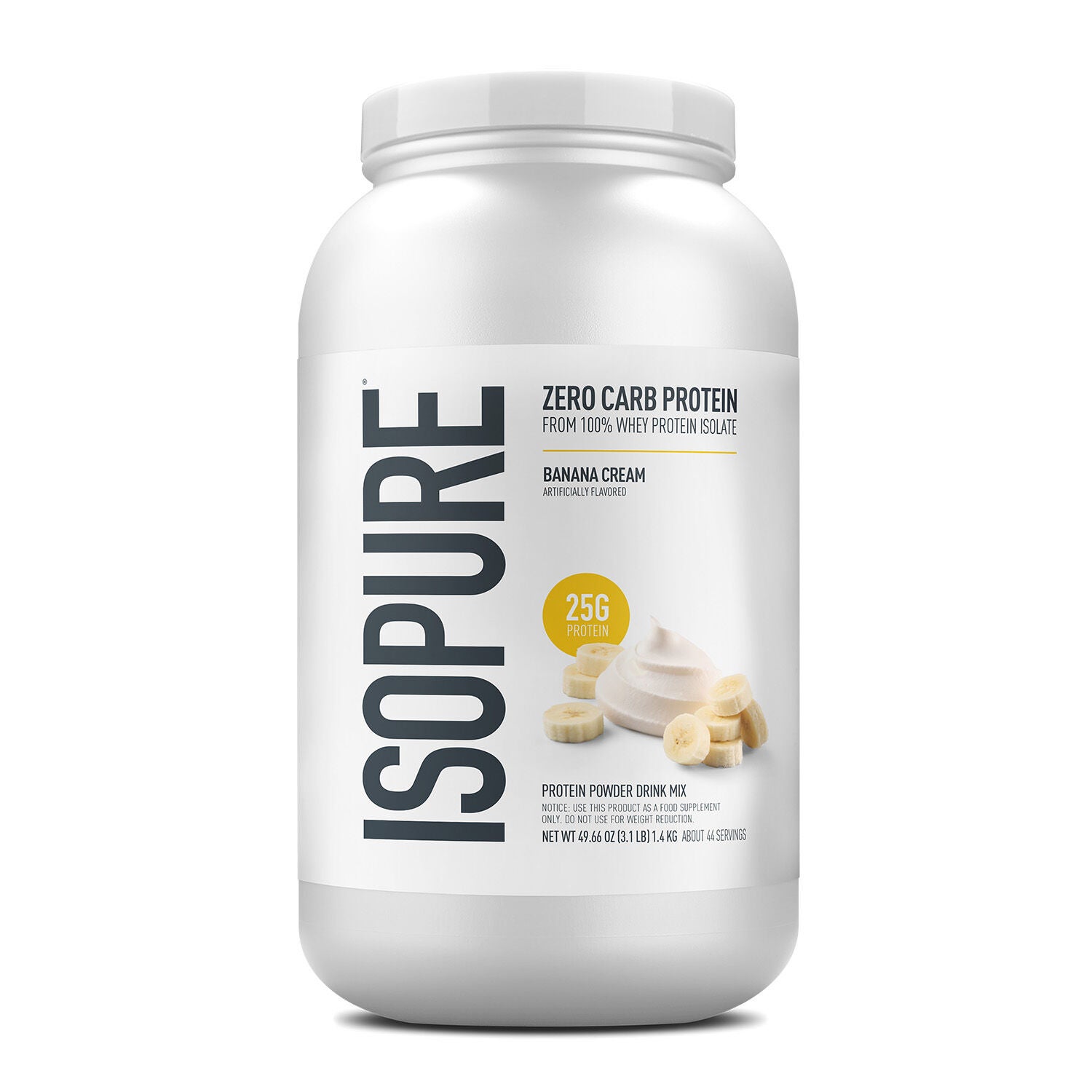
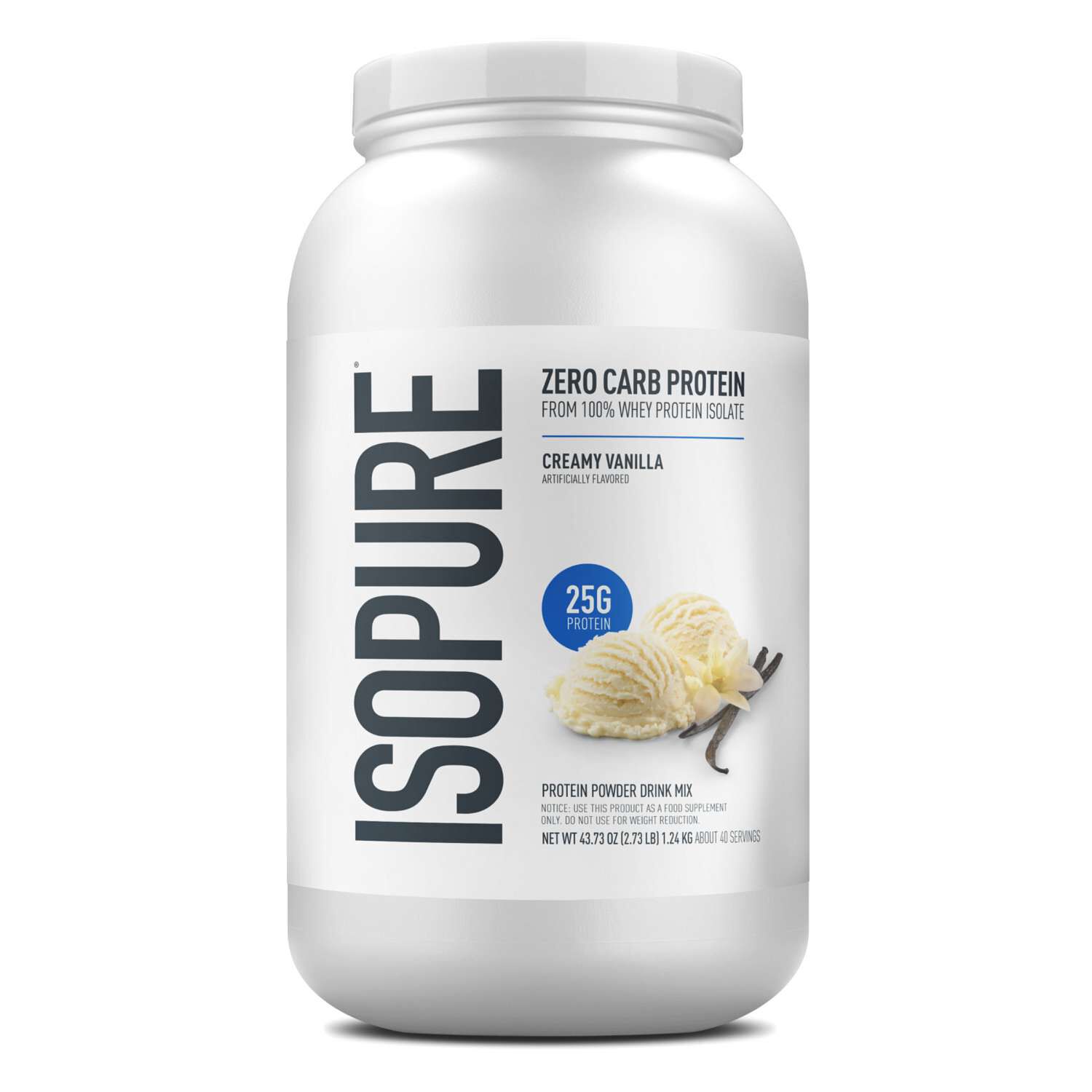
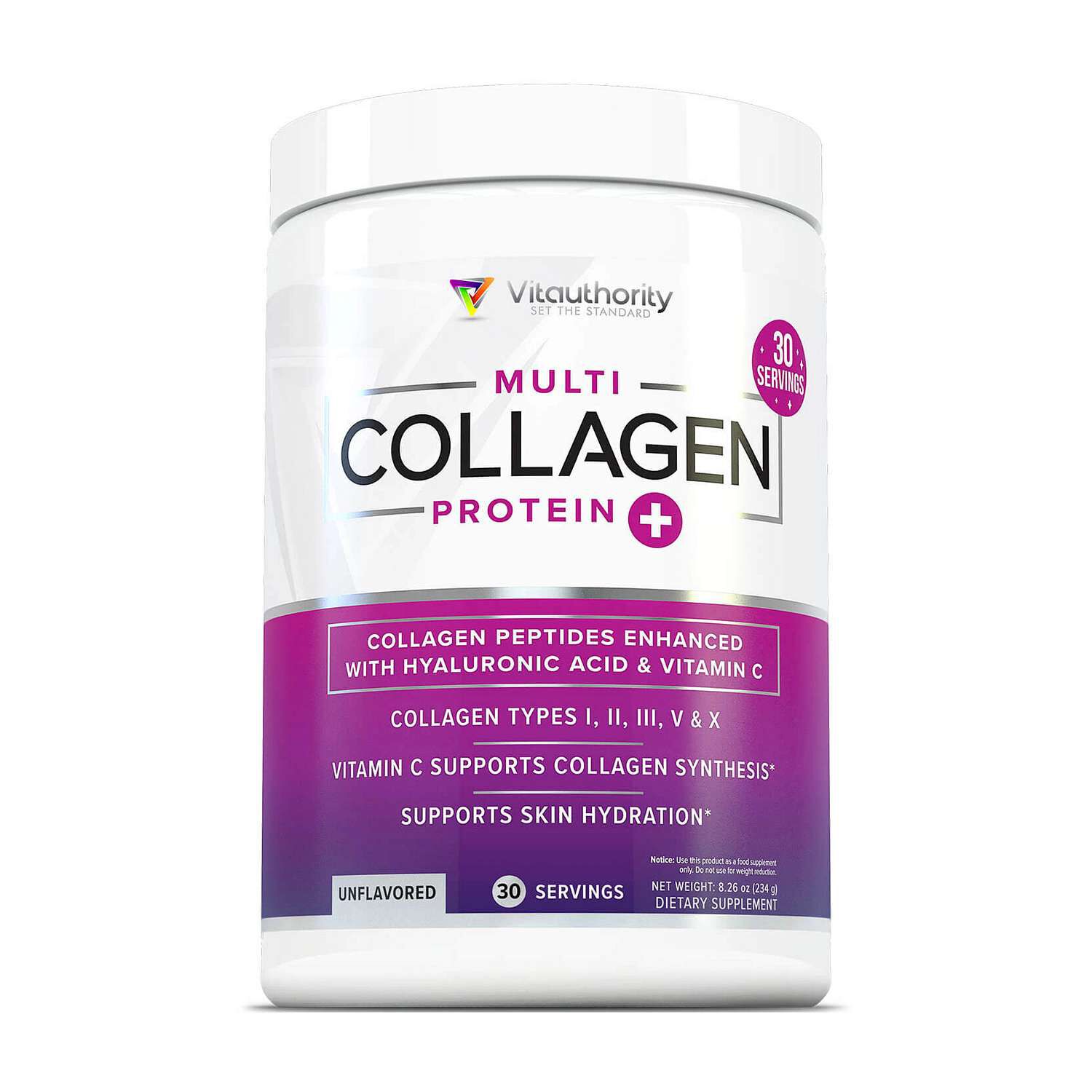
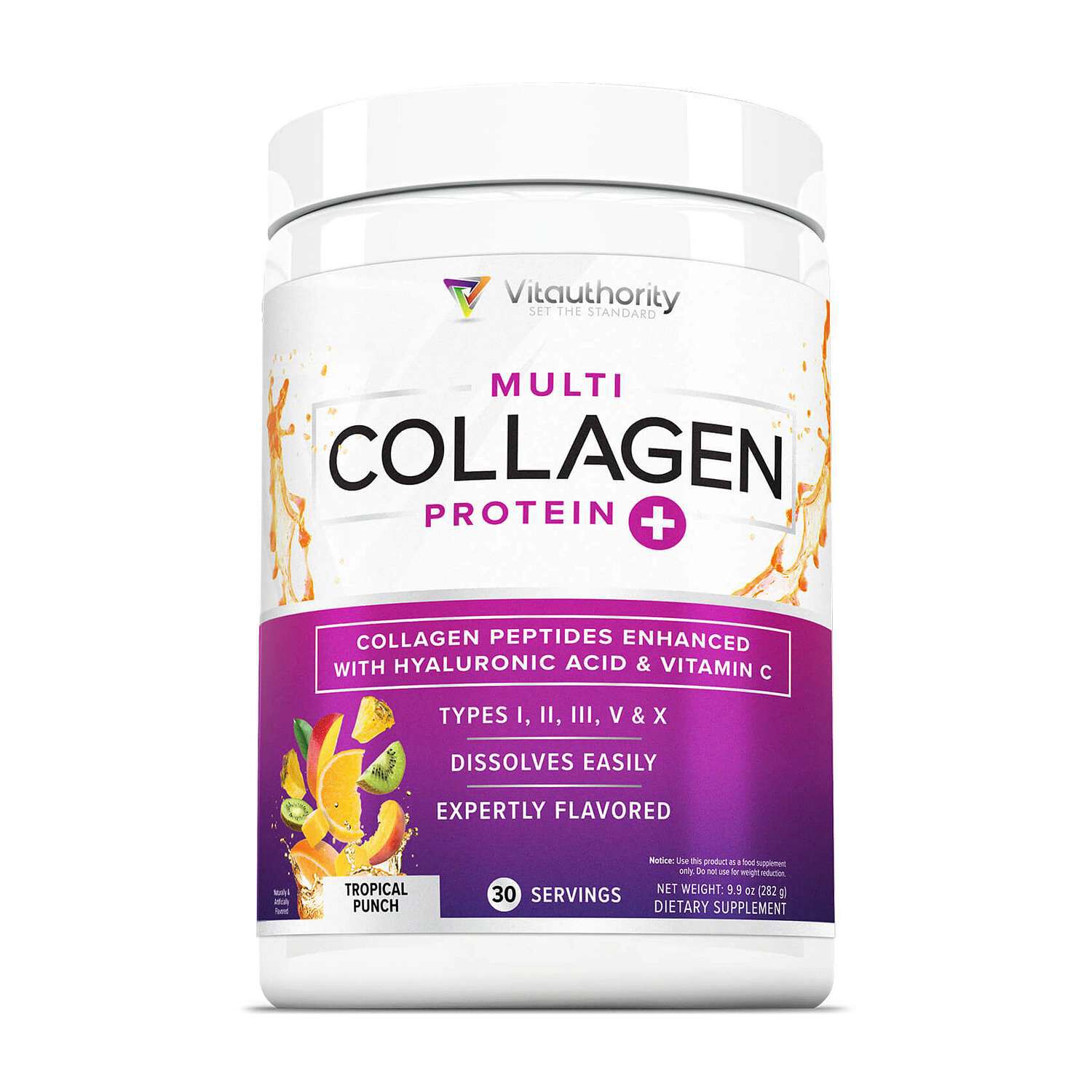

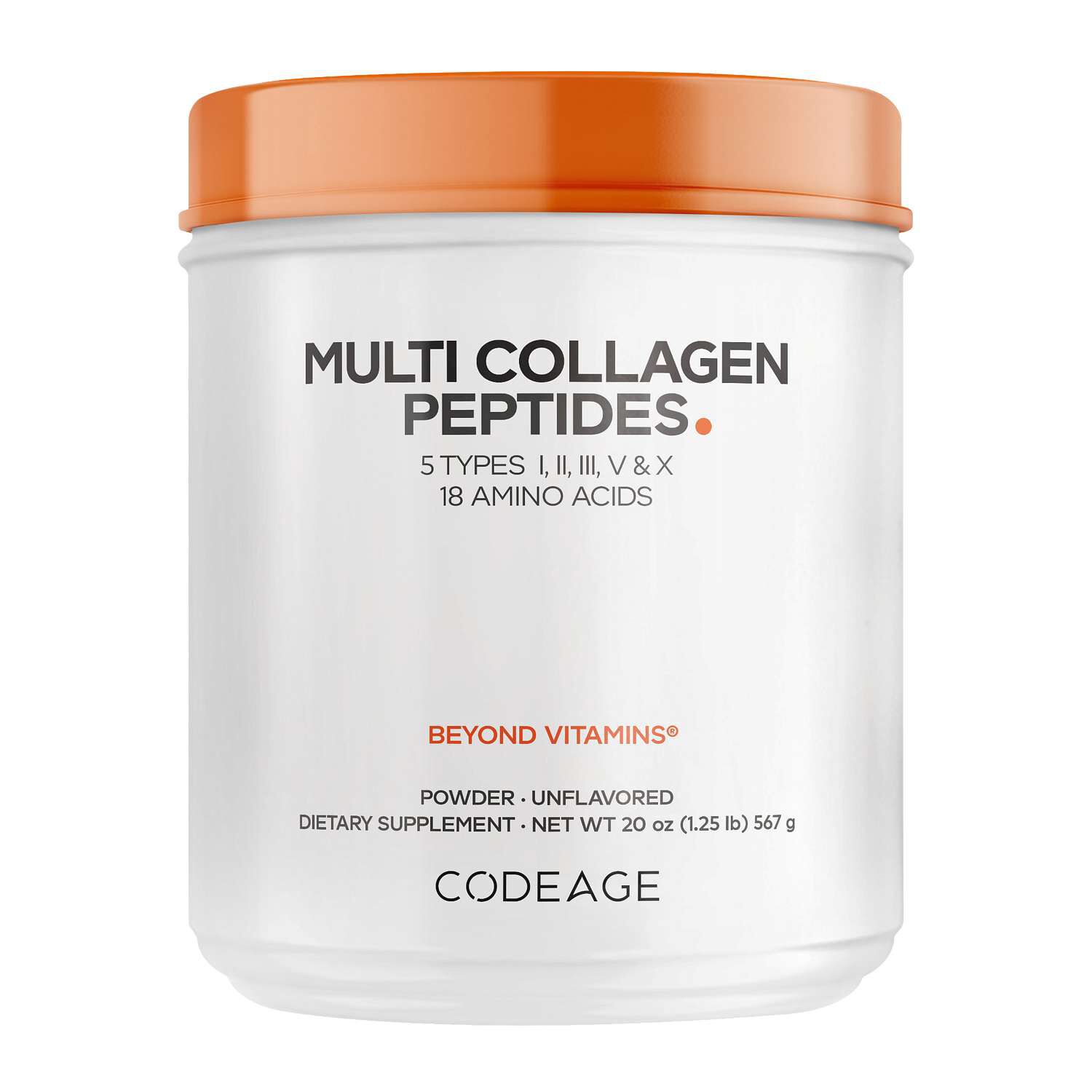


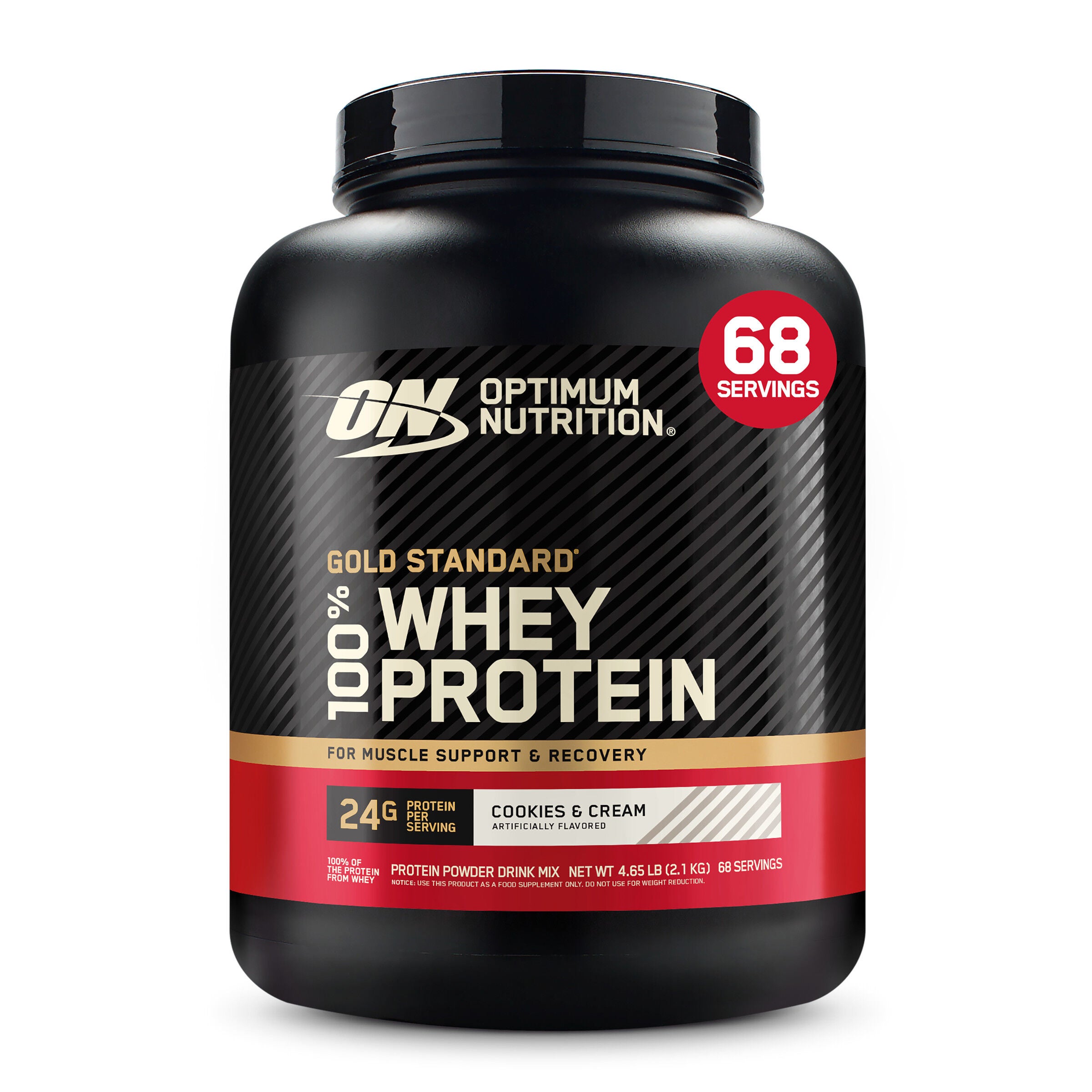
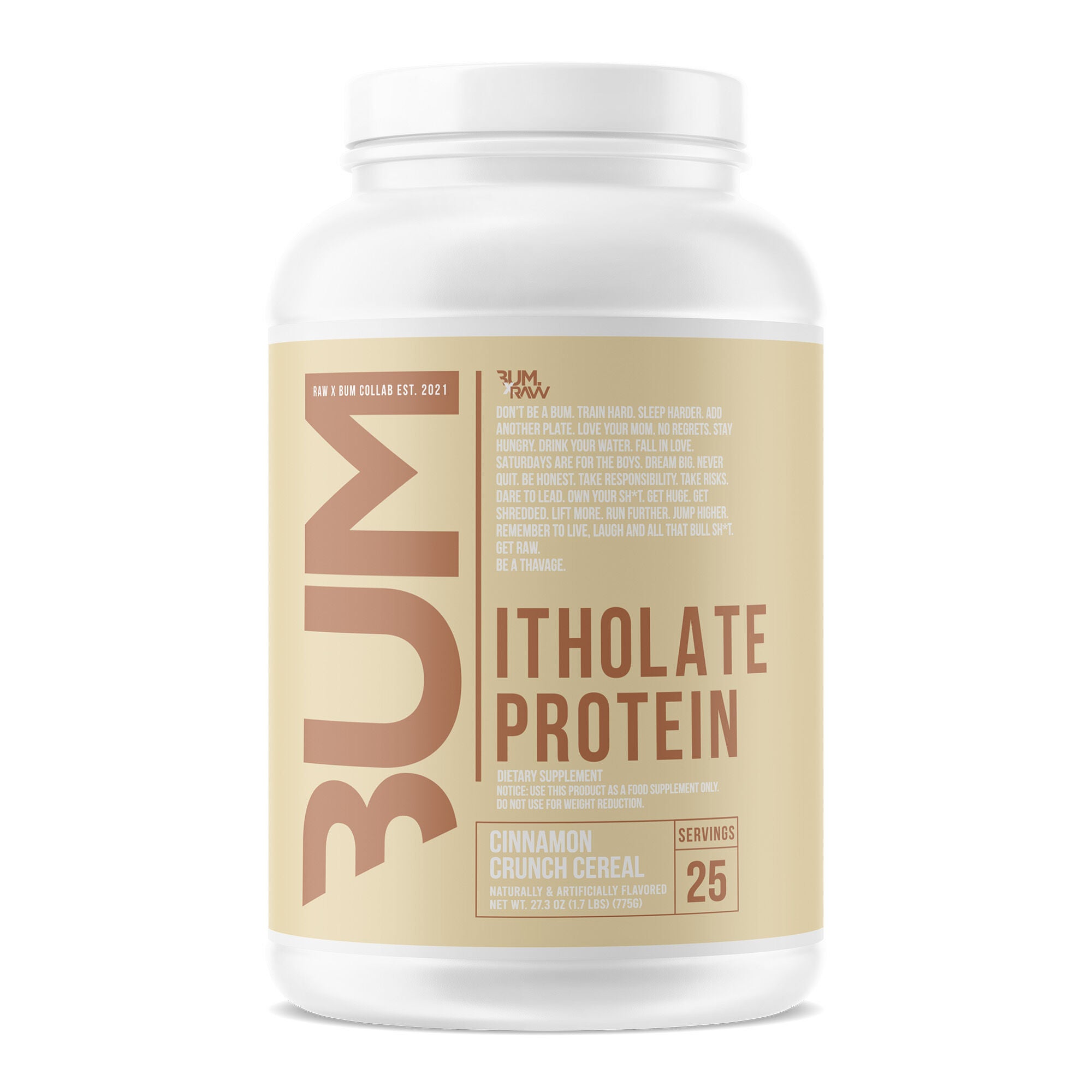

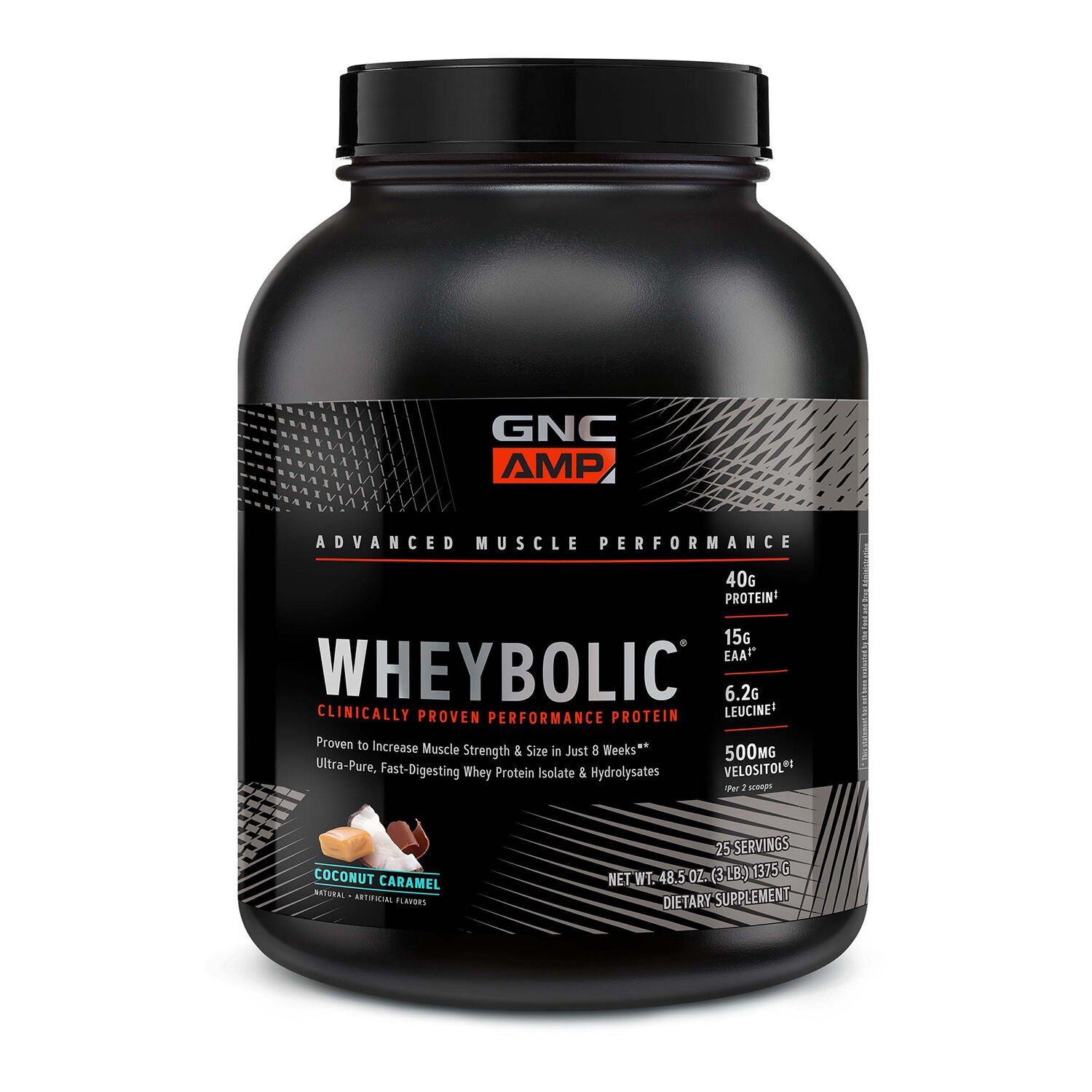

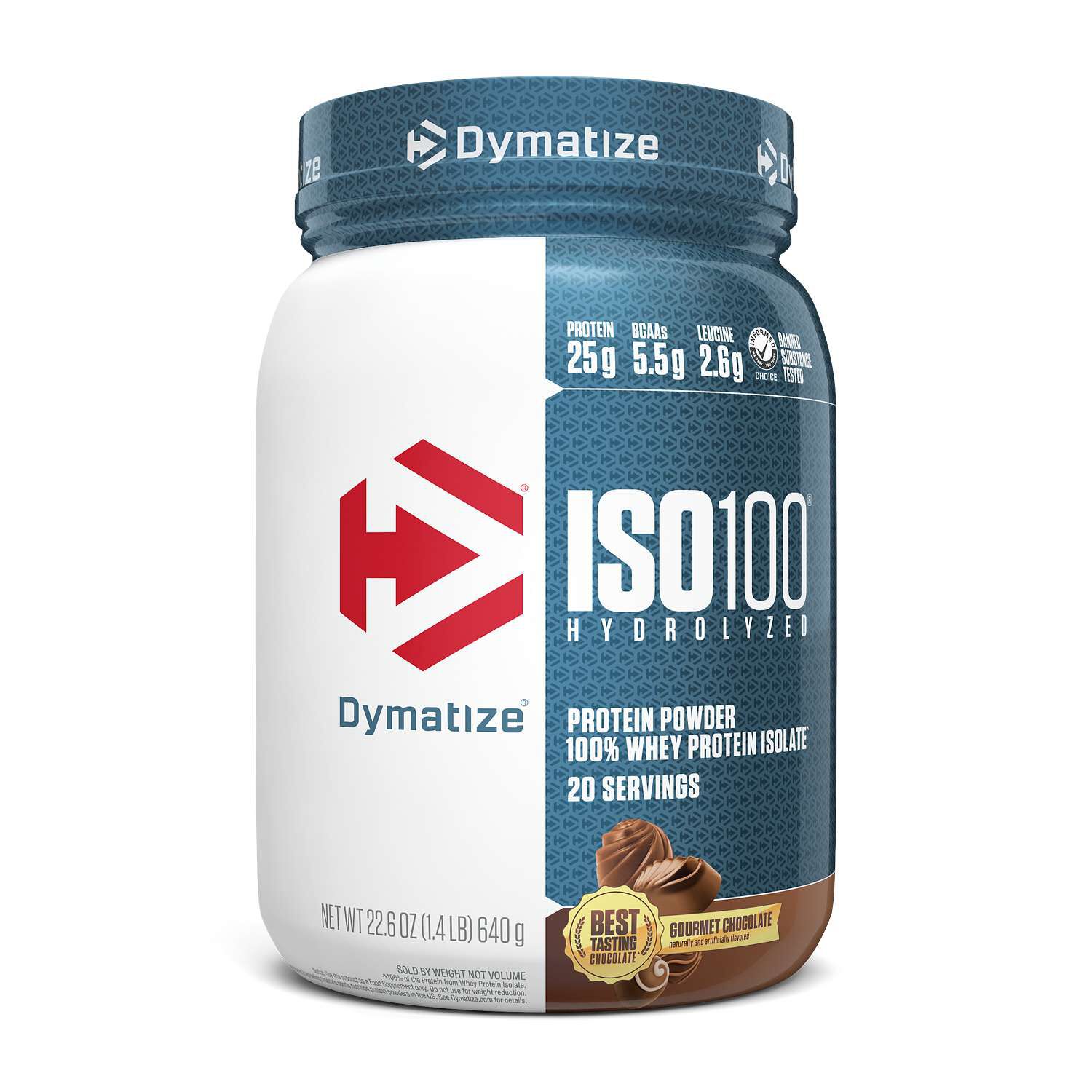
Protein powders for those avoiding nuts offer a practical way to explore convenient protein options while paying close attention to ingredient details and manufacturing information. Shoppers may choose from dairy-based whey powders, plant-based pea or rice powders, and seed-based options made with ingredients such as pumpkin seed or sunflower seed. Each source brings a different flavor, texture, and preparation style. Whey powders often blend smoothly into cold milk or water, while plant-based formulas may create a thicker shake that pairs well with fruit, oats, or a spoonful of yogurt. Seed-based powders can bring a mild roasted note that works nicely in smoothies, overnight oats, and baked recipes. Because formulas vary, checking the ingredient panel is an important part of choosing a product for someone who avoids peanuts or tree nuts. Look for a clear statement addressing those ingredients, then review the full list for flavorings, inclusions, and blended components that could introduce nut ingredients. Familiar flavors such as vanilla, chocolate, or unflavored varieties may be easier to evaluate than dessert-style blends containing cookie pieces, praline notes, peanut butter flavor, or mixed add-ins. A simple label does not always mean a simple manufacturing process, so the facility statement deserves attention as well. Wording such as “processed in a facility that also processes peanuts or tree nuts” indicates that shared equipment or shared production areas may be involved. For shoppers with strict avoidance needs, contacting the manufacturer for additional details may be a useful step before purchase. Packaging can change over time, so reviewing the label on each order remains a thoughtful habit, even when a familiar formula has been purchased before.
The right choice may depend on more than the protein source. Consider whether the shopper also avoids dairy, soy, gluten, artificial sweeteners, or specific seeds, since a product selected for one dietary preference may include another ingredient that does not suit the intended user. Those who prefer a plant-based option may look for pea, rice, or seed proteins, while shoppers who include dairy may consider whey concentrate or whey isolate after reviewing the ingredient and facility information. Texture can matter just as much as flavor: a powder intended for a shaker cup may differ from one designed for a blender, and some formulas may dissolve more readily in cold liquids than warm ones. A compact shaker and a small container of powder can fit easily into a work bag, gym tote, or travel case, while a larger tub may suit someone who prepares smoothies at home several times a week. During the cooler months, protein powder may be stirred into oatmeal, blended with frozen fruit, or added to pancake and muffin recipes for a convenient breakfast or snack routine. A neutral flavor may be useful for savory preparations, whereas vanilla or cocoa profiles may pair naturally with bananas, berries, cinnamon, coffee, or granola made without nuts. Since individual preferences vary, shoppers may want to compare serving size, protein amount per serving, calories, added ingredients, and mixability rather than choosing by package appearance alone. People who avoid nuts may appreciate a product selected with care for a birthday, seasonal gathering, or everyday wellness basket, but a gift is most considerate when the giver checks the recipient’s current ingredient preferences and facility requirements first. If dairy is another consideration, shoppers can browse Protein Powders For Lactose Sensitive for additional options to compare.
A careful shopping routine can make it easier to narrow the selection without turning the process into guesswork. Start by identifying the ingredients the intended user avoids, including peanuts, tree nuts, and any less obvious nut-derived components. Next, read the allergen statement and manufacturing notes, paying attention to shared equipment language and any callouts related to the facility. Then compare the protein source, serving format, flavor, and intended use. Someone who enjoys a morning smoothie may prefer a powder that blends with fruit and milk or a plant-based beverage, while a person who needs a portable afternoon option may value quick mixing and easy-to-carry packaging. Home bakers may look for an unflavored or lightly sweetened powder that can be folded into pancake batter, oatmeal, or snack bars without changing the recipe’s character. It can also help to introduce one new formula at a time, especially when the shopper is trying to identify which flavors and textures work best. Measuring tools, shaker cups, and storage containers should be clean and dry, and powders are generally best kept according to the package directions. Labels remain the most reliable source for current ingredient and facility information, particularly when a product has several flavors made on shared equipment. By combining a clear understanding of personal preferences with careful label reading, shoppers may find a protein powder that fits comfortably into breakfast routines, post-workout meals, packed lunches, or cozy recipes enjoyed at home throughout the changing season.