Resistance Training Powders
(0 Results)
Resistance training powders may offer support for those looking to maximize their workouts and enhance their fitness routines. Packed with a variety of ingredients, resistance training powders could be a convenient addition to your daily regimen. Whether you’re aiming to build strength or complement your training sessions, these versatile options might help you reach your goals. Explore a wide selection of resistance training powders designed to fit different needs and preferences.

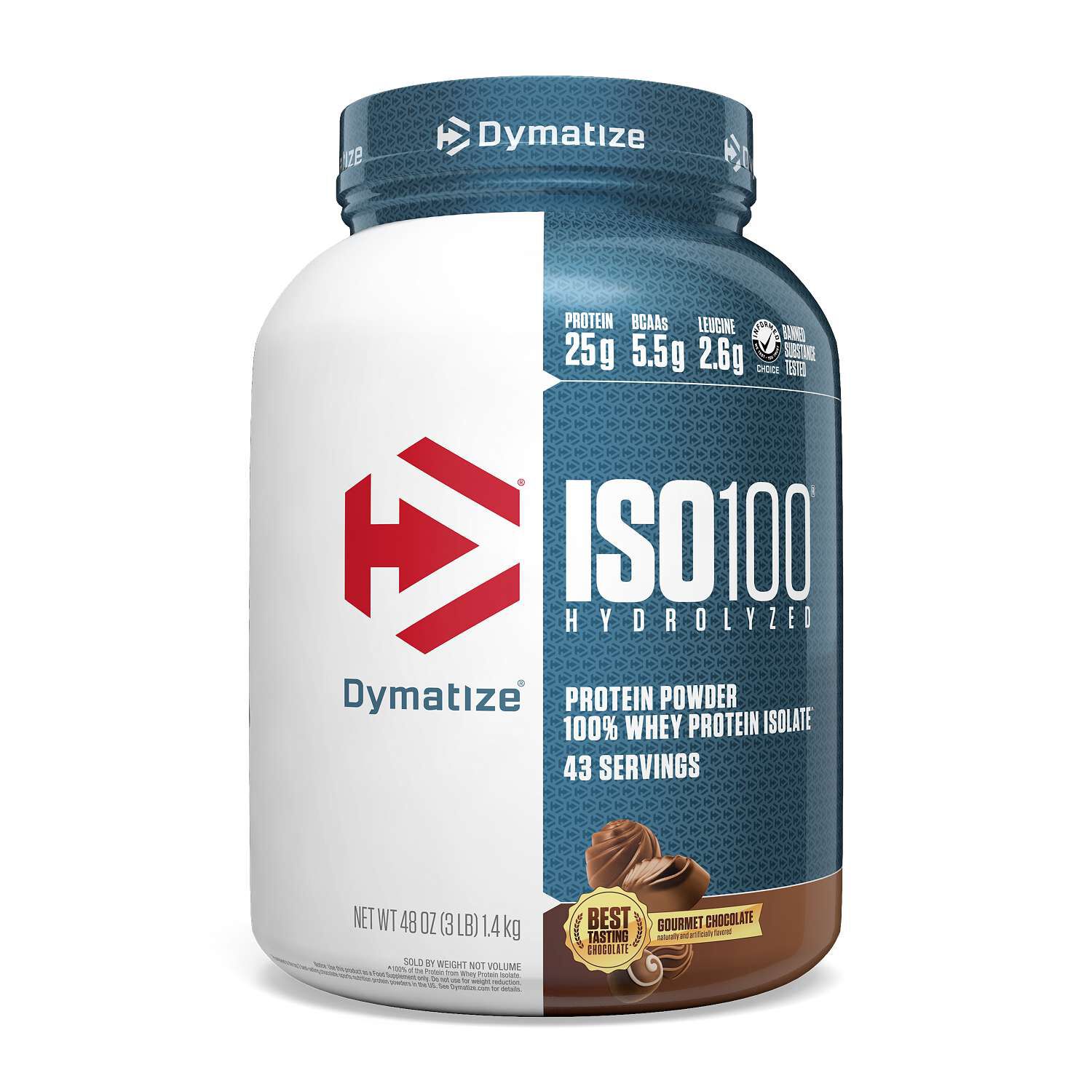


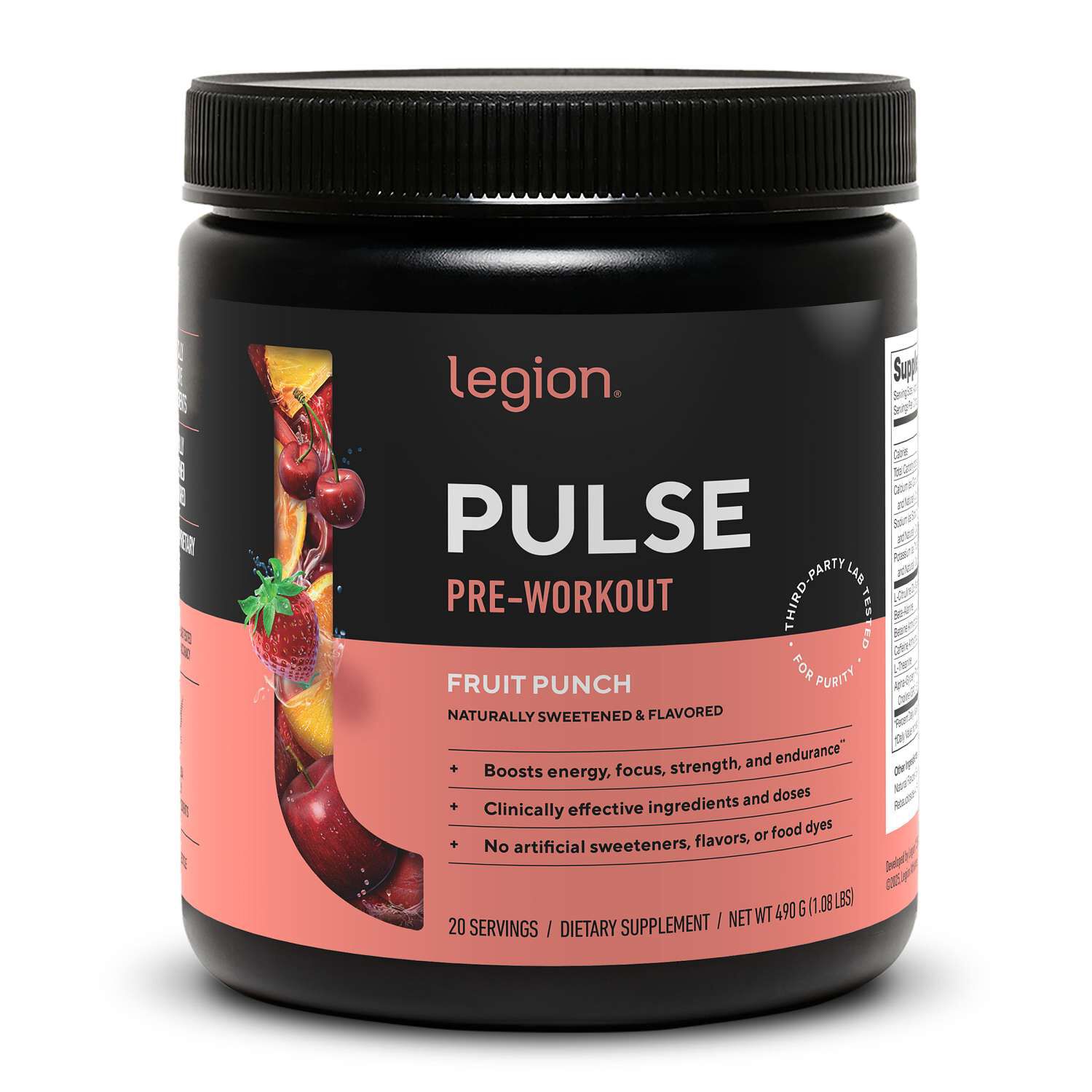
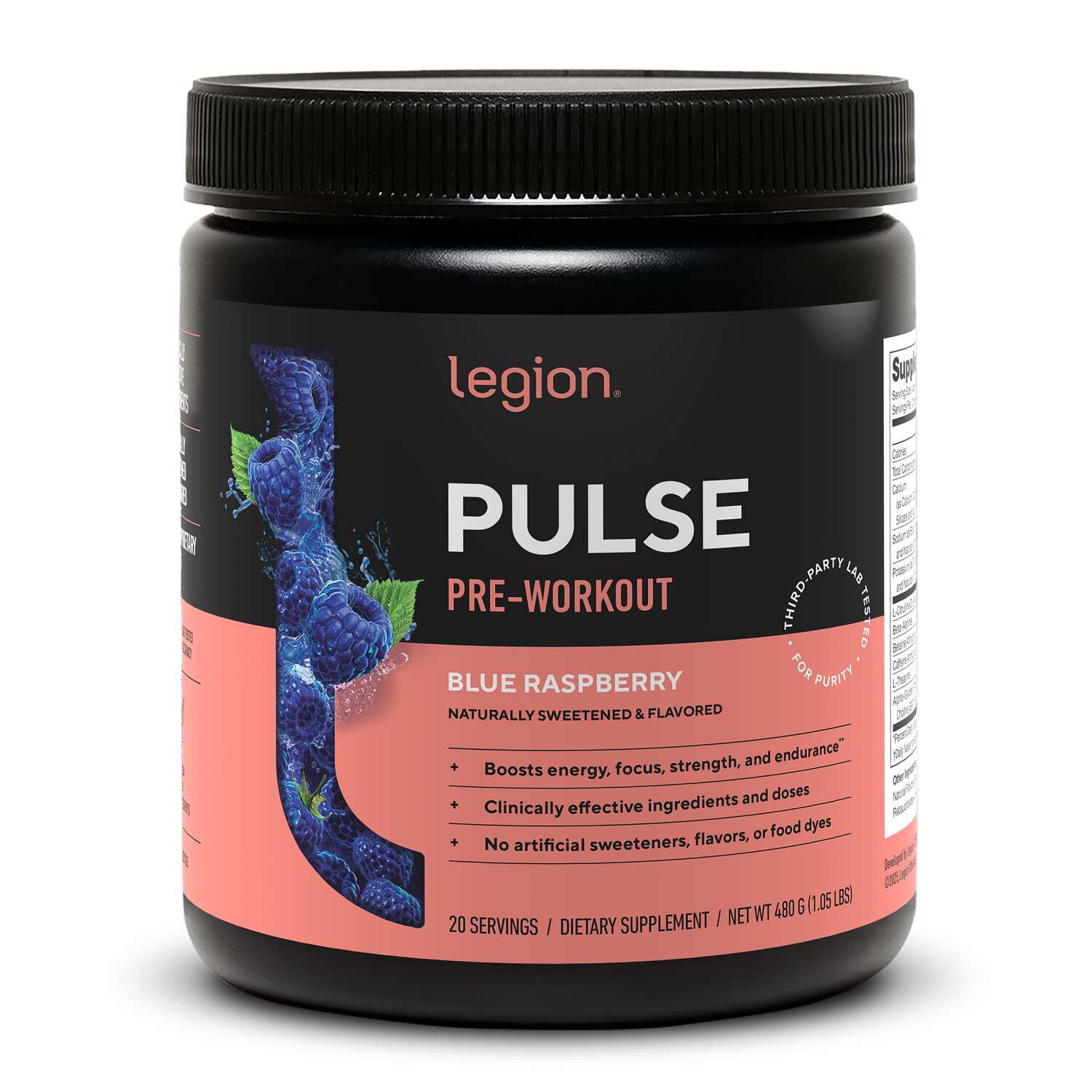
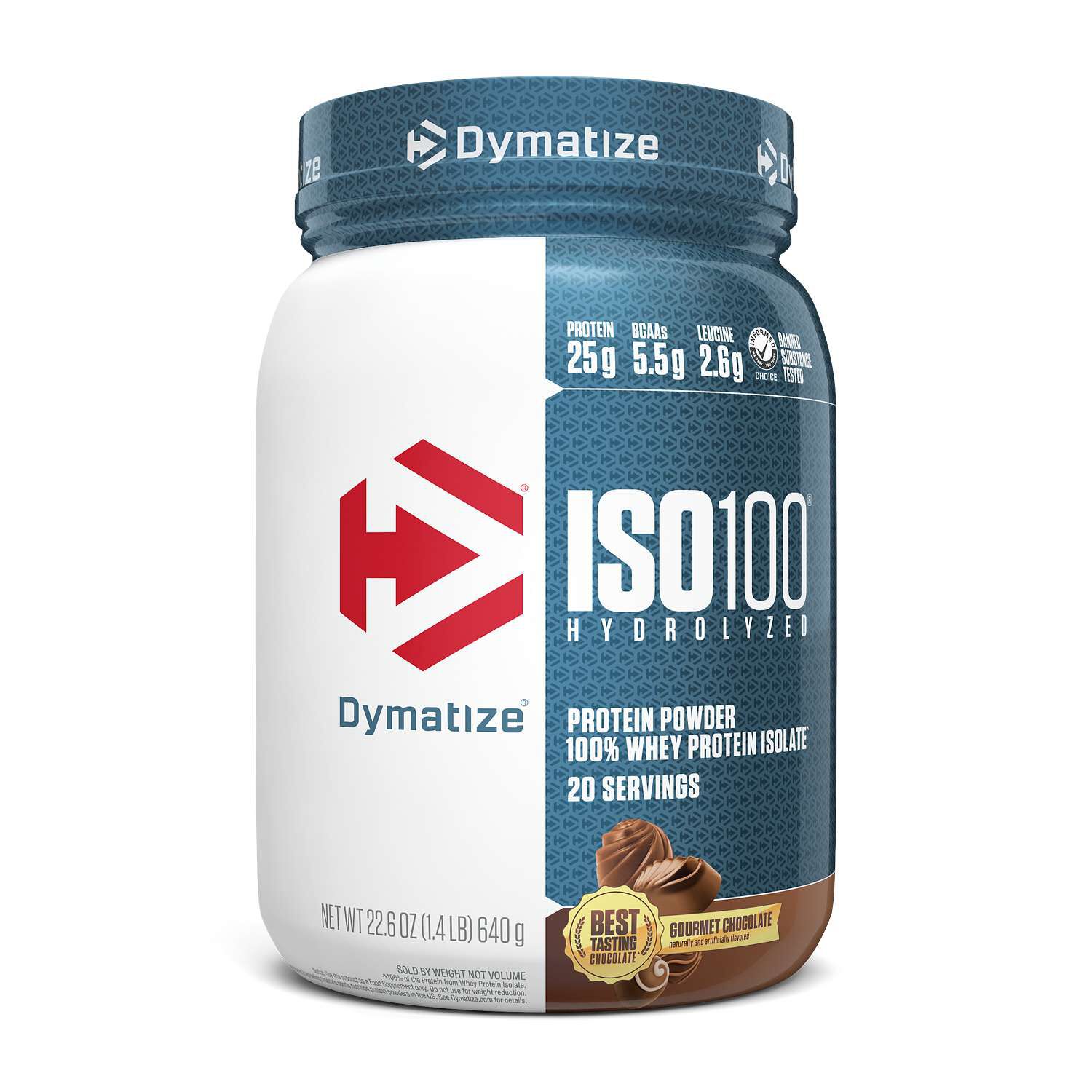
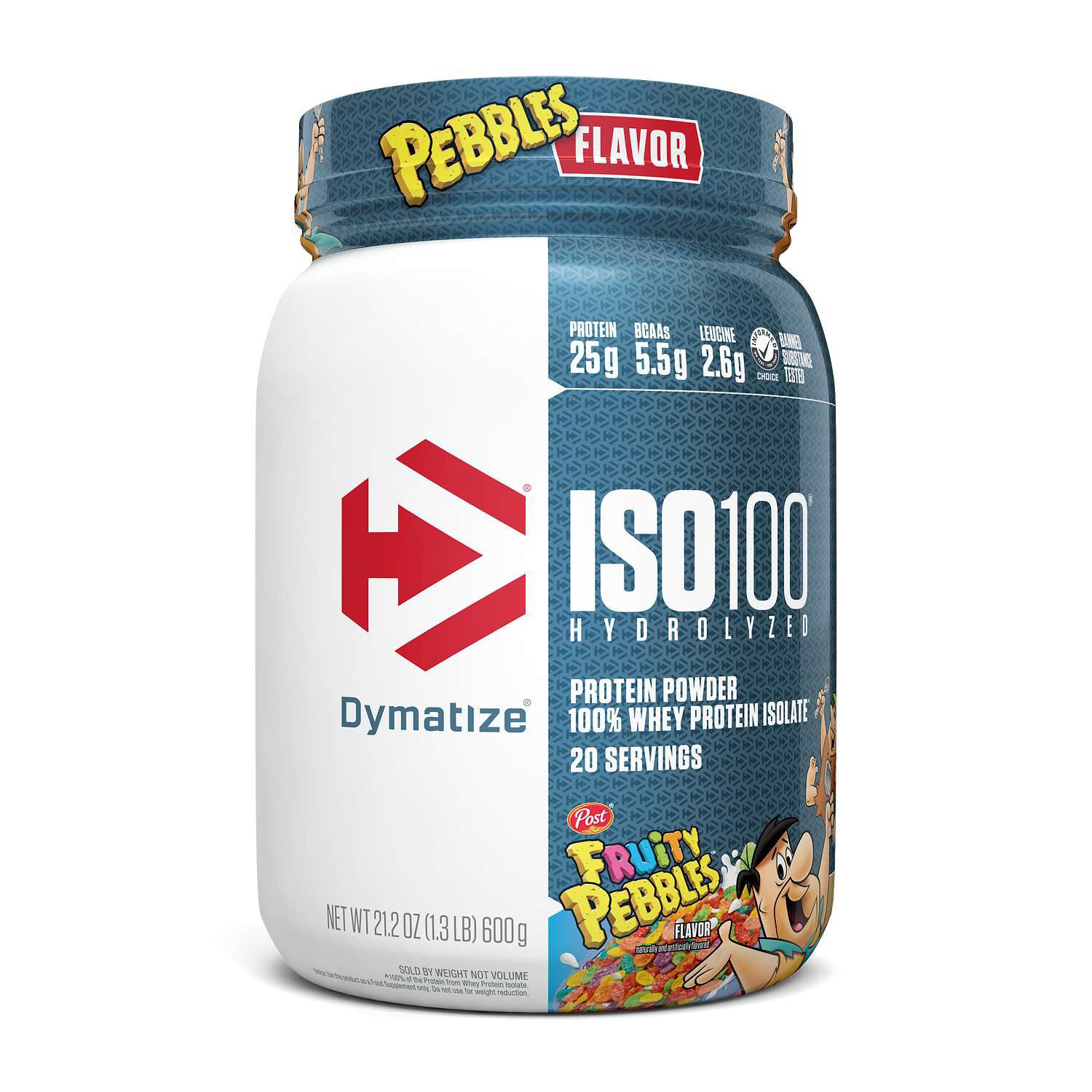
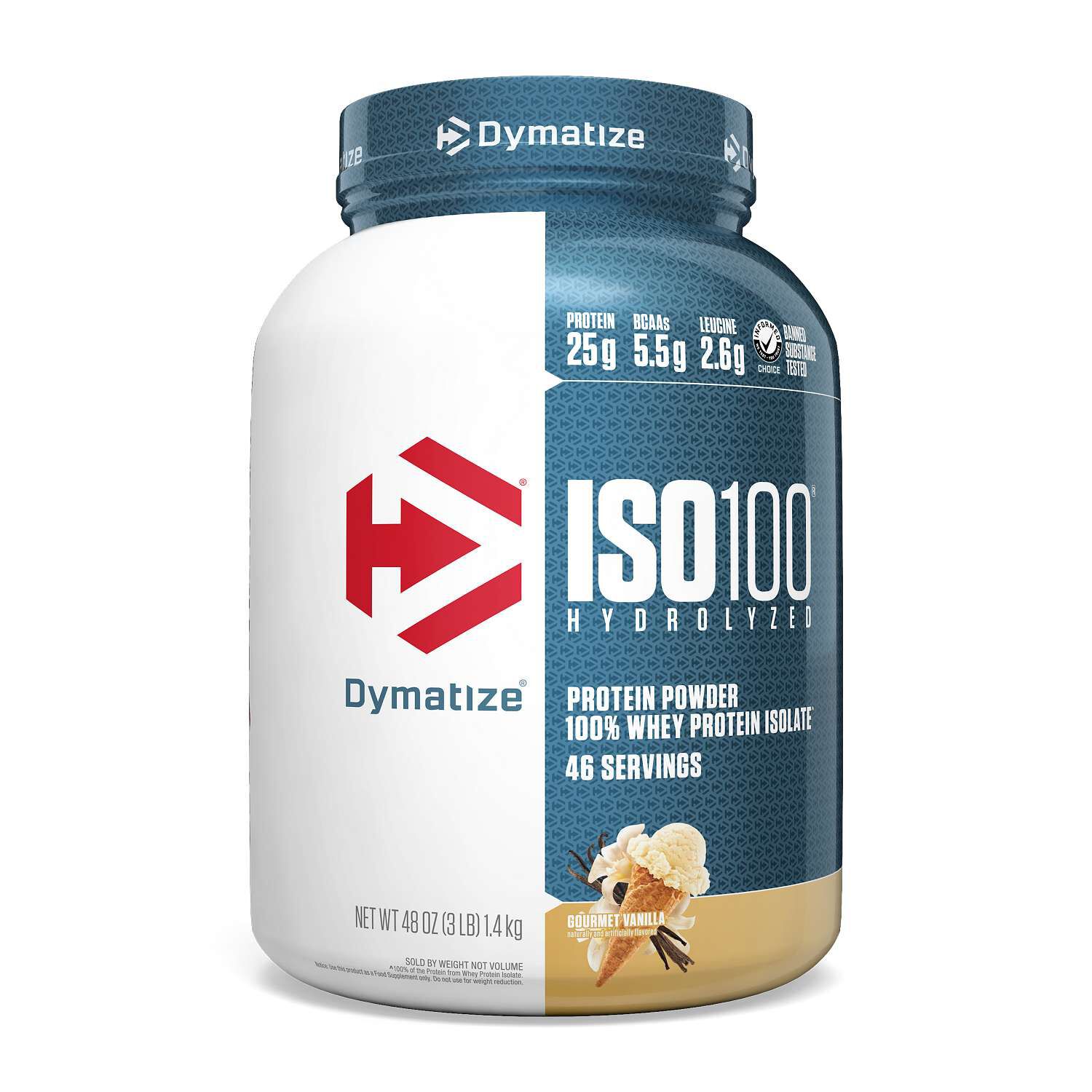


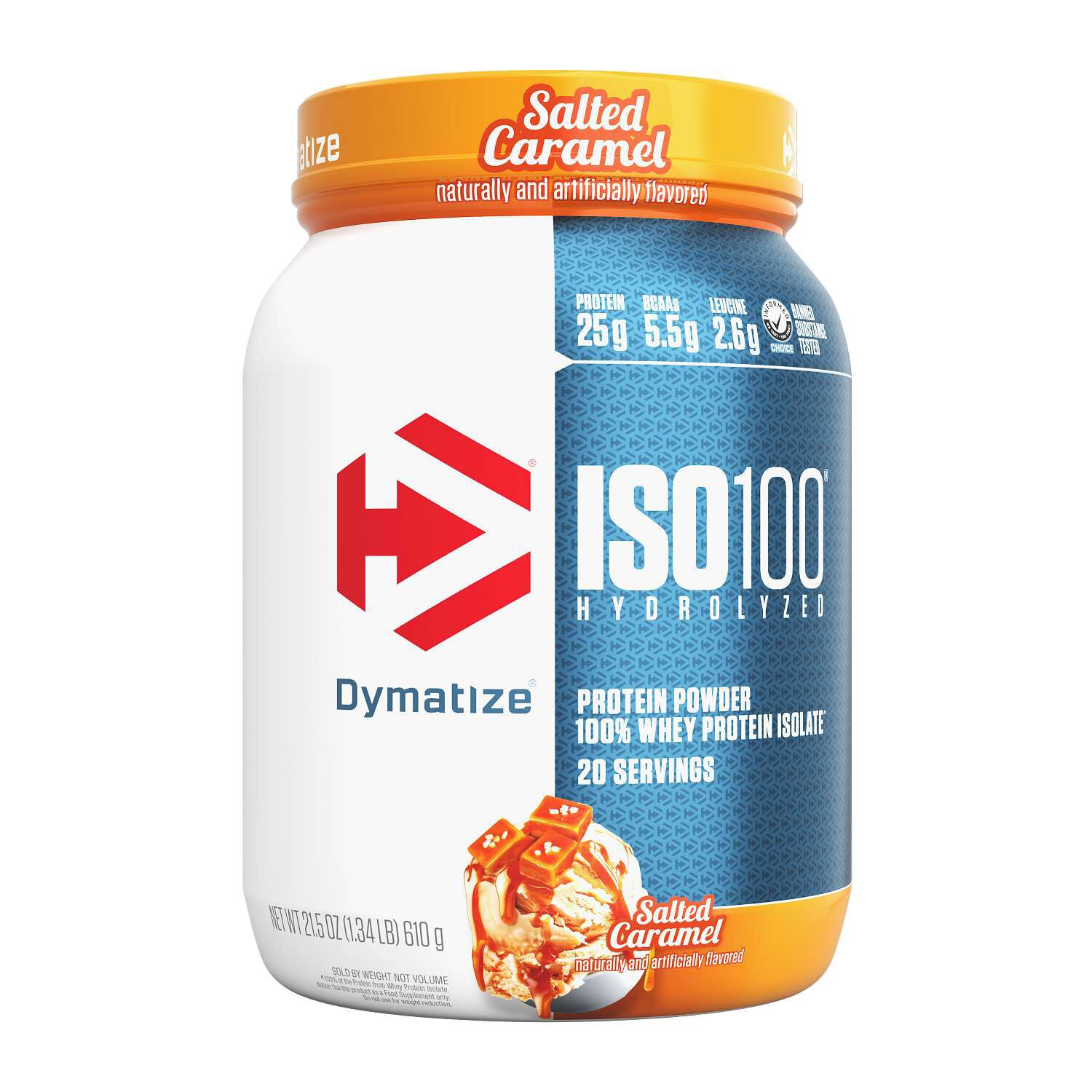
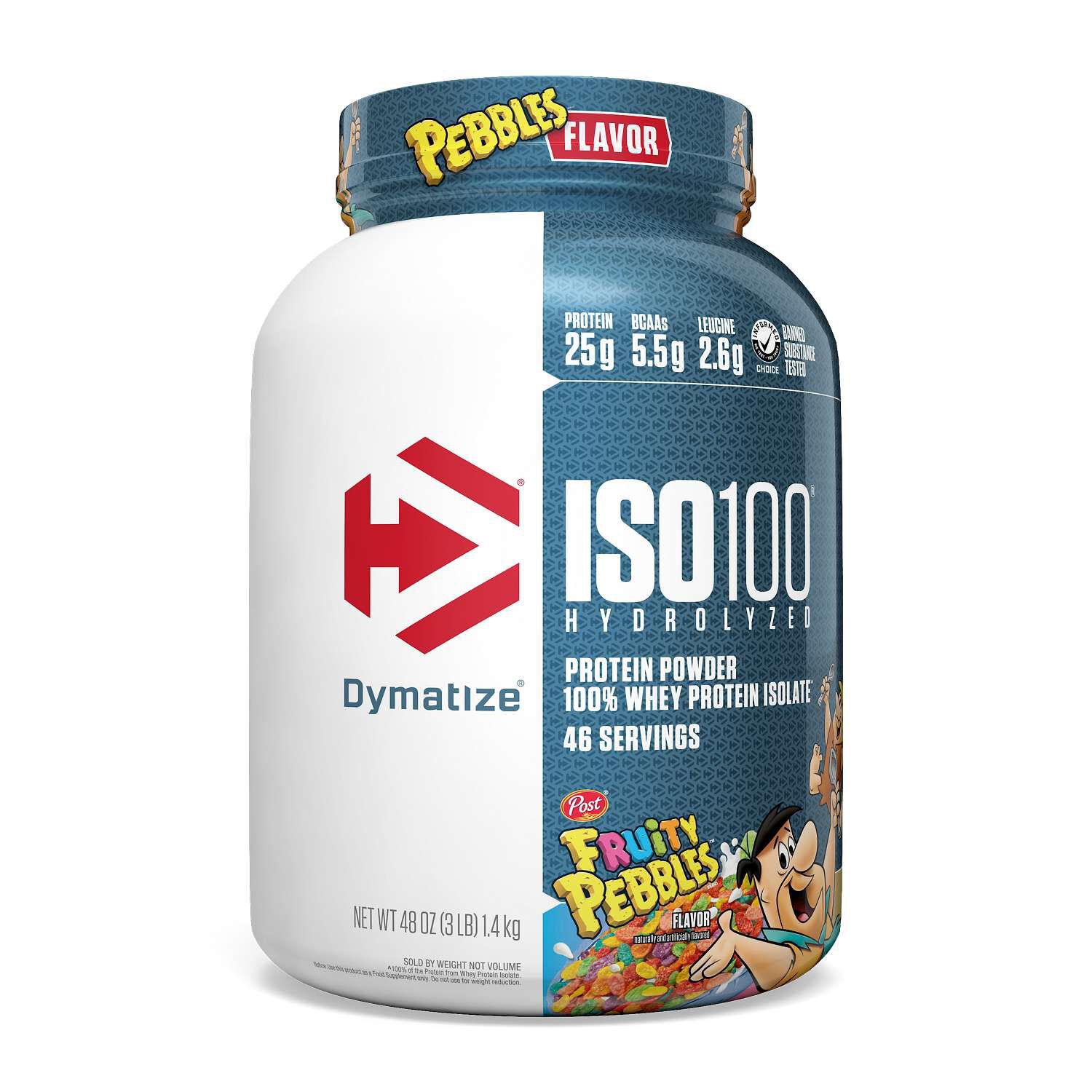
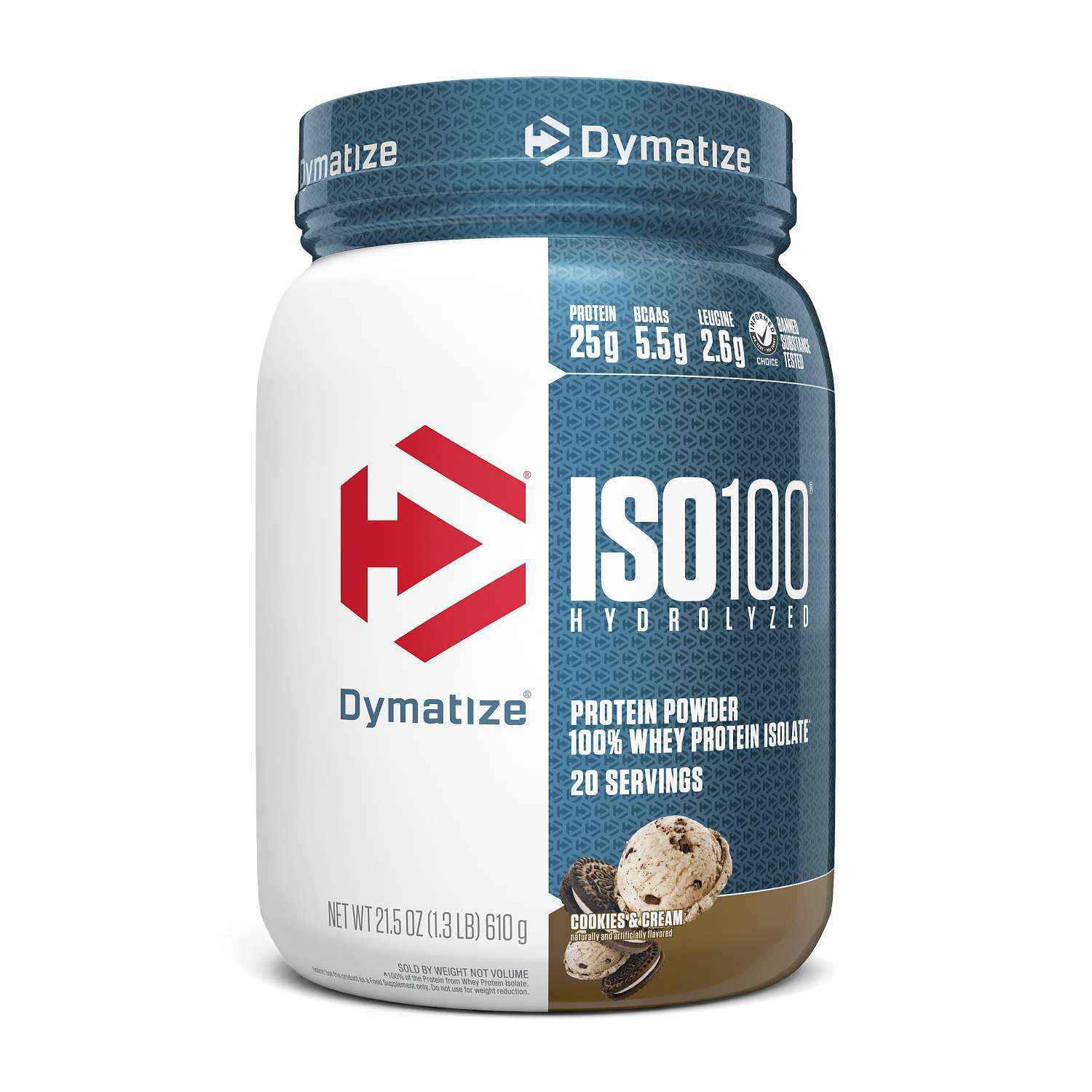
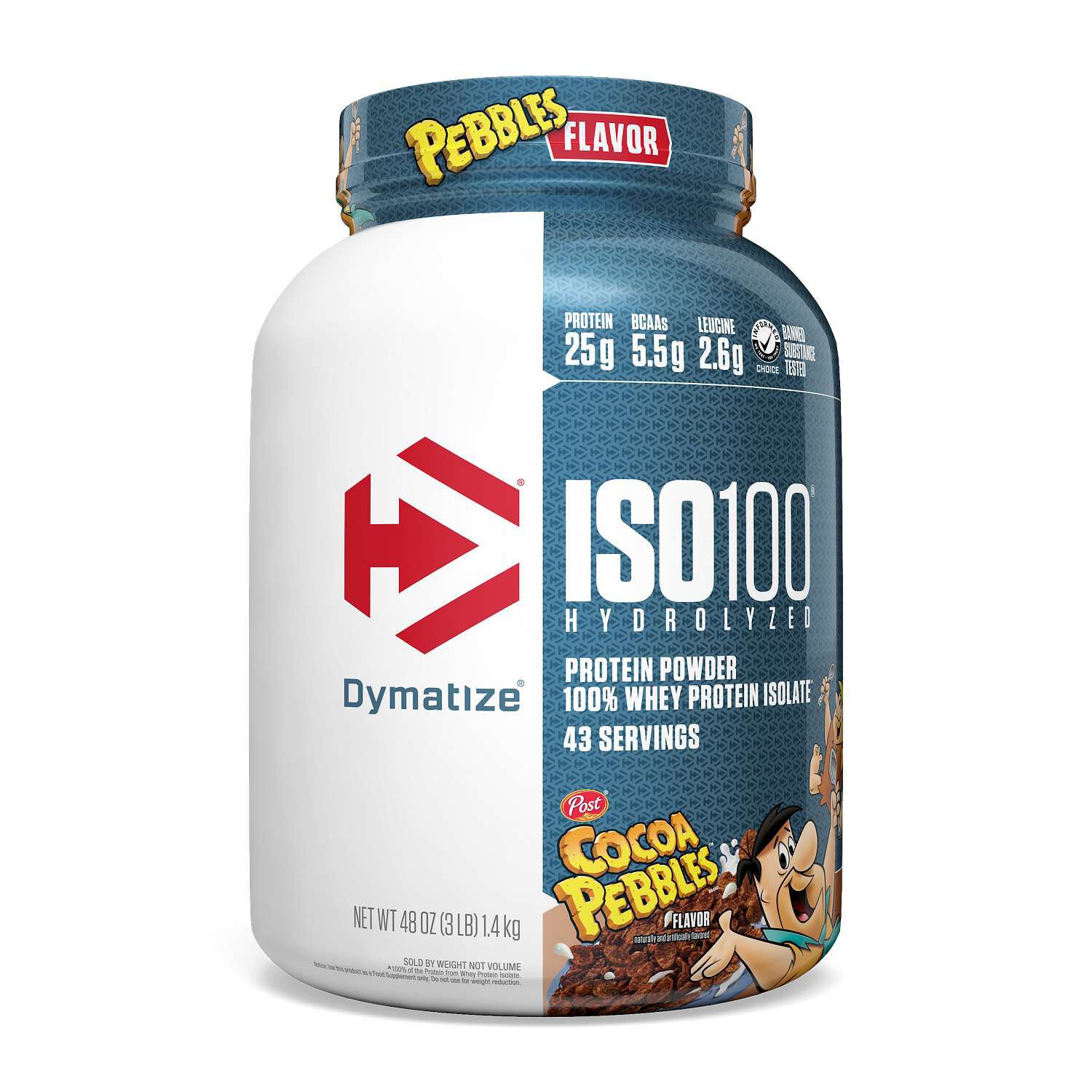

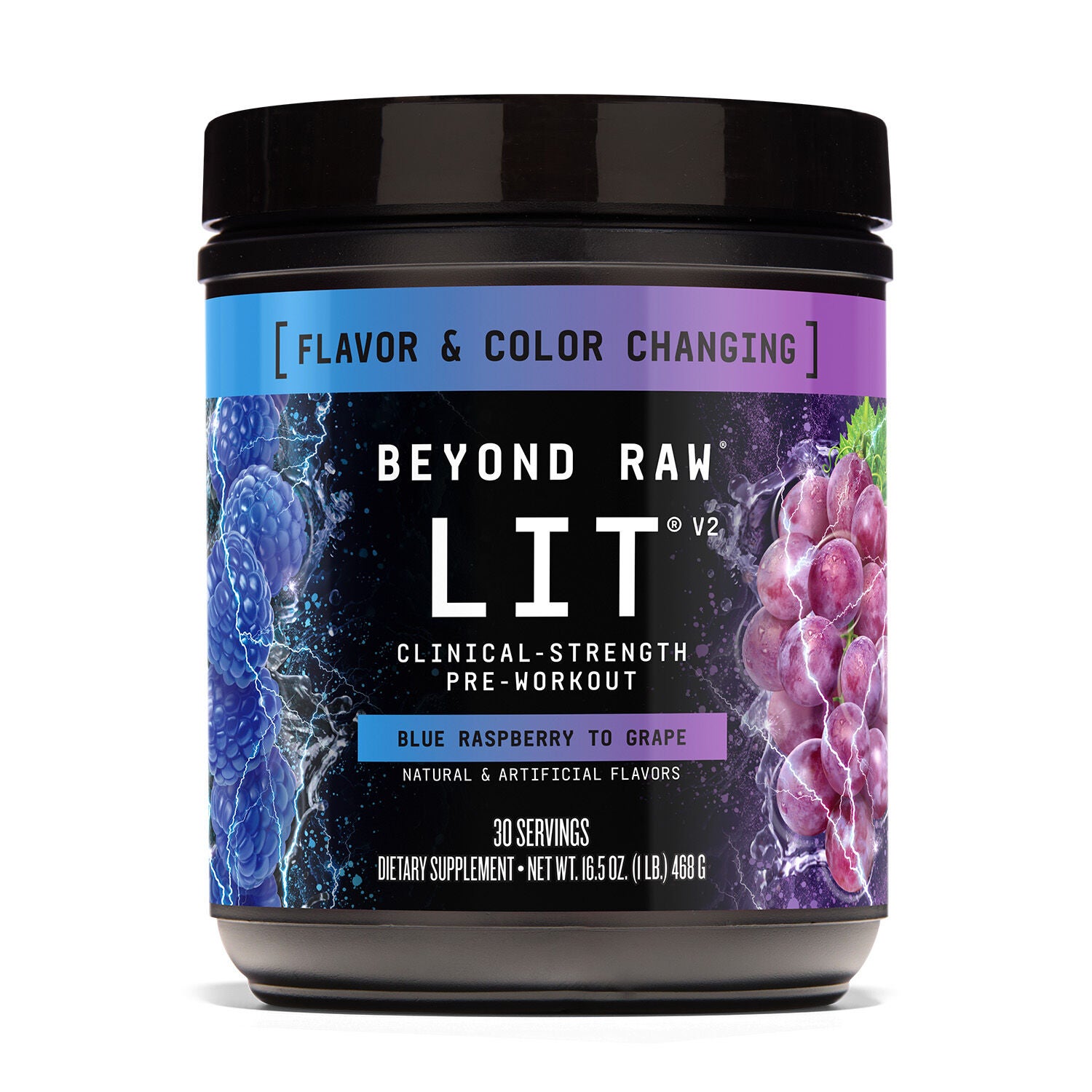


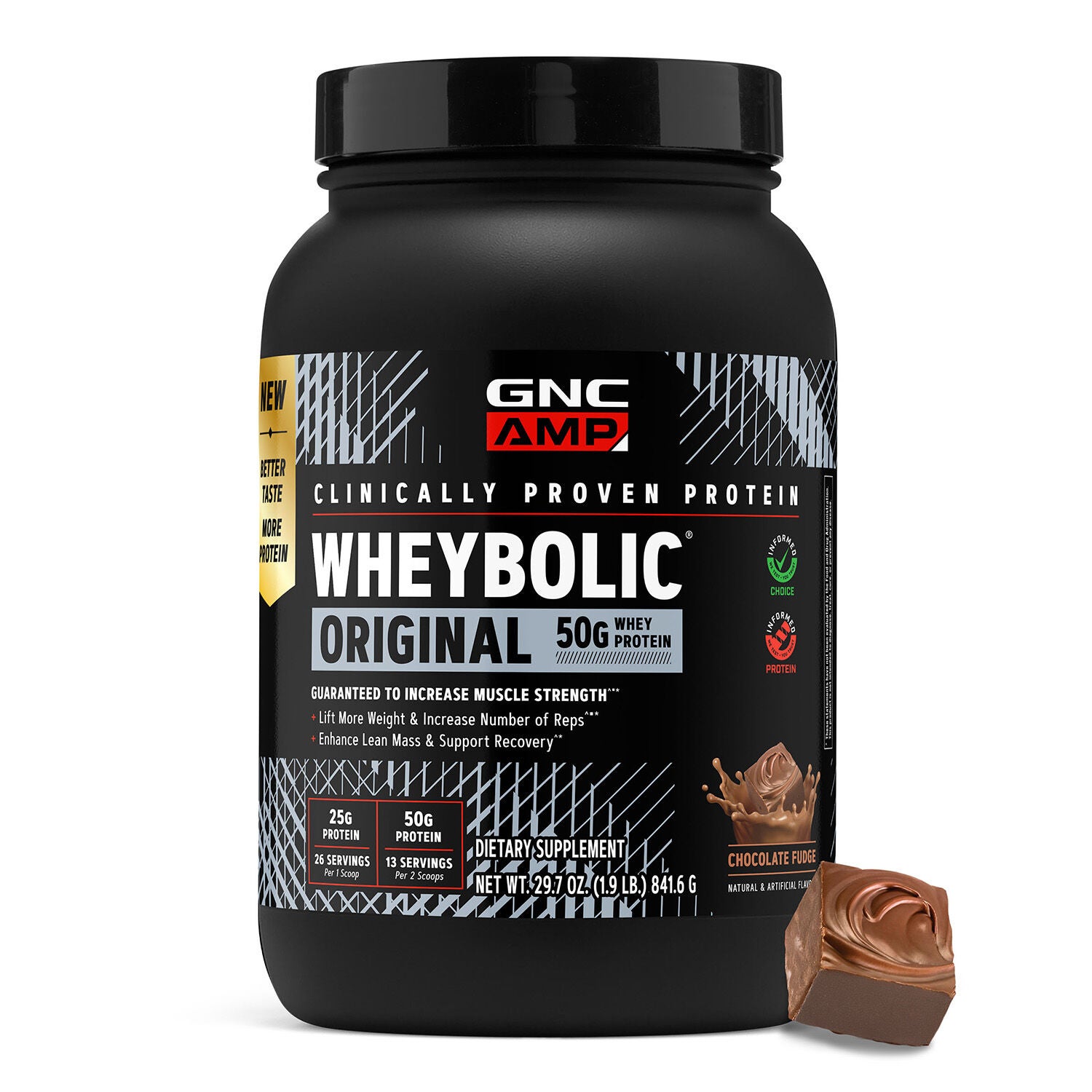


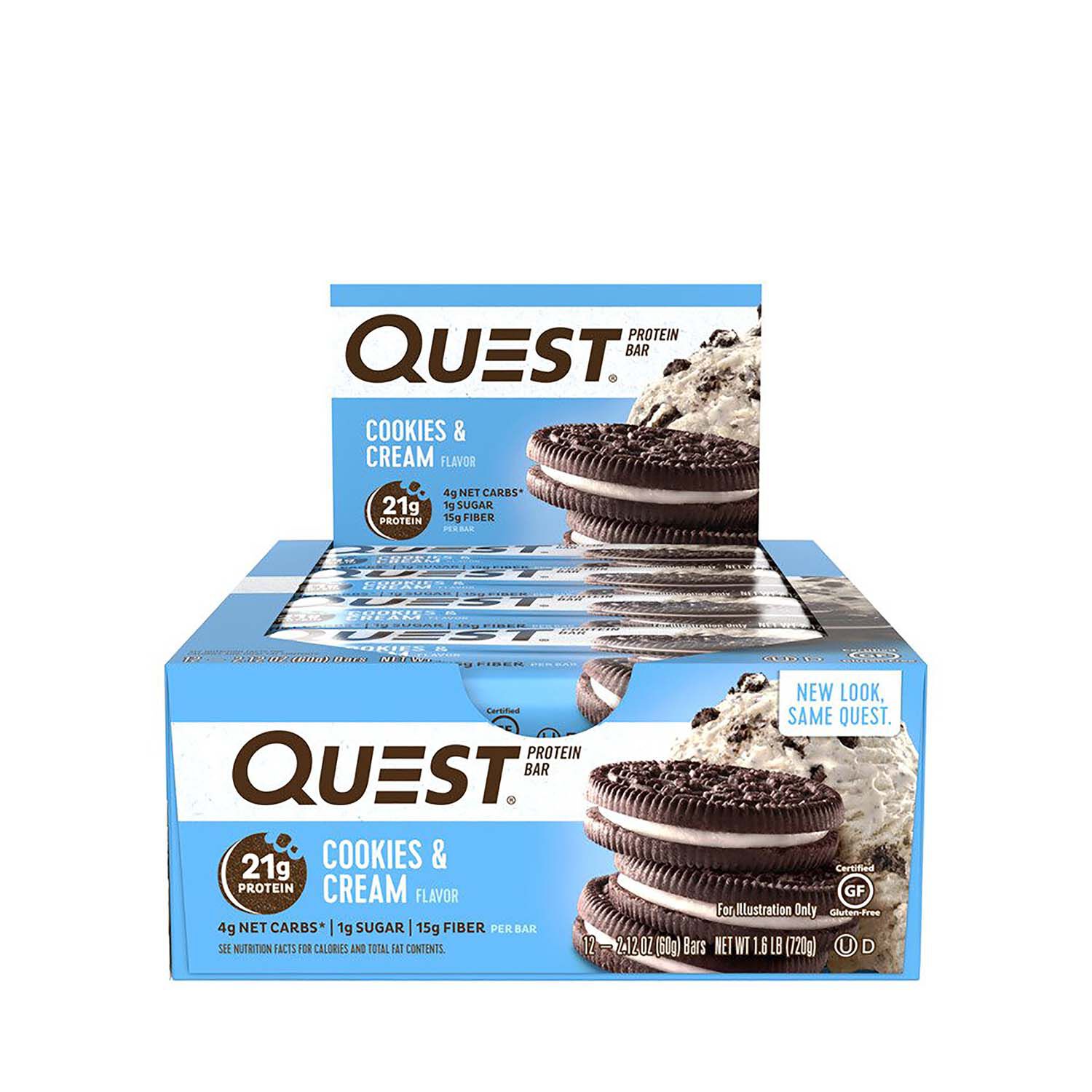
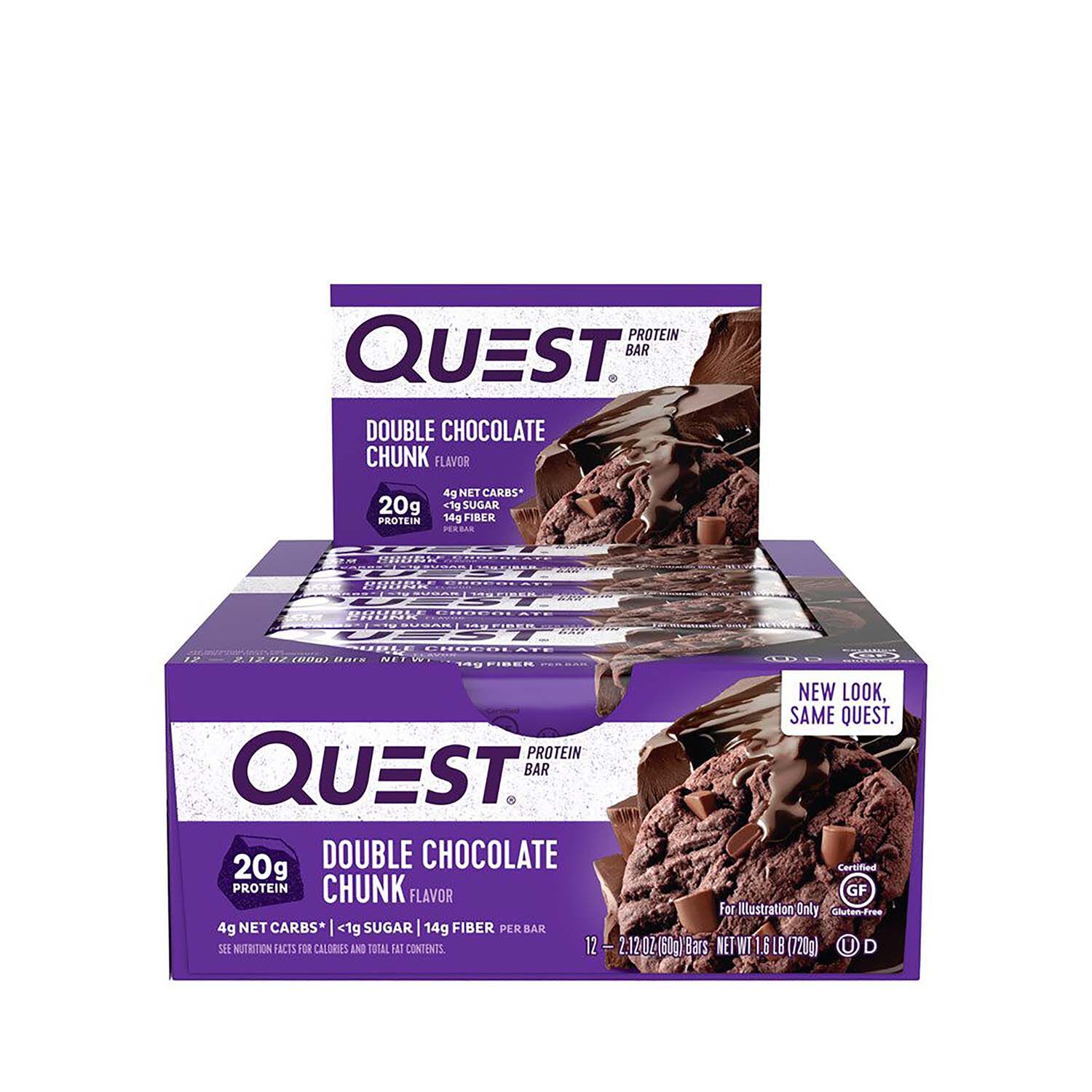
Resistance training powders may offer a convenient way to organize nutrition around lifting, bodyweight workouts, circuit sessions and other forms of resistance exercise. Protein powders are a familiar choice for shoppers who want an easy addition to smoothies, oatmeal or a shaker cup. Whey protein is popular for its creamy texture and familiar dairy profile, while casein is often selected by people who prefer a slower-digesting option as part of an evening routine. Plant-based blends made from sources such as peas, rice or other grains and legumes may suit shoppers who avoid dairy or prefer a plant-forward approach. When comparing formulas, consider the protein amount per serving, flavor, texture, ingredient list and serving size. Some people look for a powder that provides around 20 to 30 grams of protein in a serving after exercise, while others prefer smaller portions throughout the day. Personal routines, meal patterns and dietary preferences can all shape that choice. It may help to think about the moments when a powder would actually fit into the day: a scoop blended with fruit before heading out, a shaker packed for the gym, or a warm bowl of oats prepared after a cool-weather workout. A powder can also be a practical gift for a friend who enjoys strength training, a college student building a simple gym routine or a family member who appreciates convenient options for an active lifestyle. Check the label for allergens, sweeteners and flavor ingredients, and look for dietary details that match the recipient’s preferences. Third-party testing marks, such as NSF Certified for Sport, may give shoppers another factor to consider when comparing label information and manufacturing standards.
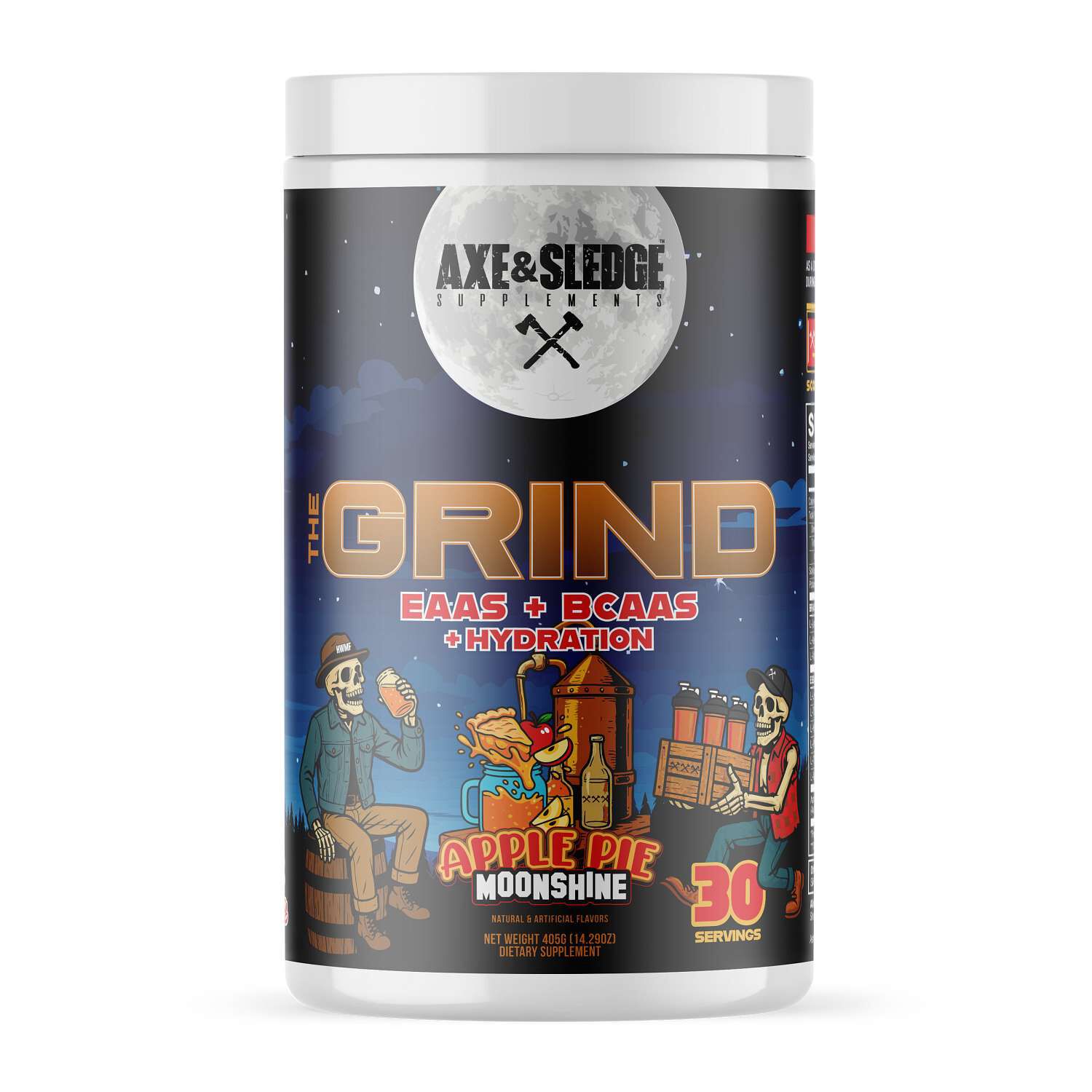
Creatine powders are another familiar category within resistance training nutrition. Many shoppers choose creatine monohydrate because it has a simple ingredient profile and mixes easily with water, juice or a post-workout shake. A commonly referenced serving is 5 grams per day, although individual preferences may vary, so following the product label can help keep use consistent. Creatine may support repeated high-intensity efforts and strength-focused training when paired with a regular exercise routine, while protein powder may help provide amino acids that the body uses as part of normal muscle maintenance. These products serve different roles, and some shoppers choose one rather than combining several powders. Others may build a routine around protein after training and use creatine at a convenient time each day, since consistency may matter more to them than taking it immediately before a session. Amino acid powders, including BCAAs and EAAs, may appeal to people who prefer a lighter drink during longer workouts or who want an additional option alongside meals and protein shakes. Because formulas differ, compare the amino acid profile, scoop size, flavoring, added ingredients and directions before placing an order. Shoppers with dietary restrictions may want to review dairy, soy, gluten and sweetener information closely. Those who are new to supplements may prefer a single-ingredient powder with straightforward directions, while experienced gym-goers might look for a blend that fits an established training and meal routine. Keeping a small scoop and shaker in a gym bag can make preparation easier during cooler months, when an indoor training schedule may become a more regular part of the week.
Choosing among resistance training powders often comes down to the kind of training you enjoy, the foods you already eat and the way you prefer to prepare drinks and meals. A person focused on heavier compound lifts may compare protein and creatine options, while someone attending classes or following a home dumbbell program may prioritize portability, flavor and quick mixing. A runner adding resistance sessions may prefer a versatile powder that works in a morning smoothie, and a first-time gym member may appreciate a modest container before committing to a larger size. Texture deserves attention: some powders create a thick shake, others blend into a lighter drink, and unflavored varieties may work well in coffee, yogurt or pancake batter. Packaging can matter too, especially for shoppers who travel, share a kitchen or want individual servings for work and school. Before buying, review the serving count, scoop size, protein or creatine amount, ingredient list, allergen statements and suggested use. It may also be useful to compare price by serving rather than by container size, since a larger tub does not always offer the best value for a particular routine. For a broader look at options across training styles and nutrition preferences, browse Fitness Powders. Resistance training powders work best as one part of a balanced approach that may include regular meals, hydration, rest and a training plan suited to your experience. During the cooler months, having a dependable powder on hand could make it easier to keep a familiar routine going, whether that means blending a shake beside a fogged-up kitchen window after an early workout or preparing a simple drink before an evening session.