Running Nutrition
(0 Results)
Running nutrition plays a key role in supporting an active lifestyle, whether you're training for your first 5K or aiming for a new personal best. The right mix of nutrients may help runners prepare for workouts, support endurance, and assist with recovery after exercise. Explore a wide selection of products designed to complement your running routine and help you stay fueled from start to finish. Find options that fit your needs and discover how running nutrition could be part of your journey toward reaching your fitness goals.
-
 Axe & Sledge Supplements$39.99
-
 $34.99
-
-
 Raw Nutrition$34.99
-

-
-
-

-
-

-
-
-
-
-
-

-
-
-
 461$24.99
-
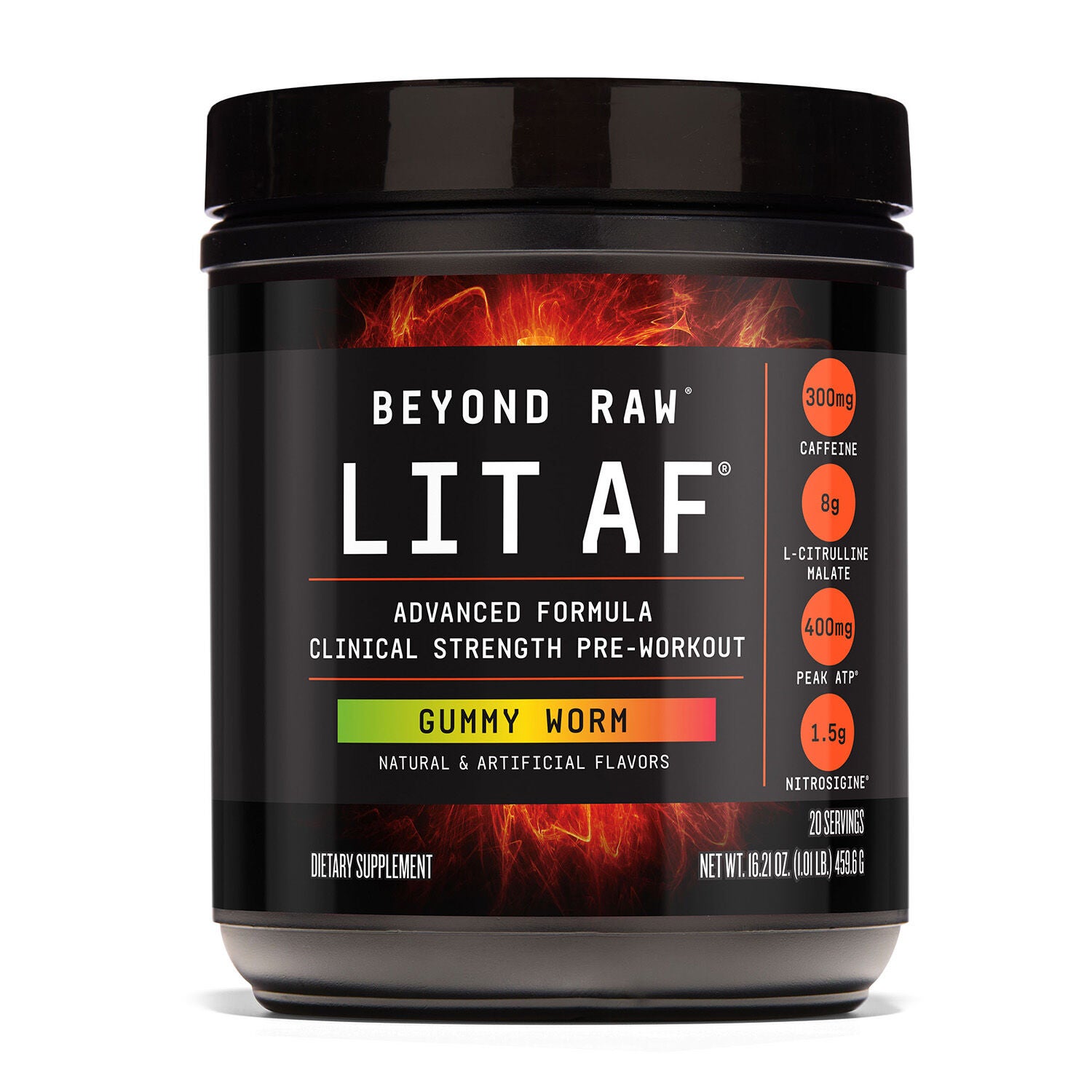
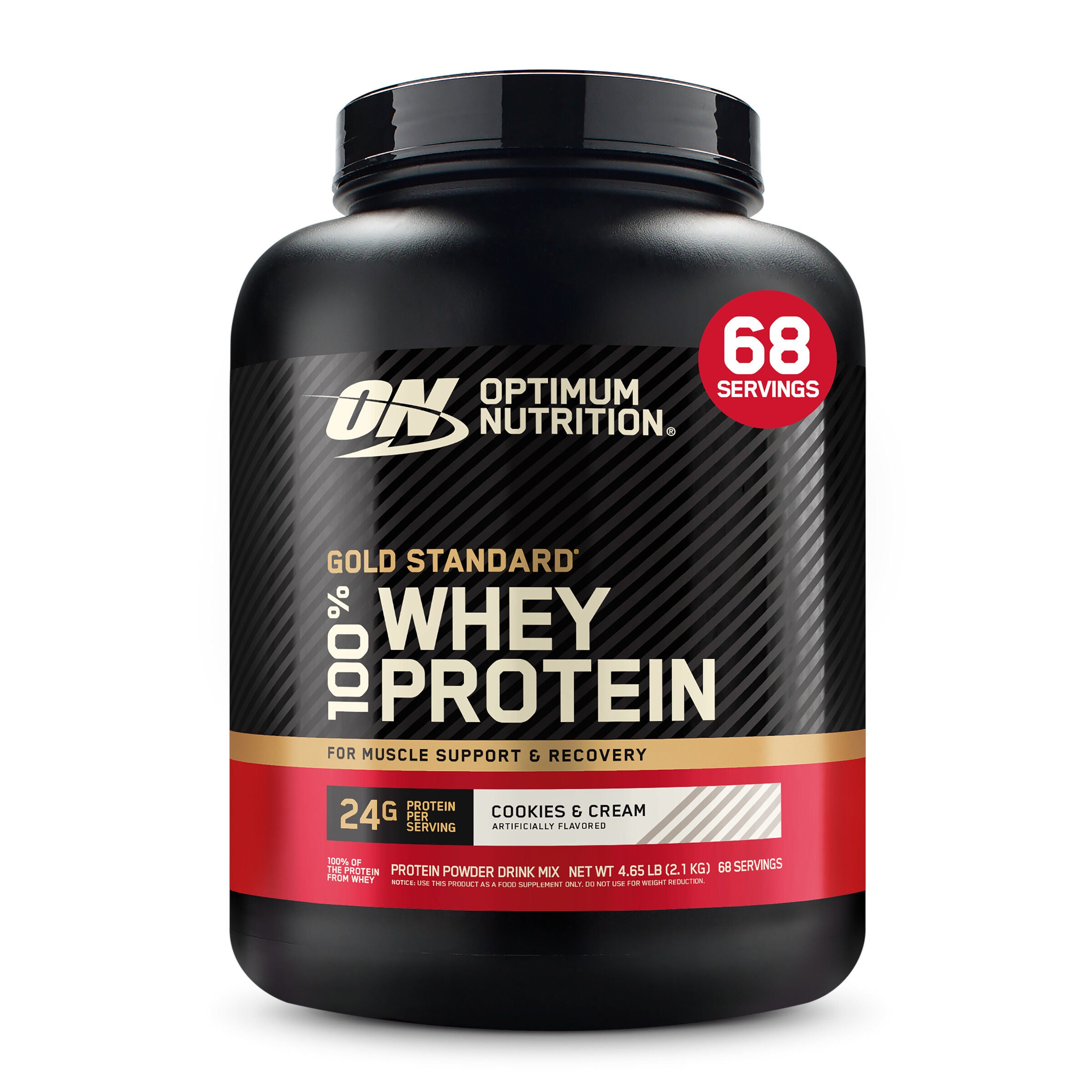
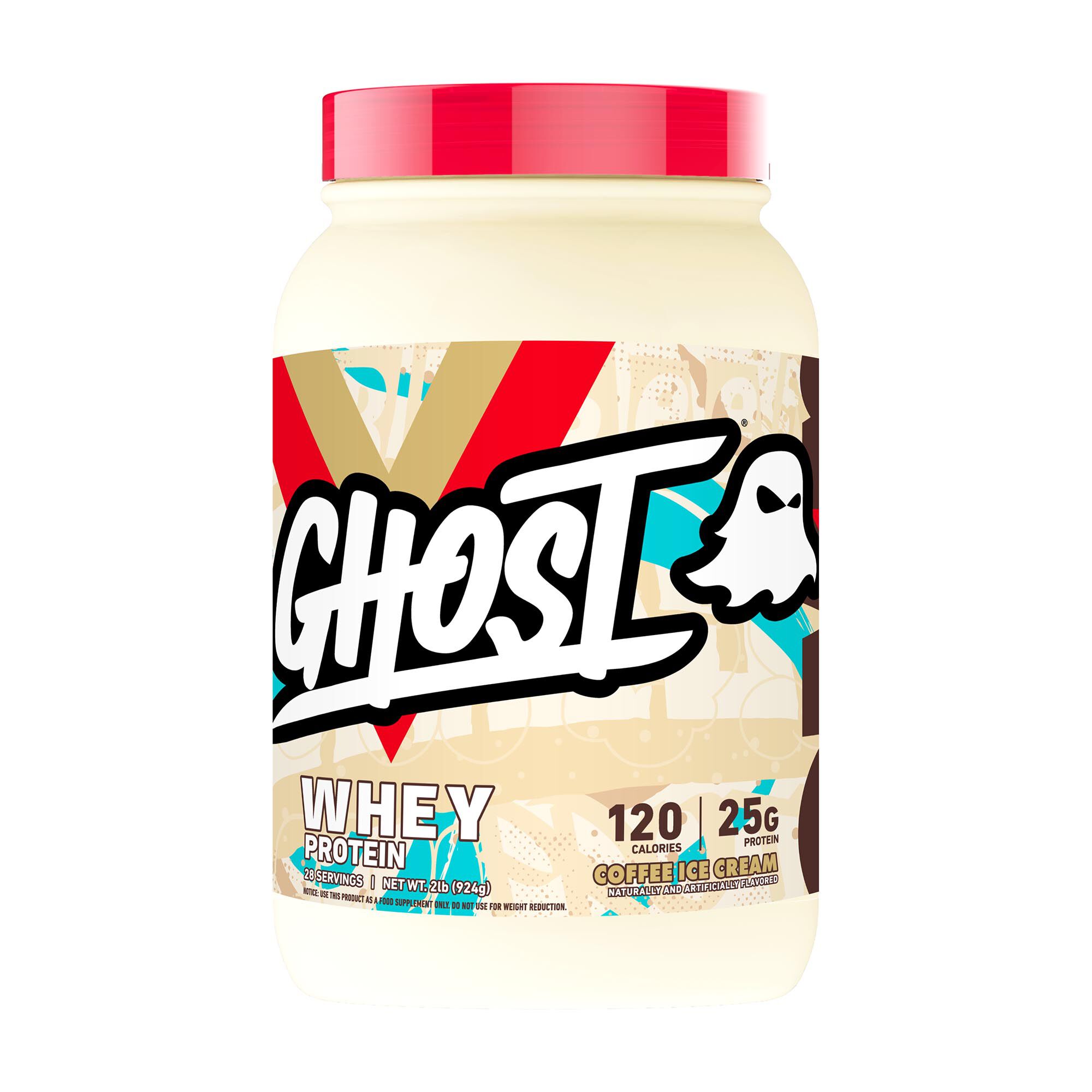
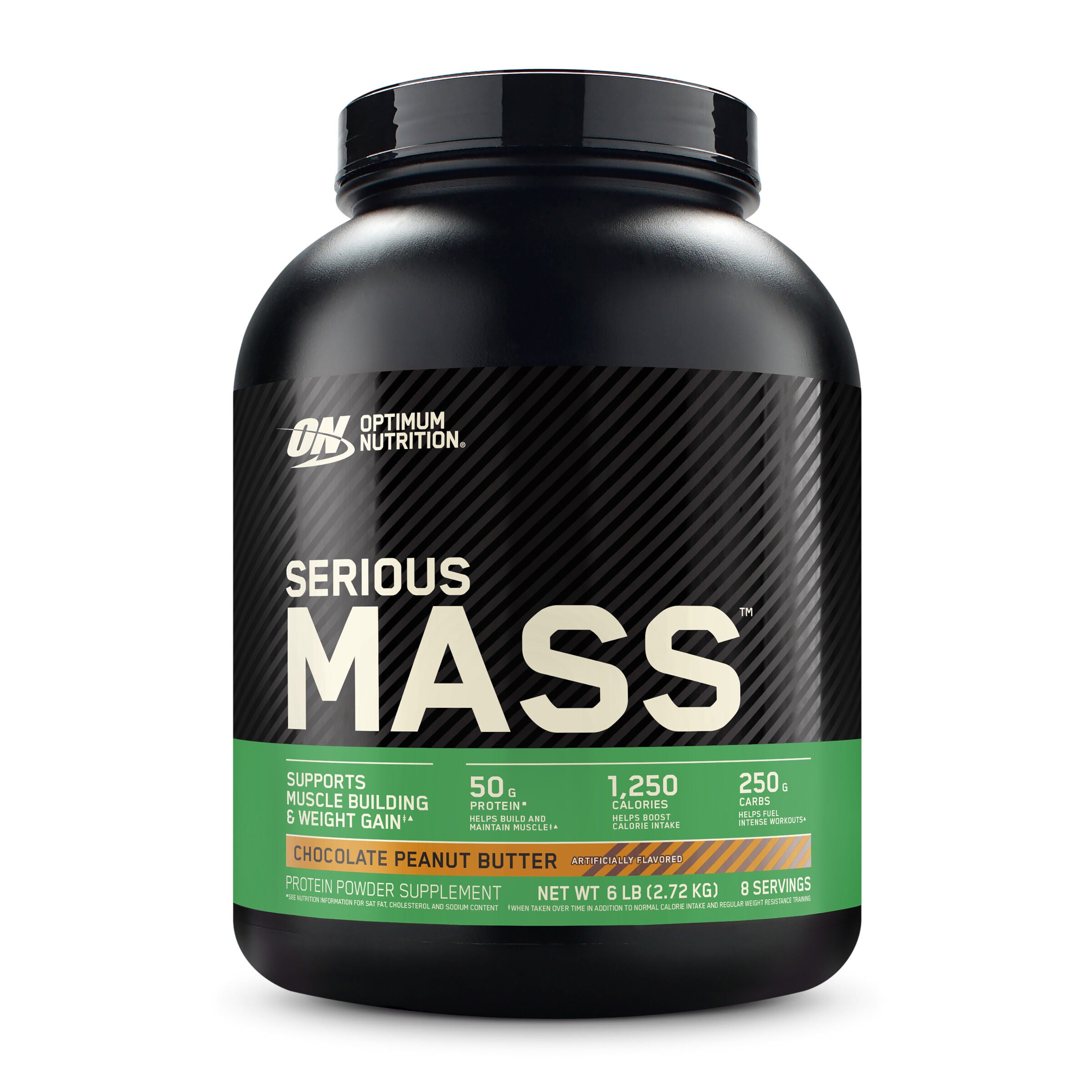
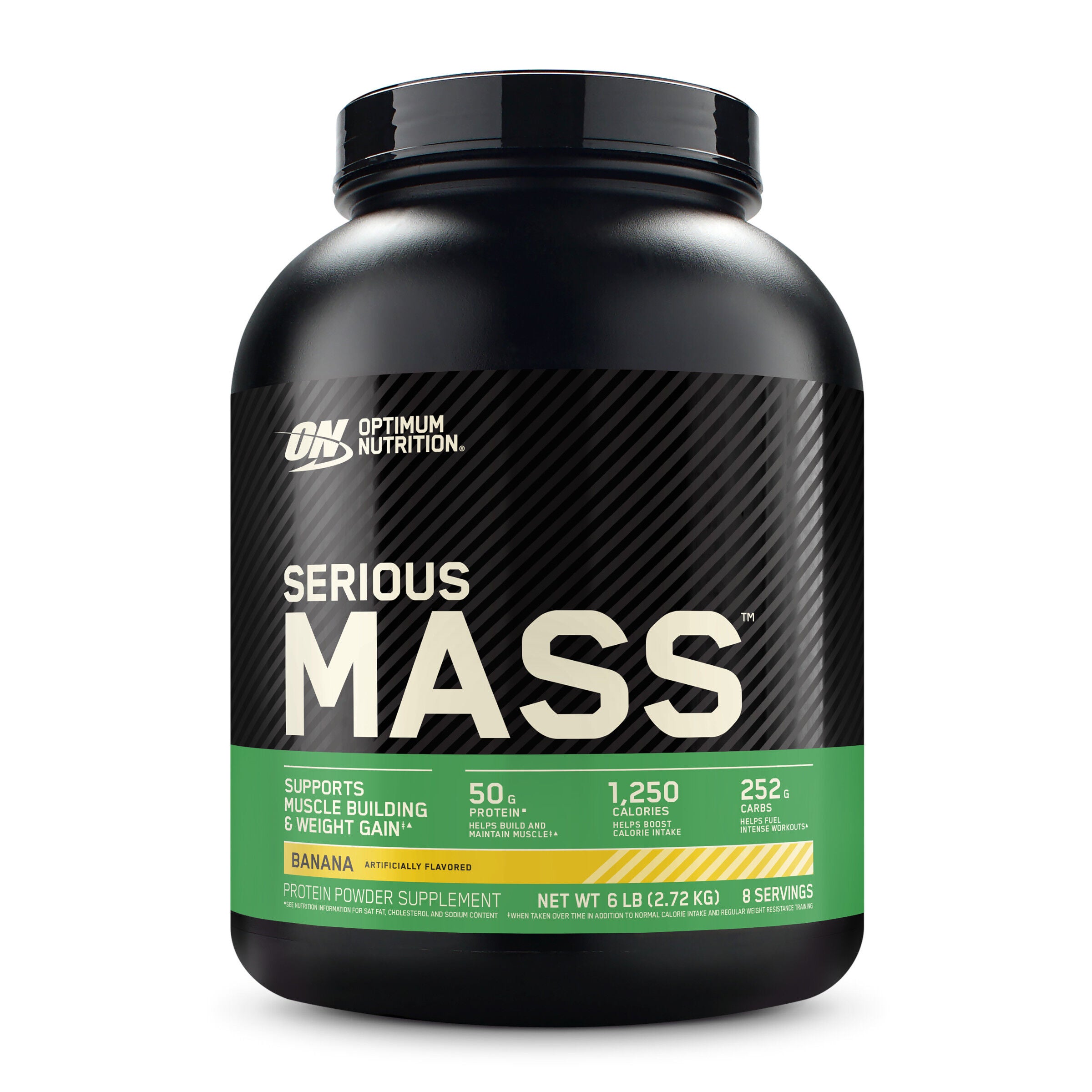
Running nutrition includes carbohydrate-based fuel, protein, fluids, and electrolytes for use before, during, and after a run. These categories offer different formats for different parts of a running routine, from a short neighborhood loop to a long training session or an organized distance event. Carbohydrate gels, chews, and drink mixes may help support energy needs during exercise, while protein powders and bars may complement daily protein intake around training. Electrolyte drink mixes may support hydration as part of a runner’s fluid intake. The distinctions matter when comparing options: a carbohydrate-focused drink mix and a protein powder have different nutritional profiles, even when both are mixed with water. Some runners prefer a drinkable format, while others favor a pouch or a few chewable pieces tucked into a pocket. Before-run choices often center on familiar textures, manageable portions, and how the product fits alongside a regular meal or snack. During-run formats place more emphasis on portability and access, especially when stopping to unpack food would interrupt the outing. After-run options may offer a convenient way to include protein or carbohydrates when the next meal is still some time away. A runner leaving directly from work might favor a single-serving packet in a gym bag, while someone starting from home might prefer a larger container with a measured scoop. Neither format defines a running routine; the useful distinction is how it matches the runner’s schedule, preferences, and intended use. Running nutrition products sit alongside everyday foods rather than making every eating occasion look like a workout. For shoppers comparing the category, the most useful starting points are the type of nutrition provided, the amount in a labeled serving, the preparation involved, and the format that suits the setting. A compact gel pouch, a chewy snack, and a mixed beverage offer distinctly different experiences, even when their labels feature similar carbohydrate amounts.
Format becomes especially noticeable once a product leaves the kitchen counter and goes into a running belt, vest pocket, or training bag. Package dimensions, closure style, and the number of portions inside are practical details worth comparing. A slim packet may fit a small pocket more easily than a broad wrapper, while a resealable pouch may suit someone who prefers to carry several portions together. Gels vary in thickness, chews vary in firmness, and powders differ in their mixing directions and suggested amount of liquid. Those differences may shape how comfortable a format feels within a familiar routine. Flavor is another meaningful distinction: a bright fruit profile, a milder taste, or an unflavored powder can create a different drinking or eating experience. Texture and sweetness preferences are personal, particularly when a runner expects to use the same format repeatedly during a longer outing. The Nutrition Facts panel offers a more precise comparison than package size alone. Carbohydrate, protein, sodium, potassium, and serving size describe different aspects of a formula, and the amounts can vary considerably across the category. Some options contain caffeine, while others do not; its presence and labeled amount are additional comparison points. Ingredient lists also distinguish dairy-based and plant-based protein sources, sweeteners, flavorings, and ingredients such as milk or soy. Dietary preferences and ingredient restrictions belong in that comparison without assuming that one formula suits every runner. Packaging deserves similar attention. An intact seal, readable preparation directions, and a clearly marked date are useful details for products that may spend time in a cupboard or training bag. Storage and handling information on the package provides the relevant care requirements, including what applies after opening or mixing. For runners who carry nutrition over many miles, the durability of the wrapper or pouch is a practical consideration alongside taste and nutritional composition. The package’s shape and resistance to everyday handling matter when it shares a pocket with keys, a phone, or other small belongings.
Running nutrition can fit many kinds of runners without looking identical from one routine to the next. A recreational runner fitting a few outings around a busy schedule may prefer straightforward formats with little preparation. Someone training for a half marathon may be more interested in comparing carbohydrate amounts across portable options, while a runner who spends long stretches on trails may pay closer attention to portion sizes and how much space the packaging occupies. A regular run-club participant might keep a protein snack in a bag for the trip home; another runner might prefer a powder mixed later as part of a meal or snack. These are differences in setting and preference, not reasons to treat every run as the same nutritional occasion. Frequency of use also changes what feels practical. Individual packets offer a defined portion, while larger containers involve measuring and mixing according to the label. A familiar flavor may suit repeated use, whereas a different texture may appeal to someone who dislikes sweet drinks or dense snacks. For a gift recipient, known preferences are particularly useful: the runner’s usual format, favored flavors, and dietary choices provide more relevant context than the distance printed on a race medal. Shoppers browsing related workout categories can also explore Sports Nutrition For Men for another perspective on sports nutrition formats and intended uses. Within running nutrition, the most meaningful comparisons remain specific and practical: what each serving contains, whether preparation is needed, how the package fits into the outing, and how the format relates to regular meals and snacks. A carefully considered selection may make nutrition easier to include in an established running routine, whether that means a packet beside the door, a pouch in a vest, or a shake prepared after returning home. Those everyday details give the category its relevance across different distances, experience, and training schedules.
- Q: What types of supplements are commonly used for running nutrition?
A: Common supplements for running nutrition include electrolyte powders, energy gels, protein powders, BCAAs, and multivitamins. These products help support hydration, energy during exercise, muscle recovery, and overall wellness for runners. - Q: How can protein supplements benefit runners?
A: Protein supplements can help runners repair and rebuild muscle tissue after workouts or long runs. They also support overall muscle health and may aid in reducing post-exercise soreness. - Q: When should runners consider using energy gels or chews?
A: Energy gels or chews are typically used during long-distance runs or races to provide quick-digesting carbohydrates. They help maintain stamina and prevent fatigue when running for more than an hour. - Q: Why are electrolytes important for runners?
A: Electrolytes such as sodium, potassium, and magnesium are lost through sweat during running. Replenishing them helps maintain fluid balance, supports nerve function, and can prevent muscle cramps. - Q: Can multivitamins support a runner’s nutritional needs?
A: Multivitamins can help fill potential nutrient gaps in a runner's diet by providing vitamins and minerals that support energy production, immune health, and overall performance.