





Sports Nutrition For Endurance Athletes
(0 Results)
Shop sports nutrition for endurance athletes, with options to consider for fueling, hydration, and post-workout nutrition. Compare ingredients, serving sizes, and formats to find products that fit your long runs, cycling sessions, and race-day routine.
-
-
 Axe & Sledge Supplements$39.99
-
 $34.99
-

-

-
-

-
-
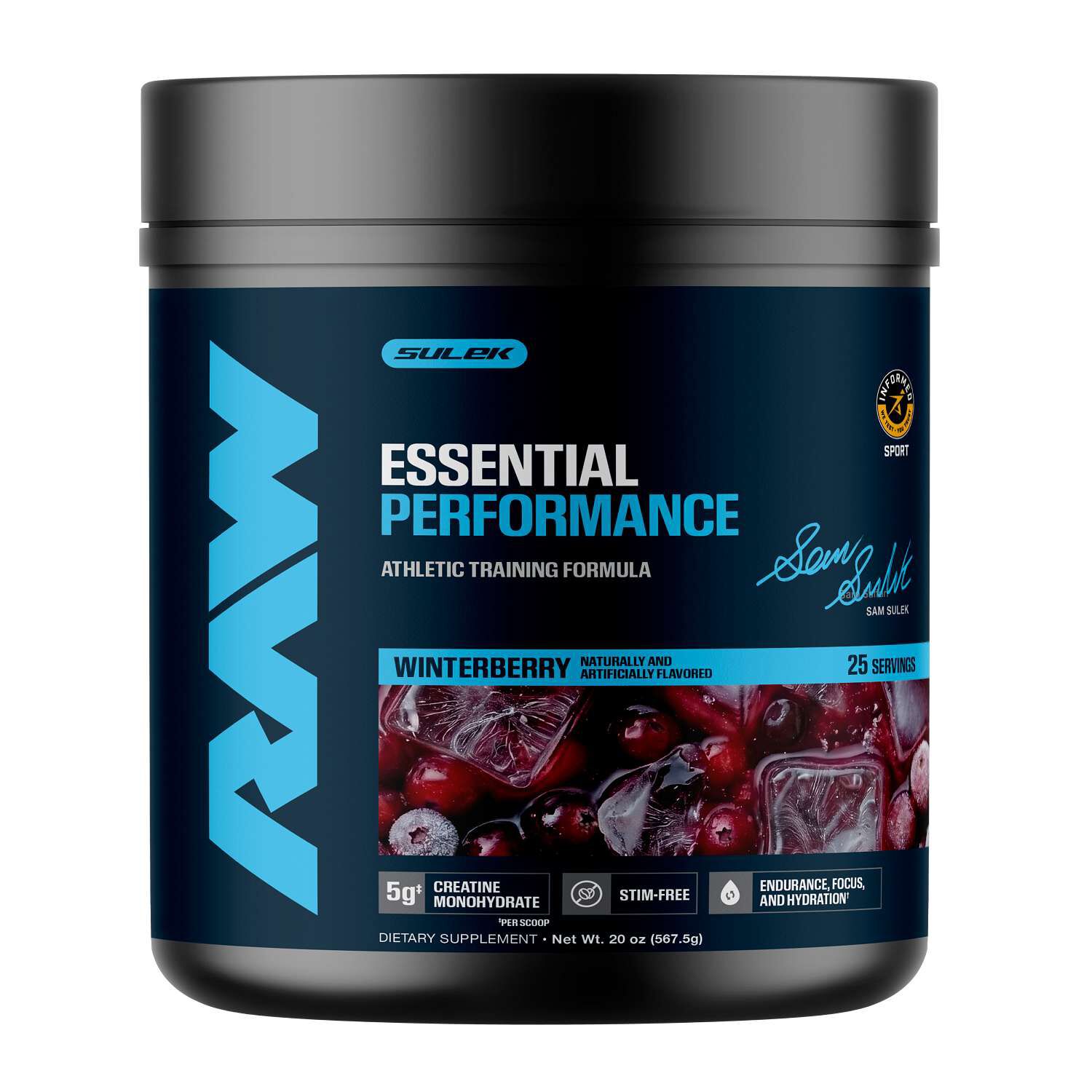
-
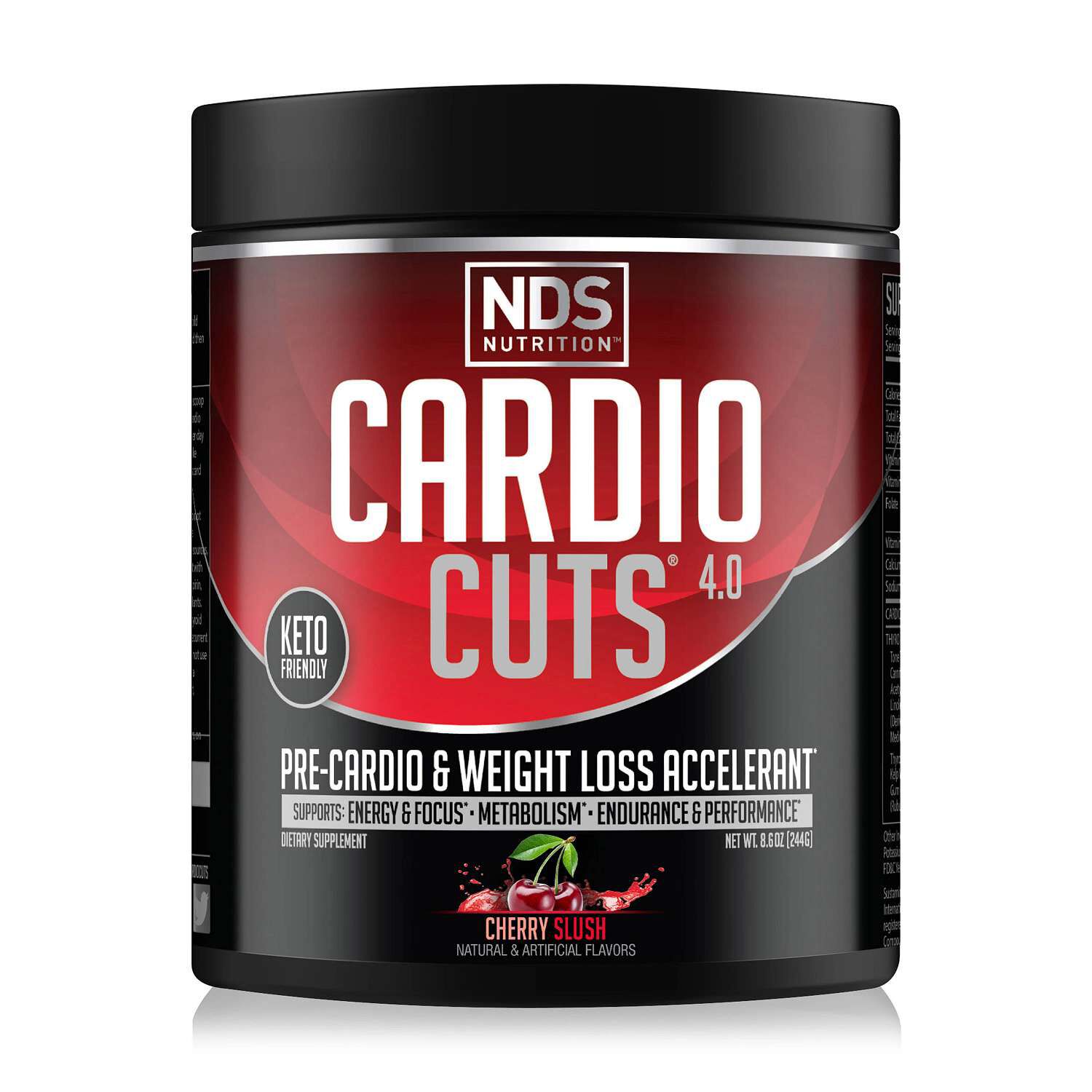
-
.jpg?sw=305&sh=305&sm=fit "Demo Day Carbohydrate Power - Big Cherries (30 Servings) | GNC")
-
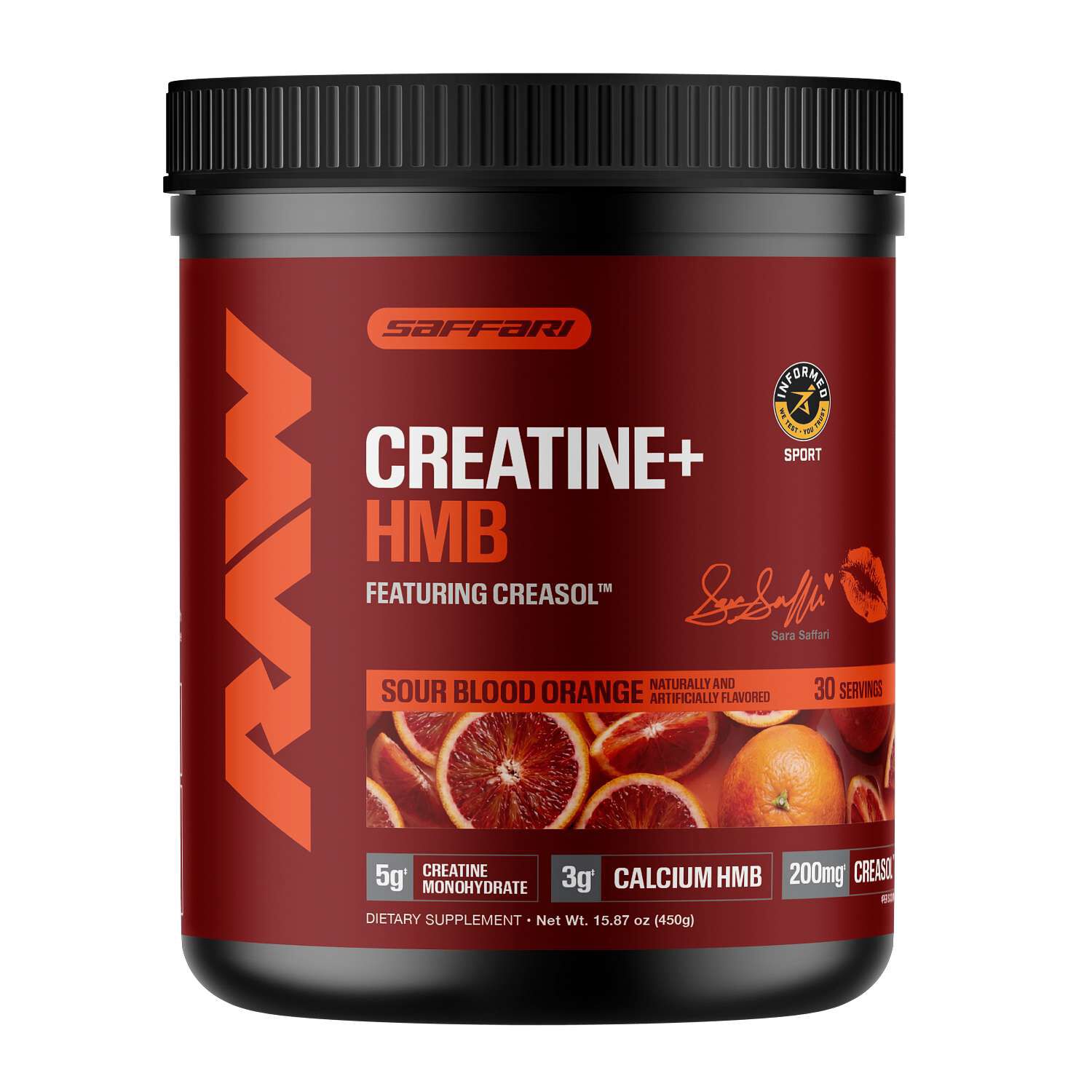
-
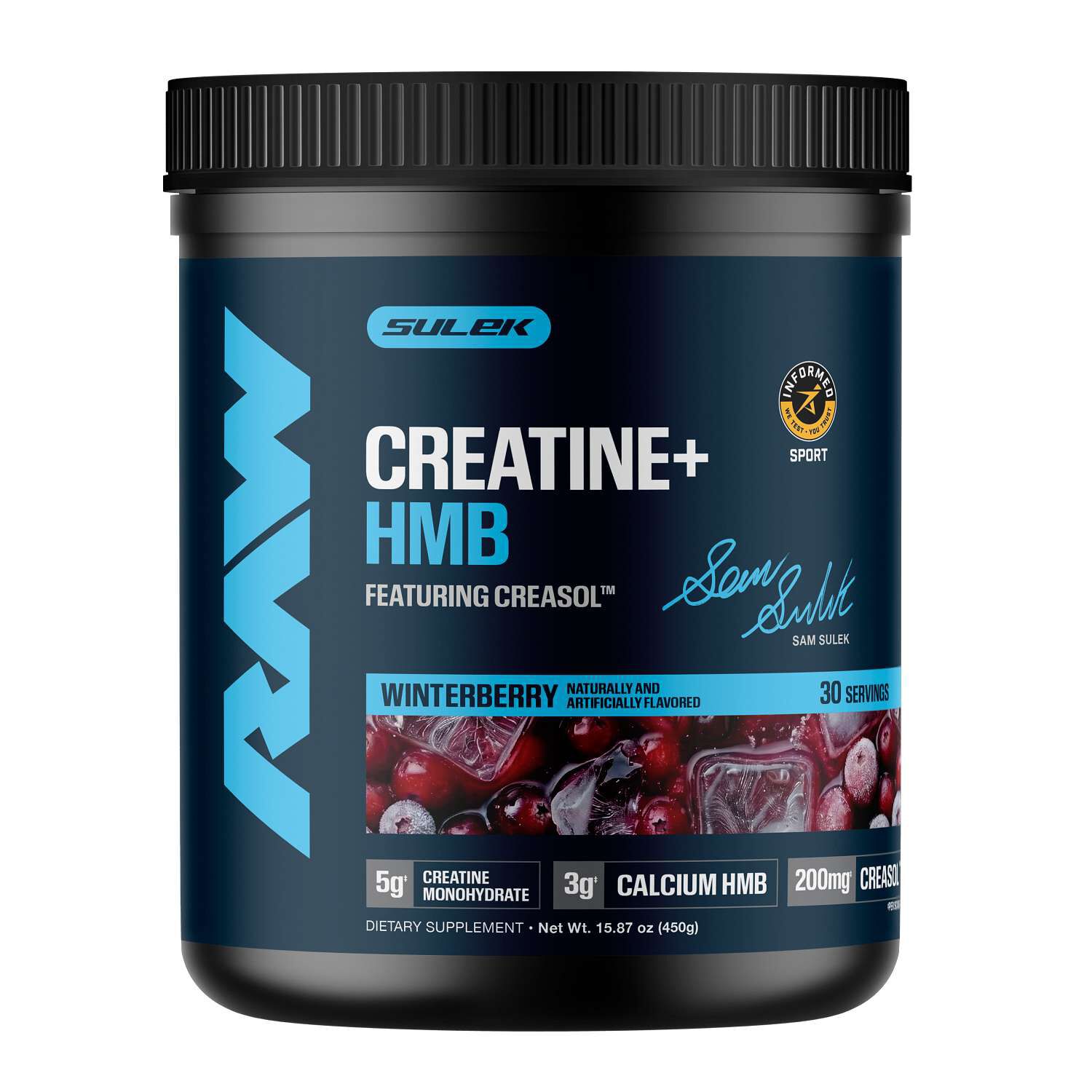
-

-
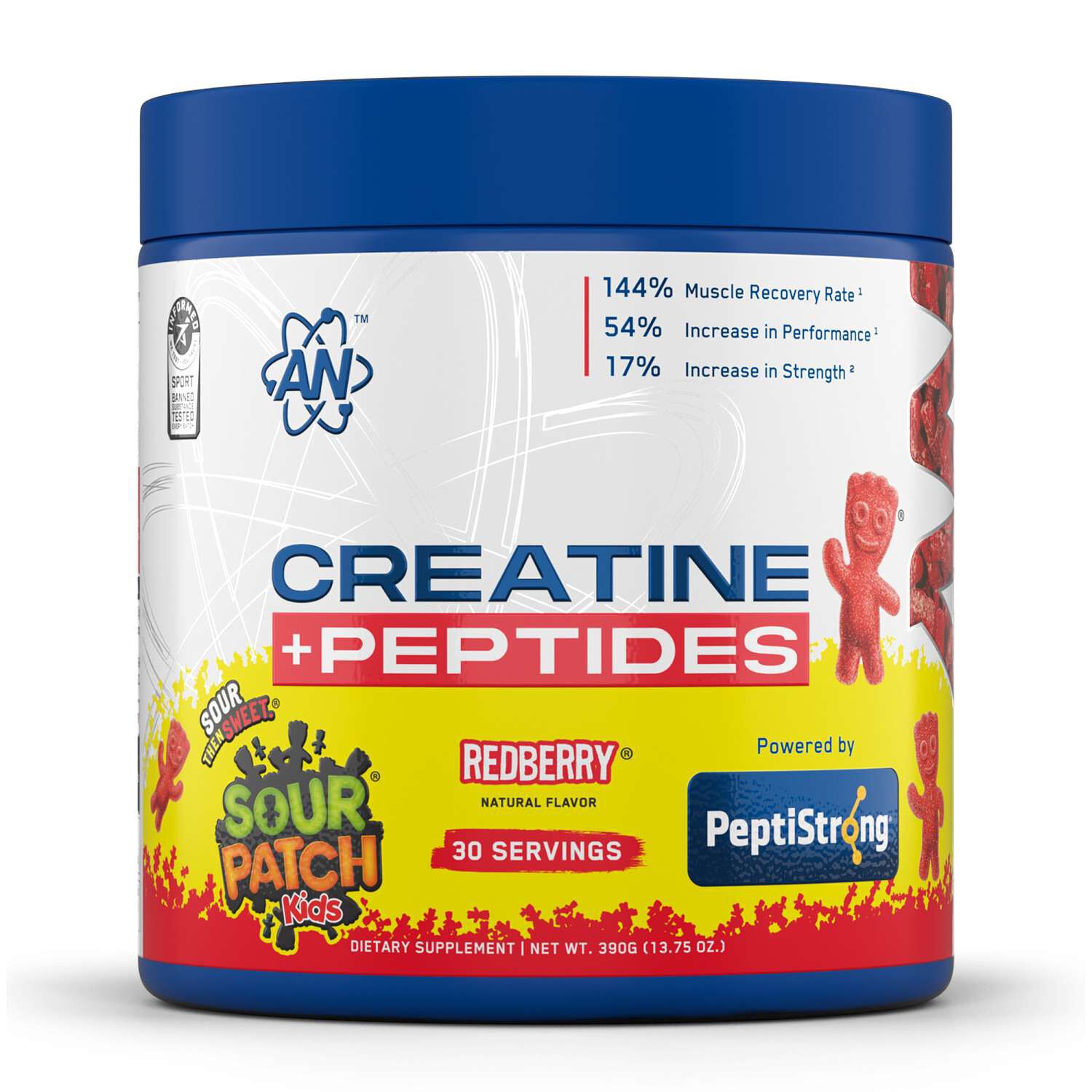
-
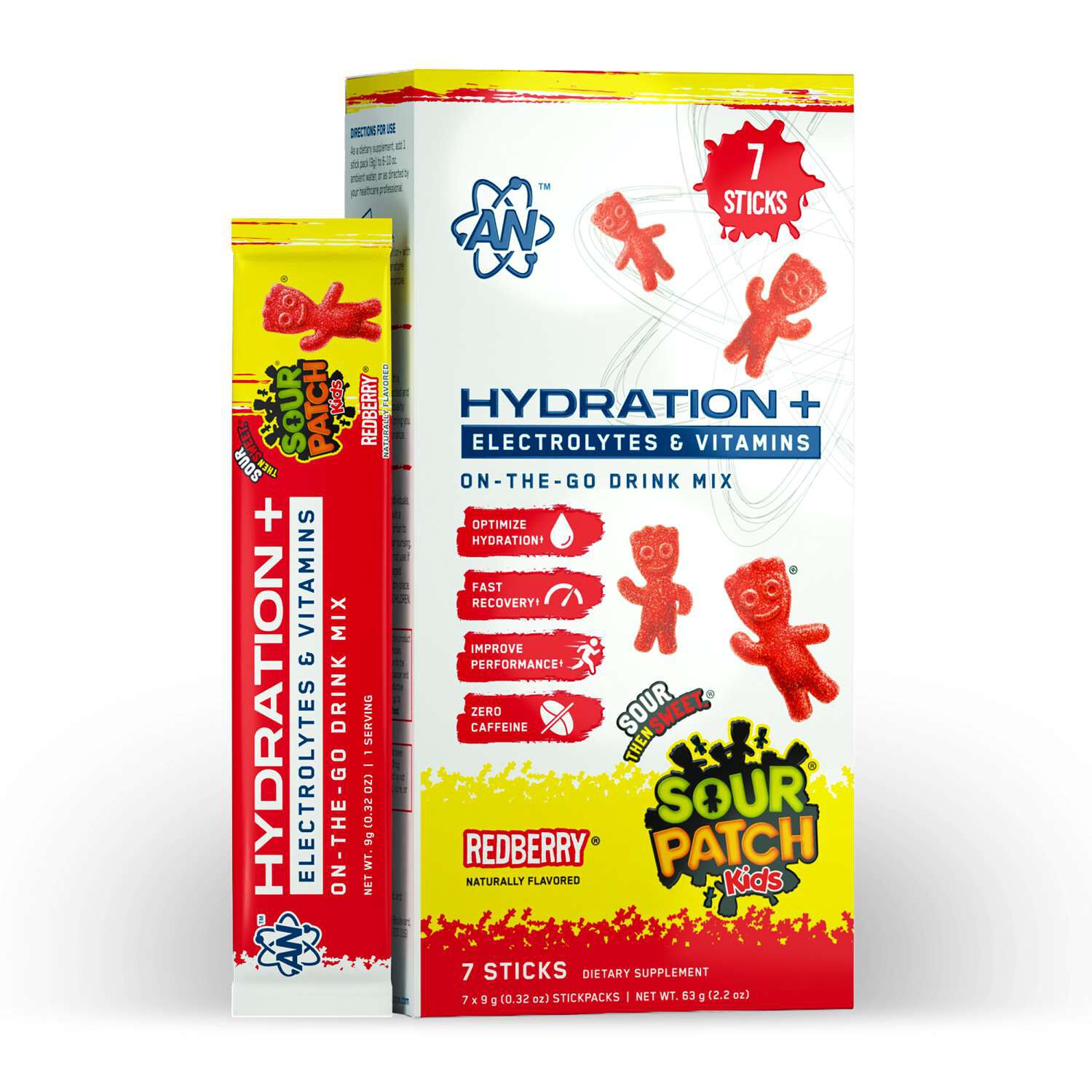
-
 Raw Nutrition$34.99
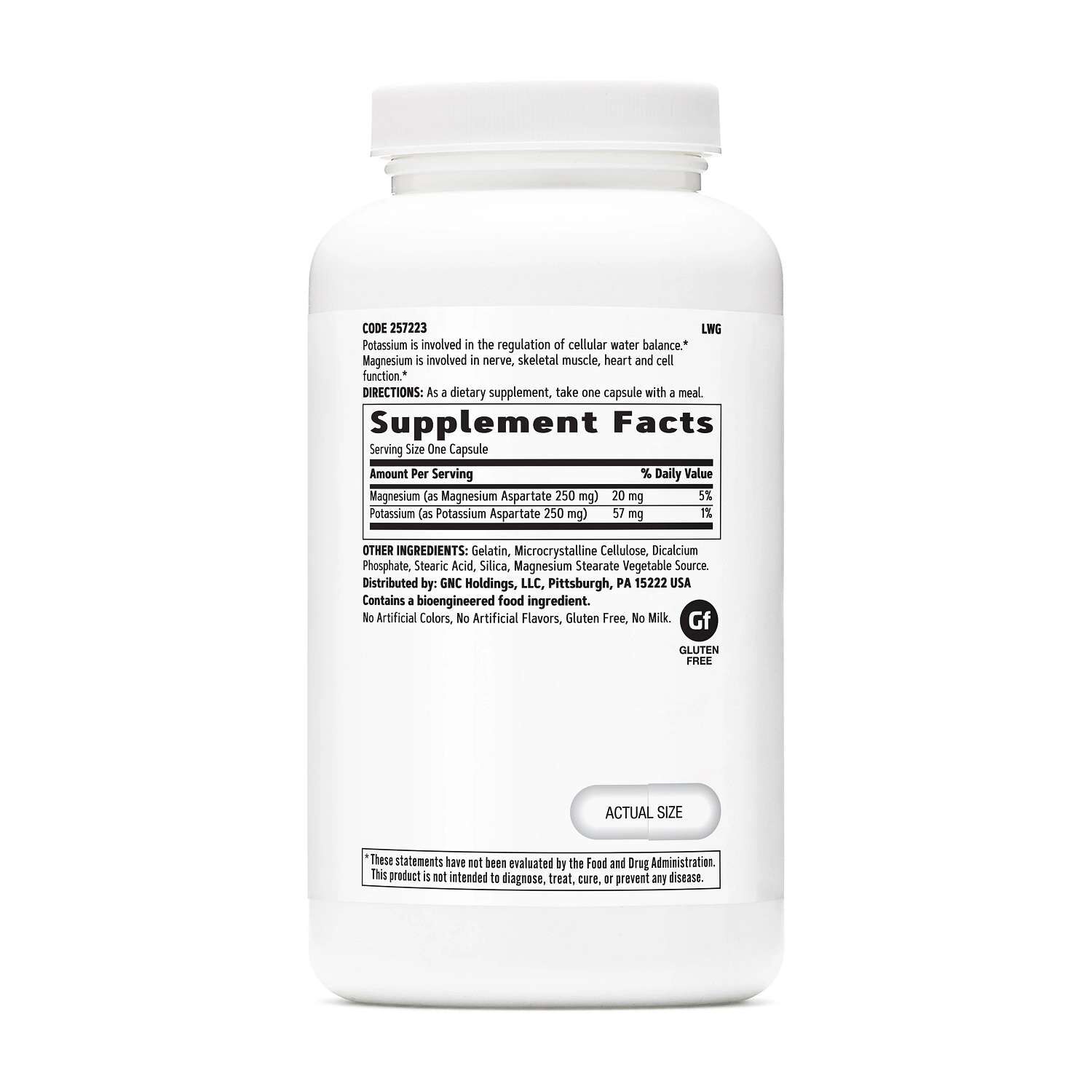

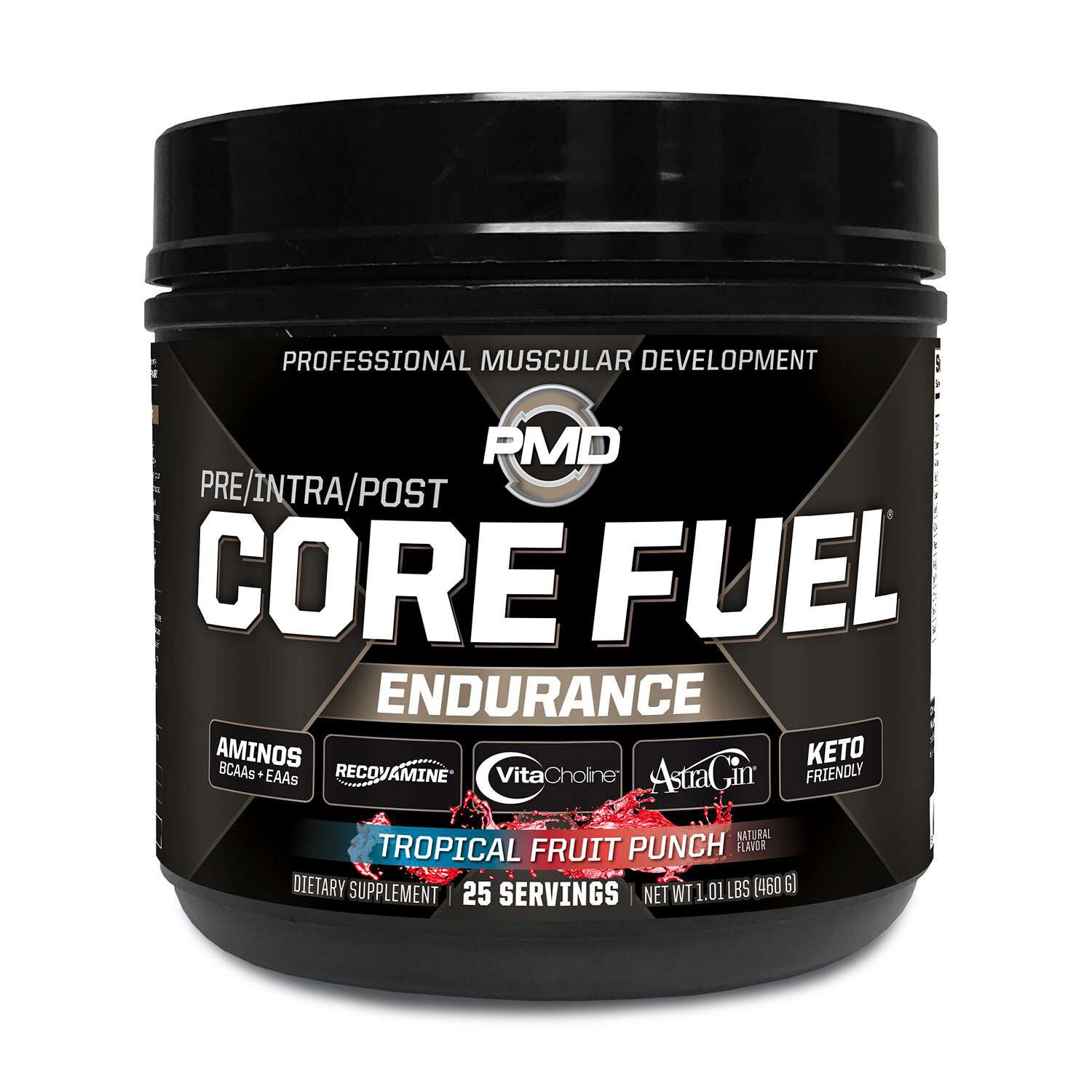
Sports nutrition for endurance athletes centers on carbohydrates, hydration, and protein across training days, long-distance events, and recovery periods. For runners, cyclists, swimmers, and triathletes, carbohydrate-rich foods such as oatmeal, rice, potatoes, and fruit may provide fuel for sustained activity. During longer sessions, sports drinks, energy gels, and carbohydrate chews may offer convenient ways to consume carbohydrates without stopping for a full meal. Comparing carbohydrate amounts per serving, serving sizes, and preparation directions can make endurance nutrition products easier to evaluate for different workouts. Hydration is another consideration, particularly during extended training in warm conditions. Electrolyte drink mixes containing sodium and potassium may support hydration alongside appropriate fluid intake. The amount of fluid and sodium lost through sweat varies by athlete, environment, and workout duration, so the same endurance fueling approach may not suit every session. Practicing with familiar foods and sports nutrition products during training offers an opportunity to assess taste, texture, portability, and digestive comfort before race day. Recovery nutrition for endurance athletes also includes protein, carbohydrates, and regular meals that fit a consistent training routine. Protein from foods such as eggs, yogurt, beans, fish, or poultry may support muscle maintenance and post-workout recovery, while carbohydrate-containing meals may help replenish stored energy after demanding exercise. Whey protein powder, plant-based protein powder, ready-to-drink protein shakes, and protein bars may offer convenient options between workouts or around a busy schedule. For endurance sports nutrition, compare protein and carbohydrate amounts rather than assuming every recovery product serves the same purpose. A protein shake mixed with milk and paired with fruit, for example, offers a different nutrient profile than protein powder mixed with water alone. Product labels also provide details about ingredients, serving sizes, and preparation, making them useful for comparing options. Across marathon training, distance cycling, and triathlon preparation, a practical fueling routine can include everyday foods and selected sports supplements, with choices guided by workout length, meal timing, personal preferences, and experience during training.
- Q: What are common categories of sports nutrition for endurance athletes?
A: Common categories include carbohydrate gels, energy chews, sports drink mixes, electrolyte powders, and protein powders. These categories differ in their ingredients, textures, and preparation methods. - Q: How do energy gels, chews, and sports drink mixes differ?
A: Energy gels have a thick, gel-like consistency, while chews have a soft, chewable texture. Sports drink mixes come in powder form for mixing with water. Carbohydrate sources, flavors, and electrolyte content vary by formula. - Q: What ingredients are commonly found in electrolyte drink mixes?
A: Electrolyte drink mixes often contain sodium and potassium, with some formulas also including magnesium or calcium. Other ingredients can include carbohydrates, flavorings, and sweeteners. The nutrition label and ingredient list show what each formula contains. - Q: What carbohydrate sources are used in endurance sports nutrition?
A: Common carbohydrate ingredients include maltodextrin, glucose, fructose, and sucrose. Some gels, chews, and drink mixes use one carbohydrate source, while others combine several. Ingredient lists identify the carbohydrate sources used in each formula. - Q: How do whey and plant-based protein powders differ?
A: Whey protein comes from milk, while plant-based protein powders use sources such as peas, rice, or soy. Some plant-based formulas combine multiple protein sources. Both categories include a variety of flavors and ingredient combinations.
Best Sellers
-
 Create Wellness


Related Pages


Top Collections
- Daily Collagen Supplements | Top Brands & Deals | GNC
- Natural Collagen Supplements | Top Brands & Deals | GNC
- Top Rated Collagen | Shop Customer Favorites | GNC
- Cortisol Supplements
- Vitamins For Hair Loss
- Spirulina Tablets
- NAD+ Supplement Tablets
- Peptide Supplements
- Best Brand of Magnesium Glycinate
- Vitamins That Help Support Weight Gain