





Strawberry Kiwi Vitamin Powders
(0 Results)
Strawberry kiwi vitamin powders blend the refreshing flavors of juicy strawberries and tangy kiwi into a convenient supplement option. Perfect for mixing into water, smoothies, or your favorite beverages, these powders may offer a tasty way to enhance your daily routine. Explore a variety of strawberry kiwi vitamin powders that could help you support your wellness goals while enjoying a burst of fruit-inspired flavor.

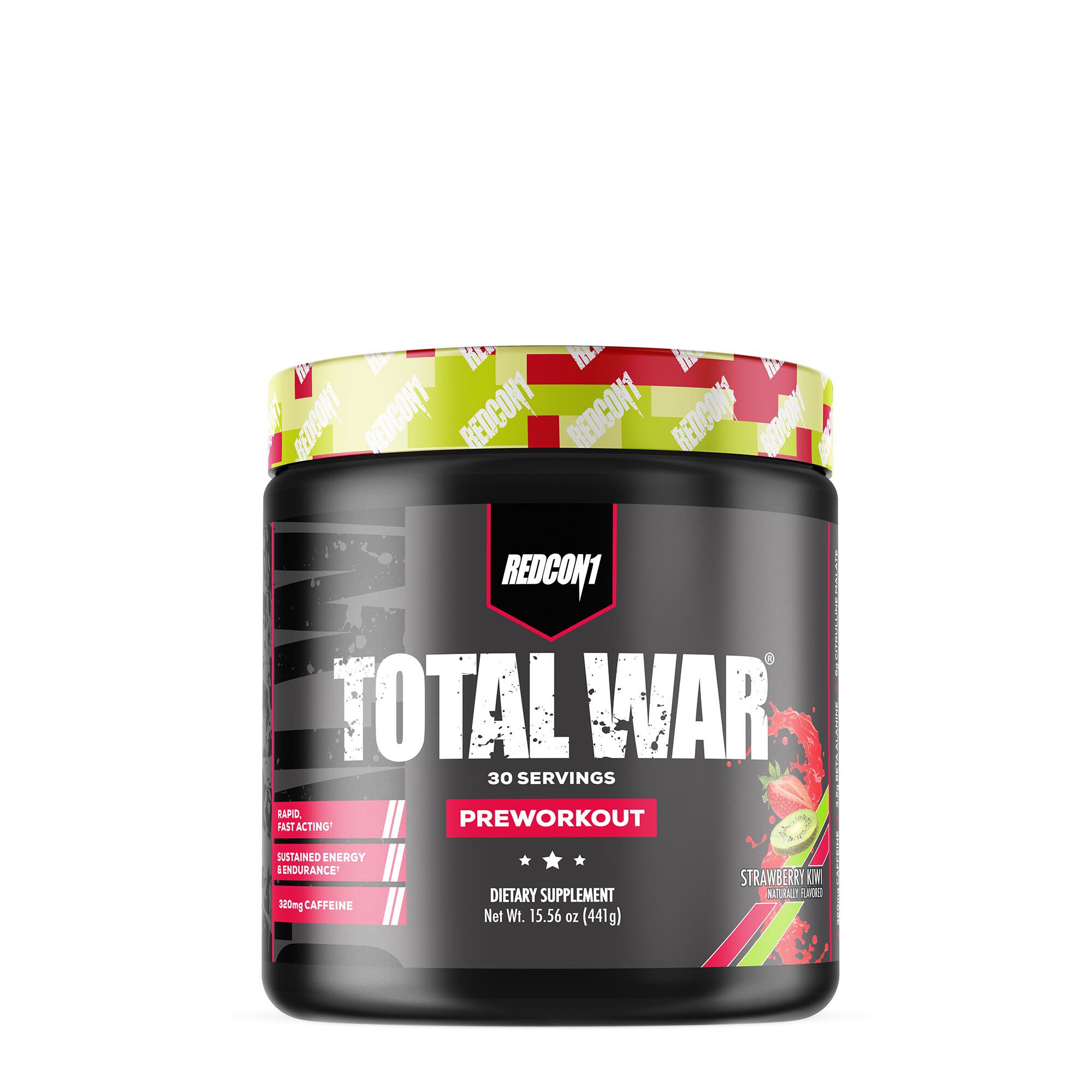

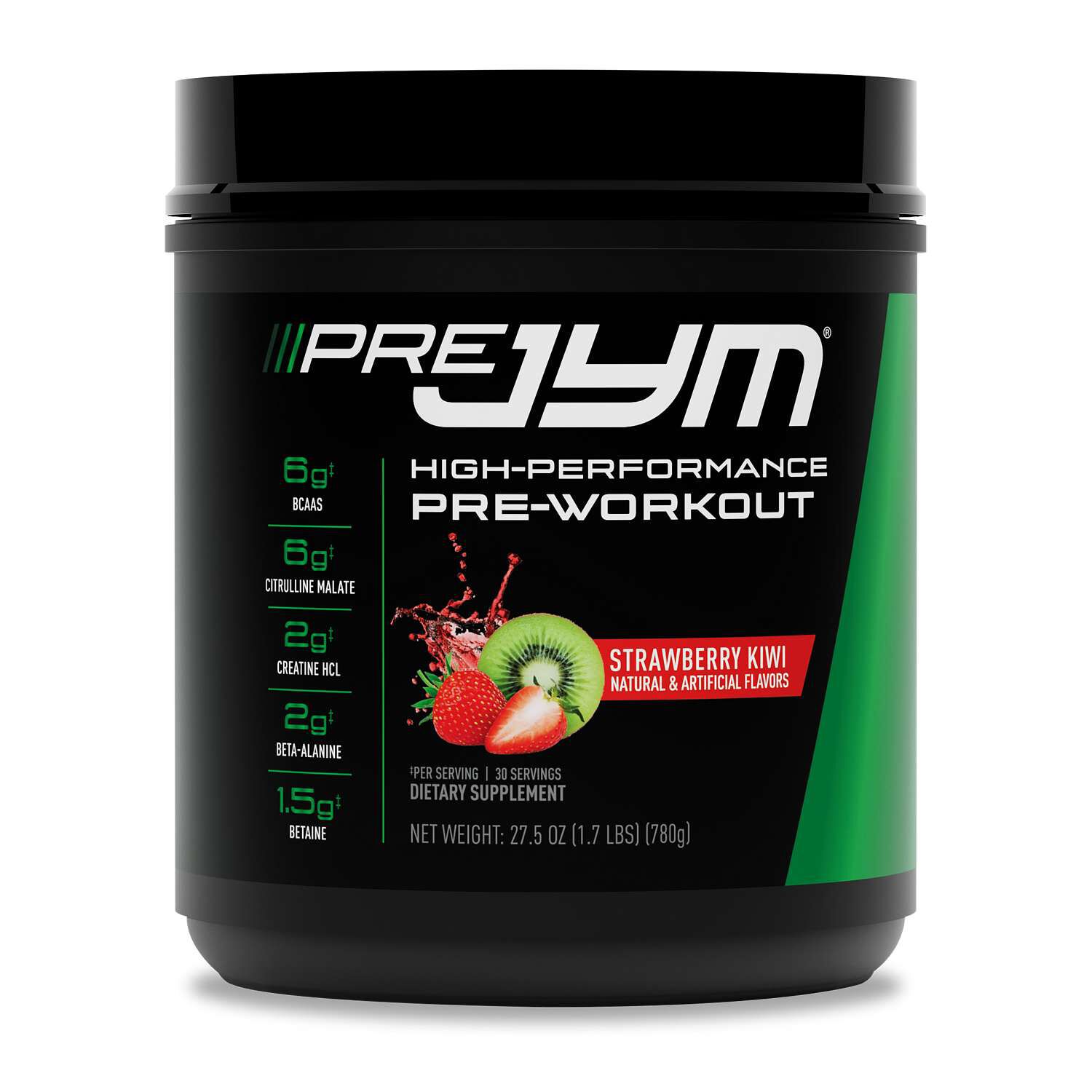
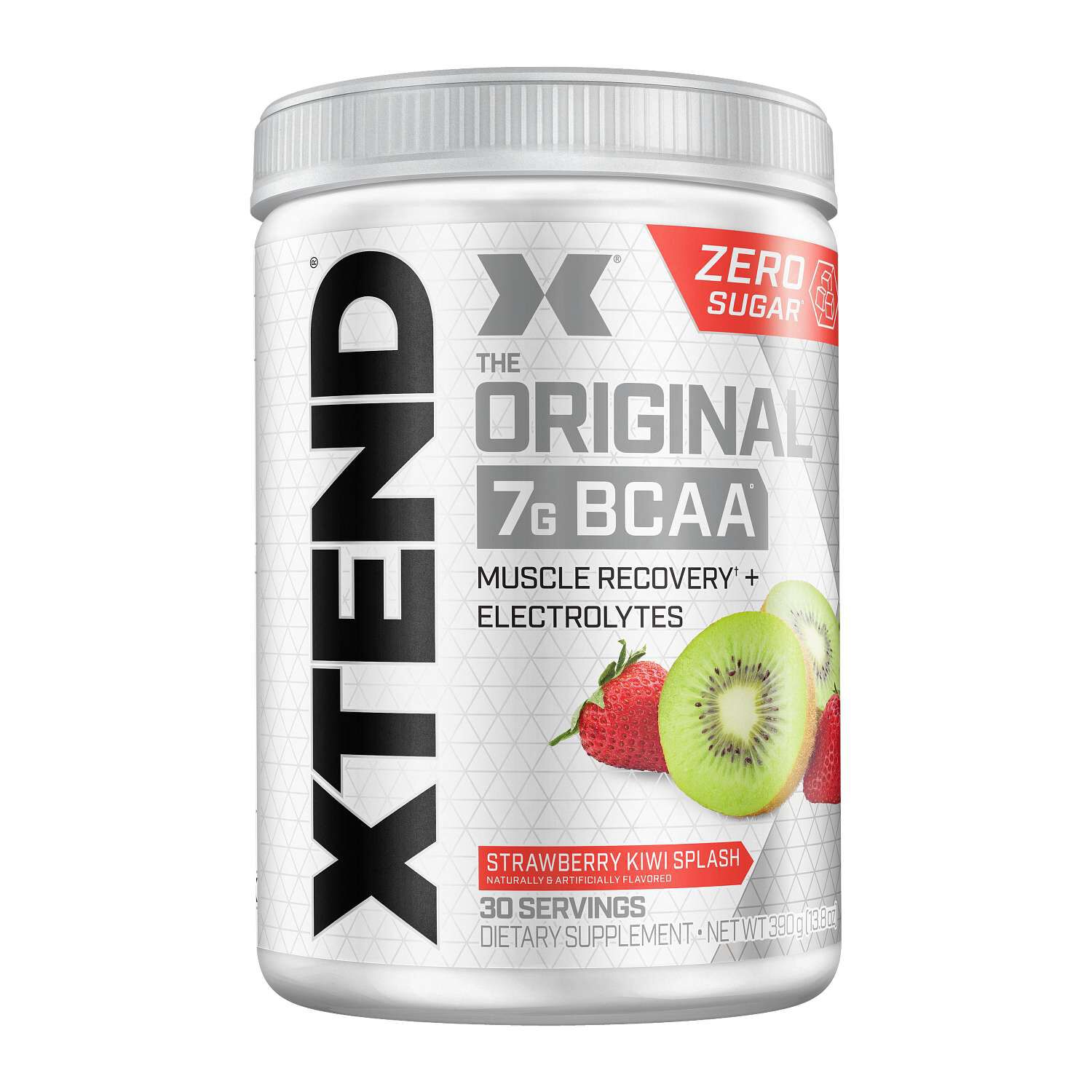
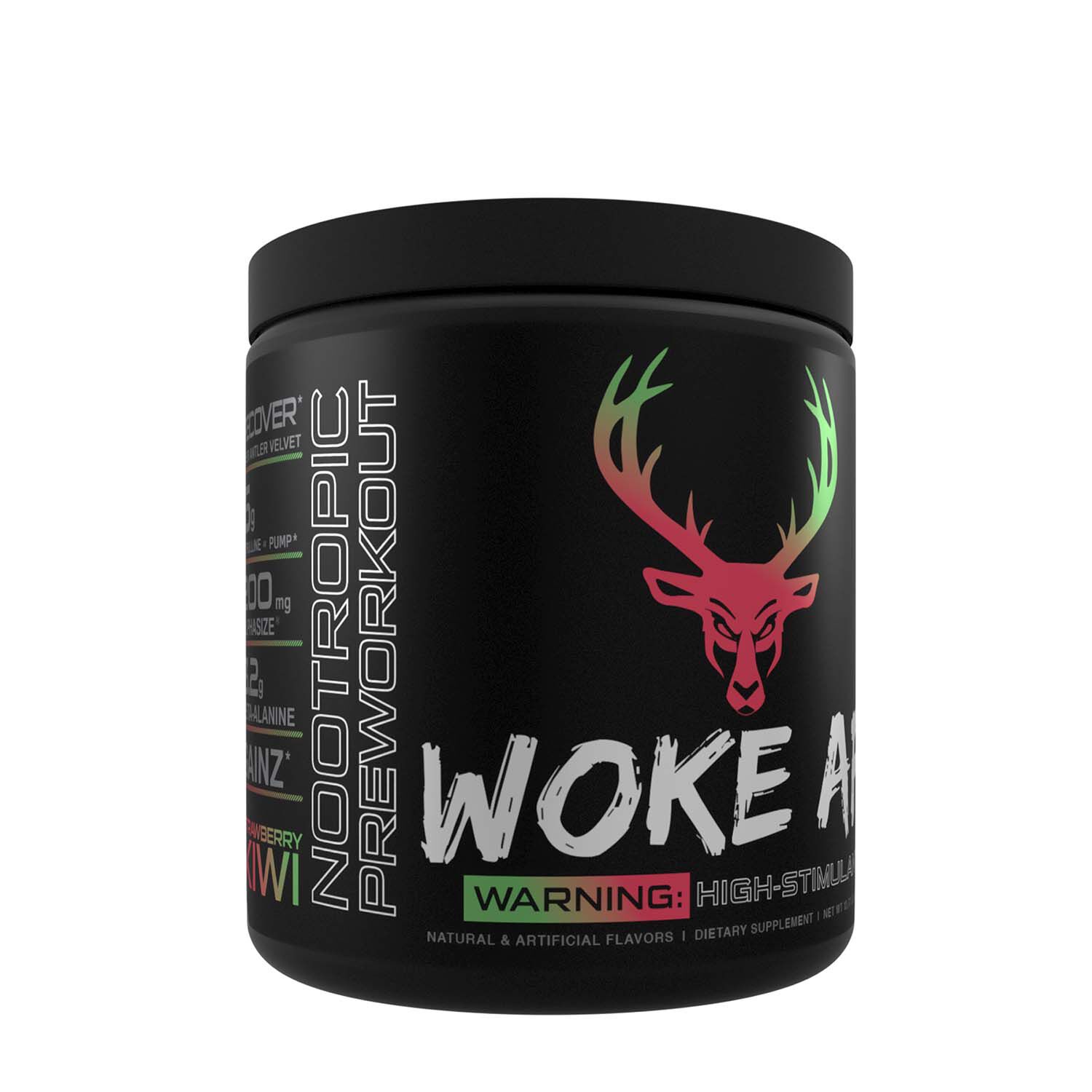
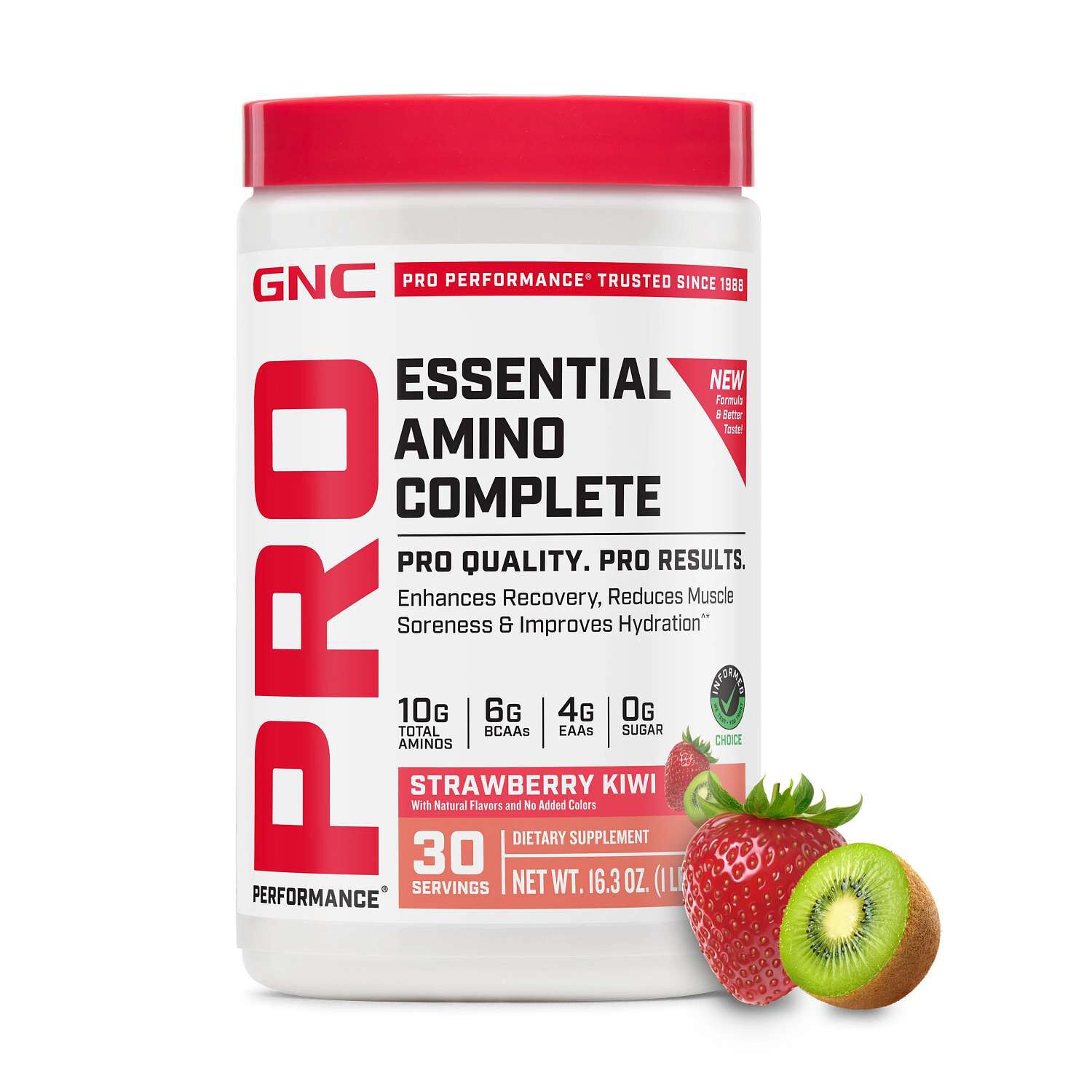
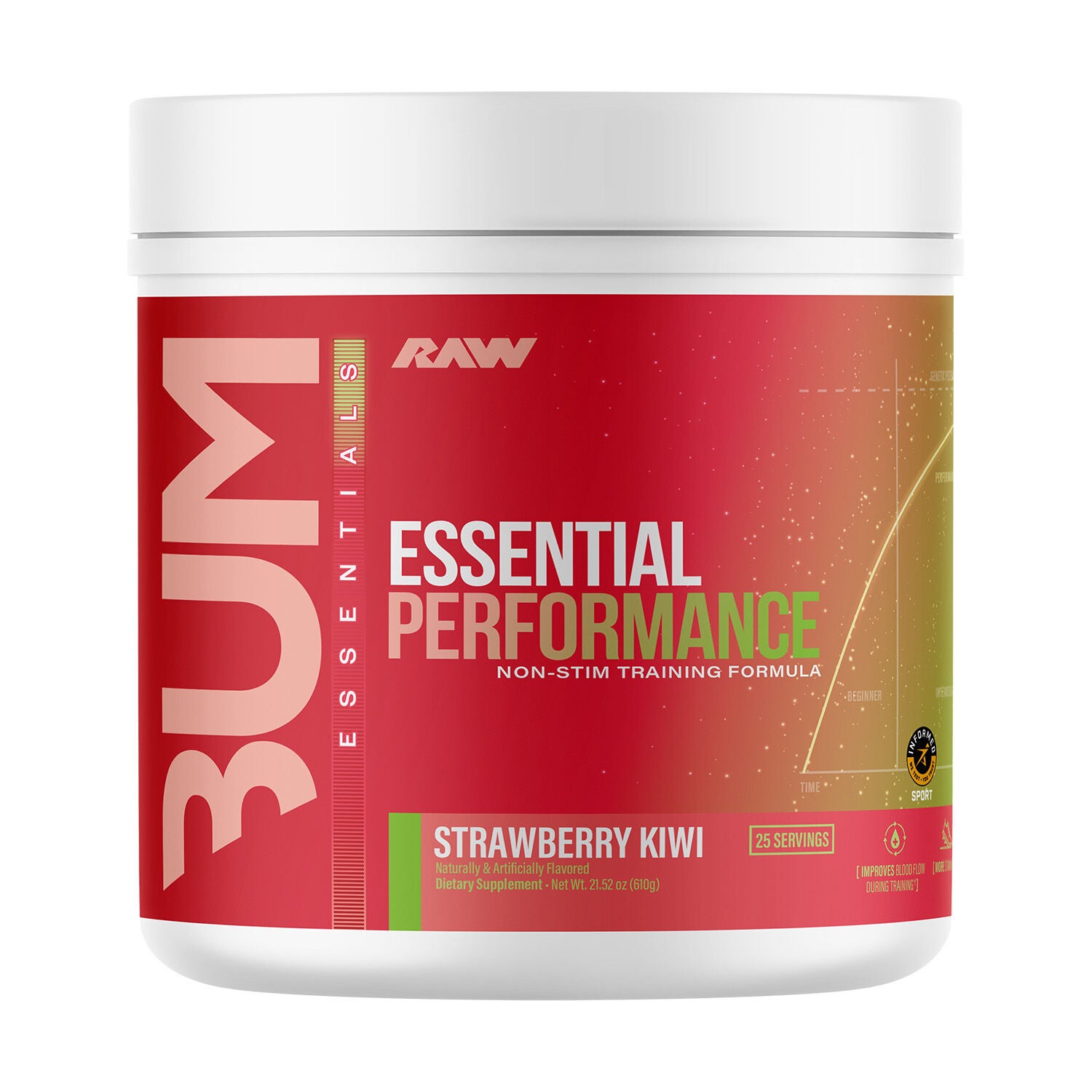

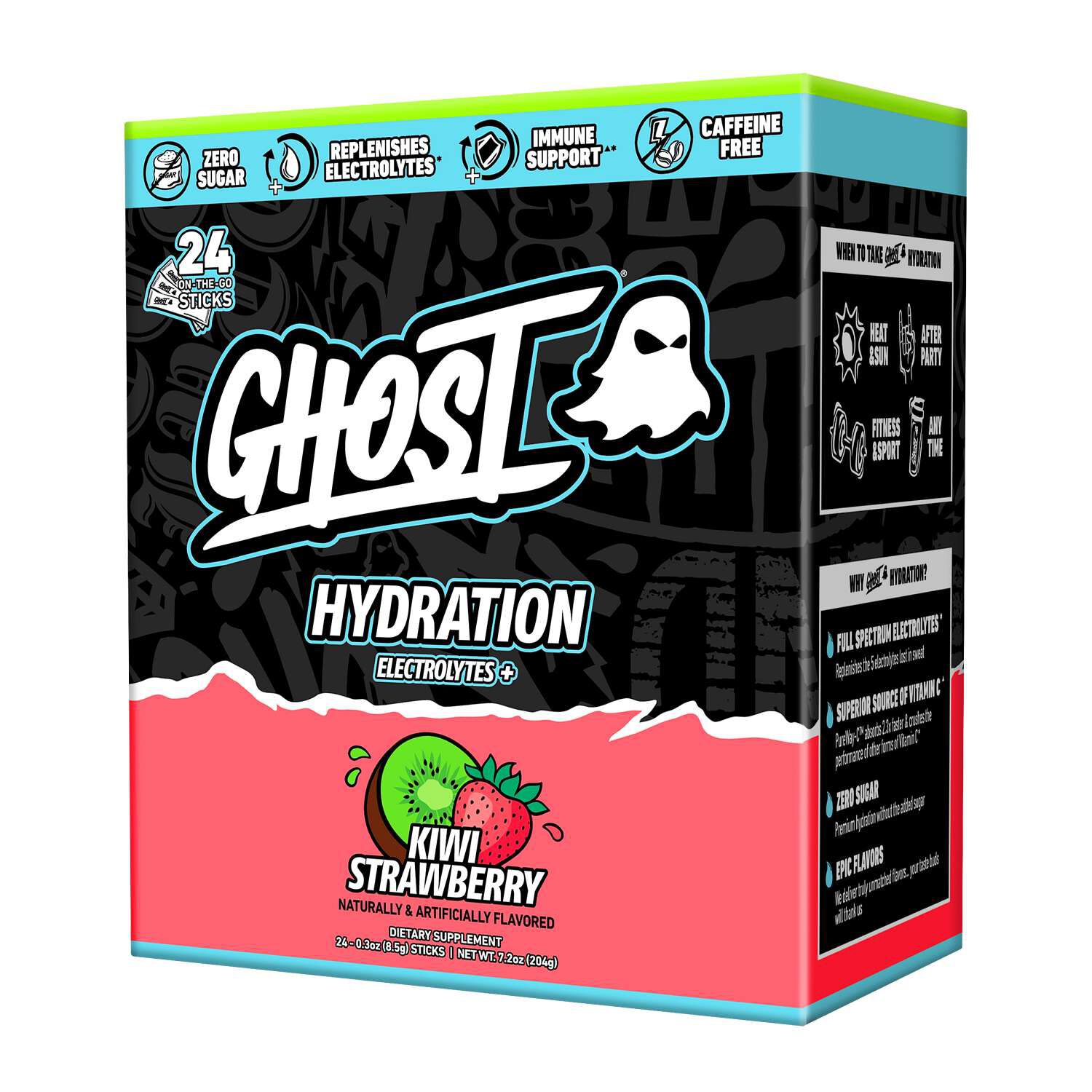


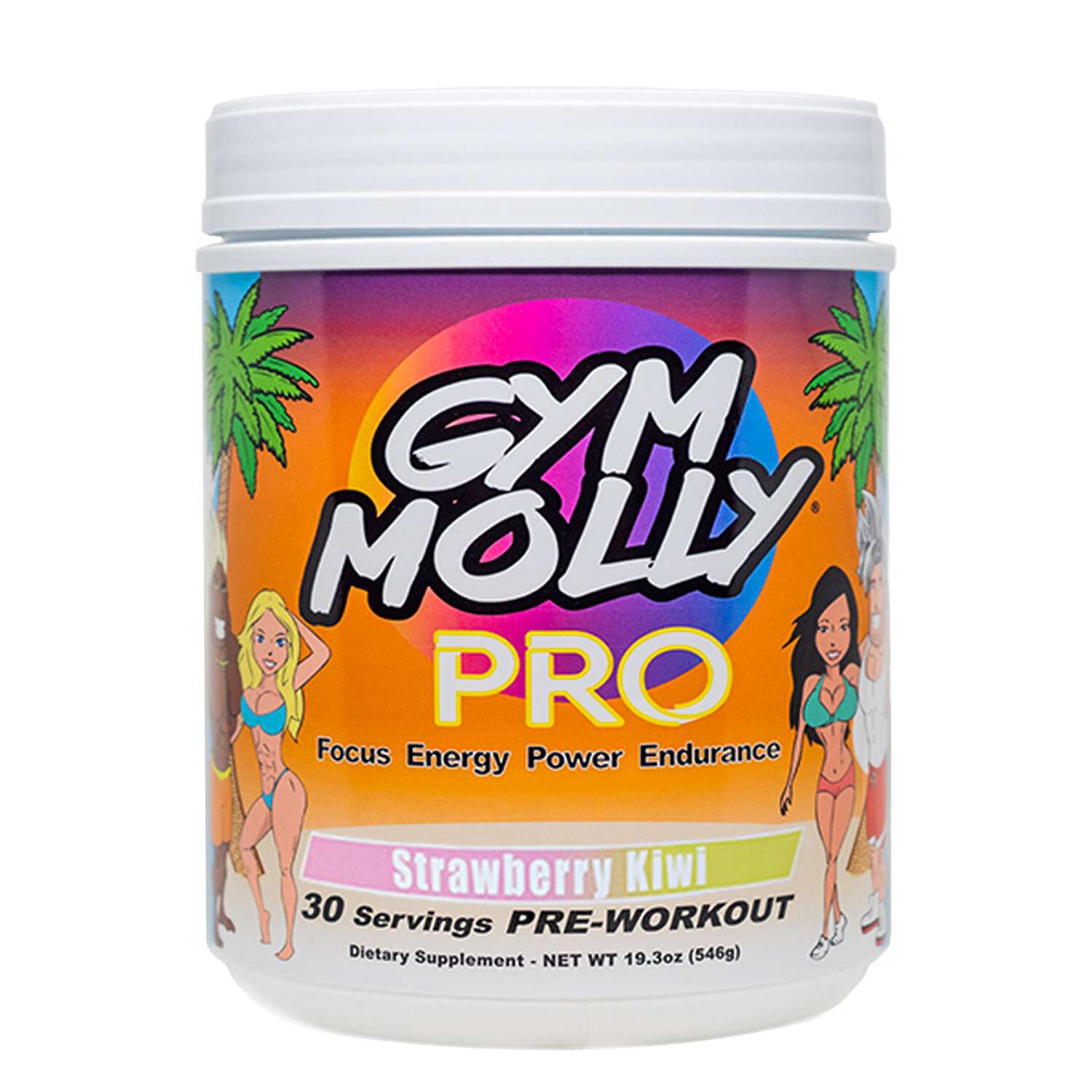

Strawberry kiwi vitamin powders bring a familiar fruit pairing to a mixable supplement format, combining the flavor of strawberry with kiwi’s tangy character. The category centers on powdered vitamin formulas designed for preparation according to their package directions, rather than ready-to-drink beverages or chewable supplements. Within that format, the balance of sweetness and tartness varies: some flavor profiles lean toward ripe strawberry, while others put more emphasis on a sharper kiwi finish. The name describes a flavor direction, not a standardized recipe, so it does not establish how much fruit a formula contains or which vitamins appear in its ingredient list. Fruit powders, flavoring ingredients, sweeteners, and coloring ingredients are separate details worth distinguishing on the label. Vitamin content varies as well, with formulas differing in the nutrients included, their amounts per serving, and the number of scoops or packets that make up a serving. Some focus on a narrower selection of vitamins; others combine several vitamins with minerals or additional ingredients. Those differences matter more to the nutritional comparison than the shared strawberry kiwi flavor. The Supplement Facts panel provides the serving information, while the ingredient list gives a fuller picture of the formula beyond its listed vitamins and minerals. A fruit-forward name alone does not indicate whether a powder contains caffeine, added sugars, or a particular type of sweetener. For adults who prefer preparing a flavored drink to taking another capsule or tablet, this format offers a different way to incorporate a supplement into an established routine. The practical fit depends on the preparation steps, serving directions, and ingredient preferences involved. A powder kept beside a breakfast glass has a different place in the day than packets carried in a work bag, even when both share the same flavor pairing. That combination of taste, format, and label detail gives strawberry kiwi vitamin powders their character as a category, without making every formula interchangeable.
Preparation is another meaningful part of the experience, especially for shoppers accustomed to bottled drinks. A tub generally involves measuring a portion, while a packet contains a predetermined quantity; the label establishes whether that quantity equals one serving. The stated amount of liquid matters because it shapes the intended concentration of the prepared drink. At that dilution, a strawberry kiwi profile may come across as lightly fruity, distinctly tart, or noticeably sweet, depending on the recipe. Texture also differs among powders. Some mixtures may look clear, while others may appear cloudy or leave a small amount of sediment after standing. Appearance alone does not establish vitamin content, and dissolving behavior is a separate characteristic from the nutrients listed on the package. Preparation directions indicate whether stirring, shaking, or another method is appropriate. A drinking glass and spoon suit one kind of setup; a securely closing mixing bottle suits another, particularly when the drink is prepared away from the kitchen. Any mixing vessel needs enough room for the directed liquid and the preparation method. Other ingredients in a smoothie or blended drink introduce their own flavor and texture, so uses beyond the labeled preparation depend on the directions for the particular formula. Storage deserves similar attention. Powder packaging is designed around keeping the contents contained between servings, whether through a resealable pouch, a closing lid, or individually sealed packets. A dry measuring utensil, a properly closed container, and storage consistent with the package instructions are straightforward considerations for keeping the powder in its intended condition. Moisture entering an opened container may cause clumping or make accurate measuring more difficult. The printed date and any directions for handling an opened package remain relevant even when the container still looks tidy on a shelf. For someone carrying a packet between home and the office, intact packaging and readable directions matter just as much as portability. These practical details are part of choosing a powder that fits the setting where it will actually be prepared.
Strawberry kiwi also appears across other drink-powder categories, making the distinction between flavor and intended use especially useful. Vitamin powders are identified by their vitamin content and labeled supplement use, while neighboring categories may have a different nutritional focus. Shoppers interested in the same fruit pairing in an electrolyte-oriented format can explore Strawberry Kiwi Flavored Hydration Powders, with the understanding that shared flavor wording does not make the formulas equivalent. A vitamin powder may include electrolytes, and an electrolyte-oriented powder may include vitamins, but the actual overlap depends on the label rather than the category name. Comparisons are clearest when serving sizes, preparation volumes, nutrient amounts, and additional ingredients are considered together. The physical size of a scoop or packet does not, by itself, communicate how much of a vitamin it contains. Similarly, a more intense fruit flavor does not indicate a greater vitamin concentration. For everyday use, packaging preferences often come down to familiar details: space beside the coffee mugs, access to a measuring utensil, room in a lunch bag, or the convenience of keeping preparation supplies together. Adults who already enjoy berry-and-citrus-style drink flavors may find strawberry kiwi an appealing variation, although kiwi brings its own tart character rather than a citrus ingredient by definition. Others may prefer the contrast between a sweet strawberry note and a brisker finish over a single-fruit profile. Flavor preferences are personal, and descriptions such as sweet, tangy, or mellow offer context rather than an exact prediction of taste. When considering a powder for someone else, familiarity with that person’s ingredient preferences and supplement routine is more useful than flavor preference alone. Across the category, the most meaningful distinctions remain concrete: what the formula contains, how a serving is measured, how it is prepared, and how the packaging fits its intended use. Strawberry kiwi supplies the flavor theme; those details distinguish one type of vitamin powder from another.


