Stress Relief Supplements For Athletes
(0 Results)
Stress relief supplements for athletes may offer support during intense training and competition. Navigating demanding workouts and busy schedules could leave athletes searching for ways to unwind and recharge. With a variety of options available, stress relief supplements for athletes might help promote relaxation and overall well-being, so you can stay focused on reaching your performance goals.
-
 $7.99
-
-
 $23.99
-

-
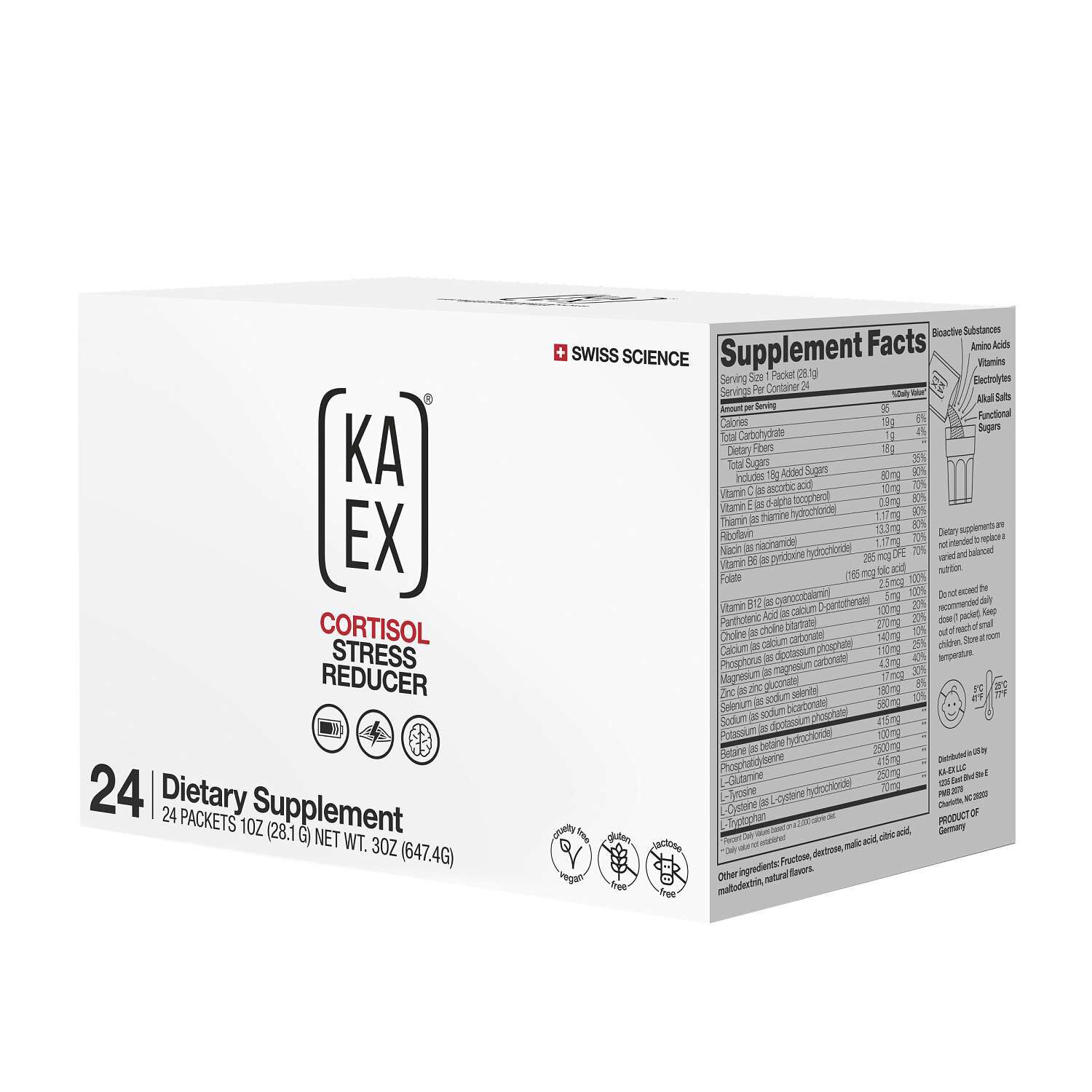 $49.99
-
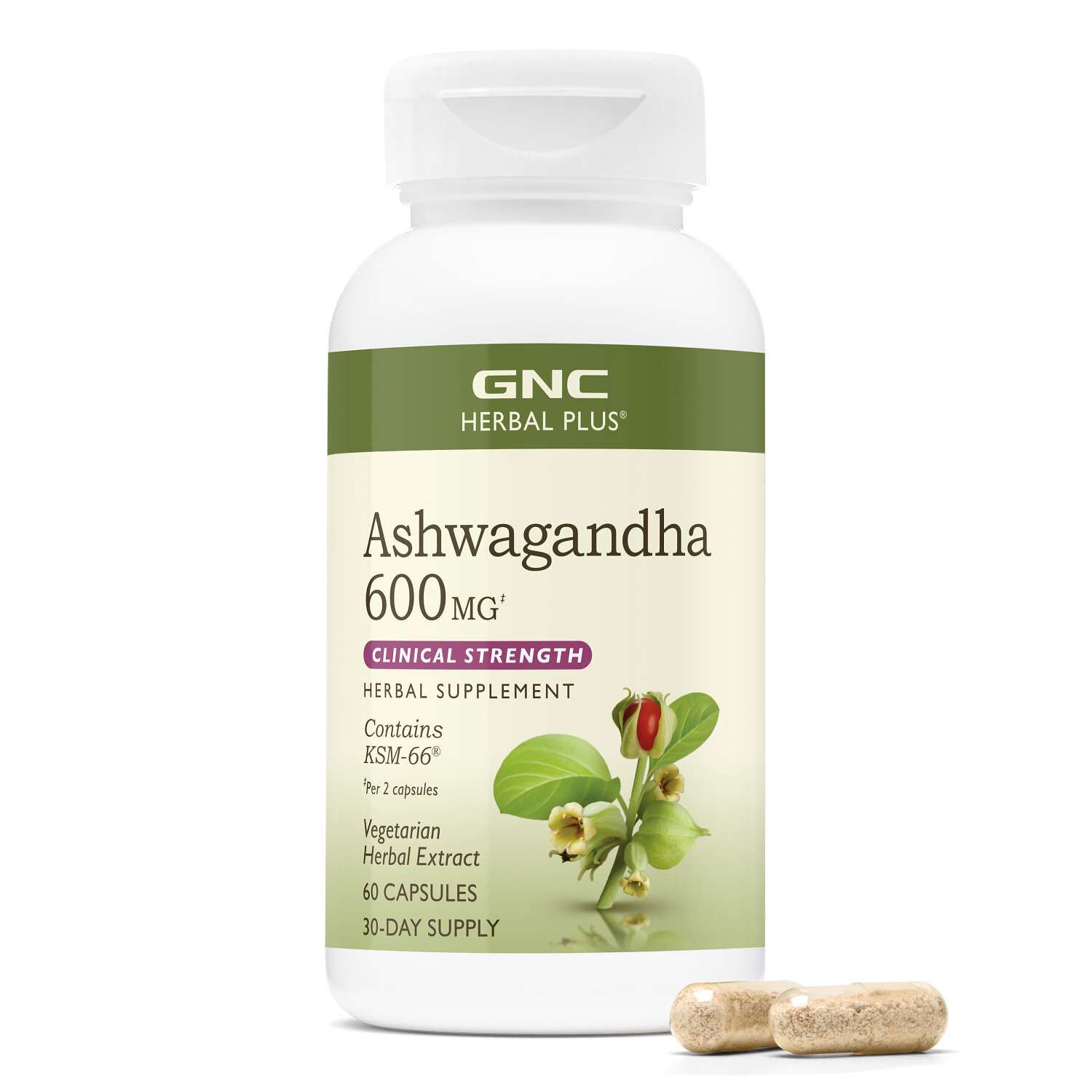
-
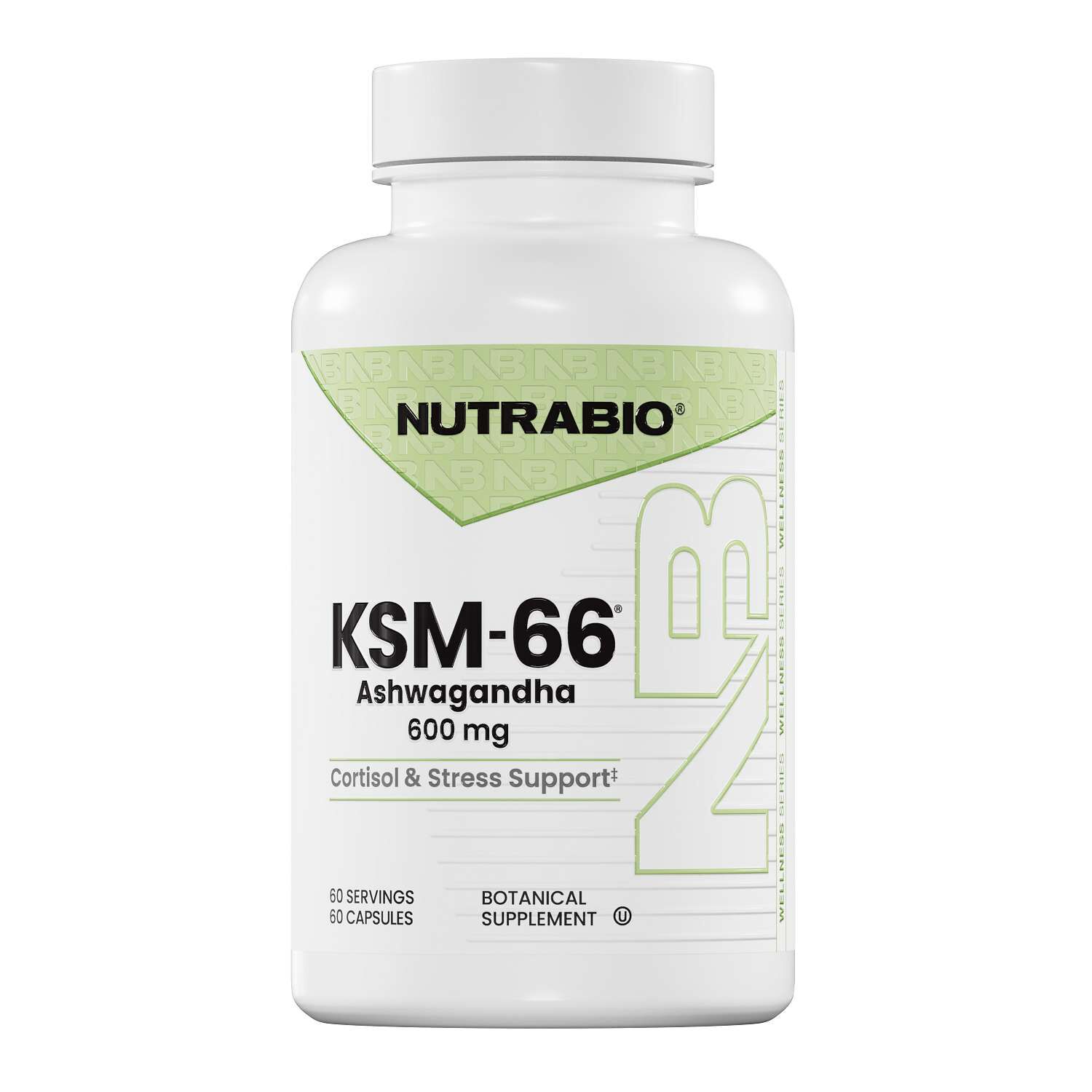
-

-
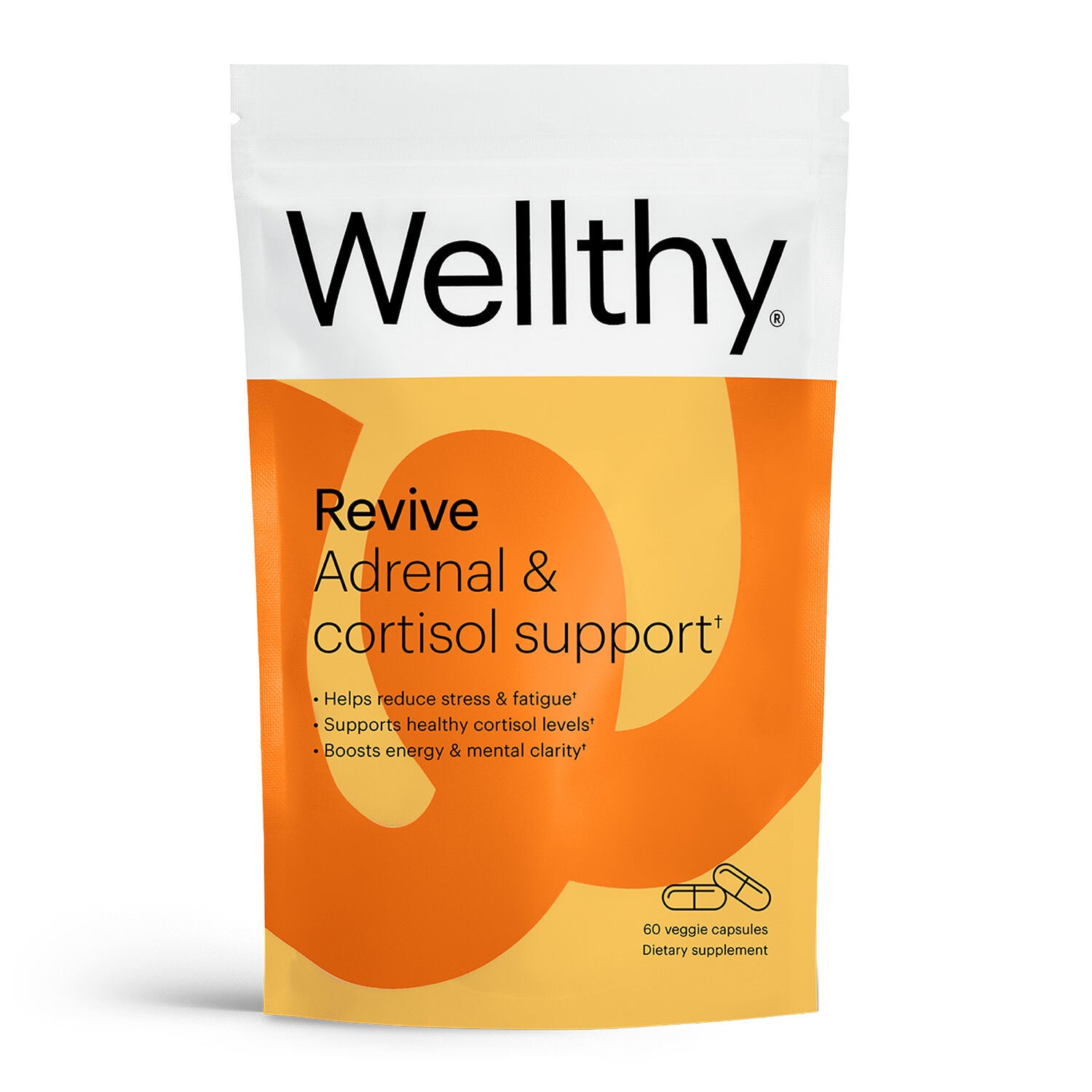
-
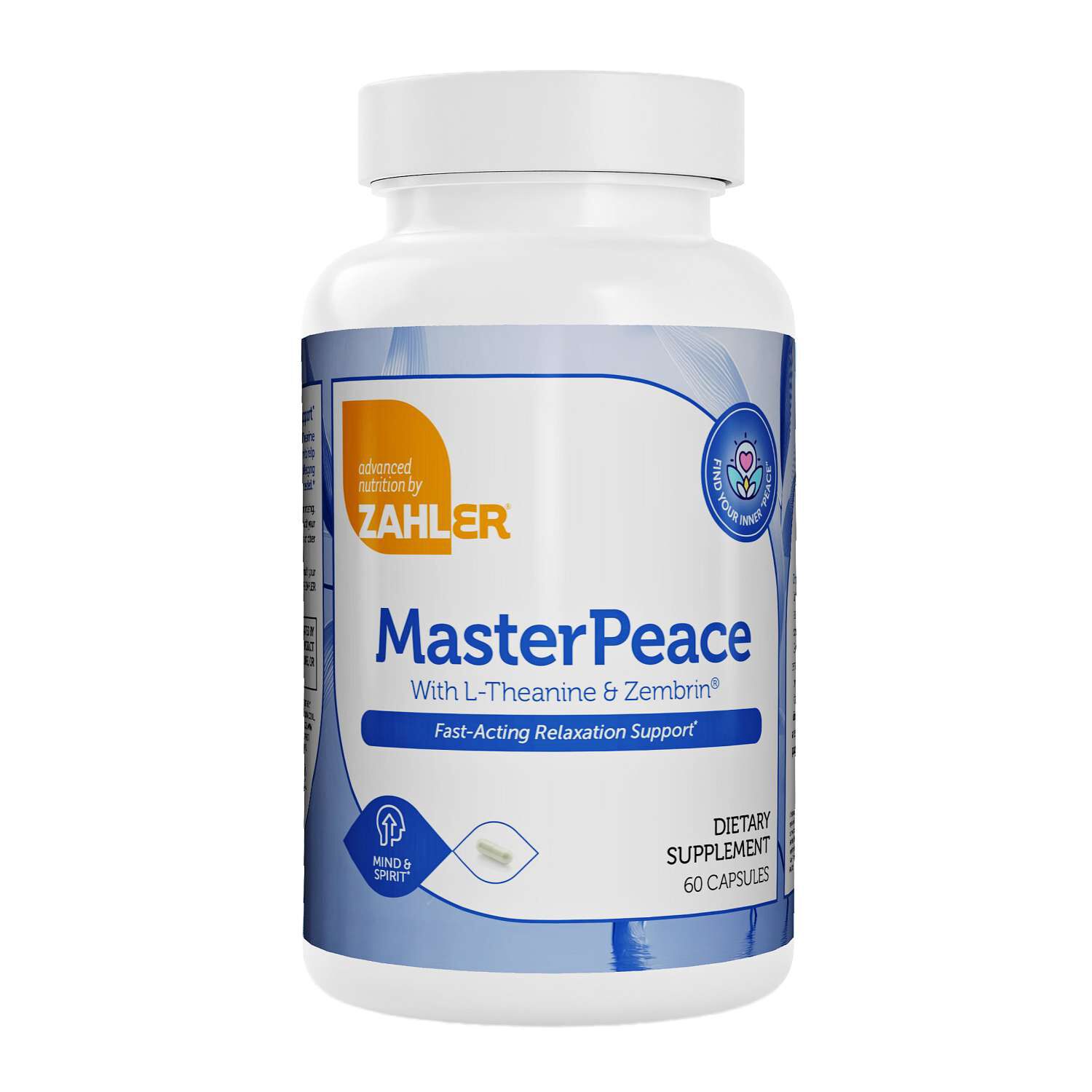 $49.99
-

-
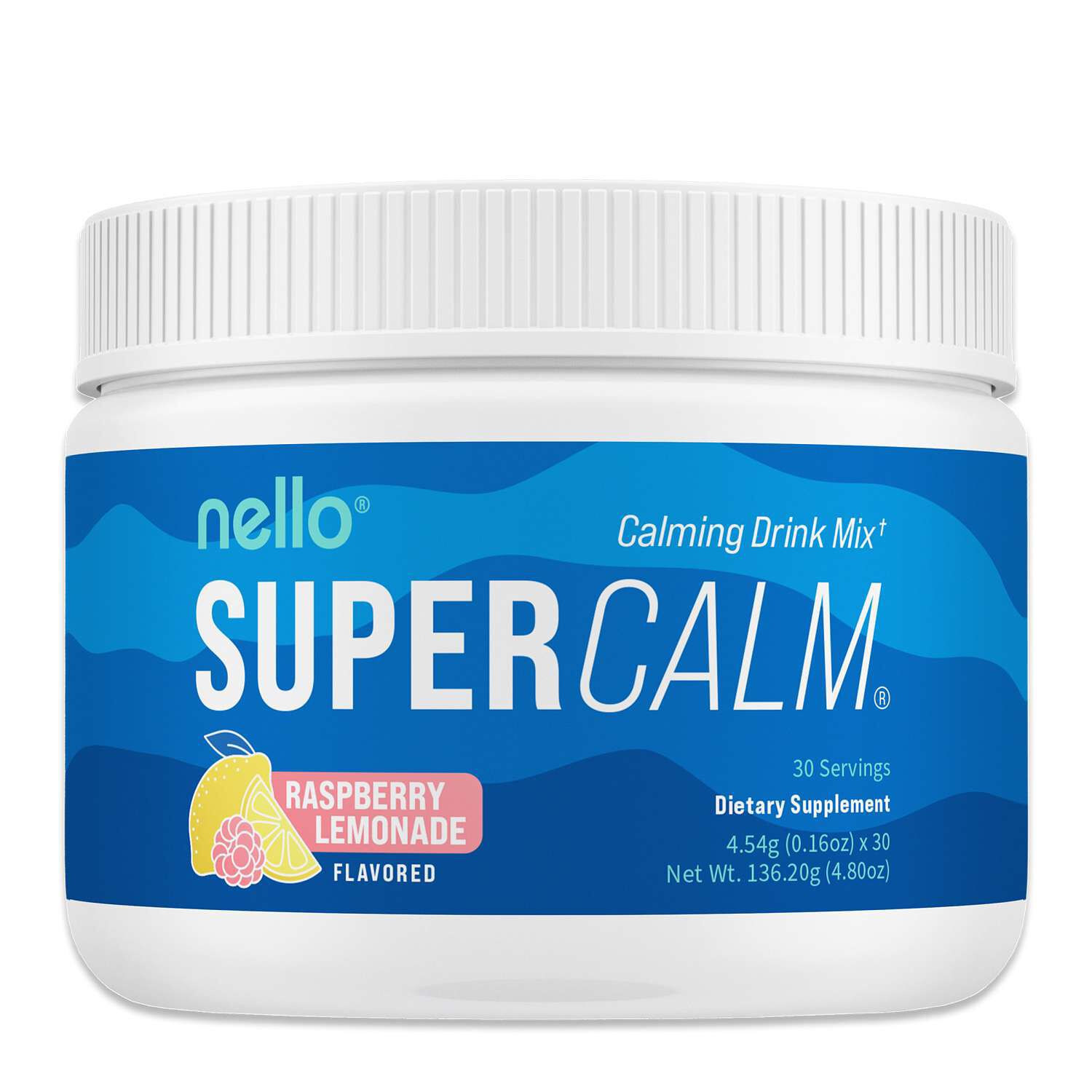
-

-
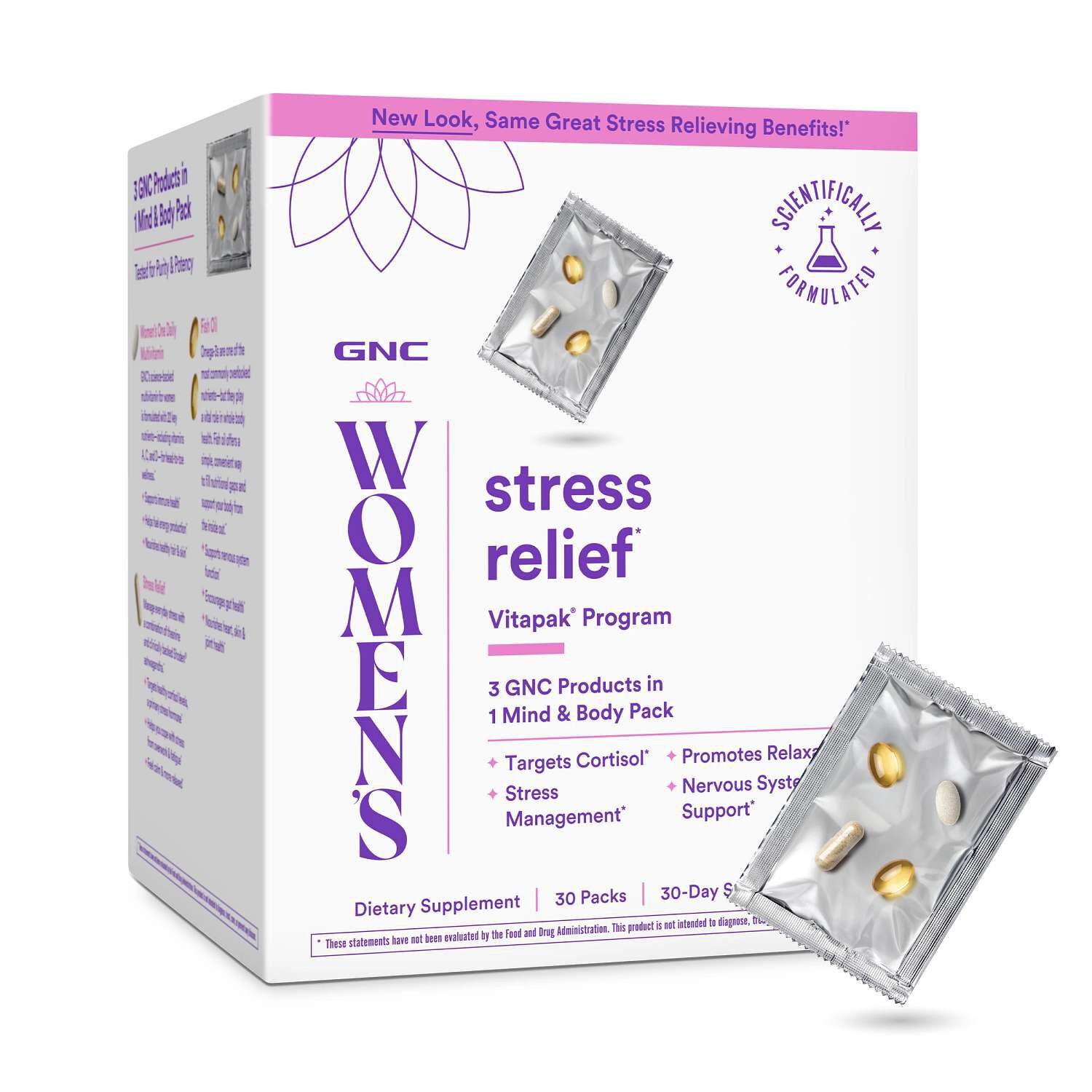
-
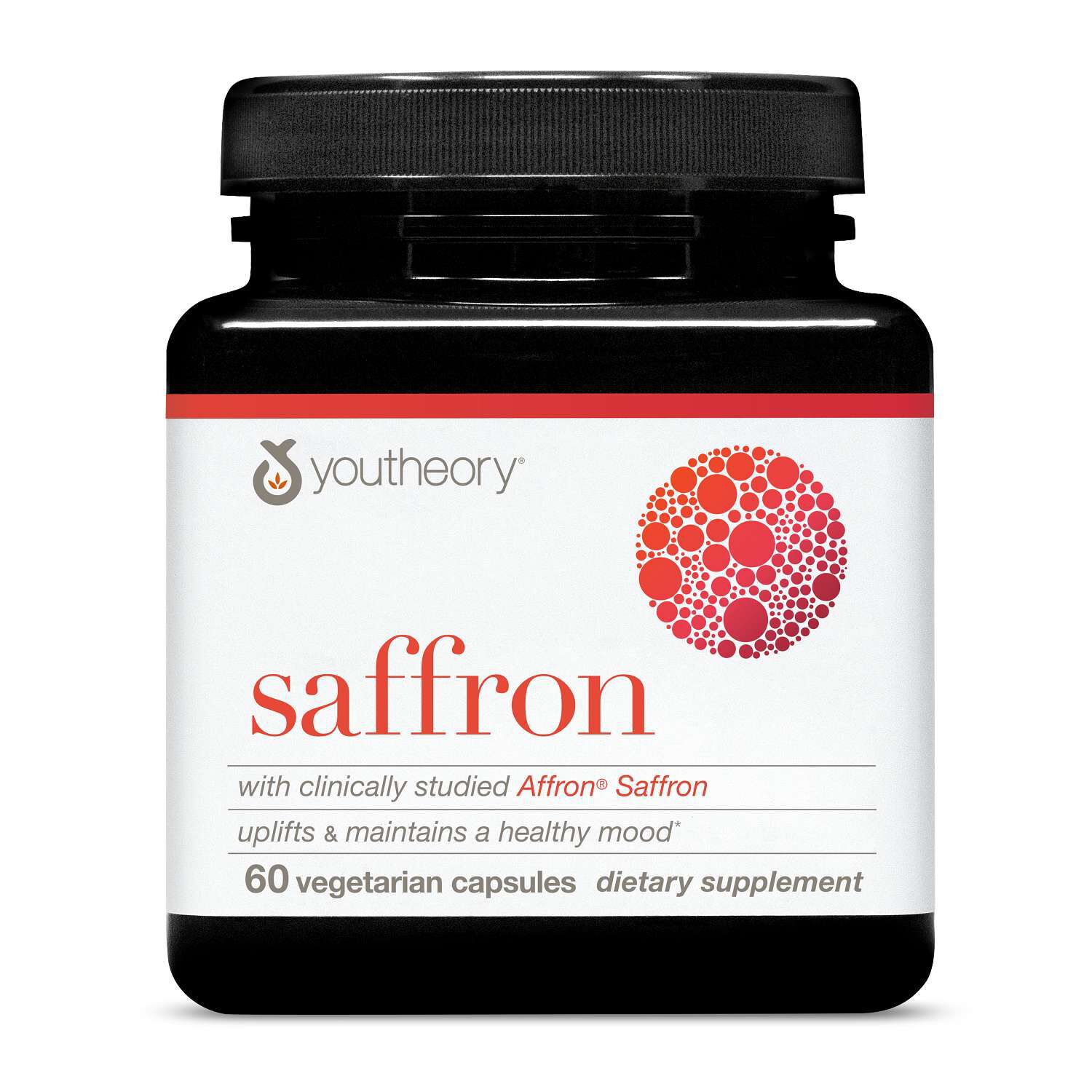 $32.99
-
 $39.99
-
 $39.99
-
 Sprayology$38.99
-
-
-

-
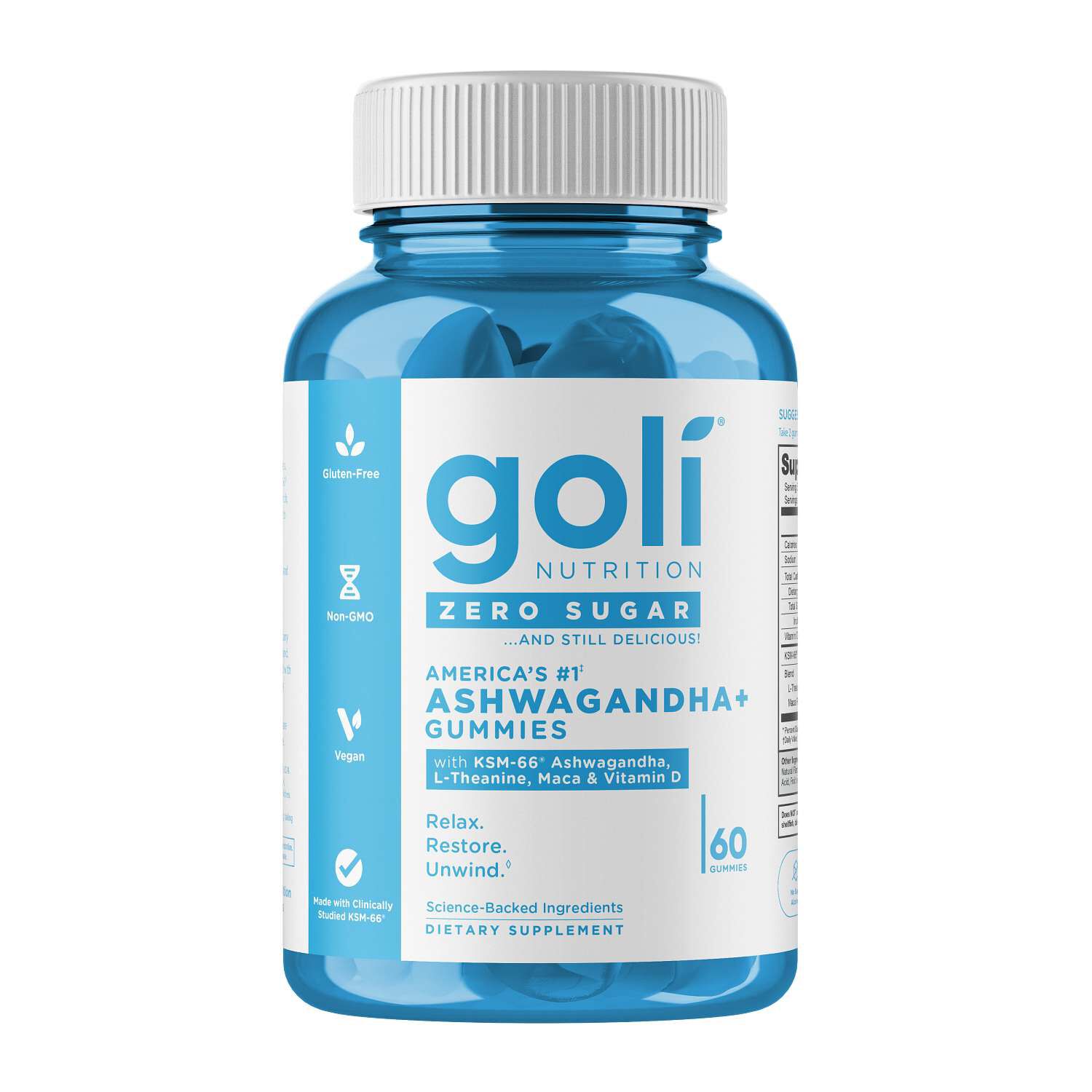 Goli Nutrition$18.99
-
-
 $16.99
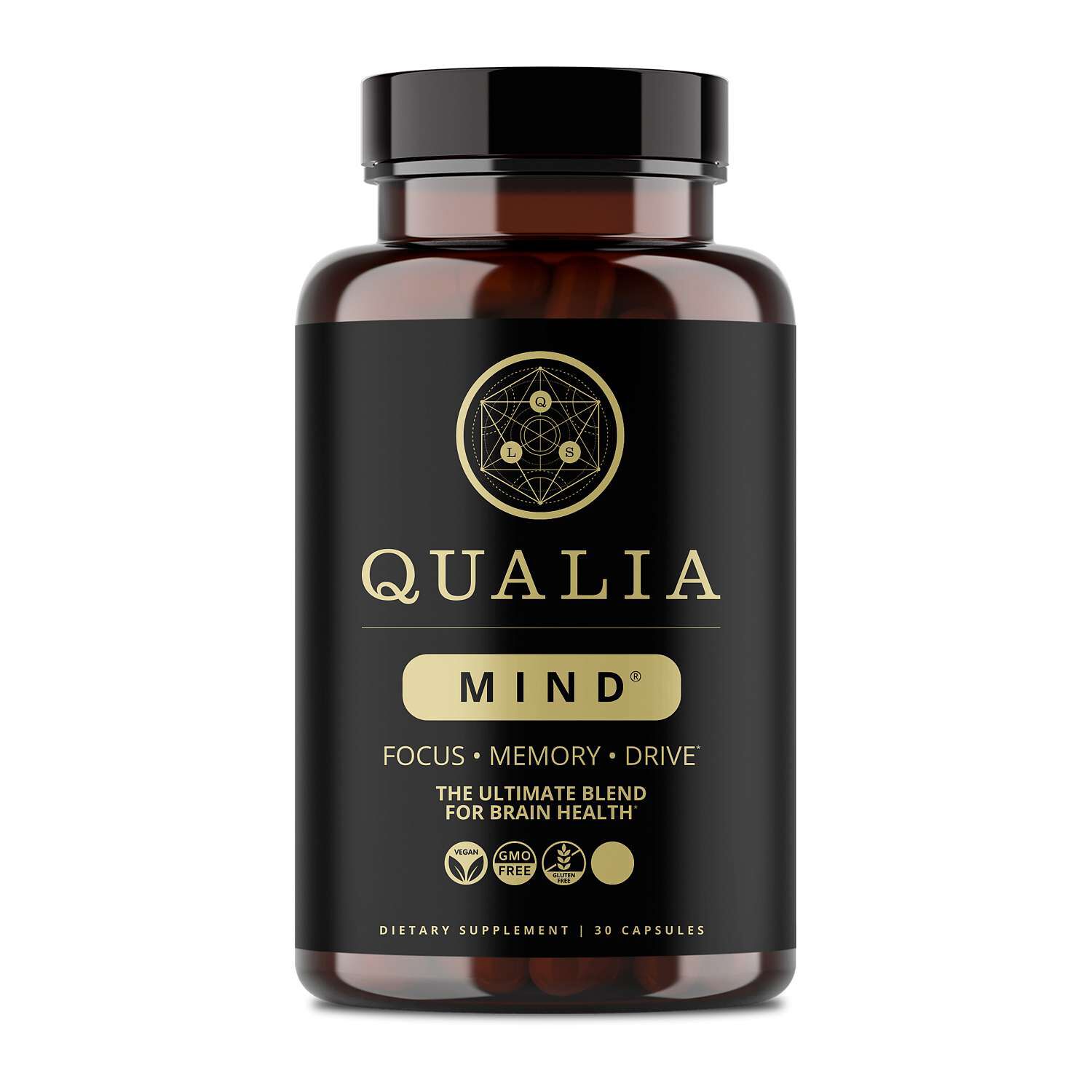
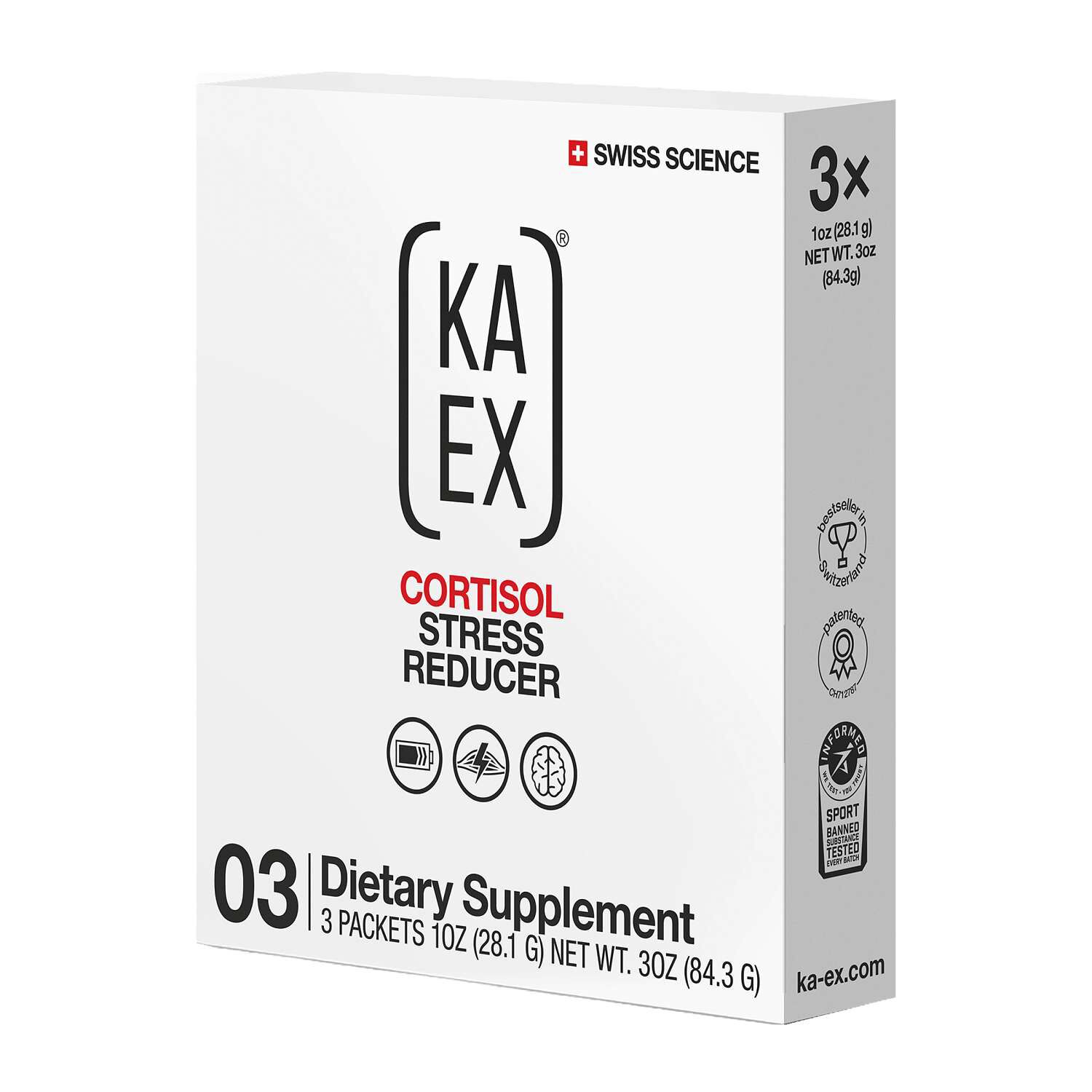
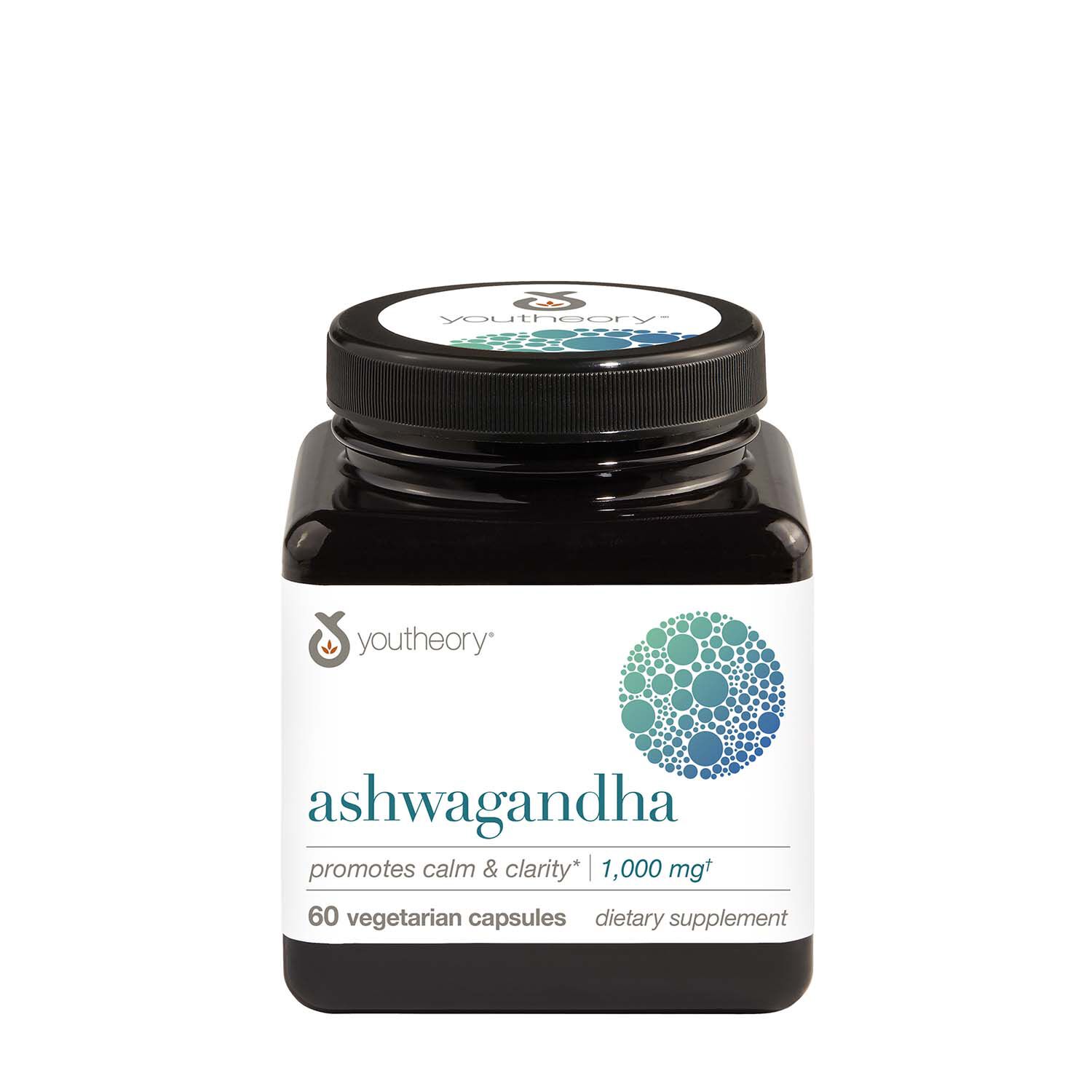
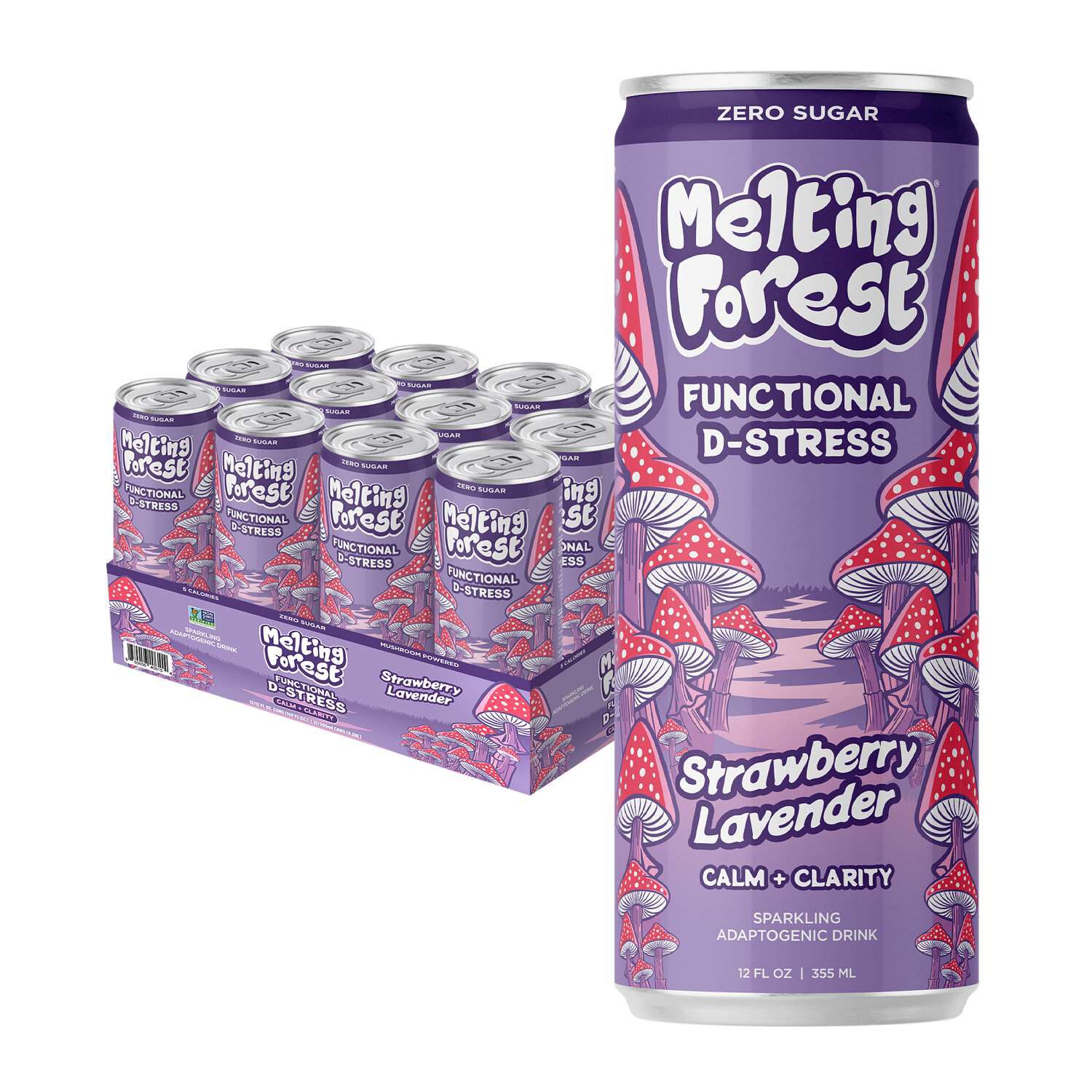
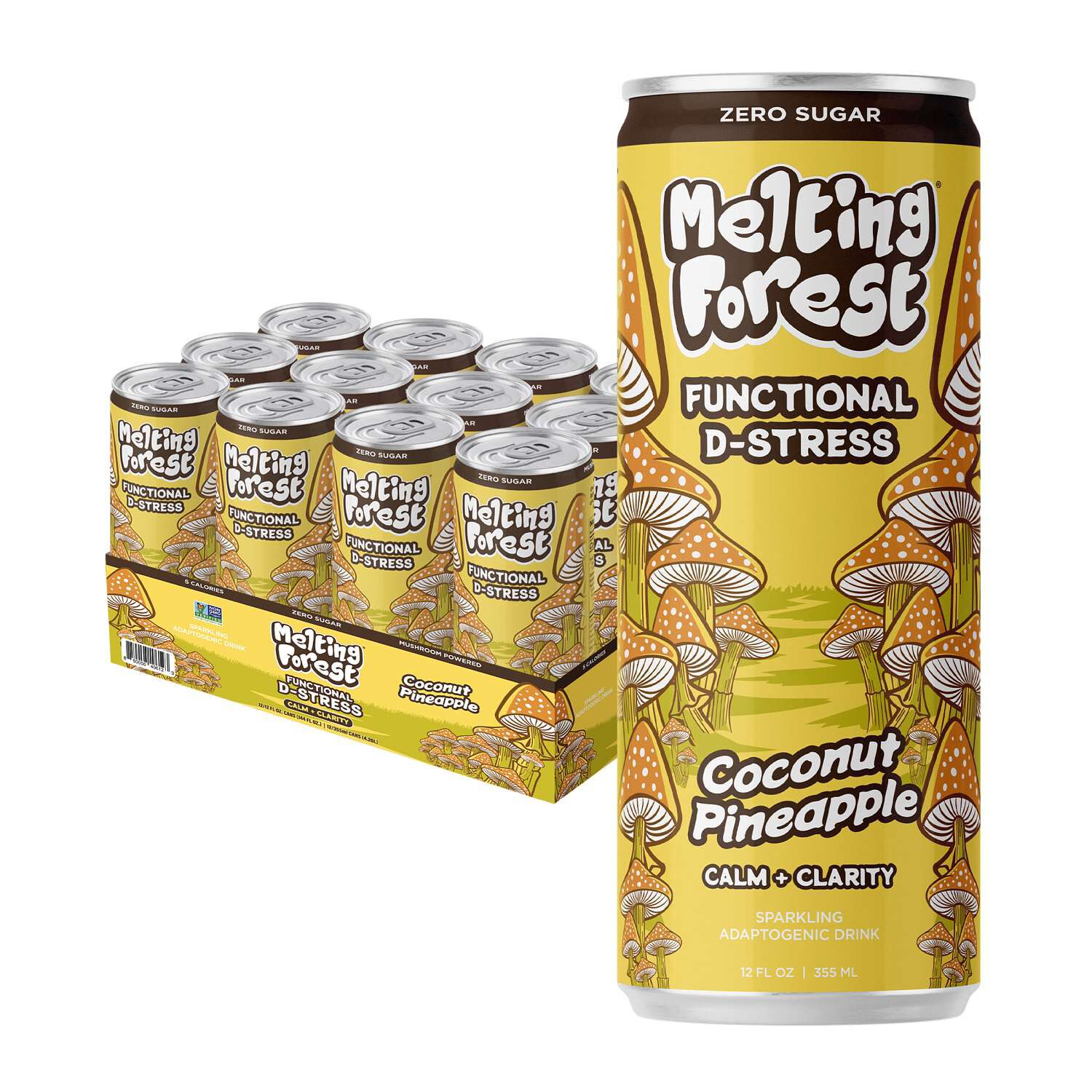
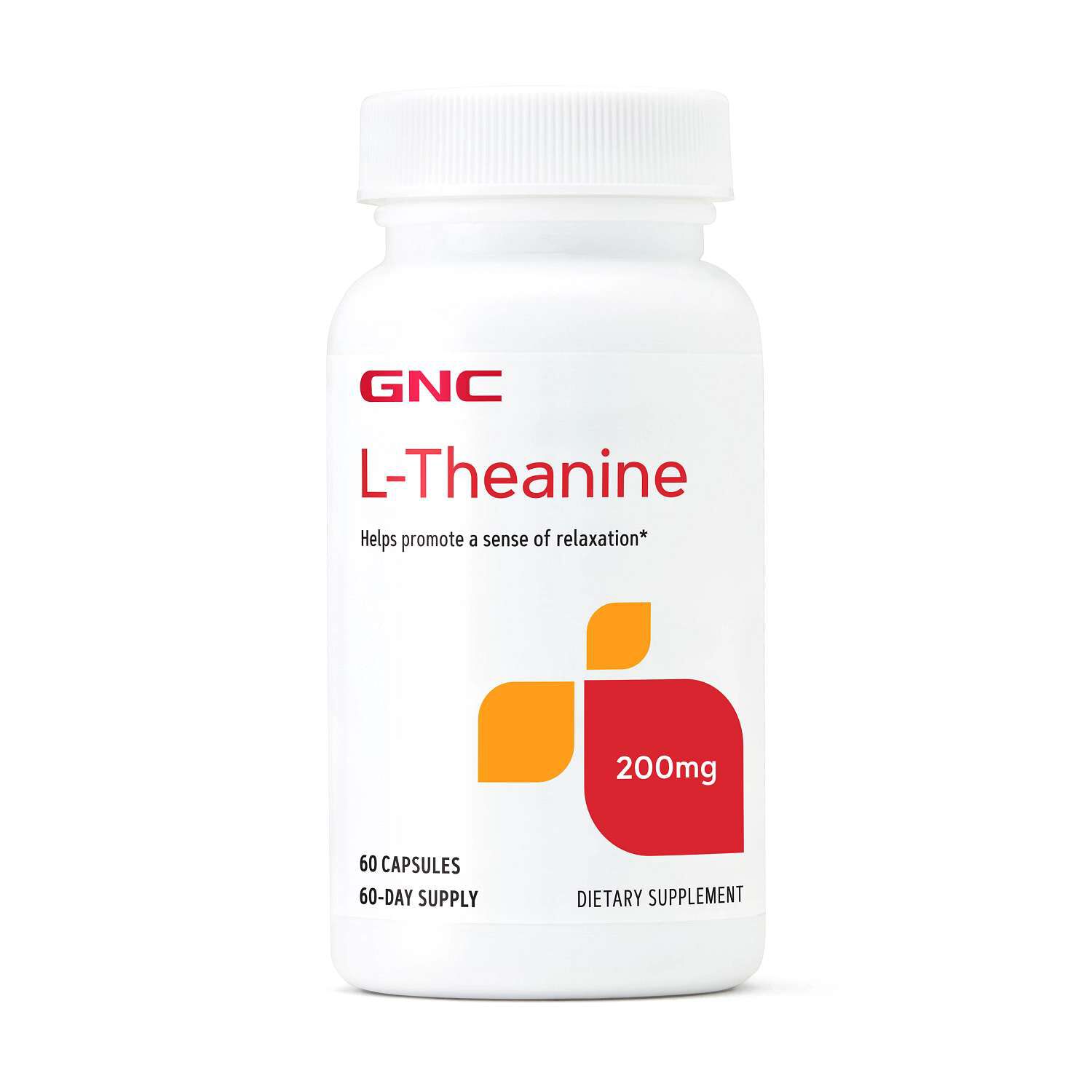
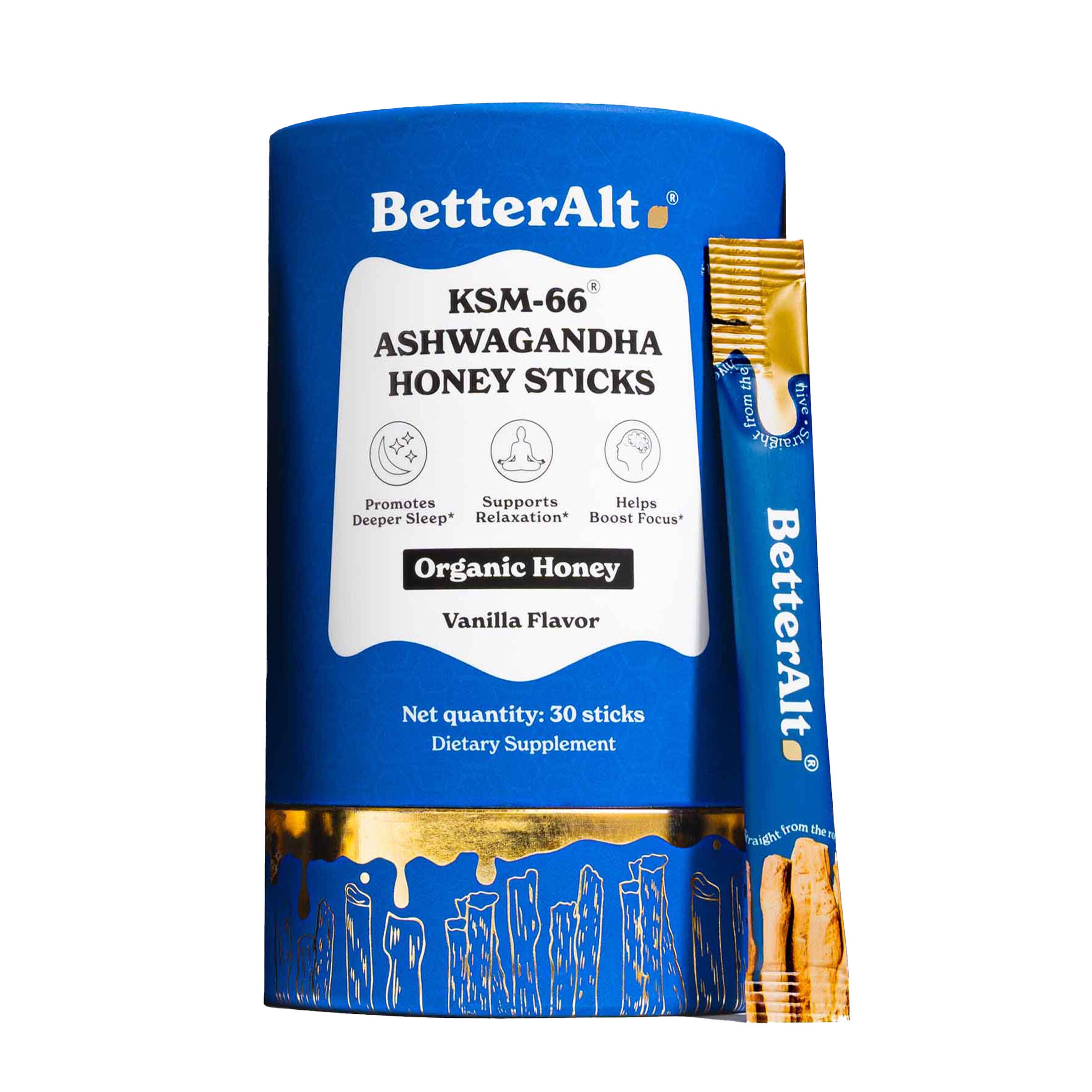
Stress relief supplements for athletes are wellness products intended for people balancing training, competition, and the demands of everyday life. A demanding schedule can include much more than time in the gym: an early swim session, a full workday, an evening practice, and travel for a weekend event can all compete for attention. For recreational runners, strength athletes, cyclists, and team-sport participants, this category offers options that may support relaxation or a sense of calm alongside established daily habits. Ingredients commonly associated with stress relief supplements include ashwagandha, magnesium, and L-theanine, while omega-3 fatty acids also appear in broader athlete wellness routines. Ashwagandha is a botanical ingredient typically supplied as a root powder or extract. Magnesium is a mineral offered in several forms, including glycinate and citrate, and L-theanine is an amino acid found naturally in tea. Omega-3 supplements contain dietary fats commonly sourced from fish or algae. These ingredients are distinct, so products containing them are not interchangeable simply because they share a similar intended use. Depending on their formulation, supplements in this category may support a relaxed mindset during the transition from a busy day to personal downtime. That context matters for athletes whose schedules leave little room between a final training session and the next responsibility. A runner logging miles before work may prefer a straightforward formula that fits an existing routine, while a recreational lifter may be interested in a format suited to evenings at home. Someone preparing for a competition may place greater emphasis on ingredient transparency and sport-specific testing. Stress relief supplements belong within that wider picture rather than serving as a replacement for regular meals, hydration, rest, or time away from training. Their appeal is often practical: clearly identified ingredients, a manageable serving format, and an intended use that matches the shopper’s preferences. A familiar wellness routine can provide structure around an otherwise crowded calendar, without turning every quiet moment into another performance task. The most relevant choice is therefore not necessarily the most elaborate blend, but one with understandable labeling and a format the athlete is comfortable using.
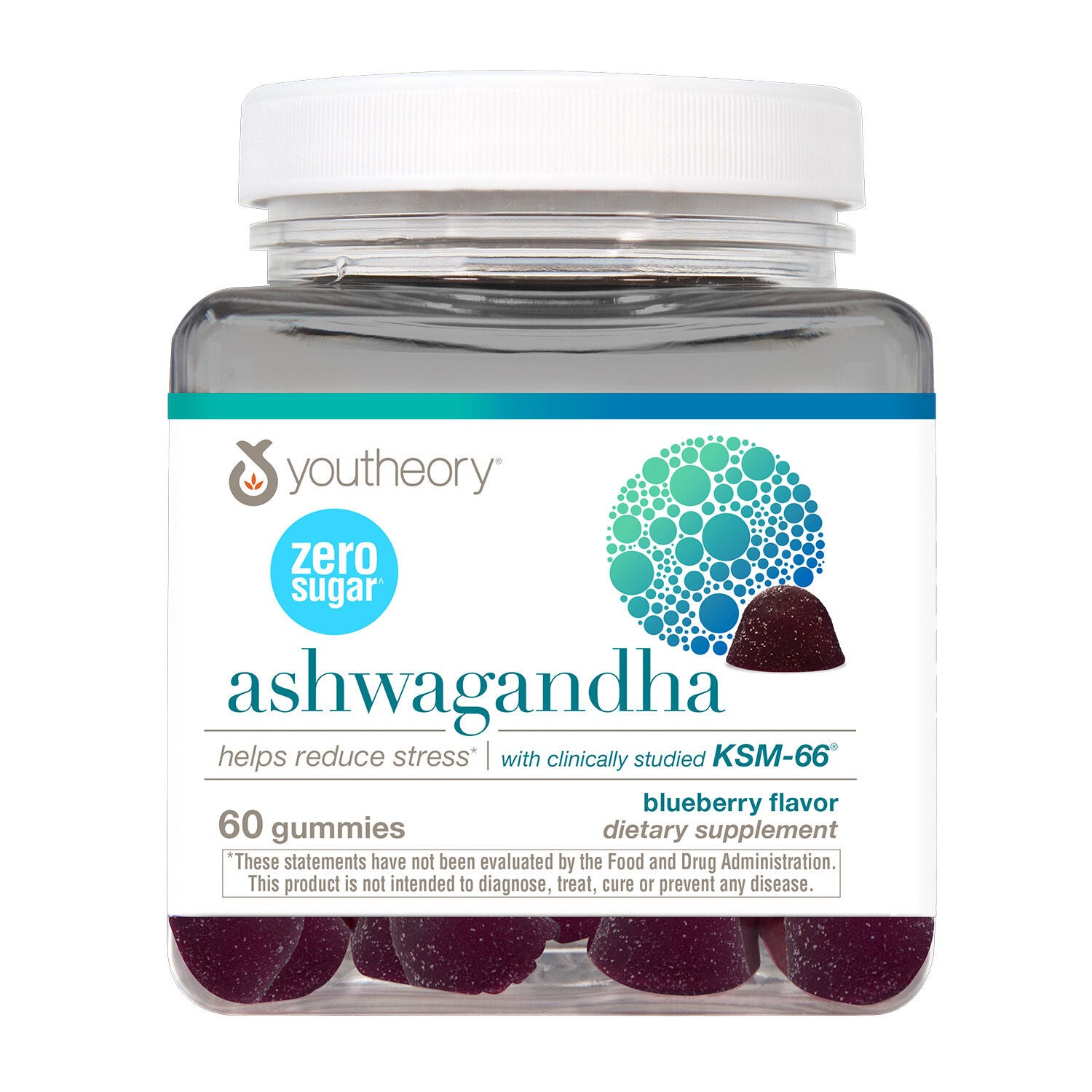
Differences between stress relief supplements for athletes extend beyond the ingredient names on the front of the package. A single-ingredient option provides a more focused label, while a blend brings several ingredients together in one serving. The supplement facts panel identifies serving size and ingredient amounts, making it possible to compare formulas on a consistent basis. For magnesium, the named mineral form and the magnesium amount per serving are separate details worth distinguishing. For botanical ingredients such as ashwagandha, the plant part, extract description, and any stated standardization provide context that a broad ingredient name alone cannot convey. L-theanine may appear by itself or alongside other ingredients, so the full label matters, especially when an athlete prefers to keep caffeine separate from a relaxation-focused routine. With omega-3 supplements, source information and the listed amounts of individual fatty acids help distinguish one formulation from another. Capsules, tablets, gummies, liquids, and powders also create different everyday experiences. Capsules and tablets are compact formats, while powders involve measuring and mixing; gummies have a chewable texture and may include sweeteners or flavoring ingredients. For someone packing a gym bag before sunrise, a securely closed container may be more convenient than a format requiring additional preparation. For another shopper, taste or texture may matter more than portability. Dietary preferences can influence the decision as well, including whether a capsule shell contains gelatin or whether an omega-3 source is fish or algae. Ingredient and allergen labeling offers more useful detail than assumptions based on the product’s format. Competitive athletes may also look for independent testing or certification relevant to their sport, with attention to what the testing actually covers. Packaging and care deserve consideration, particularly when supplements travel between home, a training facility, and an event. The original container keeps directions, cautions, lot information, and date markings together. Storage requirements vary by formula, and a gym bag or parked vehicle may not match the conditions stated on the label. A sturdy closure and legible label are practical features for repeated handling, while attention to storage instructions helps preserve the product’s intended condition.
The right fit for an athlete’s routine also involves recognizing that training styles and personal preferences differ. A competitive swimmer managing two daily sessions has a different schedule from a weekend hiker or someone attending strength classes after work. Some shoppers want a supplement with a narrow ingredient list; others prefer a blend whose components are clearly identified. Neither approach needs to turn relaxation into a complicated project. Products that may support calm can sit alongside ordinary moments of downtime: changing out of training clothes, eating an unhurried meal, reading a few pages, or setting aside the phone after a busy day. Those scenes offer useful context for the category without suggesting that a supplement can determine how someone feels or performs. Individual experiences may vary, and a product’s serving directions, intended audience, and cautions remain important parts of its description. For athletes who track their routines closely, an understandable label also makes it easier to distinguish a relaxation-focused supplement from sports nutrition products selected for other purposes. Gift shoppers may approach the category from a different angle, looking for something that acknowledges the recipient’s interests without making assumptions about personal needs. A thoughtful selection starts with known preferences, such as capsule versus chewable formats, botanical versus mineral ingredients, or fish-derived versus algae-derived options. Familiarity with the recipient’s existing routine is more useful than choosing solely by a front-label phrase. For additional context around this occasion, Stress Relief Supplements for Gifting offers a related shopping theme. Whether selected for personal use or as a considerate gift, stress relief supplements for athletes are best understood through their ingredients, format, labeling, and place within everyday life. Clear product information gives shoppers a grounded way to compare options, while realistic expectations keep the emphasis on personal preferences rather than dramatic outcomes. For athletes accustomed to structured training plans, that straightforward approach can make the surrounding wellness routine feel less complicated and more connected to life beyond the next workout.
Best Sellers
-
GNC Herbal Plus
-
 GNC Herbal Plus