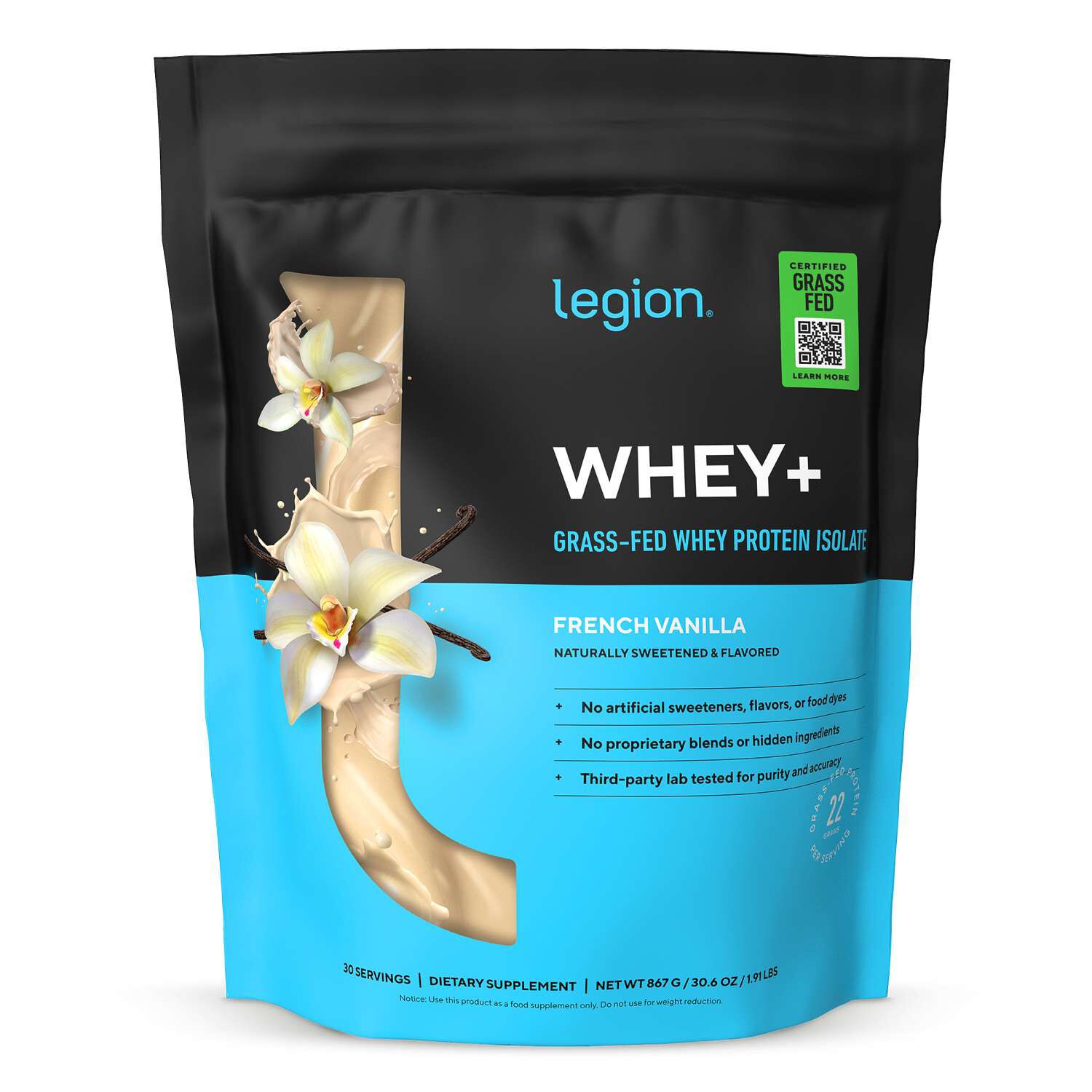
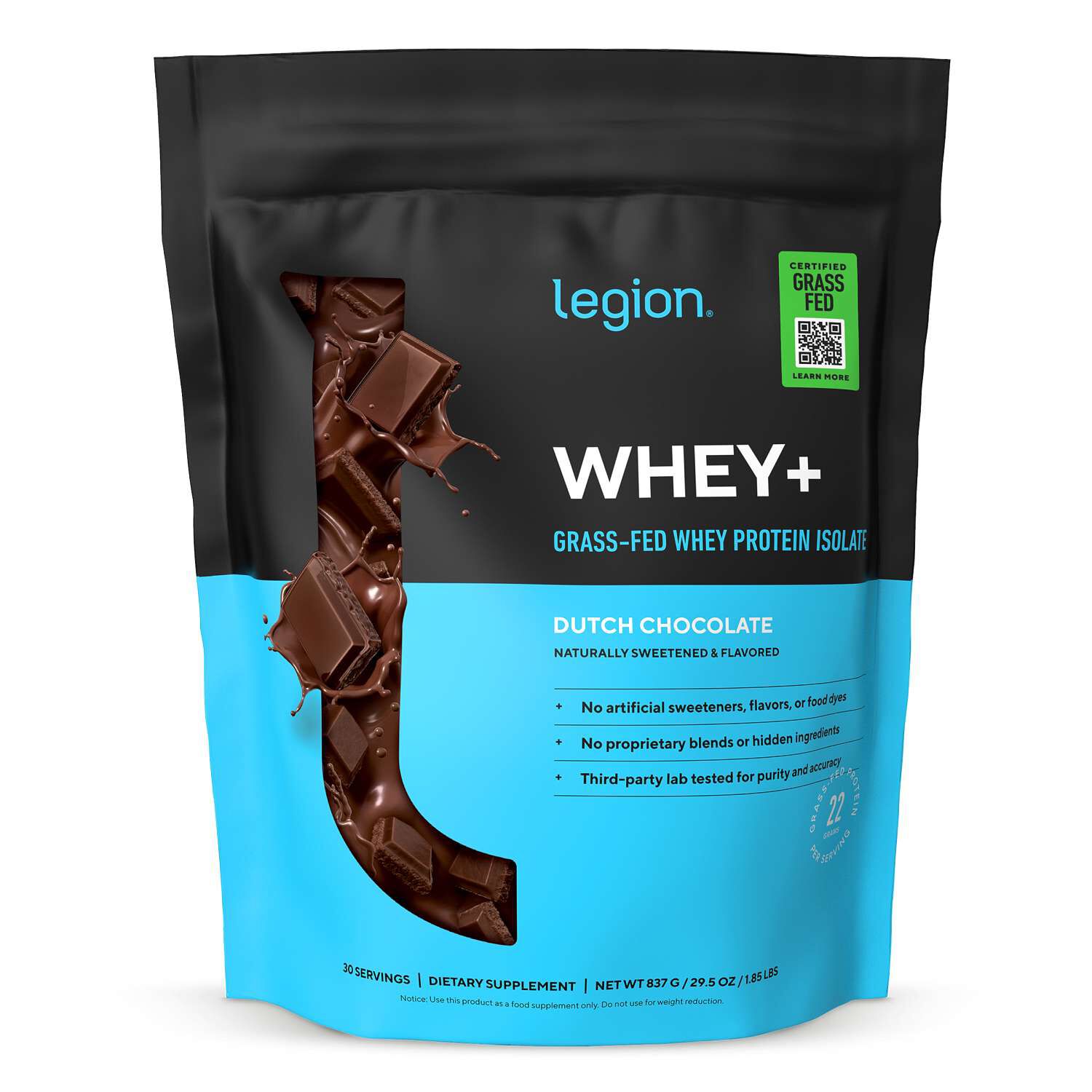
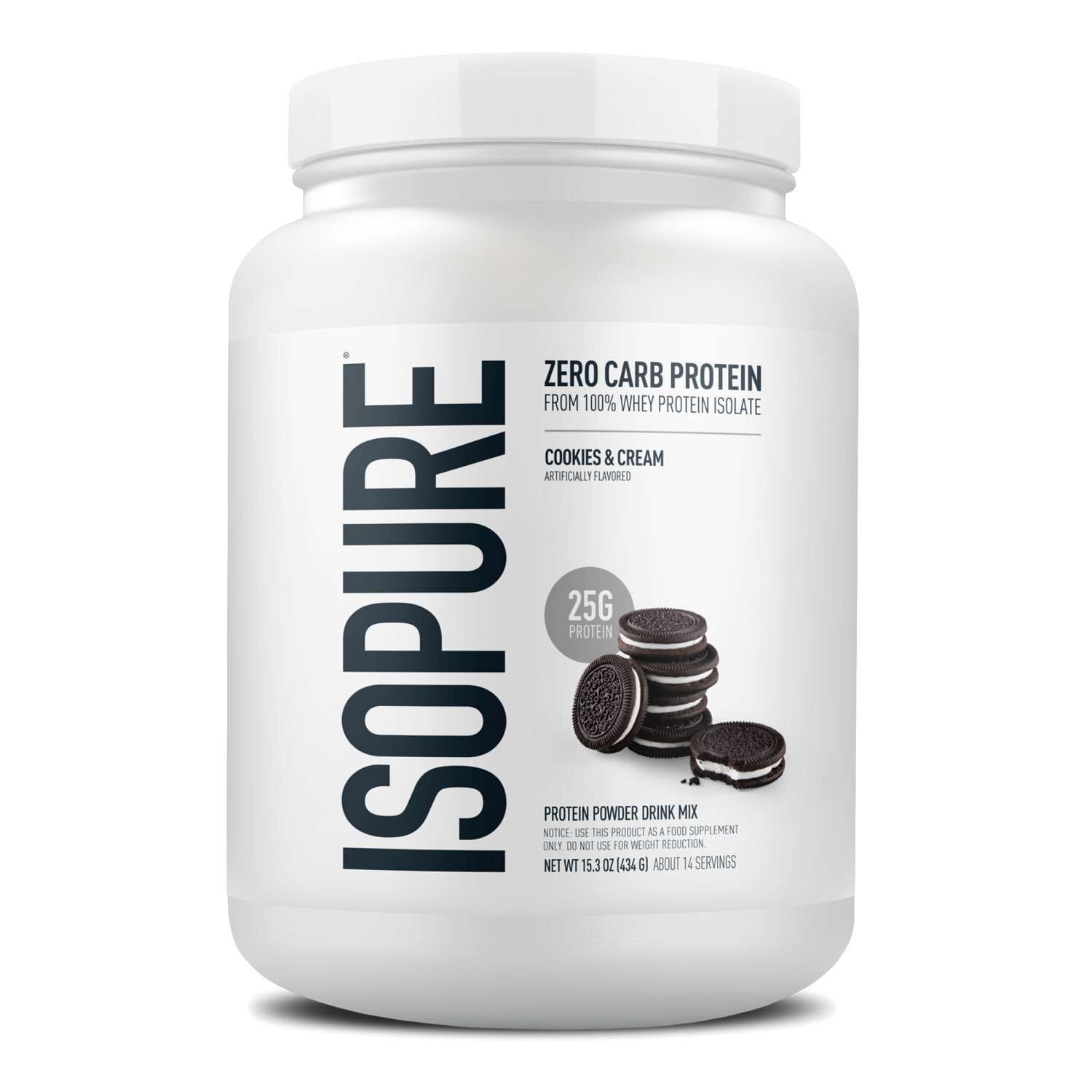
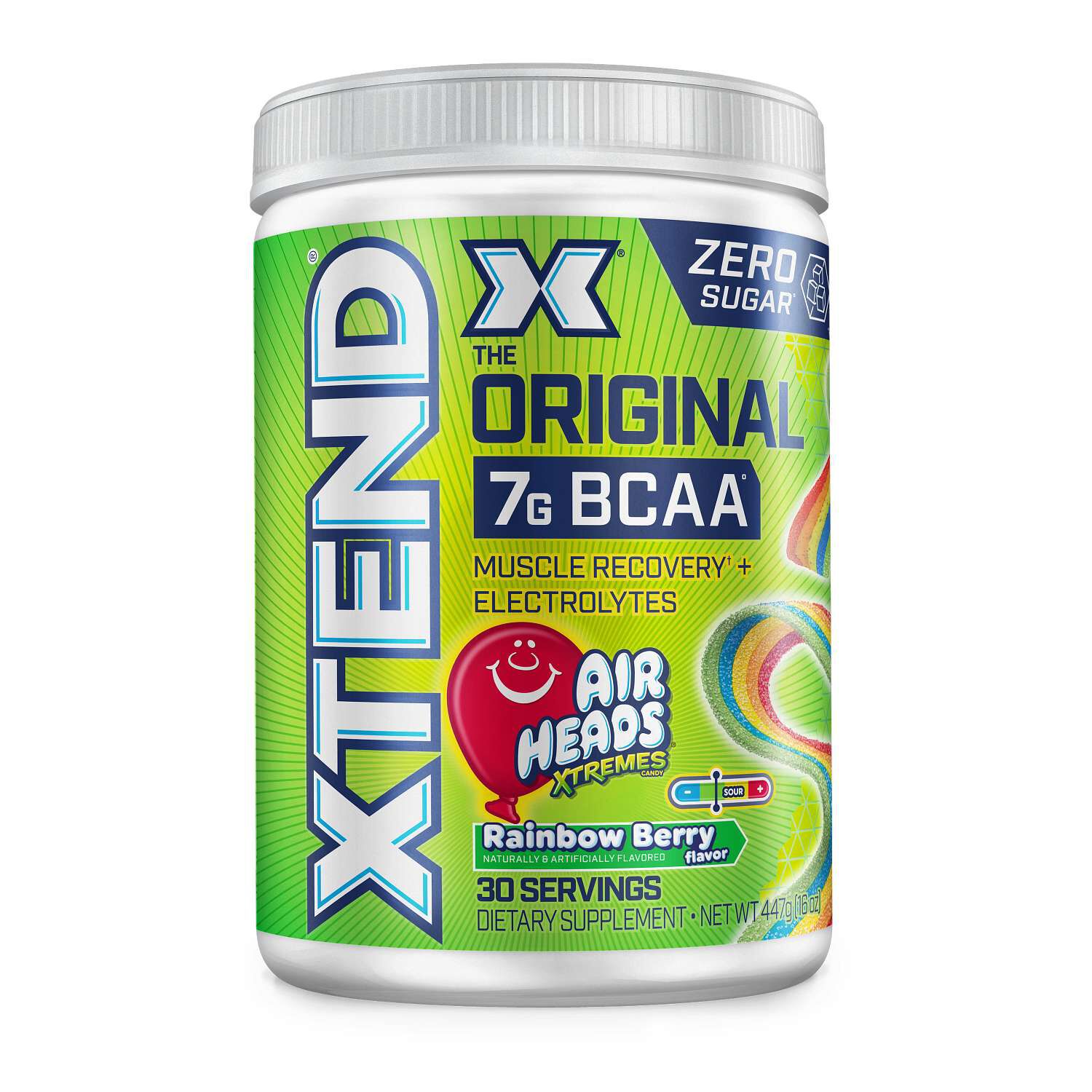
Sugar Free Whey Protein Powder
(0 Results)
Looking for a clean and effective way to boost your protein intake without all those added sugars? Look no further than our Sugar-Free Whey Protein Powder selection. Packed with high-quality protein and essential amino acids, this powder is perfect for fitness enthusiasts, athletes, or anyone looking to support their active lifestyle. Enjoy all of its benefits without worrying about unnecessary sugars or artificial additives. Choose from a variety of flavors and sizes to find your perfect match and fuel your body with what it needs to perform at its best.

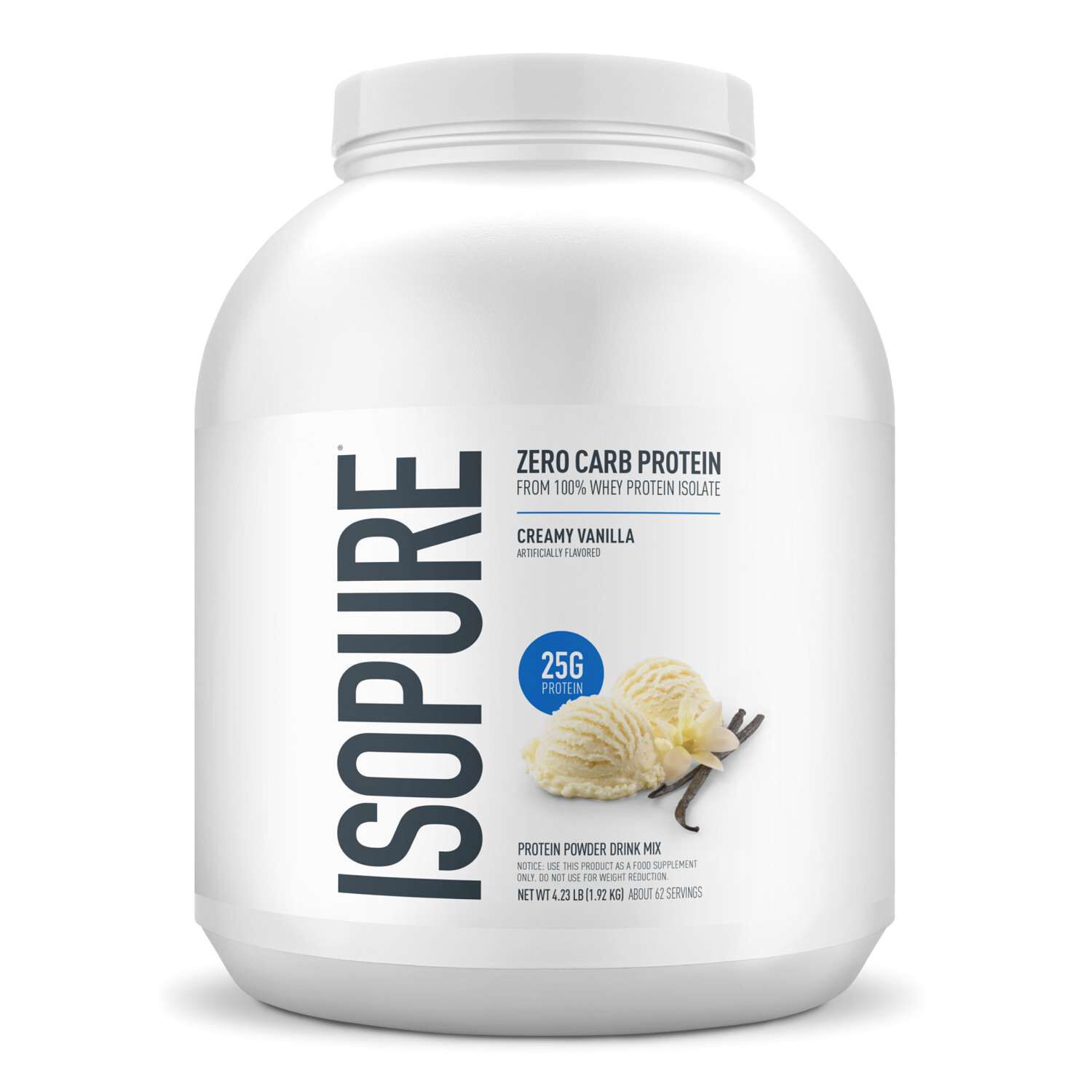
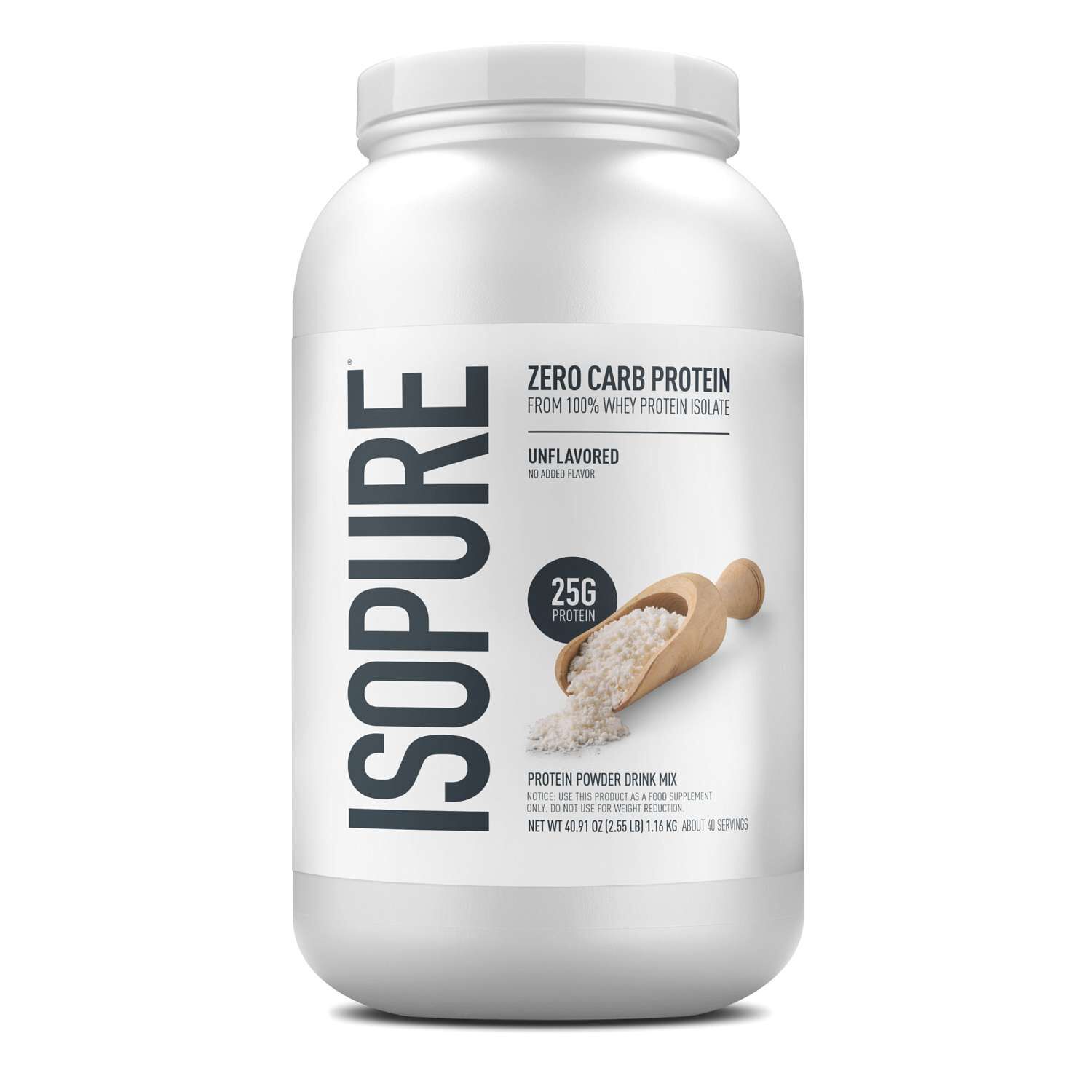
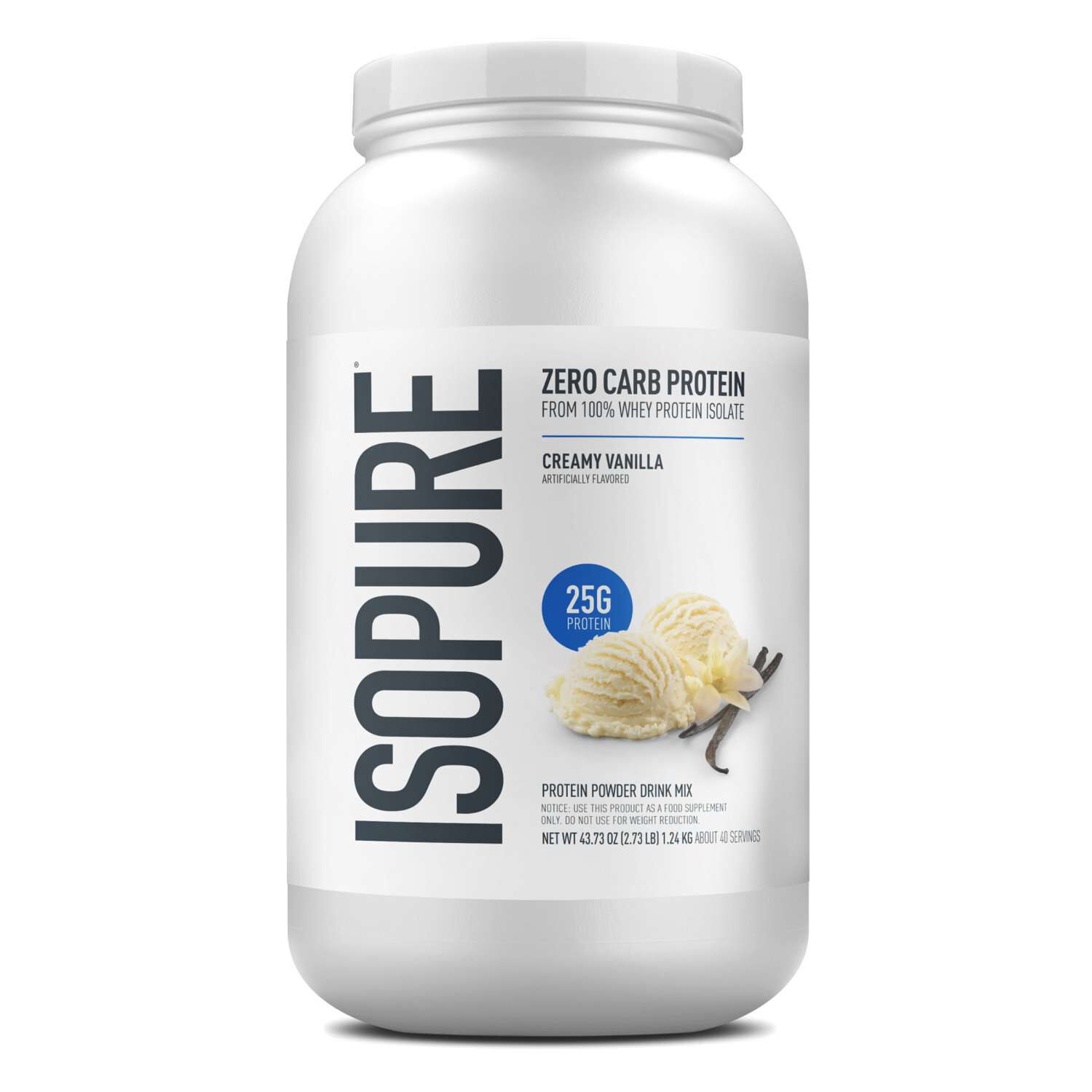

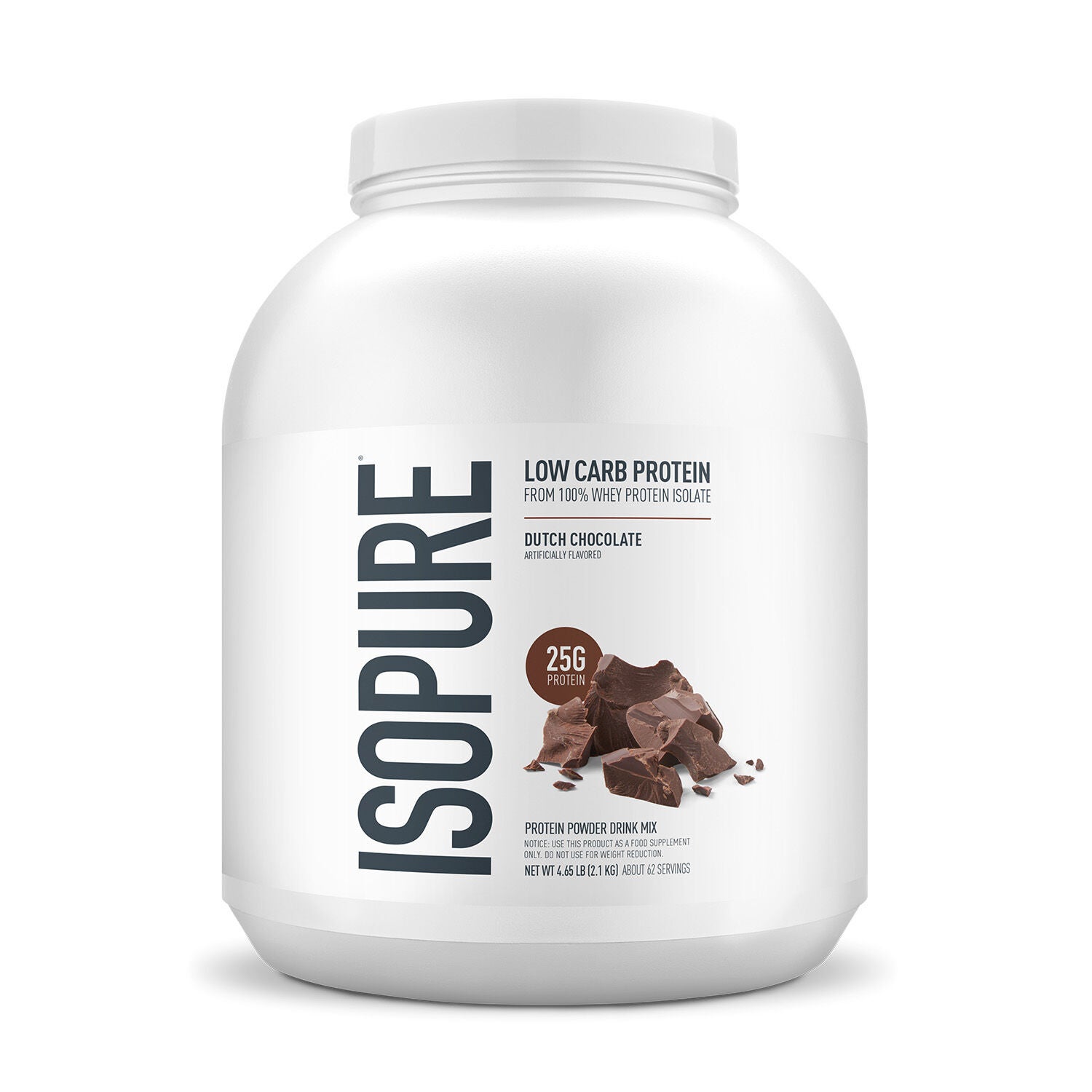
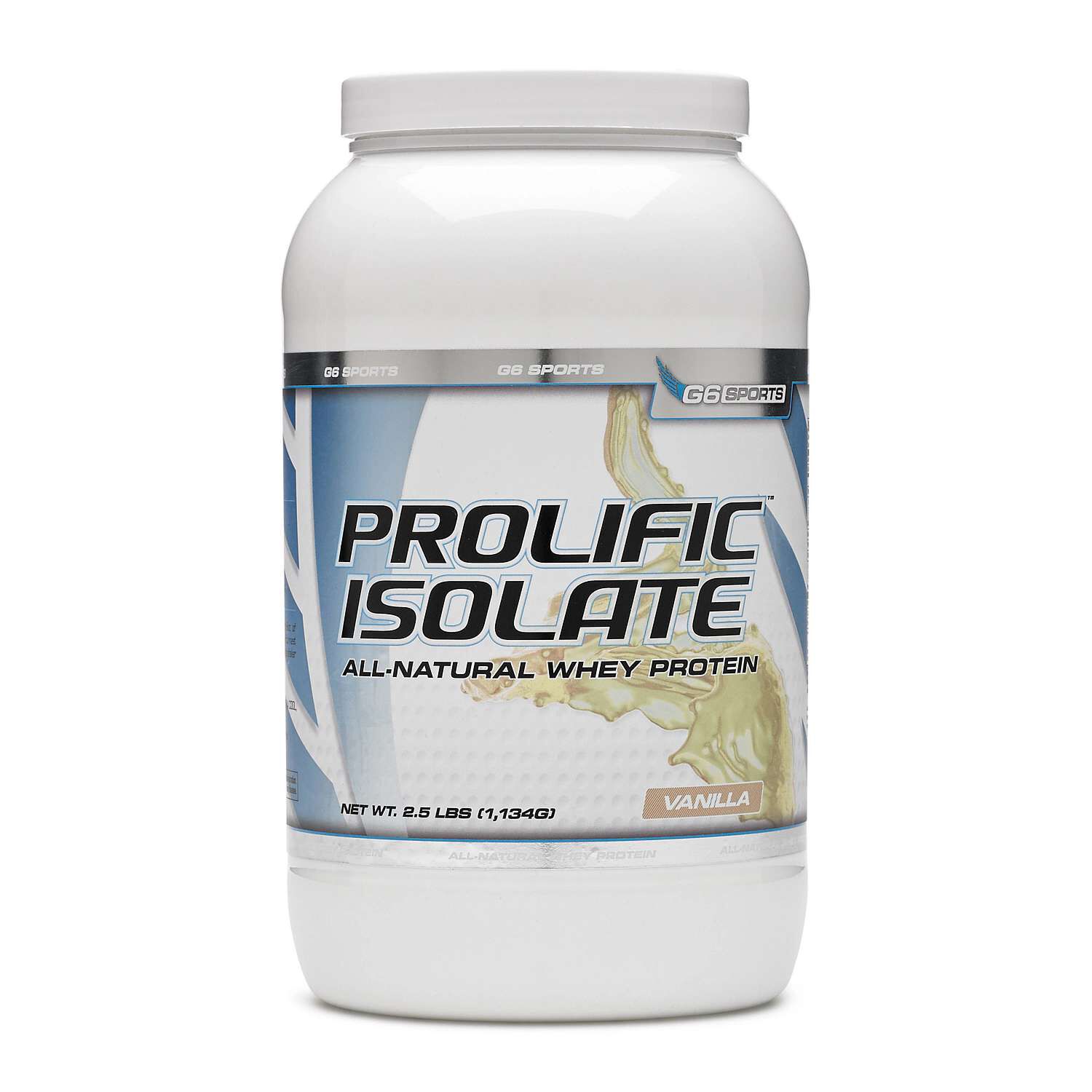
Whey protein powder with zero grams of sugar per serving is a milk-derived protein option for shoppers who want a powdered format while keeping sugar content in view. These powders can suit a range of everyday routines, from a shake after a gym session to a scoop blended into a breakfast smoothie. Whey comes from the liquid portion of milk separated during cheesemaking, and further processing produces the protein ingredients used in powders. Common forms include whey protein concentrate, whey protein isolate, and blends containing both. Isolate generally undergoes additional processing that removes more of the milk’s carbohydrate and fat, but the finished formula matters more than the ingredient name alone. Flavorings, sweeteners, and other ingredients can change the nutritional profile, texture, and taste. A zero-sugar designation also differs from “no added sugar”: a powder without added sugar may still contain naturally occurring milk sugar. Likewise, an unsweetened powder is not necessarily one with zero grams of sugar. Nutrition label rounding means a declared zero can represent a very small amount rather than an absolute absence, so the serving size provides important context. Sugar content does not establish carbohydrate content, either. A powder can list zero grams of sugar while containing carbohydrate from other ingredients. For a useful comparison, the protein grams, carbohydrate grams, calories, and serving size belong alongside the sugar information. The ingredient list adds another layer, showing whether the powder includes sweeteners, cocoa, flavorings, or ingredients used for texture. Whey remains a dairy ingredient regardless of its sugar content, and a zero-sugar label does not establish that a formula contains no lactose. Milk allergen information and any separate lactose statements deserve their own attention. Shoppers whose preferences extend beyond sugar content may also explore Low Carb Protein Powders, while comparing the nutrition information for each formula rather than treating the two categories as interchangeable.
Flavor and texture make a meaningful difference when a powder becomes part of a regular routine. Chocolate, vanilla, and unflavored whey each have a different role in a kitchen or shaker bottle. Chocolate can pair with a cocoa-forward smoothie, while vanilla often works with berries, banana, or a spoonful of nut butter. Unflavored whey generally has a mild dairy character rather than a truly neutral taste, which matters when adding it to oatmeal, yogurt, or a recipe with subtle flavors. A powder can taste sweet even when its label lists zero grams of sugar; sweetness may come from ingredients such as stevia, monk fruit extract, sucralose, or sugar alcohols. Those ingredients have different flavor profiles, and personal preference often comes down to the finish: some shoppers prefer a rounded sweetness, while others favor a less-sweet powder that leaves more room for other ingredients. The liquid used for mixing also changes the finished drink. Water keeps the flavor closer to the powder itself, while milk or a plant-based beverage introduces its own taste, texture, and nutrition. A shake made with fruit, sweetened yogurt, or a flavored beverage can contain sugar even when the powder contributes zero grams per labeled serving. That distinction is especially relevant for shoppers comparing a simple shaker drink with a blended breakfast. Mixability varies by formula, and the package’s suggested liquid amount offers a useful starting point for the intended consistency. A shaker bottle suits a straightforward drink, while a blender is better suited to mixtures containing fruit, oats, or nut butter. Powders used in pancakes, muffins, or other recipes can behave differently from flour, so recipes developed for whey tend to be more predictable than an equal-volume substitution. For everyday use, the most practical flavor is often the one that fits foods and drinks already enjoyed, rather than a flavor that requires a different recipe every time.
The best fit for a zero-sugar whey protein powder depends on how it will be used, not just on the most prominent words on the package. Someone who mixes a shake at a desk may value easy blending and a flavor that works with water. A shopper who prepares smoothies at home may prefer an unflavored or lightly flavored powder that leaves the fruit and other ingredients at the center of the drink. People who track their food intake may find the labeled serving size particularly useful, since scoops can differ in capacity and a heaped scoop does not necessarily match the stated portion. Comparing formulas by an equivalent amount of powder or protein can make differences in serving size easier to understand. Package format matters as well: a resealable pouch takes up space differently from a rigid tub, and individual portions may suit a gym bag or a workday away from home. Regardless of format, storage and handling help keep the powder in good condition. A dry cupboard away from the sink and stovetop, a securely closed lid or seal, and a clean, dry scoop are practical considerations. Moisture introduced by a damp utensil can lead to clumping, while a loosely closed container can expose the powder to surrounding odors. Package directions and the date printed on the container provide the relevant reference points for storage and use. A prepared shake has different handling needs from the dry powder, particularly when milk, yogurt, or fruit is included. For gifting, whey protein is most suitable when the recipient’s dairy preferences, preferred sweeteners, and familiar flavors are already known; those details matter more than choosing an unusual flavor for novelty. Across training days, busy mornings, and ordinary meals, whey protein powder may offer a convenient way to add protein without requiring a separate cooking step. Sugar information, ingredient preferences, taste, mixing performance, and the intended serving all belong in the comparison, creating a clearer picture of how a powder might fit an established eating routine.