

Zero Carb Whey Protein Isolates
(0 Results)
Zero carb whey protein isolates offer a convenient way to support your fitness and nutrition goals while fitting into low-carb lifestyles. With a focus on pure, high-quality protein, these options may help you meet your daily protein needs without added sugars or carbohydrates. Whether you're looking to fuel your workouts or maintain muscle, zero carb whey protein isolates could be a versatile addition to your routine. Explore a variety of flavors and formats designed for easy mixing and smooth taste.
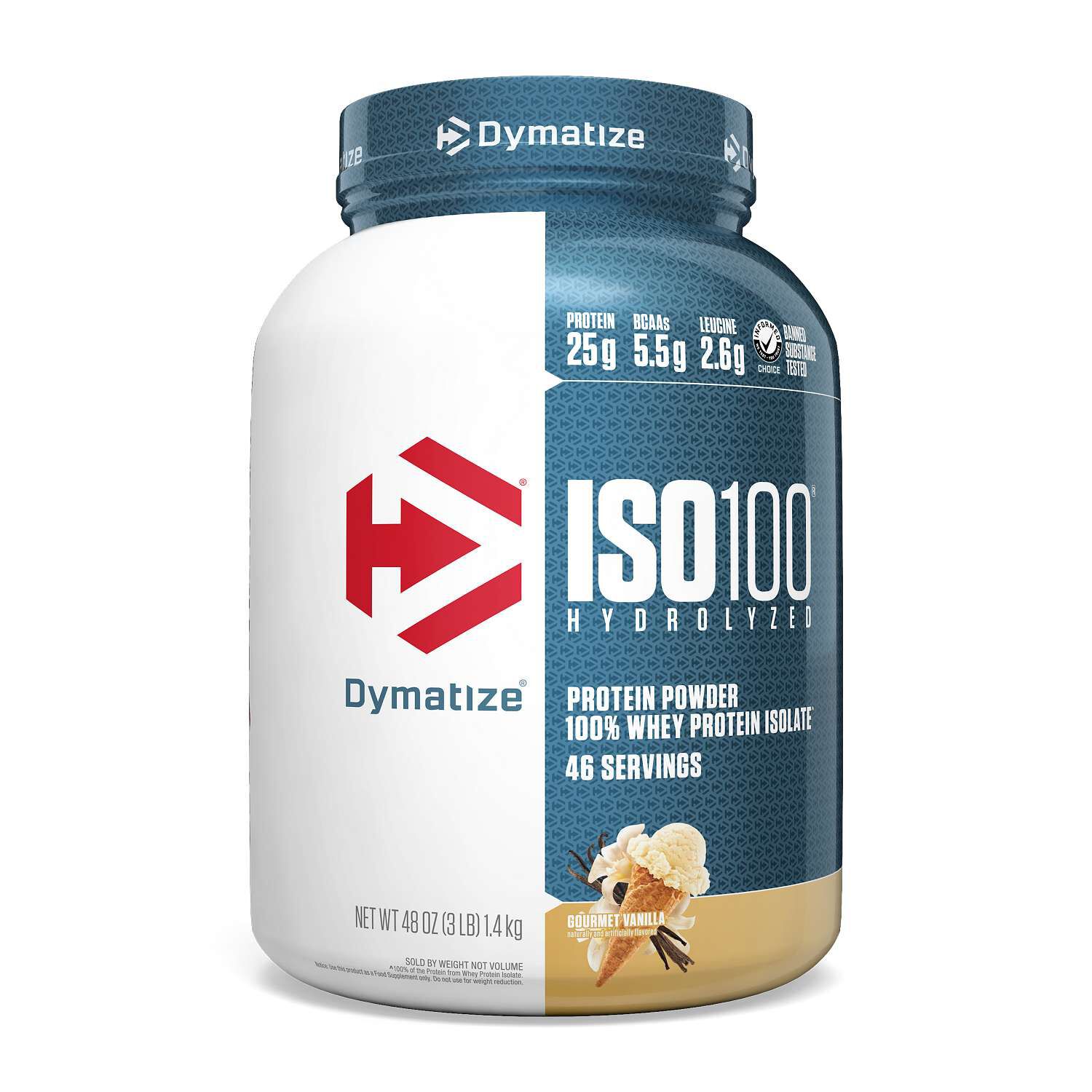
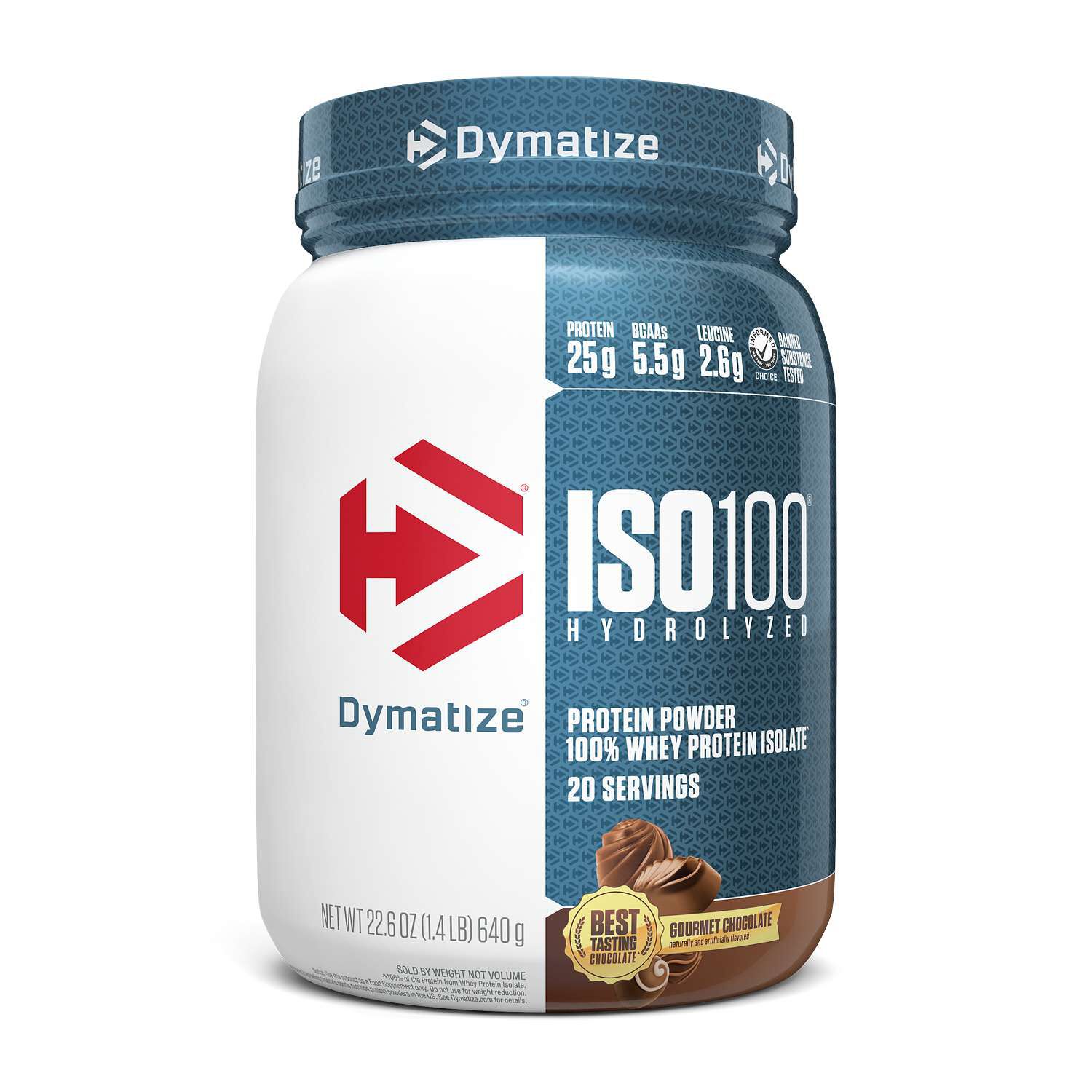

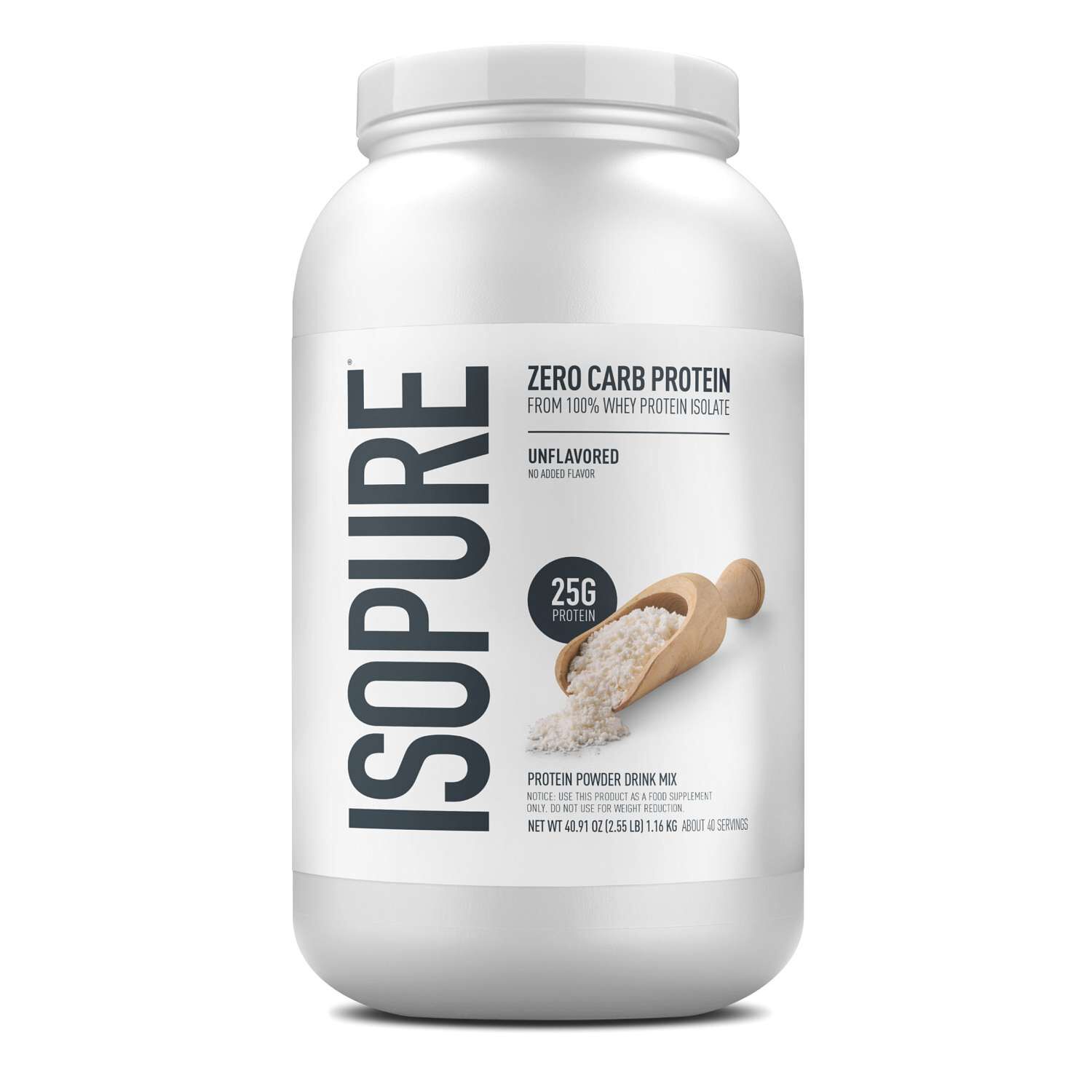

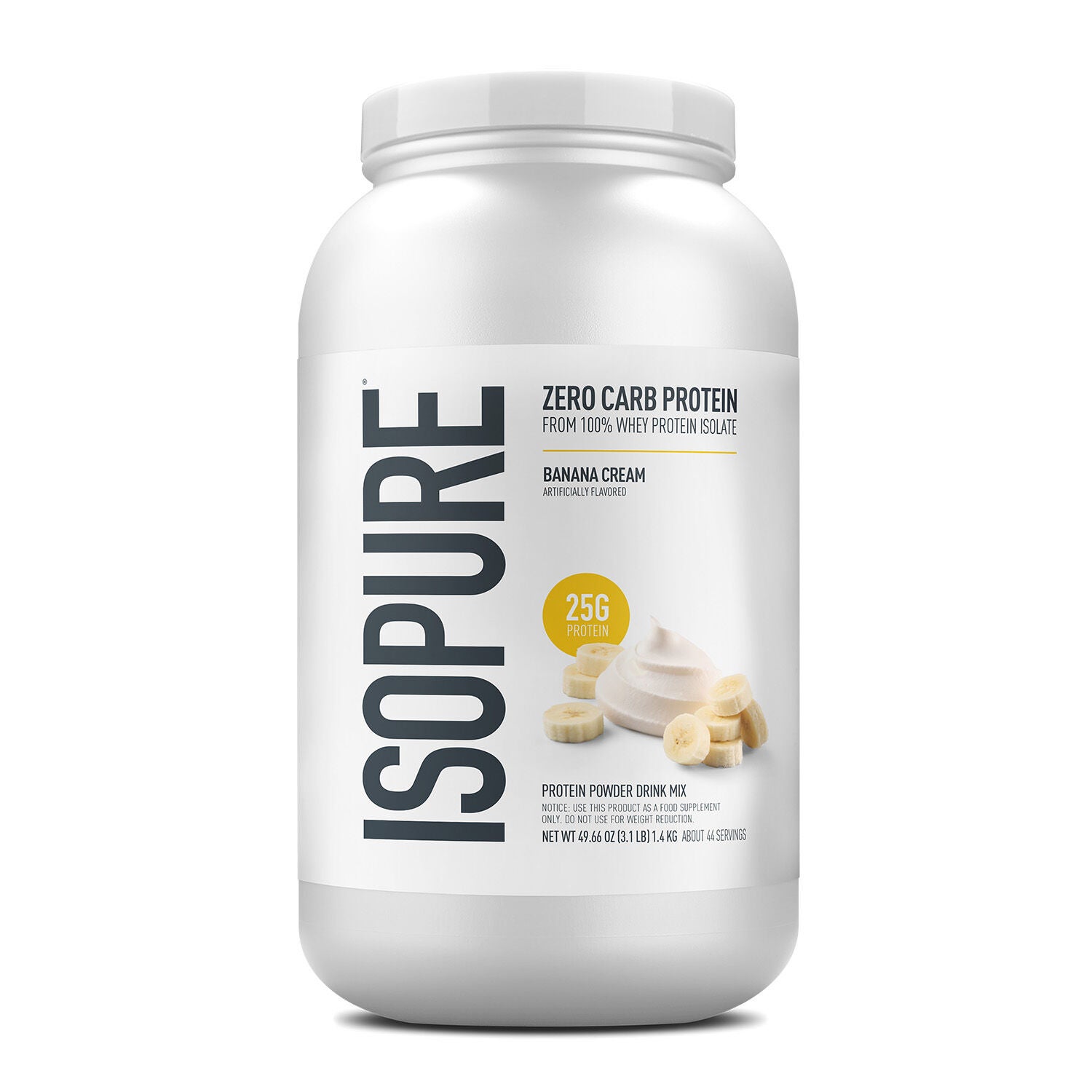

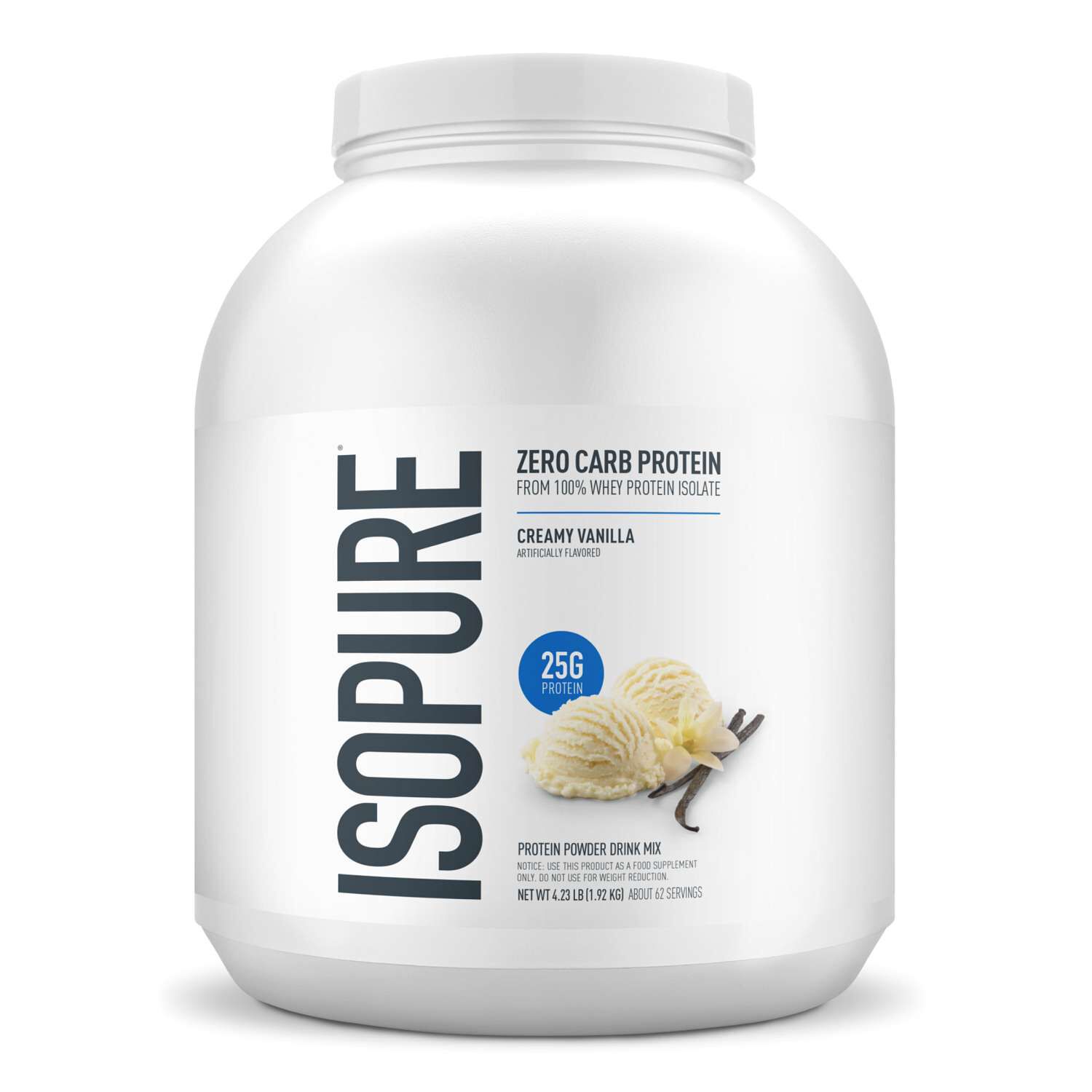


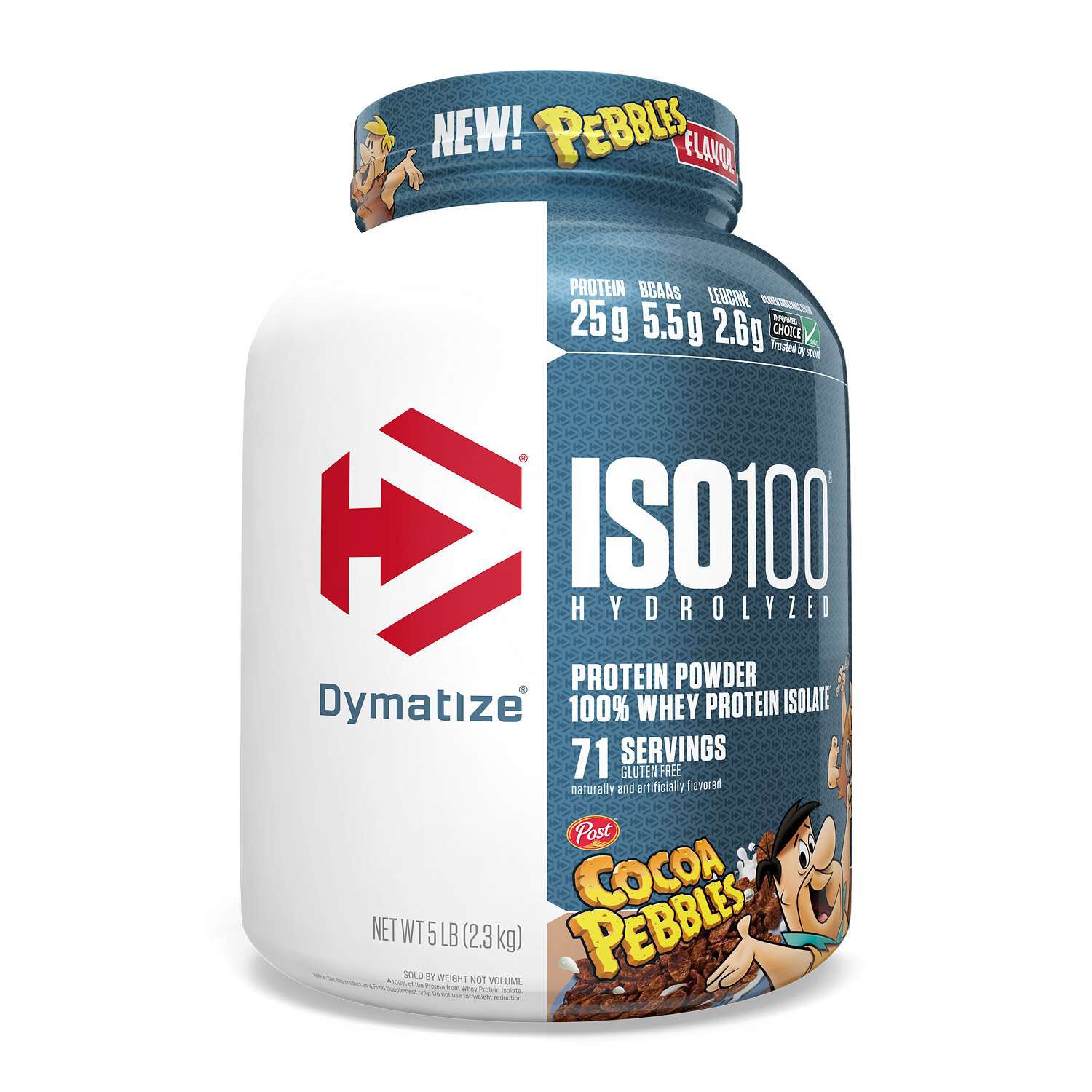

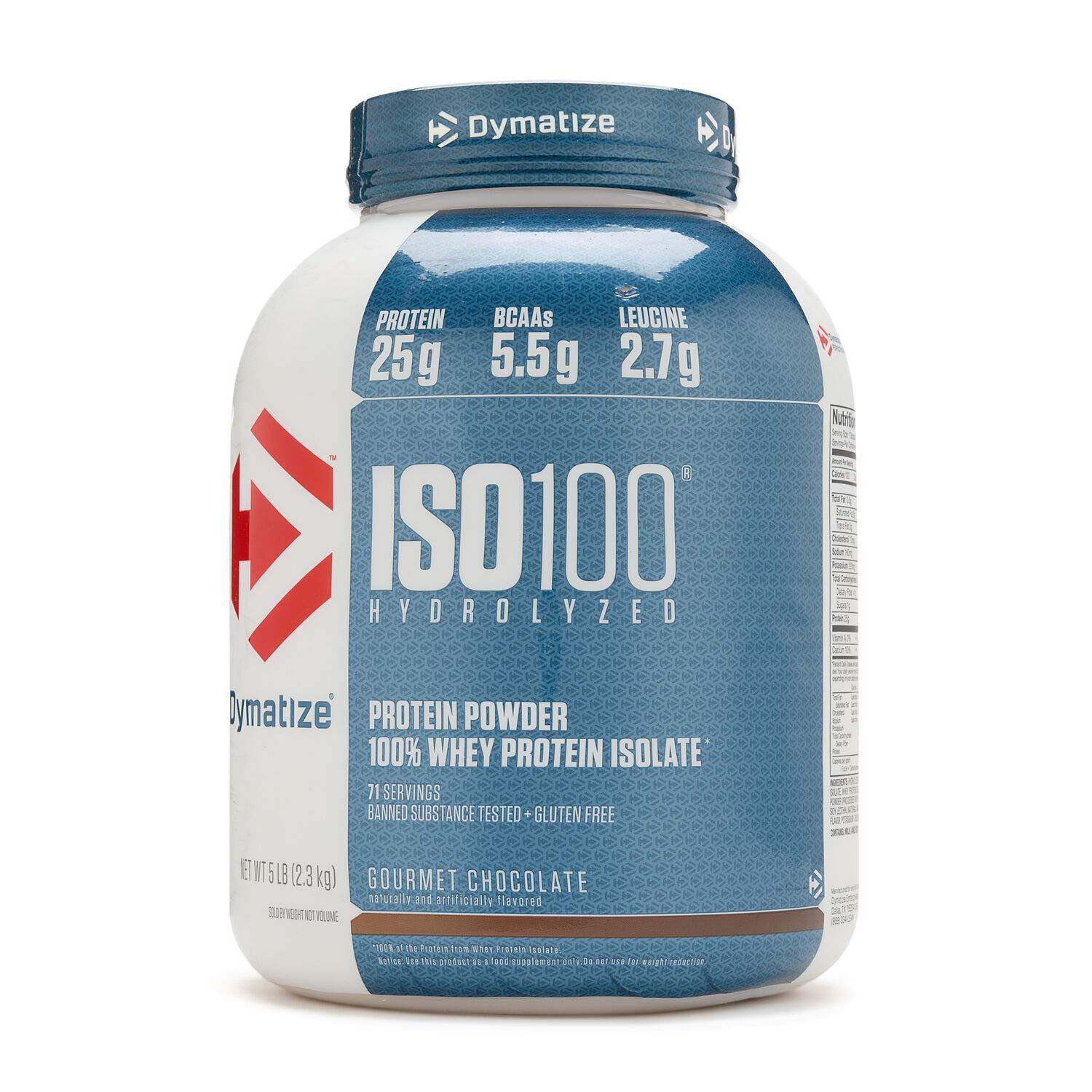

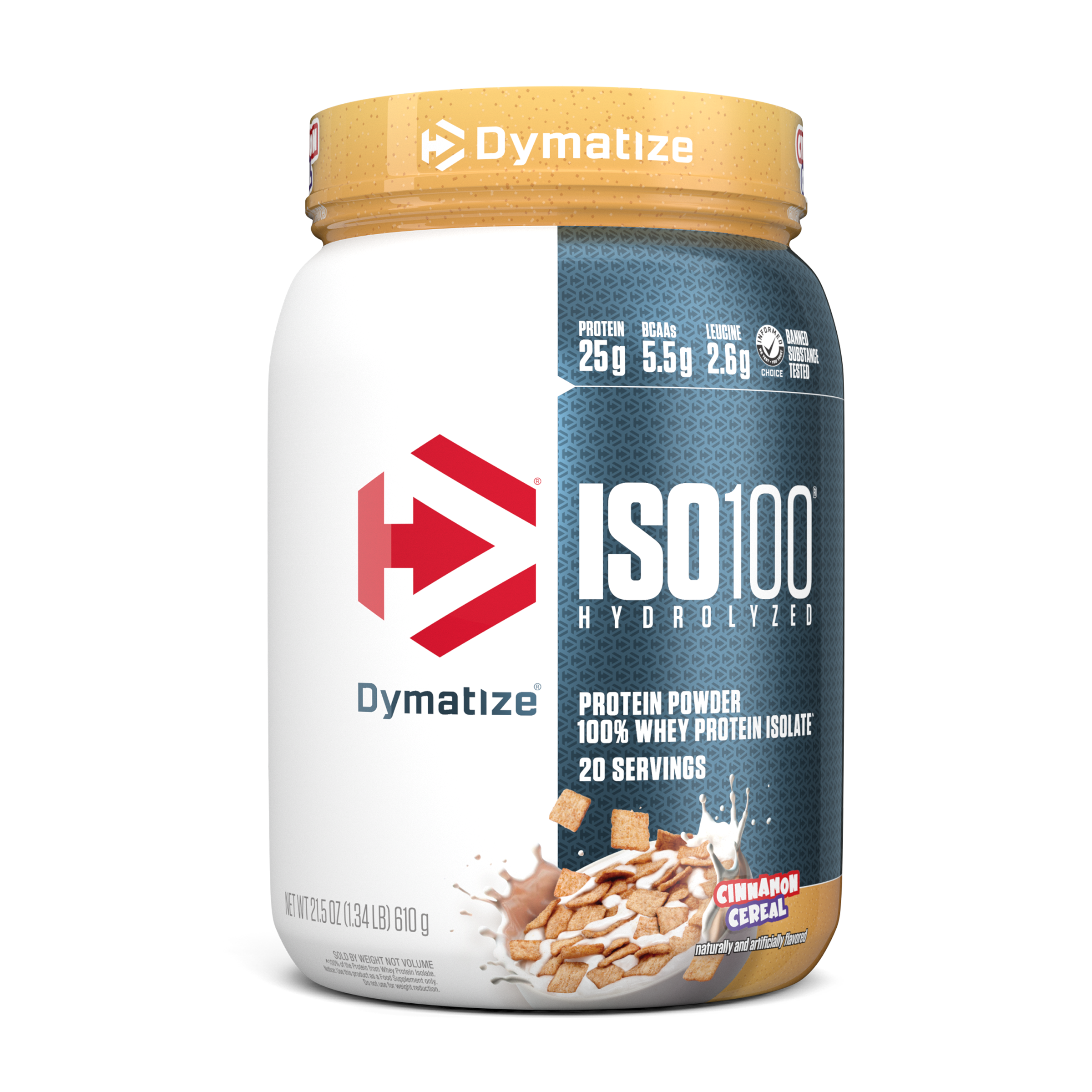

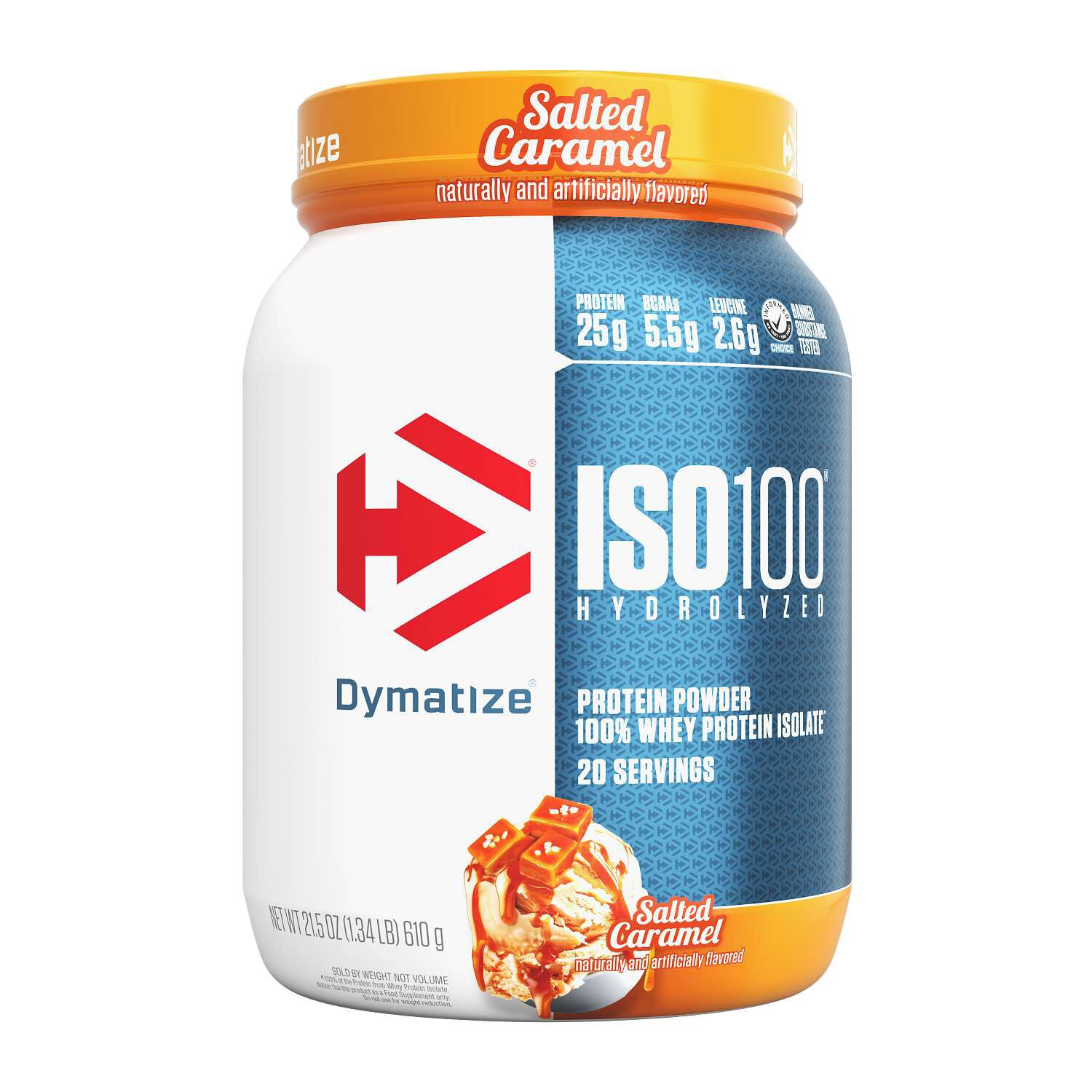
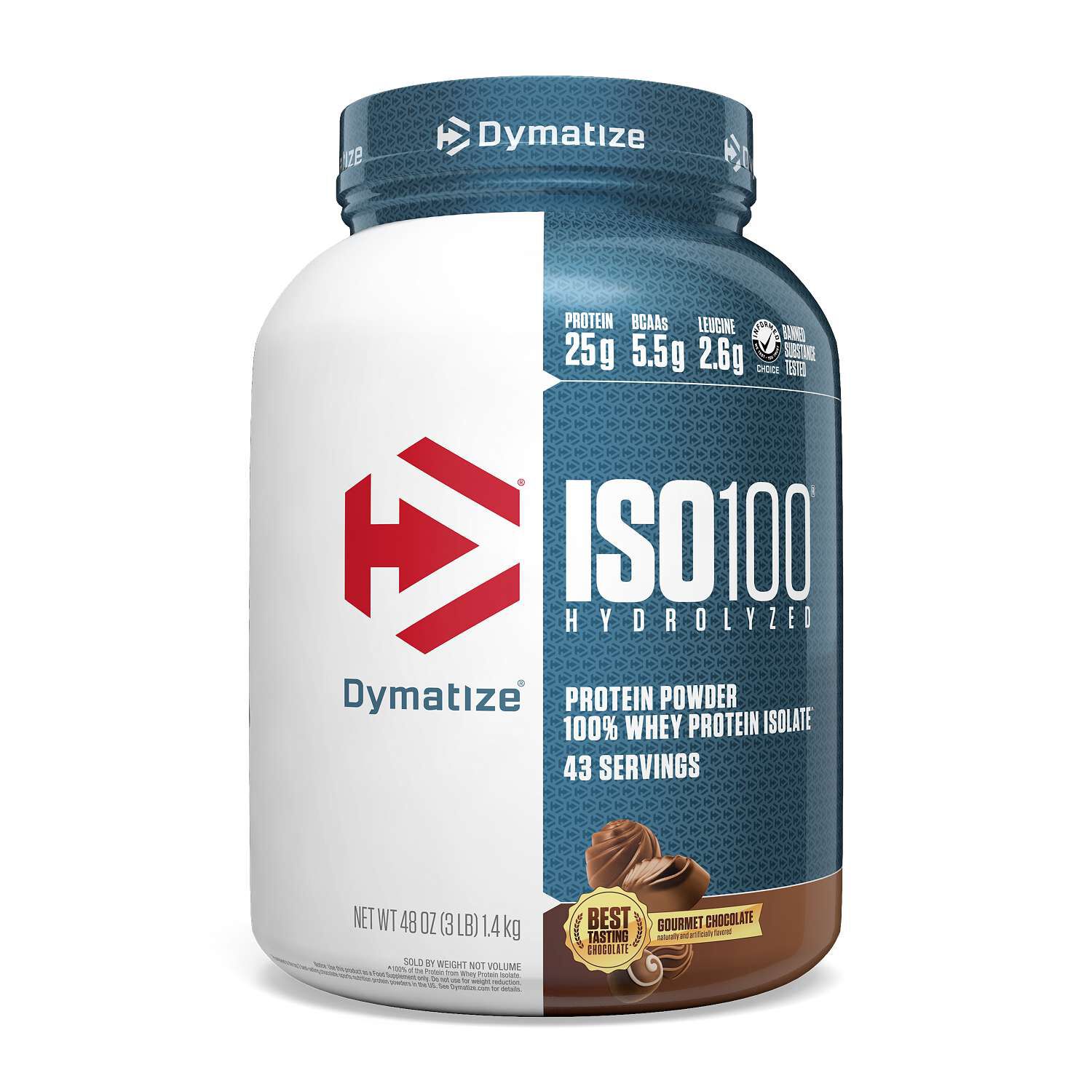


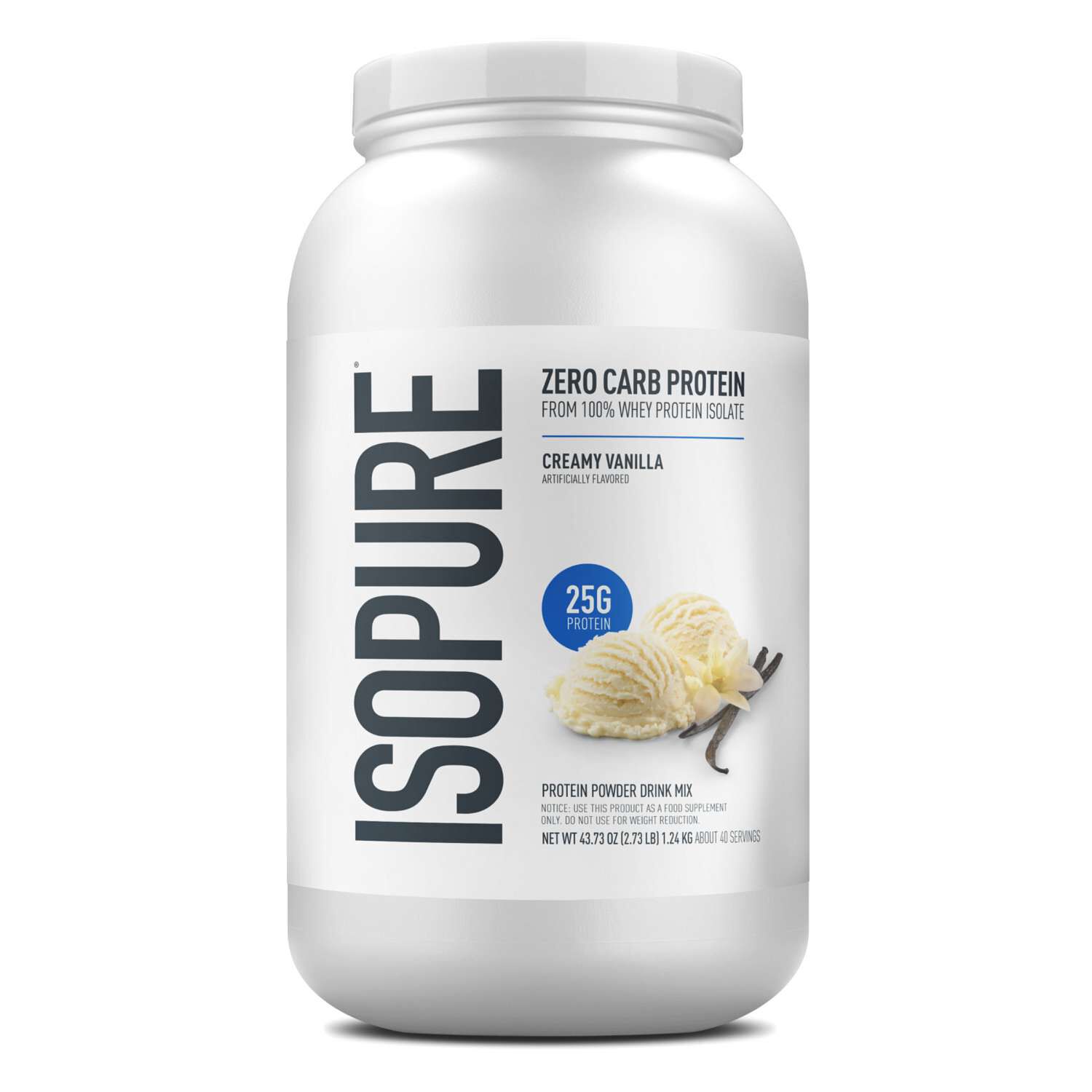
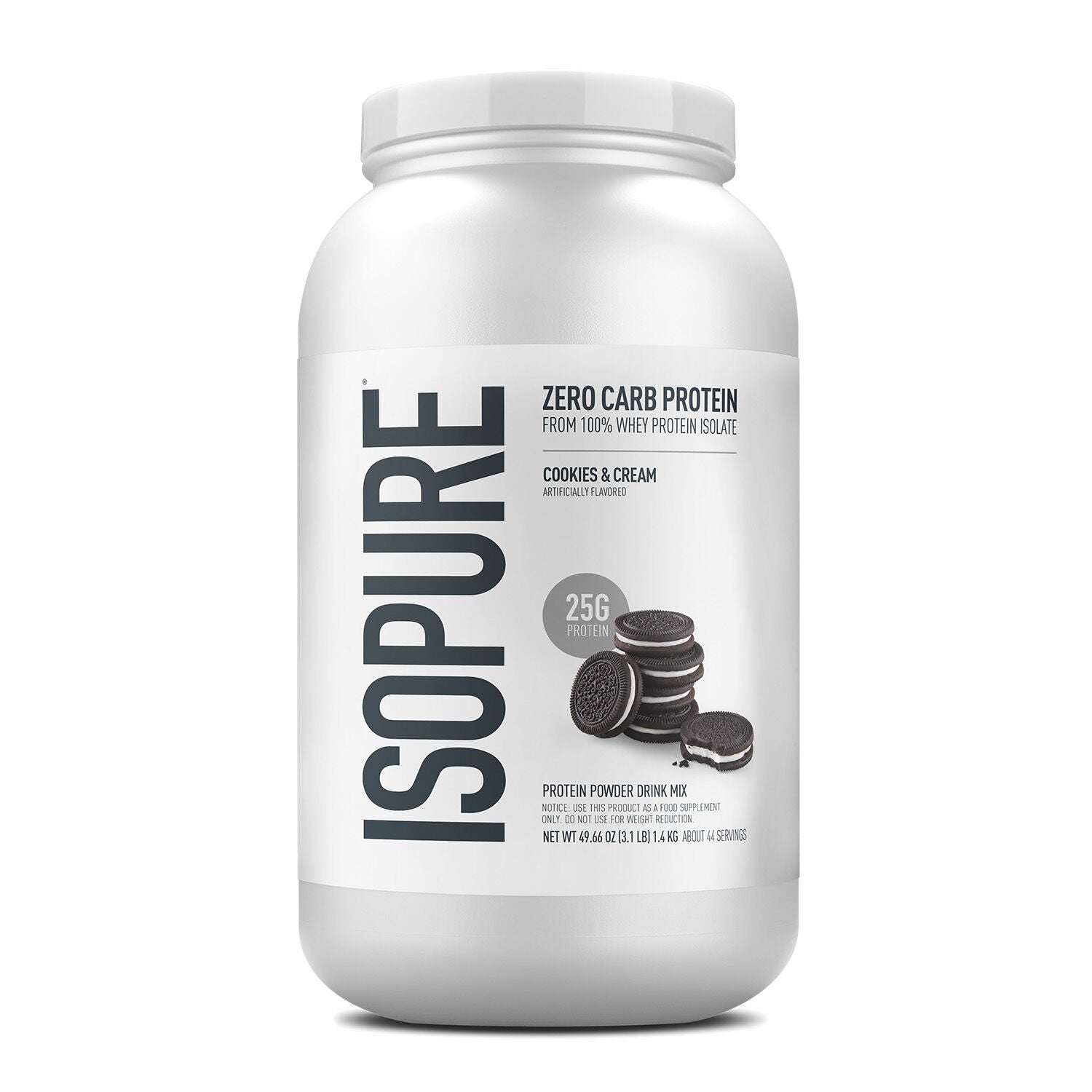
Zero carb whey protein isolates are milk-derived protein powders with 0 grams of carbohydrate declared per serving on the nutrition label. Whey is a protein component of milk, and the processing used to make an isolate removes much of the carbohydrate and fat found in the original ingredient. The result is a concentrated protein ingredient used in powders for shakes, smoothies, and other everyday preparations. For shoppers comparing zero carb protein powder, the distinction between the ingredient and the finished formula matters: whey protein isolate does not automatically mean that every powder made with it has zero carbohydrates. Flavorings, sweeteners, and other ingredients can change the nutrition profile, so the label for the particular flavor and serving size is the most useful point of comparison. A serving may contain around 25 grams of protein, but the amount differs by formula; scoop size alone does not tell the whole story. A zero carbohydrate declaration also reflects labeling rules and rounding, rather than establishing that no trace carbohydrate exists. Sugar, fat, and calories deserve their own look instead of being inferred from the words “zero carb.” These powders still contain calories from protein, and zero carb does not mean that a serving is a substitute for a varied meal. Because whey comes from milk, whey protein isolate is not a plant-based ingredient and contains milk proteins. Processing generally reduces lactose, but the amount remaining varies, and a zero carb label is not a statement about suitability for someone avoiding milk. Ingredient lists and allergen statements provide additional context. For people tracking carbohydrate intake, following a low-carb eating pattern, or keeping a close record of daily protein intake, zero carb whey protein isolates may offer a straightforward way to add protein without adding declared carbohydrates from the powder itself. The final drink or recipe, however, depends on everything mixed into it, from the liquid in a shaker to fruit, oats, or yogurt in a blender.
Flavor and texture are often what separate a powder that fits comfortably into a routine from one that sits untouched in a cupboard. A chocolate or vanilla profile suits a familiar shake, while an unflavored powder offers a different starting point for recipes where the other ingredients should lead. Unflavored does not necessarily mean tasteless: whey can have a mild dairy note, and its presence may be more noticeable in plain water than in a smoothie with several ingredients. Shoppers interested in that approach can compare Unflavored Whey Protein Isolates while checking each formula’s carbohydrate declaration separately. Sweetness also varies, even when two labels both list zero sugar. The ingredient list identifies the sweeteners used, along with ingredients included for mixing or texture. A shorter ingredient list is not automatically a better match; the useful distinction is whether the formula suits the intended preparation and personal preferences. Water keeps a shake’s nutrition closest to the powder’s labeled values, whereas milk, oat beverages, fruit juice, and other mixers contribute their own nutrients and carbohydrates. A splash of liquid and a few ice cubes create a different drinking experience from a thick blend with yogurt and nut butter. Whey isolate shakes are often lighter in body than drinks made with richer ingredients, although the finished texture depends on the formula and the amount of liquid. Someone who prefers a thin, cold drink after a gym session may want a different preparation from someone who enjoys a spoonable smoothie at breakfast. Mixing directions provide a practical starting point for the liquid amount, and adjustments change both thickness and flavor intensity. In recipes, the powder’s zero carb designation does not extend to the entire dish. Stirring it into oatmeal or blending it with a banana adds protein to a preparation that still contains carbohydrates from those foods. Heating can also alter whey’s texture, so a powder that mixes smoothly into a cold shake may behave differently in a warm recipe.
Intended use is another helpful way to compare zero carb whey protein isolates without focusing on a single number on the label. A recreational lifter might use a shake alongside an established training routine, while a busy commuter might prefer a measured portion that can be mixed during a break. Protein may support muscle maintenance and recovery after exercise, but the role of any powder depends on the broader eating pattern and activity routine. More protein per scoop is not automatically a better fit, particularly when serving sizes differ. Comparing protein grams, carbohydrate declarations, calories, and ingredients on the same serving basis gives a clearer picture than comparing container size or scoop appearance. Powders intended mainly for protein supplementation also differ from formulas designed to supply a wider mix of nutrients, making the stated use on the packaging worth reading. Everyday handling matters, too. A tightly closed container in a cool, dry cupboard is a more suitable storage spot than a damp counter beside the sink or a bag left in a hot car. A dry scoop and a securely fastened lid help limit moisture entering the powder, while the package’s storage directions and date markings remain the reference for care. For a workday or gym visit, a clean, dry portion container keeps powder separate until mixing, and a shaker with a secure lid suits the trip between home and the next stop. Once liquid is added, storage needs change; package directions and ordinary food-handling practices matter, especially with dairy-based mixers. Washing the shaker promptly and letting its parts dry makes it more pleasant to use again. Across cooler mornings, indoor workouts, and everyday schedules, the strongest match is a powder whose label, flavor, preparation, and portion size suit the way it will actually be used. Zero carb whey protein isolates may fit that routine as a measured protein addition, with the surrounding foods and drinks shaping the rest of the meal or snack.