





Supplements For Alertness
(0 Results)
Boost your focus and mental clarity with our selection of supplements for alertness. Whether you're looking to stay sharp during a busy workday, power through intense study sessions, or simply enhance your cognitive function, our range of carefully curated supplements can support your brain health and help you stay on top of your game. From natural ingredients known for their cognitive benefits to cutting-edge formulas designed to optimize brain performance, we have everything you need to unlock your full potential and maintain mental acuity throughout your day.
-

-

-
-
 185$24.99
-
-

-

-
-
-
-
-
-
 $34.99
-
 Raw Nutrition$44.99
-
-

-

-

-
 Divine Health$44.99
-


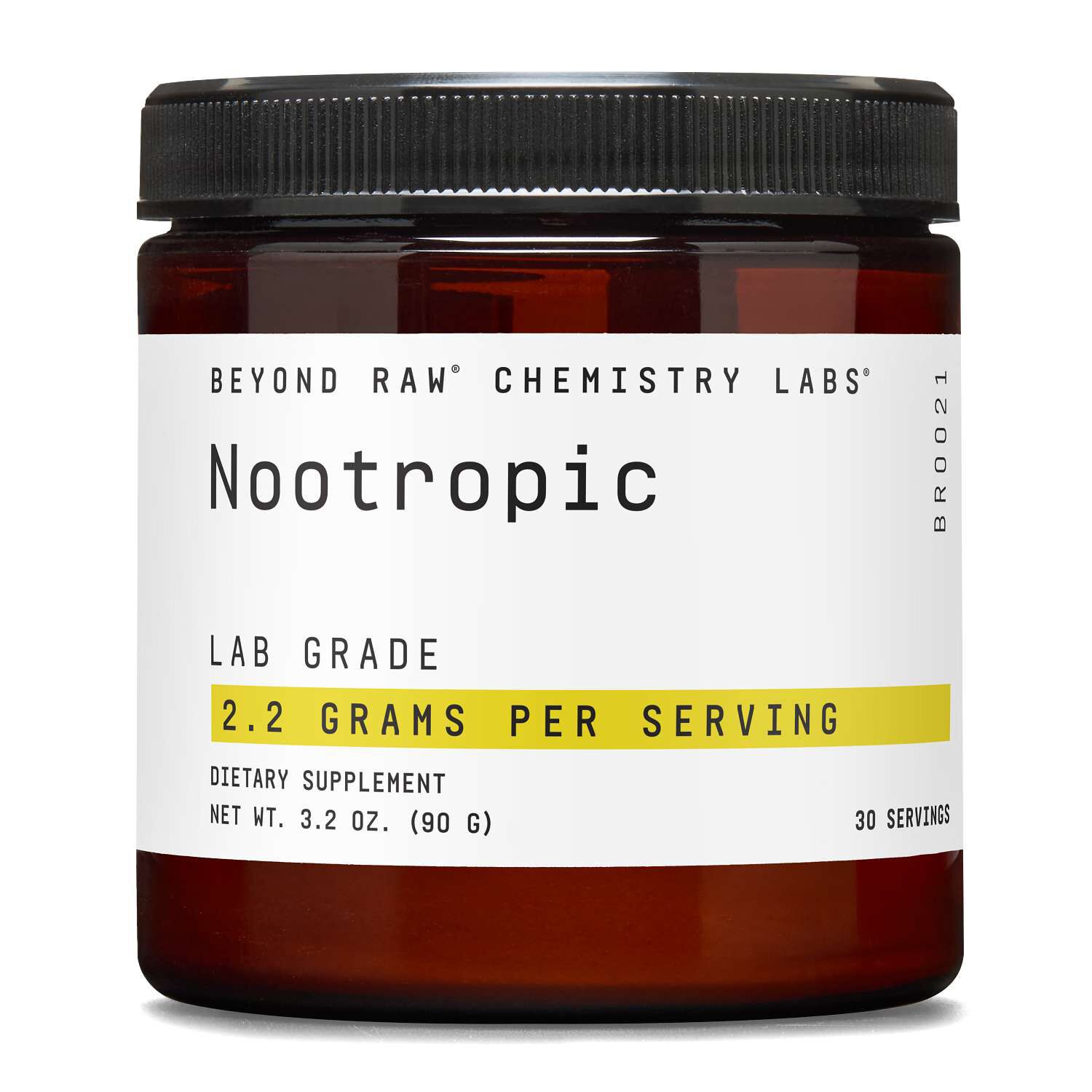
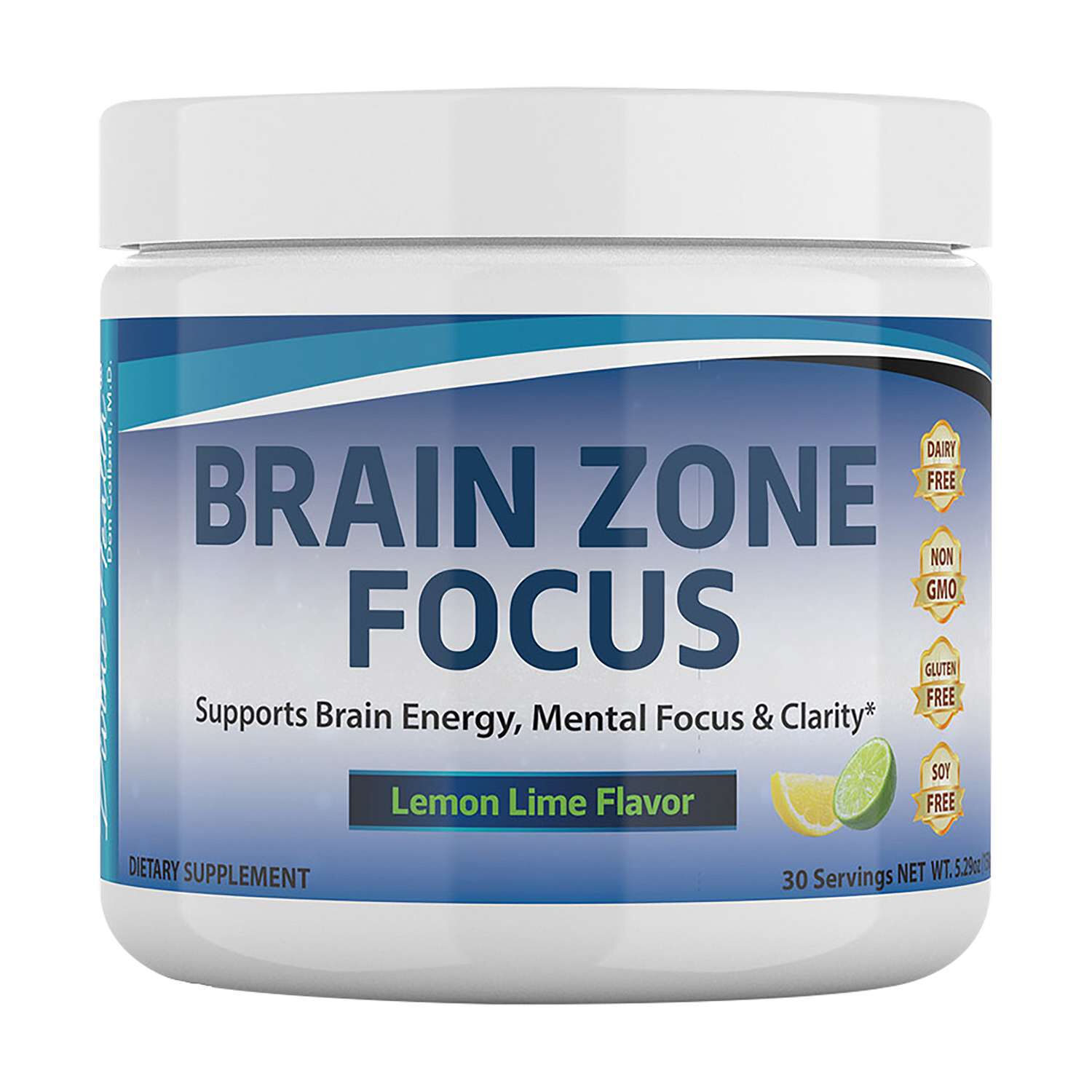
Supplements for alertness are dietary supplements intended for adults exploring options that may support wakefulness, attention, or a sense of mental readiness during everyday activities. The category includes capsules, tablets, gummies, and drink mixes, with formulas ranging from a single featured ingredient to combinations of vitamins, amino acids, and botanical ingredients. Alertness, focus, and energy are related concepts, but they are not interchangeable: feeling awake is different from concentrating on a detailed spreadsheet, and neither necessarily describes physical endurance. That distinction matters when comparing labels rather than relying on a broad category name. Caffeine is a familiar ingredient in this space and may support alertness, while its source and amount can differ considerably between formulas. Some supplements contain caffeine directly; others include sources such as coffee bean, guarana, or tea extracts. A botanical ingredient name does not, by itself, reveal the caffeine content of a serving. L-theanine, an amino acid found in tea, also appears in some formulas, including combinations with caffeine that may support attention during mentally demanding tasks. B vitamins are another common component, though their presence does not establish that a supplement may produce an immediately noticeable change in alertness. The purpose of each ingredient, its listed amount, and the evidence behind the particular formulation provide more useful context than an impressive-looking ingredient list. Research findings can vary with the ingredient, serving amount, study population, and combination being examined, so findings about one ingredient do not automatically apply to every finished formula containing it. Dietary supplements are not approved by the FDA for effectiveness before sale. For an adult settling into a long reading assignment, preparing presentation notes, or working through a detail-heavy project, this category offers different formats and ingredient approaches to compare—not a uniform experience across every formula. A clear label helps distinguish what a supplement contains from what its name or packaging might suggest.
The most practical comparisons often begin with the Supplement Facts panel and the serving size. A serving might consist of one capsule, several gummies, or a measured portion of powder, so the amount listed on the front of a package may need context from the full label. Ingredient quantities are most useful when read alongside the number of servings and the directions for use. For caffeine-containing supplements, coffee, tea, energy drinks, and other supplements are also relevant to understanding an everyday routine. A formula described with plant-based language can still contain caffeine, and a blend name may say little about the amount of each ingredient inside it. Some blend labels disclose a combined amount without listing the individual quantity of every component, which can make direct comparisons more difficult. Format introduces another set of practical differences. Capsules and tablets are premeasured options, while powders involve mixing and measuring according to package directions. Gummies offer a chewable format, but flavorings, added sugars, and serving count remain worth reviewing. Capsule shell ingredients may matter to someone with vegetarian preferences, and allergen statements can help clarify whether a formula fits particular dietary requirements. For a powder used at a desk or packed into a work bag, preparation needs and access to a suitable container may matter as much as flavor. Packaging deserves attention, too: a securely closing lid, a readable label, and a clearly marked expiration date are useful details for everyday handling. Storage requirements vary, so the package instructions are the appropriate reference for moisture, light, and storage conditions. Keeping a supplement in its original labeled container also preserves access to directions, ingredient information, and cautions. Independent testing information, when present, is another detail to examine for what was actually assessed, rather than treating a seal as evidence of a particular effect.
Choosing among alertness supplements also involves matching the intended use to the experience being sought. An adult looking for an option for occasional desk work may have different preferences from someone comparing formulas for an established daily routine. A small capsule format may suit a person who prefers minimal preparation, while a drink mix may fit someone who already uses a shaker bottle and values flavor choice. Neither format establishes how noticeable an effect may be, and a longer ingredient list is not automatically a better match. Timing information and cautions on the label deserve the same attention as the featured ingredients, particularly when a formula contains caffeine. Labels may identify age restrictions or circumstances in which a supplement is not intended for use, and those details are part of evaluating its suitability. Alertness products are not substitutes for sleep, meals, or an otherwise balanced routine, and an individual experience cannot be predicted from packaging alone. Someone seeking a more settled approach to concentration may also find useful category context in Supplements For Focus And Relaxation, where the intended emphasis differs from simply feeling more awake. That distinction can be especially relevant when the task is quiet and sustained, such as reviewing a dense report or organizing research notes, rather than moving quickly between activities. Across these categories, useful product information is specific: named ingredients, clearly stated amounts, understandable serving directions, and relevant cautions. Broad language about mental performance provides less detail than a transparent explanation of what is inside the container. Personal preferences matter as well, including taste, texture, capsule ingredients, and the amount of preparation a format requires. The most meaningful comparison brings those everyday details together with the formula’s stated purpose and the limits of the available evidence. This keeps attention on supplements that fit the intended routine while maintaining realistic expectations about what they may offer.
Best Sellers

Related Pages
Top Collections
- Joint Mobility Supplement Packs
- Daily Collagen Supplements | Top Brands & Deals | GNC
- GLP 1 Support For Adults
- Zinc Supplements | Top Brands at Great Prices | GNC
- Supplements For Yoga Joint Flexibility
- Supplements For Balance
- Capsule Supplements For Energy And Stamina
- Adult Mobility Supplements
- Chronic Fatigue Supplements
- Vitamins For Hair Loss