Supplements For Boosting Workout Confidence
(0 Results)
Supplements for boosting workout confidence could be a helpful addition to your fitness routine, offering support as you strive to reach new goals in the gym or on the track. Whether you're looking to enhance your motivation, maintain focus, or simply feel more prepared for each session, there are a variety of options that might align with your needs. Explore supplements for boosting workout confidence and discover how they may help you approach every workout with renewed energy and positivity.
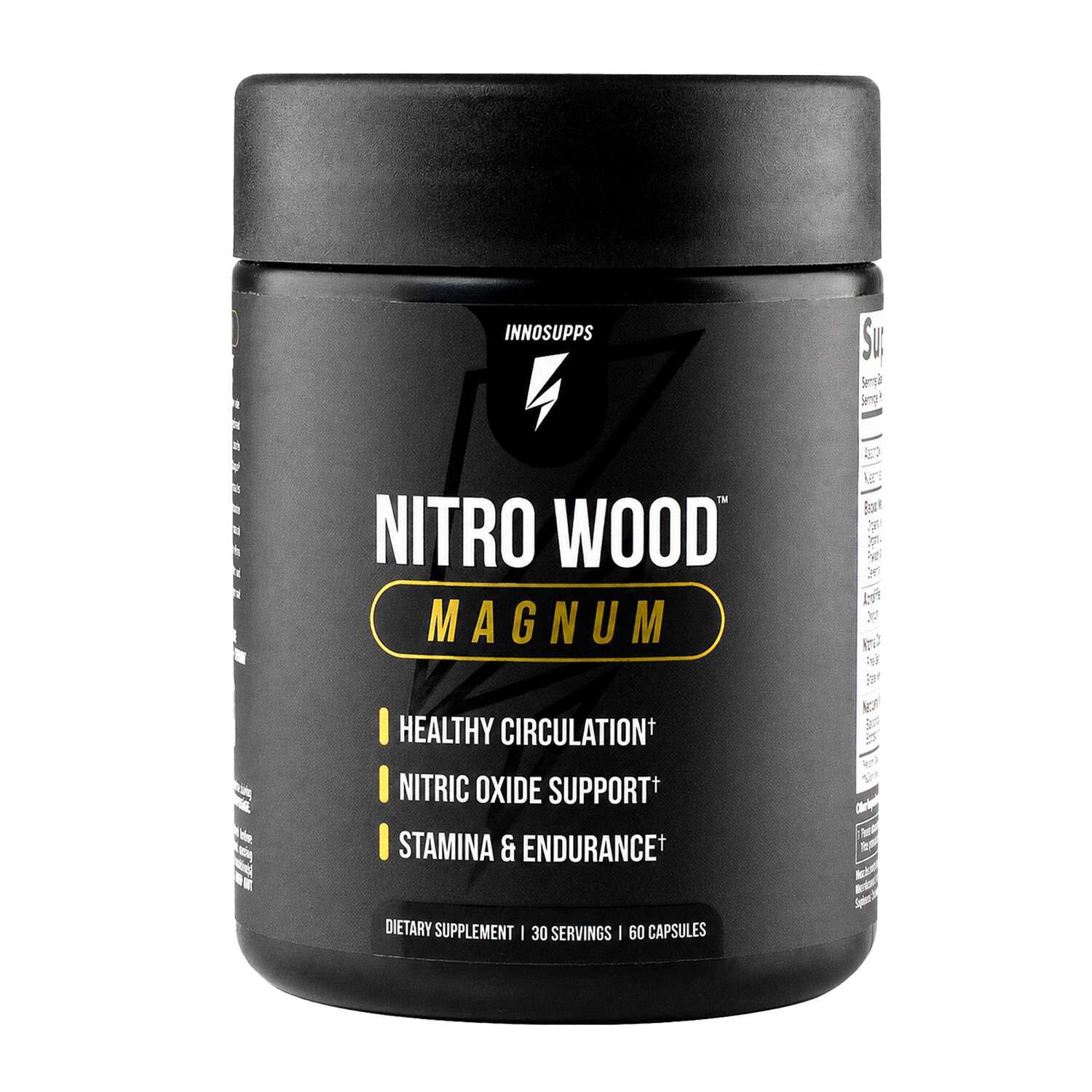
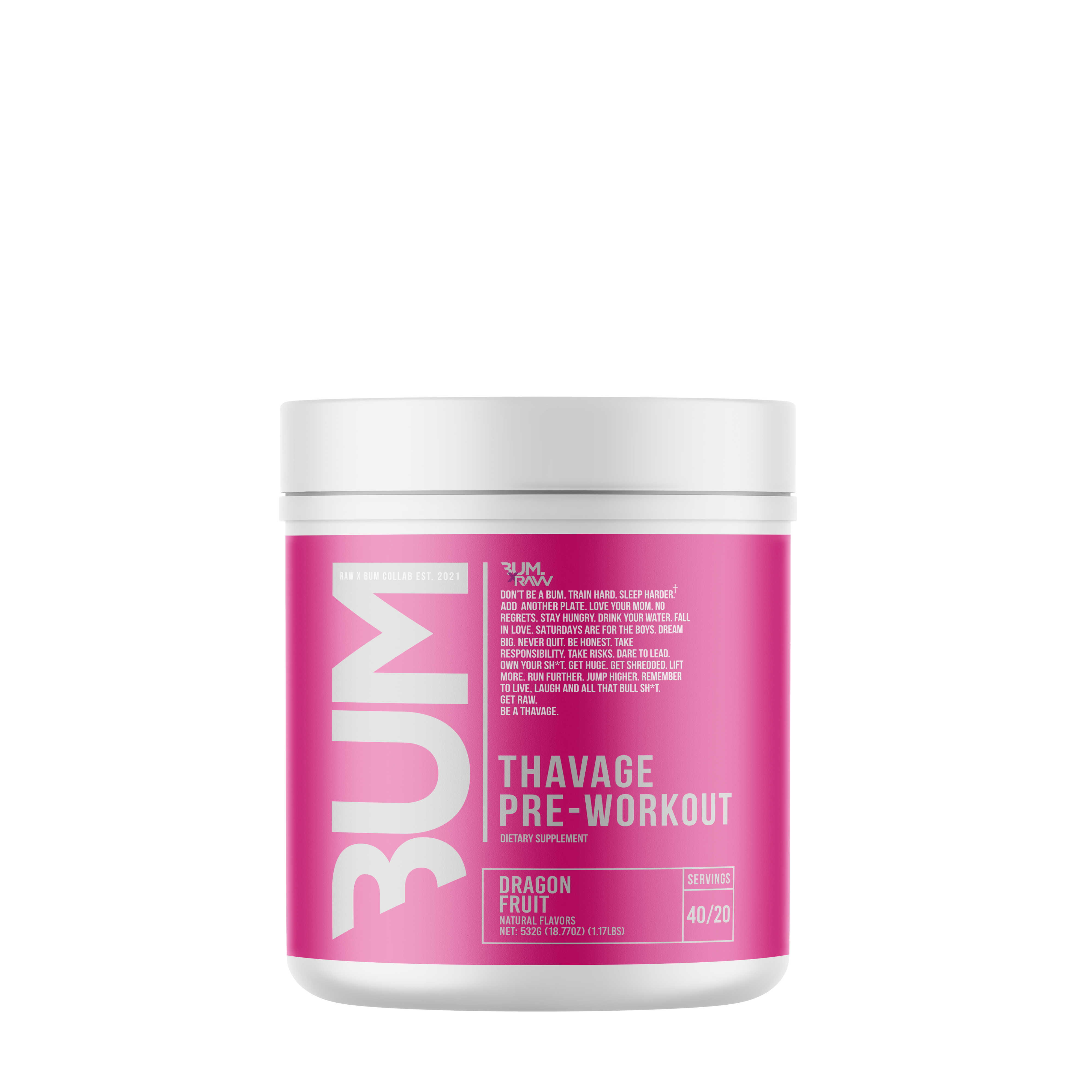

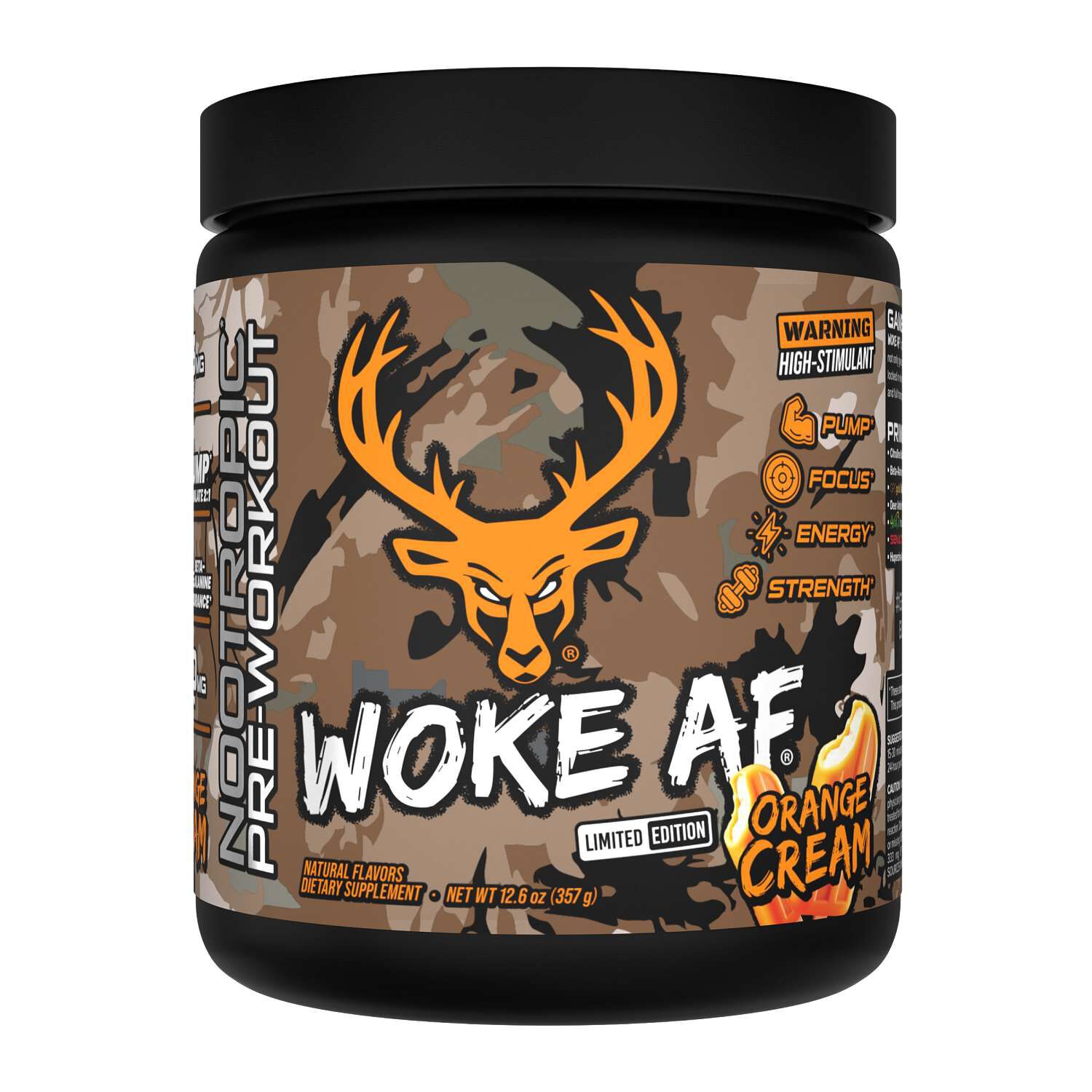
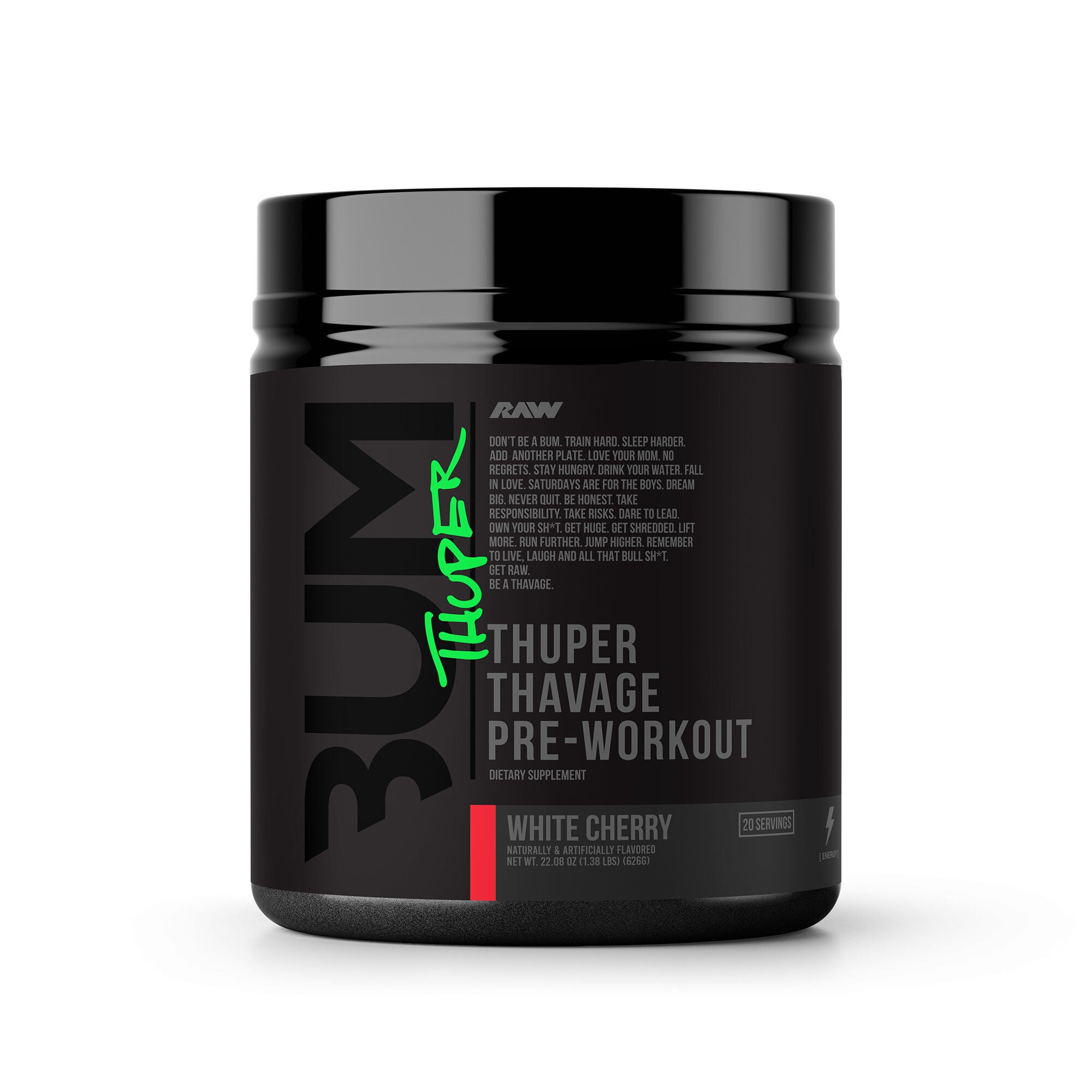


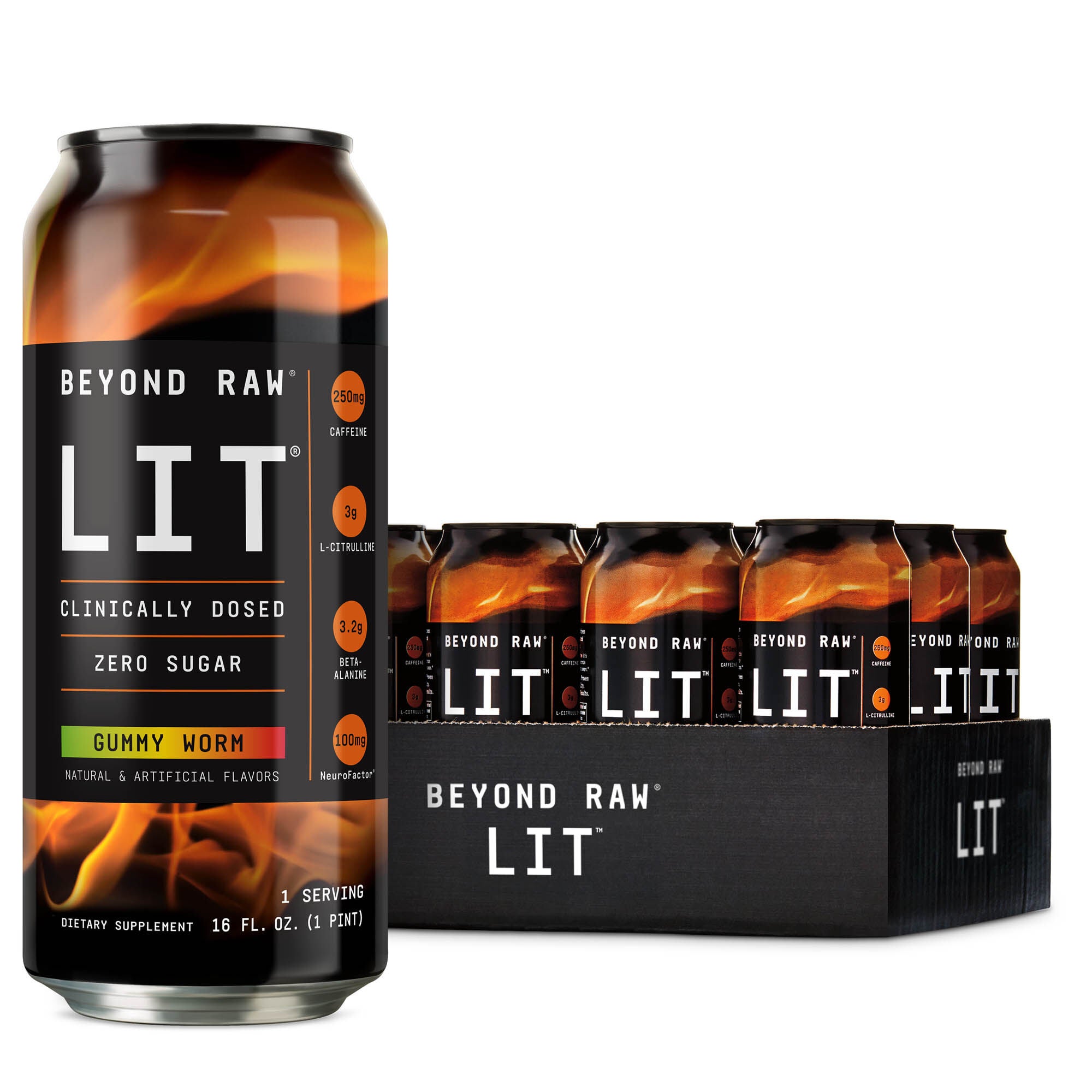
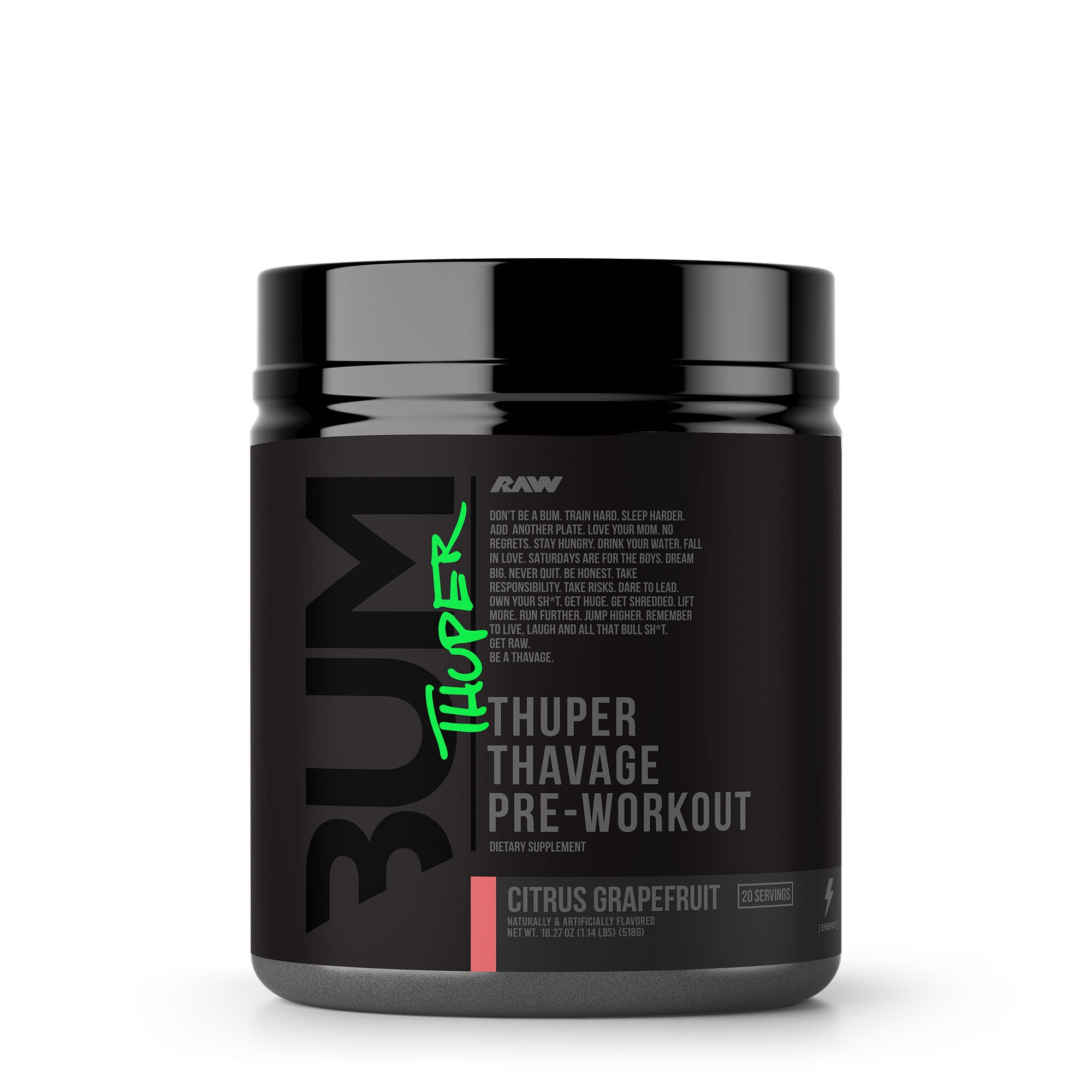
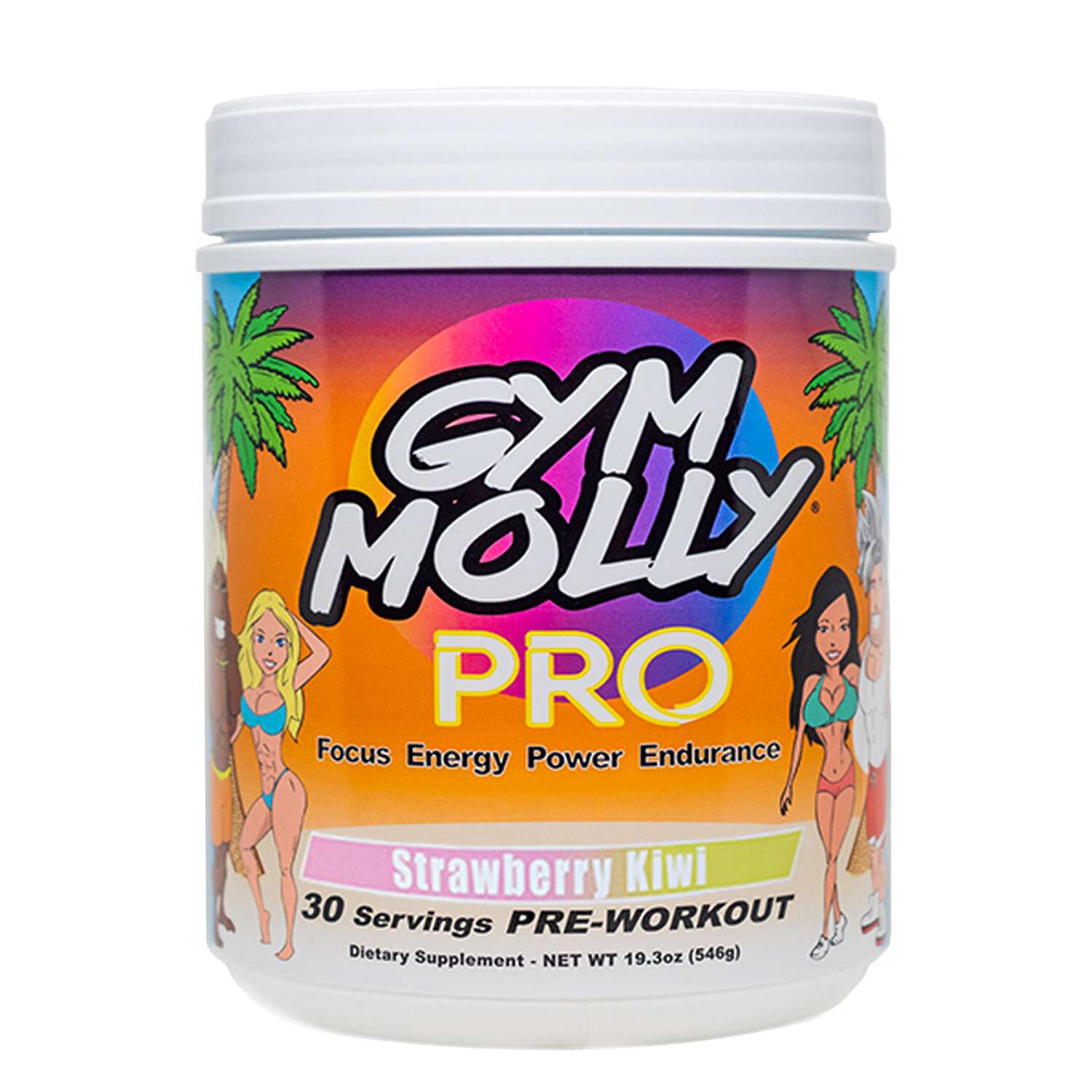
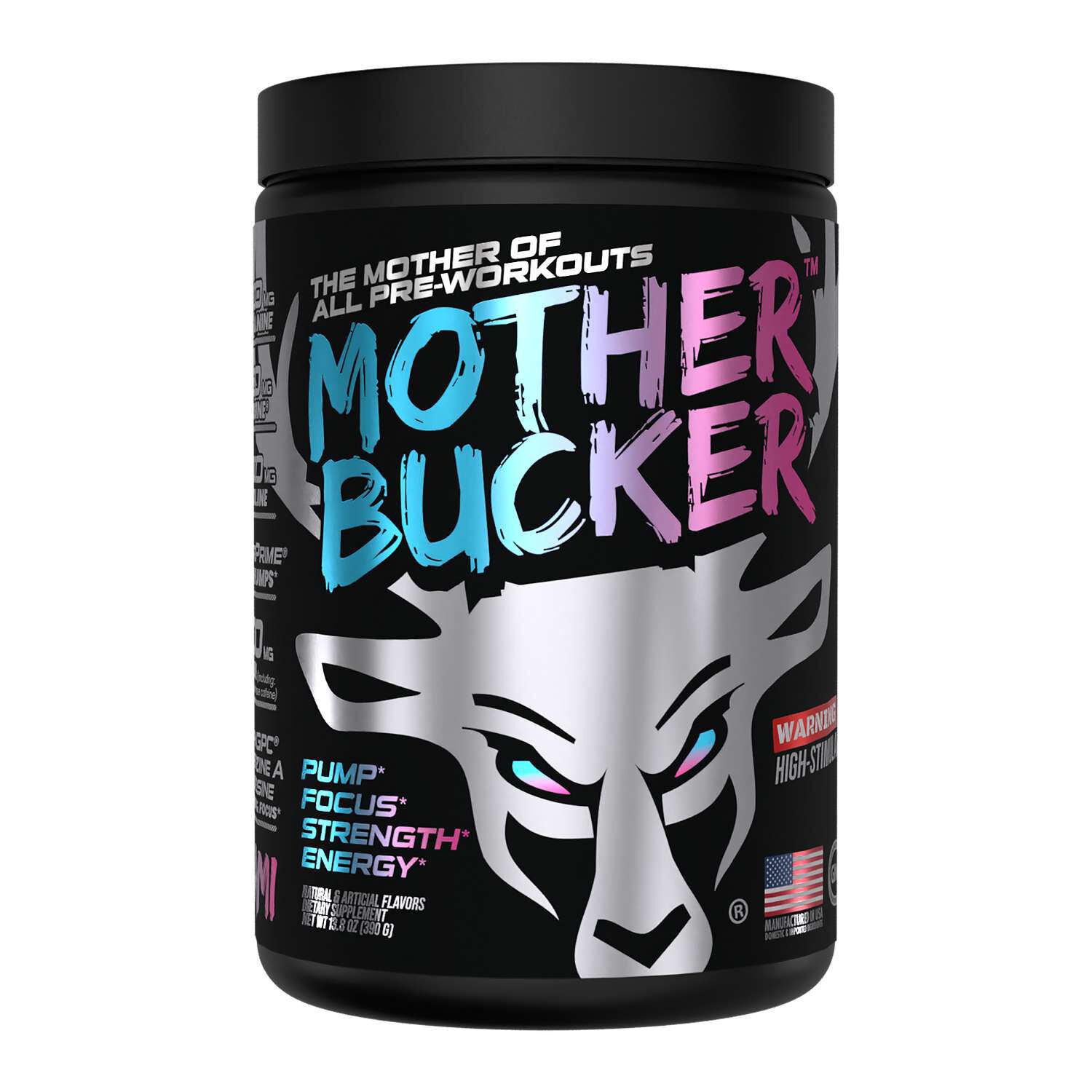
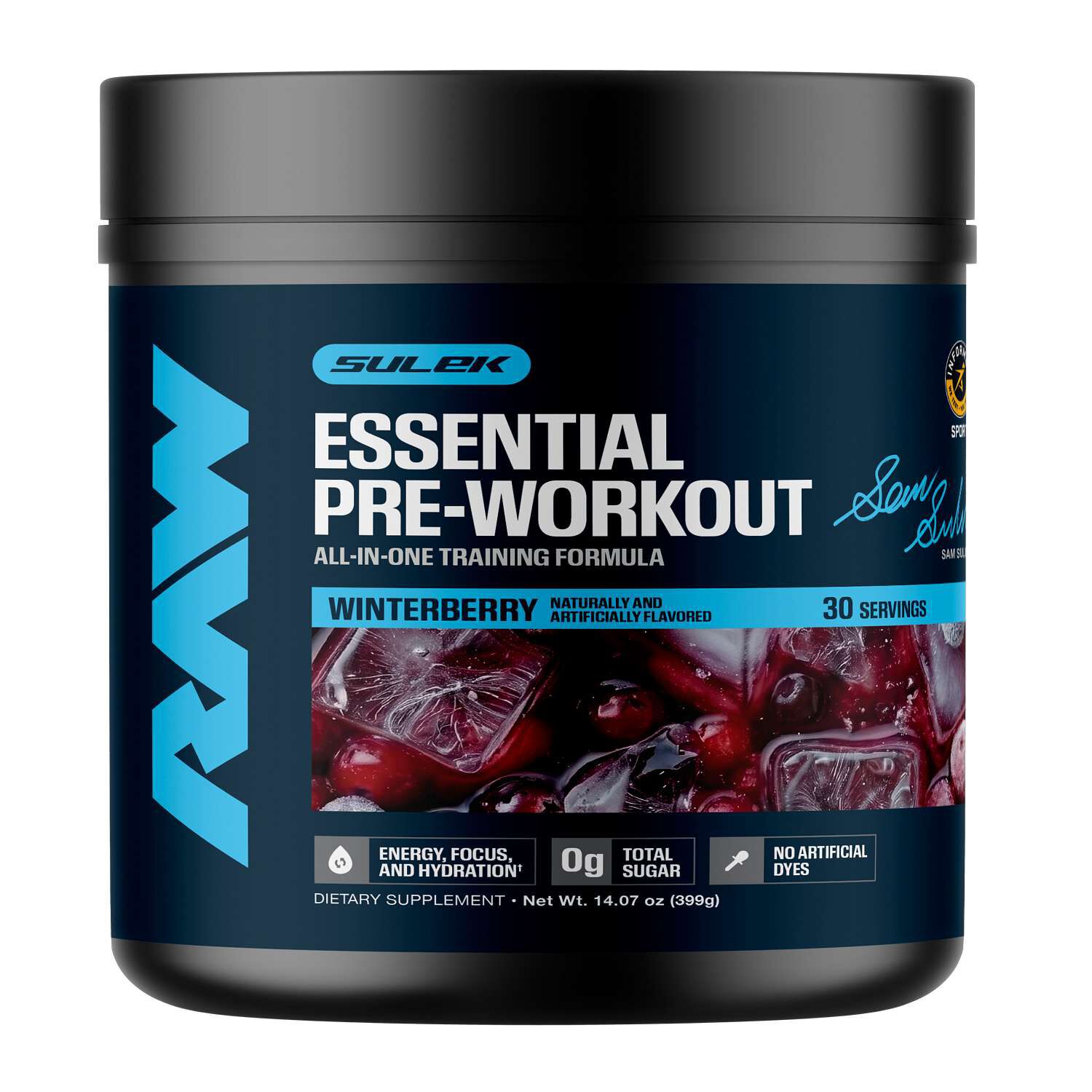
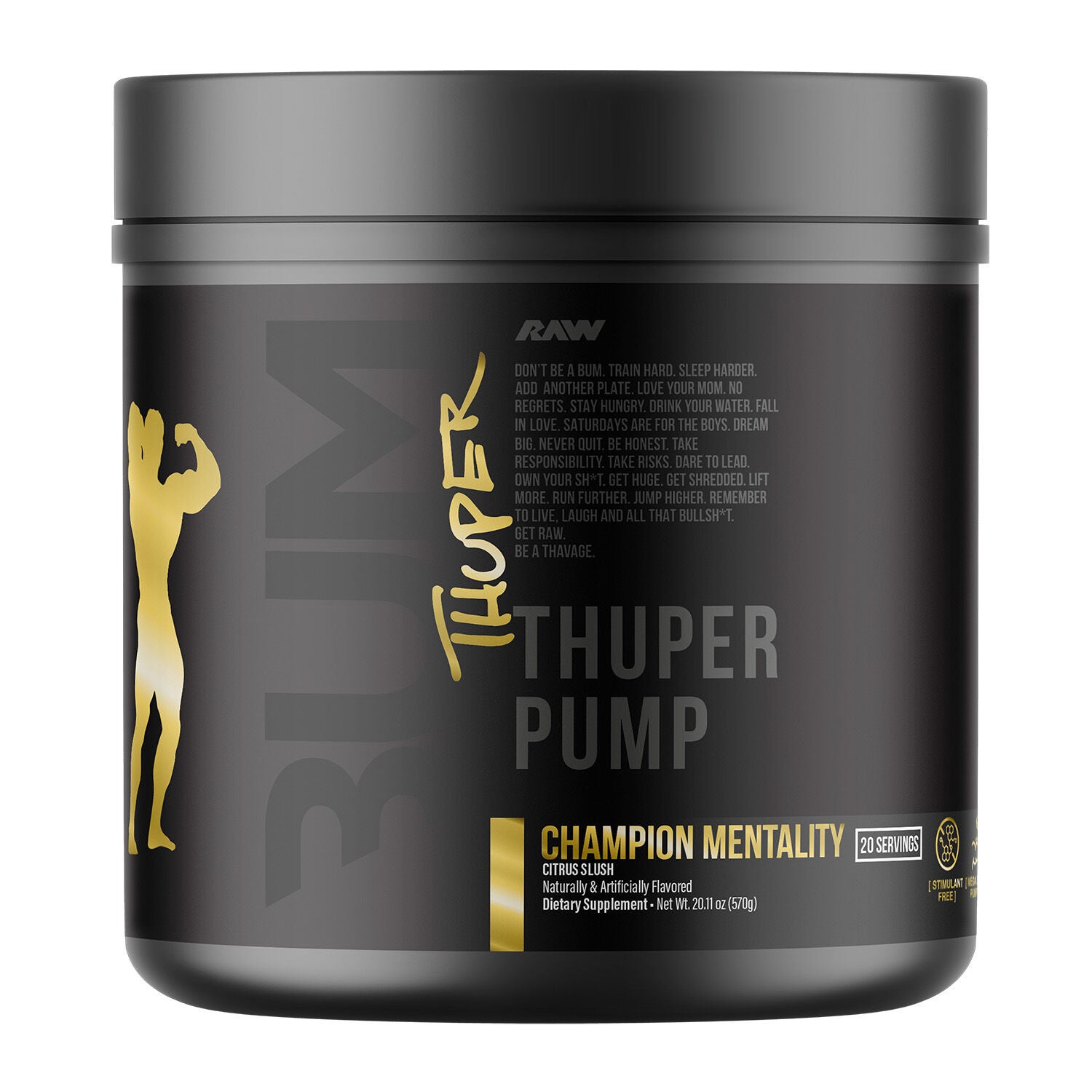
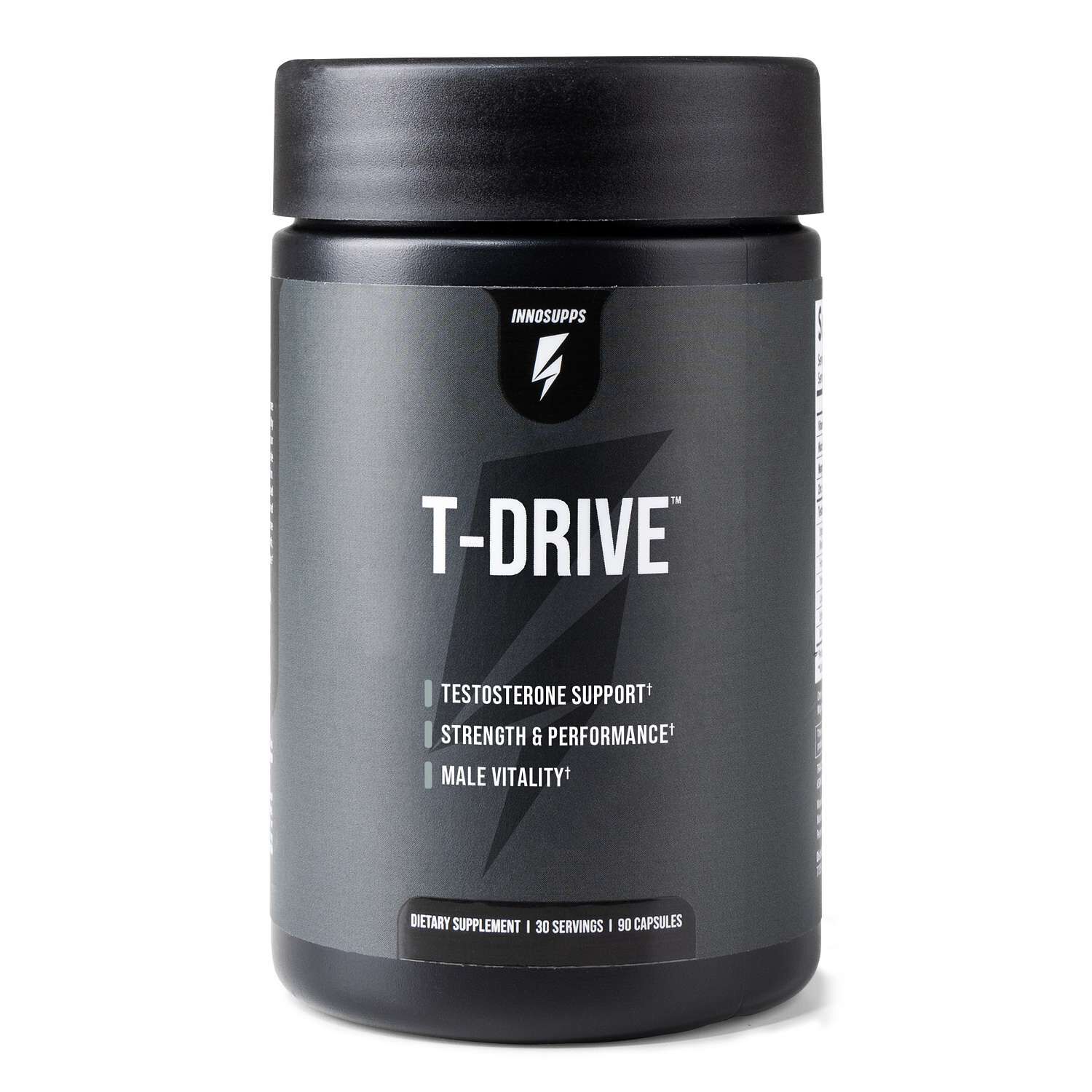
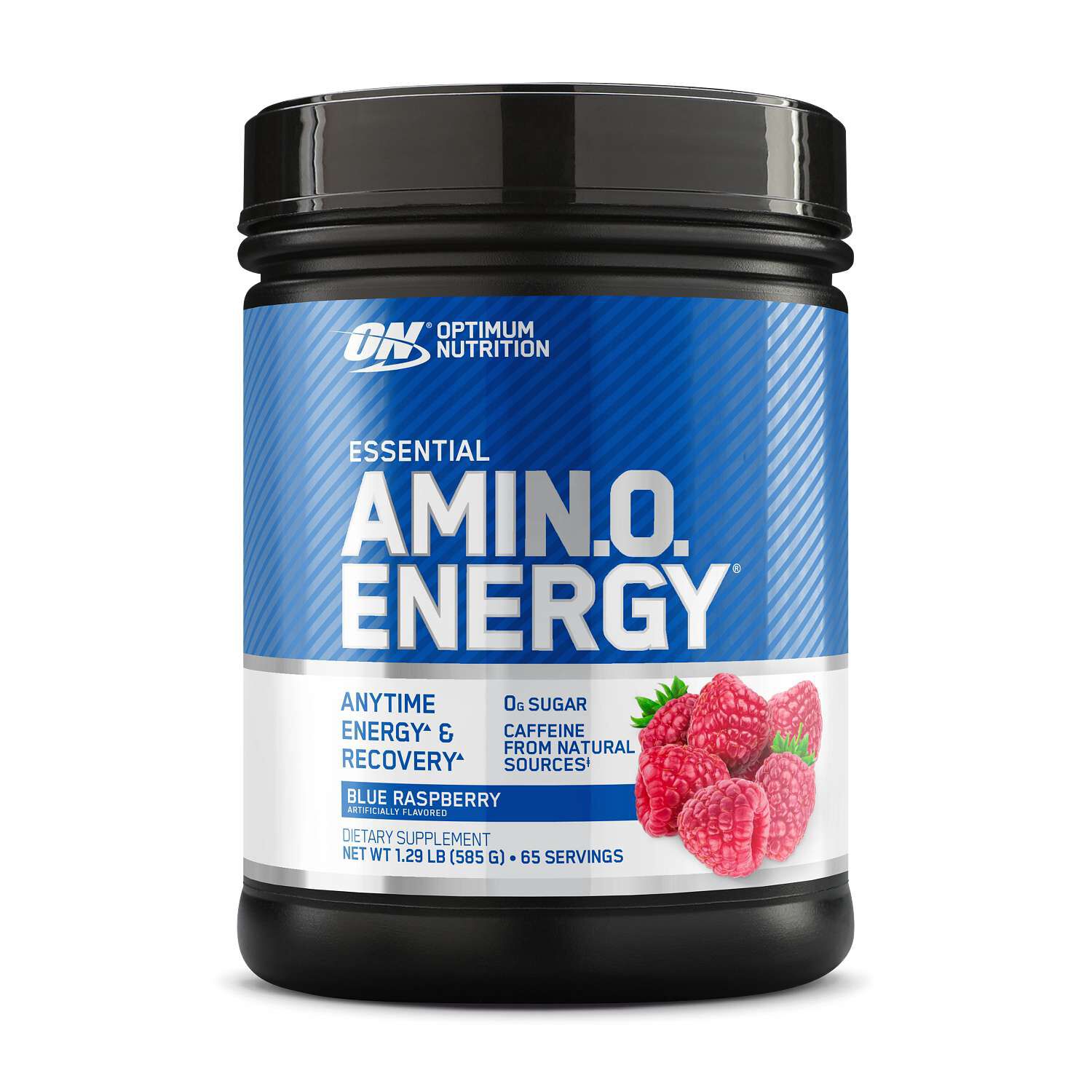

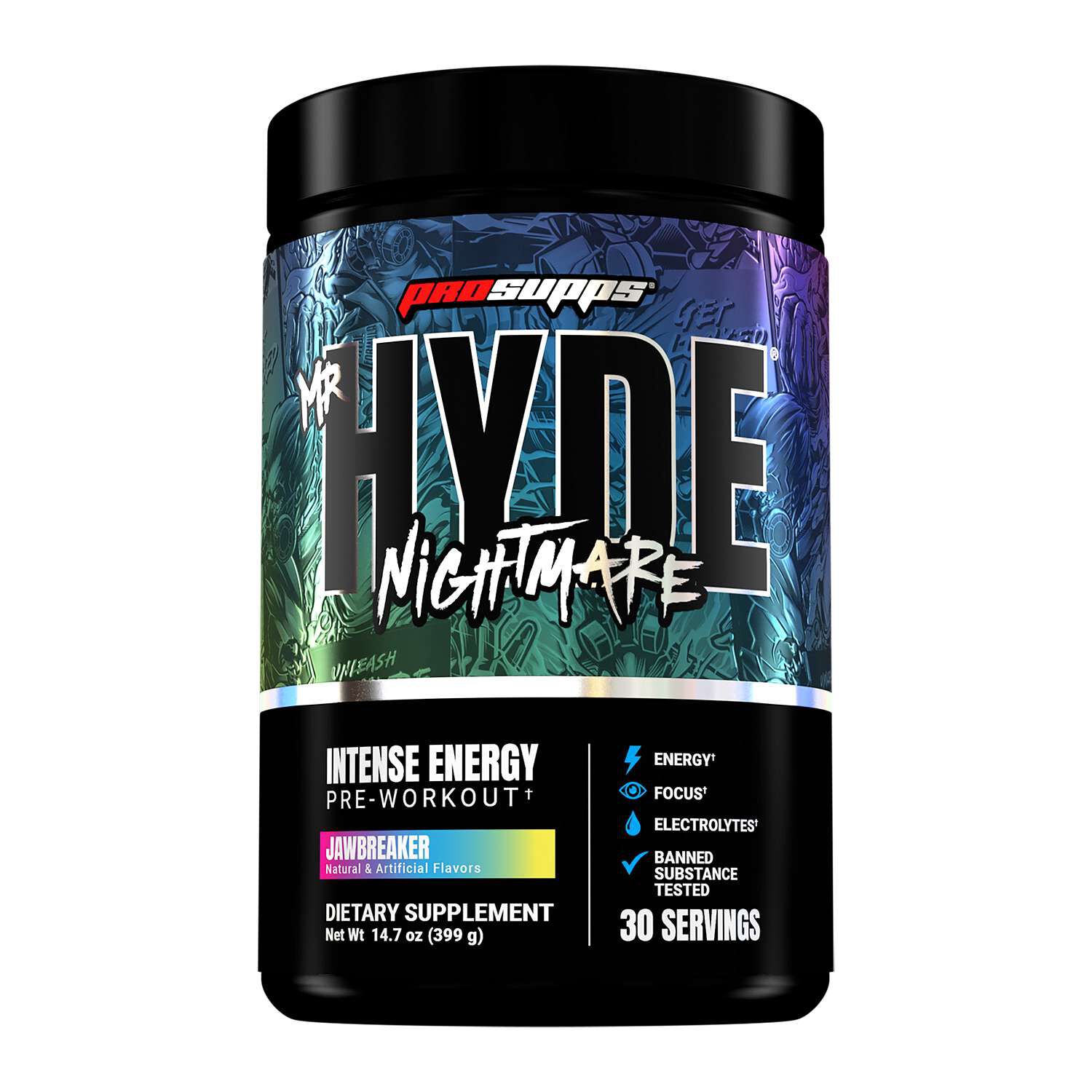


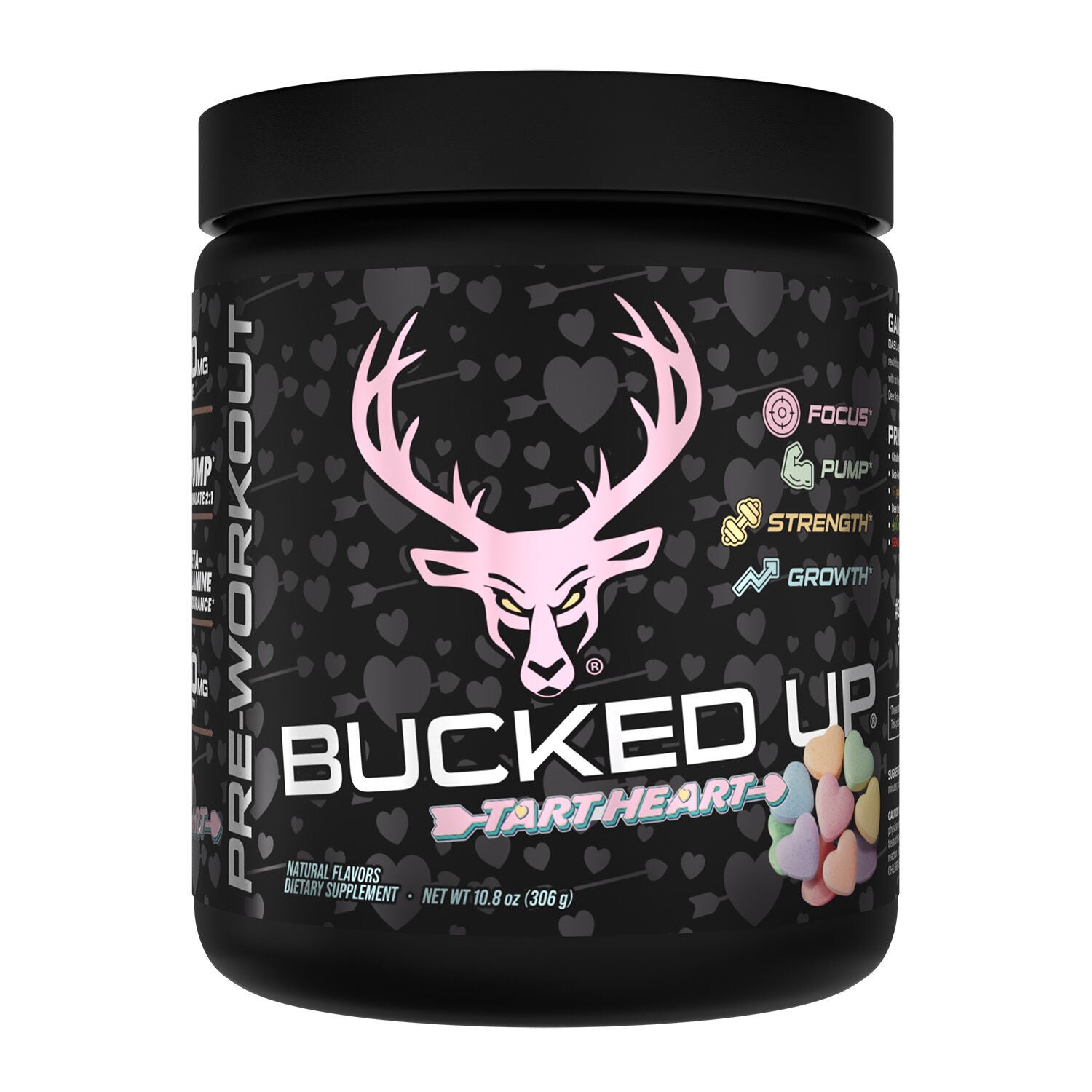

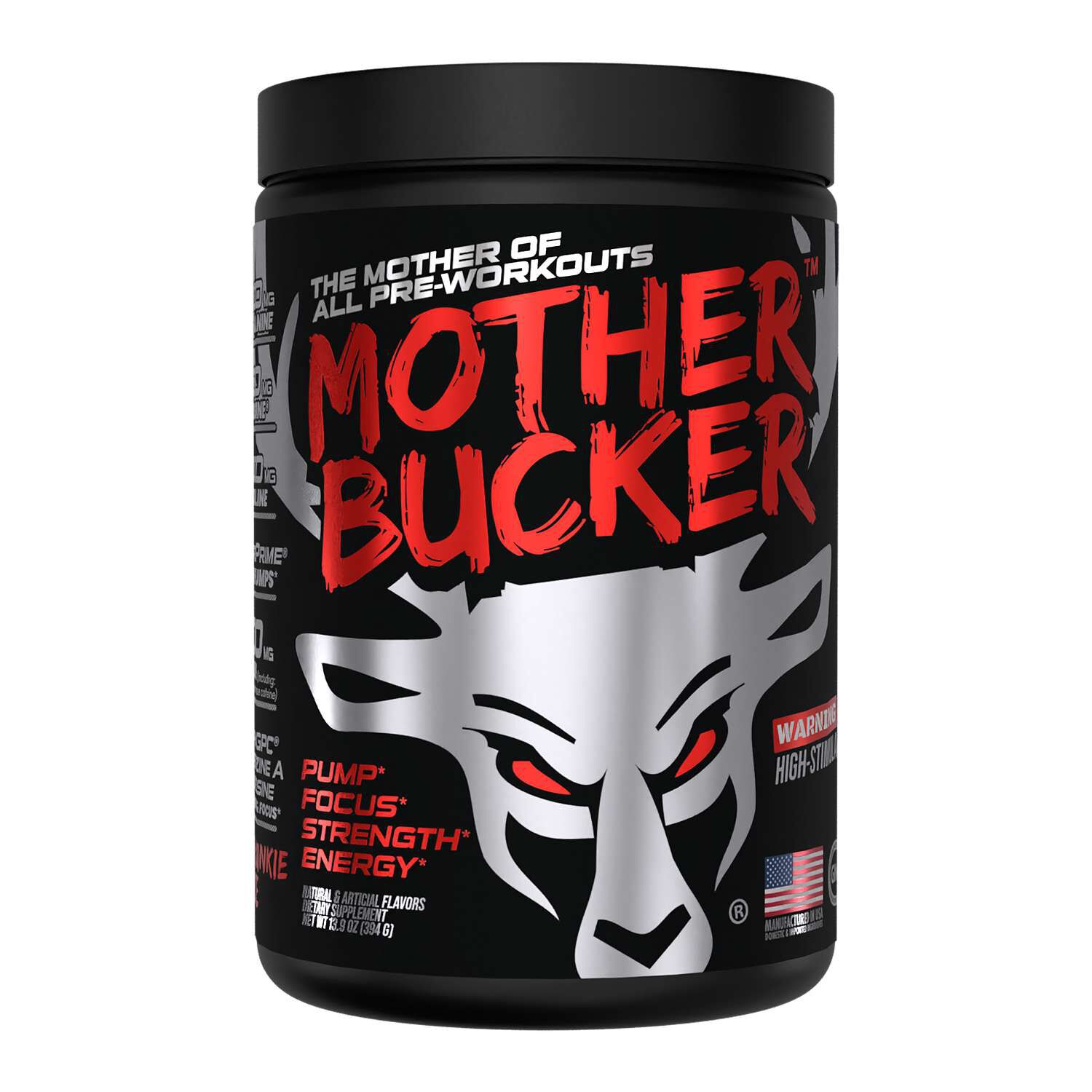

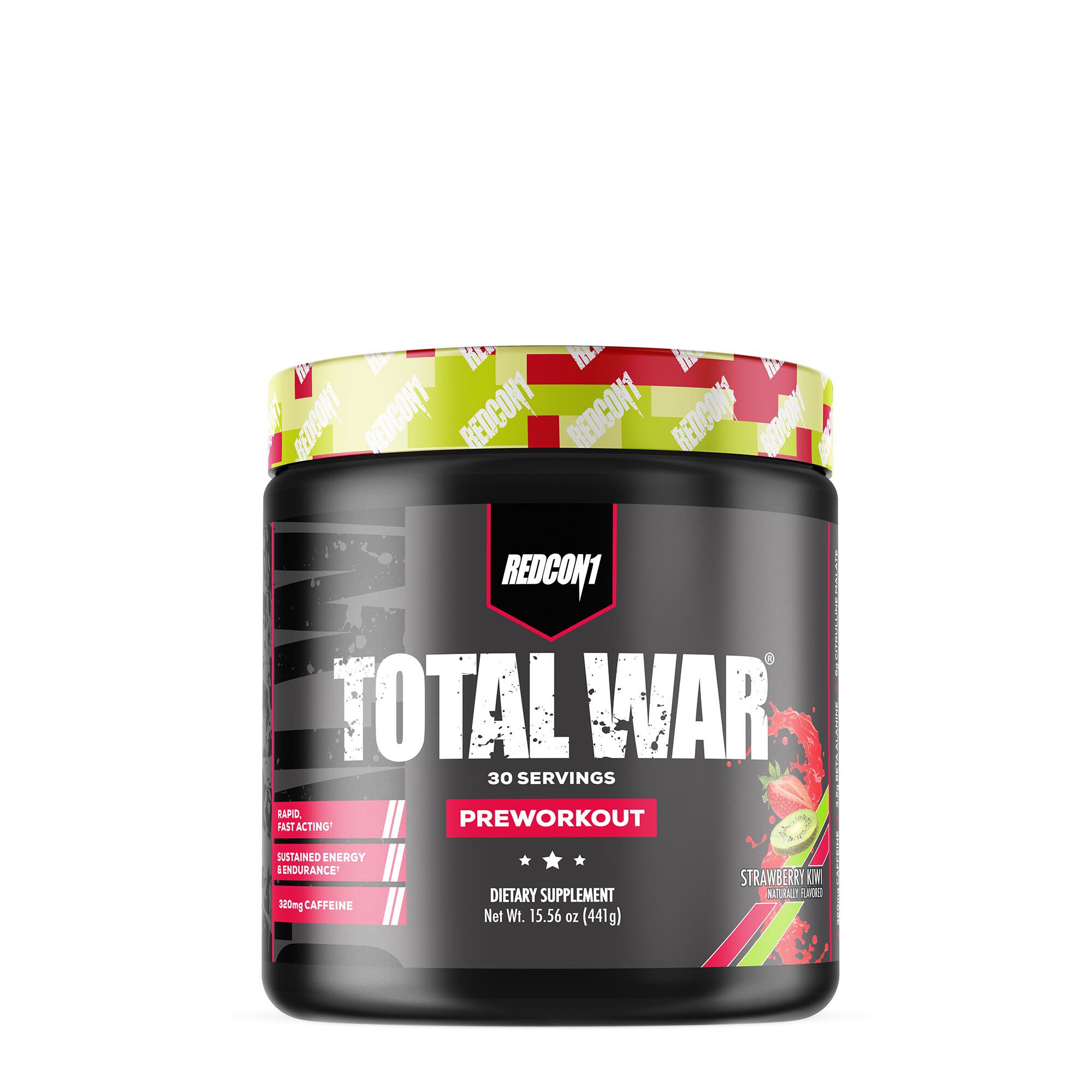
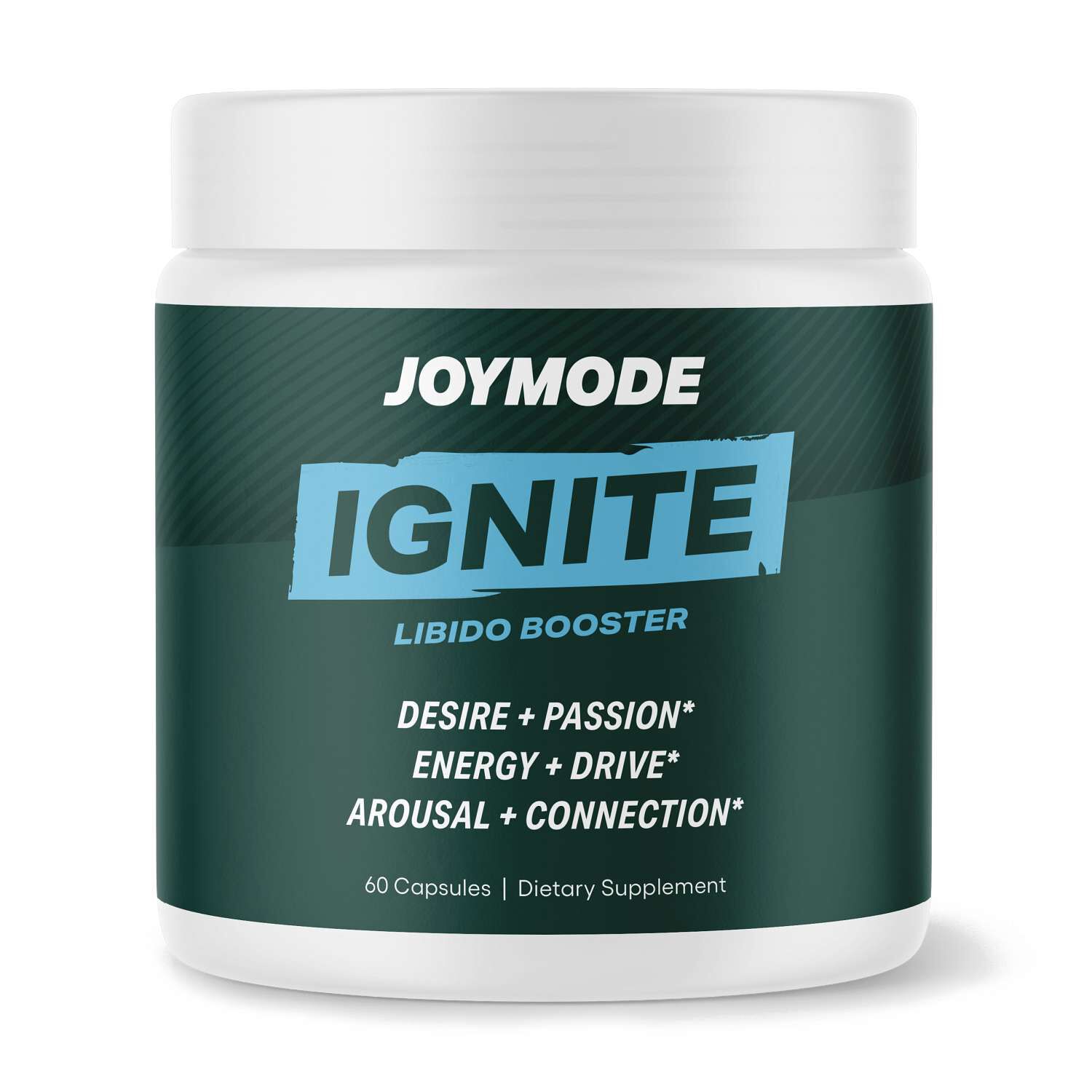
Confidence itself is personal: knowing the session plan, recognizing familiar equipment, and having a routine that fits the day all contribute to the experience of walking onto the gym floor. Supplements may play a supporting role in that routine, but no single ingredient determines how ready or capable someone feels. Caffeine-containing pre-workout formulas may support alertness and focus before exercise, while formulas without caffeine offer a different ingredient profile for shoppers who prefer to avoid it. Creatine monohydrate may support strength and power during repeated, high-intensity efforts, making it relevant to activities such as resistance training and sprint intervals. Beta-alanine may support performance during certain sustained, high-intensity efforts, although its purpose differs from that of caffeine. Protein supplements may support muscle recovery after exercise and provide another way to add dietary protein when a meal does not fit neatly around a training session. Electrolyte supplements may support hydration during exercise, with ingredient amounts and intended uses varying across formulas. These categories serve different purposes, so they are not interchangeable simply because they share a place in a gym bag. Someone practicing barbell movements has a different training context from someone preparing for a long cycling session or attending a circuit class after work. A useful comparison starts with the activity and the role a supplement is intended to play, rather than the intensity of the label language. Energy, hydration, and recovery are separate considerations, and a formula designed around one does not necessarily address the others. The most relevant choices are those that match an established routine, personal preferences, and clearly stated label directions. That distinction keeps the focus on practical preparation rather than expecting a powder, capsule, or drink to create motivation on its own. Familiarity with the routine matters, too, whether that means packing a shaker beside lifting shoes or setting aside time for a meal after training.
Format, ingredients, and everyday usability are important parts of comparing workout supplements. Powders offer flexibility in mixing, but they also involve measuring, a suitable container, and a texture that feels comfortable to drink. Capsules and tablets have a different preparation process, while ready-to-drink formats remove the mixing step. For someone heading straight from a desk to a training session, container size and portability matter; for someone exercising at home, storage space and cleanup may be more relevant. Protein sources also differ. Dairy-derived proteins and plant-derived proteins have distinct ingredient profiles, flavors, and textures, and labels identify sources such as milk, soy, pea, or rice. A short ingredient list is not automatically a better match than a longer one; the details matter more than the count. Sweeteners, flavorings, caffeine content, and allergen statements all help distinguish otherwise similar-looking options. Serving information deserves the same attention, since a scoop is a measuring tool rather than a uniform amount across every formula. Comparing the labeled quantity of an ingredient per serving gives a clearer picture than comparing container size alone. Blended formulas also differ in how much information they disclose about individual ingredients, making transparent labeling a useful shopping consideration. For caffeinated options, the stated caffeine amount and any other caffeine-containing ingredients belong in the comparison alongside coffee, tea, or other beverages in the daily routine. Timing preferences matter as well, particularly for people whose training takes place close to bedtime. Care and storage are practical details rather than afterthoughts: the package provides directions for storage conditions, closure, and use after opening. A securely closing lid, readable label, and container that fits the intended storage space matter over repeated use. With powders, a dry scoop and a clean mixing container are part of routine handling. Mixability and flavor preferences are equally personal; a thin, lightly flavored drink creates a different experience from a thick shake, even when both occupy a similar place in a workout schedule. Those differences matter when choosing something intended for regular use rather than an occasional trial.
Quality information adds another layer to the decision. Clear ingredient names, stated serving amounts, accessible manufacturer information, and documentation of independent testing give shoppers concrete details to evaluate beyond packaging design. Testing programs differ, so the meaning of a mark matters, including whether the assessment concerns ingredient identity, label accuracy, or substances restricted in organized competition. Competitive athletes have an additional reason to examine those details because participation rules vary by organization. Testing information is not a prediction of personal results, just as a familiar ingredient name does not make every formula equivalent. Related categories such as Gym Motivation Supplements provide another way to browse sports nutrition around the experience of getting ready to train, while the ingredient panel explains what each formula contains. For an adult returning to a familiar exercise routine, a straightforward format with a clearly defined purpose may be more appealing than a complicated collection of overlapping formulas. An experienced gymgoer may place more emphasis on ingredient amounts, flavor variety, or how a supplement fits alongside existing choices. Neither approach requires treating every workout as a personal record attempt. Some sessions are about practicing technique, following a manageable plan, or simply showing up with enough time to warm up. Supplements may complement those habits, while meals, sleep, preparation, and consistent training remain part of the broader picture. As a gift, sports nutrition is highly personal: a recipient’s known ingredient preferences, dietary choices, and favored formats matter more than assumptions about fitness goals. A familiar category chosen with those preferences in mind is a different gesture from selecting something intended to change another person’s body or routine. Across training styles, the strongest connection between supplements and workout confidence is a considered fit with everyday habits. Clear labeling, a suitable format, and realistic expectations keep the shopping experience grounded in what the product is, how it is intended to be used, and where it belongs in an individual training routine.