





Supplements For Cold Prevention
(0 Results)
Boost your immune system and stay healthy year-round with our selection of supplements for cold prevention. From vitamin C to zinc, echinacea to elderberry, our range of products is designed to support your body's natural defenses and help ward off seasonal illnesses. Whether you're looking to prevent a cold before it starts or seeking relief from symptoms, we have a variety of options to suit your needs. Stay proactive about your health and stock up on these essential supplements today.
-

-

-

-
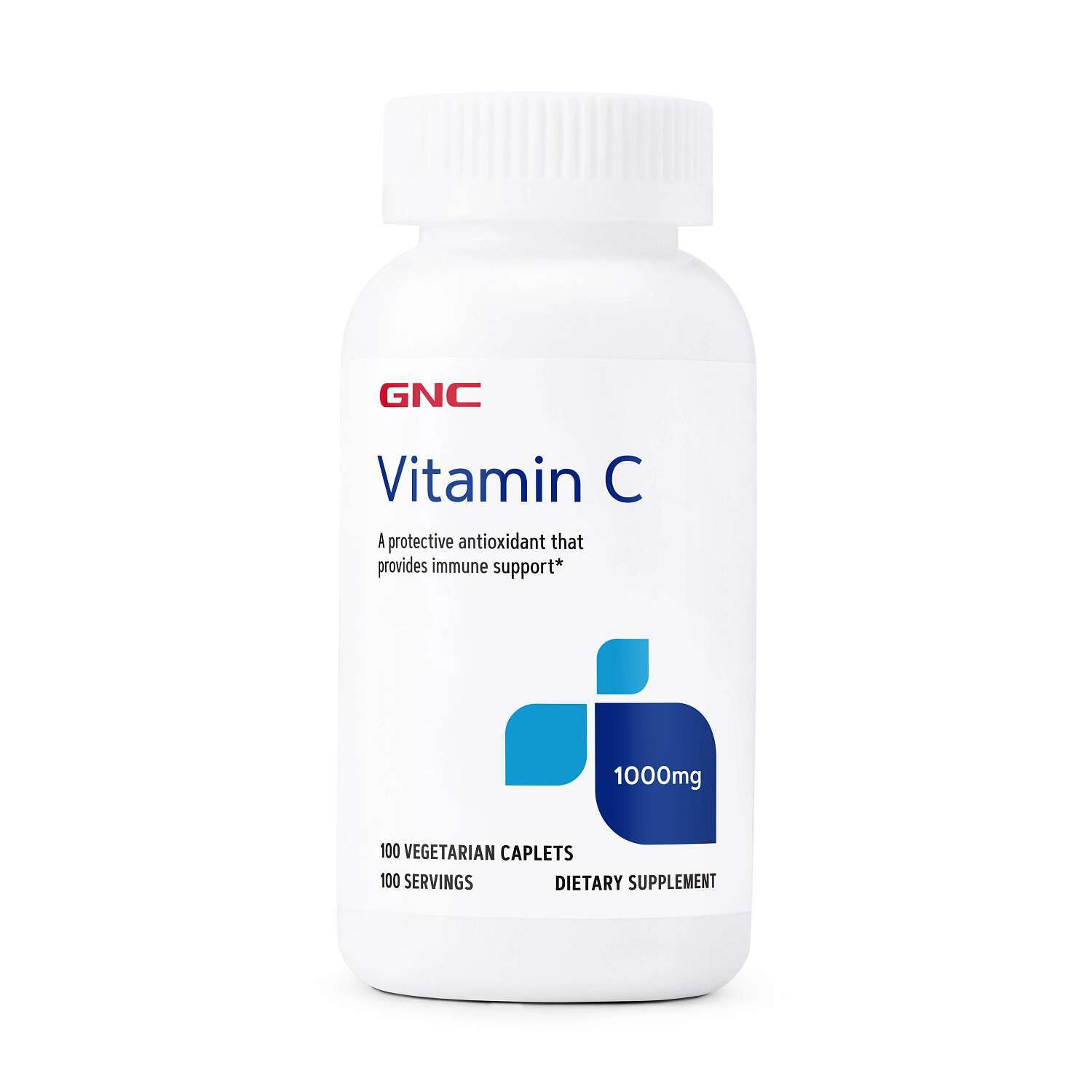
-

-

-

-

-
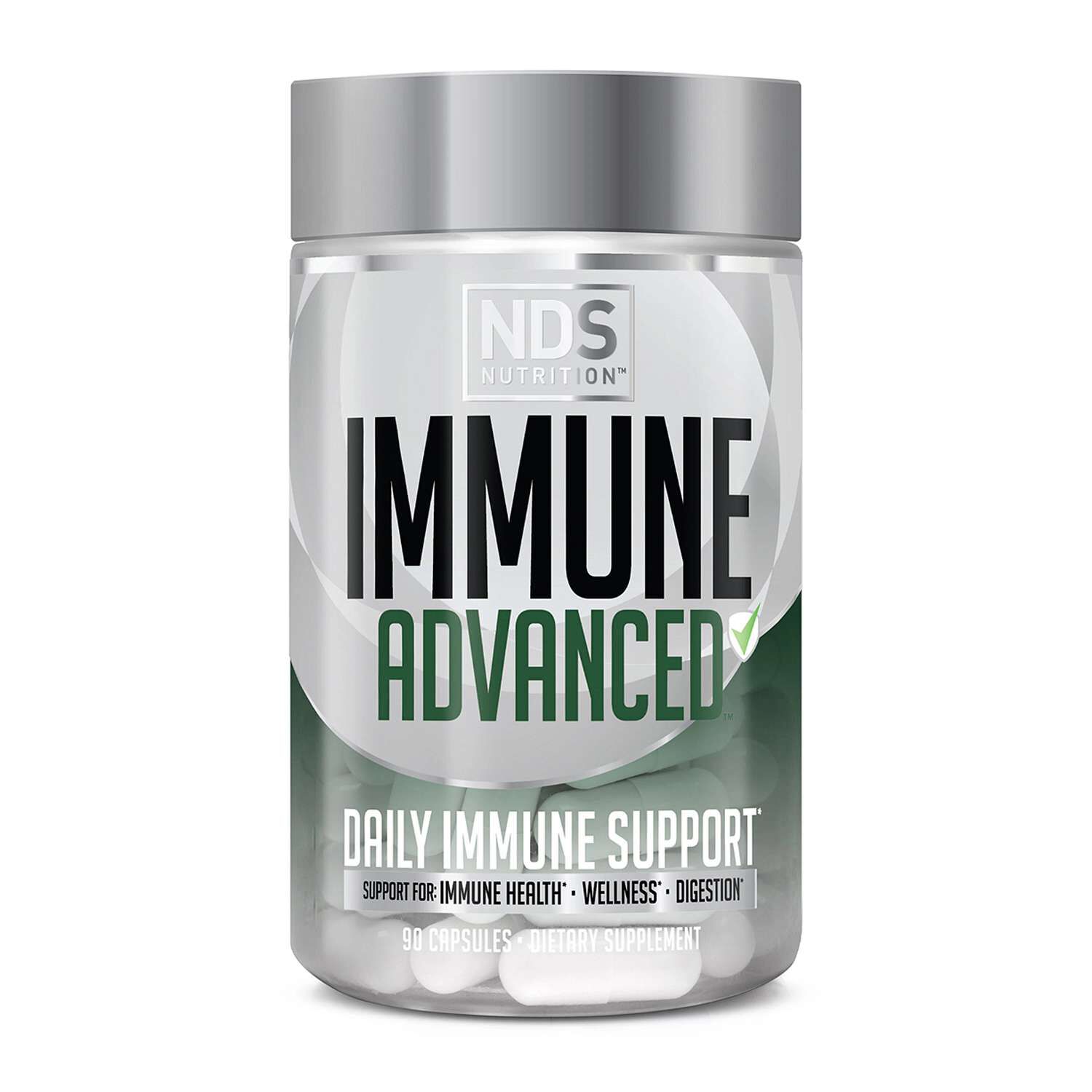
-

-

-
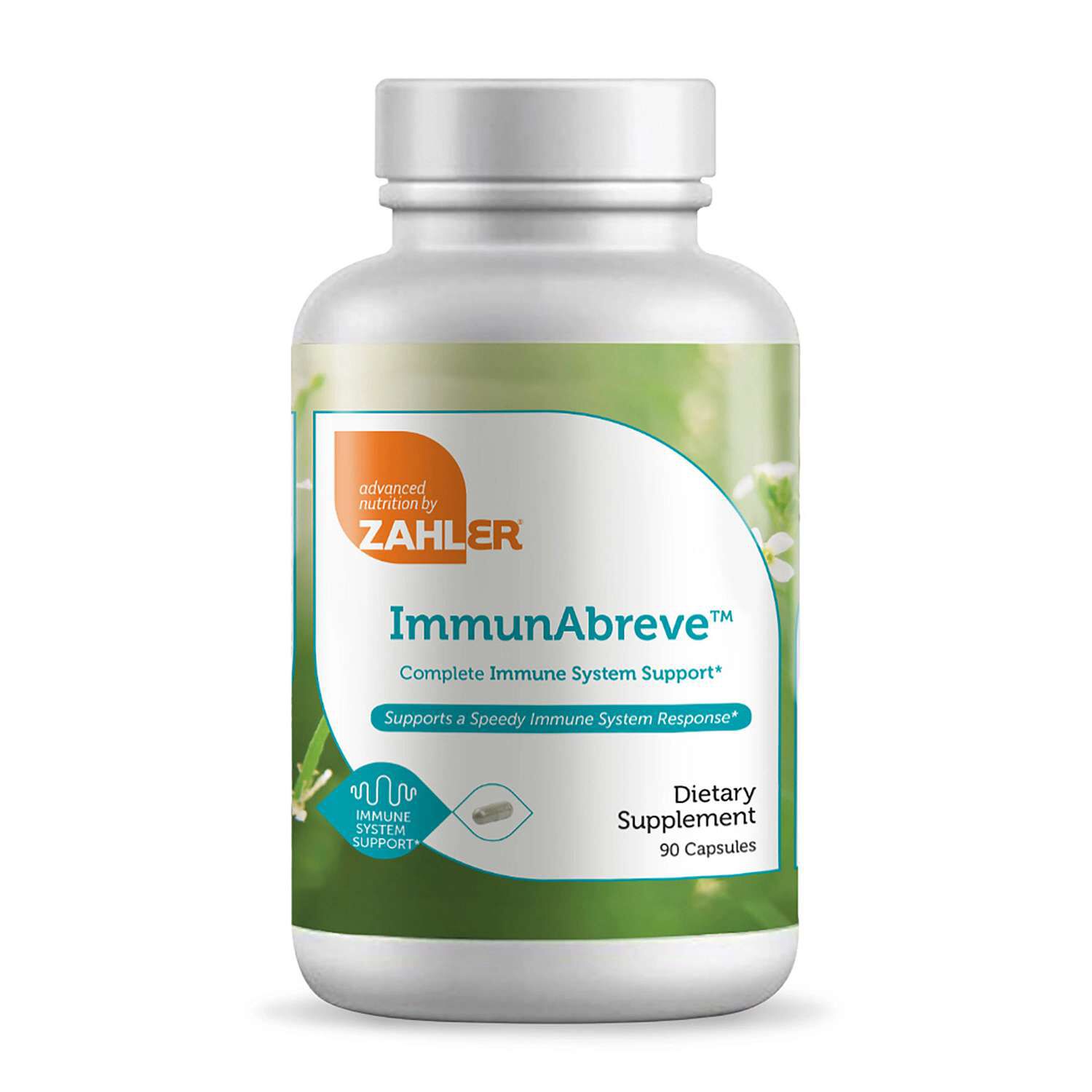
-

-

-
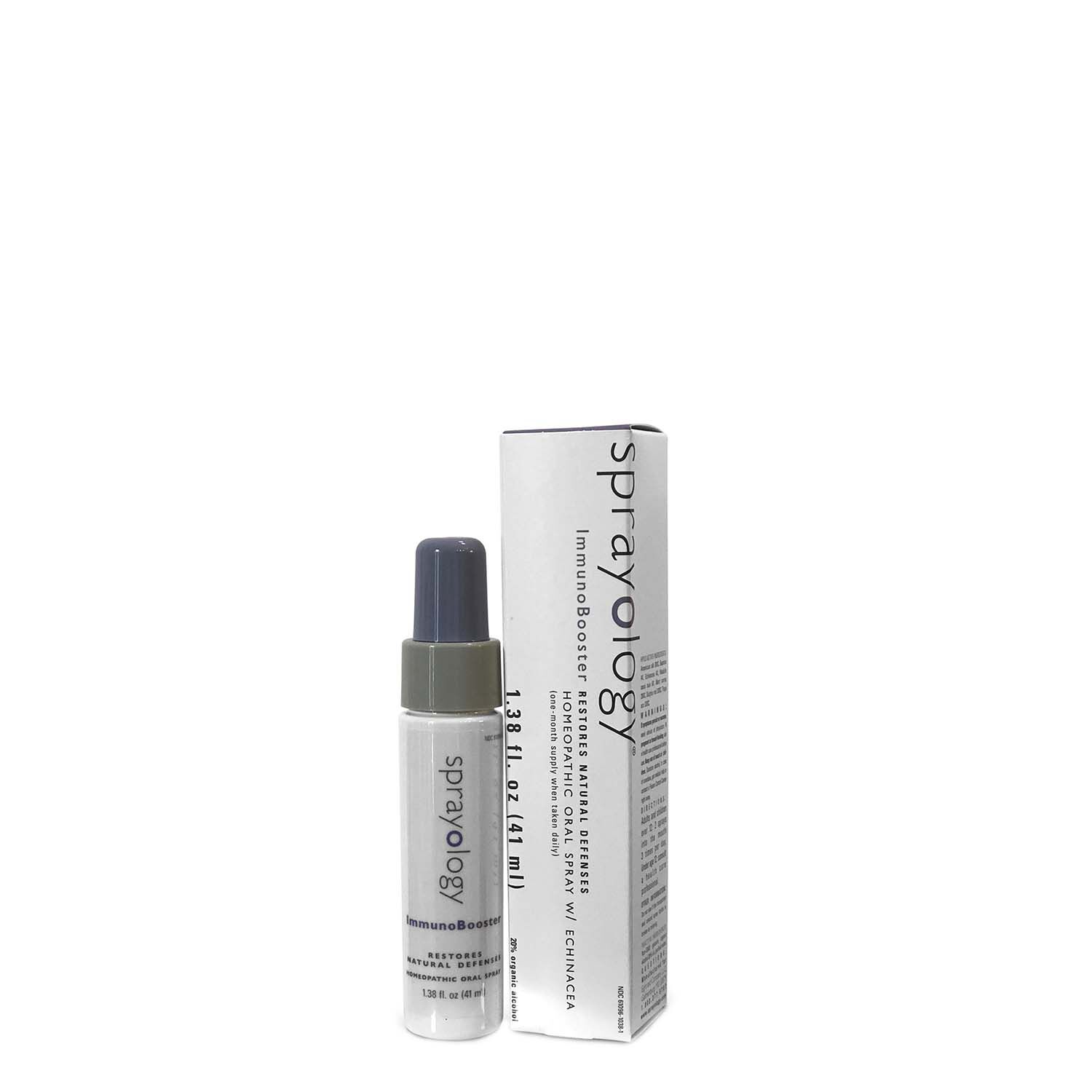 Sprayology$38.99
-

-

-
 Angry Supplements$11.99
-
 $29.99
-
-


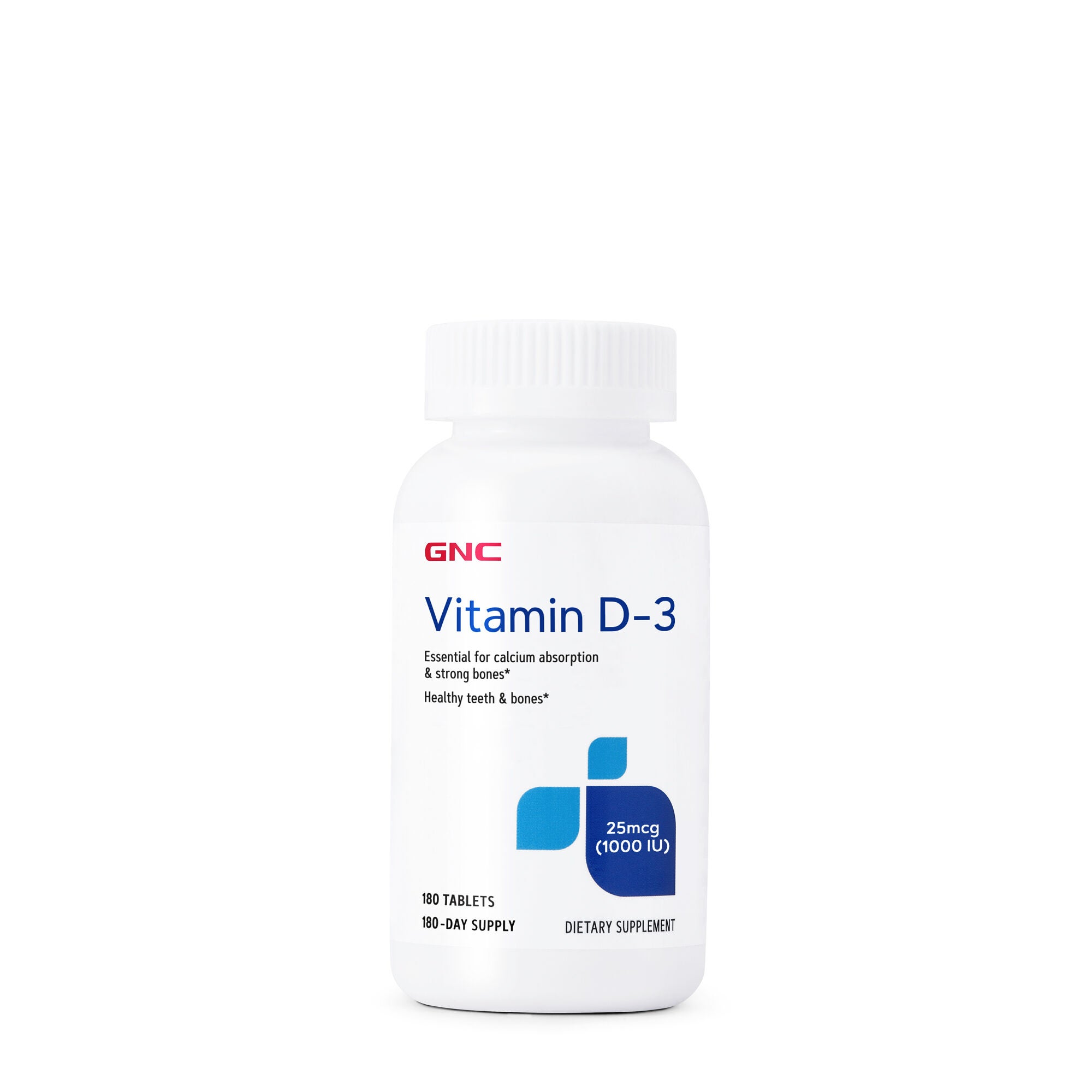
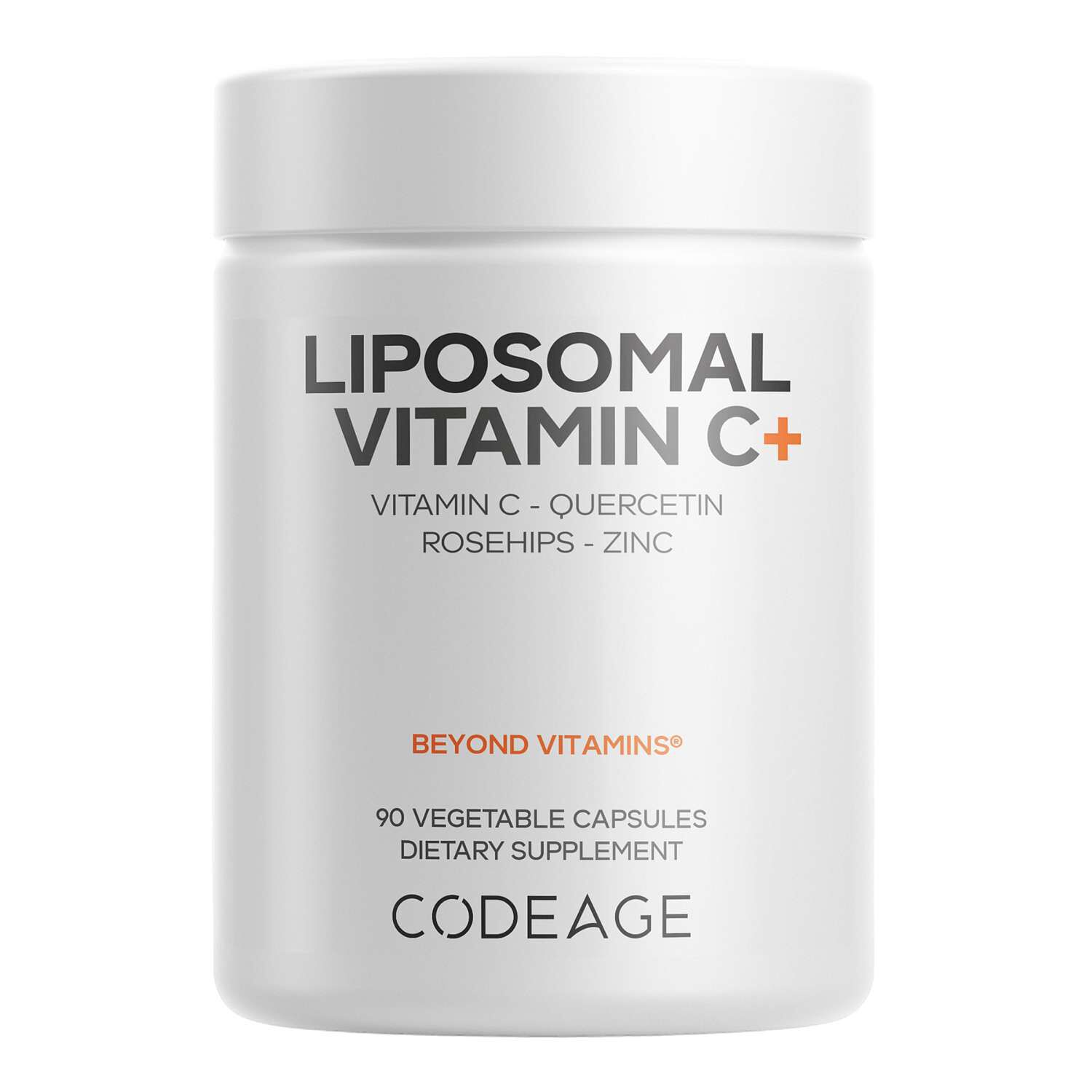
Dietary supplements are not established as a reliable way to prevent the common cold. Products often grouped under supplements for cold prevention may support everyday nutrition or normal immune function, but those possibilities are different from preventing an illness. An immune support statement on a label should not be read as proof of cold prevention. That distinction matters when comparing vitamin C, vitamin D, zinc, multivitamin formulas, and botanical blends, because similar packaging language can describe very different ingredient profiles. Some formulas feature one nutrient, while others combine several vitamins and minerals with plant-derived ingredients. A single-nutrient format offers a straightforward ingredient list to compare, whereas a combination formula calls for a closer look at each component and its amount per serving. More ingredients do not, by themselves, establish a more suitable product. The Supplement Facts panel provides a useful starting point: it identifies serving size, amounts of listed dietary ingredients, and Daily Value percentages where established. A serving might mean one tablet, two gummies, or a measured portion of powder, so the front-label count alone does not describe how a package fits into a routine. Adults already using a multivitamin may notice the same nutrients in an immune-focused formula; comparing labels can make those overlaps easier to recognize. Food preferences also help frame the comparison. Someone who regularly eats citrus, peppers, beans, or fortified foods may approach a nutrition purchase differently from someone whose meals vary widely from day to day. That is context for reading labels, not a reason to assume a particular nutrient is missing. Personal suitability depends on more than the category name, including age, eating patterns, and individual circumstances. A useful product description is specific about what is inside the package and restrained about what taking it might accomplish.
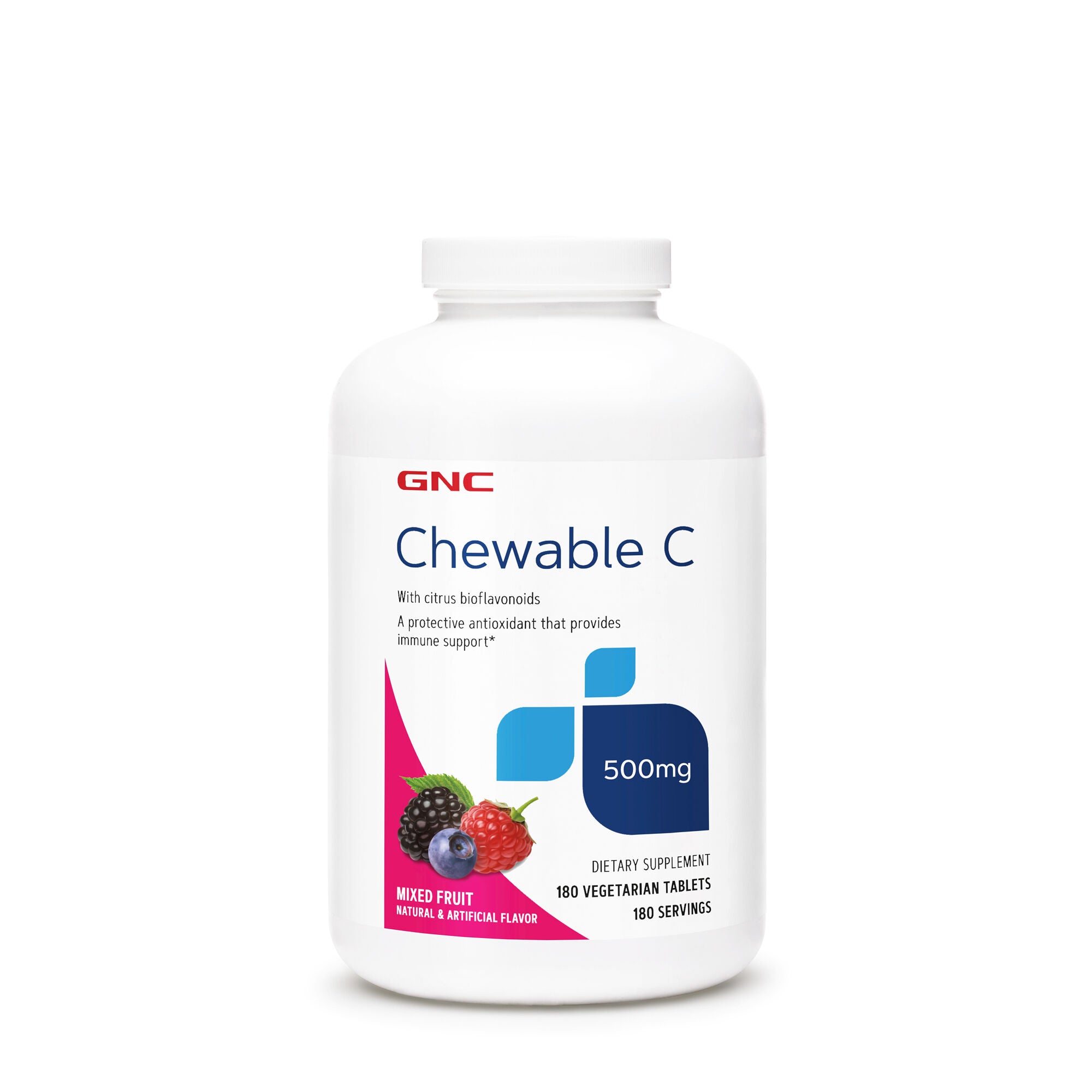
Format is often where a general search becomes a practical comparison. Capsules and tablets suit shoppers who prefer a compact option without preparing a drink, although their dimensions and coatings can differ. Gummies and chewables bring flavor and texture into the decision, with ingredient lists that may include sweeteners, fruit concentrates, gelatin, or pectin. A preference for a plant-based eating pattern makes the source of the capsule shell or gummy base relevant, not just the nutrients printed on the front. Powders and drink mixes involve a different routine: a glass, the amount of liquid specified on the label, and time for mixing. Someone who eats breakfast at a kitchen table may find that format more convenient than someone leaving home with a travel mug and a packed bag. Flavor descriptions, suggested preparation, and serving measurements give a more concrete picture than a broad wellness claim. Citrus flavor does not necessarily indicate which nutrients are present, and an appealing color does not describe ingredient quality. For shoppers who pay close attention to texture, a chewy gummy, a coated tablet, and a mixed beverage are meaningfully different experiences. The other-ingredients list adds details that the Supplement Facts panel alone may not cover, such as flavors, colors, binders, and capsule materials. Dietary preferences and sensitivities also make allergen statements and manufacturing disclosures worth comparing. No single format is automatically appropriate for every person, and an adult-oriented formula should not be assumed to suit a child simply because it looks like candy or tastes fruity. Intended age ranges and label directions belong in the comparison alongside serving size and ingredient amounts. In a household where several people keep nutrition products on the same shelf, clearly labeled containers make it easier to tell whose formula is whose. A practical choice matches its stated use and the shopper’s everyday habits, without confusing convenience, taste, or a familiar ingredient name with evidence of cold prevention.
Packaging, quality information, and storage details deserve the same attention as the ingredient list. A bottle intended for a kitchen cabinet presents different practical considerations from individually wrapped servings carried in a work bag, particularly when directions specify protection from moisture or light. Storage instructions describe the conditions intended for that formula; a bathroom shelf beside a steamy shower or a bag left in a parked car may not match them. Original packaging keeps the ingredient panel, lot information, date markings, and directions together rather than separating the contents from their identifying details. Closure design also matters in a shared home, especially where children have access to counters or cupboards. For powders, the included measuring tool and the labeled serving measurement are more useful references than an ordinary kitchen spoon. Package size is another practical detail: the number of servings, rather than the number of pieces alone, describes how much use a container is designed to provide. Quality statements are most informative when they name a specific testing program or explain what was assessed. Independent testing may address ingredient identity, composition, or certain manufacturing criteria, but it does not establish that a supplement prevents colds. A certification mark also has a defined scope; it is not evidence for every statement on a package. The related supplement for cold sores category has a different focus and should not be confused with general immune nutrition. Across either shopping interest, clear ingredient amounts, understandable directions, and transparent packaging information provide firmer comparison points than sweeping wellness language. Questions involving medications, pregnancy, nursing, or individual health circumstances require personalized context beyond a category description. Supplements may have a place in an individual nutrition routine, but the phrase cold prevention should not turn an ordinary label comparison into an expectation of protection. Keeping that distinction in view leaves room for a more grounded purchase based on formulation, format, intended user, and everyday practicality.
Best Sellers


Related Pages


Top Collections
- Joint Mobility Supplement Packs
- Daily Collagen Supplements | Top Brands & Deals | GNC
- GLP 1 Support For Adults
- Zinc Supplements | Top Brands at Great Prices | GNC
- Supplements For Yoga Joint Flexibility
- Supplements For Balance
- Capsule Supplements For Energy And Stamina
- Adult Mobility Supplements
- Chronic Fatigue Supplements
- Vitamins For Hair Loss