Supplements For Cramping And Gas Relief
(0 Results)
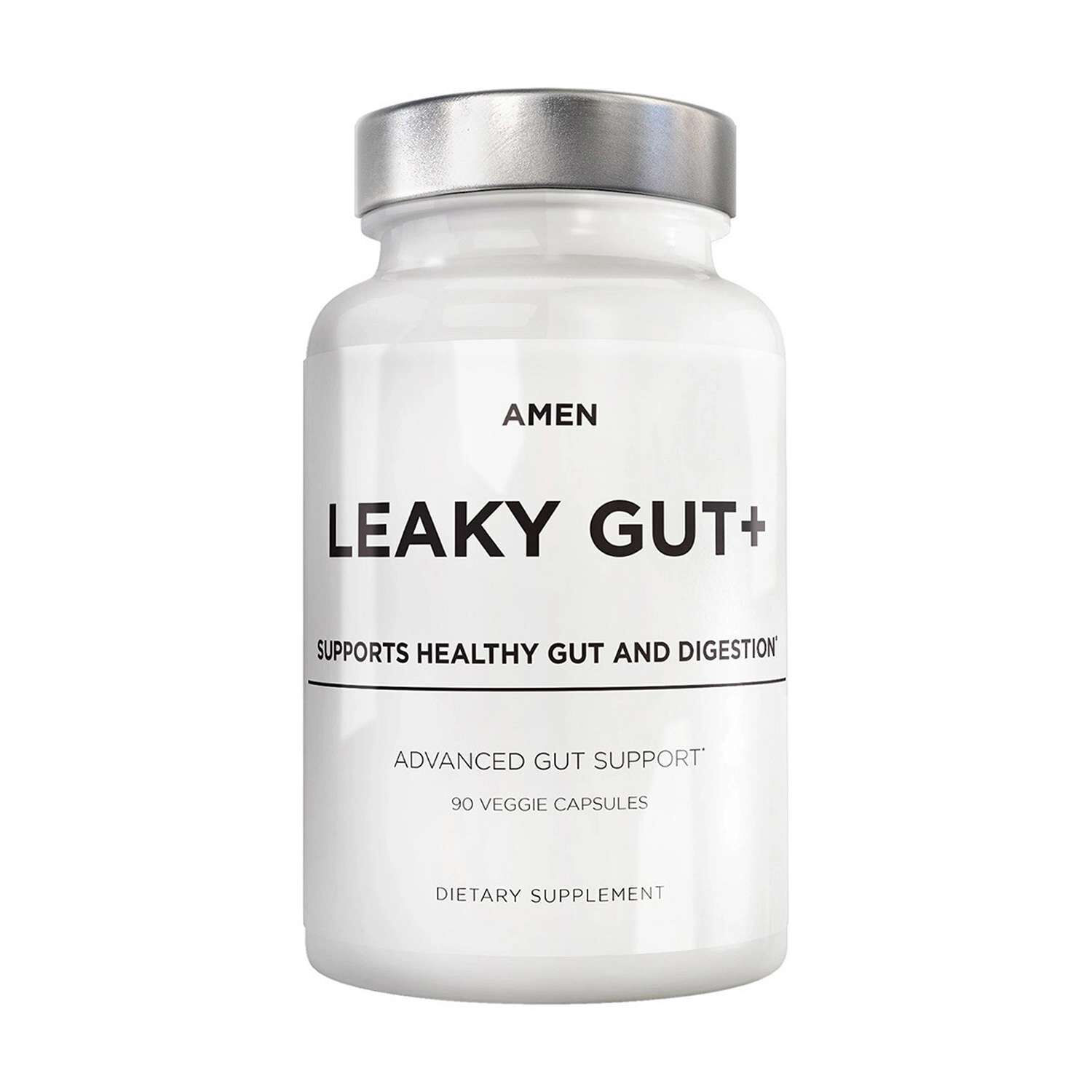
Supplements for cramping and gas relief may offer support for those looking to maintain digestive comfort and overall well-being. Whether you’re seeking options to help ease occasional discomfort or simply aiming to promote a balanced routine, exploring supplements for cramping and gas relief could be a helpful addition to your wellness journey. Discover a variety of formulas that are designed with quality ingredients to fit into your daily regimen.
-

-
 Sprayology$38.99
-
-
-

-

-
-
-

-
-

-

-
-

-

-
-




Digestive support supplements come in several forms, even when shoppers are browsing with the same concerns in mind, such as gas, bloating, or abdominal cramping. Two common categories are digestive enzymes and botanicals. Digestive enzymes have names that often point to the food components they act on. Lactase, for example, is the enzyme associated with breaking down lactose, the sugar in milk. Alpha-galactosidase acts on certain carbohydrates found in foods such as beans and lentils. A glass of milk and a bowl of lentil soup offer a familiar way to picture the distinction: the two enzymes are associated with different food components, so their names aren’t interchangeable on a label. Some formulas list one enzyme, while others combine several. Botanical formulas are identified differently, often by the plant, the part of the plant, and the form of the ingredient. Peppermint oil, ginger root, and artichoke leaf extract are examples of botanical ingredients that may appear in this category. The difference between an oil, a powdered leaf or root, and an extract matters when comparing labels, since two formulas can name the same plant without using it in the same form. The capsule itself can also be part of the formulation. An enteric-coated peppermint oil capsule, for example, has a coating designed to delay the release of its contents until after the capsule passes through the stomach. The word “enteric” describes the coating, not a different kind of peppermint. Details like these distinguish formulas that might look similar if the only thing in view is the ingredient name on the front of the package.
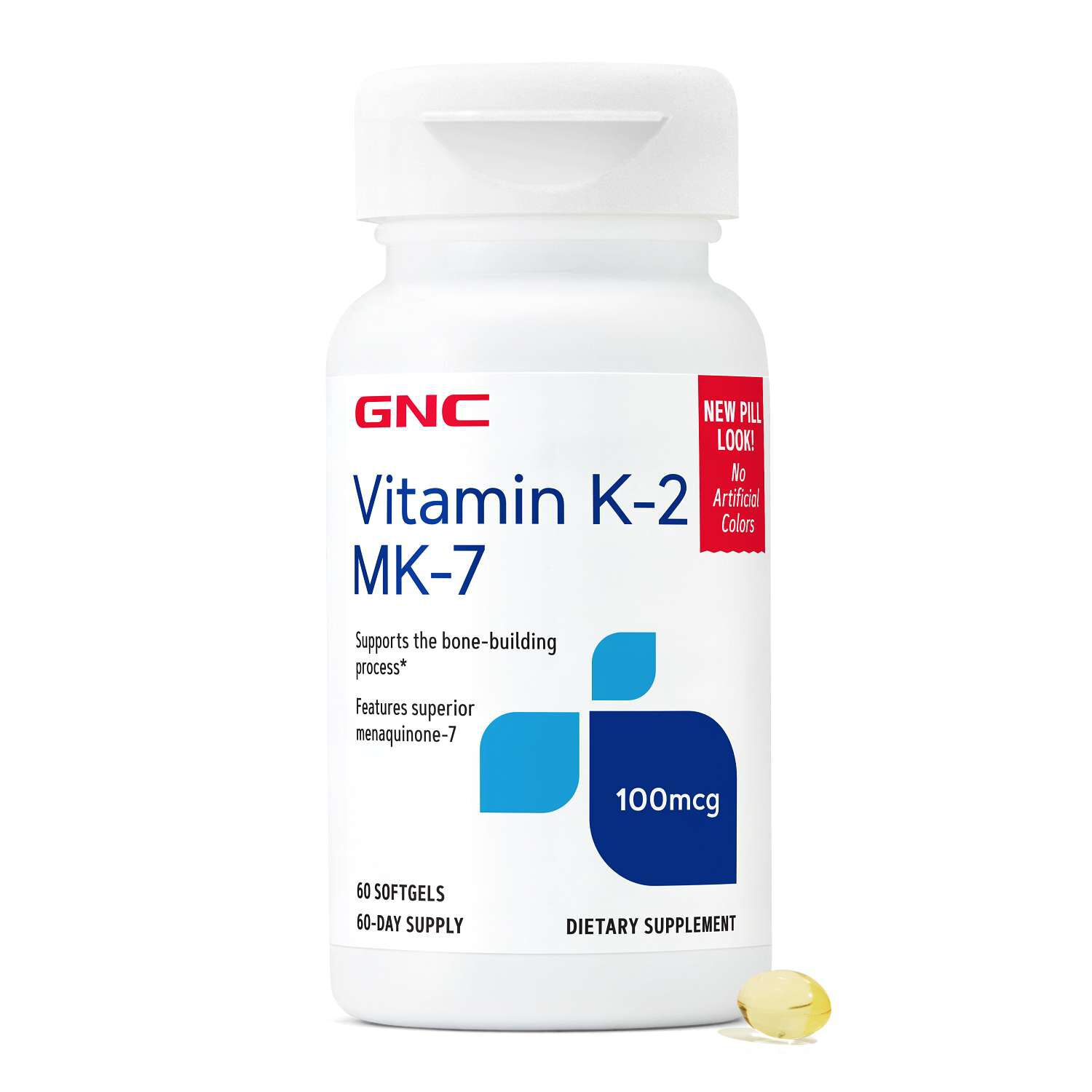
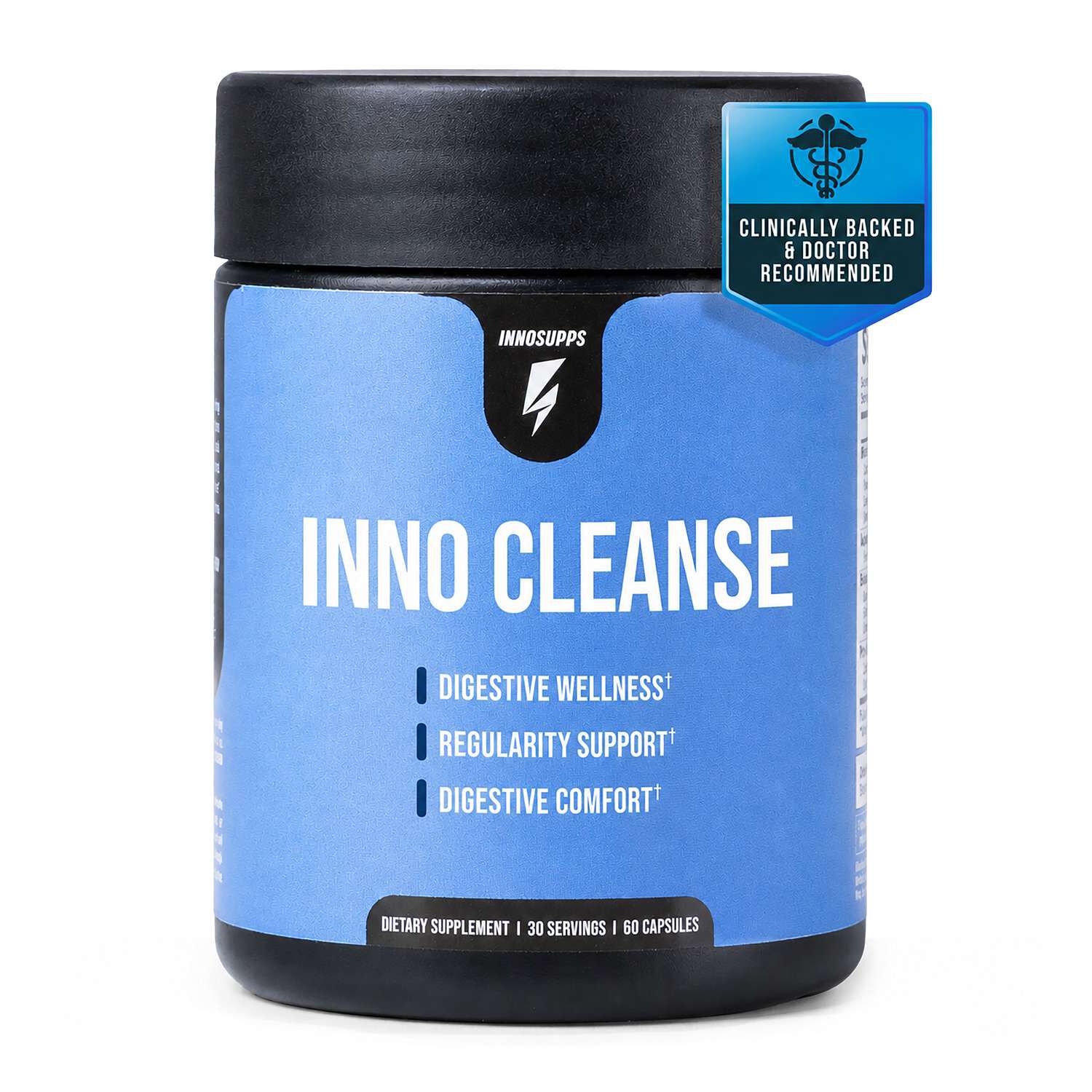
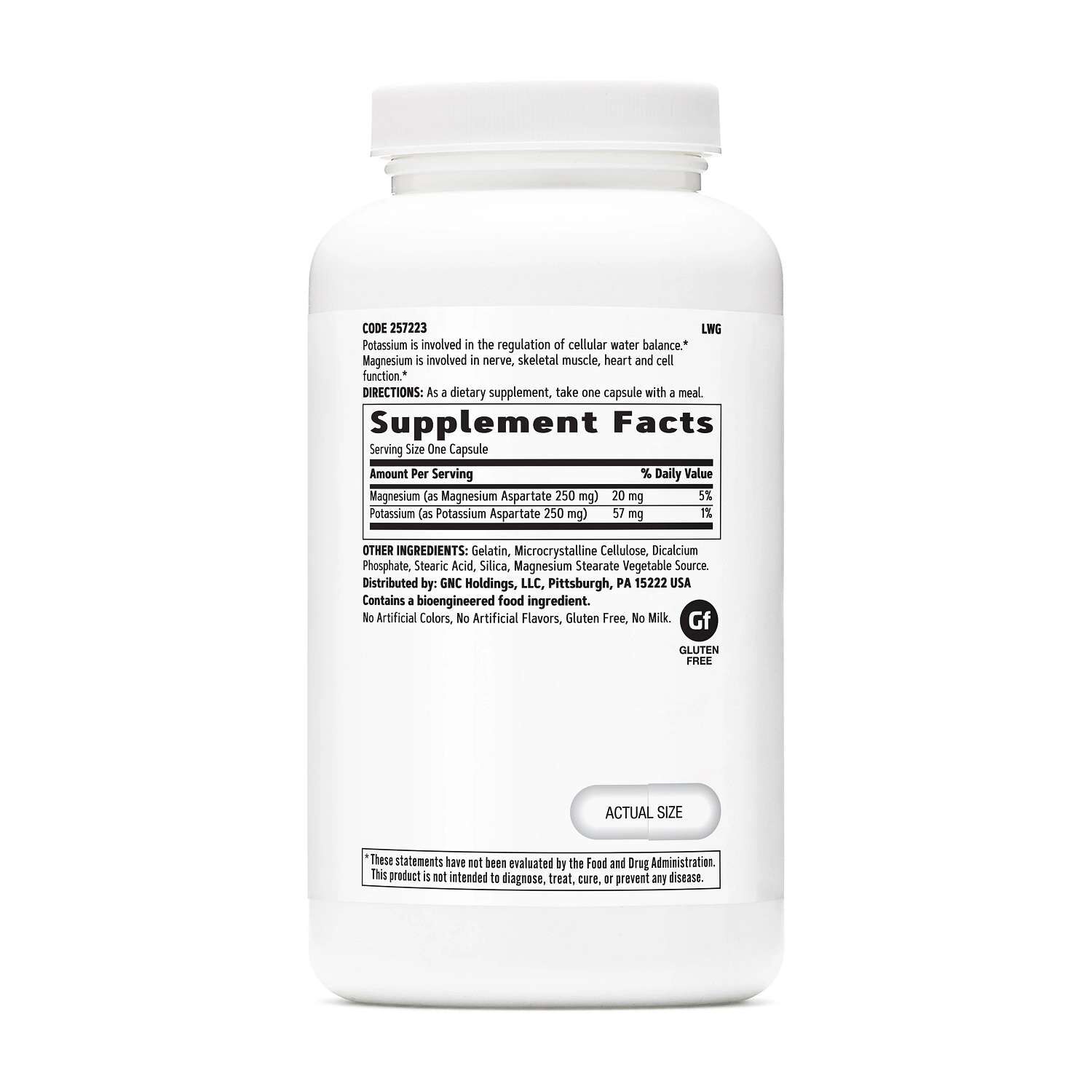
The Supplement Facts panel offers a closer look at what’s in each serving. On an enzyme label, an amount may be expressed in activity units, which describe measured enzyme activity under specified conditions. A botanical label often lists milligrams, a measure of weight. The numbers tell different stories, so a larger figure on one label doesn’t necessarily tell much about a formula measured in different units. Serving size provides another point of comparison: an amount listed for a serving of two capsules refers to the pair, not to each capsule. The same distinction matters with powders, where the serving may be listed as a measured scoop rather than a count. Single-ingredient formulas show one featured ingredient, while a blend may list several together. Depending on how the panel is laid out, the amounts may be shown individually or as one figure for the blend. The other ingredients list can answer a different set of questions, including what the capsule shell is made from or whether a chewable contains flavorings or sweeteners. Plant-based preferences may apply to the featured ingredient, the shell, or both. A plant extract inside a capsule, for example, doesn’t by itself identify the shell material. For a plant-based focus, see Plant Based Bloating Relief Support Supplements. For someone interested in a botanical formula, the ingredient list may be the first thing worth comparing. For someone looking at enzymes, the individual enzyme names and the way their activity is listed may be more useful starting points than the broad description on the front of the bottle.
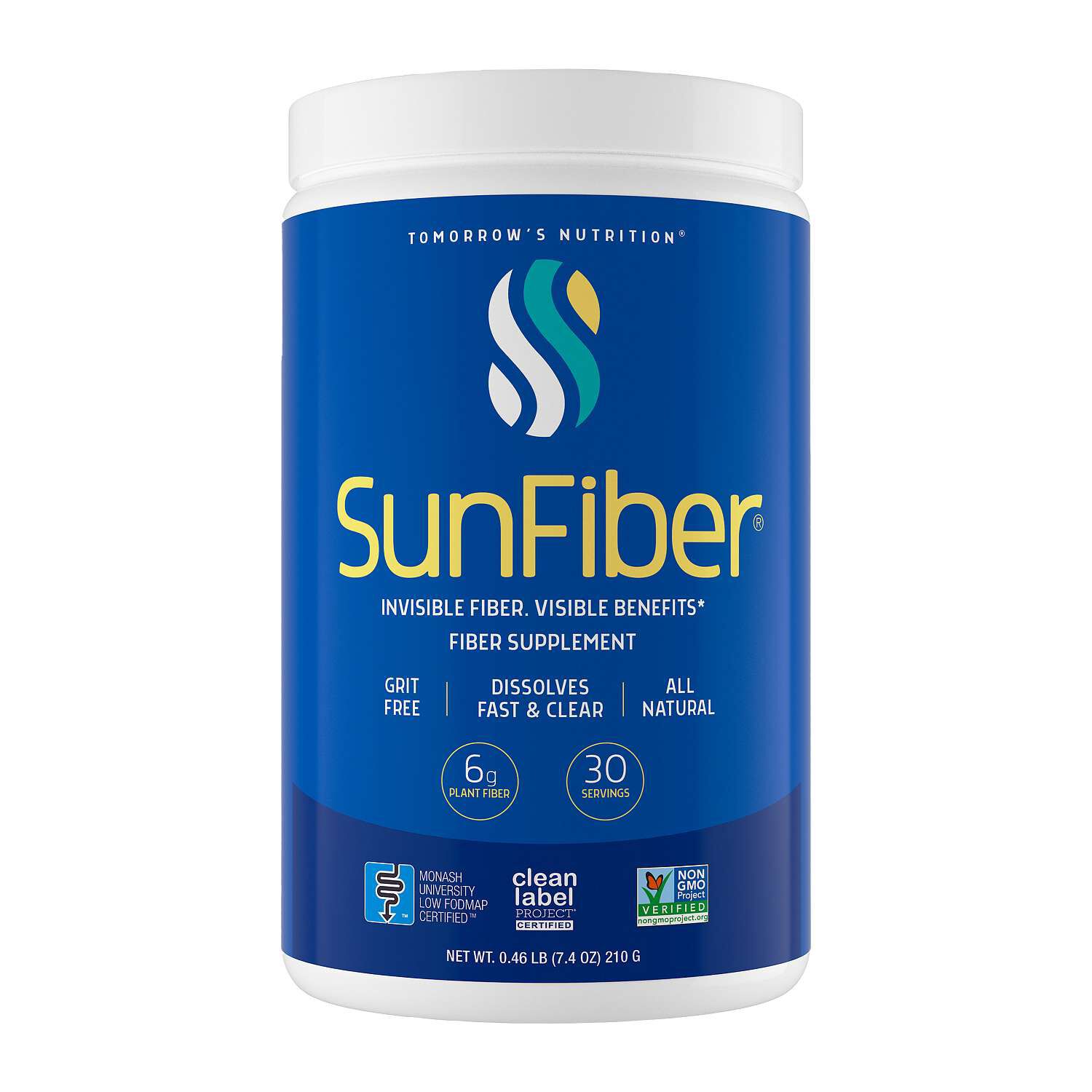
Format is a practical part of the decision, particularly when comparing supplements that look similar on paper. A capsule or tablet comes in a measured piece, while a powder typically involves a scoop or packet and something to mix it with. Chewables bring flavor and texture into the comparison, two details that matter less to someone who prefers a capsule. For a shopper who doesn’t like swallowing larger tablets, the size and shape of the serving may stand out more than the bottle size. Someone with a regular kitchen setup might find a jar and scoop straightforward to handle, while separately wrapped portions take up less room in a small bag than a full container. A tub may offer a wider opening for a scoop, and a bottle with a screw cap keeps the pieces together in one container. For a powder, resealable packaging is also a practical detail if the container is opened repeatedly. Storage information belongs in the comparison, too. Shelf storage and refrigeration aren’t interchangeable, and any directions that apply after opening are generally stated on the package. That distinction can matter in a shared kitchen, where pantry space and refrigerator space serve different purposes. The label also identifies the serving format, which can be easy to miss when a powder and a capsule feature the same botanical name. A shopper who prefers a short ingredient list might focus on a formula with one featured ingredient, while someone comparing blends may spend more time on the individual entries in the panel. Ingredient form, serving size, shell material, and storage all help distinguish digestive support supplements that otherwise share similar wording on the front of the package.
Best Sellers
-
Tomorrow's Nutrition
-
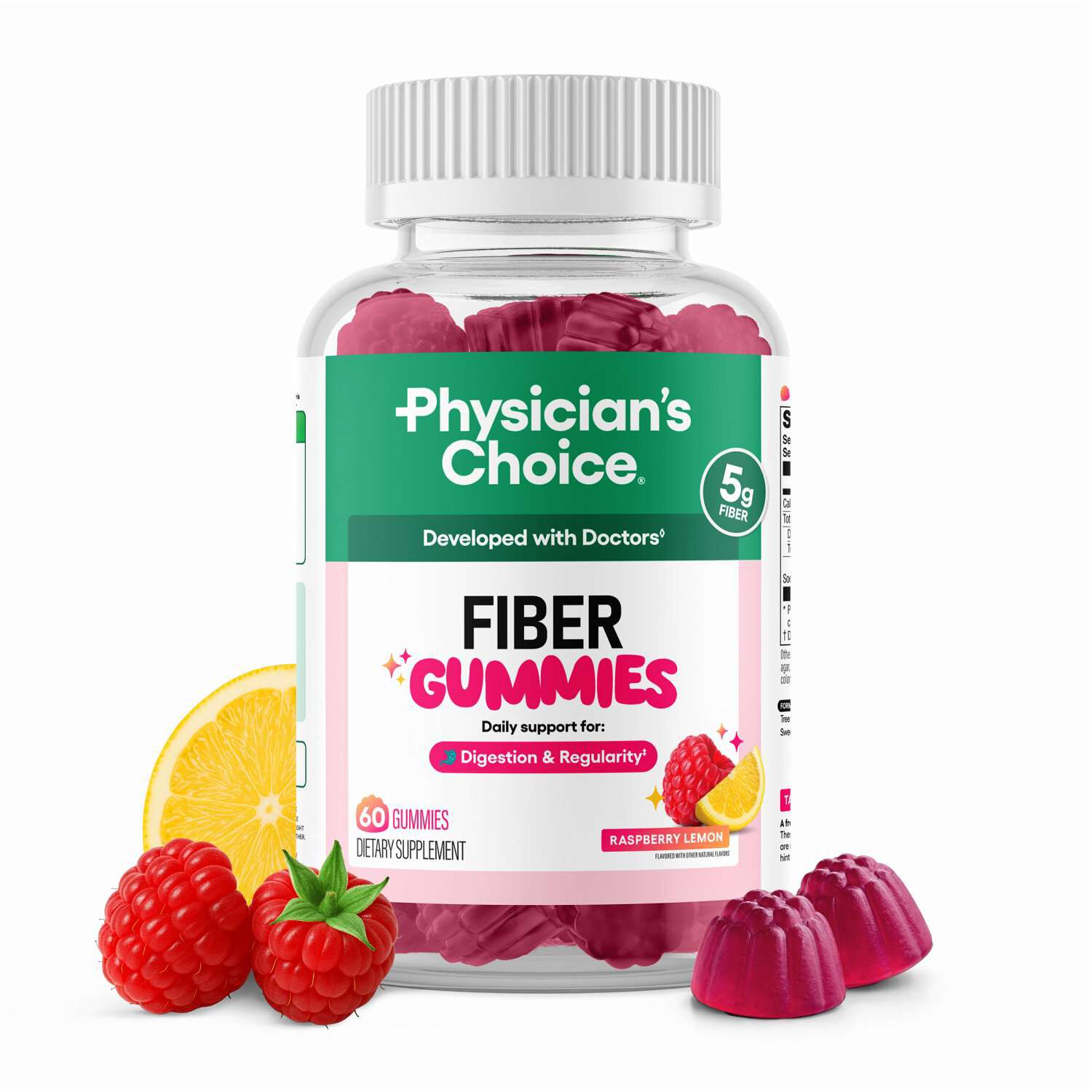 Physician's Choice
-
Tomorrow's Nutrition
-
Tomorrow's Nutrition