





Gluten-Free Supplements: Essentials For Supporting Gluten Intolerance
(0 Results)
For those with gluten intolerance, finding suitable supplements that support overall health and well-being can be a game-changer. GNC's collection of gluten-free supplements offers essential nutrients and vitamins to help you maintain a balanced diet and address any potential deficiencies that may arise from gluten intolerance. From digestive enzymes to probiotics and beyond, these carefully curated supplements are designed to provide support for individuals seeking to optimize their health while adhering to a gluten-free lifestyle. Discover a range of options that can complement your dietary needs and help you thrive on your wellness journey.
-

-

-
-

-

-

-
 Basic Supplements$24.99
 -
-

-
-
-
-

-
-

-

-

-

-

-

-


Supplements made without gluten offer a way to keep ingredient preferences consistent across foods, beverages, and a daily supplement routine. For adults who avoid gluten, the details extend beyond the nutrient named on the front of a bottle. Gluten is a group of proteins found in wheat, barley, and rye, and supplement formulas can contain additional ingredients used for texture, flavor, capsule construction, or tablet coatings. A vitamin, mineral, or protein source does not, by itself, establish the gluten content of the finished formula. That distinction matters when comparing a simple capsule with a flavored chewable or a powder containing several ingredients. The Supplement Facts panel describes the nutrients and serving size, while the ingredient list provides a closer look at the rest of the formula. A clear manufacturer statement about gluten content adds information that neither panel necessarily provides on its own. Wheat allergen labeling and information about gluten are not interchangeable, since wheat is only one of the grains relevant to gluten avoidance. Oats deserve particular attention as well: sourcing and handling matter because oats can encounter wheat, barley, or rye during growing and processing. For someone planning breakfast around carefully chosen ingredients, the same attention naturally carries over to a powder stirred into a smoothie or a capsule taken with a meal. This collection centers on that practical connection between dietary choices and supplement selection. Multivitamins, individual vitamins, minerals, and other supplement categories serve different purposes within a routine, so choosing among them involves more than finding a familiar nutrient name. Ingredient transparency, serving format, and intended use all help distinguish one type of formula from another. A clearly labeled supplement may fit more comfortably into an established eating pattern, but its suitability still depends on the individual formula rather than the category alone. Even familiar formats can differ in their coatings, flavor systems, and supporting ingredients.
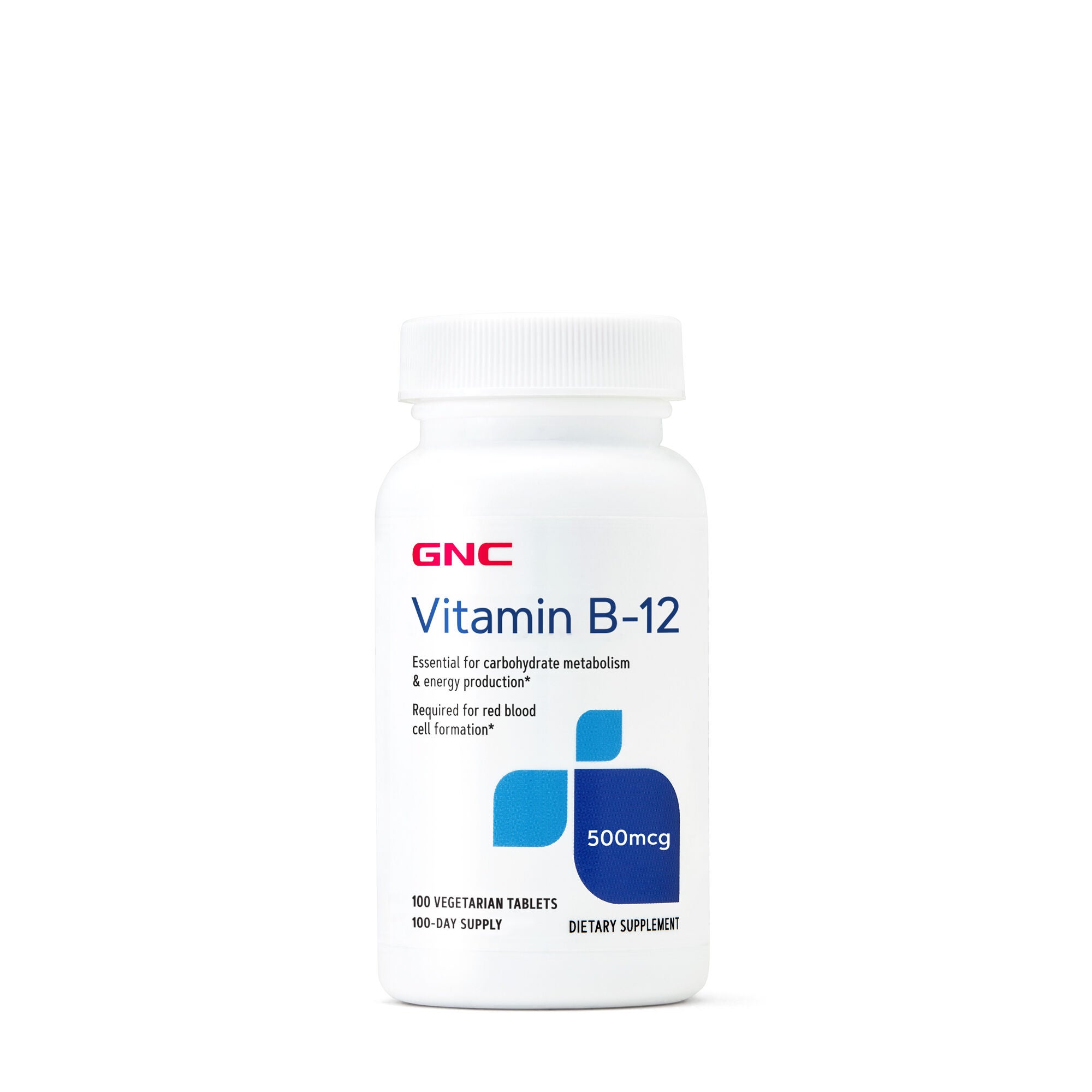
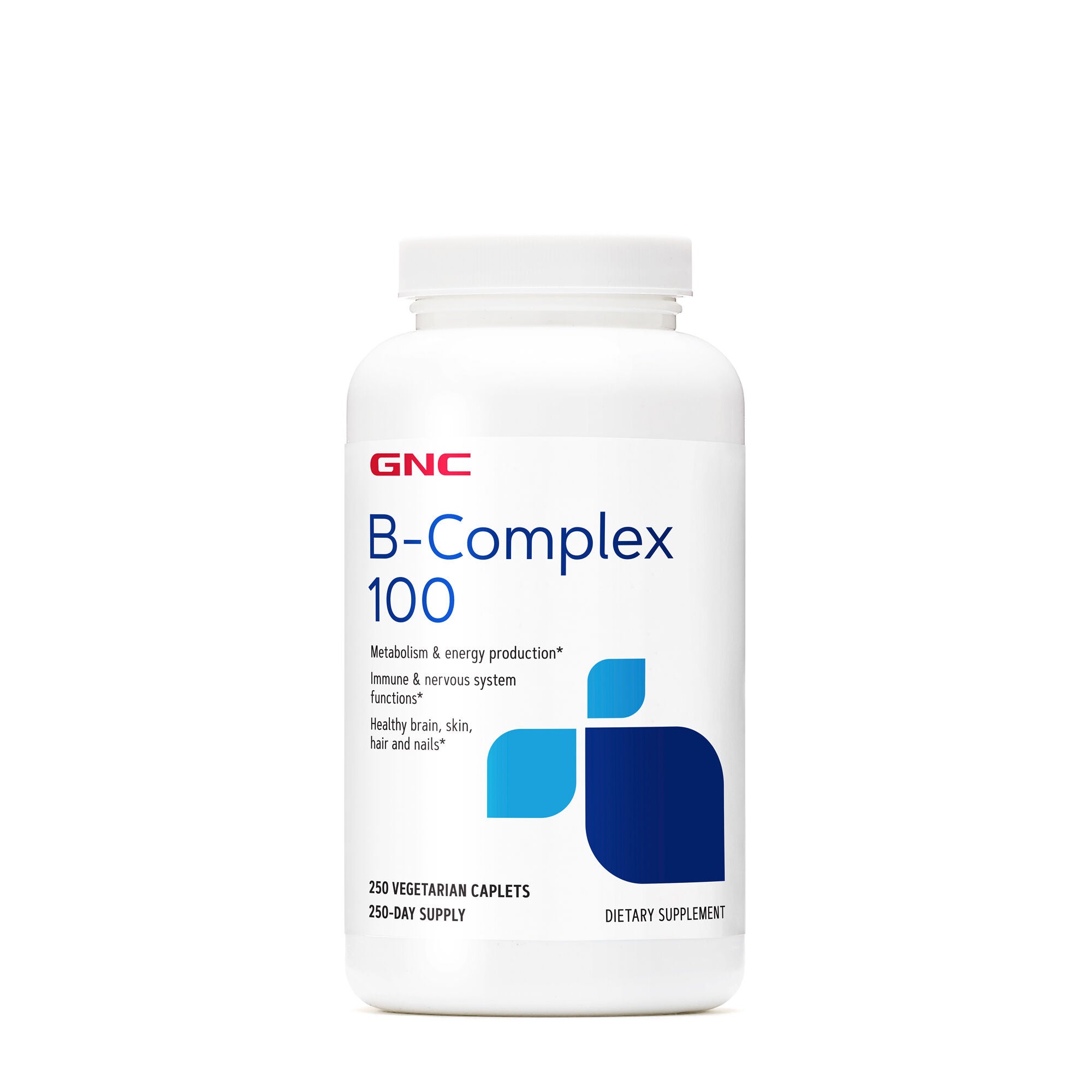
Multivitamins bring several vitamins and minerals together in one formula, making them a useful category to compare when the goal is a broader selection of nutrients rather than a single ingredient. The selection of Multivitamins For Gluten Sensitive Adults offers a focused starting point for exploring that format. Formulas vary in the nutrients included, the amount per serving, and the number of tablets, capsules, or chewables that make up a serving. A bottle labeled with a large tablet count may contain fewer servings than expected when the suggested serving includes several tablets. The amount listed beside a nutrient usually refers to the serving shown on the panel, not necessarily one capsule or gummy. Individual vitamin and mineral supplements take a narrower approach. B-complex formulas combine several B vitamins, while vitamin B12, vitamin D, calcium, and iron can also appear as separate categories. Their presence in this collection is not a reason for every adult avoiding gluten to choose each one; dietary preferences alone do not establish individual nutrient requirements. Comparing nutrient amounts across a multivitamin and separate supplements also makes overlapping ingredients easier to recognize. Protein powders have a different place in the assortment, with protein source, flavor, texture, and mixing format among the most relevant distinctions. Dairy-based and plant-based powders can have very different ingredient lists, and neither description establishes gluten content. Probiotic labels may identify particular organisms and provide storage directions, while digestive enzyme formulas list a different set of ingredients and serving details. These categories are not interchangeable with vitamins, minerals, or protein powders simply because they appear alongside them. Across the assortment, the most meaningful comparison is between a formula’s actual contents and its intended use. A short ingredient list can be appealing, but brevity alone does not establish suitability. Likewise, a longer formula requires attention to every component, including flavors and coatings, rather than an assumption based on the main ingredient.
Everyday fit often comes down to details that are easy to overlook on a product photograph. Capsules and tablets differ in dimensions, texture, and the number required per serving. Chewables and gummies introduce considerations such as sweetness, flavoring, and ingredients used to create their texture. Powders require a little more preparation, along with a scoop or another measuring method described on the label. An unflavored powder may suit someone who prefers to choose the taste of the finished drink, while a flavored option creates a different experience in water, milk, or a preferred alternative. Serving directions matter here because scoop sizes and mixing amounts vary between formulas. Packaging is another practical consideration: a securely closing bottle, a resealable pouch, and individually portioned packets each fit differently into a kitchen cabinet, desk drawer, or travel bag. The original container keeps the ingredient list, serving directions, lot information, and expiration date together, which is particularly useful when gluten content is part of the selection process. Storage and handling should follow the package directions, including any refrigeration instructions. For powders, a clean, dry scoop and a tightly closed container help limit exposure to moisture and stray crumbs from nearby food preparation. Shared countertops, measuring utensils, and drink containers also deserve attention in a household where some people eat gluten and others avoid it. A supplement’s labeled ingredients are only one part of that everyday handling picture. Packaging condition and the printed expiration date provide additional context when deciding whether a container belongs in the routine. Supplements are a personal purchase, and selecting them for another adult involves knowing more than a preferred flavor; ingredient requirements, dietary choices, and format preferences all matter. For most shoppers, the strongest match is a clearly described formula with a manageable serving format and handling requirements that suit daily life. Those concrete details make it easier to compare supplements made without gluten while keeping the focus on the contents of the package, not broad assumptions about what any one category might offer.
Best Sellers

Related Pages

Top Collections
- Daily Collagen Supplements | Top Brands & Deals | GNC
- Natural Collagen Supplements | Top Brands & Deals | GNC
- Top Rated Collagen | Shop Customer Favorites | GNC
- Cortisol Supplements
- Vitamins For Hair Loss
- Spirulina Tablets
- NAD+ Supplement Tablets
- Peptide Supplements
- Best Brand of Magnesium Glycinate
- Vitamins That Help Support Weight Gain