





Milk Thistle Supplements For Gluten Sensitivity
(0 Results)
Milk thistle supplements for gluten sensitivity offer a thoughtful addition to your wellness routine. Many individuals exploring new ways to support their overall health may find these supplements appealing. With a focus on quality and careful sourcing, options in this category are designed for those who are mindful of gluten in their daily lives. Discover a variety of milk thistle supplements for gluten sensitivity that could complement your dietary preferences and help you feel confident about your supplement choices.
-
-
-
-
-
-
-
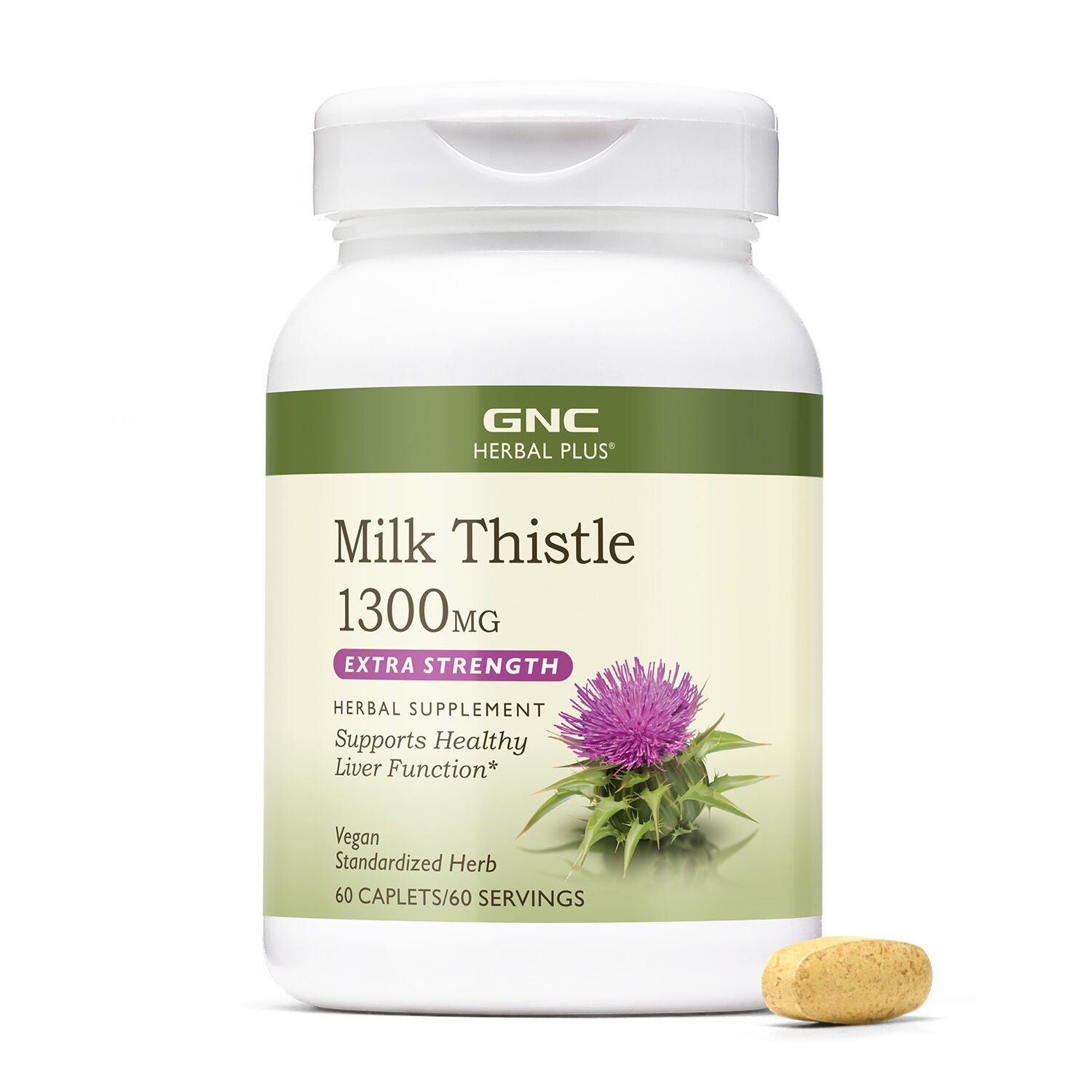
 GNC Herbal Plus$24.99
-

-
-
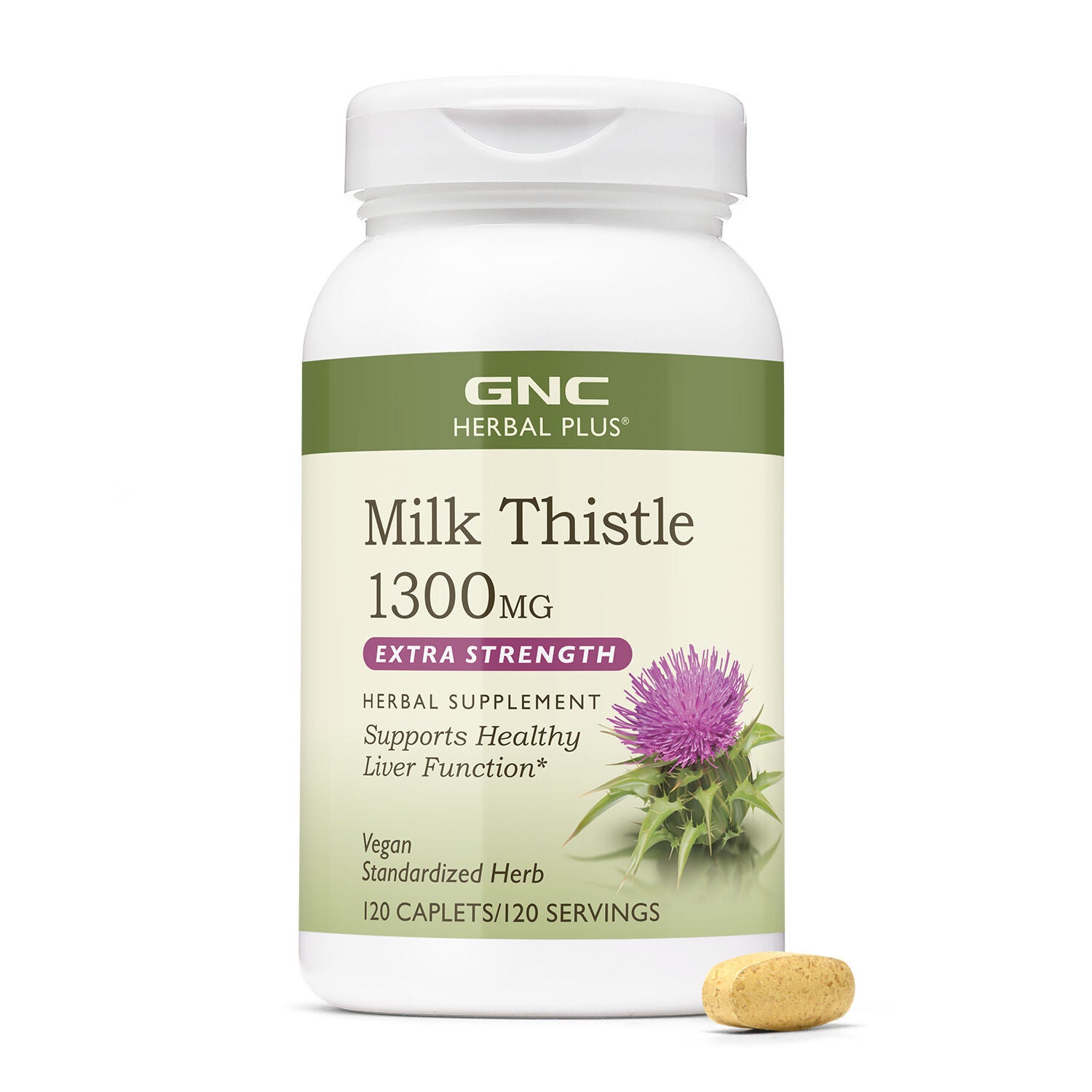
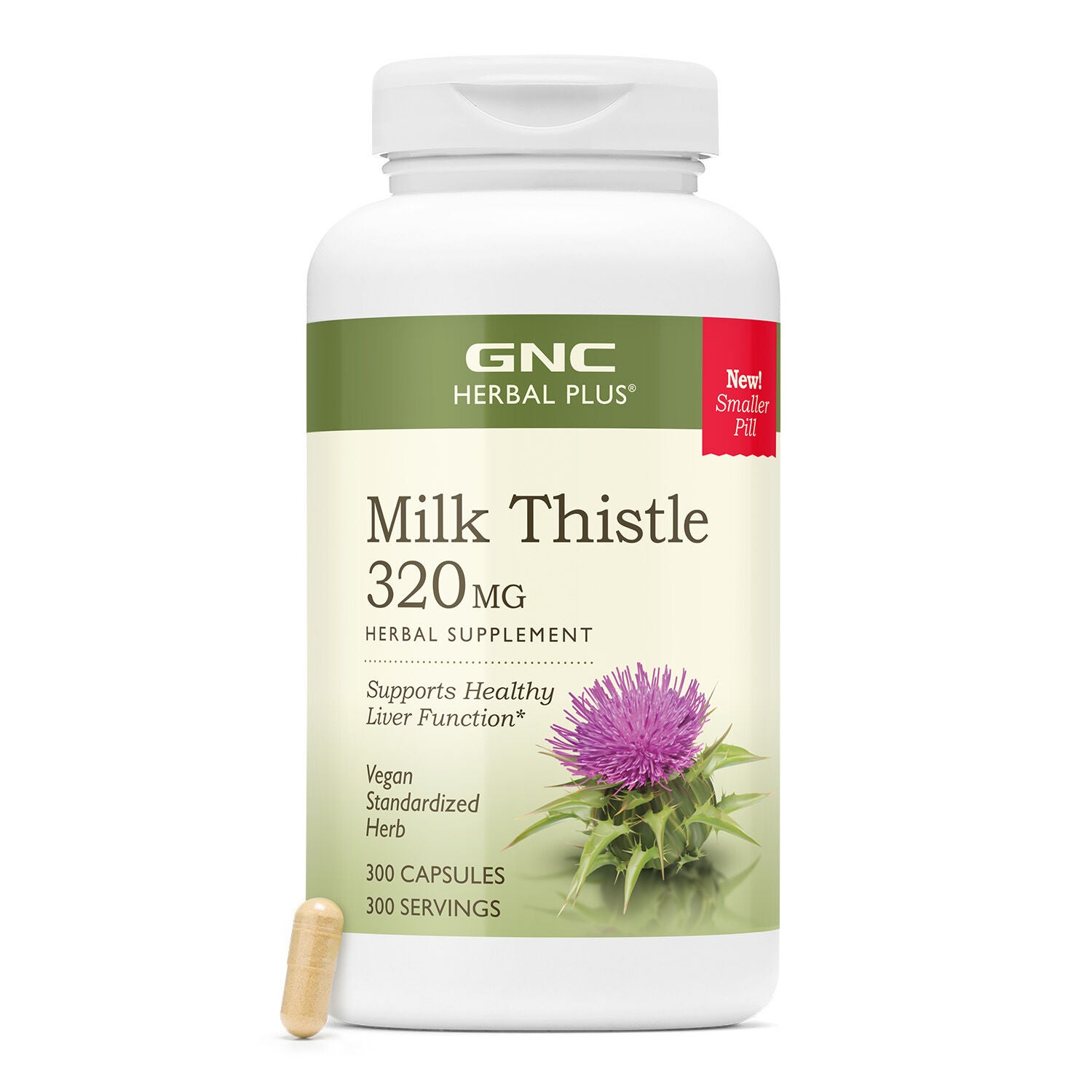 GNC Herbal Plus$49.99
-
-

Milk thistle supplements for gluten sensitivity bring together two separate shopping considerations: a botanical ingredient and attention to gluten-related labeling. The category name identifies a shopping interest, not evidence of a gluten-related benefit. For a person who avoids gluten, relevance starts with what is in the bottle, how the formula is described, and what the manufacturer says about its handling. Milk thistle, known botanically as Silybum marianum, belongs to the daisy family and is commonly used in supplements made with extracts of its seed-like fruits. Labels may also mention silymarin, a group of naturally occurring compounds associated with milk thistle extracts. Those botanical terms describe the ingredient; they do not describe the gluten content of the finished formula. The surrounding ingredients matter to an ingredient-conscious purchase, too. Capsule shells, tablet coatings, flavorings, and other formulation ingredients can vary, even when the front of two bottles features the same herb. Wheat, barley, rye, and malt ingredients are relevant to a gluten-focused review, while a wheat allergen statement offers different information from a product-specific statement about gluten. An herbal origin, a short ingredient list, or a vegetarian capsule is not, on its own, documentation of gluten content. The most useful details are tied to the exact formulation rather than the reputation of the herb as a whole. Manufacturing information can add context, particularly when a company describes testing practices, shared equipment, or independent certification. A certification symbol is most informative when its name and standards are clearly identified. An ingredient list and a manufacturing statement also serve different purposes: one describes the formula, while the other provides information about production. For someone comparing several botanical supplements, these details turn a broad category into a more practical comparison without confusing botanical identity with dietary suitability.
Capsules, tablets, and liquid preparations offer different formats for an adult supplement routine, and their differences extend beyond the front label. A capsule has an outer shell that may be made from gelatin or plant-derived materials; a tablet may include binding or coating ingredients; and a liquid may contain a carrier, flavoring, or sweetener. None of those format descriptions substitutes for the ingredient panel. Someone who already keeps several bottles beside a breakfast bowl might prefer packaging that fits the same storage routine, while a person packing a small travel organizer might pay closer attention to container dimensions and the number of capsules in a labeled serving. Capsule dimensions, tablet coatings, and serving quantity are practical points of comparison, separate from the amount of botanical extract provided. The Supplement Facts panel is the place to compare that amount with the stated serving size. A milligram figure for the whole herb is not interchangeable with the same figure for an extract, and an extract ratio is different from a stated percentage of silymarin. These are descriptions of composition rather than a ranking of expected results. Where a label reports a percentage, the named compound and the amount of extract provide the context needed to understand it. More capsules per bottle also does not necessarily mean more labeled servings, since serving sizes vary. Single-ingredient formulas center on milk thistle, while blends introduce additional botanicals or nutrients and a longer set of ingredient details to review. Some labels identify each botanical separately; others group ingredients within a blend, making the presentation another useful distinction. For shoppers with multiple dietary preferences, gelatin content, added sugars, soy ingredients, and gluten-related statements are separate considerations rather than interchangeable signals. A straightforward comparison keeps the botanical form, listed amount, serving size, and other ingredients visible together, rather than relying on a large number or a familiar leaf illustration on the packaging.
Packaging and storage are another part of choosing milk thistle supplements for a gluten-conscious routine. A tightly closing container, readable label, and clearly marked expiration date are practical details, especially for a bottle that will be opened repeatedly. Directions on the package describe the intended serving and any formula-specific handling requirements; the presence of a familiar botanical does not establish how a particular preparation is intended to be used. Storage requirements vary by formulation, so the individual container is the reference for details about moisture, light, and handling after opening. A bathroom shelf beside a steamy shower presents a different storage setting from a closed cupboard, and liquid preparations may have handling directions that differ from those for capsules or tablets. Keeping the original label with the product also preserves the ingredient list, lot information, and manufacturer contact details. If capsules are moved into an organizer, the bottle still holds information that may matter later when checking a formulation or asking about manufacturing practices. A change in package design is another occasion to revisit the printed ingredients rather than assume every detail remains the same. For households where several people keep supplements in one cabinet, clearly labeled personal containers can make everyday organization simpler. Beyond the bottle itself, the relevant comparison is between the formula’s documented characteristics and the shopper’s established dietary preferences. A broader selection of supplements for gluten intolerance offers another way to explore formulas through that ingredient-focused lens. Milk thistle remains one botanical category within a much wider supplement assortment, with its own variations in preparation, serving format, and labeling. Clear ingredient names, transparent serving information, and specific manufacturing details provide a more grounded basis for selection than broad wellness language. For shoppers whose interest in milk thistle overlaps with gluten avoidance, those concrete details keep the focus on the composition, format, care, and intended use of the supplement rather than assumptions based on its category placement.
Best Sellers
-
GNC Herbal Plus
-
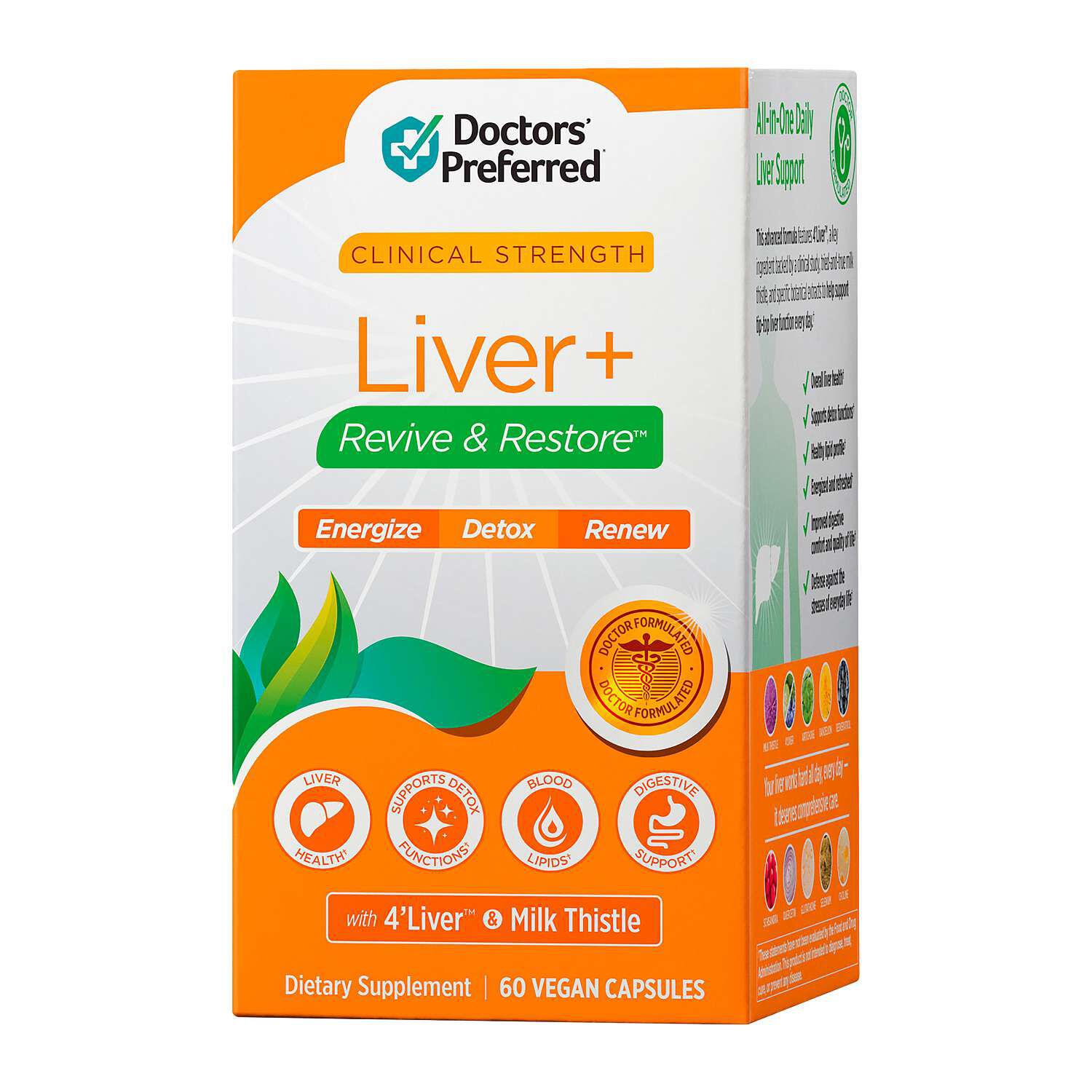
Doctors' Preferred
-
GNC Herbal Plus
Related Pages

Top Collections
- Supplements For Yoga Joint Flexibility
- GLP 1 Support For Adults
- Joint Mobility Supplement Packs
- Chronic Fatigue Supplements
- Adult Mobility Supplements
- Supplements For Balance
- Supplements For Anxiety Relief Support
- Capsule Supplements For Energy And Stamina
- Zinc Supplements | Top Brands at Great Prices | GNC
- Anti Aging Supplements For Women