





Calcium Supplements For Gluten Sensitive Individuals
(0 Results)
Calcium supplements for gluten sensitive individuals offer a convenient option for those looking to support their daily wellness routine while maintaining a gluten-free lifestyle. With a variety of formulas designed to fit different preferences and nutritional needs, these supplements may help make it easier to prioritize your health goals. Explore options that could complement your gluten-sensitive diet and help you stay on track with your wellness journey.
-
 Portions Master$29.99
-
-

-

-

-

-
-

-

-

-
 $20.99
-

-
 $39.99
-
-

-
 Axe & Sledge Supplements$29.99
-
 $18.99
-
 $20.99
-
 $17.99


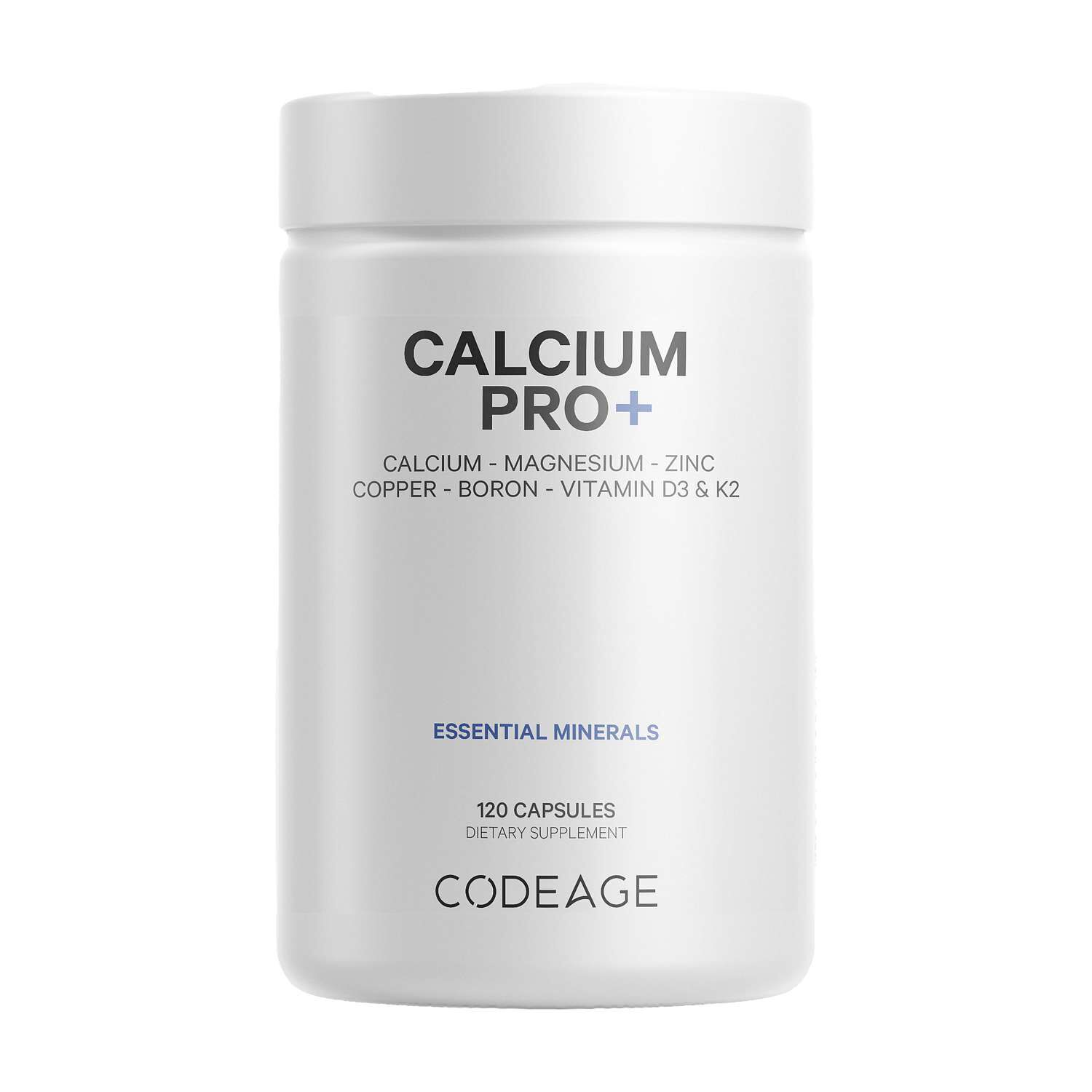
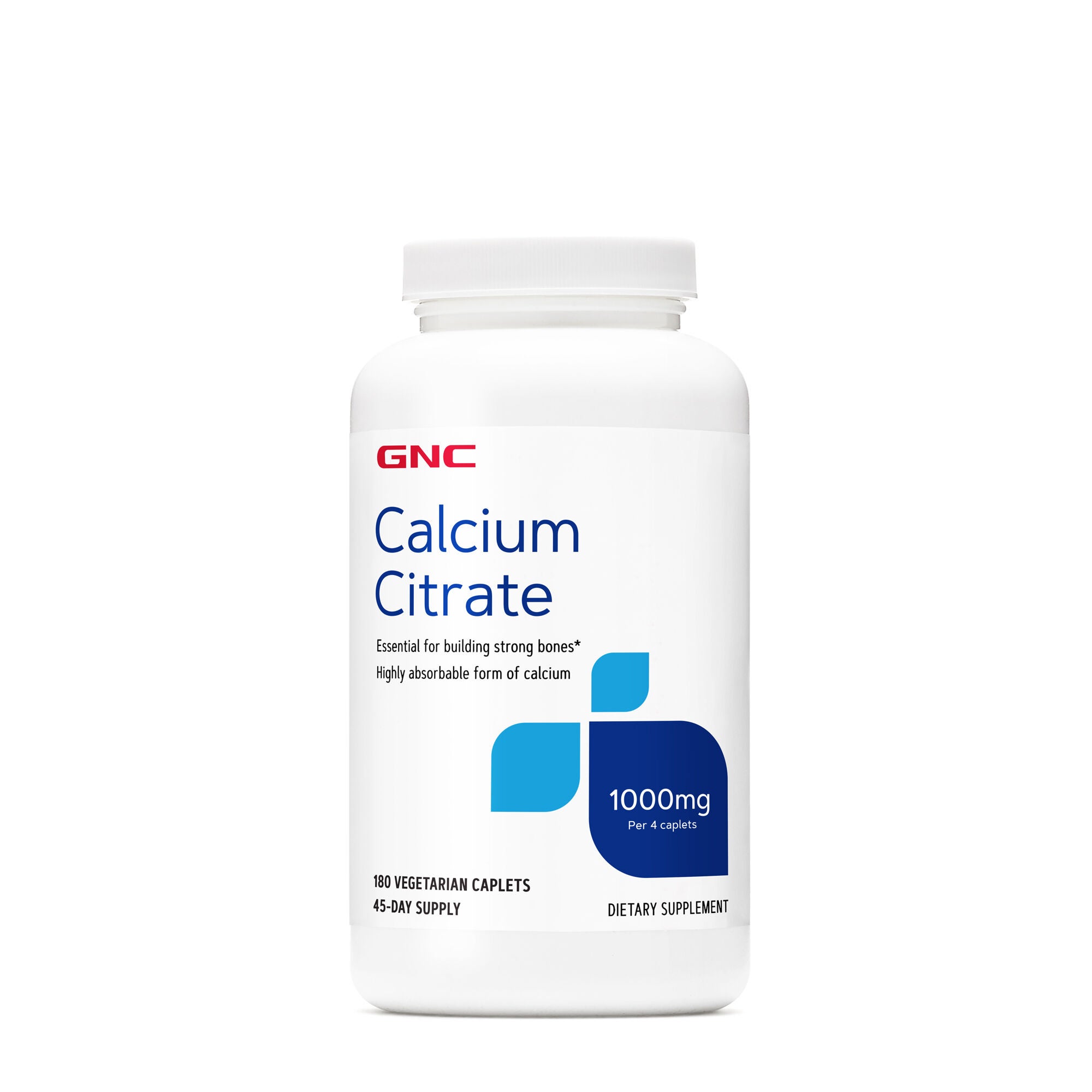
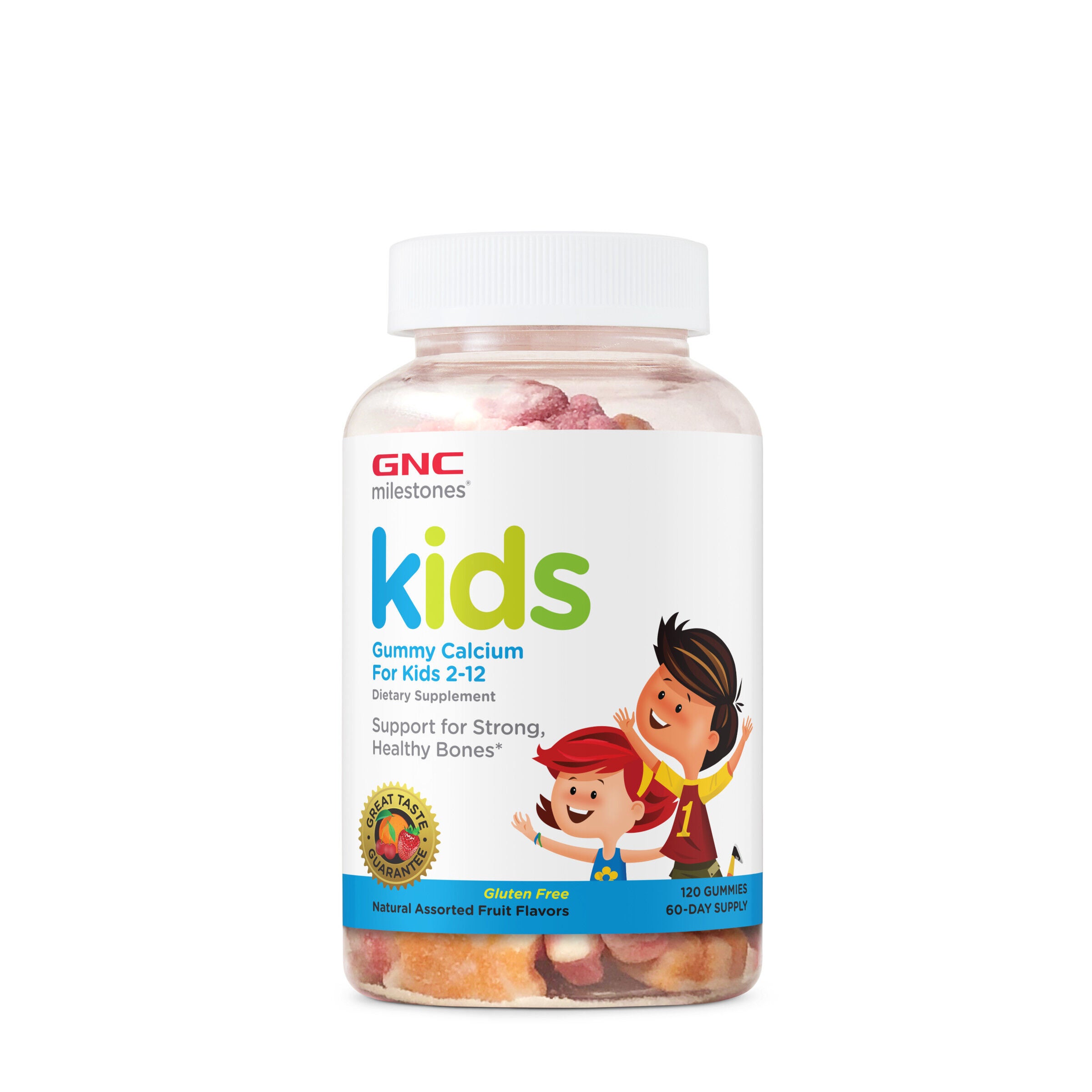
Calcium supplements for gluten-sensitive individuals may fit a daily routine built around carefully selected foods and clearly labeled ingredients. Calcium is a mineral found in foods such as milk, yogurt, cheese, kale, and canned fish with edible bones, as well as in certain fortified plant-based beverages. Supplements offer a separate category of mineral products, with differences in calcium form, serving size, texture, and ingredient composition. For shoppers attentive to gluten, the calcium source is only one part of the package information. Tablets, capsules, chewables, powders, and liquids also contain ingredients that shape their consistency, flavor, or appearance. Binders, coatings, sweeteners, and flavorings belong in that comparison alongside the mineral itself. An explicit gluten-related statement on the finished product provides different information from an ingredient list alone, while a certification mark reflects the requirements of the organization behind it. Manufacturing information also matters to shoppers concerned about shared equipment or facilities. A short ingredient list does not, by itself, establish how a supplement was produced or tested. Likewise, a plant-based description or an absence of dairy ingredients does not establish suitability for someone avoiding gluten. These are separate dietary considerations, each with its own labeling details. Someone who chooses oat beverages at breakfast, for example, may be comparing gluten statements and dairy ingredients for different reasons. Another shopper may prefer an unflavored capsule because flavored chewables do not match their taste preferences. The useful connection is clear product information rather than assumptions based on the format or front label. Package photographs, ingredient panels, and serving information together provide a fuller picture of what a calcium supplement contains. Dietary descriptions also apply to the particular formula being considered, rather than automatically extending across every supplement with a similar name or appearance. That distinction matters when two bottles look alike but differ in coatings, flavor systems, or serving sizes.
Calcium citrate and calcium carbonate are two common forms identified on calcium supplement labels. Their names describe different calcium compounds; they do not indicate tablet size, flavor, or suitability for a gluten-sensitive diet. The calcium amount listed in the Supplement Facts panel refers to elemental calcium, meaning the calcium portion of the compound rather than the weight of the entire compound. Serving size is a separate detail: a listed amount may correspond to one tablet, several capsules, a measured scoop, or a stated volume of liquid. Two containers with similar numbers on the front may therefore represent different portions and different numbers of servings. Meal-related directions also vary by formula, making the package instructions part of the product description rather than something to infer from appearance. Beyond the mineral source, format shapes the everyday experience. A capsule may appeal to someone who prefers a format without an added flavor, while a chewable may suit someone who prefers a textured, flavored option. Chewables range in size and texture, and their sweeteners and other ingredients deserve the same attention as their calcium content. Powders involve a measured portion and preparation directions; liquids involve a stated volume and may include instructions about shaking or refrigeration after opening. Gummies introduce another texture, along with ingredients used to create their shape and consistency. A chewable or gummy description does not automatically establish that a formula is plant-based or appropriate for every dietary preference. Some calcium formulas also include vitamin D3, magnesium, or other nutrients. Those combinations have a different nutrient profile from calcium-only formulas, without changing the need for clear gluten-related labeling. For shoppers comparing several formats, details such as tablet dimensions, flavor descriptions, measuring accessories, and the number of pieces per serving may be as relevant to routine fit as the container’s front-panel description. A format that looks convenient in a photograph may involve preparation or a serving size that becomes clearer only in the full package information.
The practical side of choosing a calcium supplement extends from the first label comparison to the way the container fits into a household routine. A bottle kept in a kitchen cabinet, a powder stored beside breakfast ingredients, and a liquid with refrigeration directions each involve different handling considerations. The package’s storage instructions account for the particular formula and container, including any directions concerning moisture, light, or conditions after opening. Closures, seals, and included measuring tools are part of that experience as well. A tightly closing bottle may suit a shared kitchen, while a powder requires space for both its container and its measuring accessory. Supplements stored away from their original packaging lose the immediate connection to ingredient statements, serving directions, and date markings, which are especially relevant when dietary preferences require careful label review. Adults who organize several supplements also have nutrient information to compare across containers. A calcium formula with added vitamin D or magnesium has a different place in that comparison from a calcium-only option. The related selection of Multivitamins For Gluten Sensitive Adults offers another category for shoppers reviewing ingredient statements and nutrient amounts across their existing routine. Similar dietary wording does not mean two formulas contain the same nutrients or use the same serving size. Everyday preferences remain individual, too: one person may favor a plain capsule alongside a familiar breakfast routine, while another may prefer a measured liquid and its accompanying storage requirements. Flavor, texture, preparation, and packaging are concrete distinctions, not measures of how well a supplement matches every shopper. Calcium supplements intended for gluten-sensitive individuals are best understood through those individual product details, with attention to both mineral information and the broader ingredient profile. Clear labeling brings the comparison back to tangible features: the named calcium compound, the amount per serving, the format, any accompanying nutrients, and the dietary statements attached to that particular formula.
Best Sellers

Related Pages


Top Collections
- Daily Collagen Supplements | Top Brands & Deals | GNC
- Natural Collagen Supplements | Top Brands & Deals | GNC
- Top Rated Collagen | Shop Customer Favorites | GNC
- Cortisol Supplements
- Vitamins For Hair Loss
- Spirulina Tablets
- NAD+ Supplement Tablets
- Peptide Supplements
- Best Brand of Magnesium Glycinate
- Vitamins That Help Support Weight Gain