Supplements For Vision And Cognition Support
(0 Results)
Explore supplements for vision and cognition support designed to support your wellness journey. Whether you’re looking to maintain focus throughout the day or seeking nutrients that may help keep your eyes healthy, there are a variety of options to fit your lifestyle. Find formulas that feature carefully selected ingredients and discover new ways to prioritize your well-being with supplements for vision and cognition.
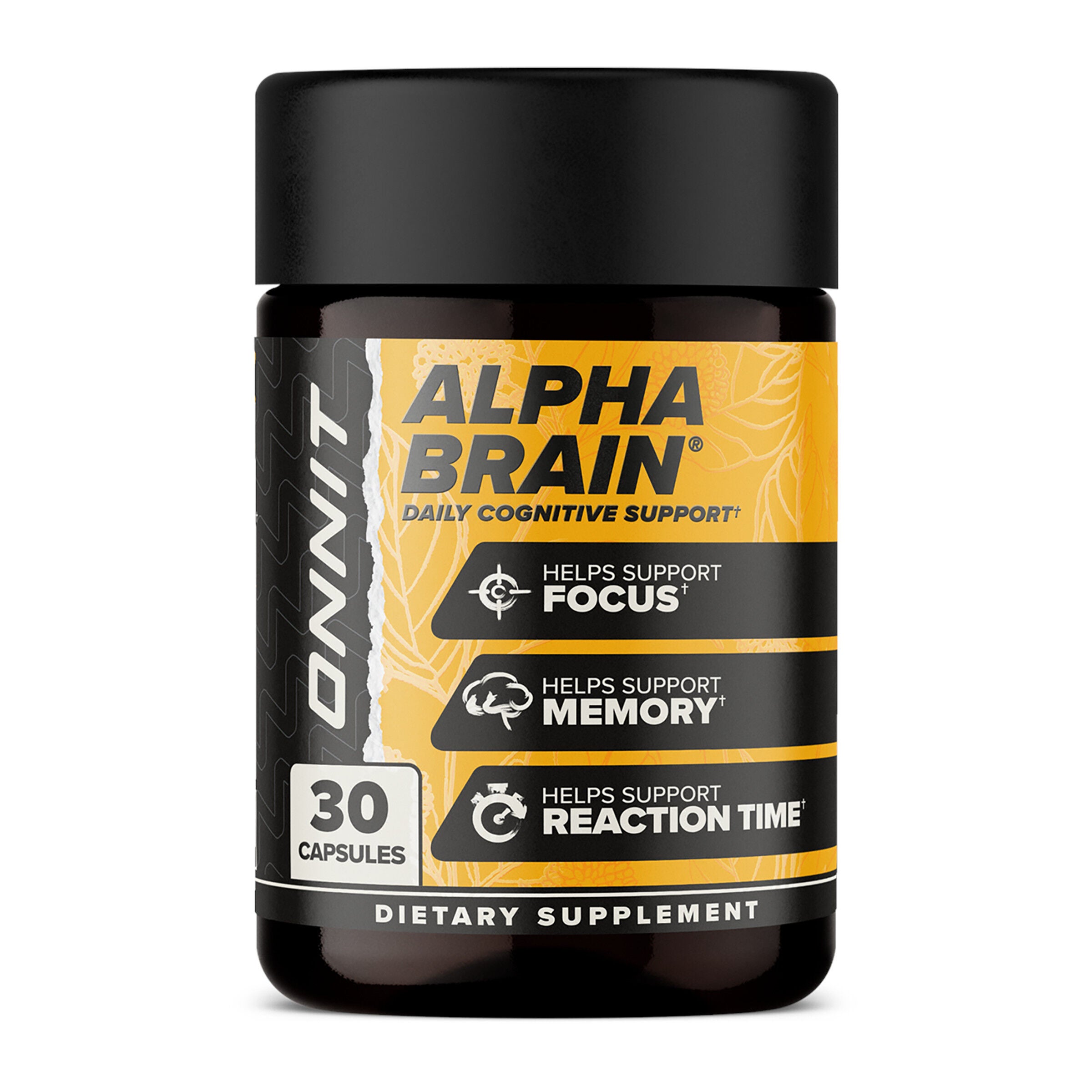
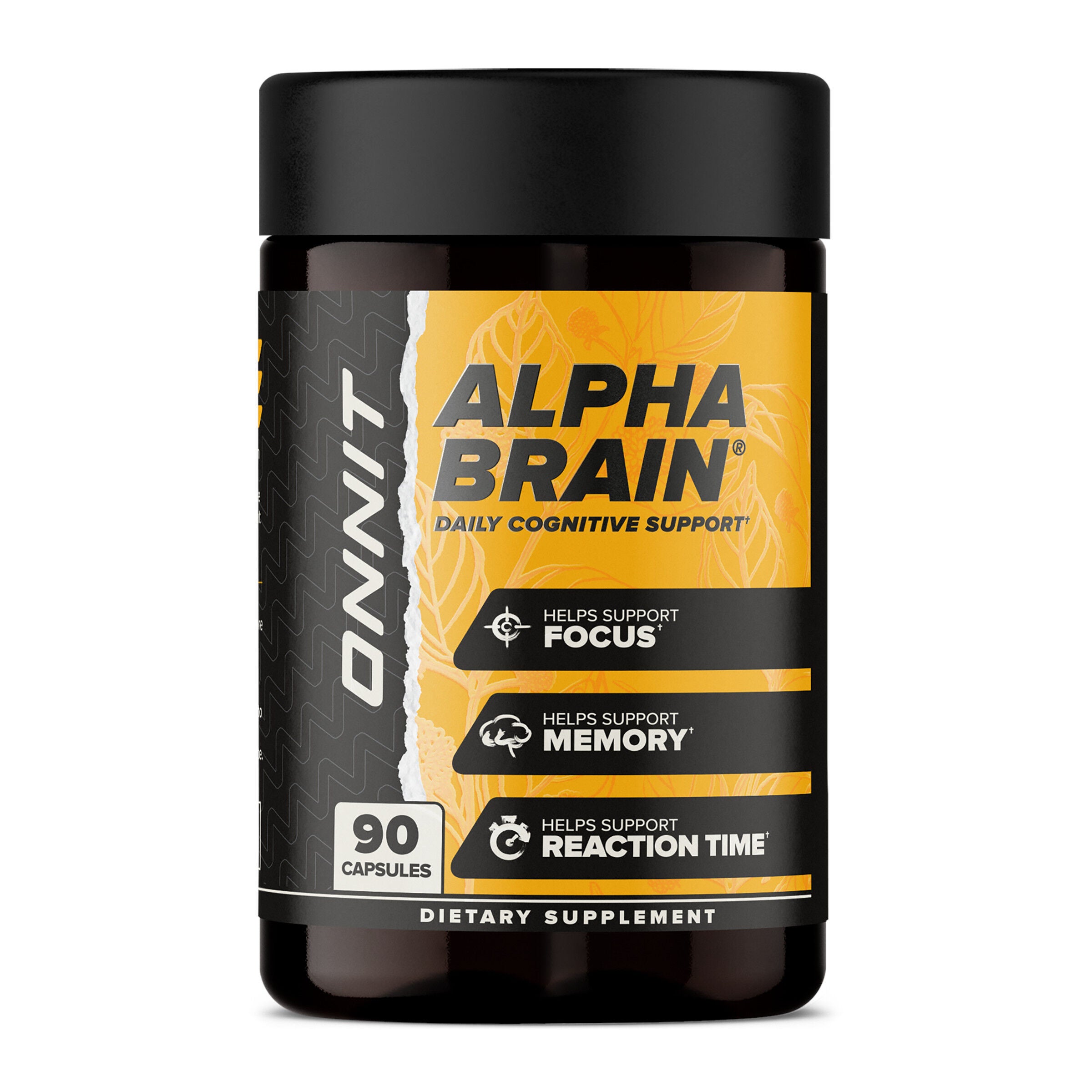
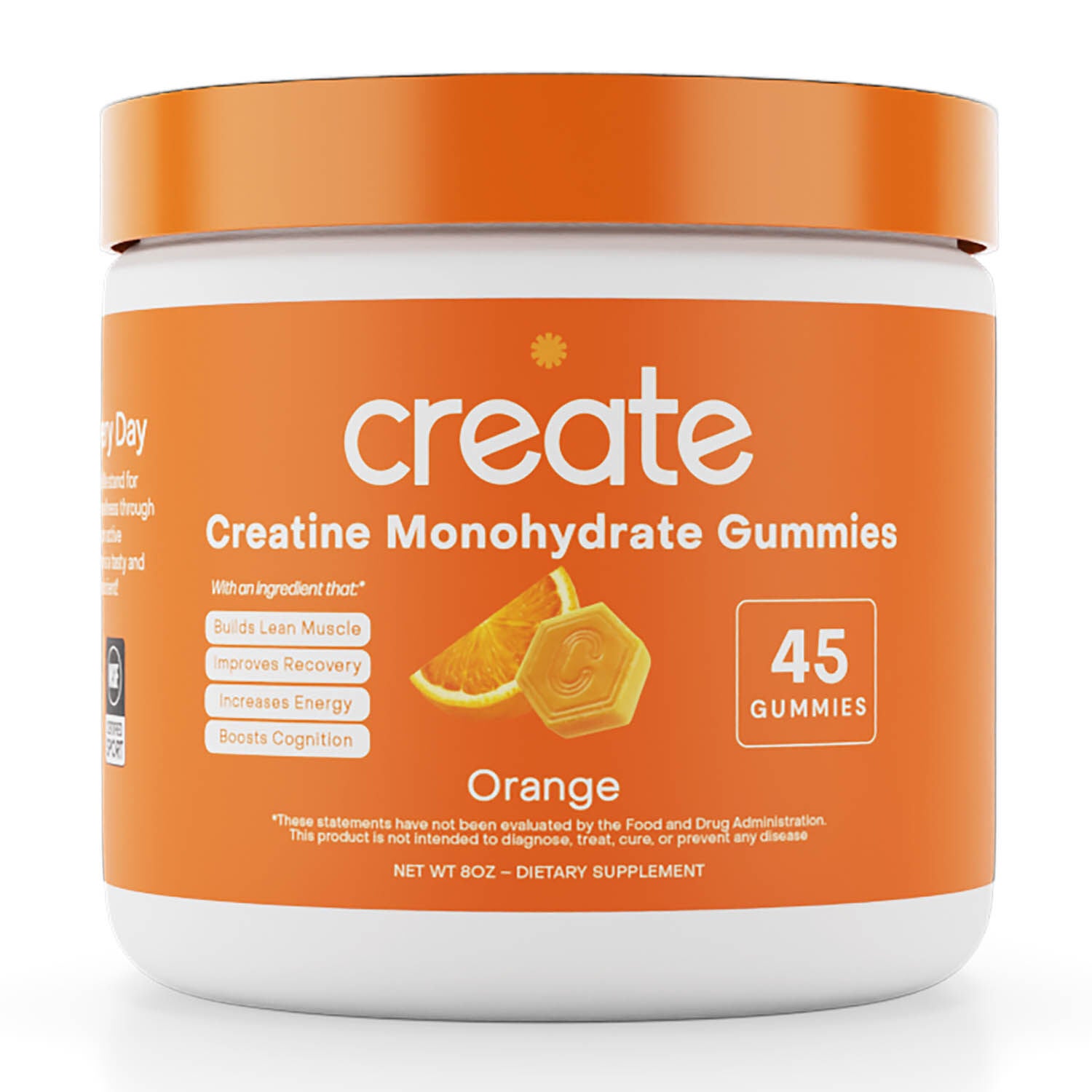
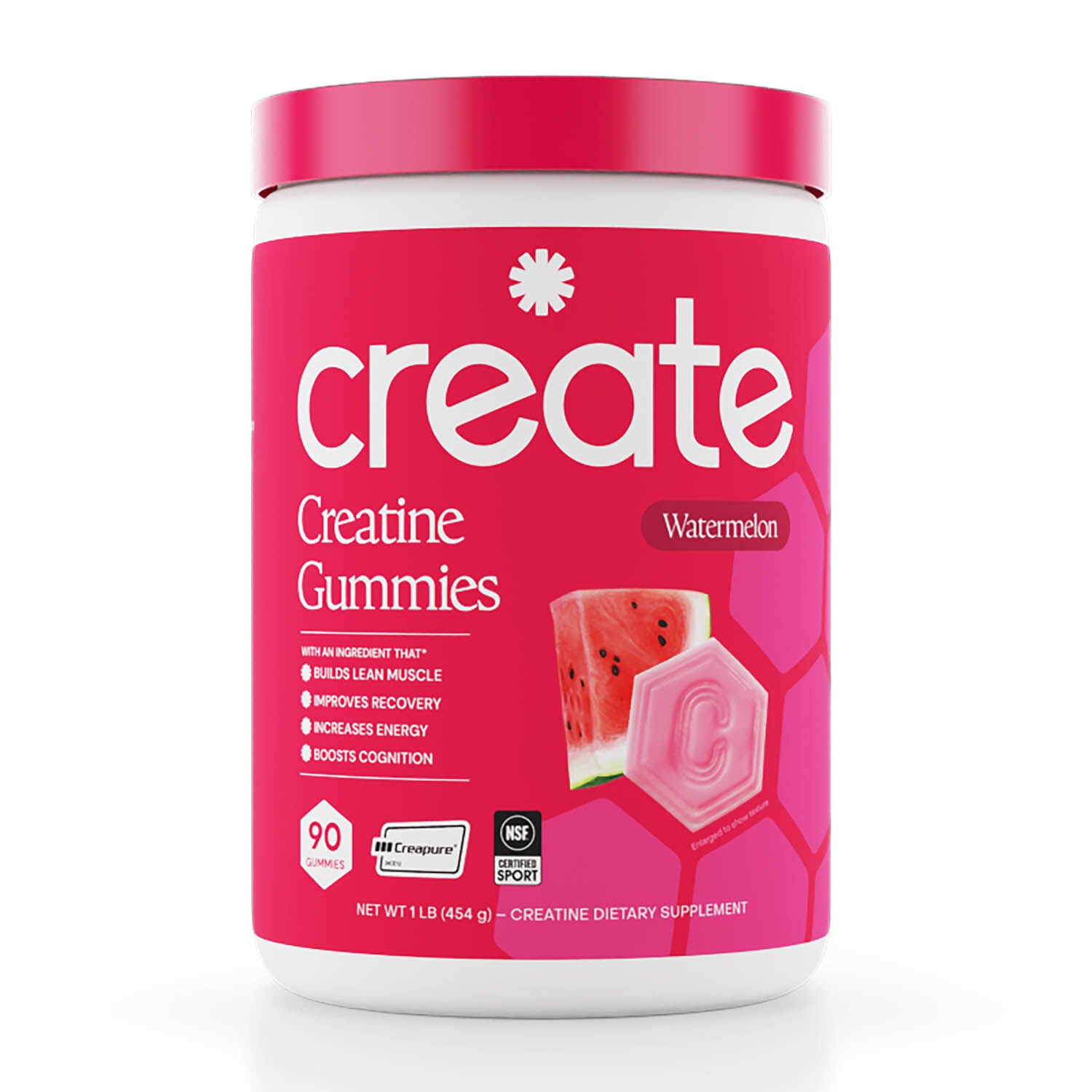
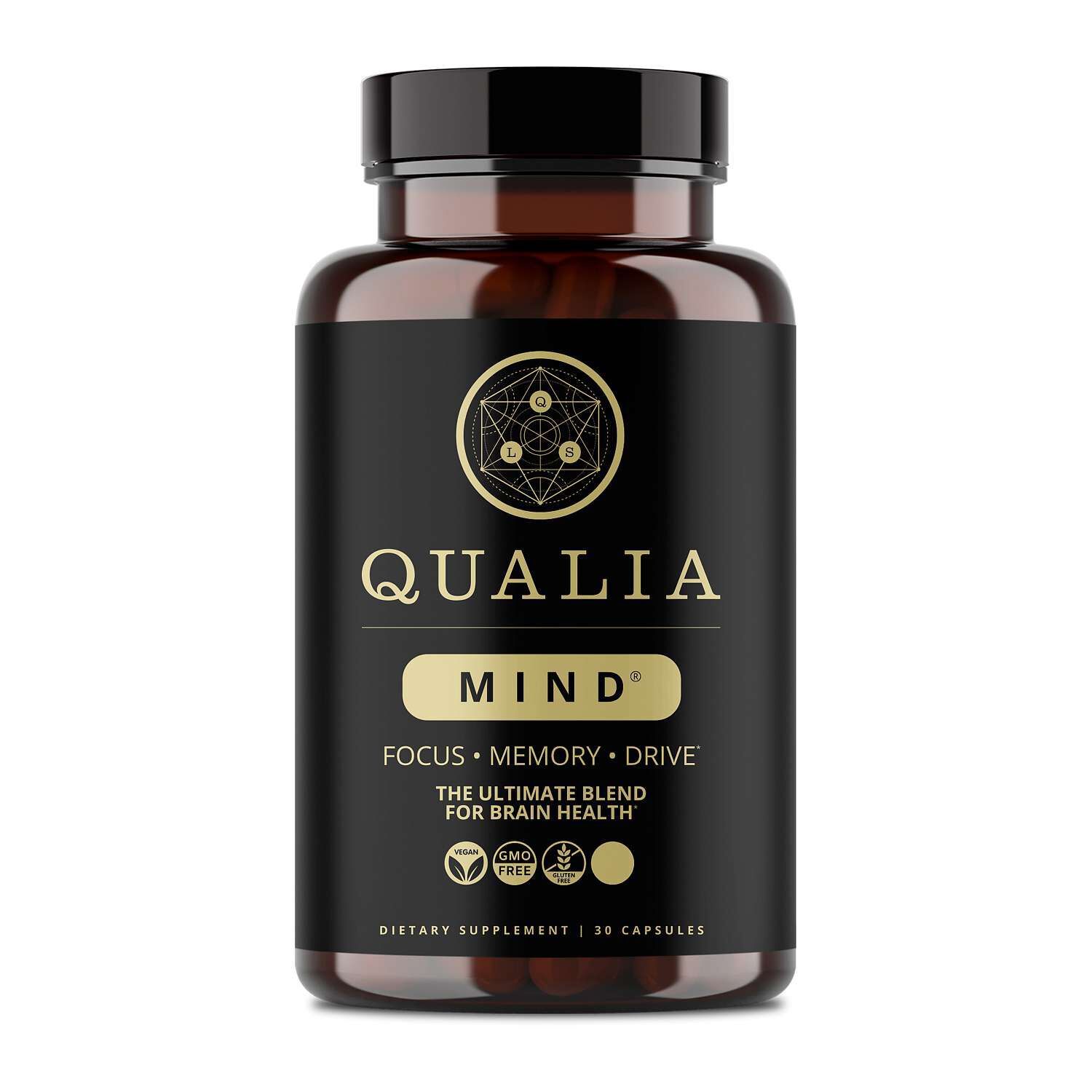



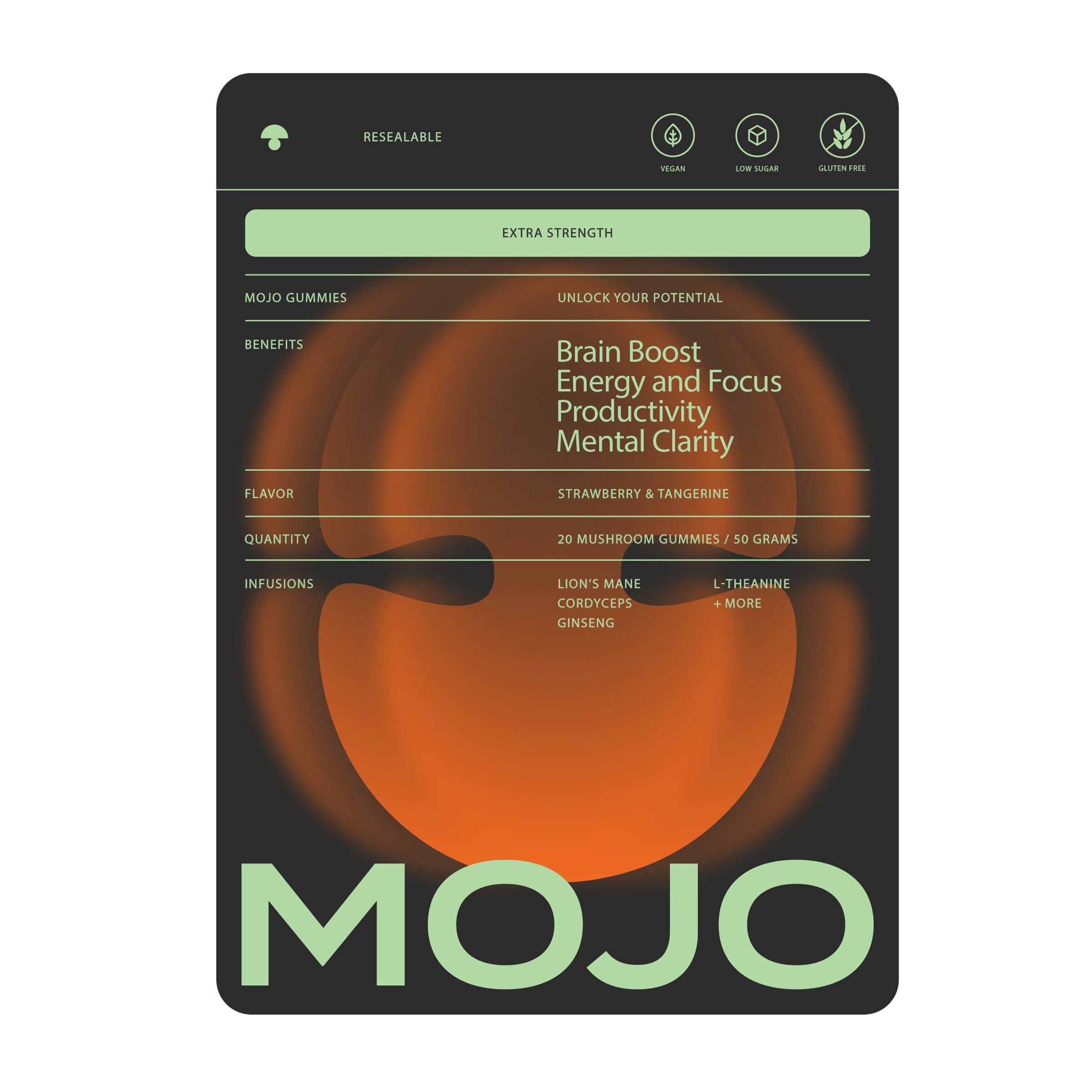
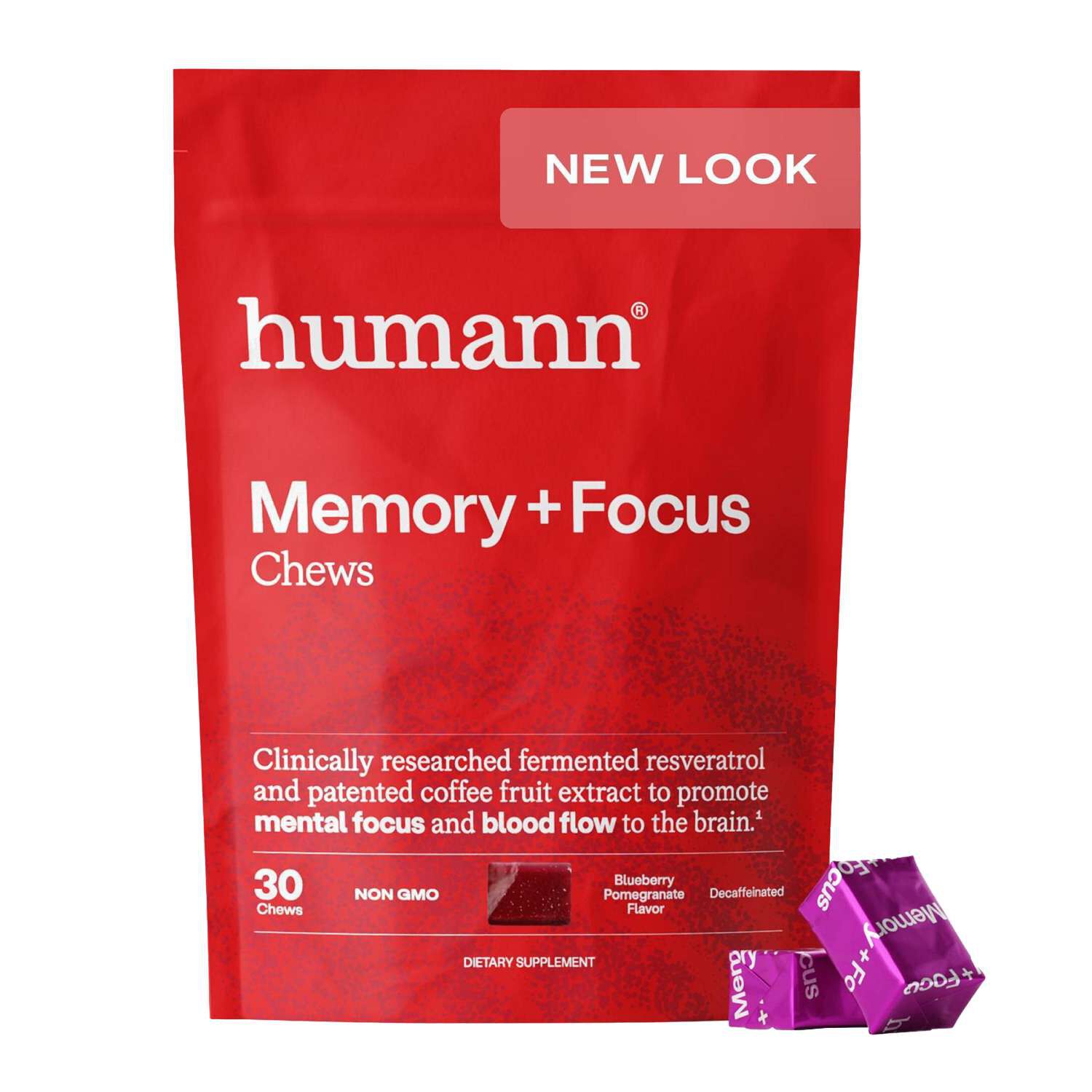
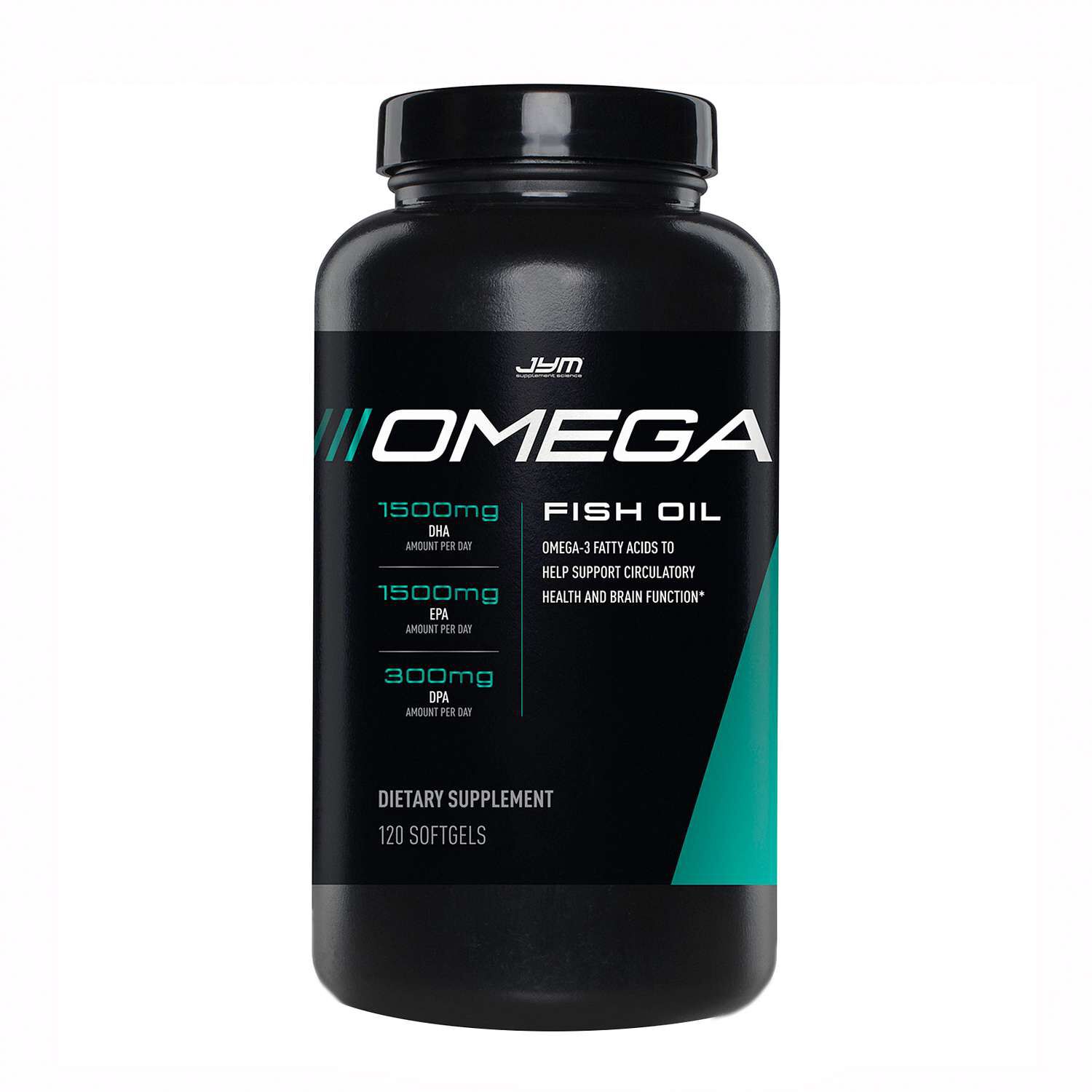
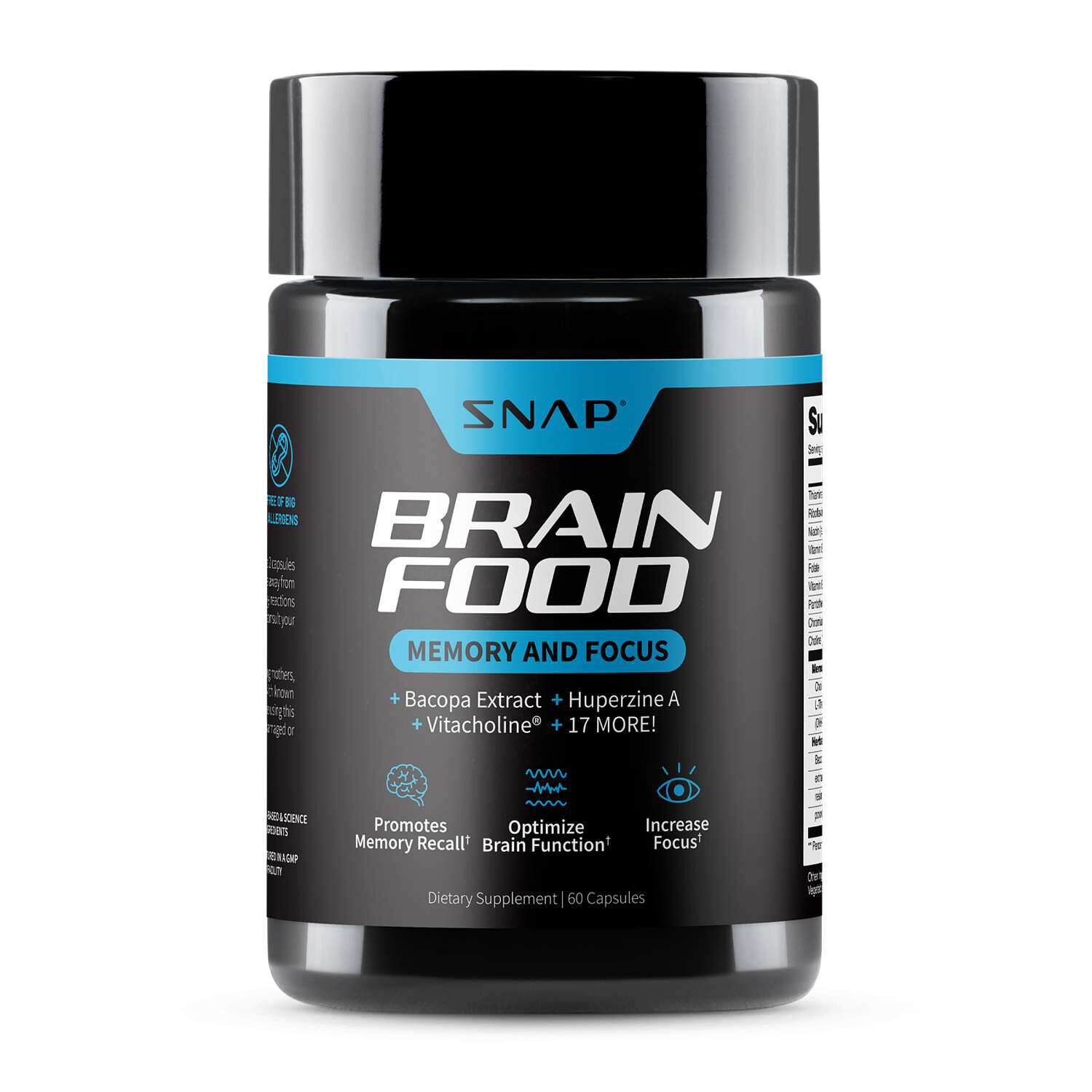


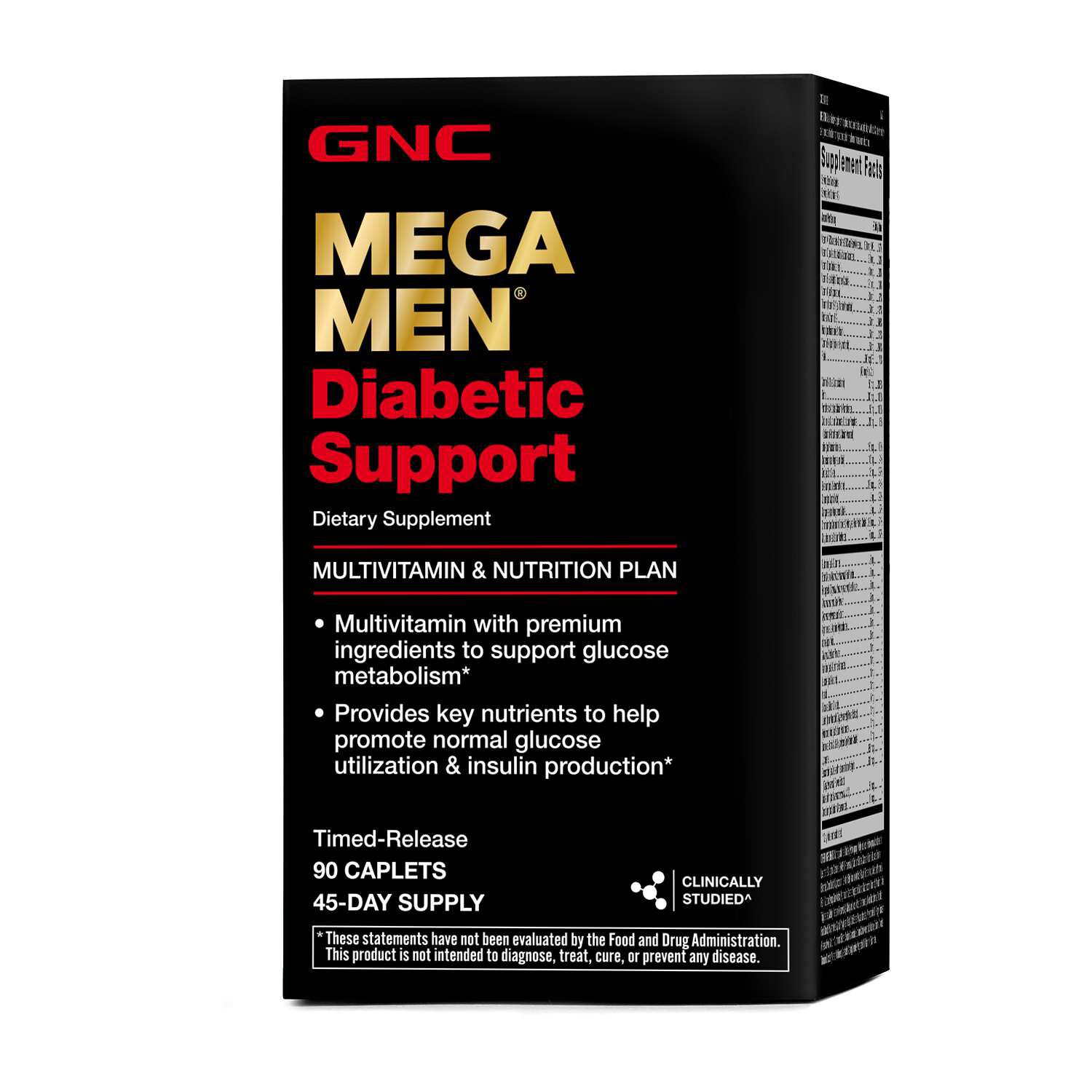


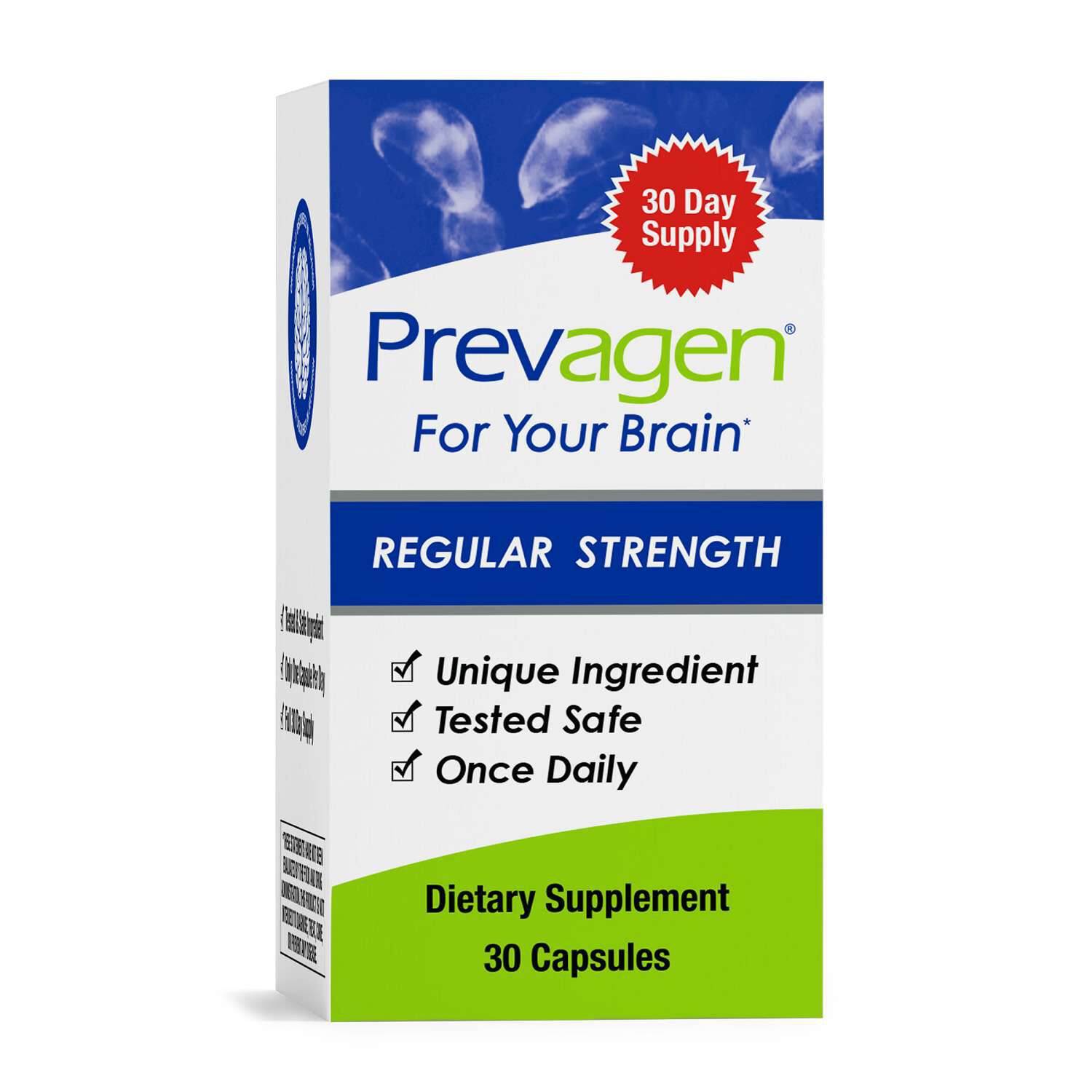
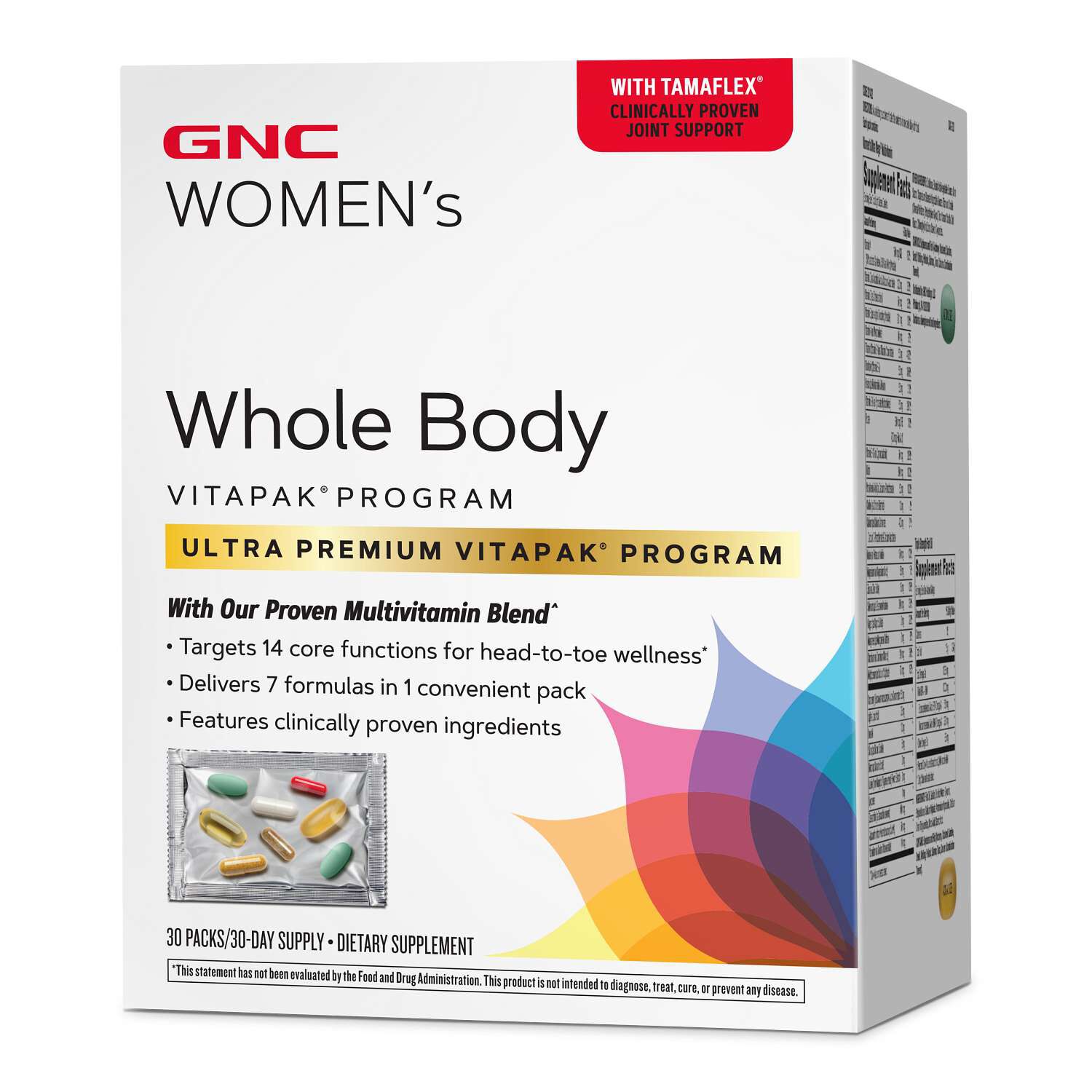

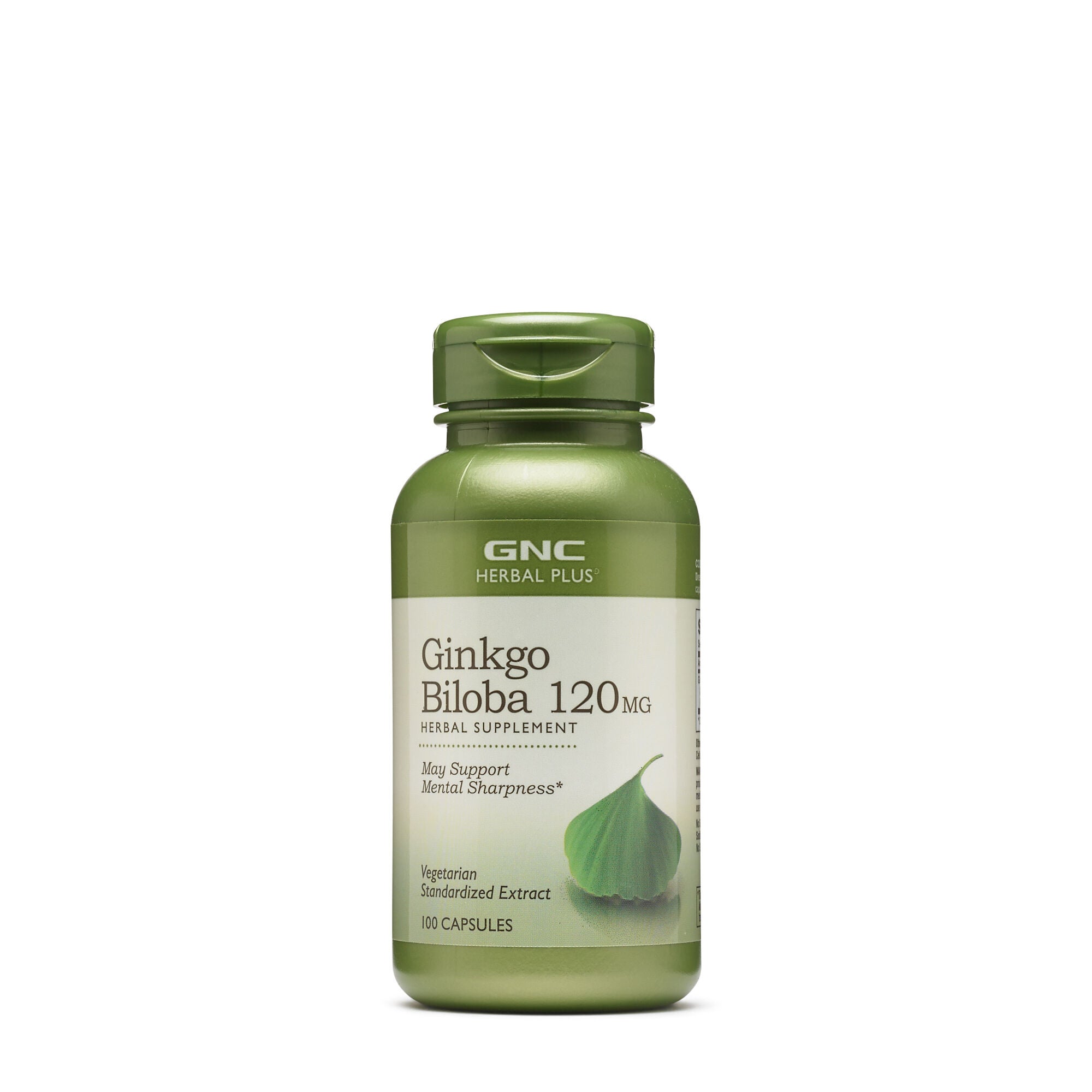


Supplements for vision and cognition support bring together nutrients commonly featured in formulas intended for visual wellness, memory, and focus. The category includes omega-3 supplements, carotenoid formulas, and blends containing selected vitamins and minerals, with different combinations reflecting different nutritional priorities. Some formulas may support everyday eye wellness, while others may support cognitive well-being or offer ingredients associated with both areas. Among the nutrients commonly featured, DHA is an omega-3 fatty acid naturally present in retinal tissue and brain cell membranes. Omega-3 formulas often pair DHA with EPA, and their labels distinguish the amount of each from the amount of fish oil or algal oil in a serving. That distinction matters when comparing two bottles: an oil amount printed prominently on the front does not necessarily describe the amount of DHA inside. Lutein and zeaxanthin are carotenoids found in foods such as leafy greens and are naturally present in the macula, a region of the retina involved in central vision. They appear frequently in vision-focused supplements and sometimes in blends positioned for cognitive wellness. Vitamins C and E, zinc, and selected B vitamins may also appear, depending on the formula’s intended use. Their presence does not make every blend interchangeable, since ingredient combinations and serving amounts vary. A focused formula centers on one nutrient or a closely related pair, while a broader blend brings several nutrients into one daily serving. Neither format is automatically the better match for every shopper. Someone already using a multivitamin may prefer a narrower ingredient profile, while another shopper may be interested in a blend organized around both vision and cognition support. Ingredient sources provide another useful distinction. Omega-3 oils may come from fish or algae, and carotenoids may come from botanical sources. Clear source information, individual nutrient amounts, and a readable Supplement Facts panel offer a more meaningful comparison than a front-label description alone.
Format is another practical part of choosing vision and cognition supplements, particularly when a purchase needs to fit an established routine. Softgels are common for oil-based ingredients, while capsules and tablets frequently contain powdered nutrients or blended formulas. Gummies, chewables, and liquids offer different textures and serving experiences, although ingredient amounts and serving sizes can differ considerably across formats. A gummy serving might consist of several pieces, whereas a capsule formula might use a different count to provide its listed nutrients. Bottle count therefore tells only part of the story; servings per container and the amount per serving make comparisons clearer. Size, shape, coating, flavor, and texture also matter to everyday preferences. A shopper who favors compact capsules may approach the category differently from someone who prefers a measured liquid serving. Capsule shells and gummy ingredients deserve attention as well: gelatin, plant-derived capsule materials, pectin, sweeteners, colors, and flavorings can influence whether a format aligns with dietary preferences. Fish-derived ingredients and other declared allergens are relevant label details, especially in a household where different family members have different requirements. Liquid products may call for shaking, a particular measuring method, or refrigeration after opening, depending on their directions. Individually packaged servings may fit a travel bag neatly, while a larger bottle may suit a consistent home routine. For someone moving between a desk, a reading chair, and evening coursework, convenience may mean a clearly labeled bottle that is easy to store rather than a complicated assortment of containers. Existing supplements are part of that practical picture, too. A blend containing vitamins C and E or zinc may overlap with nutrients already present in a multivitamin. Comparing labels makes those repeated ingredients visible without assuming that more ingredients or larger amounts are inherently preferable. The most useful product details remain specific: what is included, how much appears in the stated serving, what the serving consists of, and how the manufacturer describes its intended use.
The audience for this category spans adults with varied interests, from shoppers drawn to vision-focused nutrition to those exploring supplements that may support memory or focus as part of everyday wellness. Long reading sessions, detail-oriented hobbies, study schedules, and computer-based work provide familiar context for that interest, but a supplement should not be presented as a way to offset prolonged screen use or replace balanced habits. Nor does a label mentioning both vision and cognition mean that every person will notice the same experience. Age suitability and intended use remain product-specific, and adult formulas should not be assumed to fit every member of a household. Shoppers exploring a more focused selection can browse Men's Vision Support Supplements while keeping ingredient sources, serving details, and preferred formats in view. Supplements are also a personal gift choice: an explicitly requested format or nutrient is a more considerate starting point than making assumptions about someone’s wellness needs. For personal use or a requested gift, packaging and storage deserve the same attention as the ingredient panel. A securely closed container, legible label, intact seal, and clearly printed date help establish whether a package is suitable for use according to its directions. Storage requirements vary, so the label should determine whether a bottle belongs in a cabinet or refrigerator. A steamy bathroom, a sunny windowsill, or a bag left in a car may not match those requirements. Keeping products in their original containers preserves serving directions, ingredient information, and handling instructions, and storing them out of children’s reach is an important household precaution. Shelf life should be judged by the manufacturer’s dating and directions rather than by appearance alone. Alongside these practical considerations, food remains an important source of nutrients associated with the category, including leafy vegetables, fish, nuts, seeds, and other varied choices. Supplements are intended to complement a nutritional routine rather than replace meals. A clear ingredient profile, a manageable format, and appropriate storage make it easier to compare options on their actual characteristics, without treating a broad wellness description as a prediction of individual results.