





Kids Vision Supplements
(0 Results)
Kids Vision Supplements
Kids vision supplements are designed with growing children in mind, offering a variety of options that may help support overall eye wellness. With ingredients chosen to complement a balanced diet, these supplements could be a helpful addition for families looking to prioritize their child’s daily routine. Explore the selection of kids vision supplements and discover choices that fit your family’s needs and preferences.
-
-

-
-
-
 10$17.99
-

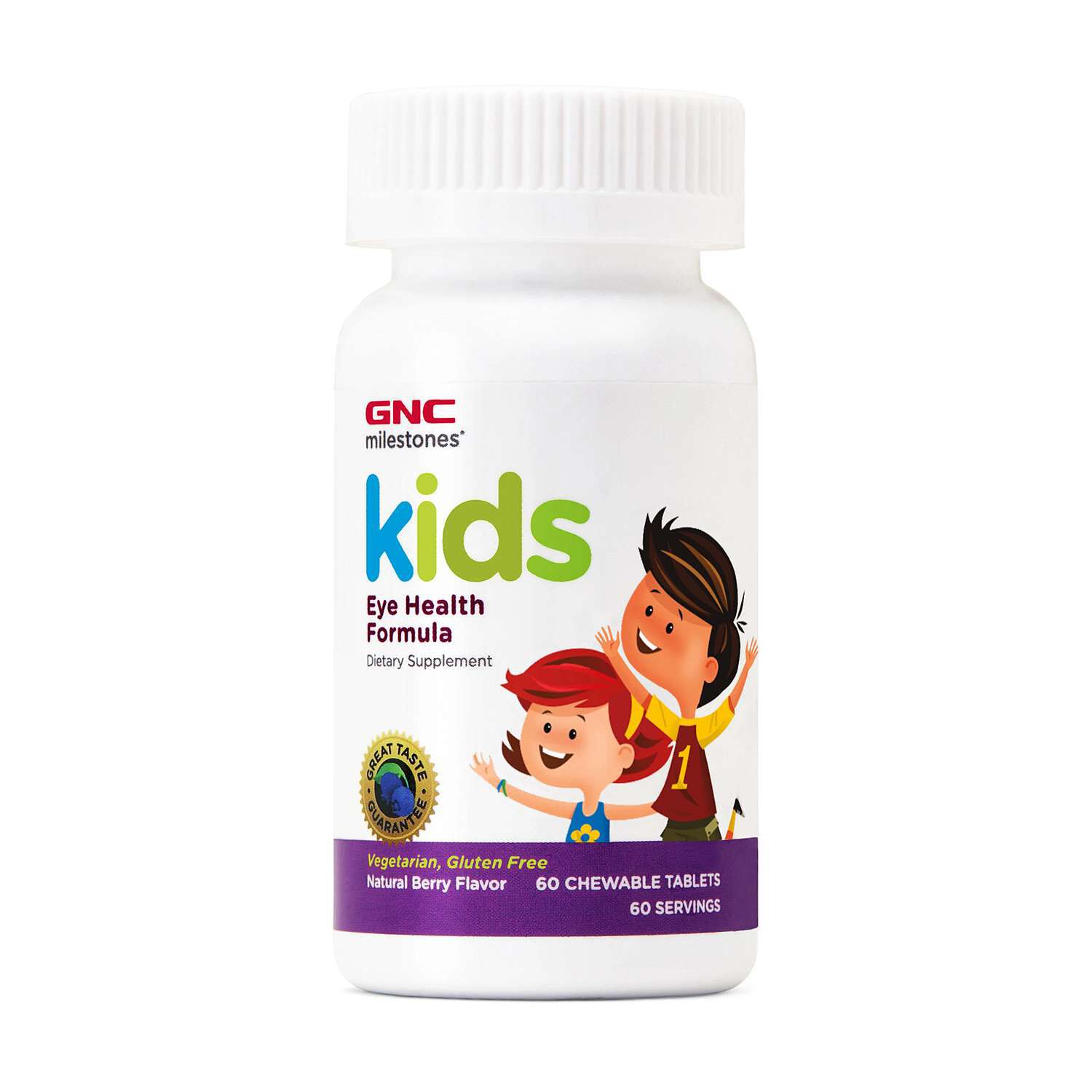
Kids vision supplements are dietary supplements formulated for children and centered on eye-focused nutrition. Depending on the formula, they may contain lutein, zeaxanthin, selected vitamins and minerals, or omega-3 fats. These supplements may complement an everyday nutrition routine, but they do not replace varied meals or professional eye care. A vision-focused name does not mean that every formula has the same ingredients, serving size, or intended age range. Those distinctions come from the package label, not the category name. Parents and caregivers often encounter this category while thinking about reading, classroom activities, drawing, and time spent with digital devices. Those familiar activities provide context for shopping, rather than establishing that a child needs a supplement. The ingredients themselves have a broader nutritional background. Lutein and zeaxanthin are carotenoid pigments found in foods such as leafy greens, corn, and egg yolks. Vitamin A appears in different forms across foods and supplements, while carrots and sweet potatoes contain beta-carotene, which the body can convert to vitamin A. Some formulas also include vitamins C and E or minerals such as zinc. Others feature docosahexaenoic acid, commonly called DHA, an omega-3 fat that may come from fish or algae sources. Not every kids vision formula contains all of these ingredients, and the amounts can differ considerably. A short ingredient list and a longer blend represent different formulations, not a simple ranking of quality. Food sources and supplement ingredients also serve different roles: meals provide combinations of nutrients, fiber, and other food components, while supplements supply a selected set of ingredients in a measured serving. This distinction keeps the category grounded in everyday nutrition rather than treating a gummy or chewable as the equivalent of a varied eating pattern. The clearest description of any formula remains its intended audience, its listed ingredients, and the amounts provided in the labeled serving.
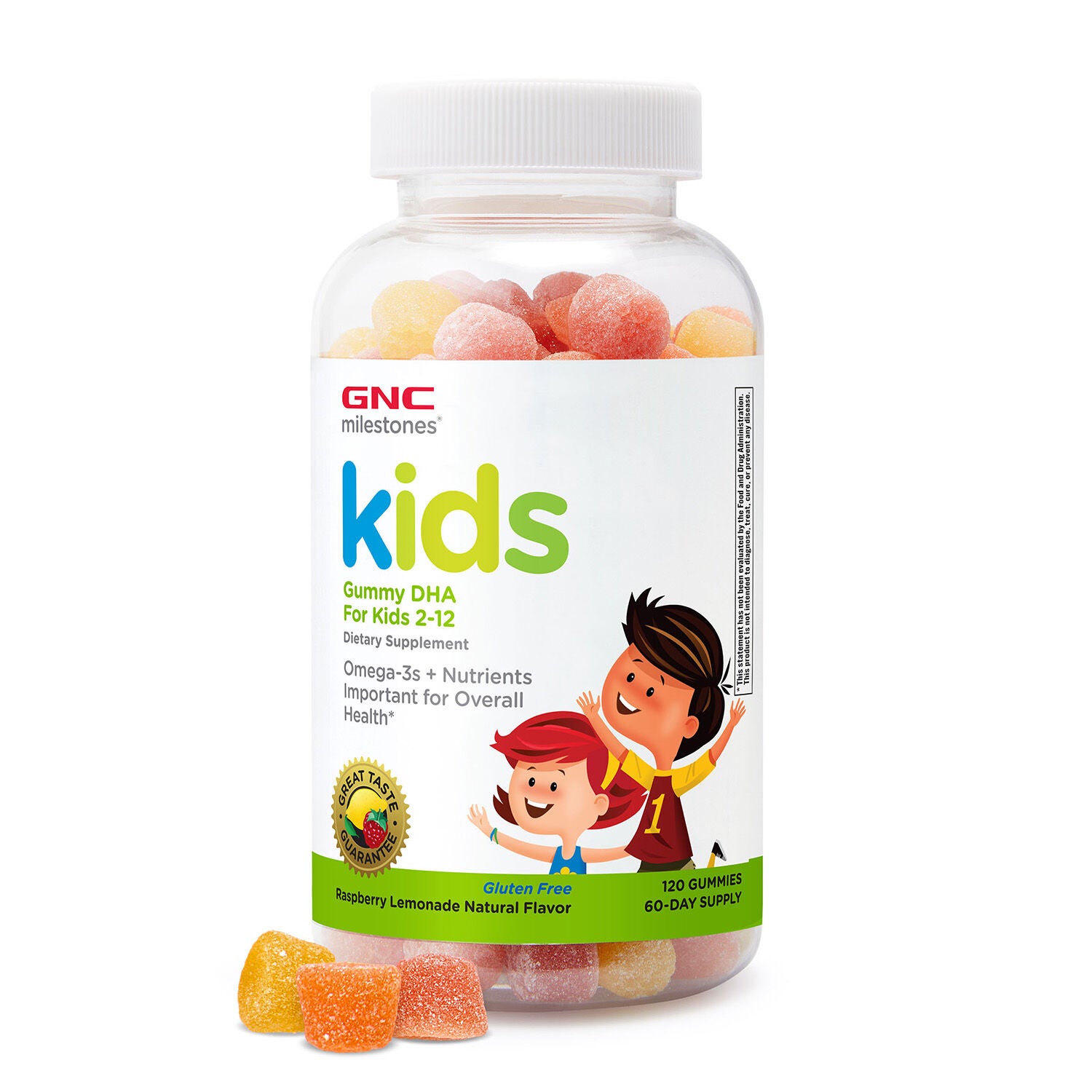
Format is another defining feature of kids vision supplements, with gummies, chewable tablets, liquids, and other forms offering different textures and serving methods. A gummy may have a soft, springy consistency, while a chewable tablet may be firmer or more powdery. Liquid formulas have their own measuring directions and may include a dispensing accessory. Capsules and softgels represent a different format, with age suitability determined by the product labeling rather than by a general “kids” description. These physical differences may influence how comfortably a format fits into a family's established routine, but flavor and appearance do not describe nutritional content. A berry-flavored gummy, for example, can have a very different ingredient panel from a berry-flavored chewable. The gummy base may use pectin or gelatin, alongside ingredients that contribute sweetness, color, and texture. Pectin is plant-derived, while gelatin comes from animal sources, a distinction that matters to households with particular dietary preferences. Added sugars and sugar alcohols, when present, are separate considerations from the featured nutrients. Their amounts and ingredient names belong to the formula's overall composition, even when the front label draws attention to lutein or another featured ingredient. Similarly, an omega-3 ingredient may have a fish or algae source, and that source is distinct from the flavor used in the finished supplement. Allergen statements and ingredient lists provide context for households considering fish, milk, soy, or other ingredients. Dietary suitability depends on the actual labeling rather than assumptions about a fruit flavor, a plant image, or a familiar format. A serving may also contain more than one gummy or chewable, so the number of pieces in a container and the number of labeled servings are not necessarily the same. Together, these details describe the everyday experience of the supplement: what it contains, what its texture is like, how a serving is defined, and which age group the manufacturer identifies.
Packaging and storage matter for kids vision supplements because the condition of a gummy, tablet, or liquid can change after the container is opened. Moisture may affect tablet texture, and heat may cause gummies to stick together or lose their shape. Light exposure and closure design are additional considerations for some formulas. Storage instructions vary by product, including whether a liquid requires refrigeration after opening, so the package remains the reference for handling details. Original containers preserve the ingredient panel, directions, date information, and other identifying details in one place. A securely closed bottle stored away from children's reach also keeps a supplement distinct from an ordinary snack, particularly when its color and flavor resemble candy. For families with several nutrition products in the same cupboard, clearly marked age ranges and recognizable containers may make organization simpler. Children’s formulas and adult formulas belong to different audiences, even when they feature some of the same nutrients. The separate Men's Vision Support Supplements category reflects an adult shopping context rather than an interchangeable version of children’s nutrition. Within the kids category, age ranges can differ as well, and a formula intended for an older child is not automatically suited to a younger sibling. A vision-focused supplement may also share ingredients with a children's multivitamin, so category names alone do not describe the relationship between their nutrient lists. Serving information and Daily Value percentages offer standardized label context, not a personalized assessment of a child's needs. For an everyday household routine, the meaningful distinctions are often straightforward: a clearly identified age group, transparent ingredient amounts, a suitable labeled format, and storage requirements that are easy to recognize. Those practical details give kids vision supplements a more useful context than colorful packaging alone, while keeping the focus on what the formula actually contains and how it is presented for its intended audience.
Best Sellers


_Front.jpg?sw=305&sh=305&sm=fit "Junior Multi - 90 Tablets - 90 Tablets (90 Servings) | GNC")
Related Pages



Top Collections
- Supplements For Yoga Joint Flexibility
- GLP 1 Support For Adults
- Joint Mobility Supplement Packs
- Chronic Fatigue Supplements
- Adult Mobility Supplements
- Supplements For Balance
- Supplements For Anxiety Relief Support
- Capsule Supplements For Energy And Stamina
- Zinc Supplements | Top Brands at Great Prices | GNC
- Anti Aging Supplements For Women