





Supplements For Holistic Nerve Health
(0 Results)
Supplements for holistic nerve health could offer comprehensive support for your overall well-being. With a focus on nourishing the body and mind, these supplements may help you maintain a balanced approach to daily wellness. Explore options that are thoughtfully formulated to complement your lifestyle and wellness goals, so you can feel confident in your pursuit of holistic nerve health.





 _Front.jpg?sw=305&sh=305&sm=fit "Magnesium: Bioactive Magensium Citrate - 60 Capsules (60 Servings) | GNC")
 _Front.jpg?sw=305&sh=305&sm=fit "Magnesium: Bioactive Magensium Citrate - 120 Capsules (120 Servings) | GNC")


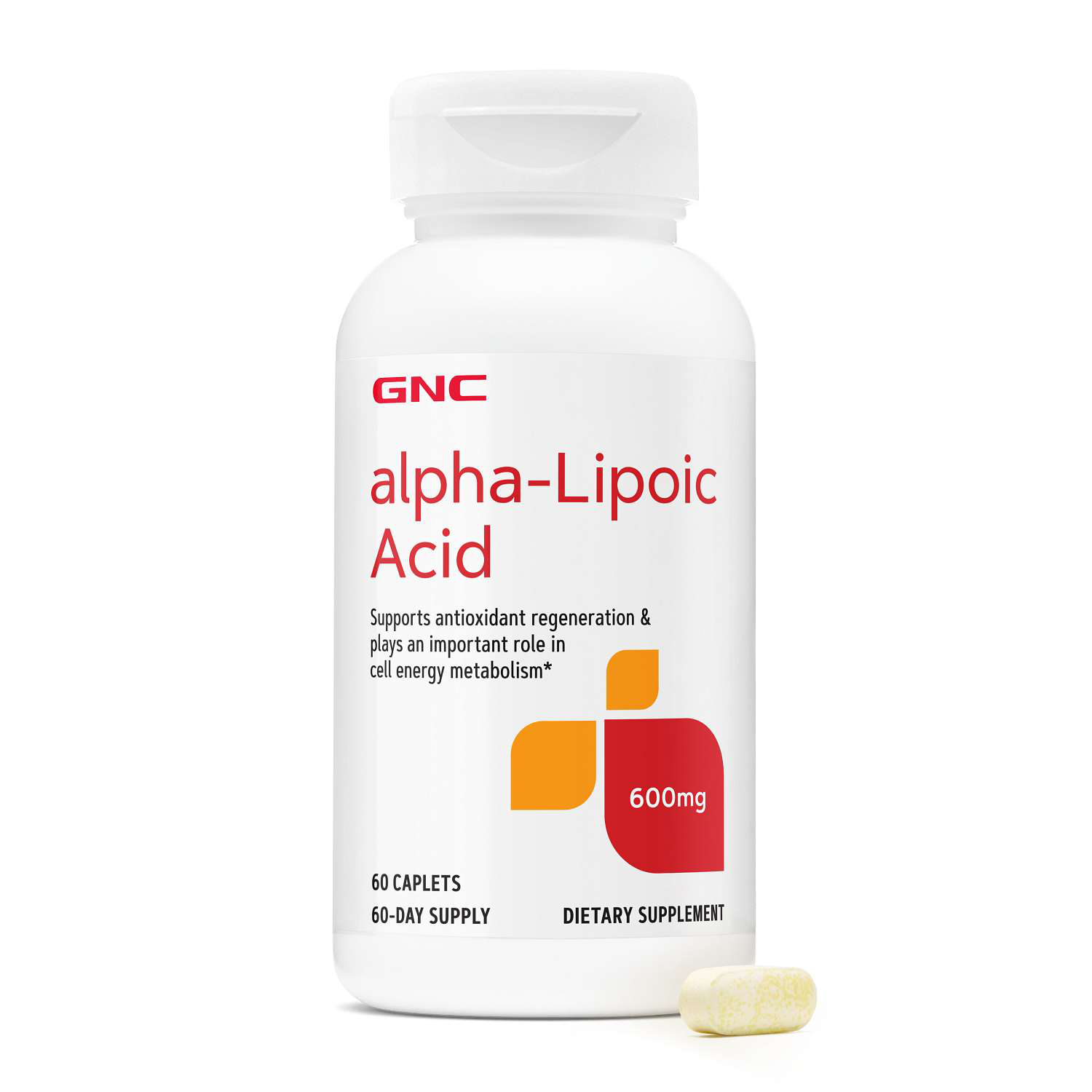


Supplements for holistic nerve health encompass a range of vitamins, nutritional compounds, oils, and botanicals for shoppers interested in everyday nervous system wellness. The nervous system carries messages between the brain, spinal cord, and the rest of the body, with those connections involved in movement, sensation, and ordinary daily activities. A holistic approach places supplement choices alongside eating habits, rest, physical activity, and the practical details of a sustainable routine. Supplements may complement daily nutrition, but they are not substitutes for a varied diet or balanced lifestyle. Within this category, B vitamins are a familiar starting point for comparing ingredient lists. Formulas may contain vitamin B1, B6, B12, or a broader combination of B vitamins, which may support normal nervous system function. Ingredient names can vary: benfotiamine is a derivative of vitamin B1, while vitamin B12 may appear as methylcobalamin or cyanocobalamin. These names describe ingredient forms rather than a universal ranking of quality or suitability. Alpha-lipoic acid, often shortened to ALA, and acetyl-L-carnitine are other ingredients shoppers may encounter in nerve-focused nutritional formulas. They are distinct compounds, so their names should not be treated as interchangeable descriptions. Omega-3 supplements introduce another category, with fish oil and algae-derived oils offering different sourcing options. Their labels may identify the amounts of EPA and DHA rather than describing the oil alone. Botanical blends may include turmeric, ginger, or lion’s mane mushroom alongside vitamins or other ingredients. A long ingredient list is not, by itself, a measure of how well a formula fits an individual routine. The useful comparison is what each serving contains, how clearly those contents are described, and whether the format matches the shopper’s preferences. Looking beyond a broad wellness name makes it easier to distinguish a B-vitamin formula from an oil-based supplement or a botanical combination. That distinction matters when comparing several categories that share a general wellness theme but differ considerably in composition, serving size, and intended use.
The physical format deserves as much attention as the ingredients. Capsules, tablets, softgels, gummies, powders, and liquids each bring different considerations to a daily routine. Someone who prefers an unflavored option may gravitate toward capsules or tablets, while another shopper may value a chewable format or a powder that fits into an existing beverage routine. Texture, flavor, serving volume, and the number of pieces per serving can make otherwise similar choices feel quite different in practice. A serving of gummies may involve several pieces, and a capsule-based serving may also require more than one capsule. Comparing amounts per serving, rather than per piece or by the size of the bottle, gives a clearer picture of the label. Powders and liquids also require attention to the measuring directions and any preparation instructions. Beyond format, the Supplement Facts panel and other ingredient information help distinguish the featured nutrients from the materials used to make the finished supplement. Capsule shells, gelling agents, flavorings, sweeteners, colors, and carrier oils may matter to shoppers with particular dietary preferences. A plant-derived capsule shell does not necessarily describe every ingredient inside it, just as a fruit flavor does not explain a gummy’s full composition. Fish-derived ingredients, gelatin, and manufacturing statements are worth reviewing when comparing options for a vegetarian or vegan routine. Botanical labels may provide the plant’s scientific name, the part used, and whether the ingredient is a powder or an extract. Those details offer more useful context than descriptive language on the front of a package. Clearly explained third-party testing information can also provide context about what was evaluated, although the scope of testing can differ. When comparing a nerve-focused formula with a multivitamin or another supplement already in the household, ingredient overlap is another practical consideration. B vitamins and other nutrients can appear in several categories at once. Reading the labels side by side makes those repeated ingredients visible without assuming that a larger amount or a longer list is necessarily a better match.
Intended use is another way to narrow the selection without expecting every supplement to serve the same purpose. Some shoppers prefer a focused formula with a short ingredient list; others are looking for a combination that brings several categories into one labeled serving. An adult who already keeps a multivitamin beside the breakfast dishes may approach that choice differently from someone building a supplement routine for the first time. A person who travels regularly may care about securely closed packaging and clearly printed directions, while someone who keeps supplements at home may place more weight on flavor, container size, or ease of opening. These are everyday fit considerations, not evidence that a particular format will produce a particular result. The related collection of Supplements For Stress And Nerve Health provides another browsing path for shoppers comparing these connected wellness interests. Across either theme, specific ingredient information is more useful than assuming that every formula has the same purpose. Care and storage also belong in the comparison. The original container keeps the ingredient list, serving directions, lot information, and date information together, which is especially useful when several bottles look similar on a shelf. Storage instructions may differ between oils, gummies, powders, and other formats, so the package is the appropriate reference for handling and any refrigeration requirements. A bathroom cabinet with frequent humidity or a bag left in a parked car may not match the labeled storage conditions. Secure closures and storage out of children’s reach are practical household considerations, particularly for flavored or chewable formats. Before transferring anything into a travel organizer, it is worth keeping the original label accessible and checking whether the packaging includes special handling directions. A thoughtful comparison brings these small details together: recognizable ingredients, understandable serving information, suitable materials, a comfortable format, and storage requirements that fit the space where the supplement will actually be kept.
Best Sellers
-
 Rho Nutrition
-
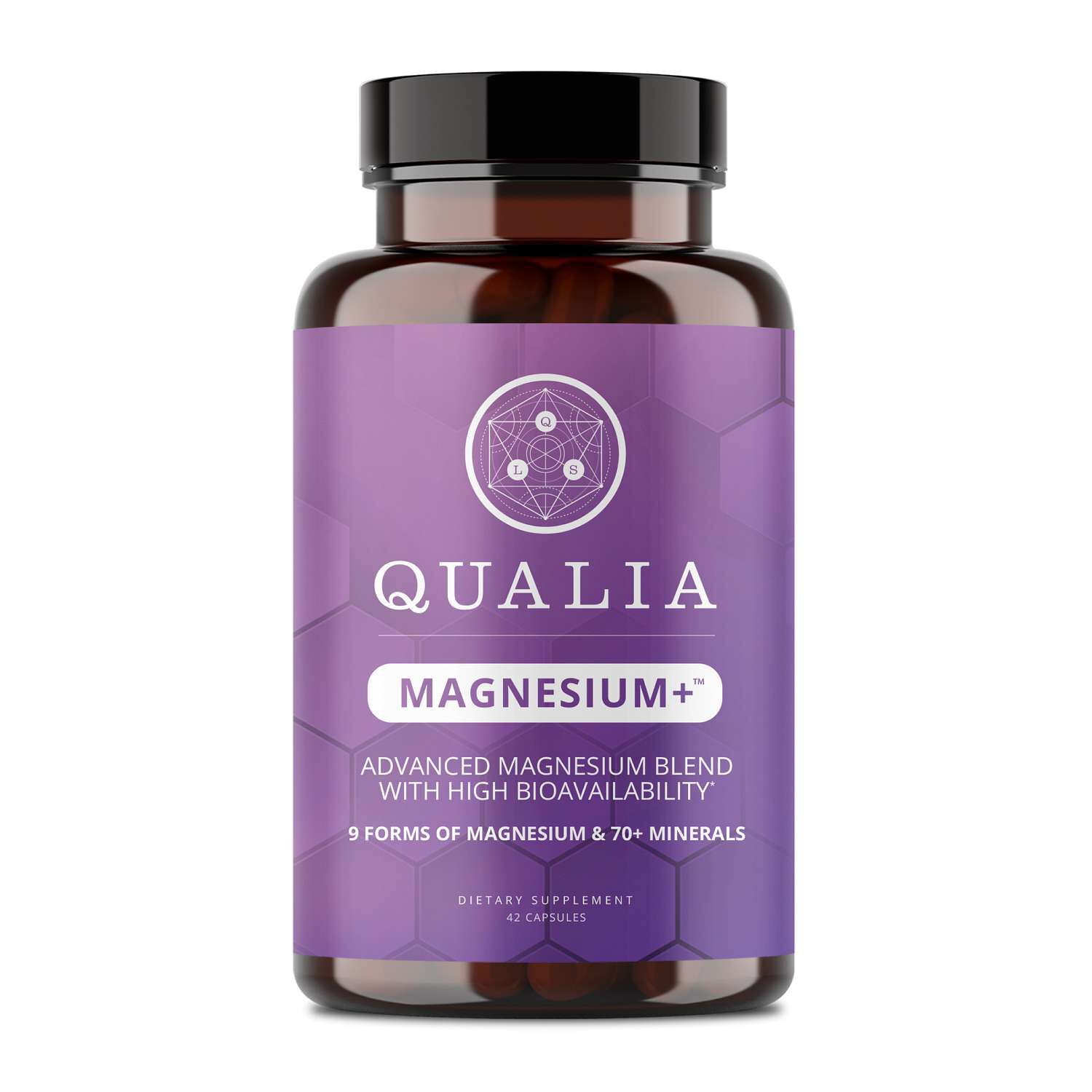 Qualia Life Sciences
Related Pages

Top Collections
- Joint Mobility Supplement Packs
- Daily Collagen Supplements | Top Brands & Deals | GNC
- GLP 1 Support For Adults
- Zinc Supplements | Top Brands at Great Prices | GNC
- Supplements For Yoga Joint Flexibility
- Supplements For Balance
- Capsule Supplements For Energy And Stamina
- Adult Mobility Supplements
- Chronic Fatigue Supplements
- Vitamins For Hair Loss