





Taurine Supplements For Adults
(0 Results)
Taurine supplements for adults are a popular choice for those looking to support their overall wellness routines. Often found in energy drinks and pre-workout formulas, taurine is an amino acid that plays a key role in many bodily processes. Whether you’re seeking to complement your active lifestyle or simply interested in exploring new options for your daily regimen, taurine supplements for adults may offer a convenient addition to your supplement lineup. Discover a variety of formulations and strengths designed with adult wellness in mind.
-
-
-

-

-

-
 $59.99
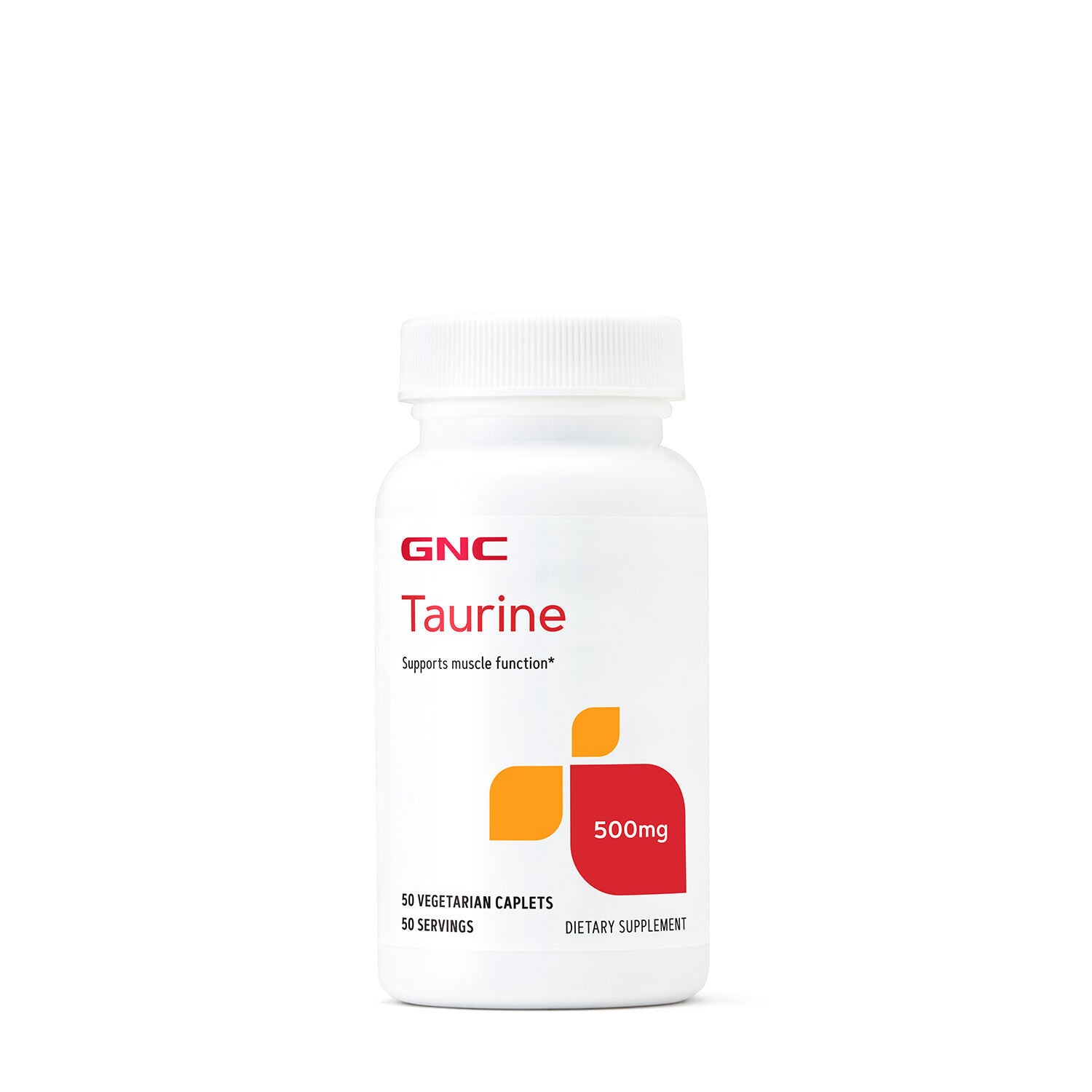


Taurine supplements for adults are dietary supplements that contain taurine, a naturally occurring amino sulfonic compound often grouped with amino acids. Taurine is present in the human body, including the brain, heart, and skeletal muscles, and it also occurs in foods such as meat, fish, and dairy. Unlike the amino acids used to build proteins, taurine is not incorporated into protein chains. That distinction matters when comparing supplement categories: taurine is not a protein powder, and its amount on a label is generally expressed in milligrams rather than the grams of protein listed on a nutrition shake. The body can make taurine, so the presence of taurine in a food or supplement does not, by itself, establish a need to add it to an adult’s routine. These products are intended as an additional dietary source, not a substitute for meals or dietary variety. For shoppers, the practical starting point is the ingredient panel rather than the imagery on the package. A single-ingredient formula centers on taurine, although it may also contain capsule materials or ingredients used in manufacturing. A combination formula contains taurine alongside other dietary ingredients, making the full Supplement Facts panel important to the comparison. An adult who already uses a multivitamin, an amino acid blend, or a workout beverage may prefer to look across those labels before choosing another formula. Taurine and caffeine are different ingredients; the presence of taurine does not mean a product contains caffeine, even though they sometimes appear together in beverages. Someone looking for taurine alone should look for that distinction in the ingredient list rather than drawing conclusions from the product category. A straightforward label comparison includes the amount of taurine per serving, the number of capsules or tablets in that serving, and any other dietary ingredients listed with it. An amount shown prominently on the front of a package may refer to a full serving rather than a single capsule.
The right format is largely a matter of personal preference, label directions, and the setting in which a supplement would be used. Capsules and tablets contain premeasured portions, while powders require attention to the serving measure specified on the package. For an adult who packs a work bag each morning, a labeled container of capsules may fit the routine more comfortably than a tub and measuring scoop. Someone who already prepares a drink at home may prefer a powder, provided its directions specify how it should be measured and mixed. A household spoon is not interchangeable with the measuring device or serving measurement described on a label. With capsules, shell composition is another useful detail: gelatin is animal-derived, while some shells use plant-derived cellulose. Neither the word taurine nor a simple-looking package establishes that every ingredient meets a vegetarian or vegan preference. Statements about ingredient sourcing, capsule materials, and dietary suitability should be checked on the actual label. Tablets may include binders or coatings, and powders may include flavors, sweeteners, or other ingredients, depending on the formula. An unflavored description does not necessarily mean a powder has no noticeable taste or texture. These differences matter to someone who dislikes large tablets, avoids certain sweeteners, or wants a short ingredient list. Package design also deserves a closer look. A legible label, a closure that fits securely, and clear storage instructions are practical details for an everyday product. Store the supplement according to its label, retain the original container, and check any printed use-by information. A dry cupboard away from a sink is a different storage environment from a damp bathroom shelf, and a closed container matters when powder is part of the routine. For travel, keeping the labeled package with the supplement preserves access to the ingredient list and directions. A larger container is not automatically the better fit; the number of servings and the intended pattern of use are more useful than bottle size alone. Any special handling directions after opening also deserve attention when comparing packaging.
Taurine also appears in the name magnesium taurate, but that category is not interchangeable with a taurine-only supplement. Magnesium taurate is a form of magnesium paired with taurine. On a Supplement Facts panel, the declared magnesium amount refers to magnesium, not automatically to a matching amount of taurine. Adults comparing the two categories can review Magnesium Taurate Supplements for Adults and then check which dietary ingredient the label actually measures. This is a useful distinction for someone whose shopping list says taurine but whose search results include mineral formulas. Similar names do not establish the same composition, serving size, or intended use. The same attention applies to amino acid blends: a formula that contains taurine is different from one that lists only taurine as its dietary ingredient. If several ingredients appear together in a blend, look at whether the label gives an individual amount for taurine or a combined amount for the blend. Descriptive terms on the front label are less informative than the quantities and ingredient names in the Supplement Facts panel. Personal fit also extends beyond a familiar supplement format. An adult following a plant-based eating pattern may place particular importance on ingredient sourcing, while a frequent traveler may care more about keeping original packaging compact and readable. A person who shares a kitchen may want a clearly identified container stored separately from drink mixes and cooking ingredients. Someone buying for another adult should know that person’s stated preferences rather than assuming a sports-related label makes a suitable gift. Supplements are personal purchases, and a recipient’s existing choices matter. Across these situations, a thoughtful comparison stays grounded in what the package says: taurine content, serving size, other ingredients, dietary statements, and storage directions. The most suitable option is not necessarily the one with the longest ingredient list or the largest number on the front. It is a formula whose composition and format match the shopper’s stated preferences, with labeling that makes those details easy to understand.
- Q: What is taurine and why do adults take taurine supplements?
A: Taurine is a naturally occurring amino acid found in various tissues throughout the body. Adults may take taurine supplements to support overall wellness, as taurine plays a role in heart health, energy production, and muscle function. - Q: How is taurine typically sourced for supplements?
A: Taurine used in supplements is usually synthesized in laboratories to ensure purity and consistency. It is not typically derived from animal sources, making most taurine supplements suitable for vegetarians and vegans. - Q: Can taurine supplements be taken with other vitamins or minerals?
A: Yes, taurine supplements can generally be taken alongside other vitamins and minerals. Many multivitamin or energy formulas include taurine as part of their ingredient blend. - Q: Are there different forms of taurine supplements available for adults?
A: Taurine supplements are available in several forms, including capsules, tablets, powders, and liquid shots. This variety allows adults to choose the format that best fits their preferences and lifestyle. - Q: When is the best time of day to take a taurine supplement?
A: The best time to take a taurine supplement can depend on individual routines and preferences. Some adults prefer taking it with meals or before workouts, but it can generally be taken at any time of day that fits your schedule.
Best Sellers
-
 Create Wellness

Related Pages

Top Collections
- Joint Mobility Supplement Packs
- Daily Collagen Supplements | Top Brands & Deals | GNC
- GLP 1 Support For Adults
- Zinc Supplements | Top Brands at Great Prices | GNC
- Supplements For Yoga Joint Flexibility
- Supplements For Balance
- Capsule Supplements For Energy And Stamina
- Adult Mobility Supplements
- Chronic Fatigue Supplements
- Vitamins For Hair Loss