Ultra Filtered Whey Protein
(0 Results)
Explore the benefits of ultra filtered wheys, designed to support your fitness journey and overall wellness. Ultra filtered wheys could provide a high-quality source of protein that may be easily absorbed by the body. Ideal for athletes, fitness enthusiasts, and anyone looking to supplement their diet, these whey proteins might help you reach your goals. Discover a variety of ultra filtered wheys that could fit seamlessly into your lifestyle and nutritional regimen.


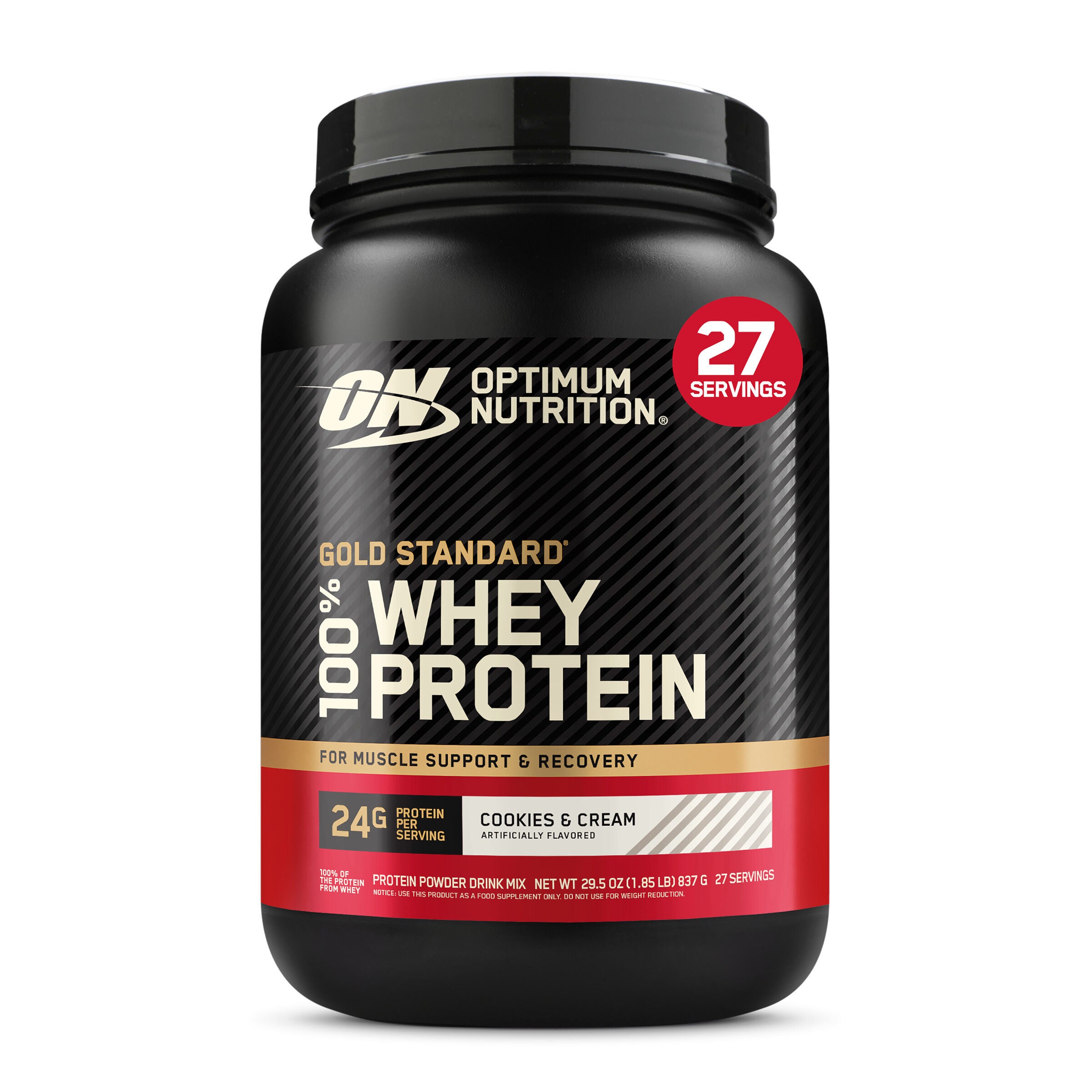


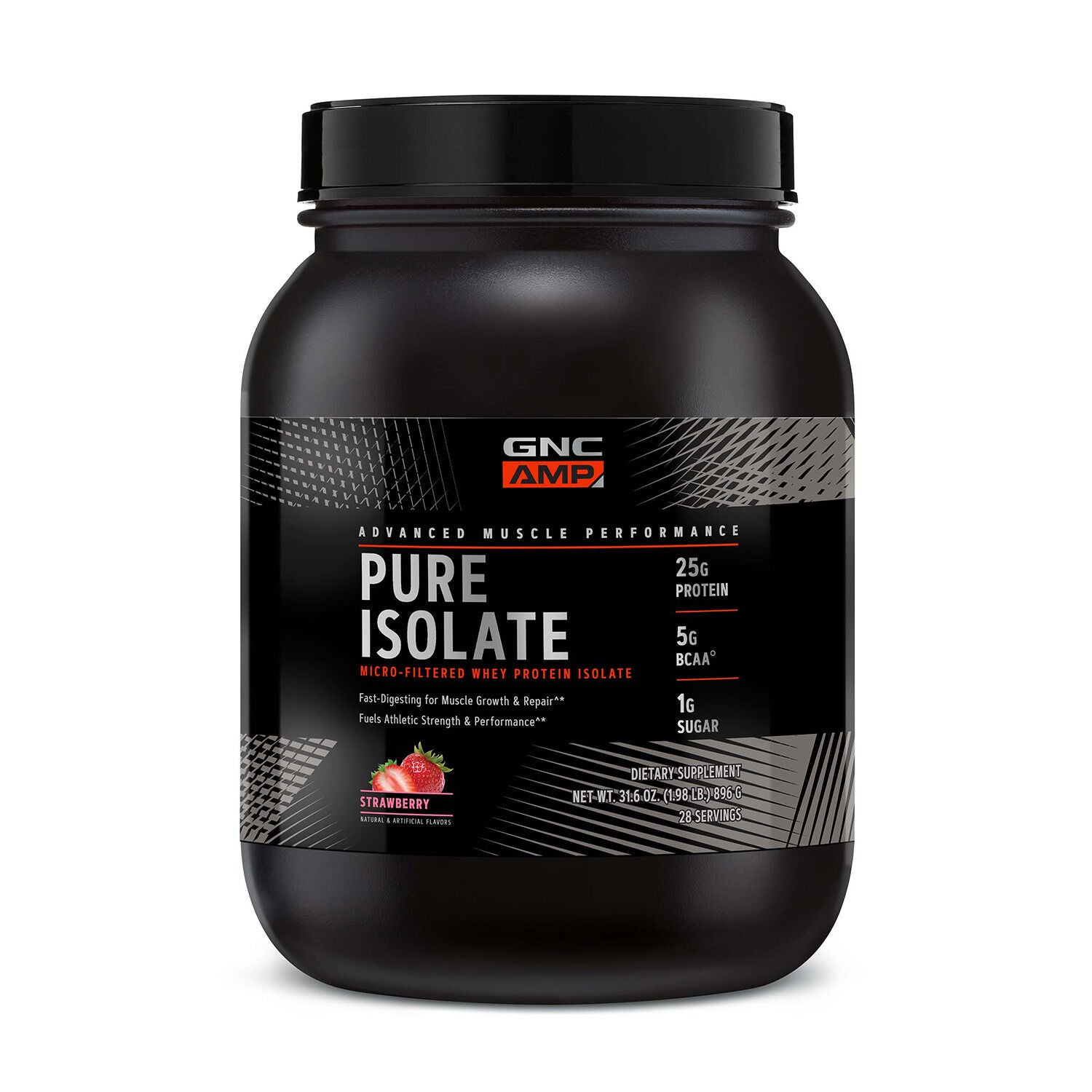

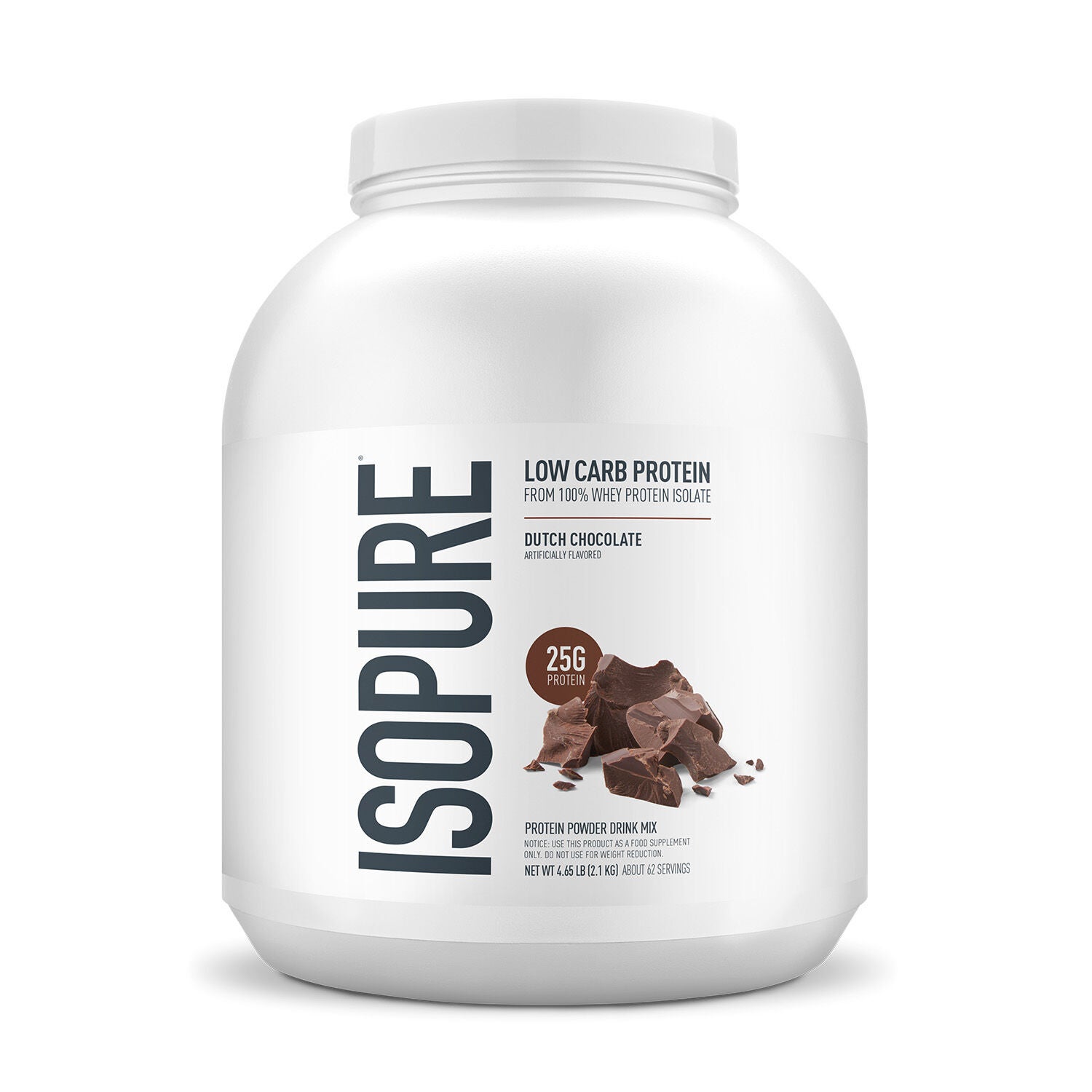


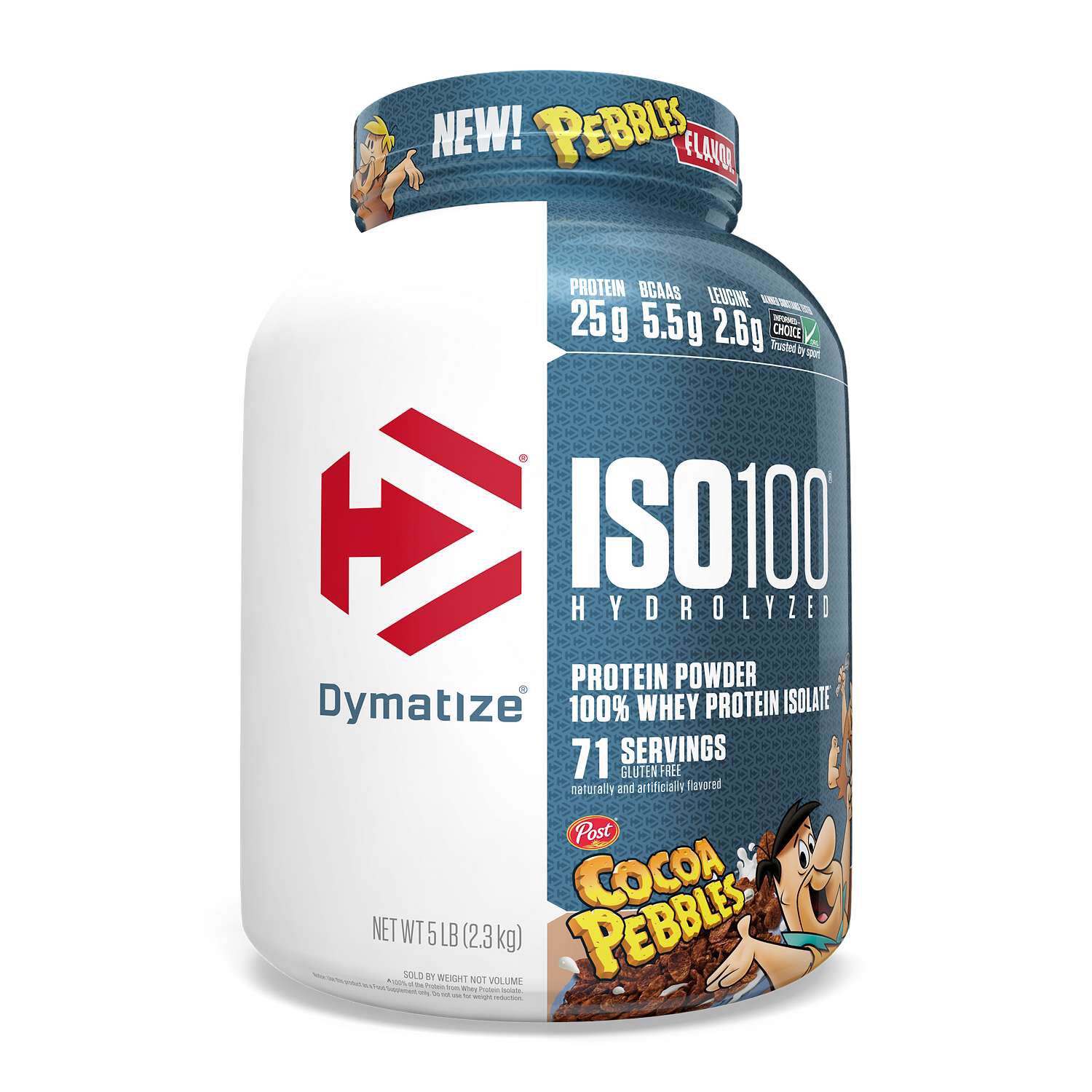
Ultra-filtered whey protein is a dairy-based protein ingredient made by passing liquid whey through specialized membranes that separate components by size. During ultrafiltration, much of the protein stays on one side of the membrane while water and some smaller components, including lactose and dissolved minerals, pass through. Additional processing and drying turn that concentrated liquid into the powder used in shakes and other foods. The result is a protein-focused ingredient, but the phrase “ultra-filtered” describes a processing method rather than a fixed nutritional profile. It does not establish an exact protein percentage or a specific amount of lactose, fat, or carbohydrates. Those details depend on the starting material, the filtration steps, and the finished formula. Ultra-filtered whey can appear in whey protein concentrates, while whey protein isolates undergo processing intended to achieve a higher protein concentration. Whey protein isolate generally contains at least 90 percent protein by weight on a dry basis as an ingredient; a flavored powder made with that ingredient may have a different protein percentage once cocoa, flavorings, and other ingredients are included. This distinction matters when comparing powders with similar names but different serving sizes. A serving with more grams of protein is not necessarily more concentrated if its scoop is also larger. The Nutrition Facts or Supplement Facts panel provides a more useful comparison than processing language alone. Look at grams of protein alongside the serving weight, then consider carbohydrates, sugars, fat, and the ingredient list. For someone choosing protein powder for a shaker bottle after training, a breakfast smoothie, or an afternoon snack, these details connect the manufacturing terminology to everyday use. Ultra-filtered whey protein is a category with meaningful differences in formulation, not a single standardized recipe, and the best match depends on the nutrition, flavor, and preparation preferences that matter in a particular routine.
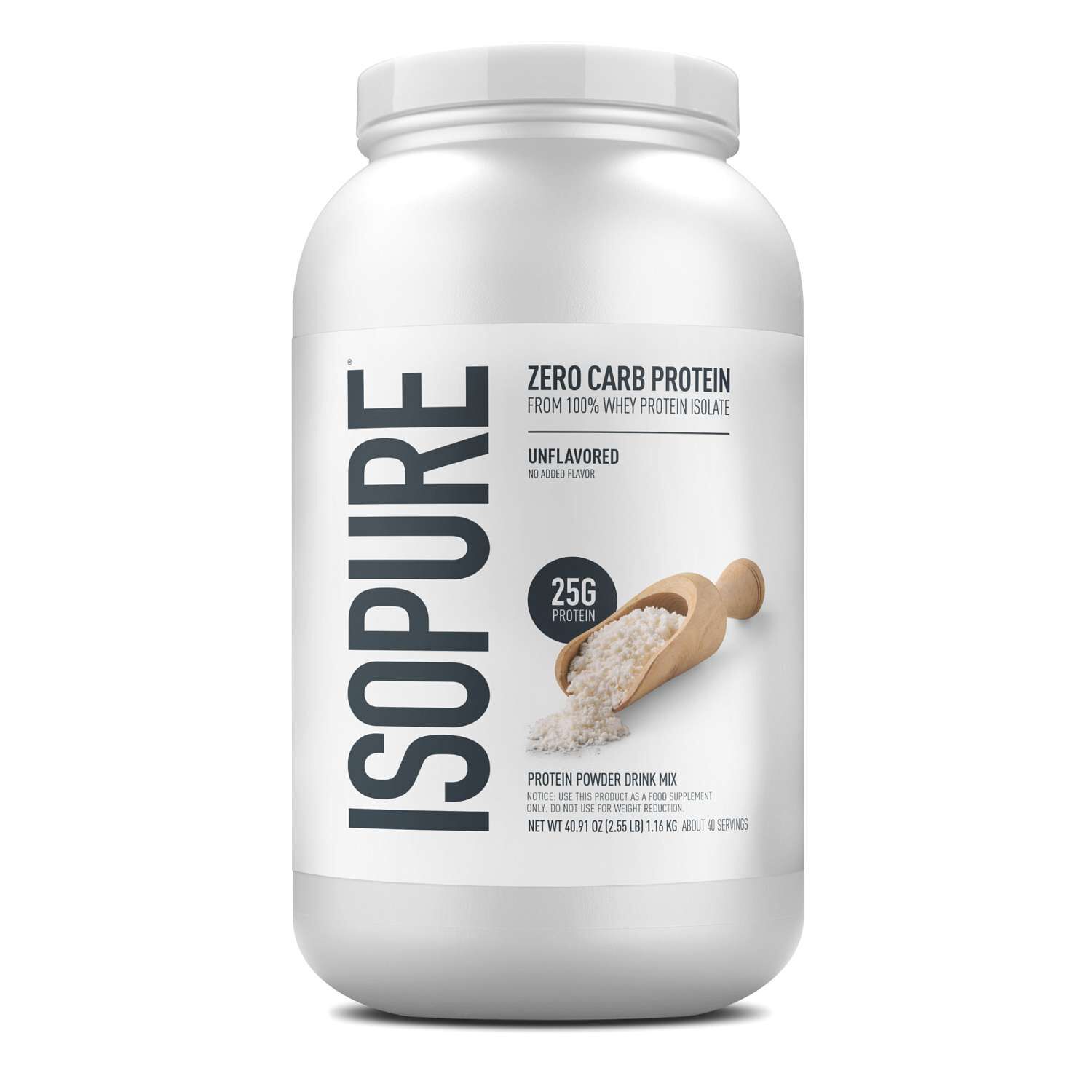
The ingredients surrounding the whey often shape the drinking experience as much as the protein source itself. A formula may contain whey protein concentrate, whey protein isolate, or a blend, with each ingredient identified on the label. Concentrate typically retains more of the nonprotein components of milk than isolate, although the finished powder’s fat and carbohydrate content also reflects added ingredients. Ultrafiltration removes some lactose, but the term alone does not establish how much remains. Whey is derived from milk, and filtration does not change that origin, so milk allergen information remains an important part of the label. Anyone shopping around a dietary restriction needs details about the finished formula rather than assumptions based on the word “filtered.” Flavorings, sweeteners, cocoa, salt, thickeners, and emulsifiers also deserve attention. Lecithin, for example, is often included to assist dispersion during mixing, while gums are commonly used to adjust texture. Some shoppers prefer a short ingredient list; others value a particular sweetness or a thicker shake. Neither preference requires treating a more elaborate formula as inherently better or worse. Vanilla and chocolate are familiar choices for shakes, while a less assertive flavor may suit fruit smoothies or recipes with their own distinct taste. For shoppers interested in a neutral starting point, Unflavored Whey Protein Isolates offer a related category to consider alongside flavored ultra-filtered whey powders. Unflavored does not mean tasteless: whey can have a mild dairy character, and the finished result depends on the other ingredients in the glass or bowl. Water keeps the preparation simple, while milk or a plant-based beverage changes both the flavor and the nutrition of the finished shake. A banana, a spoonful of nut butter, or a handful of berries adds another layer of texture and flavor, with its own contribution to the recipe. Someone who usually drinks protein mixed only with water may prioritize a powder’s standalone taste, while someone blending it into a substantial smoothie may care more about how quietly it fits alongside other ingredients.
Intended use is another practical way to compare ultra-filtered whey protein powders. A regular gym visitor might want a straightforward shake after a workout, a recreational runner might prefer protein blended into breakfast, and a busy office worker might keep a measured portion ready for a snack between meetings. These are different routines, and no single preparation style suits all of them. For a shaker-only routine, preparation directions and suggested liquid amounts are especially relevant. A blender offers more flexibility for thicker mixtures with fruit, oats, or yogurt, though those additions change the finished serving. Follow the package directions as a starting point rather than assuming every scoop and bottle require the same proportions. Scoop volume is not a universal measurement across powders; the serving weight printed on the label is the clearer reference when comparing nutrition. In recipes, whey behaves differently from flour and should not be treated as a direct substitute in equal amounts. Stirring it into oatmeal or using it in pancakes involves a different texture balance than shaking it with water, so recipes written for protein powder are a useful starting point. For everyday handling, packaging and storage deserve the same attention as mixing. A container that closes securely suits repeated use, while the package’s storage directions establish the appropriate conditions for keeping the powder. Keep the scoop dry, close the lid or pouch after measuring, and avoid introducing moisture into the container. When carrying a portion to work or the gym, use a clean, dry container and keep the preparation directions accessible. The printed date and any instructions for use after opening are more useful than assuming all powders have the same storage life. A prepared shake also needs handling appropriate to its liquid and other ingredients, particularly when it contains milk or yogurt. The most practical choice brings together a clear protein source, a nutritional profile that fits the intended serving, an enjoyable flavor, and preparation that suits daily habits. Those concrete differences make ultra-filtered whey protein easier to compare beyond the wording on the front of the package.