Vanilla Gut Health Protein Powders
(0 Results)
Vanilla gut health protein powders offer a delicious way to support your wellness routine. With their smooth, classic flavor, these powders can easily blend into shakes, smoothies, or recipes for a convenient addition to your daily regimen. Whether you’re looking to complement your fitness goals or simply enjoy a tasty protein option, vanilla gut health protein powders may be a versatile choice for those seeking balance and great taste.


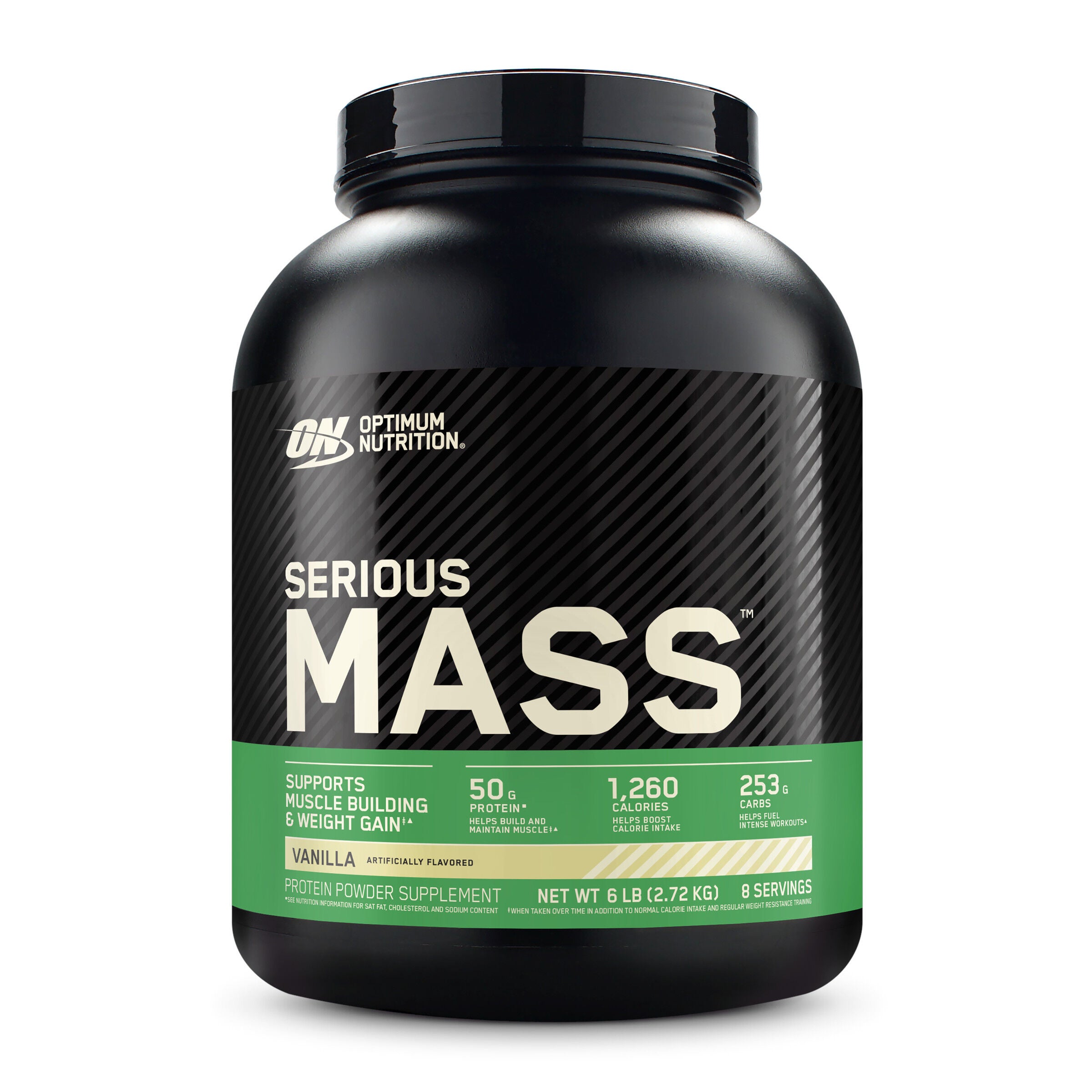

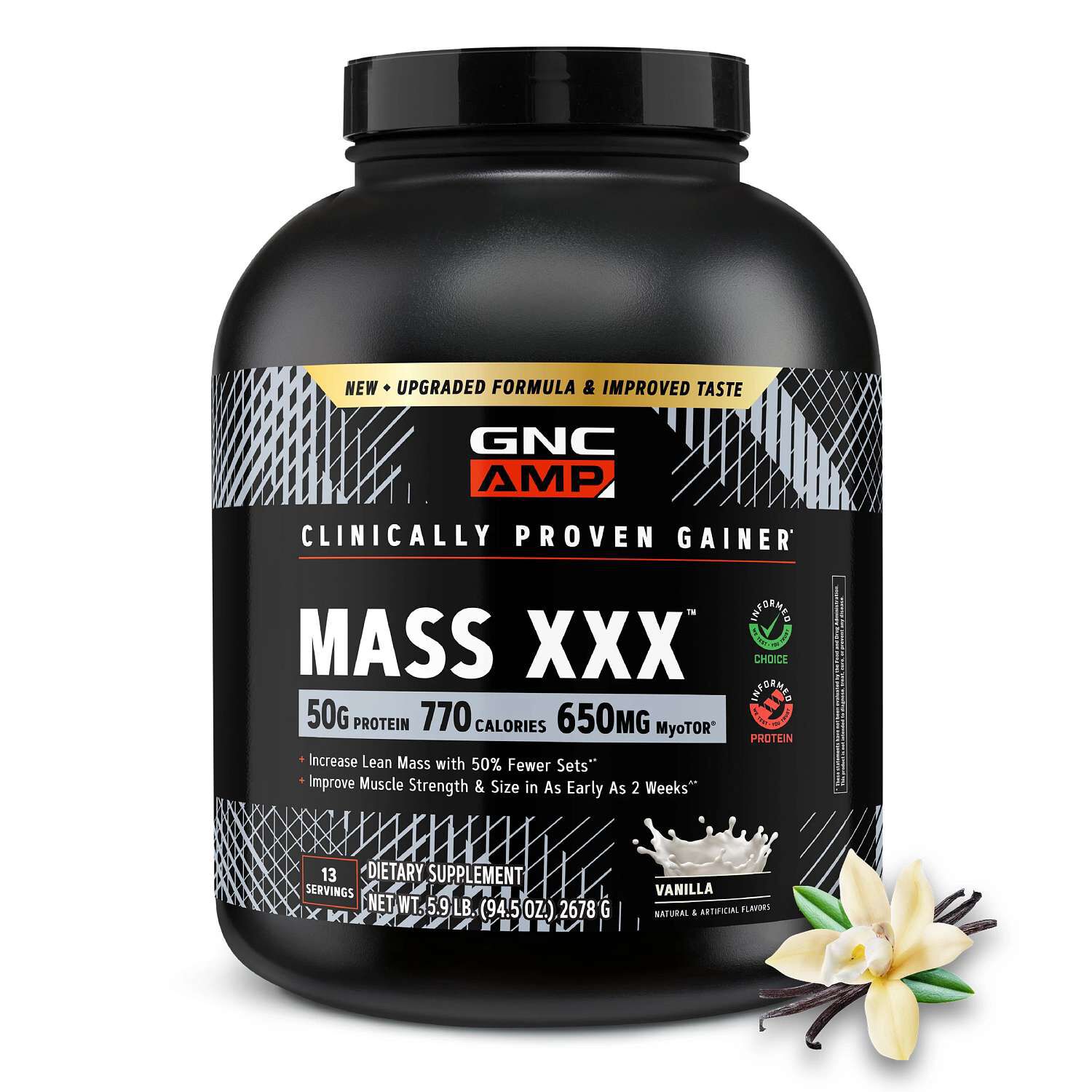
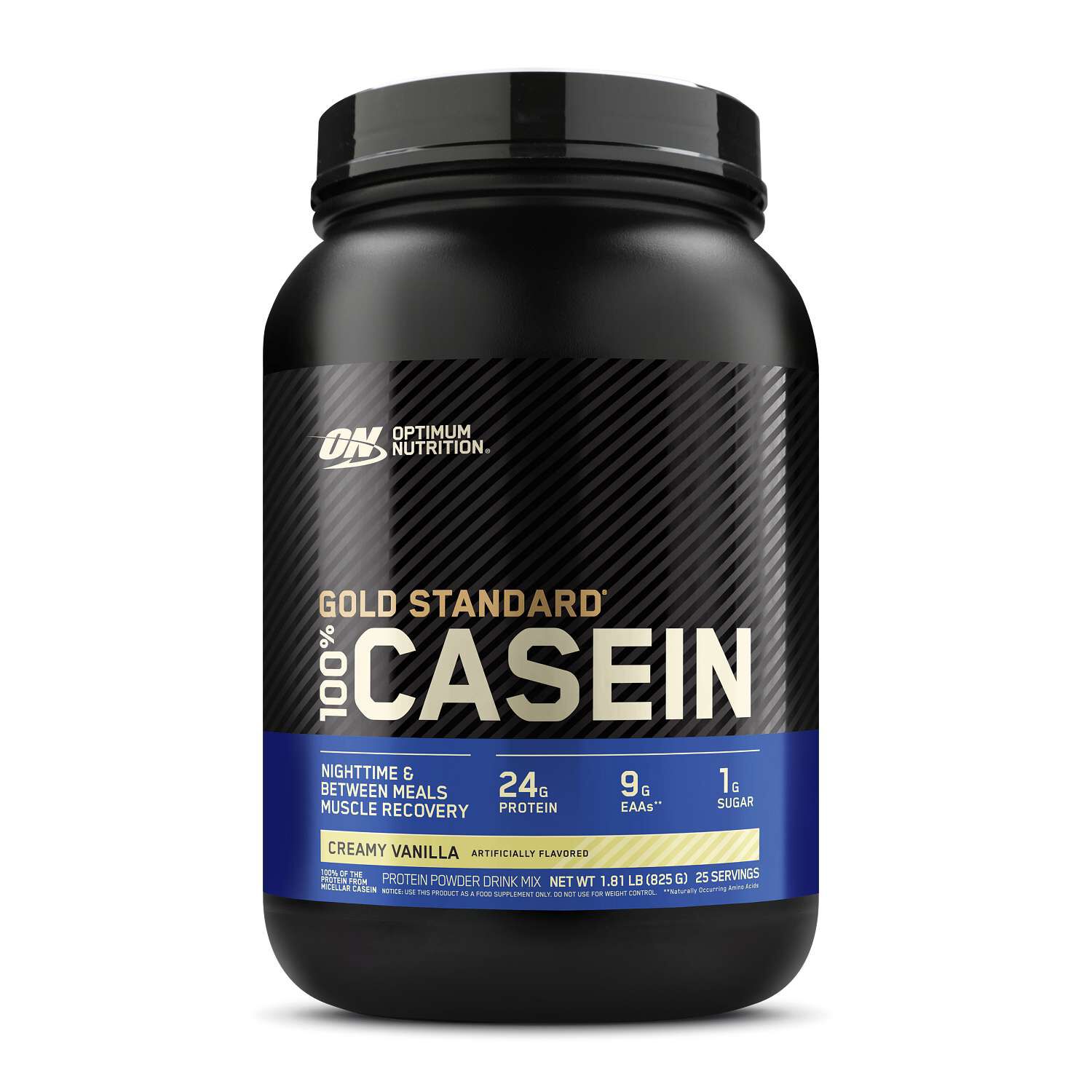
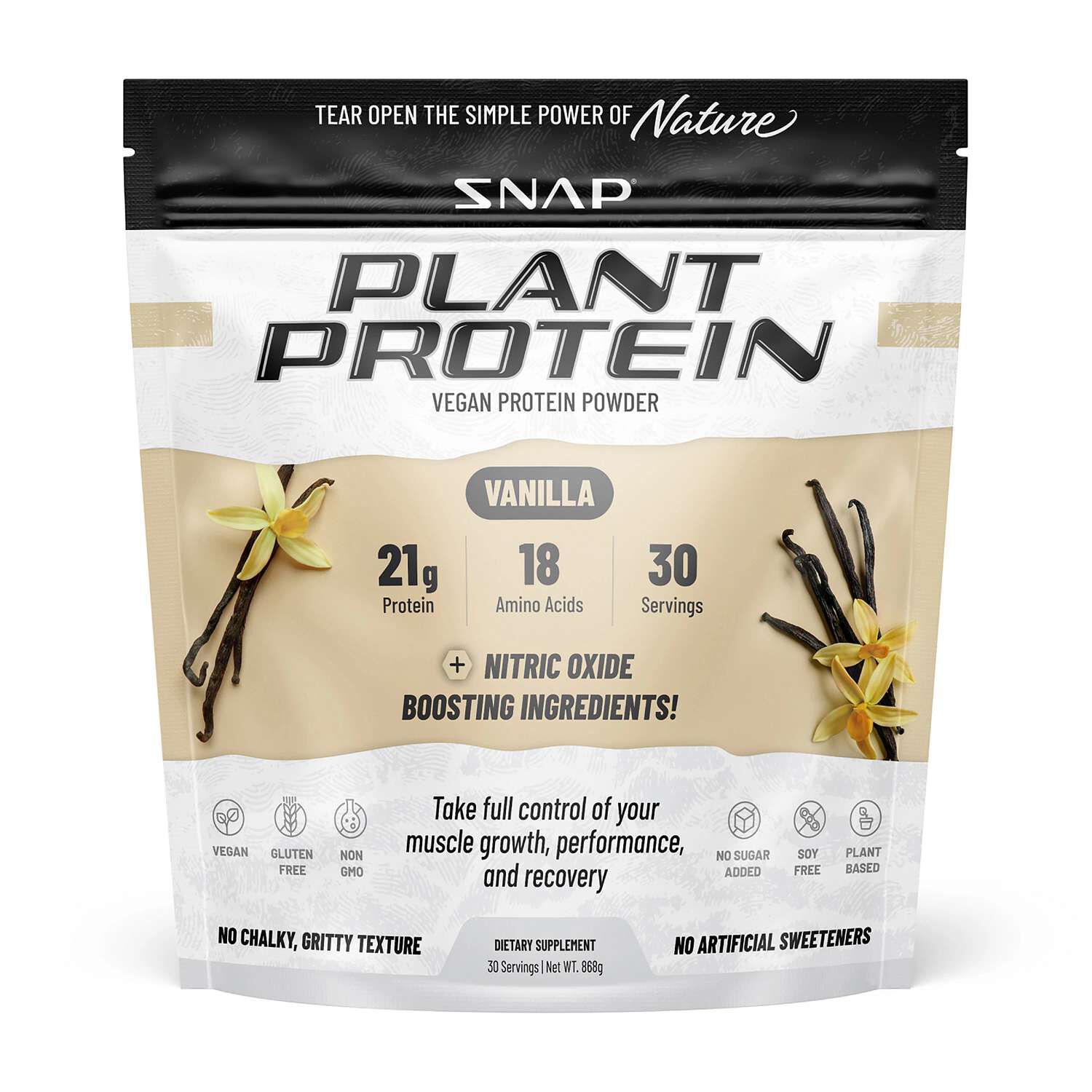

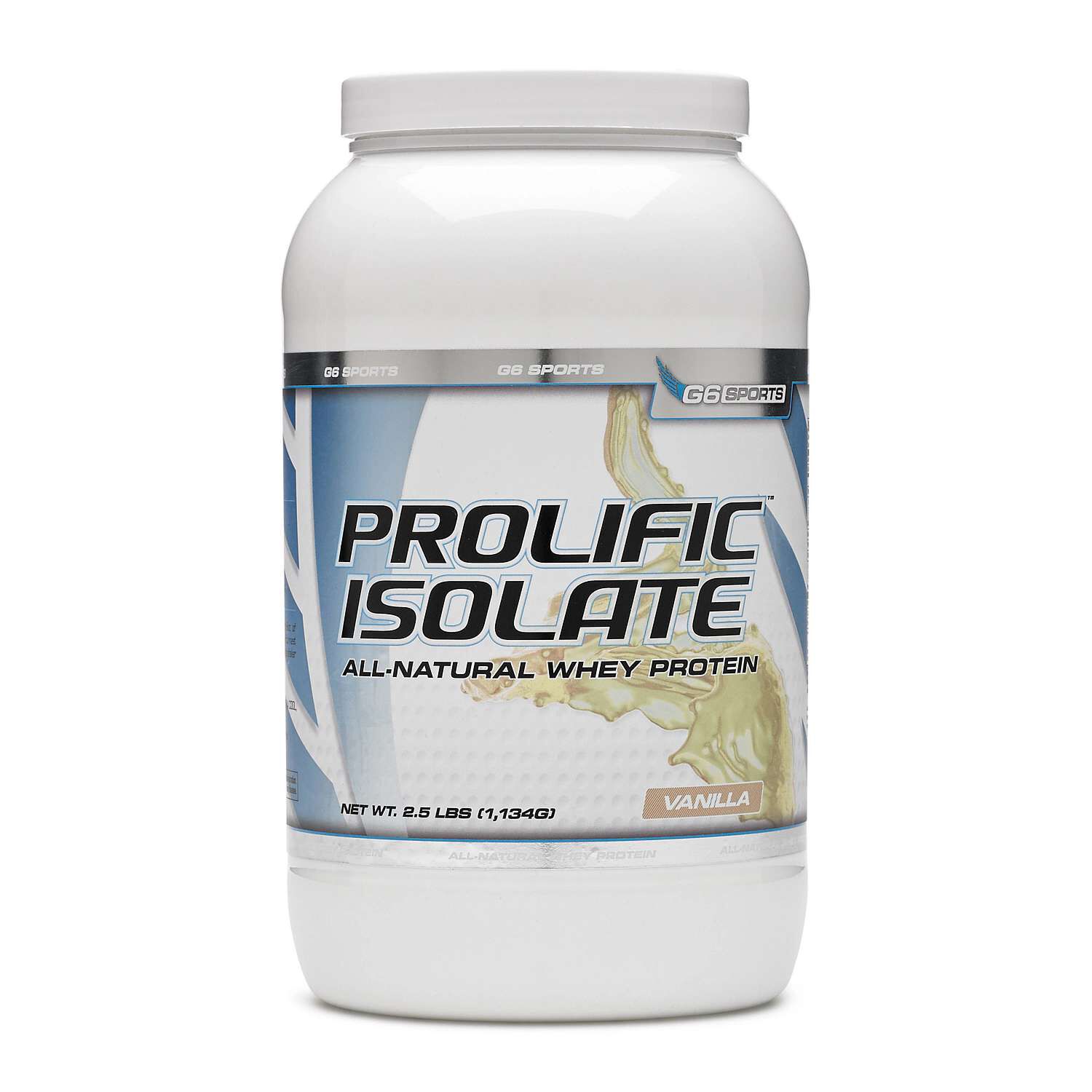

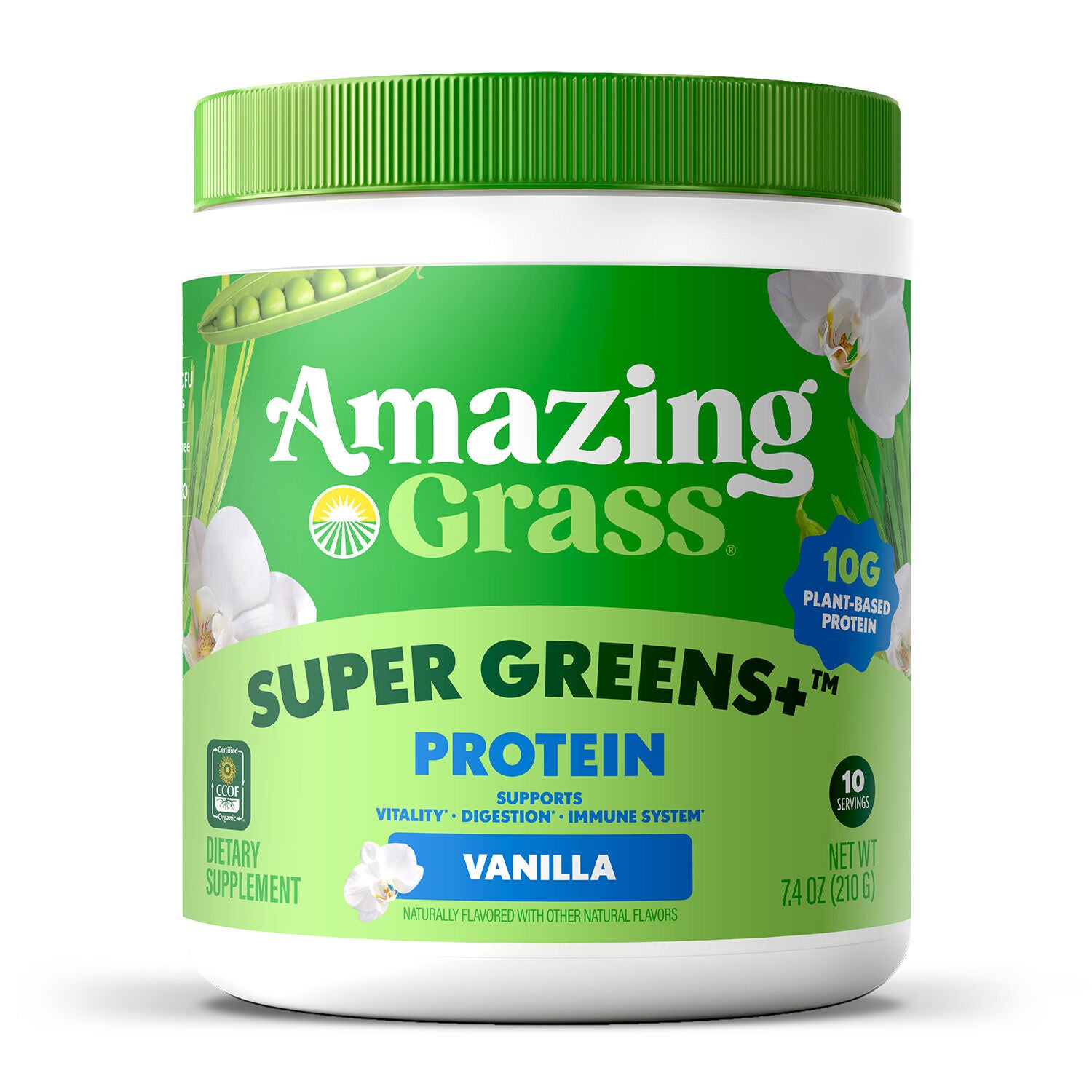
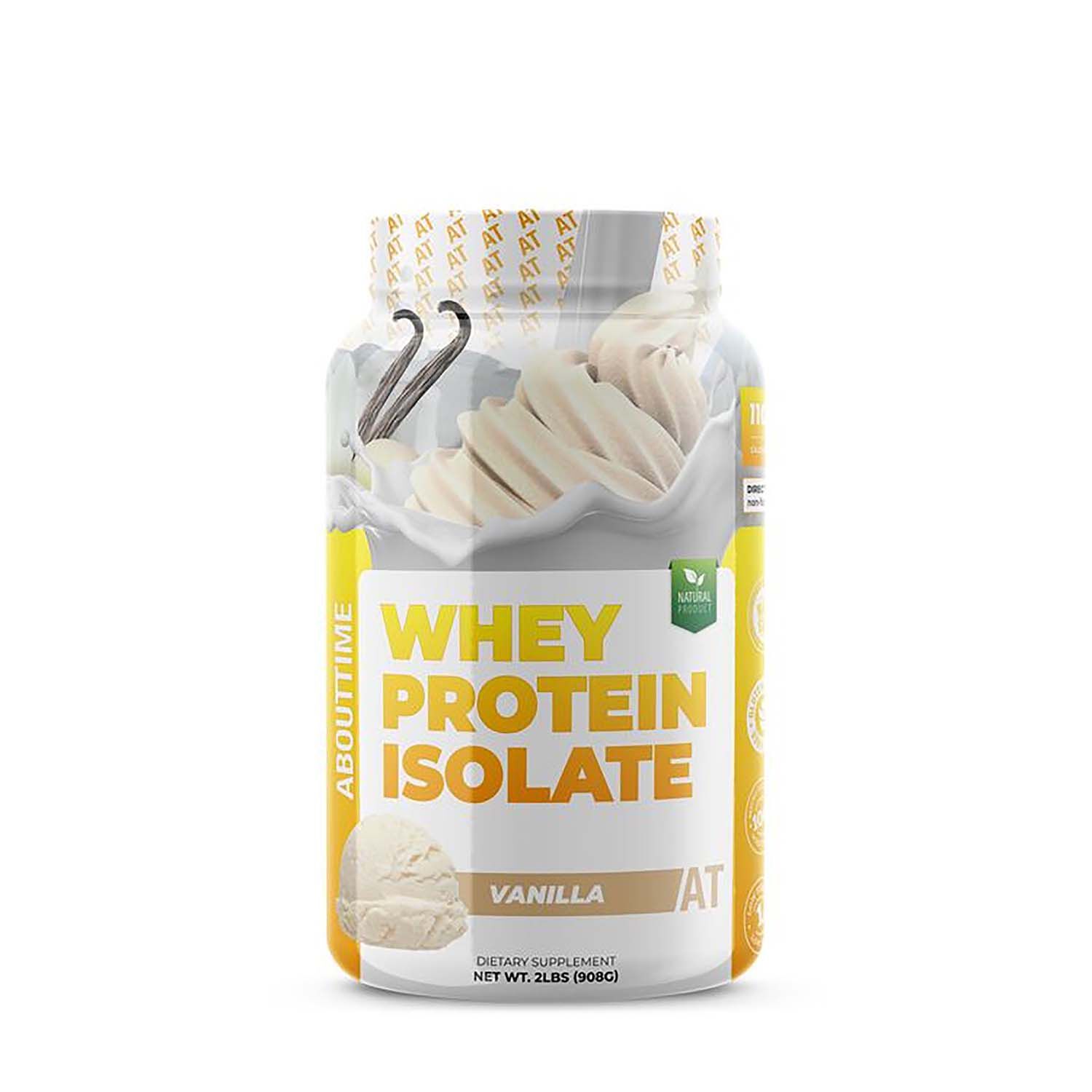
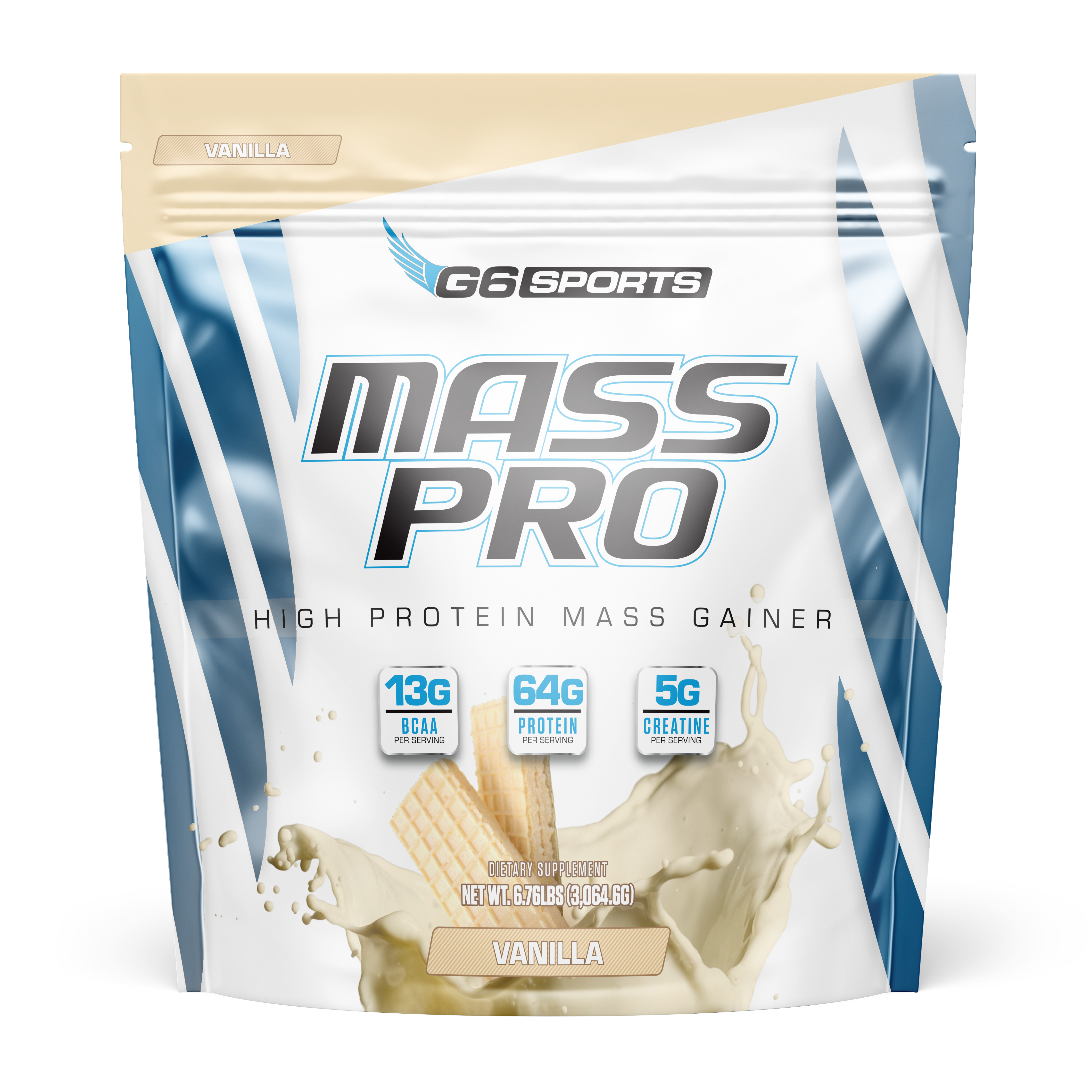


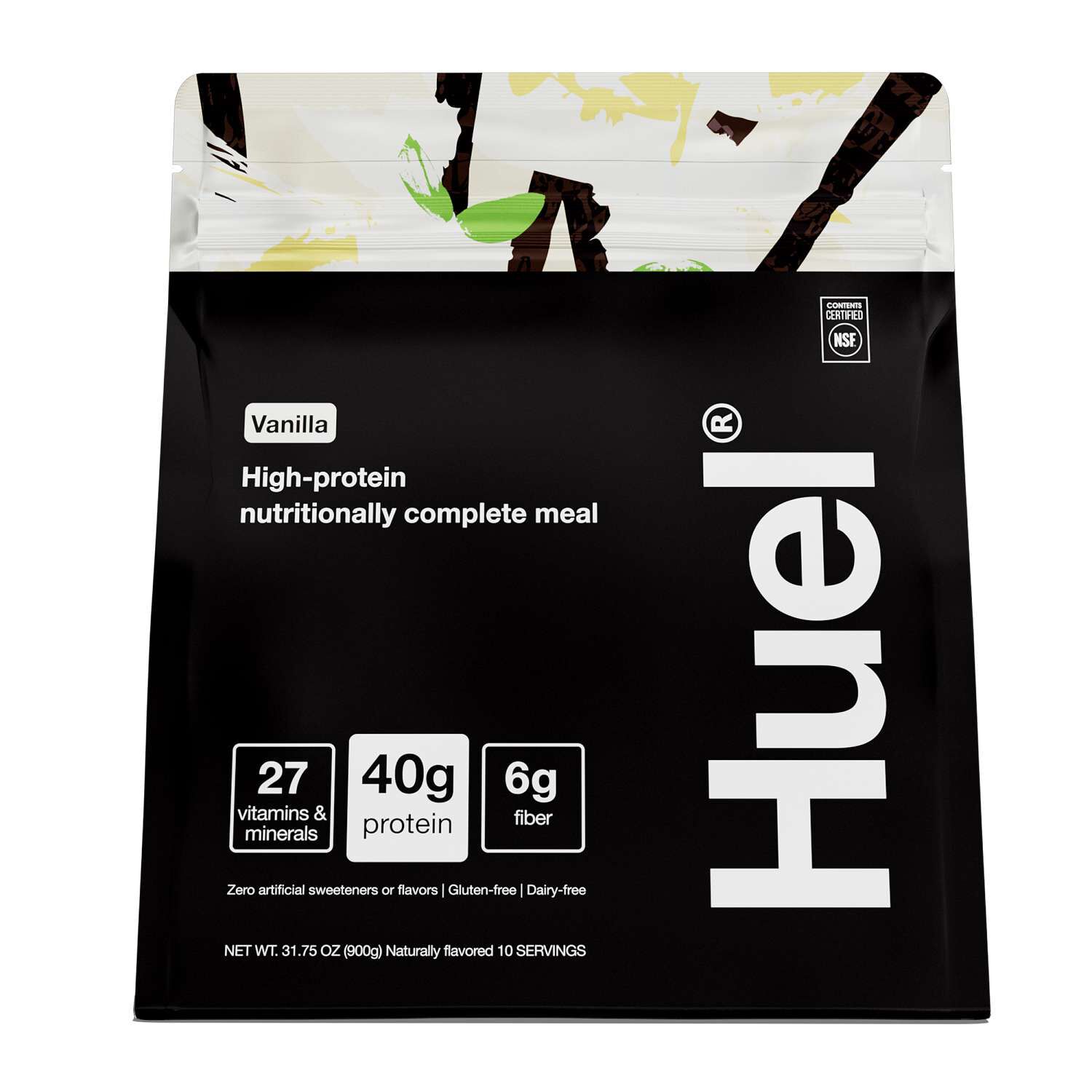


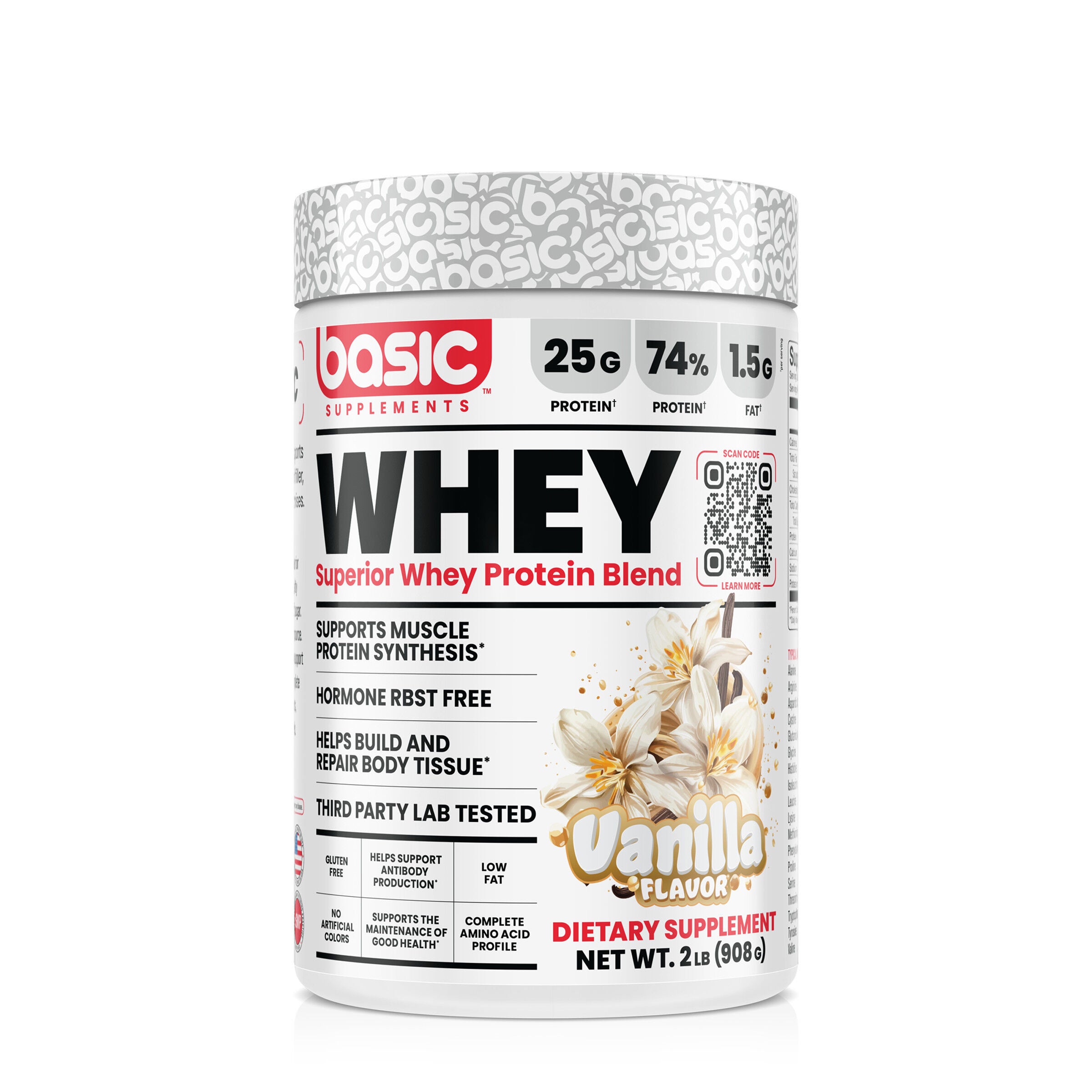
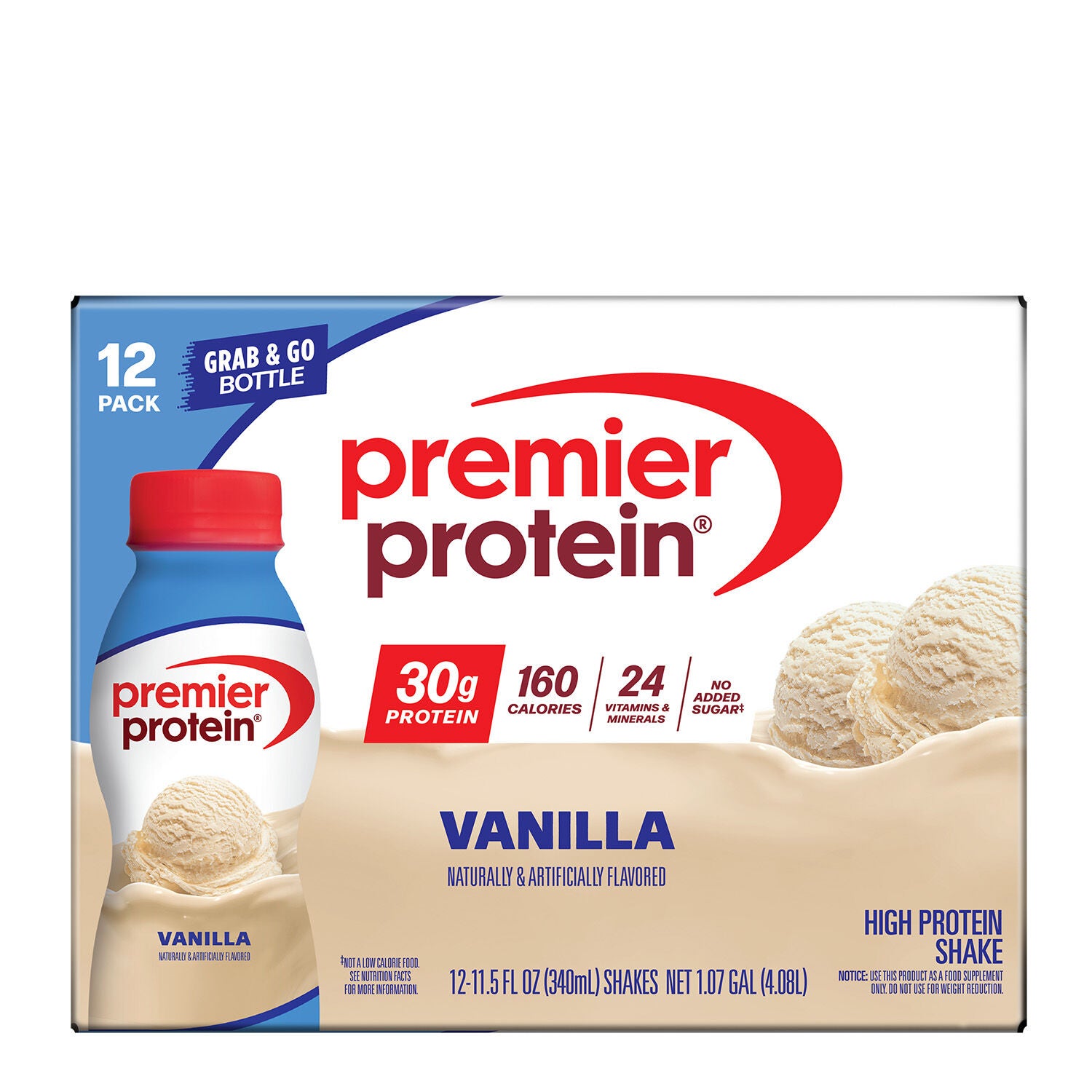


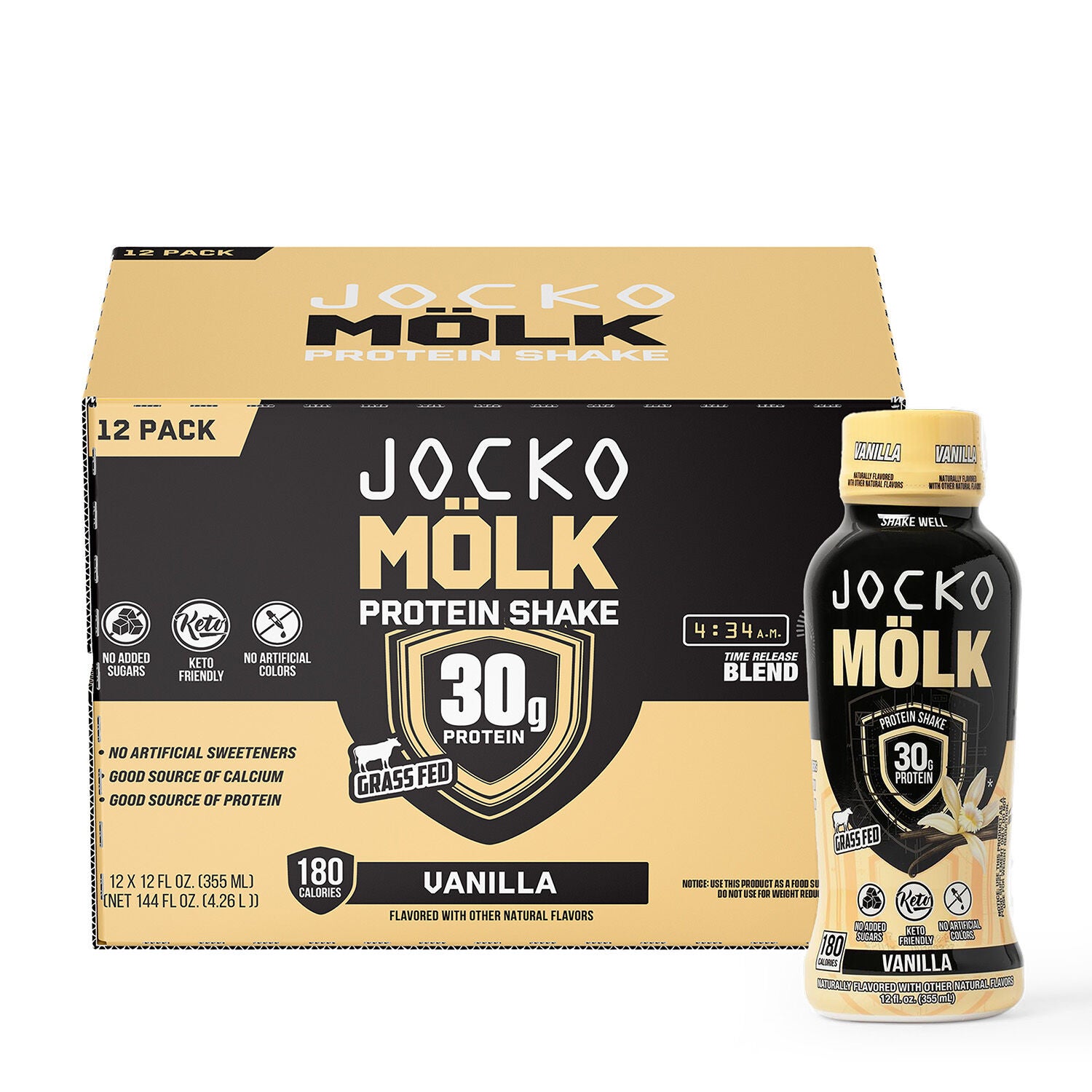
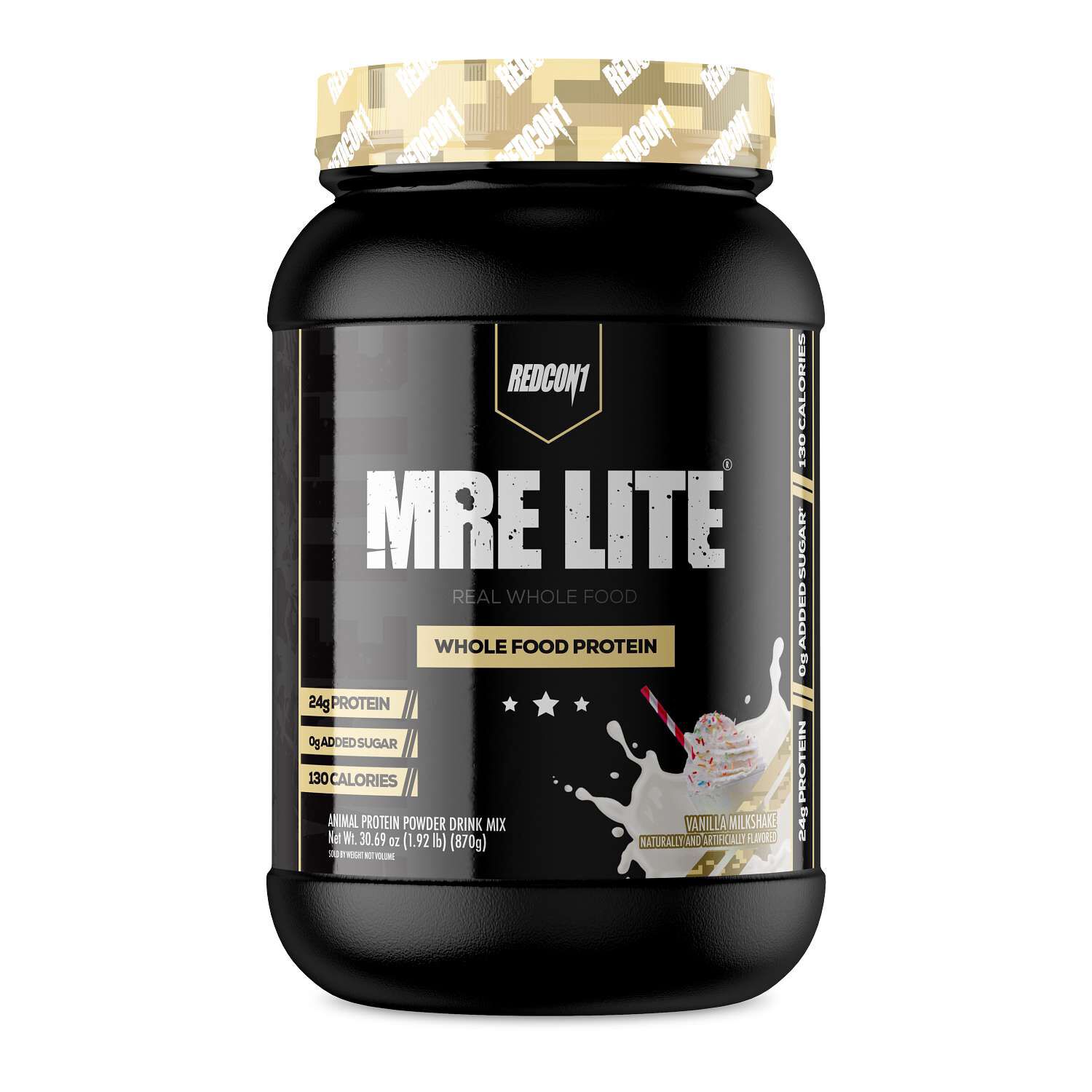
Vanilla gut health protein powders pair a protein base with ingredients such as prebiotic fiber, probiotics, or digestive enzymes, depending on the formula. The category brings together familiar vanilla flavor and a range of ingredient combinations, giving shoppers a way to compare protein content alongside features that go beyond protein alone. Not every powder includes all three ingredient types, and a gut health description does not mean that different formulas have the same composition. Whey protein, pea protein, brown rice protein, and blends of plant proteins are among the bases shoppers may encounter. Whey comes from milk, while pea and rice proteins offer plant-based alternatives with their own flavor and texture characteristics. A vanilla profile can range from subtle and lightly sweet to a richer, dessert-style taste, with differences coming from flavorings, sweeteners, and the protein source itself. That variety matters when a shake is part of an ordinary routine: a powder intended for mixing with water might suit someone carrying a shaker to work, while another shopper may prefer a formula for blending with milk, oats, or fruit at home. Vanilla also pairs naturally with ingredients such as banana, berries, cocoa, cinnamon, and nut butter, so its appeal extends beyond drinking the same shake each day. The most useful comparison begins with the ingredient list and nutrition information rather than the flavor name alone. Protein grams per serving, serving size, fiber content, added sugars, and the presence of milk or soy ingredients all help distinguish one formula from another. Someone who enjoys a simple vanilla shake may prioritize a shorter ingredient list, while someone assembling a fruit smoothie may care more about how the powder fits alongside the other ingredients. These powders are intended as additions to everyday eating routines, not substitutes for a varied diet. Their usefulness depends on practical details, including dietary preferences, preparation habits, and whether the flavor is something a person enjoys regularly.
The ingredients associated with gut health deserve the same attention as the protein base because they represent different formulation choices. Prebiotic ingredients may include inulin, chicory root fiber, or other named fibers; their type and amount can differ between powders. Probiotics are live microorganisms, and labels may identify them by genus, species, and strain, along with a quantity expressed in colony-forming units, or CFU. Digestive enzyme blends are another distinct ingredient group, sometimes listing enzymes such as lactase or protease. A powder containing fiber is not automatically a probiotic powder, and an enzyme blend is not interchangeable with either category. These distinctions make label details more informative than broad front-of-package descriptions. When a blend lists only its combined weight, the amount of each individual ingredient may not be stated. Likewise, a prominent protein number does not describe the entire serving: carbohydrate, fat, fiber, sodium, and sweetener information provide additional context. Shoppers comparing whey protein isolate with whey protein concentrate will find that their composition differs, but neither name alone establishes the exact nutrition profile of the finished vanilla powder. Plant-based blends also vary, particularly when the recipe includes seeds, grains, or other ingredients beyond its primary protein sources. For shoppers considering fat content as a separate preference, Low Fat Vanilla Protein Powders offers a related category to explore alongside the ingredient details associated with gut health formulas. Sweetness deserves attention, too. Some recipes use sugar, others use ingredients such as stevia or monk fruit, and some combine sweeteners. Vanilla flavor does not indicate a particular sugar content, just as a creamy description does not establish the presence of milk. Dietary suitability rests on the actual label, including ingredient disclosures and any stated certifications. For a shared household, those details are especially relevant when different people have different food preferences. A clearly identified protein source and a readable serving statement make comparisons more straightforward without relying on broad assumptions about the category.
Everyday preparation often determines whether a vanilla protein powder suits the person using it. A shaker bottle, a spoon, and a countertop blender create different mixing conditions, and the suggested liquid amount is an important reference for the intended consistency. More liquid may produce a lighter drink, while less may create a thicker texture; the protein source and added fibers also influence the result. A shake mixed with water will have a different nutrition profile from one made with milk or a plant-based beverage, and fruit, yogurt, oats, or nut butter contribute their own nutrients and flavors. For someone heading from a workout to the office, a measured portion in a separate, dry container may be more practical than carrying the original tub. At home, a vanilla powder may fit into a smoothie with banana and cinnamon or a yogurt bowl with berries, provided those uses align with its preparation directions. Texture preferences are personal: some shoppers enjoy a substantial, spoonable blend, while others prefer a thinner shake without much lingering sweetness. Powders with similar nutrition panels can still differ noticeably in mouthfeel, aroma, and mixing behavior. Packaging and storage are part of the comparison as well. A resealable pouch takes up space differently from a rigid tub, and either format needs proper closure between uses. Label directions govern storage, especially for formulas containing live cultures, since requirements can vary. A clean, dry scoop and protection from moisture help keep preparation tidy and limit unwanted clumping during storage. The stated serving size remains the reference point even when scoops differ in shape or a powder settles inside its container. A larger scoop does not necessarily mean more protein per serving. For regular users, the best fit is a formula whose ingredients, flavor, portion size, and preparation requirements suit an established routine. Viewed together, those details give vanilla gut health protein powders a clear place among flavored protein options while keeping the focus on what each label actually describes.