





Vegan Berry Superfood Powders
(0 Results)
Vegan berry superfood powders offer a convenient way to add plant-based nutrition to your daily routine. Packed with a variety of berries, these powders can blend easily into smoothies, shakes, or recipes for a flavorful boost. Whether you’re looking to support your wellness goals or simply enjoy the taste of berries, vegan berry superfood powders might be a versatile addition to your pantry. Explore options that could fit seamlessly into your lifestyle and help you make the most of every day.
-
-

-

-

-

-

-
-

-
 You Matter Wellness$49.99
-

-
-
-
-
-
-
-
-
-
-
-

-
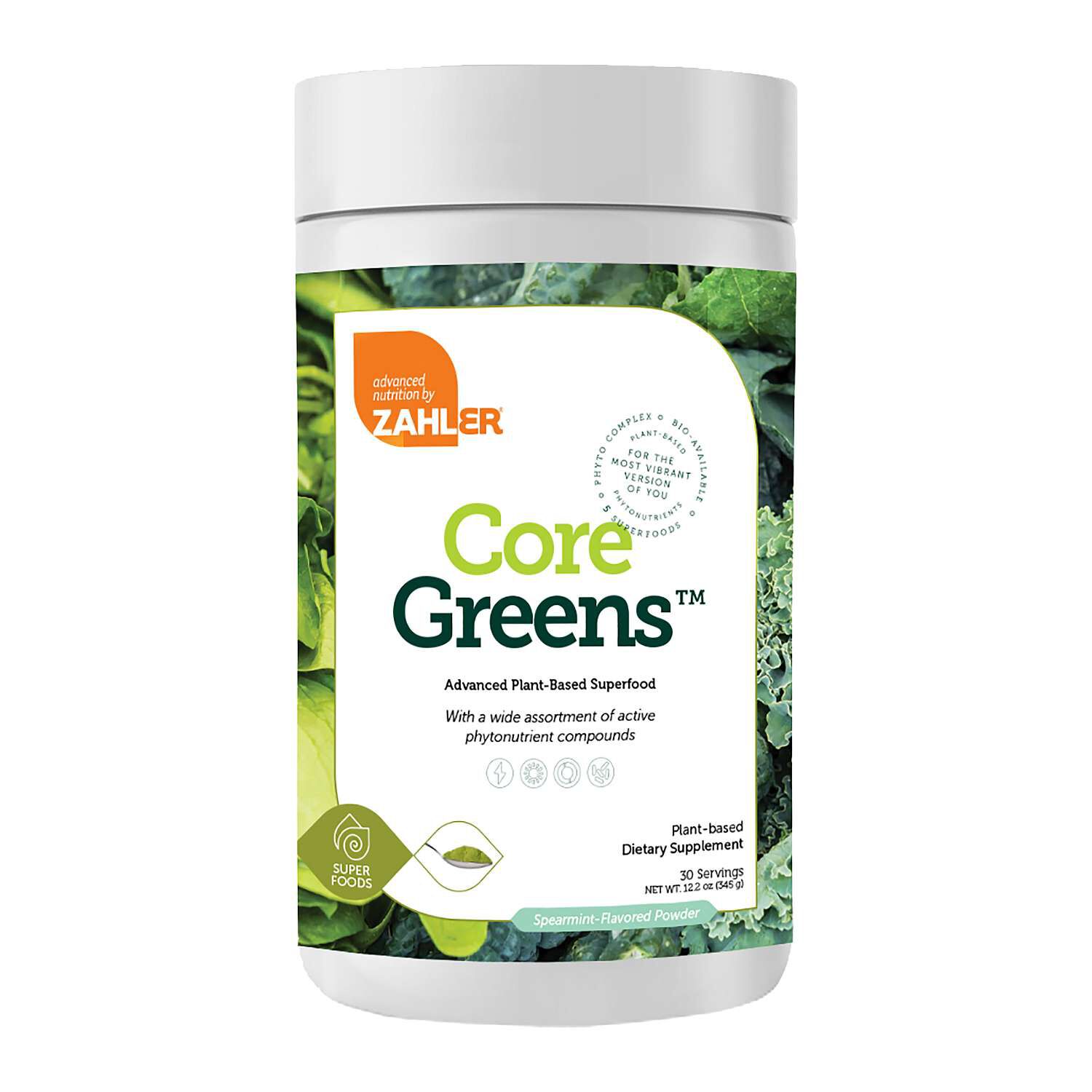

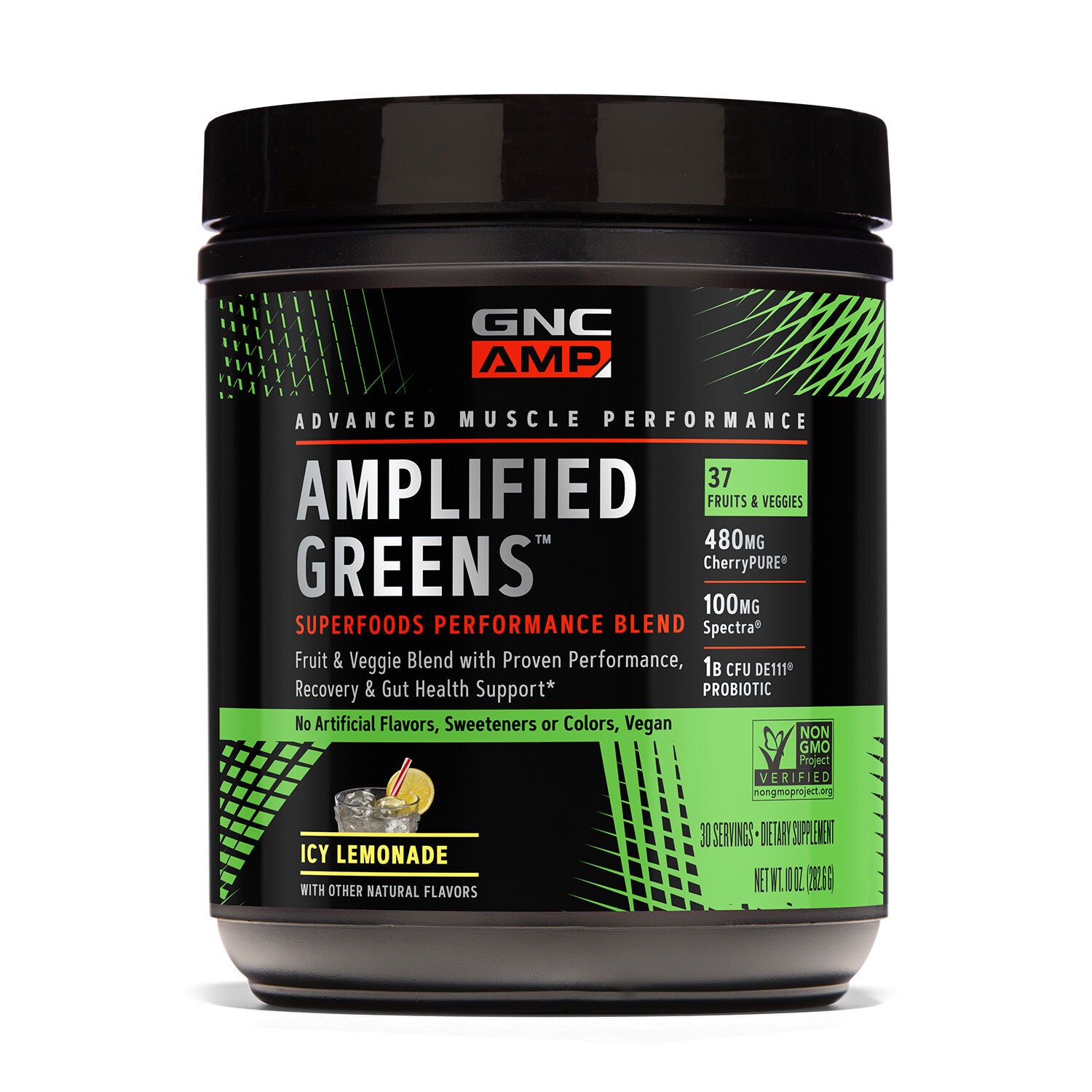
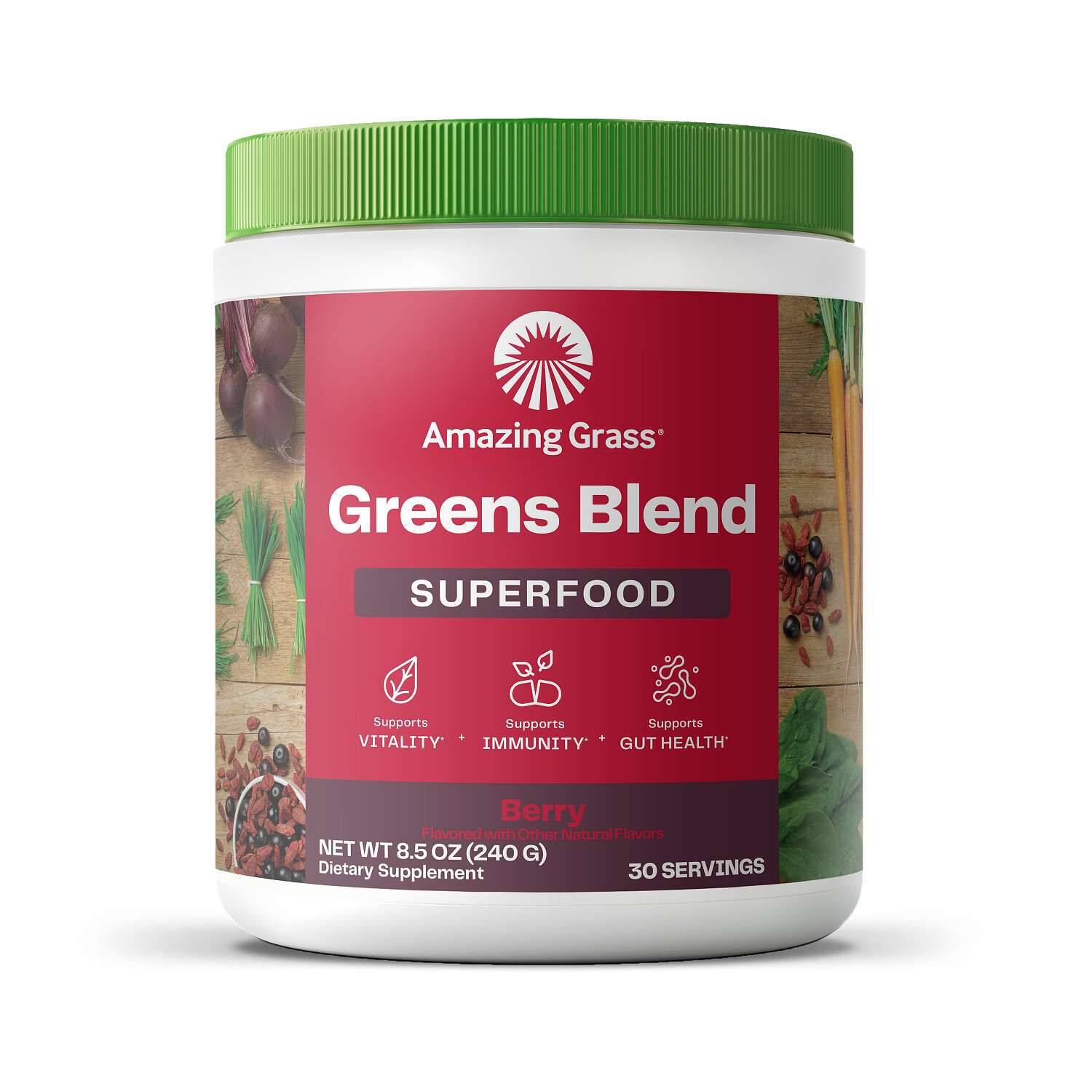
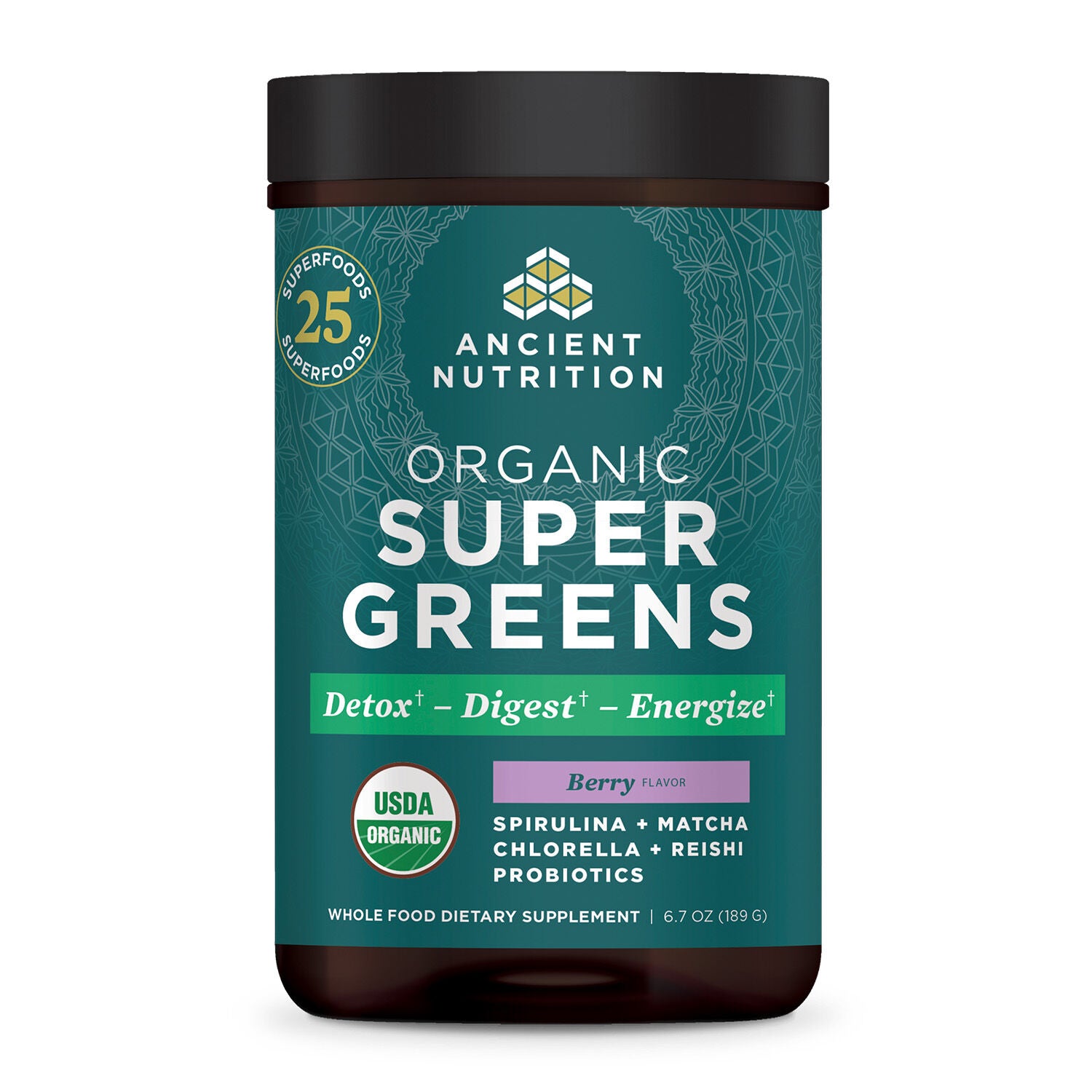
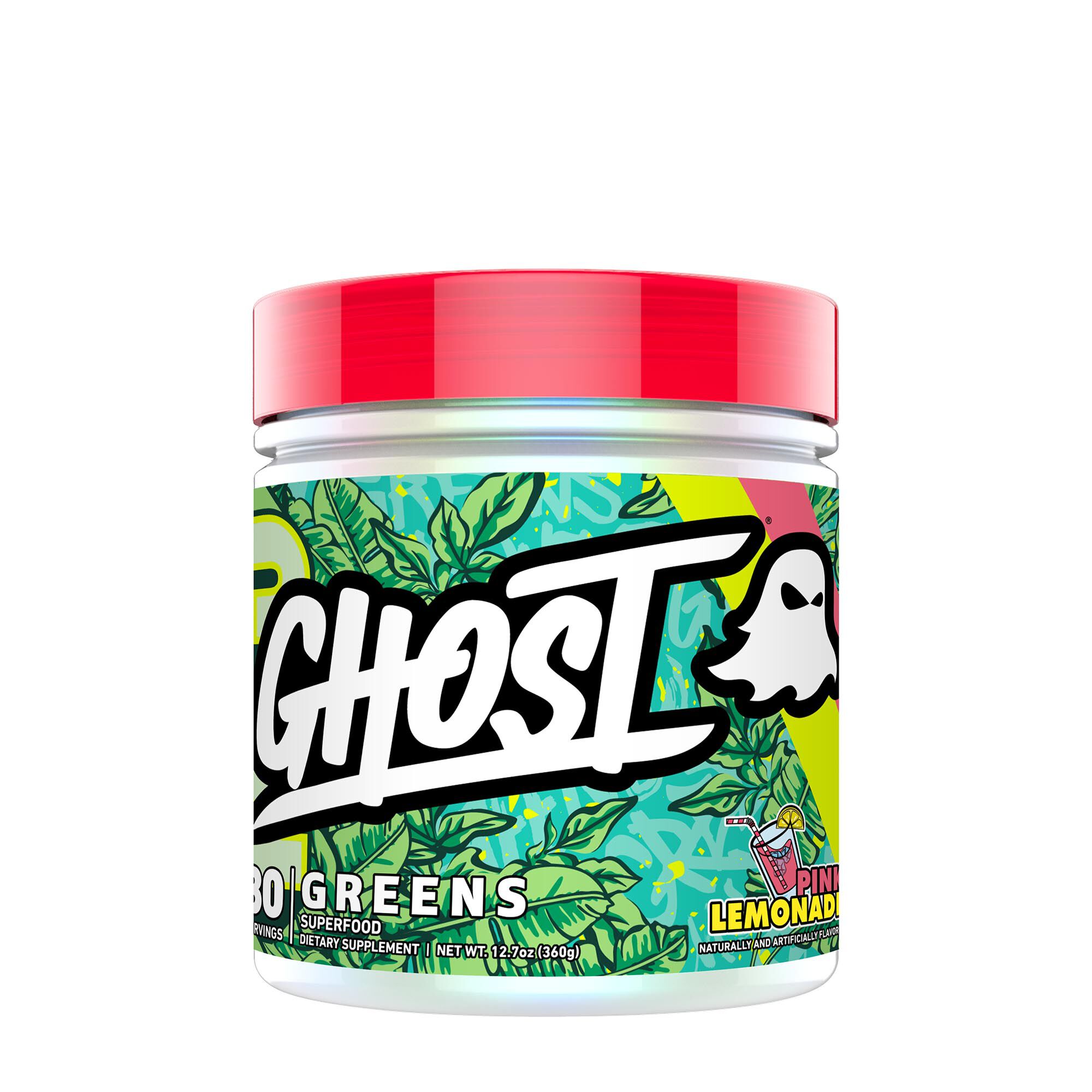
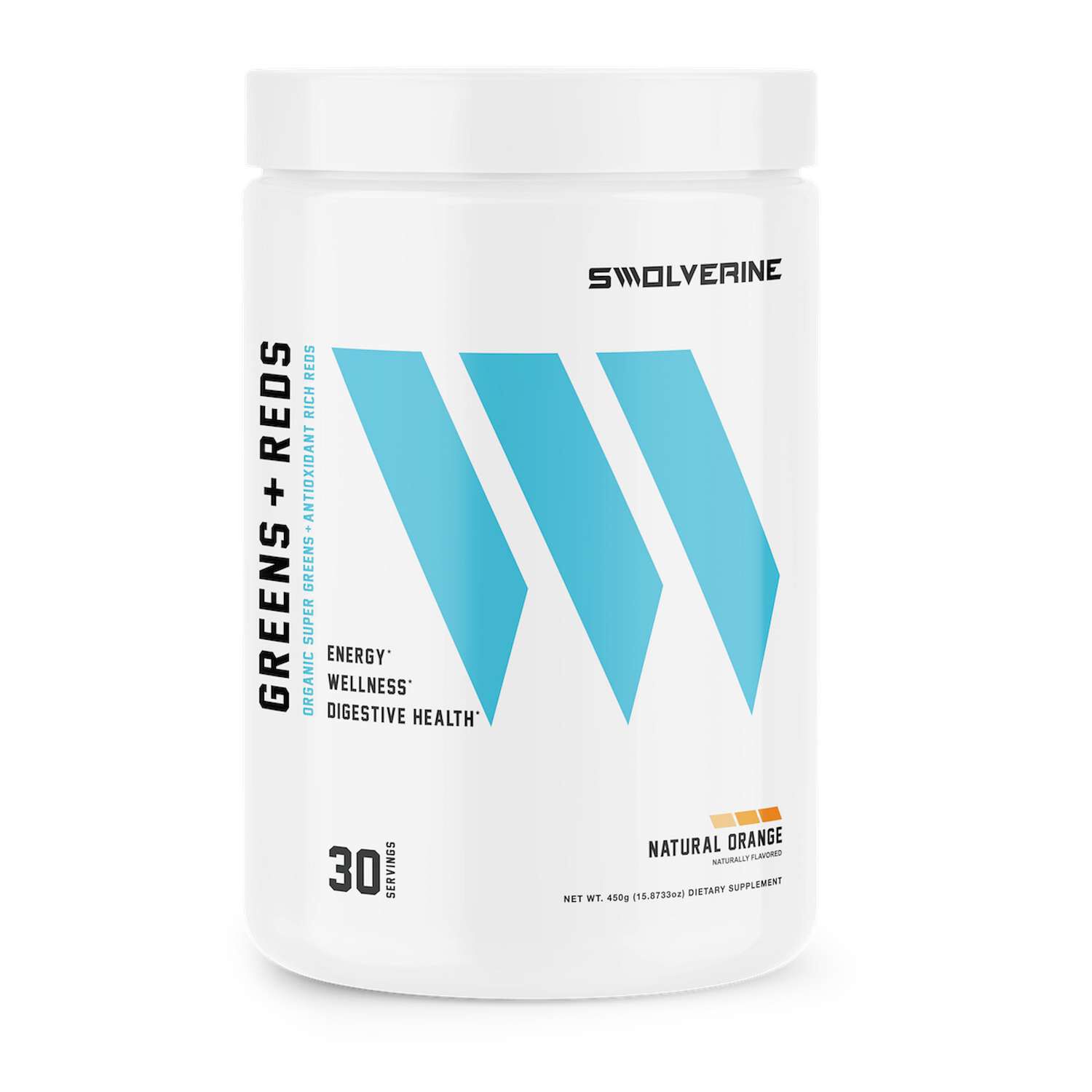
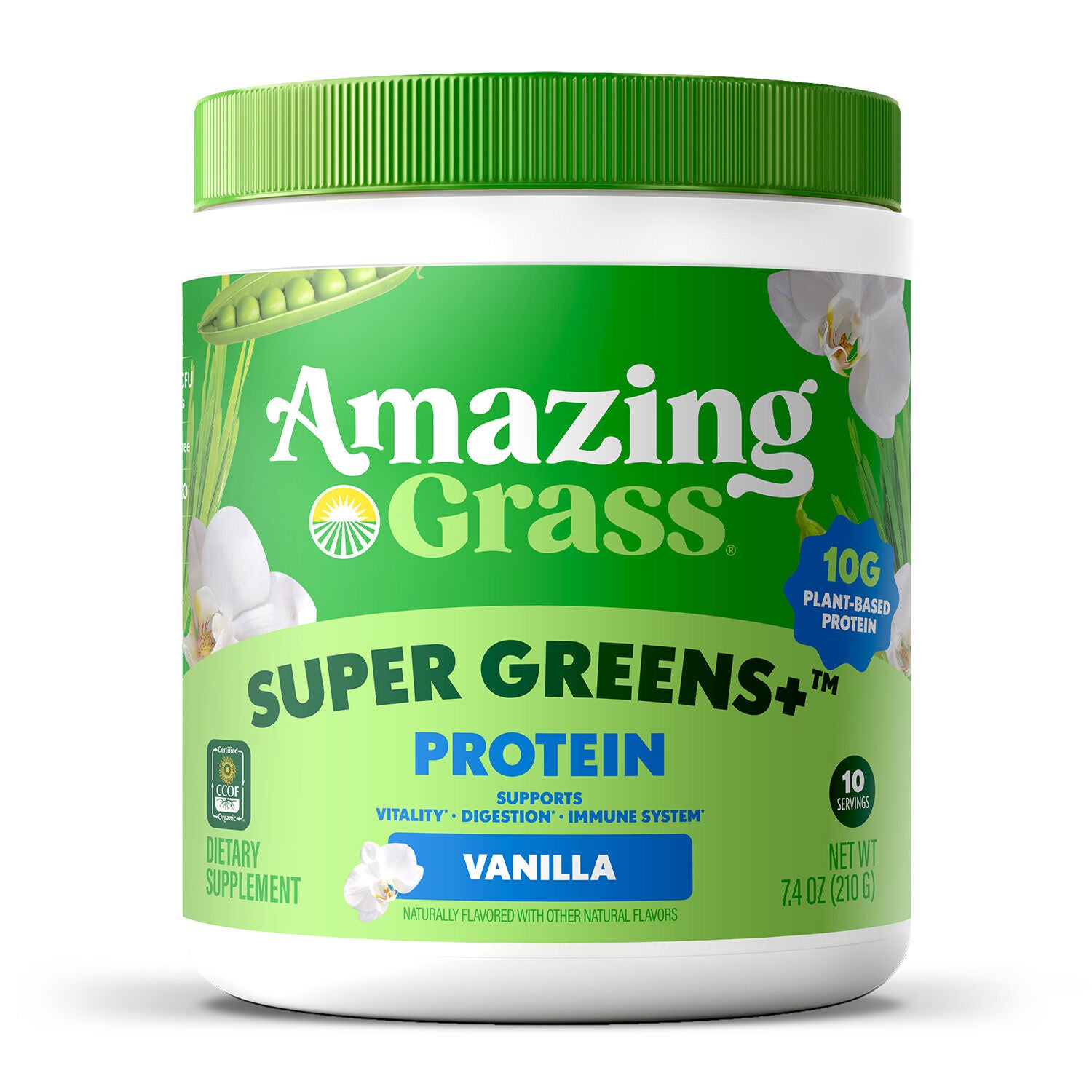
Vegan berry superfood powders are plant-based blends made with powdered berries and, depending on the formula, other fruits, vegetables, greens, or plant proteins. They are intended for mixing into beverages or foods, with berry flavors offering an alternative to plain greens powders. Strawberries, blueberries, raspberries, cranberries, blackberries, and açaí are among the fruit ingredients associated with this category, although the blend and proportions vary by formula. Some powders emphasize fruit, while others pair berries with spinach, kale, cereal grasses, or algae ingredients such as spirulina. A berry name on the front of a container describes the flavor or ingredient theme, not necessarily the largest ingredient by weight. The ingredient list gives a clearer picture of whether a powder is primarily fruit-based, greens-focused, or built around plant protein with berries added. “Superfood” is a descriptive term rather than a uniform recipe or a defined nutrient amount, so two berry blends may have quite different nutritional profiles. Fruit-focused formulas also overlap with Plant Based Reds Superfood Powders, a related category featuring red and purple plant ingredients. For someone who already enjoys berry smoothies, these powders offer another format for keeping plant ingredients in a kitchen routine. They may appeal to people following a vegan eating pattern, shoppers who prefer plant-derived ingredients, or anyone looking for a berry-flavored powder to mix with a familiar beverage. Their intended use matters: a small serving of a fruit-and-greens blend is different from a serving of protein powder, and neither should be assumed to have the same composition as whole berries. Many formulations contain a combination of ingredients rather than a single powdered fruit. Dried fruit powders, fruit juice powders, and concentrated extracts are also distinct ingredient forms. Those differences matter when comparing serving sizes, ingredient order, and the amounts listed on a Nutrition Facts or Supplement Facts panel. The most useful comparison is between labeled servings with similar intended uses, rather than containers that happen to share a berry flavor.
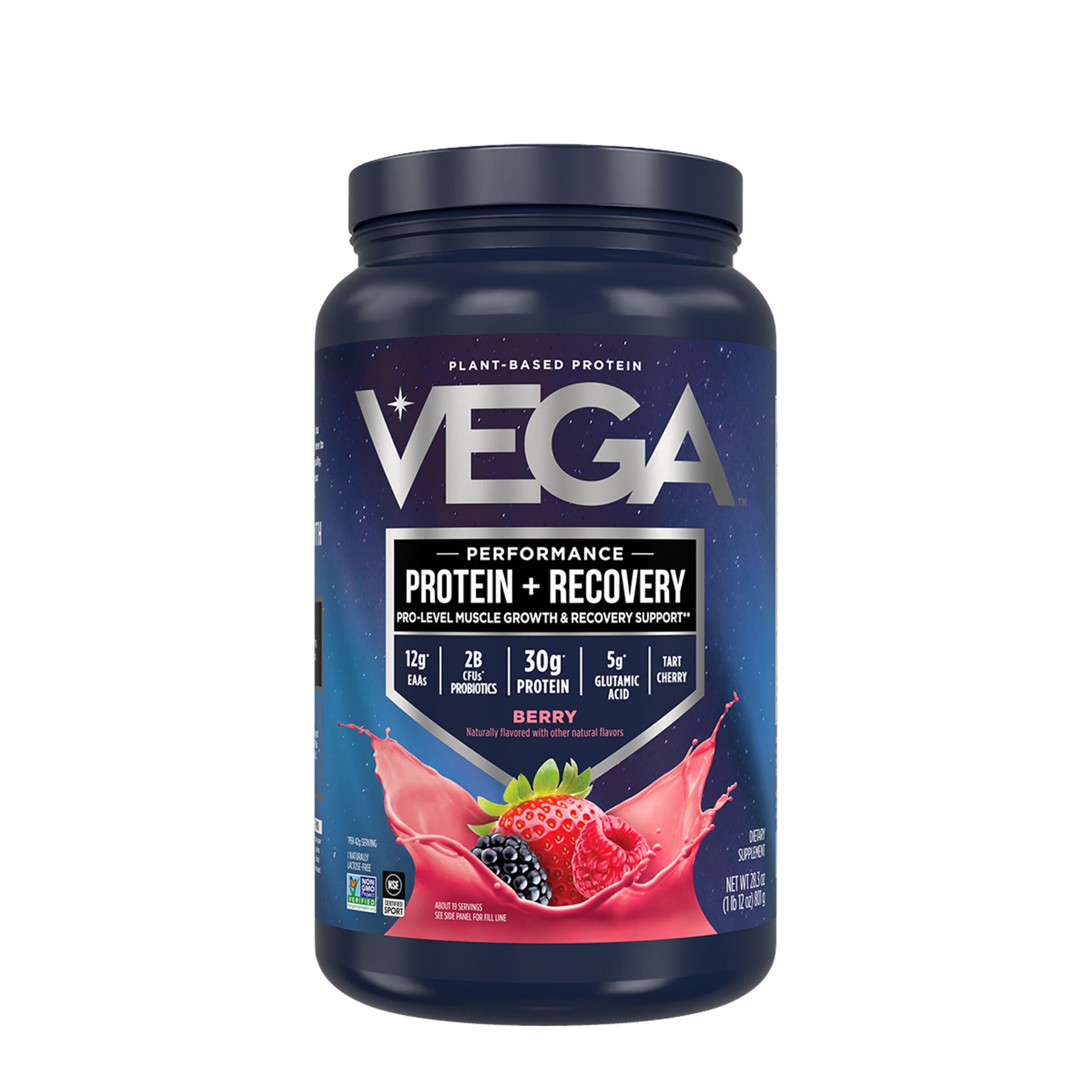
Flavor, texture, and ingredient preferences are practical considerations when choosing among vegan berry superfood powders. A blend containing tart berries may have a sharper taste than one built around sweeter fruits, while greens or algae ingredients may introduce earthy notes beneath the berry flavor. Some formulas include cocoa, vanilla, citrus ingredients, or natural flavors, creating a profile that may suit one mixing liquid better than another. Sweetening ingredients also vary. Cane sugar, fruit ingredients, stevia, and monk fruit each belong to a different ingredient approach, and the label identifies which are present. A product described as berry-flavored does not necessarily consist only of berries, just as a vegan designation does not establish its sugar content, protein amount, or organic status. Nutrition information is particularly relevant when the powder is intended for a breakfast smoothie or a post-workout beverage. Pea, rice, or other plant proteins may appear in protein-focused formulas, whereas a fruit-and-greens powder may list a much smaller protein amount. Fiber content depends on the ingredients and processing, and fruit powder should not be assumed to match the fiber content of the fruit in its original form. Some blends also contain added vitamins, minerals, or probiotic ingredients; their presence and labeled amounts are separate considerations from berry flavor. Vegan labeling concerns the use of animal-derived ingredients, while allergen statements address a different set of considerations. Soy, tree nuts, and other ingredients relevant to personal dietary preferences may still appear in a plant-based formula. Organic certification, when shown, is another distinct label detail rather than a substitute for reading the ingredient list. For texture, finely milled powders may disperse differently from blends containing more fibrous plant material. A shaker bottle may suit a straightforward drink, while a blender may produce a more uniform mixture with fruit, oats, or a thicker liquid. Package directions identify the intended serving and suggested liquid amount, making them a useful reference when comparing powders with different scoop sizes.
Everyday use often comes down to the foods and drinks already part of a routine. A berry powder mixed with water may have a lighter, more tart profile, while an oat or almond beverage may lend a softer flavor and a creamier texture. In a smoothie made with banana and frozen berries, a berry-and-greens blend may fit alongside familiar fruit flavors; in a simple drink, its earthy or sweet notes may be more noticeable. A plain plant-based yogurt offers another mixing option, especially for someone who prefers a spoonable snack rather than a beverage. Oatmeal and chia pudding are additional uses when the package directions allow mixing into foods. For these preparations, a small amount of liquid mixed with the powder before stirring it into the larger portion may help limit dry pockets. The labeled serving remains the reference point, even when a powder is divided between different foods or drinks. Powders containing live cultures or other ingredients with specific handling directions warrant attention to any temperature instructions on the package. Storage and packaging are also part of the purchase decision. Resealable pouches and containers with snug lids are common formats, and keeping the closure secure between uses limits exposure to moisture. A clean, dry scoop is useful because damp utensils introduce moisture into the container. The package’s storage instructions and date markings provide the relevant handling information for that formula. For a shared kitchen, clearly labeled containers make it easier to distinguish a berry superfood blend from baking ingredients or another powdered supplement. At work or while traveling, an individually portioned format may be more practical than carrying a larger container, provided it is stored as directed. These details connect the product to its intended setting: a quick drink before leaving home, an ingredient in a blended breakfast, or a measured addition to an afternoon snack. The best match depends on the ingredient profile, labeled serving, flavor preferences, and preparation method that fit an existing routine.
Best Sellers
-
Ancient Nutrition
-
Amazing Grass
Related Pages
Top Collections
- Zinc Supplements | Top Brands at Great Prices | GNC
- Cortisol Supplements
- Joint Mobility Supplement Packs
- NAD+ Supplement Tablets
- Best Brand of Magnesium Glycinate
- Top Rated Collagen | Shop Customer Favorites | GNC
- Iron Supplements
- Peptide Supplements
- Protein Powders For Muscle Growth Support
- Vitamins That Help Support Weight Gain