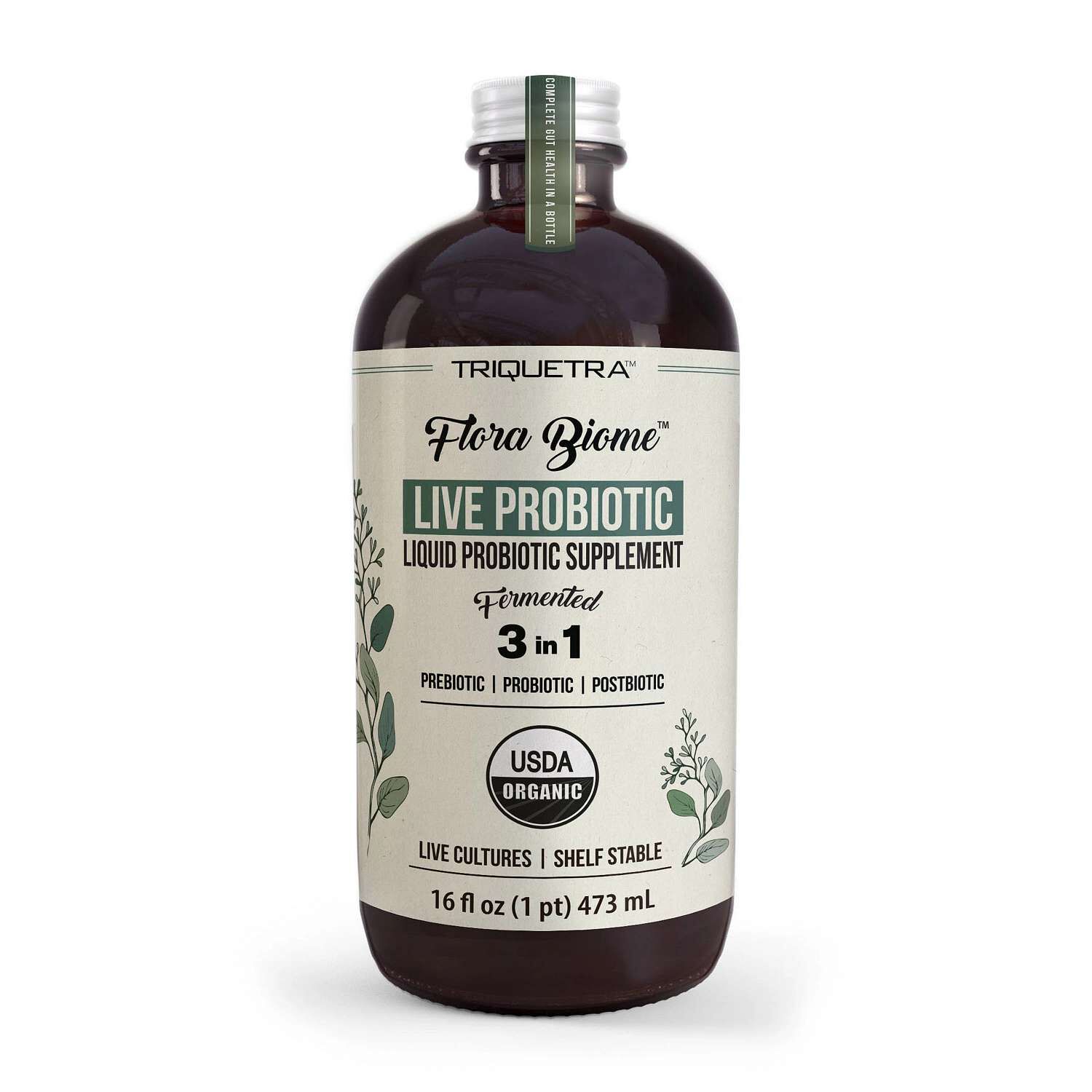
Vegan Digestive Support Capsules
(0 Results)
Vegan digestive support capsules offer a convenient option for those seeking plant-based support for their wellness routines. Formulated without animal-derived ingredients, these capsules may fit seamlessly into a vegan lifestyle. Explore a variety of vegan digestive capsules that could complement your daily regimen and align with your dietary preferences.
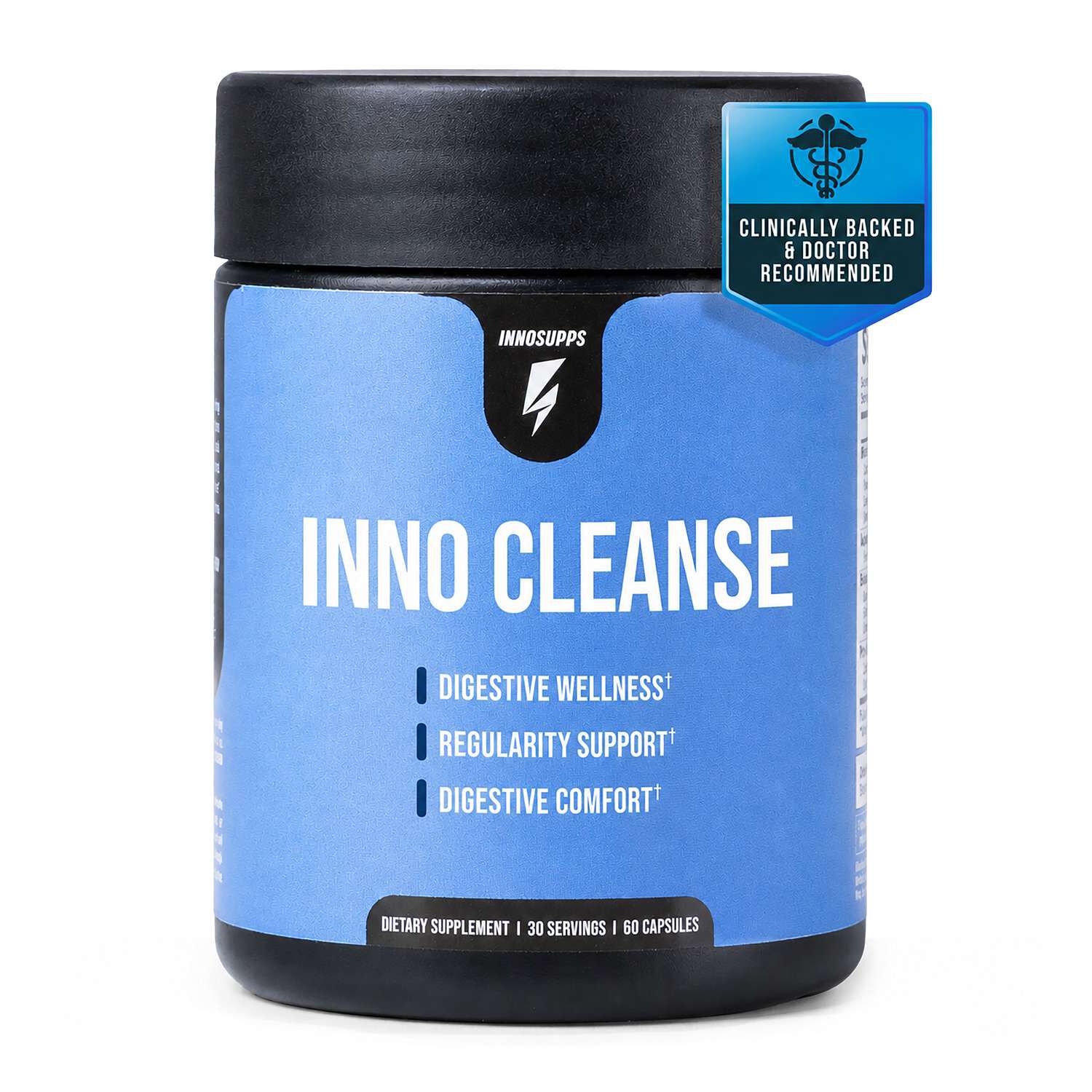


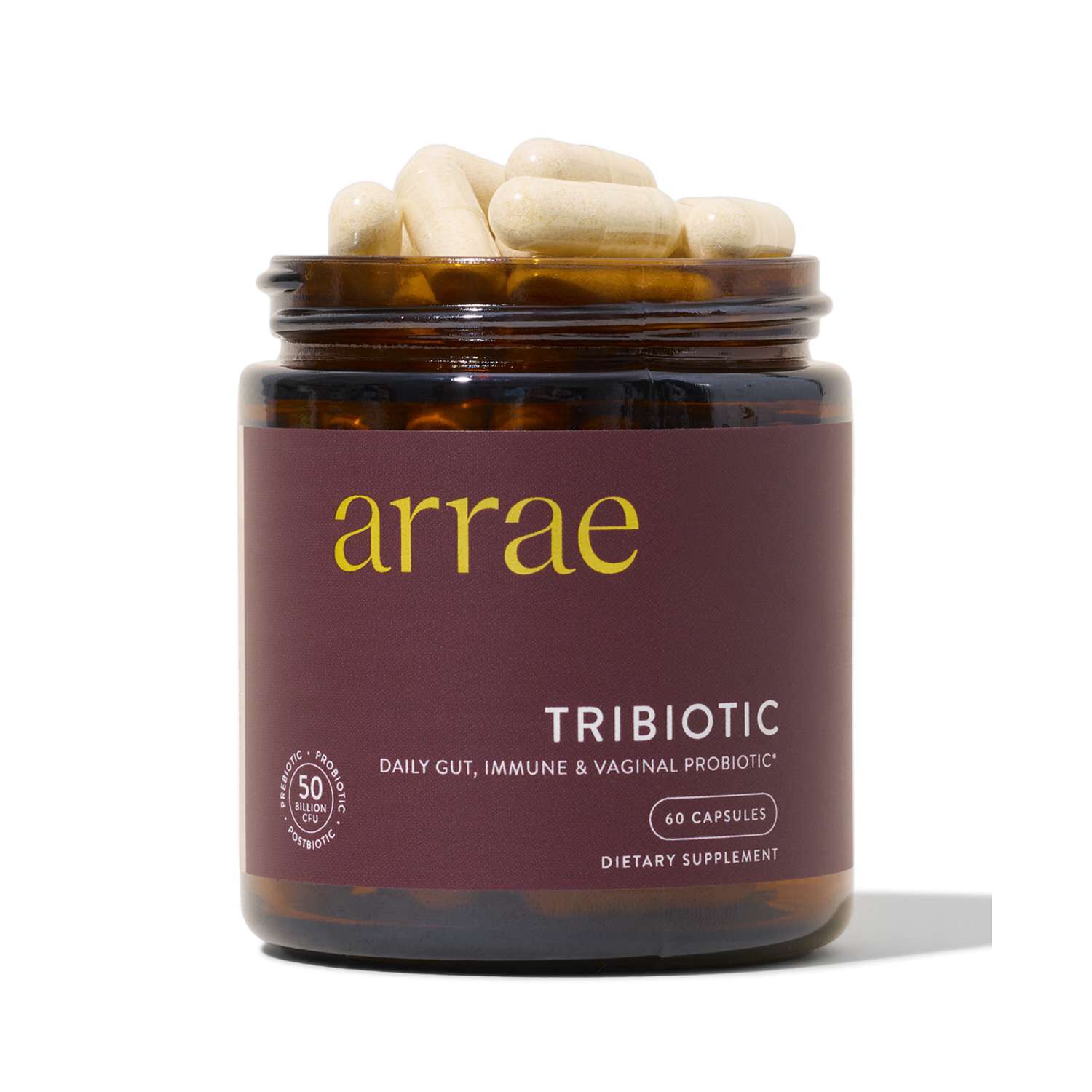
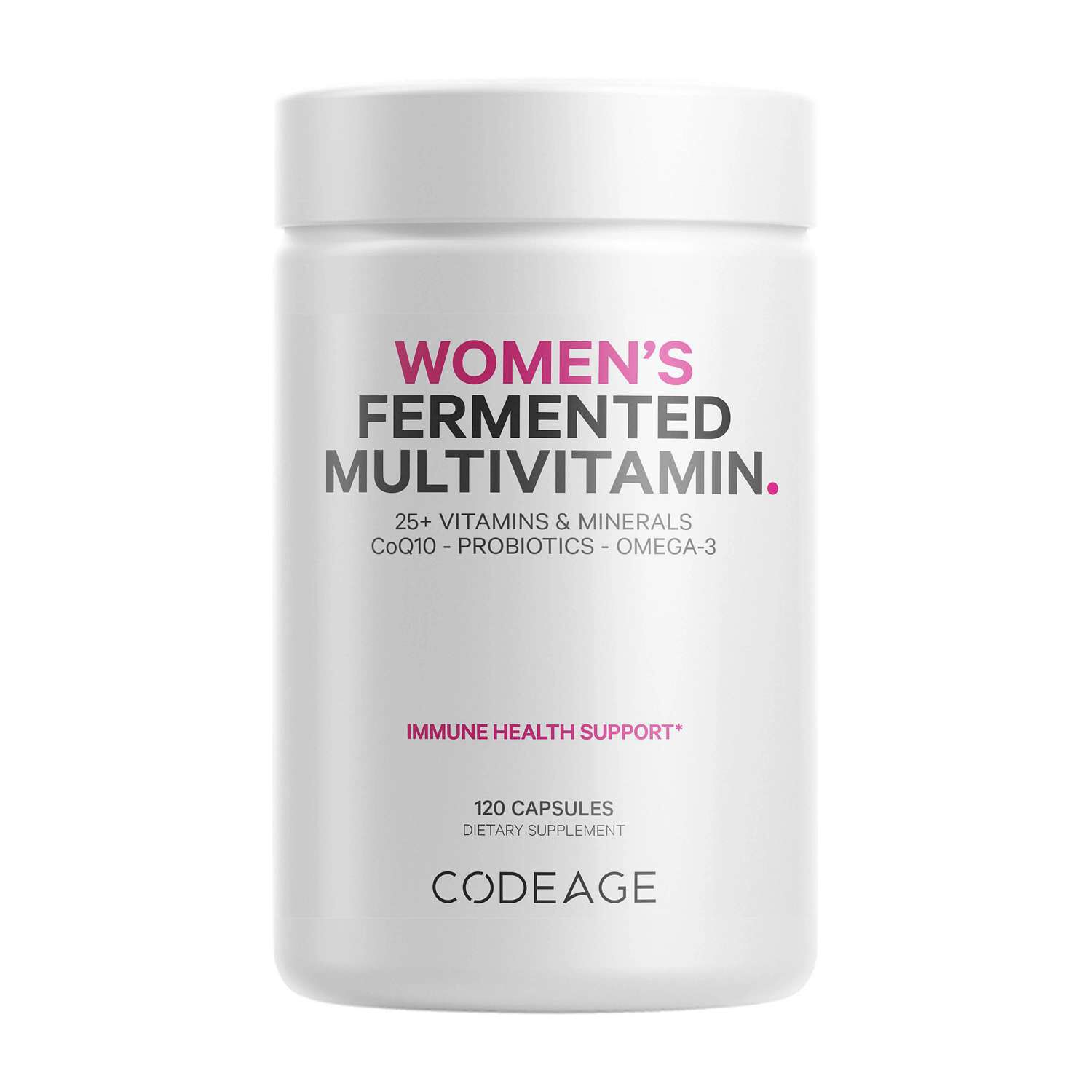
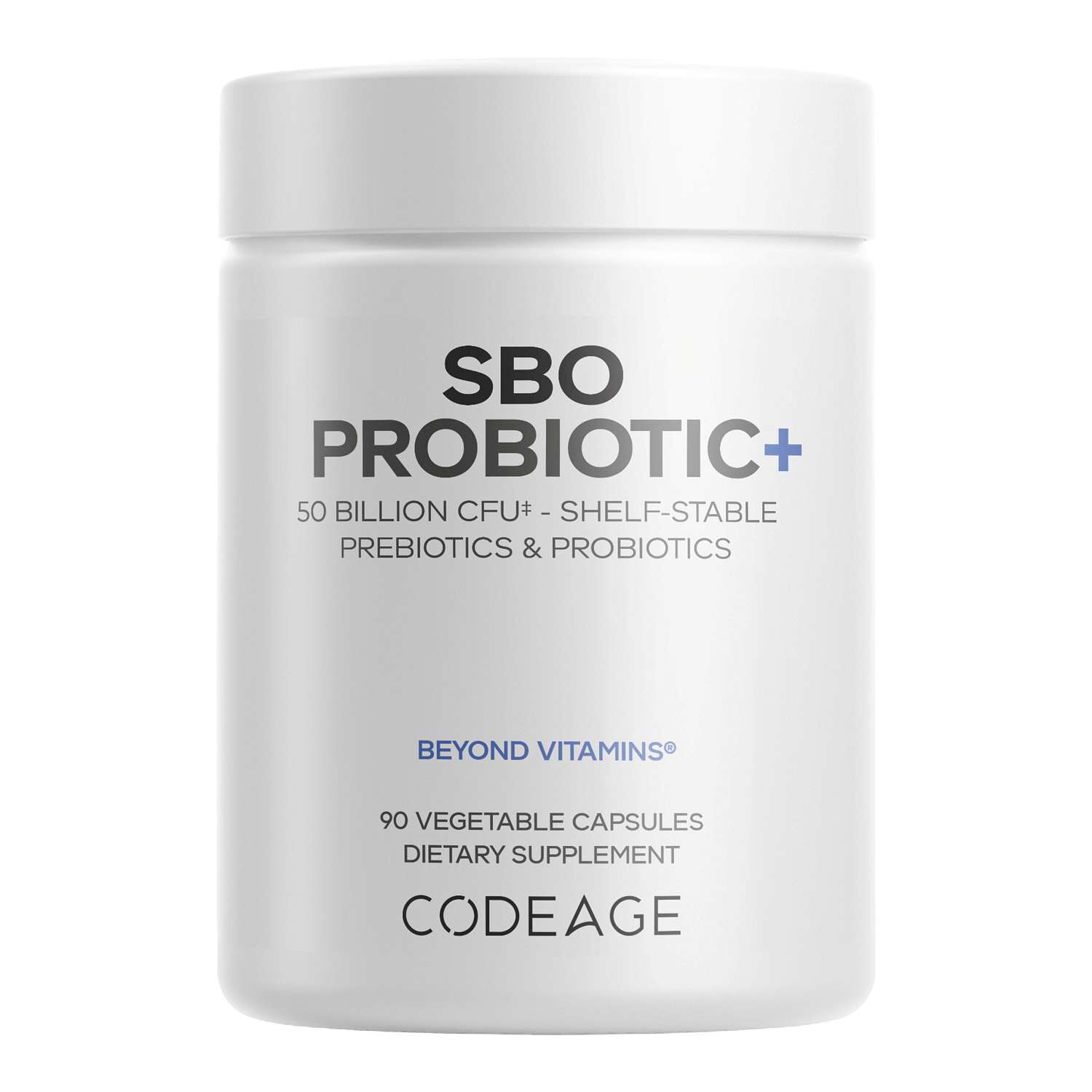


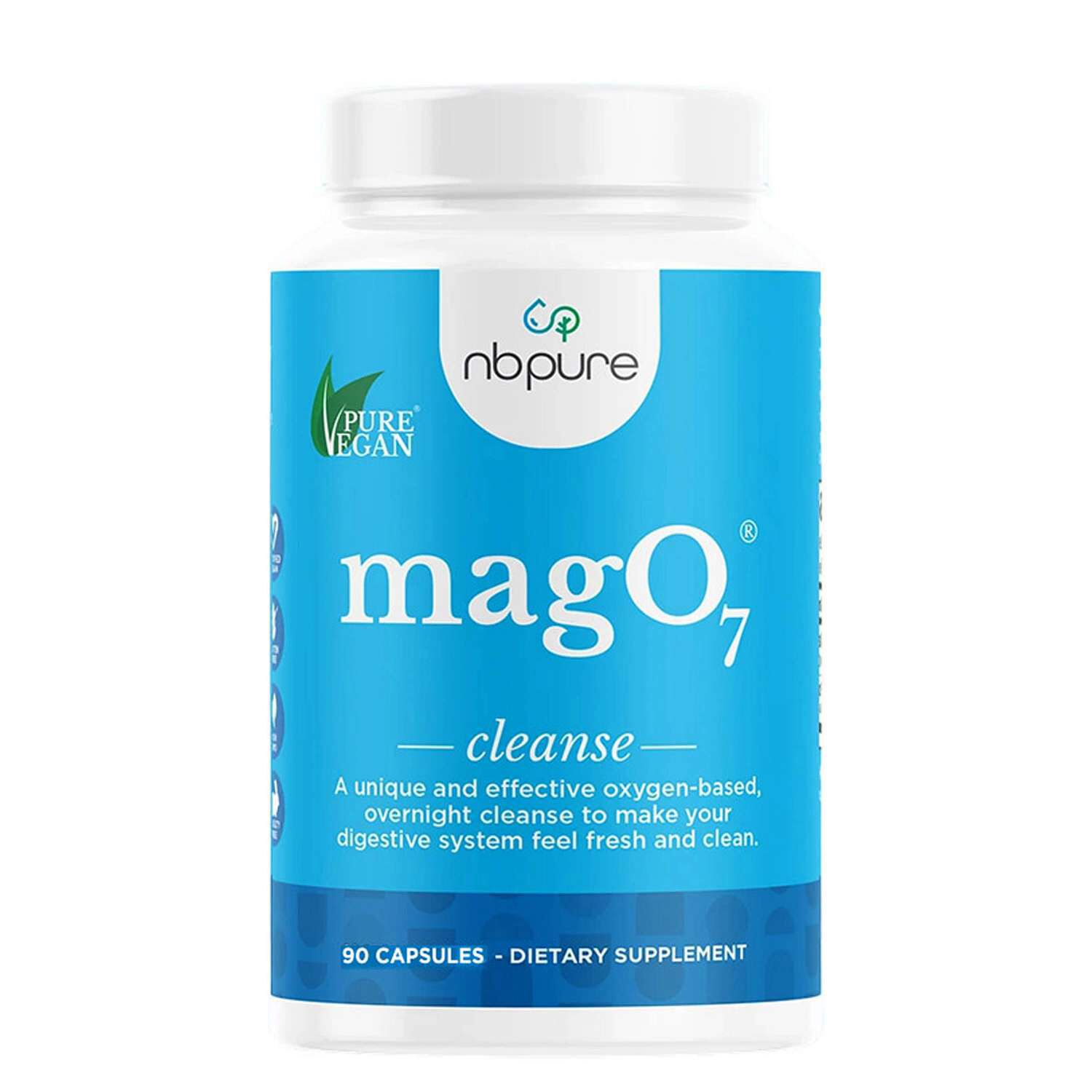


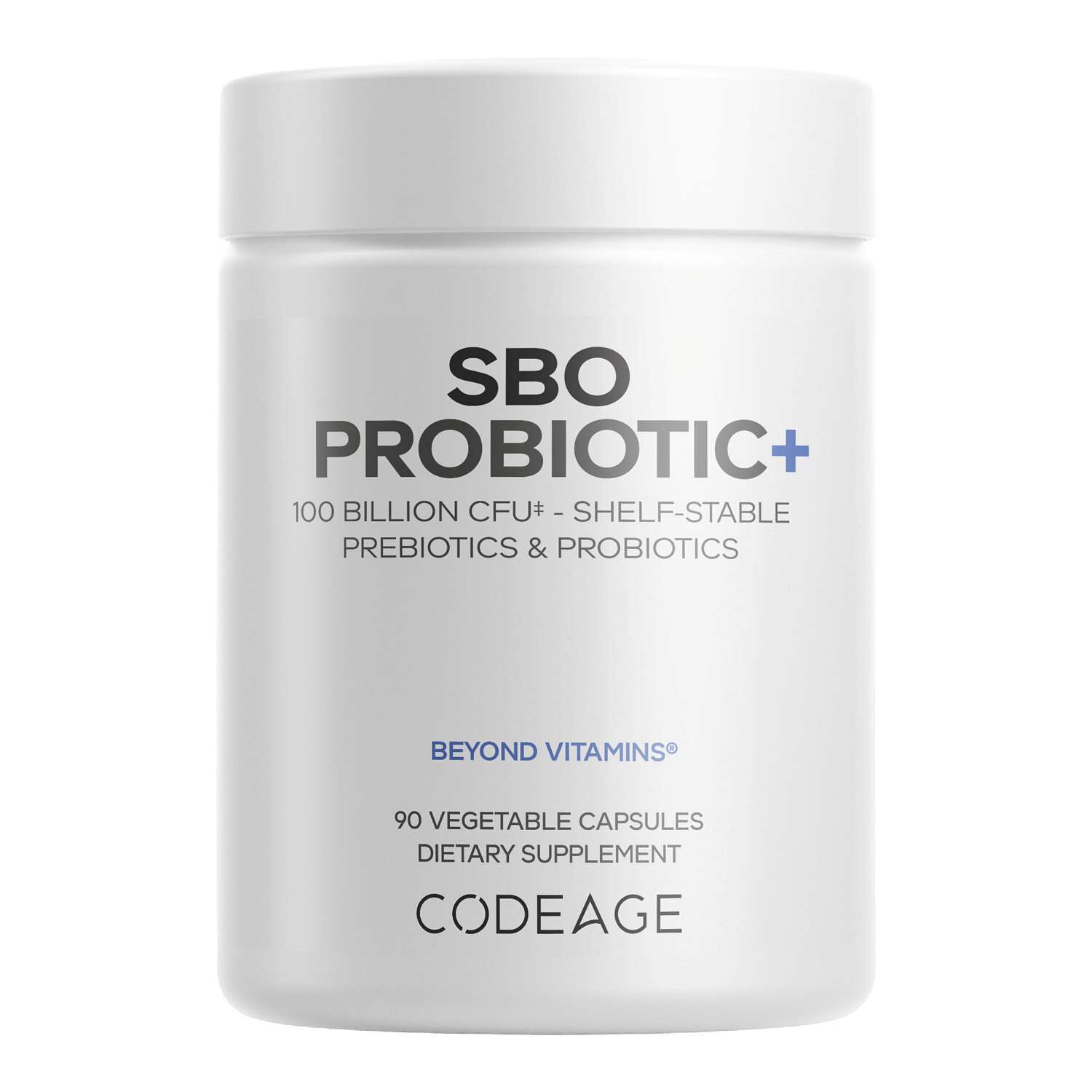


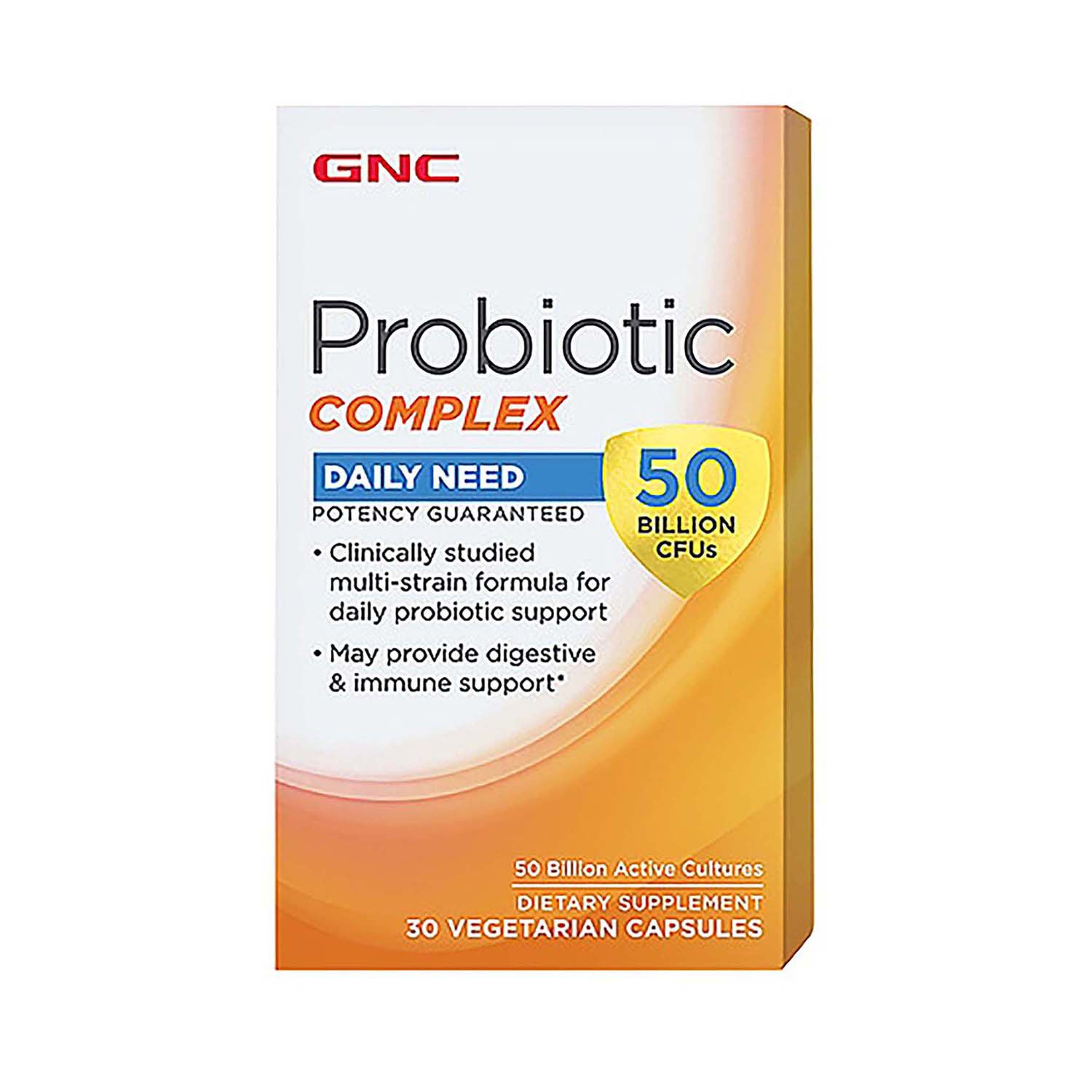

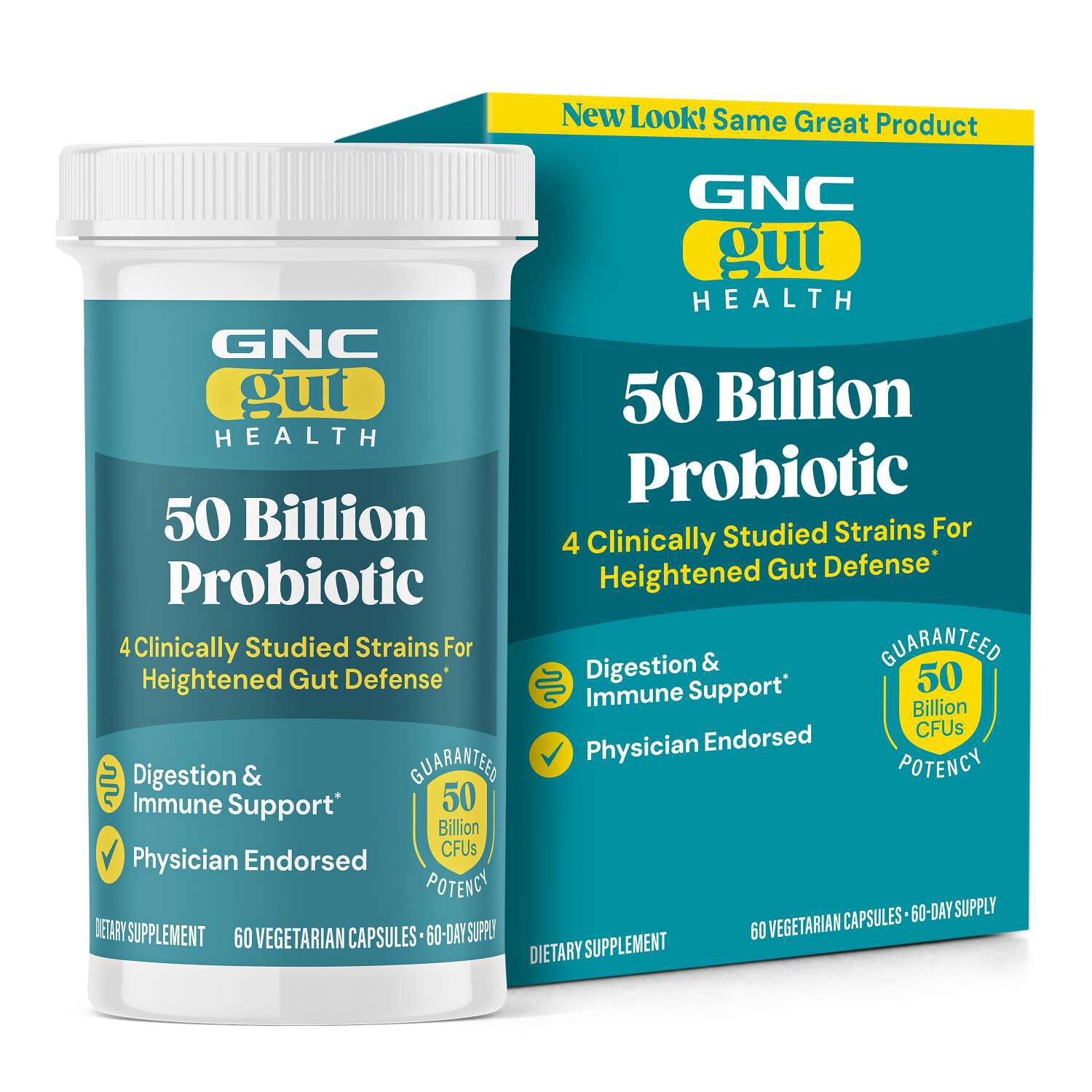
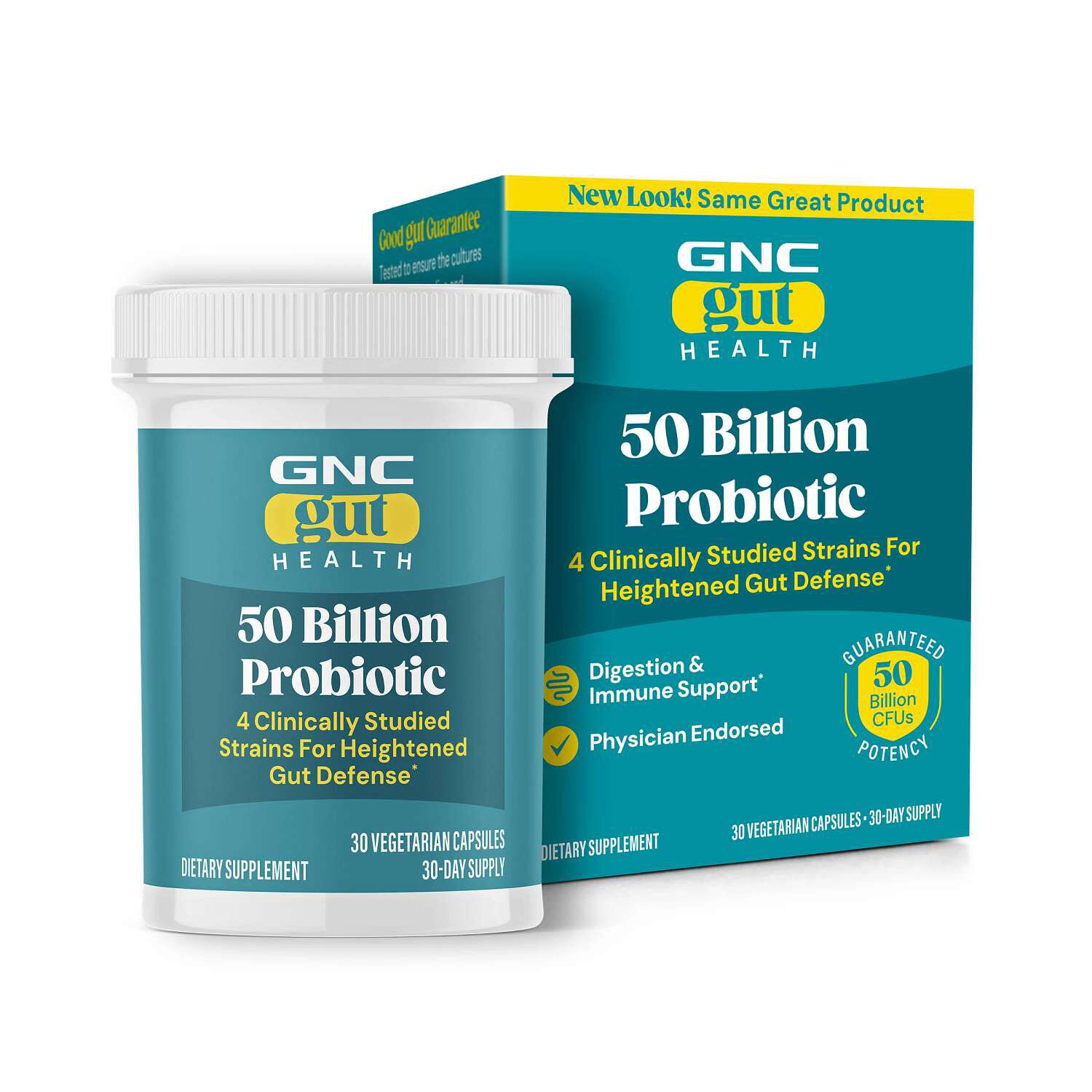
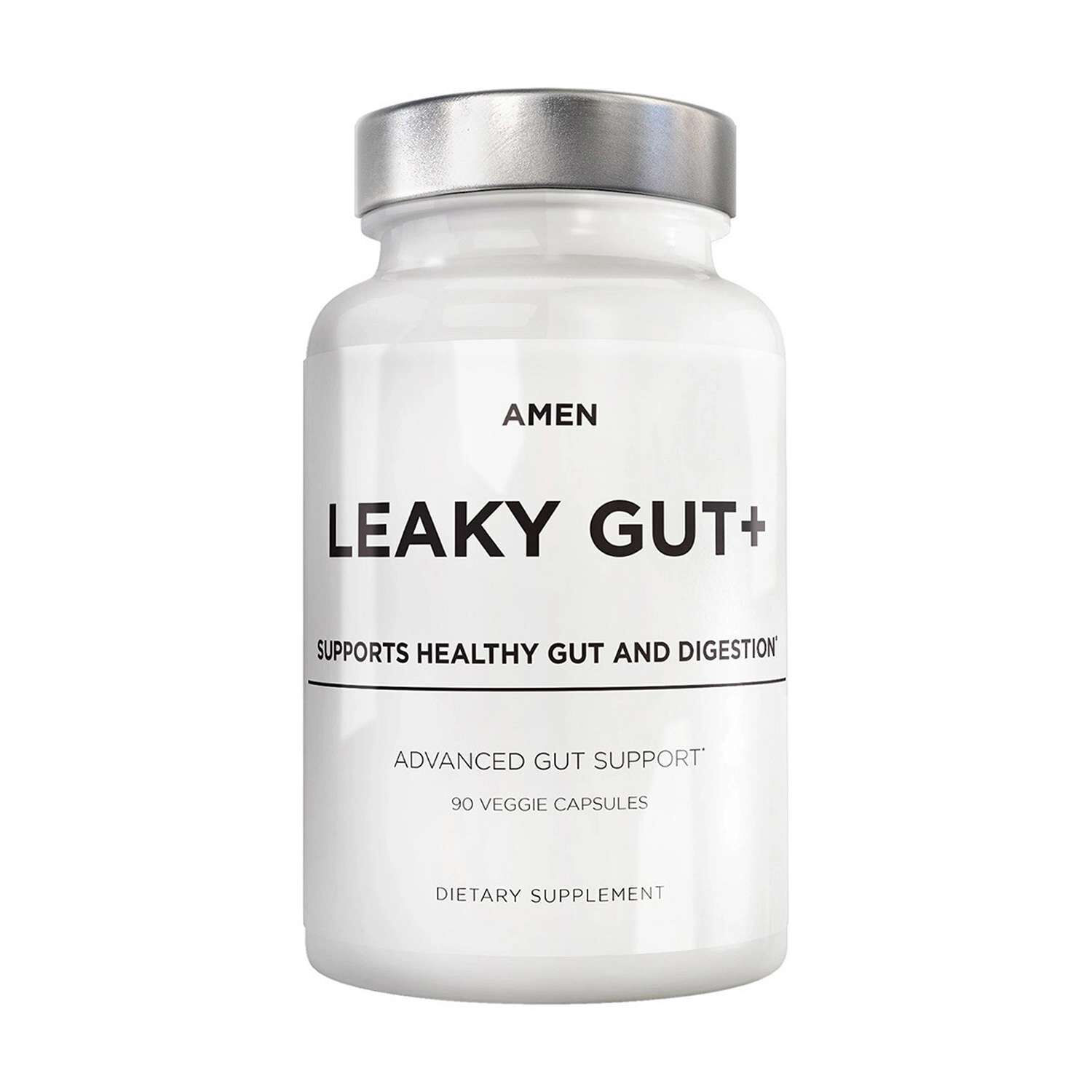
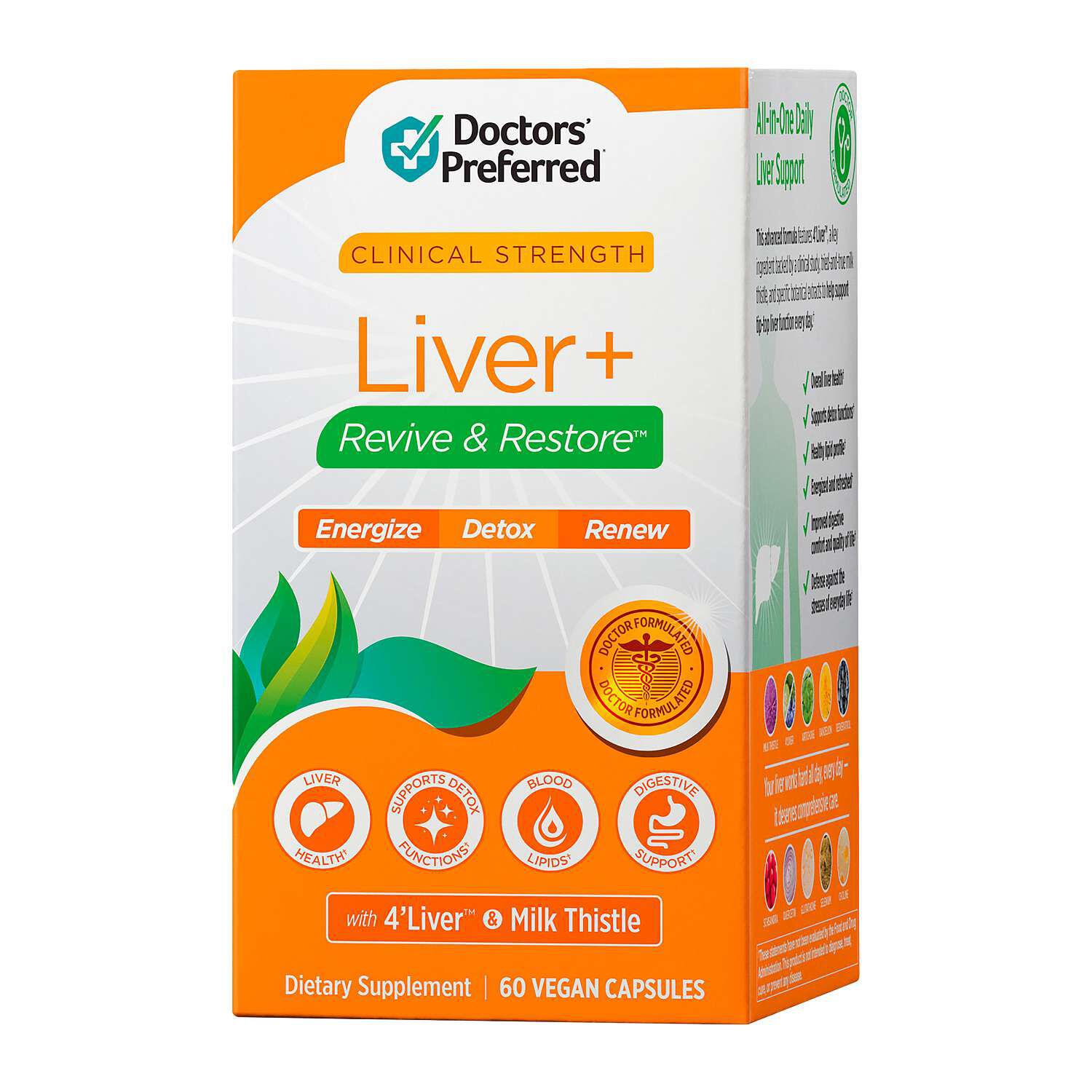
Vegan digestive support capsules are dietary supplements formulated with non-animal ingredients and capsule shells for people who prefer a plant-based approach to everyday nutrition. This category includes digestive enzymes, probiotics, prebiotic ingredients, and botanical blends, either individually or in combination. Each type has a different purpose, so the word “digestive” on a bottle does not describe one uniform formula. Enzyme formulas may support normal digestion, probiotic formulas may support the gut’s microbial community, and prebiotic ingredients may provide nourishment for certain microorganisms. Botanical blends can contain ingredients such as fennel, peppermint, or ginger, with the ingredient panel identifying the plant part and preparation. A vegan designation concerns the entire formula, not just the outer shell. Vegetable cellulose is a common capsule material, although other non-animal shell materials are also used. Enzymes can come from plant or microbial sources, while probiotics are microorganisms rather than plant extracts. Ingredient origins, processing aids, and accompanying ingredients all matter when assessing whether a formula fits a vegan preference. A cellulose capsule, for example, does not by itself establish that everything inside is suitable for a vegan diet. Clear sourcing information and a vegan label or certification provide more useful context than plant imagery on packaging alone. These capsules may appeal to adults who follow a vegan eating pattern, people who avoid animal-derived gelatin, or those who prefer capsules to powders and chewable supplements. They are not a substitute for a varied diet, and different formulas can have different serving directions. Capsule dimensions and the number required per serving are practical considerations, especially for someone who already takes other supplements. A bottle containing many small capsules can still call for several capsules per serving, while another formula may use fewer, larger capsules. That distinction matters when considering how a supplement might fit alongside breakfast at home, lunch at a desk, or another established part of the day.
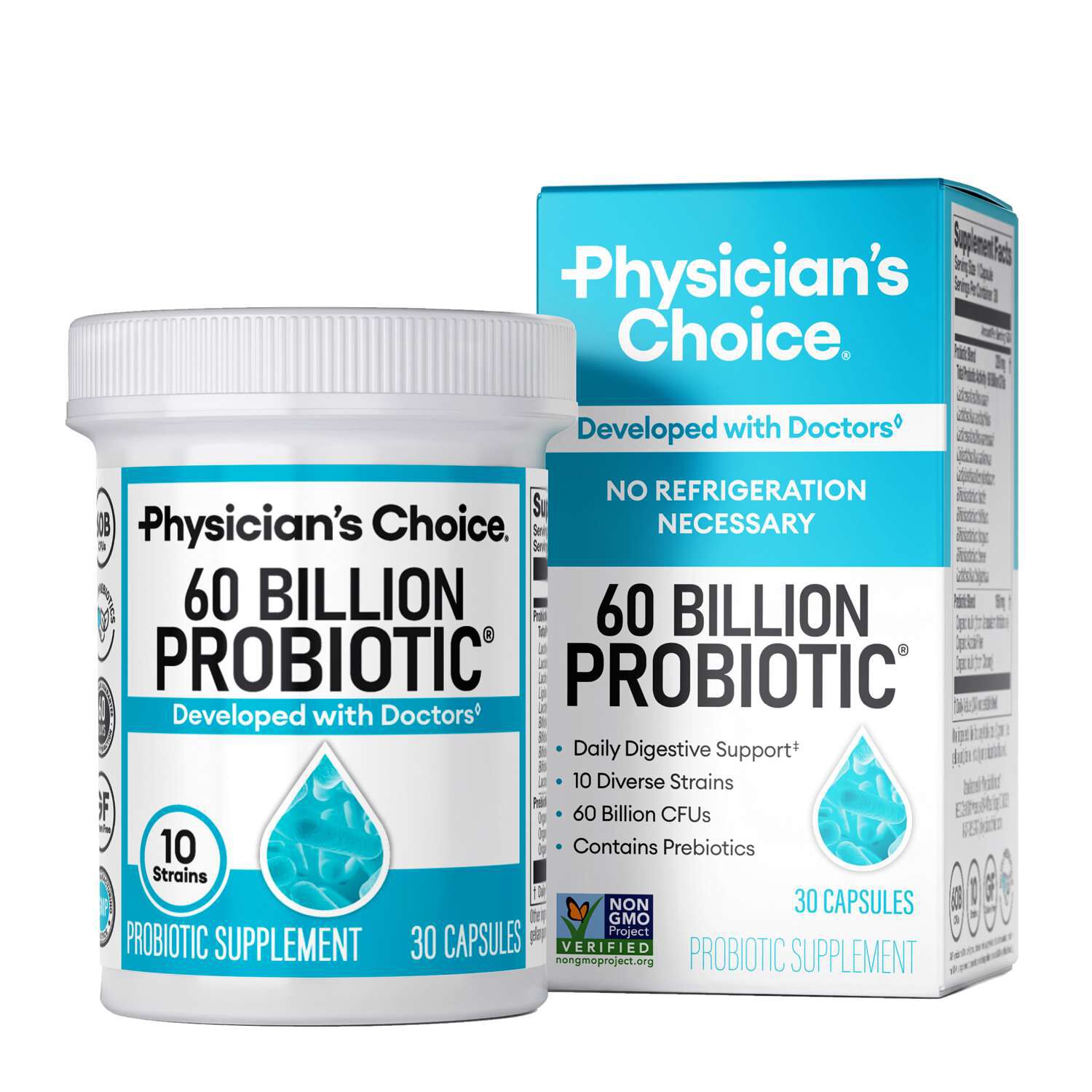
Enzyme-focused formulas have their own label details. Protease, lipase, and amylase are common enzyme names; formulas containing them may help break down proteins, fats, and starches, respectively. Other enzymes may be included for different food components, and some blends contain plant-derived ingredients such as bromelain from pineapple or papain from papaya. Microbial fermentation is another source of enzymes used in vegan formulations, so a non-animal enzyme is not necessarily extracted directly from a fruit or vegetable. The related collection of Vegan Digestive Enzyme Supplements centers on this part of the broader digestive-support category. Enzyme labels may list activity measurements as well as ingredient amounts. An amount expressed in milligrams describes weight, whereas an activity measurement describes enzyme performance under defined testing conditions. Those measurements are not interchangeable across enzyme types, and a longer ingredient list does not automatically make a formula a better match for an individual shopper. Probiotic capsules call for a different comparison: labels can identify the genus, species, and strain of the microorganisms, along with a count expressed in colony-forming units. Whether that count applies at manufacture or through the labeled expiration date is a meaningful distinction. Storage directions also vary by formula. Prebiotic ingredients, including inulin and fructooligosaccharides, may appear alongside probiotics or in separate blends. Because capsules have limited space, the amount of a prebiotic ingredient per serving is worth distinguishing from its presence in the formula. A capsule with a small amount of added fiber is not equivalent to a serving of fiber-rich food. Combination formulas bring several ingredient types together, but that does not make them interchangeable with a dedicated enzyme or probiotic supplement. Someone whose usual meals include lentils, tofu, whole grains, and vegetables may be interested in an enzyme-focused option, while another plant-based shopper may prefer a probiotic formula. The useful comparison is the formula’s stated purpose, ingredient details, and serving format rather than the category name alone.
Everyday fit also involves the capsule’s other ingredients and the information surrounding the formula. Supplement Facts distinguish serving size from bottle count, and the separate ingredient list identifies capsule materials, fillers, and other components used in manufacturing. Ingredients such as magnesium stearate can have different sourcing histories, making an explicit vegan designation useful when animal-derived materials are a concern. Allergen statements deserve separate attention because vegan labeling does not address every ingredient a person may choose to avoid. Soy, wheat, and other plant-derived ingredients can appear in vegan formulas, while manufacturing disclosures provide information distinct from vegan certification. Clear labeling makes these details easier to compare without assuming that all plant-based capsules share the same characteristics. Packaging and storage are equally relevant to long-term care. The original bottle carries the serving directions, lot information, expiration date, and any special storage requirements; keeping those details with the capsules preserves useful context. A tightly closed container and protection from moisture are common storage considerations, particularly for a bottle opened regularly. Some probiotic formulas require refrigeration and others do not, so the package directions matter more than assumptions about the category. For people who carry supplements between home and work, a secure container may make the capsule format convenient, but storage requirements still apply away from home. Capsule shells and their contents should be handled according to the label, including any instructions about whether a capsule can be opened. Intended use can also differ: some formulas specify use with meals, while others have different directions. Adults comparing vegan digestive support capsules can look for clearly stated intended use, transparent ingredient sourcing, readable serving information, and packaging that suits their habits. Those practical details may make a formula easier to incorporate into an existing nutrition routine without relying on broad claims or treating every digestive-support capsule as the same kind of supplement.
Best Sellers
-
 Physician's Choice