





Vegan Mass Gainers
(0 Results)
Vegan mass gainers offer a plant-based approach for those looking to support their fitness journey while maintaining a vegan lifestyle. Packed with nutrient-rich ingredients, these options are designed to fit seamlessly into a variety of dietary preferences. Whether you’re working toward your strength goals or aiming to increase your daily intake, vegan mass gainers could provide a convenient and versatile solution to help fuel your routine. Explore a range of flavors and formulations that may align with your wellness objectives.


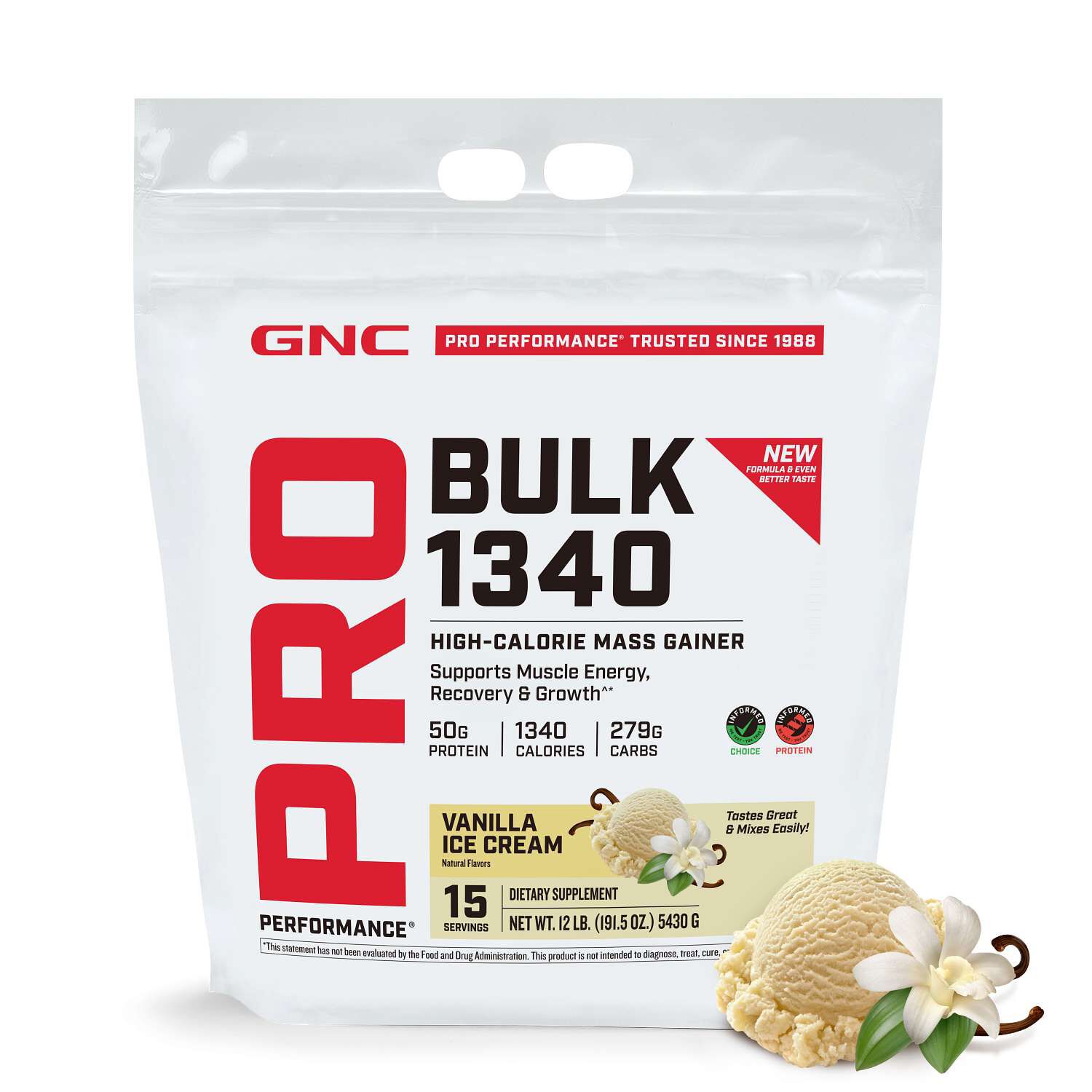
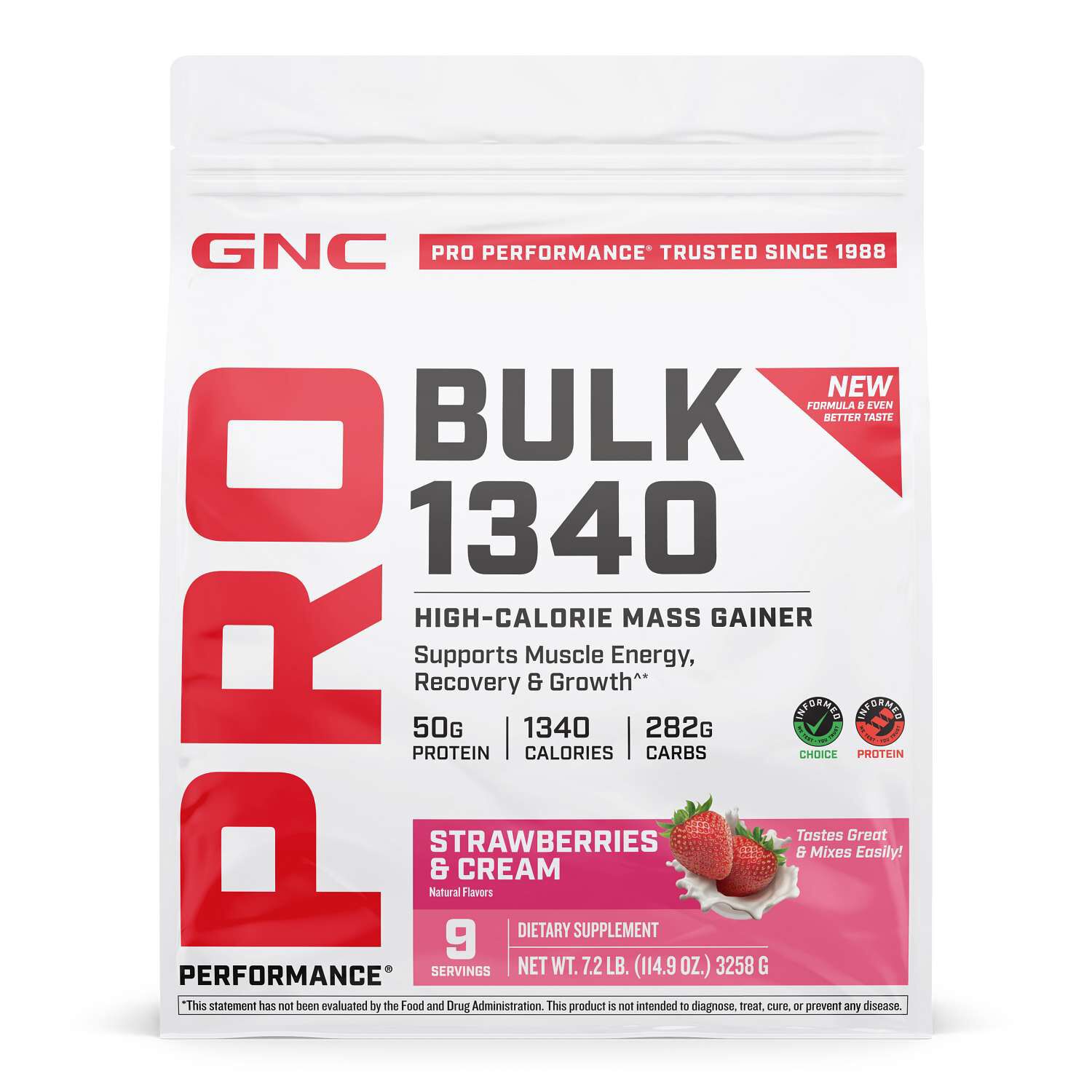
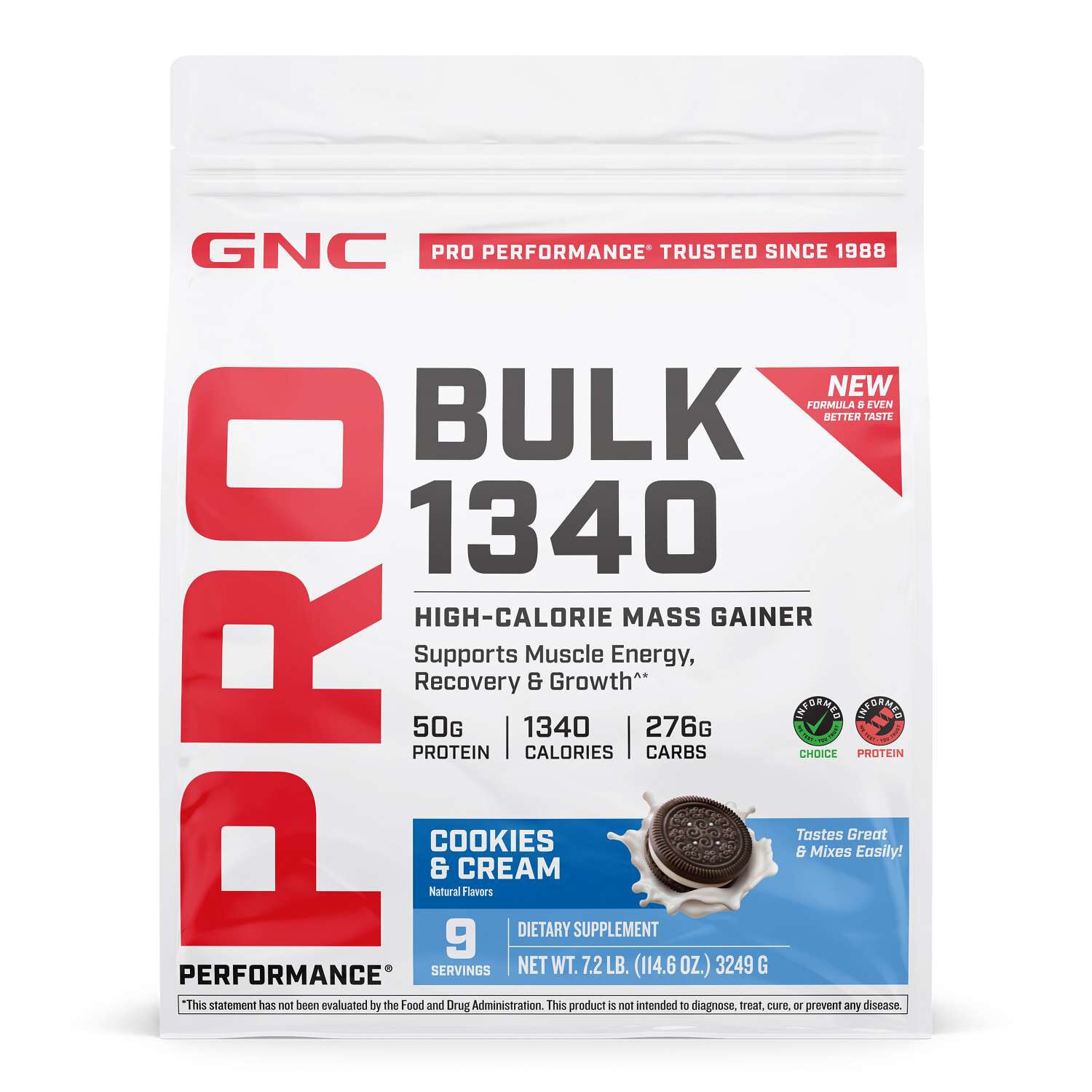

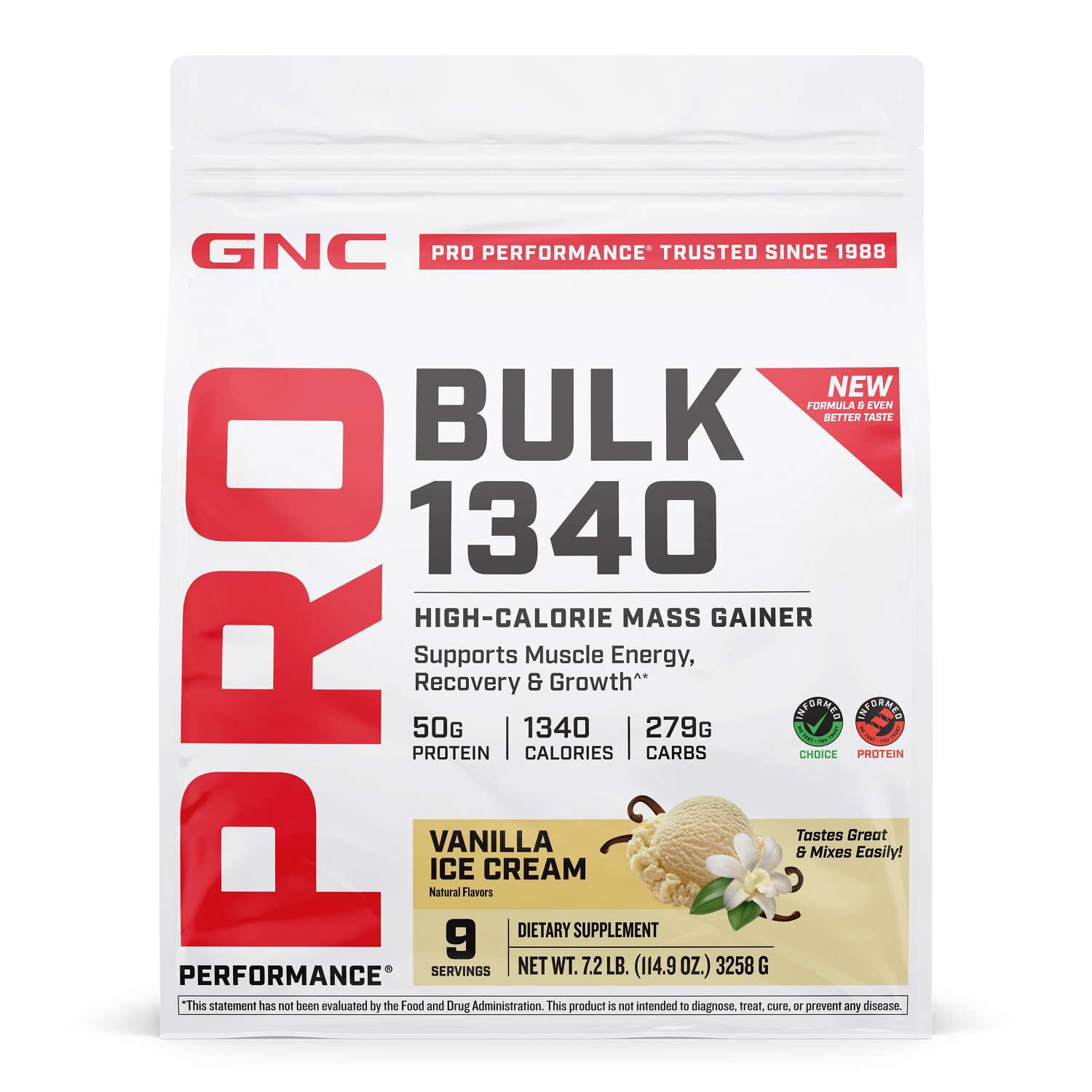

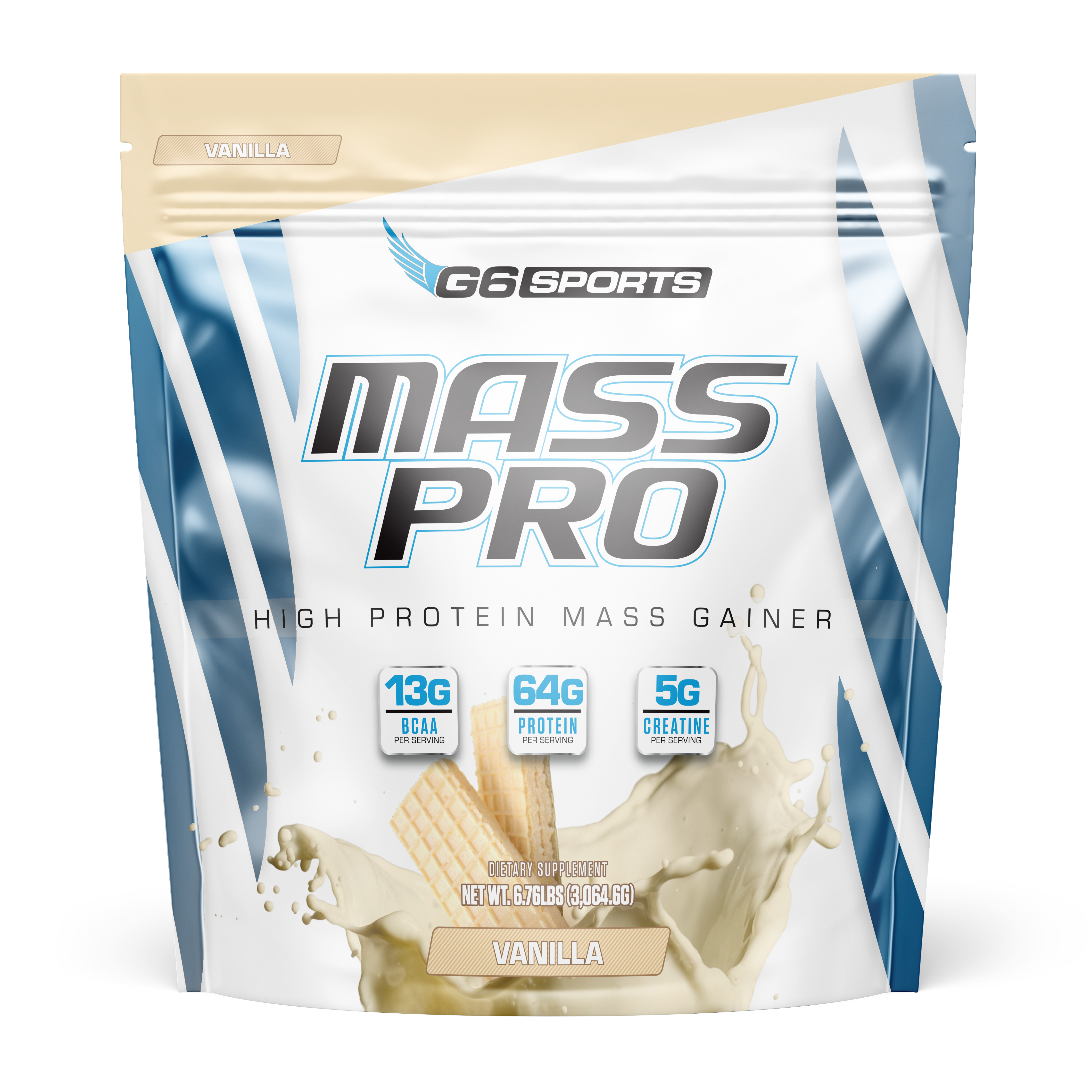


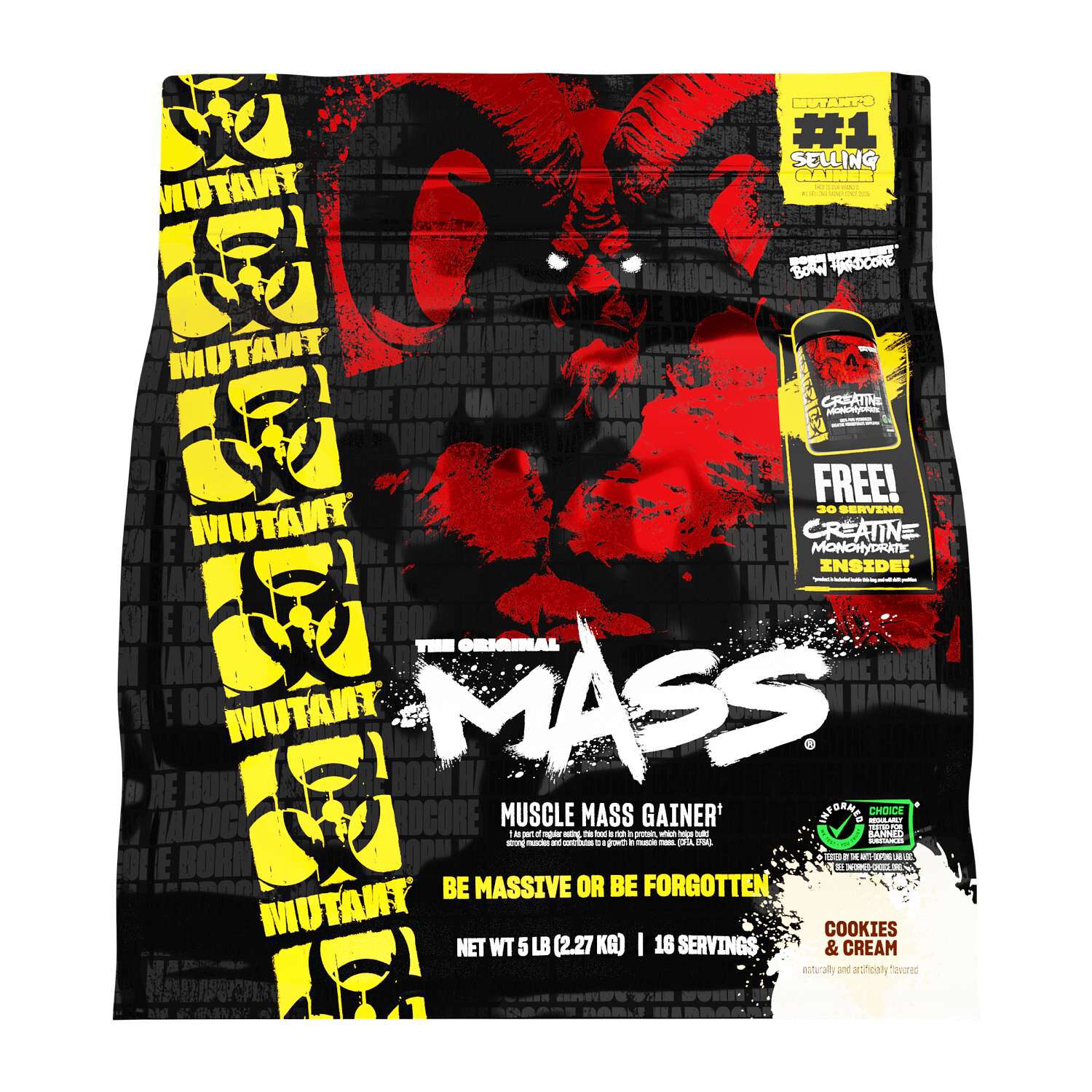


Vegan mass gainers are calorie-dense powders that combine plant-based protein with carbohydrates and, in some formulas, added fats. Unlike conventional gainers made with whey or other animal-derived ingredients, vegan formulas use sources such as pea, brown rice, soy, or pumpkin seed protein. Carbohydrates may come from oats, rice, tapioca-derived ingredients, or other plant sources, while fats may come from ingredients such as coconut or sunflower oil. The balance varies by formula, so two powders with similar names can have quite different nutrition panels. A standard plant-based protein powder generally emphasizes protein, while a vegan mass gainer typically includes a larger carbohydrate contribution and more calories per labeled serving. For someone pursuing weight-gain goals alongside resistance training, that combination may offer a convenient way to add nutrition between meals or around a workout. A calorie surplus describes an eating pattern that supplies more calories than the body uses over time; a mass gainer may contribute to that pattern, but its place depends on the rest of the day’s meals and activity. These powders may appeal to vegan athletes, recreational lifters, and people who prefer plant-derived ingredients in their training nutrition. Someone with a packed workday might appreciate a shake that fits between lunch and an evening meal, while another shopper might want a powder to blend into a substantial breakfast smoothie. The product category is best understood as an addition to an eating routine rather than a substitute for varied meals. Plant protein blends bring different ingredient sources together, but the presence of several proteins does not establish how much protein a serving contains. The nutrition panel provides that information. Looking at calories, protein, carbohydrates, and fat together gives a clearer picture than choosing by the front label alone, particularly when the goal is a powder that fits an existing meal pattern rather than one that requires reorganizing the day around it.
Serving size is one of the most useful details when comparing vegan mass gainers. One labeled serving might require a different number of scoops or a different powder weight than another, making scoop-for-scoop comparisons misleading. Reading the serving weight alongside the calorie and protein amounts puts each formula in context. Preparation matters, too: nutrition figures may describe the powder alone or a shake prepared with a specified liquid. Water leaves the powder’s nutrition as the main contribution, while soy, oat, or another plant-based beverage adds its own calories and nutrients. The ingredient list also reveals differences that the flavor name cannot. An oat-based formula can have a cereal-like character, while pea or rice protein can bring a noticeable plant taste. Cocoa, vanilla, sweeteners, and other flavoring ingredients shape the finished drink, and preferences vary considerably. Someone who enjoys a thick smoothie with banana and nut butter might welcome a richer texture; someone mixing a shake at a desk may prefer a formula described as suitable for a shaker bottle. Preparation directions offer a useful starting point for the intended amount of liquid and mixing method. A blender can incorporate fruit and other ingredients, while a shaker bottle offers a simpler setup when the formula’s directions allow it. Adding ingredients changes the nutrition and flavor, so a plain powder mixed with water is not interchangeable with a smoothie containing oats, fruit, and seed butter. For a realistic comparison, picture the drink as it will actually be prepared. A chocolate shake beside a packed lunch, an unflavored powder blended with berries, and a vanilla smoothie after an evening lifting session are different uses, even within the same category. A familiar flavor and manageable preparation routine may make a powder a more practical addition than an unusually large serving that does not fit the shopper’s preferences or schedule.
Ingredient preferences deserve the same attention as calories and mixing convenience. Vegan describes the use of ingredients that are not animal-derived; it does not establish whether a powder contains soy, wheat, peanuts, tree nuts, or other ingredients a shopper may wish to avoid. Ingredient lists, allergen statements, and manufacturing disclosures provide separate details, and each serves a different purpose. A formula made with rice protein, for example, can still contain additional ingredients unrelated to its main protein source. Shoppers who prioritize particular sourcing practices can look for clearly identified certifications rather than assuming that every plant-based powder follows the same standards. Sweetener choices, added sugars, flavorings, and the length of the ingredient list are also points of distinction, although a shorter list does not automatically make a formula better suited to every person. Some shoppers prefer a straightforward blend they can customize; others value a flavored powder that needs only the liquid specified on the label. Any added vitamins, minerals, or training-oriented ingredients deserve a separate look, especially when the powder will sit alongside other supplements in a daily routine. For shoppers comparing other plant-based workout categories, Vegan Pump Supplements offers a related category to explore, distinct from the calorie-focused purpose of mass gainer powders. Packaging and storage are practical considerations as well. A wide opening can make scooping less awkward, and a securely closing container or pouch helps keep the powder protected between uses. Follow the package’s storage directions, keep the scoop dry, and close the package after measuring a serving. Check the date and any directions for prepared shakes, particularly when mixing ahead for work or the gym. A suitable vegan mass gainer is ultimately one whose ingredient profile, labeled serving, flavor, and preparation requirements fit the intended use. Those details may help make a calorie-focused shake a workable part of a plant-based eating and training routine.
Best Sellers
-
 GNC Pro Performance
-
 GNC Pro Performance
-
 GNC Pro Performance
-
 GNC Pro Performance
Related Pages


Top Collections
- Daily Collagen Supplements | Top Brands & Deals | GNC
- Joint Mobility Supplement Packs
- Zinc Supplements | Top Brands at Great Prices | GNC
- Supplements For Yoga Joint Flexibility
- Supplements For Balance
- Chronic Fatigue Supplements
- Capsule Supplements For Energy And Stamina
- Cortisol Supplements
- NAD+ Supplement Tablets
- Iron Supplements